Serengeti National Park

Visit Serengeti National Park
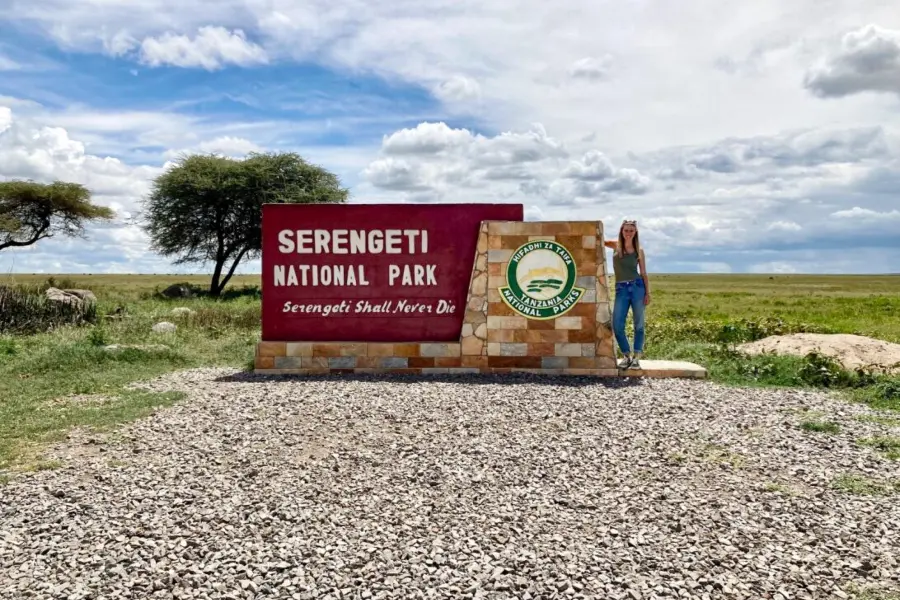
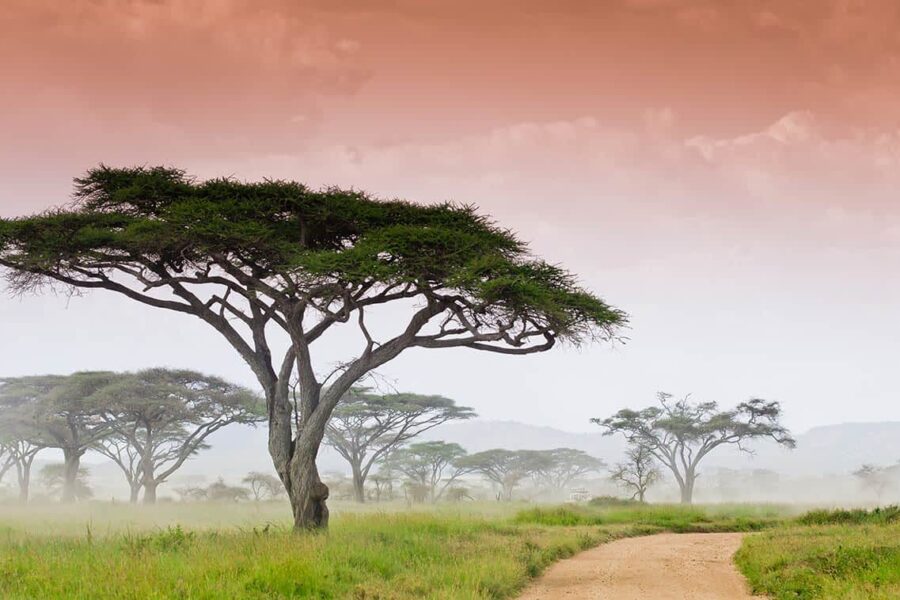
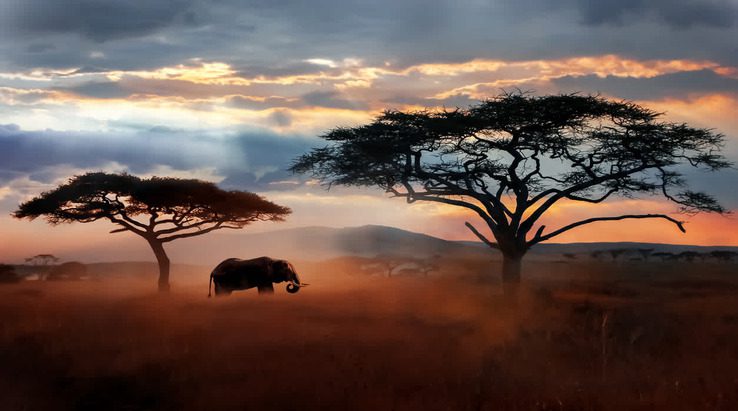
The Serengeti is one of the most legendary safari destinations on Earth, a place where nature still follows ancient rhythms and wildlife roams freely across vast, open landscapes. Located in northern Tanzania, Serengeti National Park forms the core of the greater Serengeti–Maasai Mara ecosystem, one of the last remaining intact wildlife systems in the world. Its name comes from the Maasai word “Siringet,” meaning “endless plains,” a fitting description for a landscape that seems to stretch forever beneath dramatic African skies.
For decades, the Serengeti has captured the imagination of explorers, photographers, filmmakers, and wildlife lovers. Yet beyond its fame, the park offers deep, meaningful safari experiences that go far beyond a checklist of animals. Below is a detailed and informative exploration of five compelling reasons why visiting the Serengeti should be a top priority for any safari traveler.
1. The Great Wildebeest Migration – Nature’s Greatest Spectacle
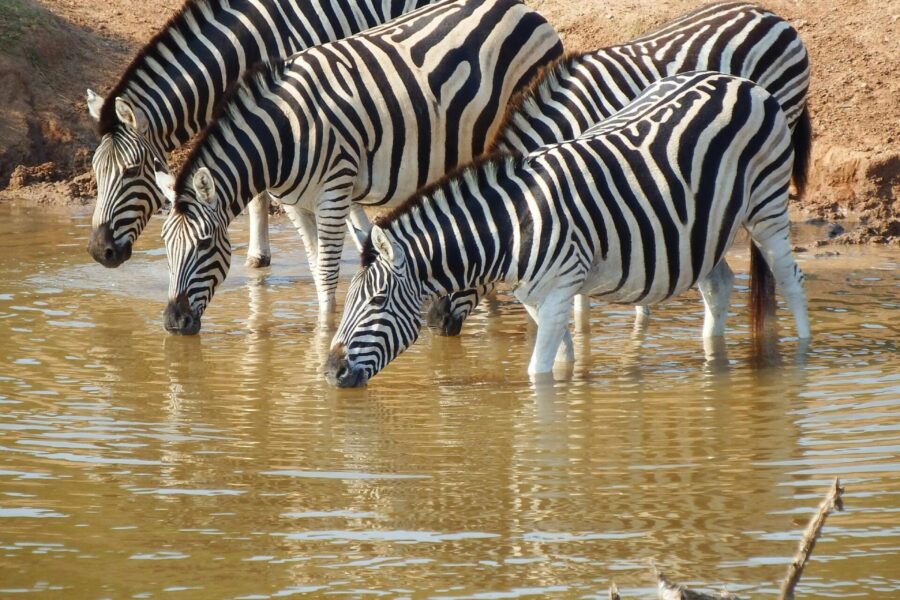
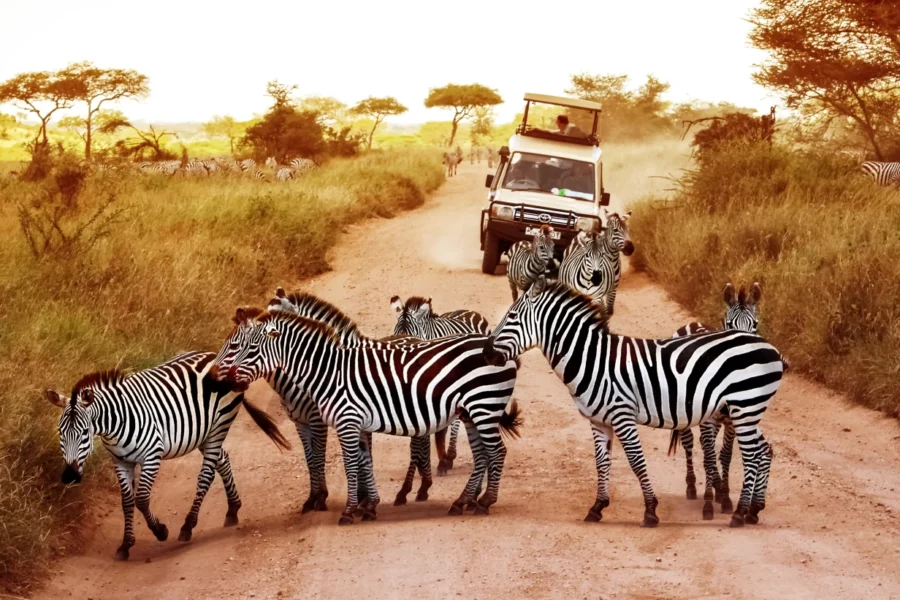
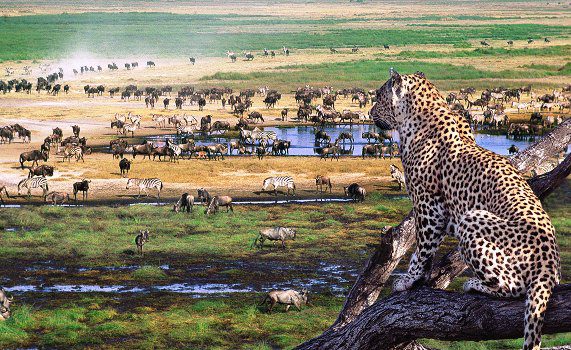
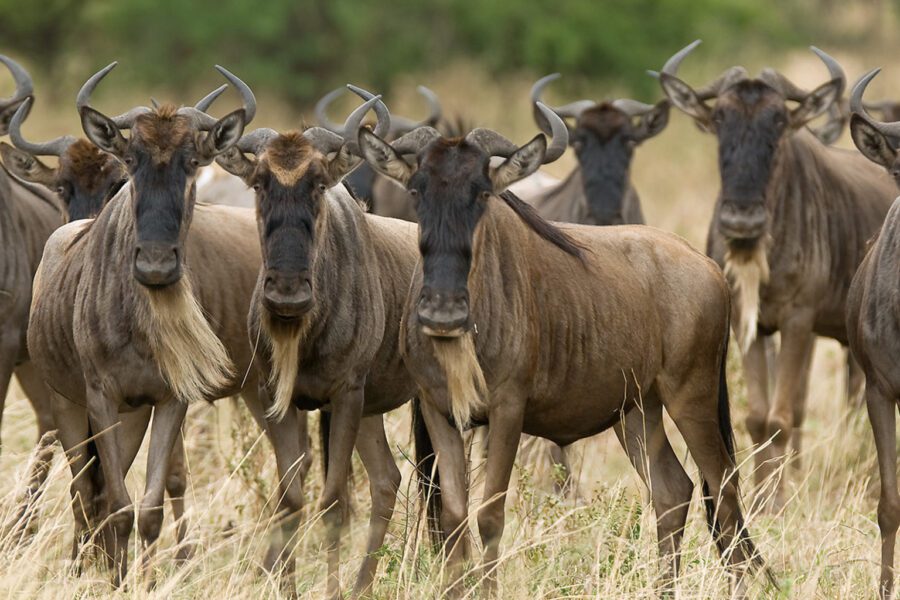
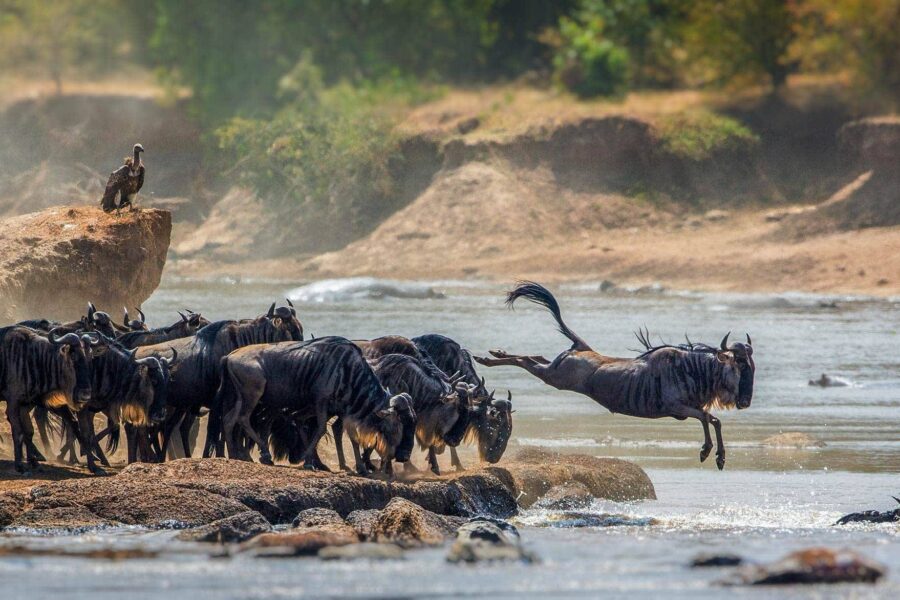
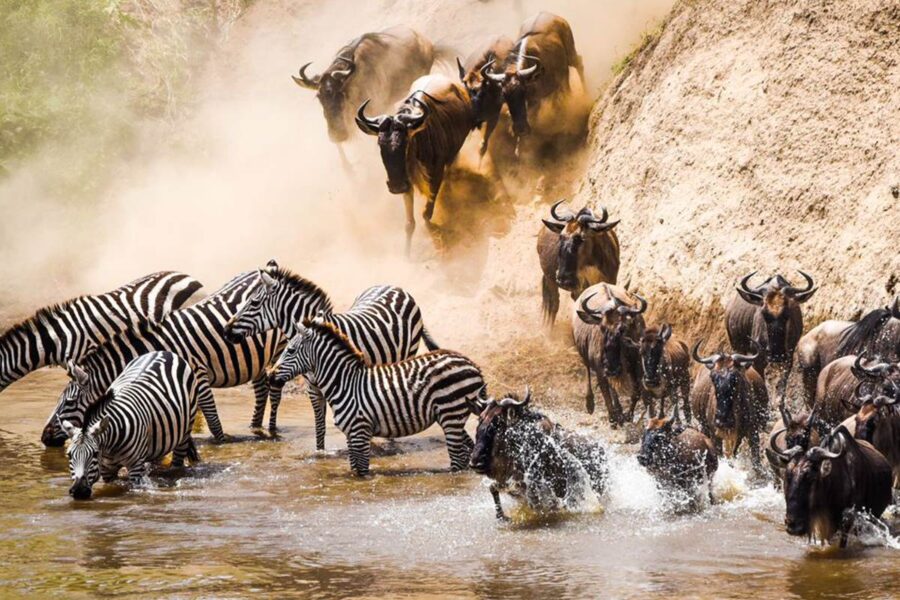
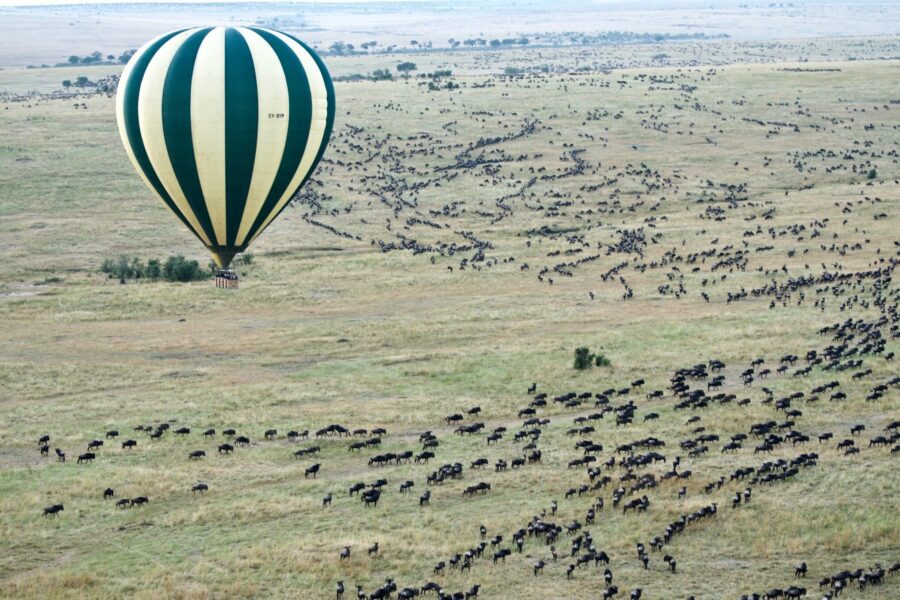
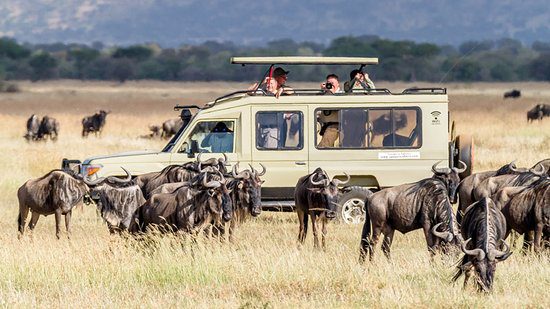
The Great Wildebeest Migration is the Serengeti’s most iconic attraction and one of the most extraordinary natural events on the planet. Each year, over 1.5 million wildebeest, accompanied by approximately 300,000 zebras and hundreds of thousands of gazelles, move in a vast circular journey across the Serengeti and into Kenya’s Maasai Mara in search of fresh grazing and water.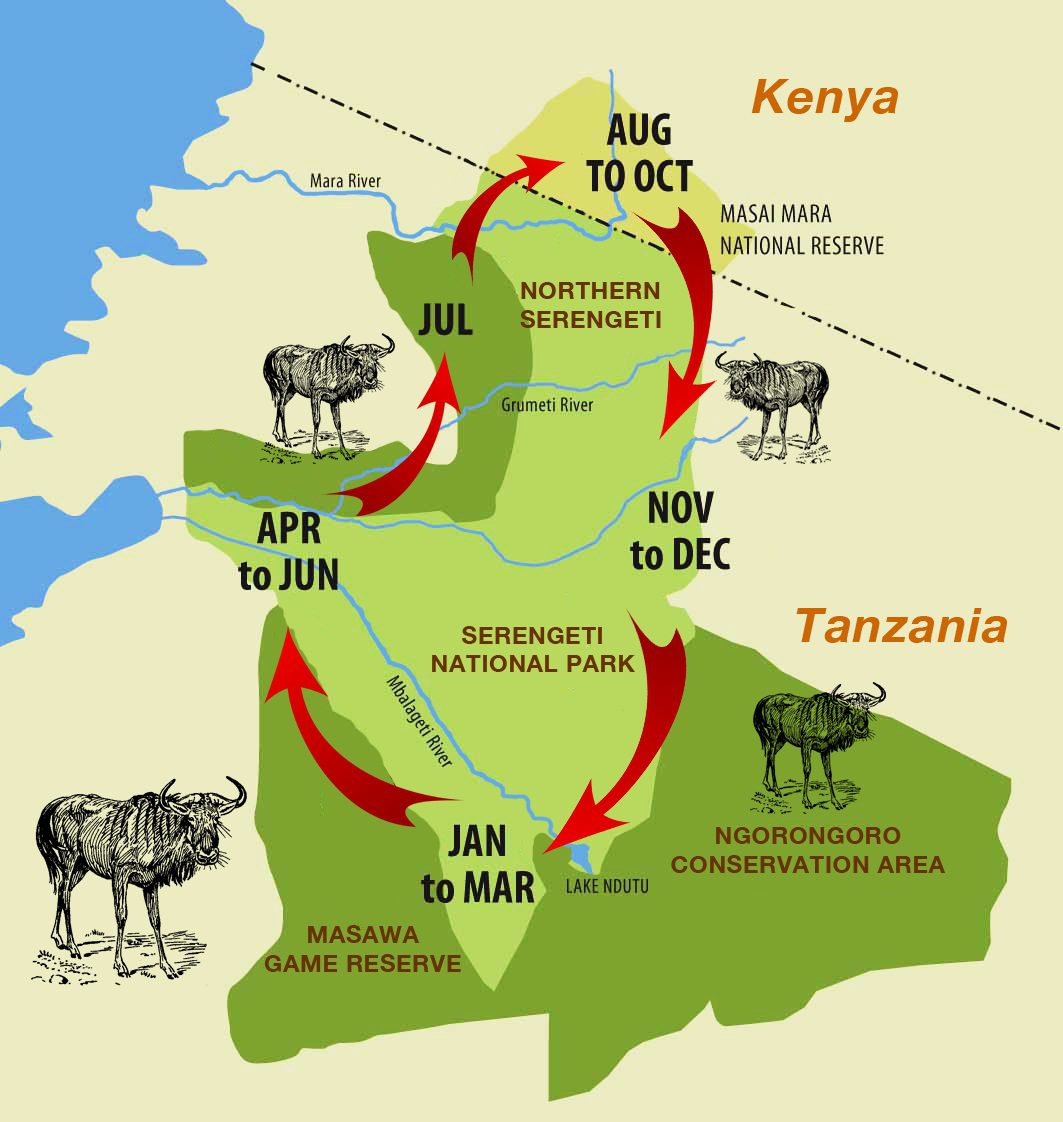
A Year-Round Phenomenon
Contrary to popular belief, the migration is not a single event that happens at one time or place. Instead, it is a continuous, year-round cycle, and the Serengeti hosts different stages of the migration throughout the year:
-
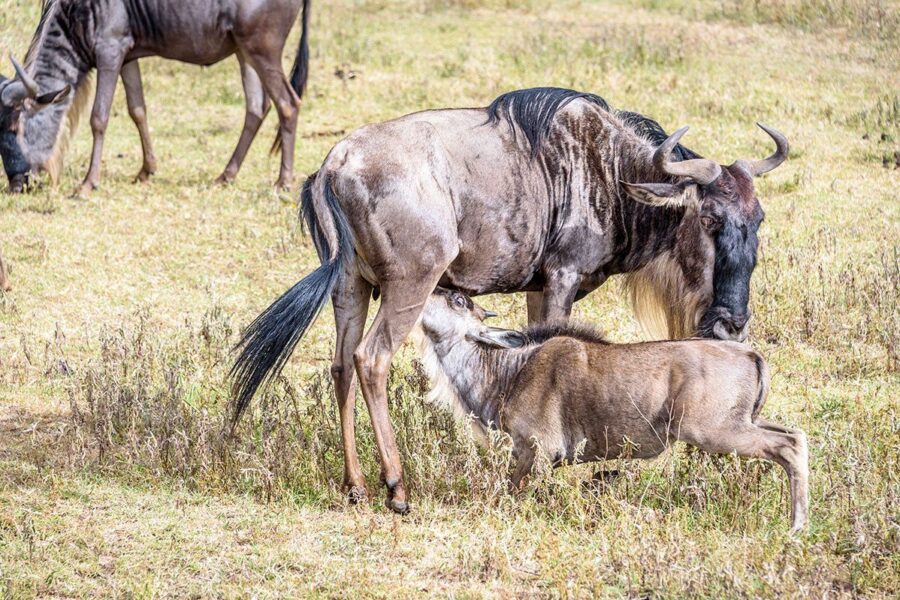
Calving season in the southern Serengeti and Ndutu plains, where thousands of calves are born daily
-
Grumeti River crossings in the western corridor
-
Mara River crossings in the northern Serengeti, known for dramatic predator-filled moments
This means visitors can witness migration-related action at various times of the year, from tender newborn calves taking their first steps to heart-pounding river crossings where survival hangs in the balance.
Predator-Prey Drama
The migration supports one of the highest concentrations of predators in Africa. Lions, cheetahs, leopards, hyenas, and crocodiles closely follow the herds, creating intense and unforgettable wildlife encounters. For many travelers, witnessing this raw struggle for survival is the defining moment of their safari experience.
2. World-Class Big Cat Viewing
The Serengeti is widely regarded as one of the best places in Africa to see big cats, thanks to its open landscapes, abundant prey, and well-protected ecosystem.
Lions of the Serengeti
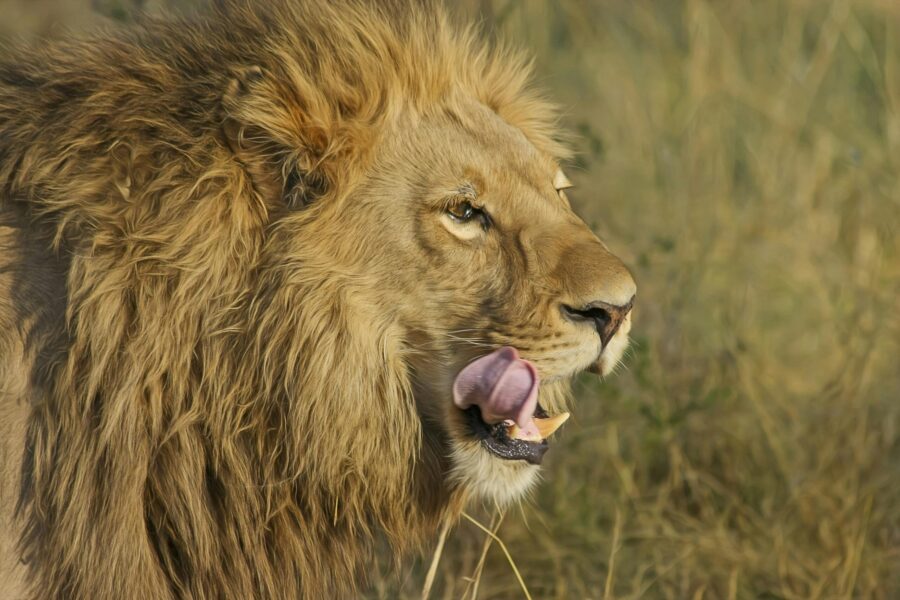
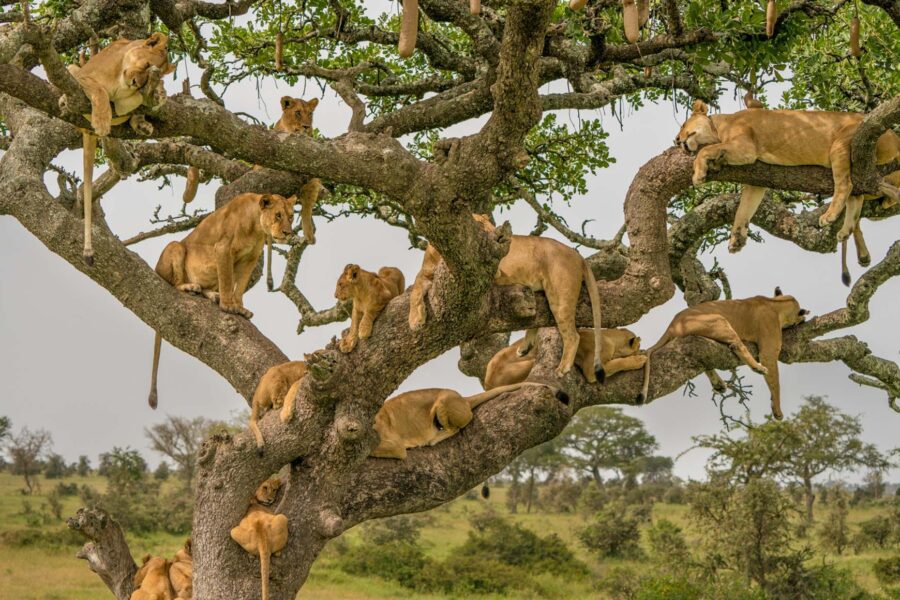
The park supports a large and stable population of lions, often seen in prides lounging on kopjes, stalking prey in the tall grass, or interacting socially. The Serengeti’s lions are among the most studied in the world, offering fascinating insights into pride dynamics, hunting strategies, and territorial behavior.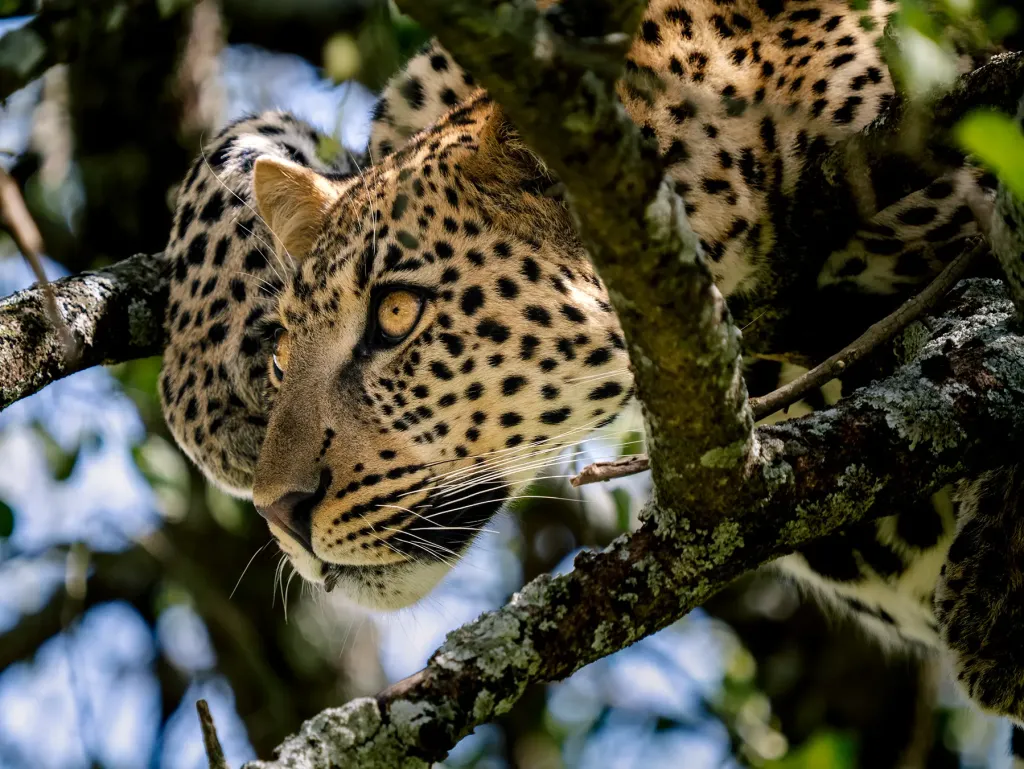
Cheetahs and Open Plains
Cheetahs thrive in the Serengeti’s wide-open grasslands, particularly in the central and southern regions. The flat terrain allows them to use their speed advantage, making the Serengeti one of the best places to witness cheetah hunts. Seeing a cheetah accelerate across the plains in pursuit of prey is a thrilling and unforgettable sight.
Elusive Leopards
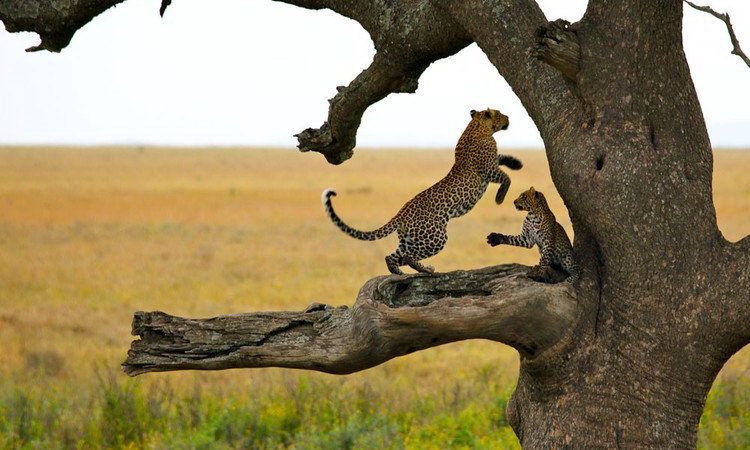
Leopards, though more secretive, are frequently spotted in riverine areas and wooded regions. Often seen resting in acacia trees or moving stealthily through the shadows, leopards add an element of mystery and excitement to Serengeti safaris.
For photographers and wildlife enthusiasts alike, the Serengeti offers unparalleled opportunities to observe and document predator behavior in its most natural form.
3. Vast, Untouched Wilderness and Sense of Freedom
One of the Serengeti’s most defining qualities is its immense scale and untouched wilderness. Covering nearly 15,000 square kilometers, the park is so vast that it allows wildlife to roam freely without fences or artificial barriers.
True Wilderness Experience
Unlike smaller or more heavily visited parks, the Serengeti offers a sense of solitude and immersion that is increasingly rare in today’s world. It is entirely possible to enjoy a game drive with no other vehicles in sight, especially in remote areas such as the northern Serengeti or the western corridor.
The lack of visible human development enhances the feeling that you have stepped back in time, into a landscape that has remained largely unchanged for thousands of years.
Diverse Landscapes
The Serengeti is not a single, uniform landscape. It includes:
-
Endless grass plains
-
Rocky kopjes that serve as wildlife vantage points
-
River systems and seasonal wetlands
-
Wooded savannah and riverine forests
This diversity supports a wide range of species and ensures that every game drive feels different and rewarding.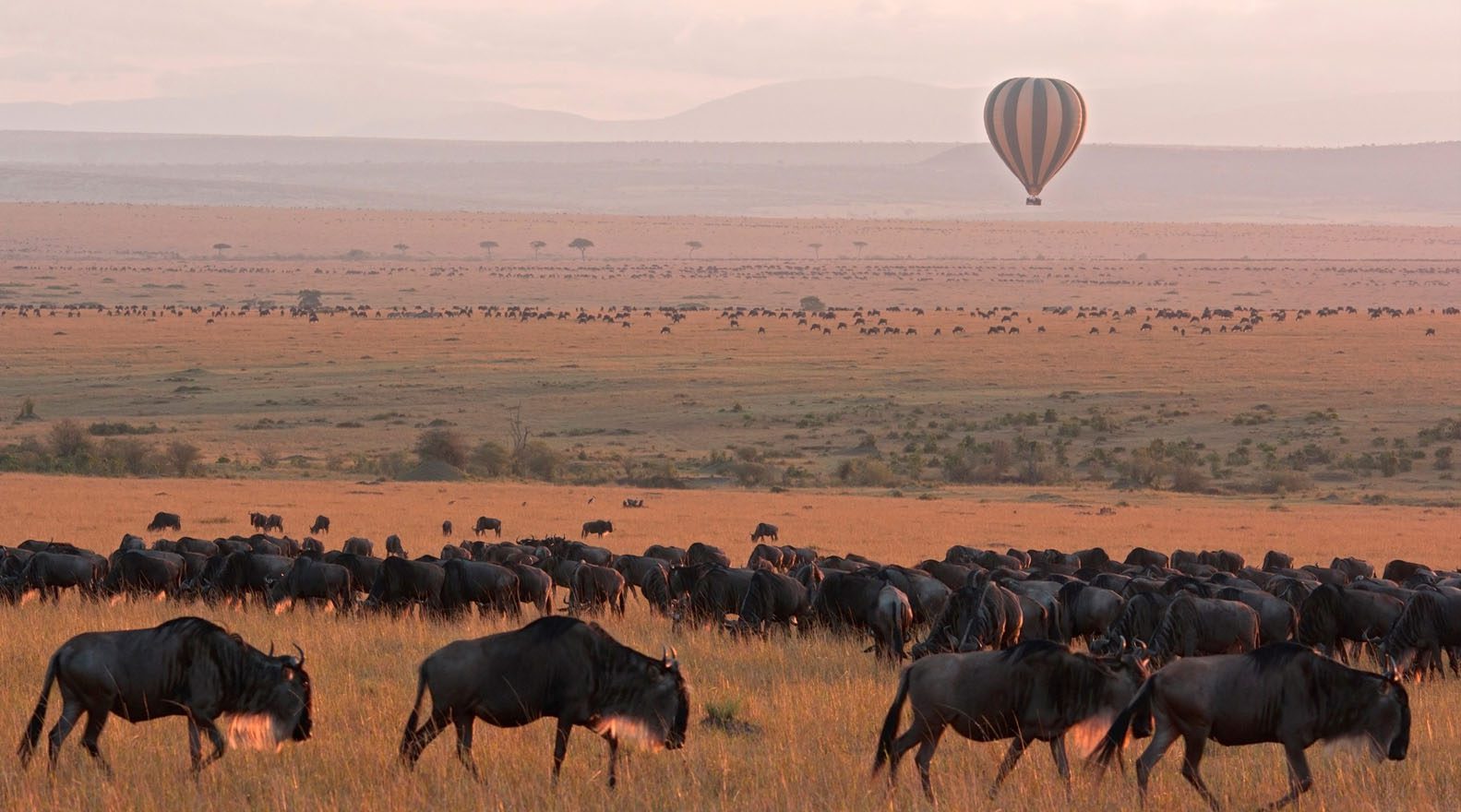
4. Extraordinary Wildlife Diversity Beyond the Migration
While the migration and big cats receive much of the attention, the Serengeti is home to an astonishing array of wildlife that makes every safari rich and fulfilling.
Large Mammals
Visitors can expect to encounter:
-
Elephants moving gracefully across the plains
-
Massive herds of buffalo
-
Towering giraffes browsing acacia trees
-
Hippos and crocodiles in rivers and pools
-
Elands, topi, hartebeest, impala, and many other antelope species
This abundance ensures excellent wildlife viewing throughout the year, even outside peak migration periods.
Birdlife
The Serengeti is also a rewarding destination for birdwatchers, with over 500 recorded bird species. These include:
-
Ostriches striding across the plains
-
Secretary birds hunting snakes
-
Kori bustards, the world’s heaviest flying birds
-
Eagles, vultures, and falcons soaring overhead
-
Colorful bee-eaters and rollers
Birdlife adds color, movement, and diversity to every safari experience, appealing to both dedicated birders and casual observers.
5. Iconic Safari Experiences and Timeless Landscapes
The Serengeti embodies the classic African safari dream, a place where golden grasslands meet endless horizons and wildlife silhouettes against dramatic sunsets.
Hot Air Balloon Safaris
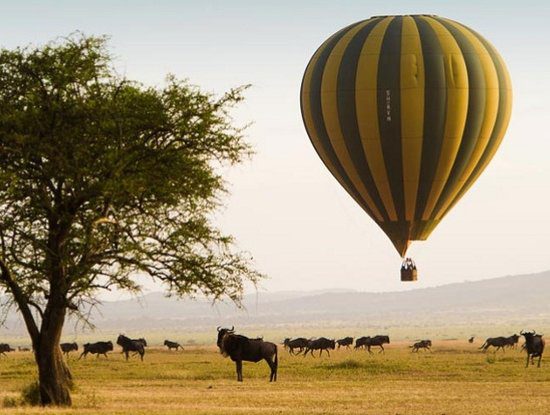
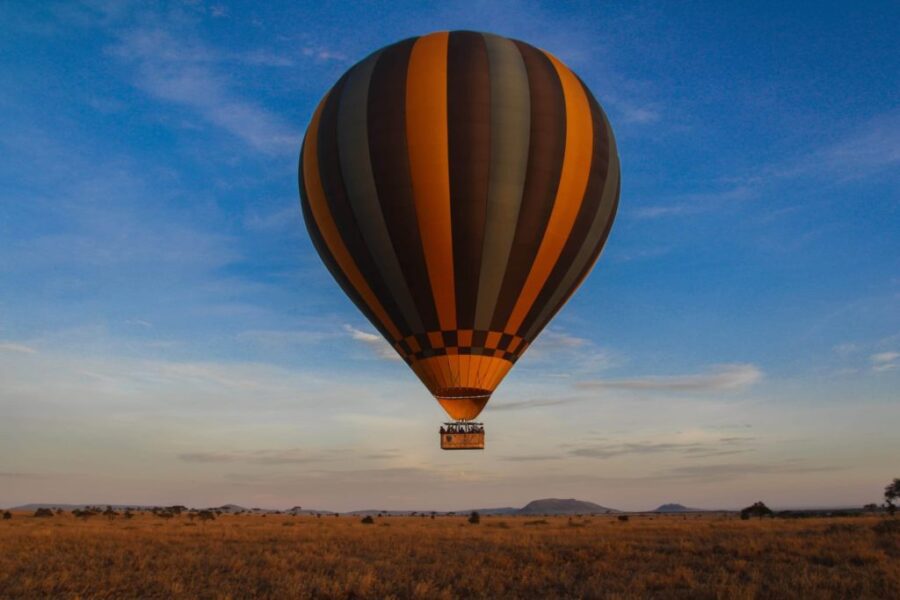
One of the most memorable ways to experience the Serengeti is from above on a hot air balloon safari. Floating silently over the plains at sunrise offers a breathtaking perspective of the landscape and wildlife below. The experience typically ends with a bush breakfast, adding a touch of luxury to the adventure.
Authentic Safari Lodges and Camps
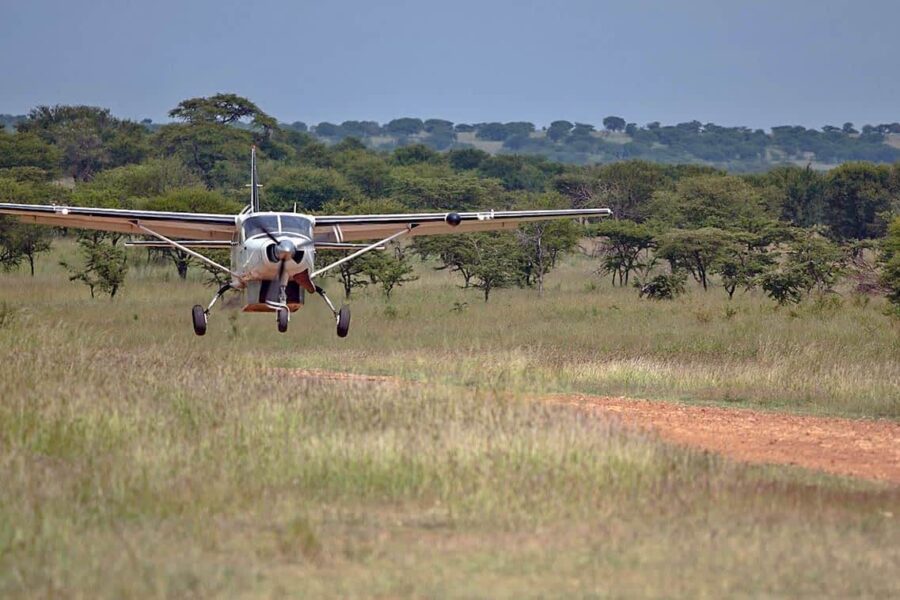
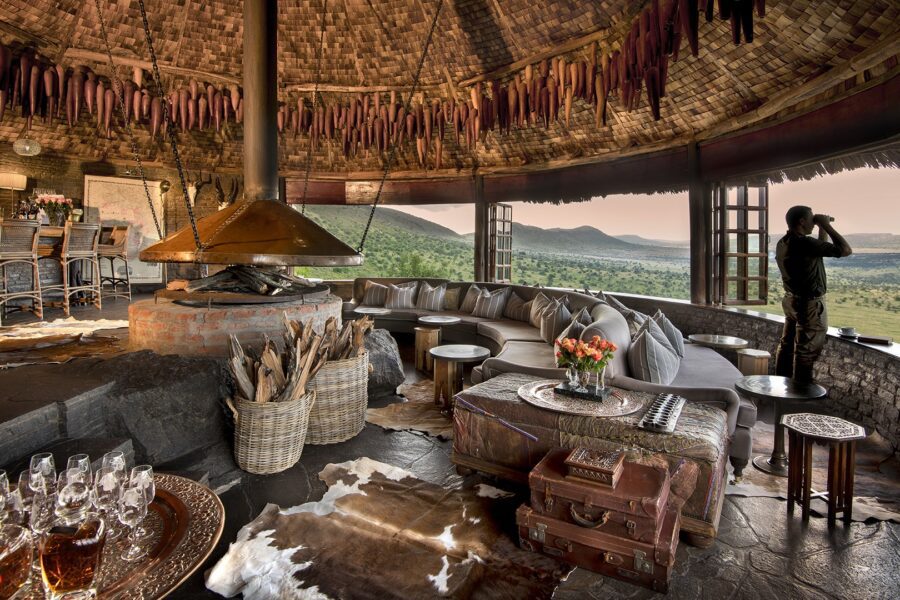
The Serengeti offers a wide range of accommodation options, from mobile tented camps that follow the migration to luxury lodges overlooking rivers and plains. These camps allow guests to stay deep within the wilderness, often hearing lions roar or hyenas laugh at night.
Conservation and Heritage
The Serengeti is a UNESCO World Heritage Site and a global symbol of conservation success. Visiting the park supports ongoing efforts to protect wildlife, habitats, and local communities, ensuring that future generations can experience this extraordinary ecosystem.
Why the Serengeti Is Truly Unmatched
Visiting the Serengeti is not just about seeing wildlife—it is about experiencing one of the last great natural systems on Earth. From the awe-inspiring Great Migration and unrivaled big cat encounters to vast open landscapes and timeless safari traditions, the Serengeti offers a depth and authenticity that few destinations can match.
Whether you are a first-time safari traveler or a seasoned explorer, the Serengeti delivers moments of wonder, drama, and tranquility that stay with you long after the journey ends. It is a place where nature reigns supreme, where every sunrise brings new possibilities, and where the true spirit of Africa can still be felt in its purest form.