Ngorongoro Conservation Area
Ngorongoro Conservation Area : safari destinations africa
The Ngorongoro Conservation Area is one of Africa’s most extraordinary safari destinations and a global symbol of natural and cultural heritage. Located in northern Tanzania, this vast protected area is renowned for its dramatic volcanic landscapes, exceptional wildlife density, and unique model of conservation that integrates human communities with wildlife protection. At its heart lies the Ngorongoro Crater, the world’s largest intact and unfilled volcanic caldera, often described as Africa’s natural wonder and one of the finest places on Earth to experience a classic safari.
Designated as a UNESCO World Heritage Site, the Ngorongoro Conservation Area (NCA) is far more than a single crater. It encompasses highland forests, sweeping grasslands, alkaline lakes, volcanic peaks, archaeological treasures, and important wildlife migration corridors. This in-depth article explores the Ngorongoro Conservation Area in detail, covering its location, history, geology, ecosystems, wildlife, cultural significance, safari activities, conservation challenges, best time to visit, accommodation options, and practical travel information. By the end, it becomes clear why Ngorongoro stands among the most iconic safari destinations in Africa.
Location and Geographic Overview
The Ngorongoro Conservation Area is located in northern Tanzania, approximately 180 kilometers west of Arusha, within the greater Serengeti ecosystem. Covering an area of about 8,292 square kilometers, it lies between Serengeti National Park to the northwest and Lake Manyara National Park to the south.
The conservation area includes a range of landscapes, from the volcanic highlands of the Ngorongoro Crater rim to the open plains of the southern Serengeti and the remote alkaline lakes of Empakaai and Natron. Its strategic location makes it a vital ecological bridge supporting wildlife movement across northern Tanzania.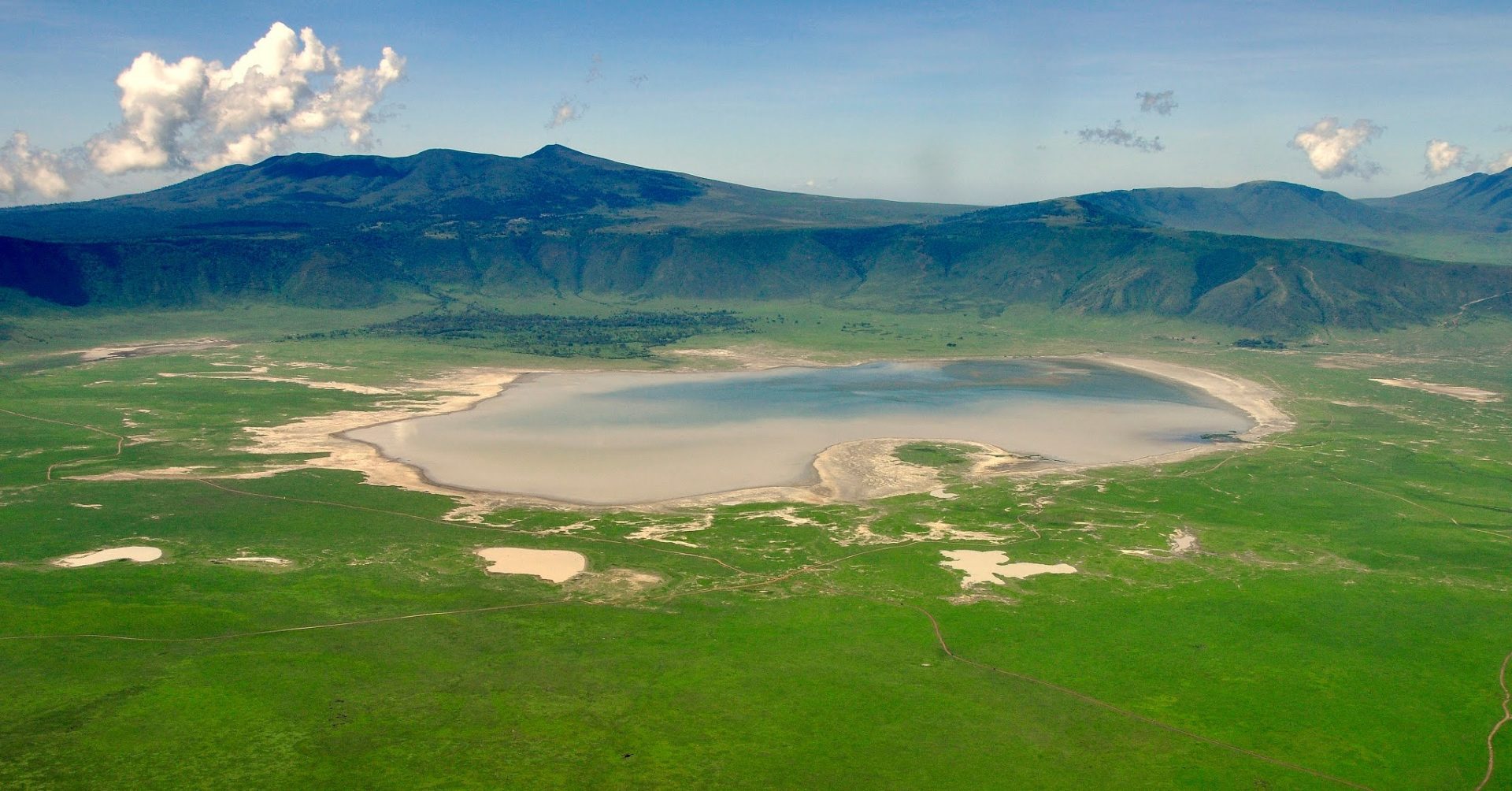
Historical Background and Establishment
The Ngorongoro Conservation Area was established in 1959 following the separation of Serengeti National Park. The goal was to create a protected area that balanced wildlife conservation with the traditional livelihoods of local pastoralist communities, particularly the Maasai.
Unlike national parks, where human settlement is prohibited, the NCA operates under a multiple land-use model. This allows Maasai communities to live, graze livestock, and maintain cultural traditions within the conservation area while coexisting with wildlife.
In 1979, the Ngorongoro Conservation Area was designated a UNESCO World Heritage Site due to its outstanding natural and cultural value. In 2010, it was further recognized as a Mixed World Heritage Site, acknowledging both its ecological significance and its importance to human history.
Geological Formation and Volcanic Landscapes
The defining feature of the Ngorongoro Conservation Area is its dramatic volcanic history. The region is part of the Great Rift Valley system, shaped by tectonic activity and volcanic eruptions over millions of years.
Ngorongoro Crater
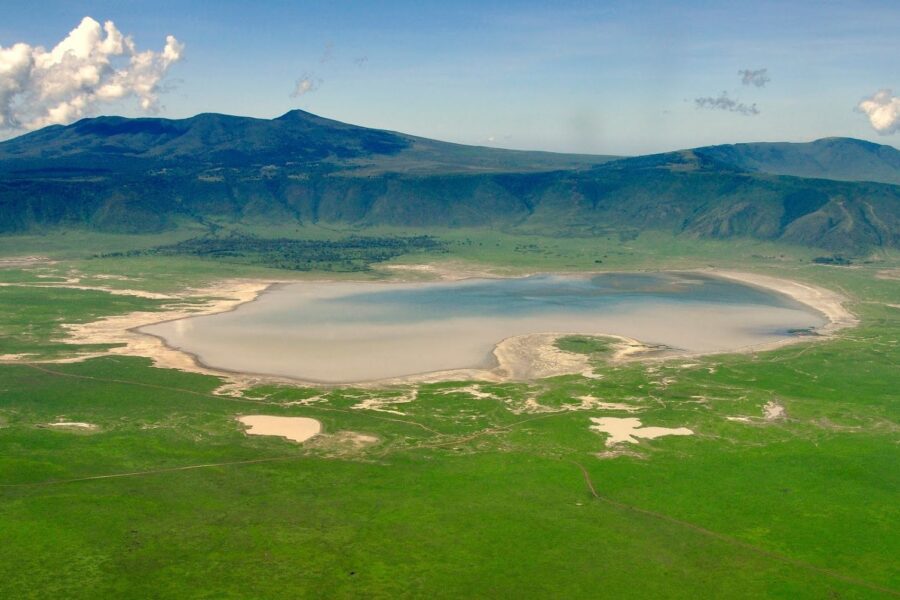
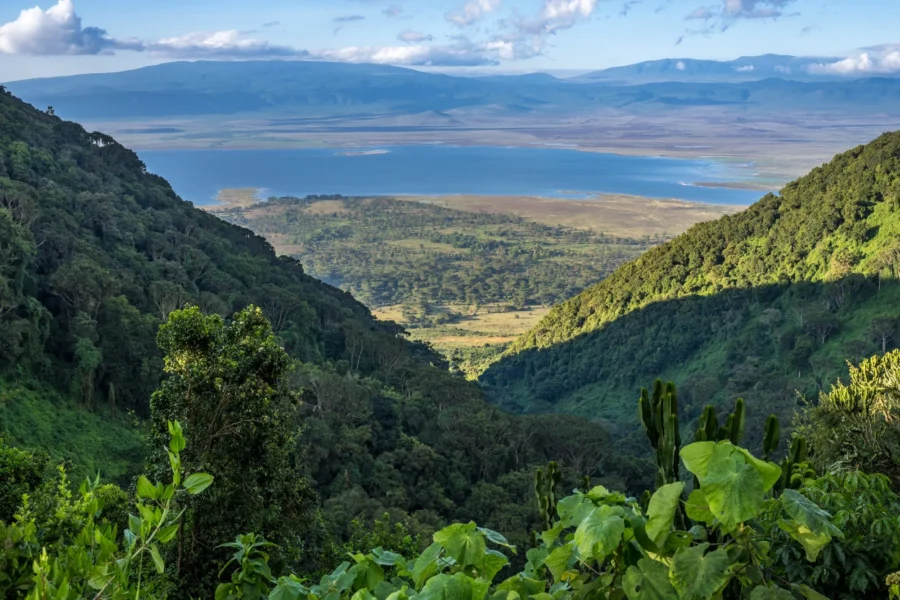
The Ngorongoro Crater was formed approximately 2 to 3 million years ago when a massive volcano, believed to have been taller than Mount Kilimanjaro, erupted and collapsed inward. The result is a caldera measuring about 19 kilometers in diameter, with walls rising over 600 meters from the crater floor.
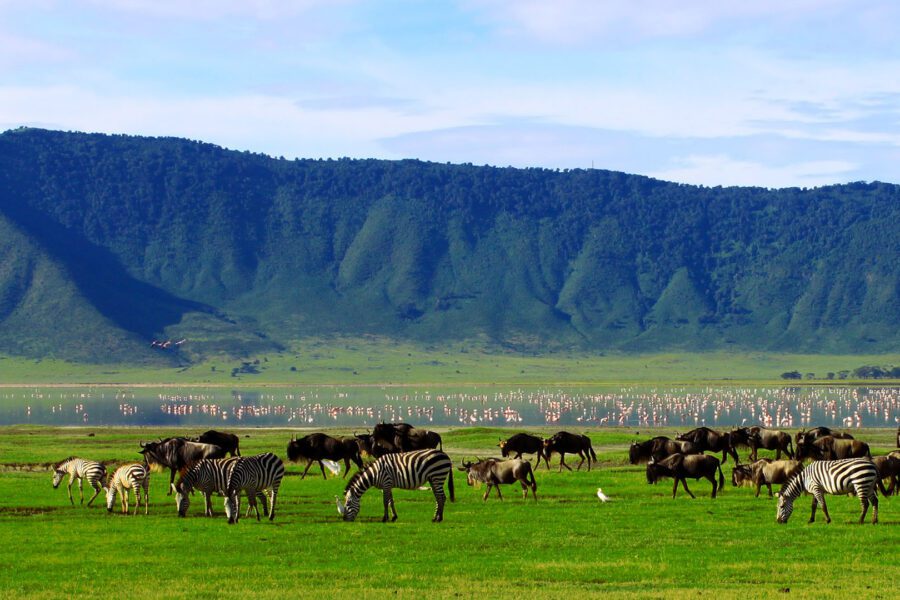
The crater floor covers roughly 260 square kilometers and contains grasslands, swamps, forests, and Lake Magadi, a shallow alkaline lake. This enclosed ecosystem supports one of the highest concentrations of wildlife in Africa.
Other Volcanic Features
Beyond the main crater, the conservation area includes:
- Empakaai Crater, featuring a deep alkaline lake surrounded by lush forest
- Olmoti Crater, known for its waterfalls and scenic hiking routes
- Oldeani and Lemagrut Volcanoes, which contribute to the region’s fertile soils
These volcanic landscapes create diverse habitats that support a wide range of flora and fauna.
Ecosystems and Habitats
The Ngorongoro Conservation Area contains an exceptional variety of ecosystems within a relatively compact region.
Highland Forests
The crater rim and highland areas are covered in montane forests dominated by fig trees, podo, and bamboo. These forests are home to elephants, buffalo, leopards, and numerous bird species.
Grasslands and Savannahs
The crater floor and surrounding plains consist of short-grass savannahs and open grasslands, ideal for grazing herbivores such as wildebeest, zebra, and gazelles.
Swamps and Lakes
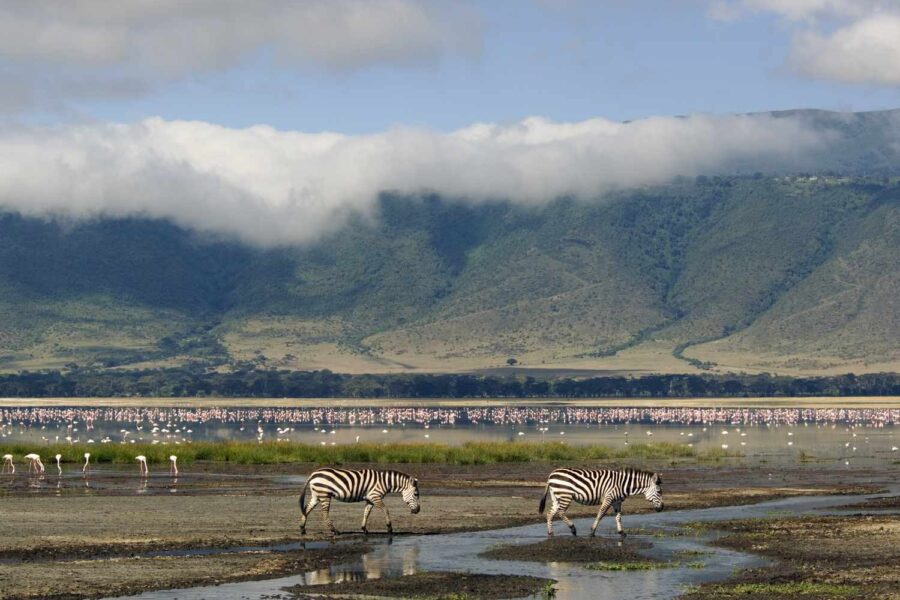
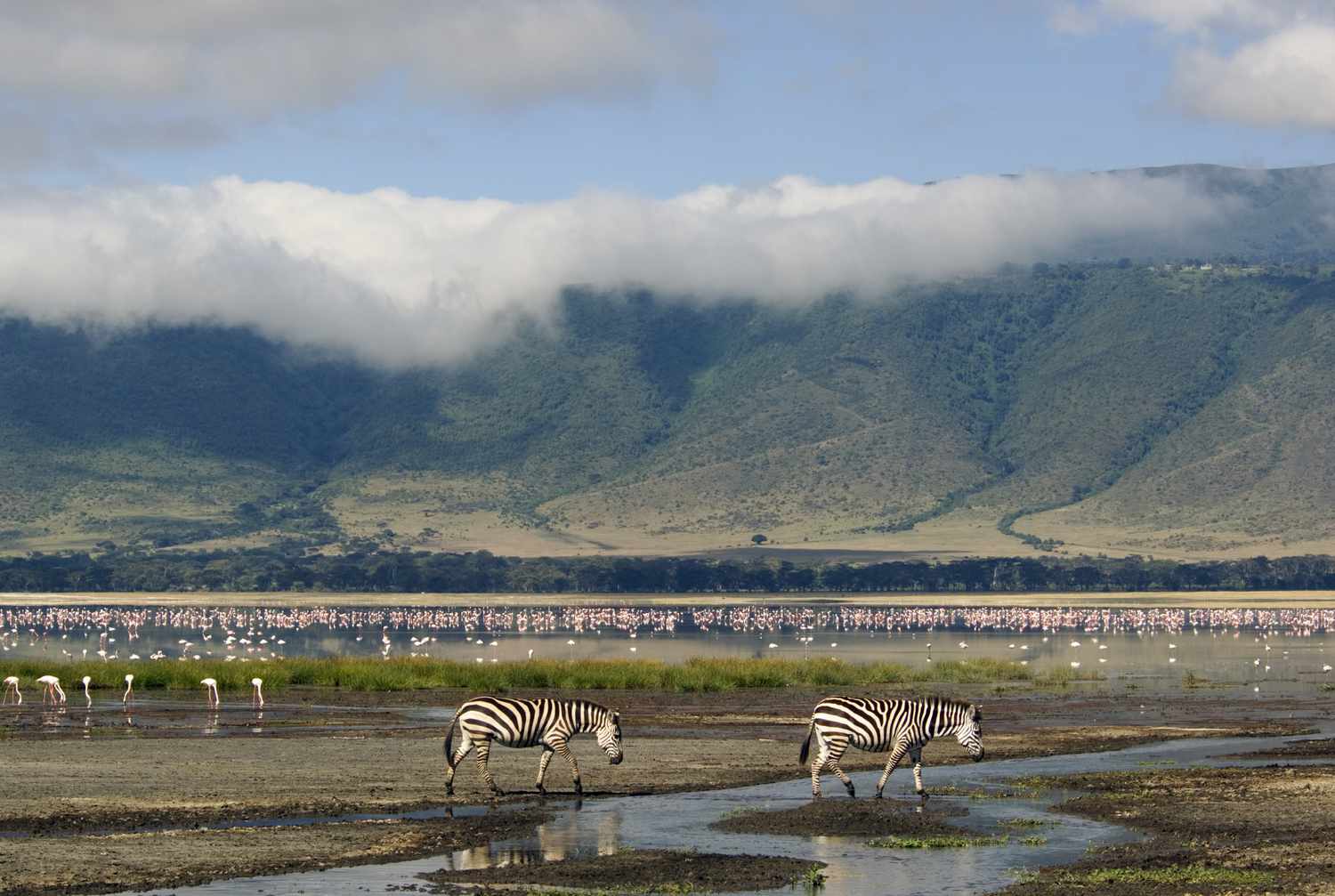
Permanent and seasonal swamps, including Gorigor and Mandusi, provide water year-round and attract hippos, elephants, and large bird populations. Lake Magadi supports flamingos and other waterbirds.
Alkaline Lakes
Lakes such as Empakaai and Natron are important breeding and feeding grounds for flamingos and play a crucial role in regional bird migration patterns.
Wildlife of the Ngorongoro Conservation Area
Ngorongoro is one of the few places in Africa where visitors can reliably see the Big Five in a single day.
Large Mammals
- African Elephant: Large bulls are commonly seen in the forests and on the crater floor.
- African Buffalo: Found in large herds throughout the crater.
- Black Rhinoceros: Ngorongoro is one of the last strongholds for the critically endangered black rhino in East Africa.
- Hippopotamus: Concentrated in permanent swamps and pools.
- Masai Giraffe: Found mainly on the crater rim and surrounding areas, as giraffes rarely descend into the crater.
Predators
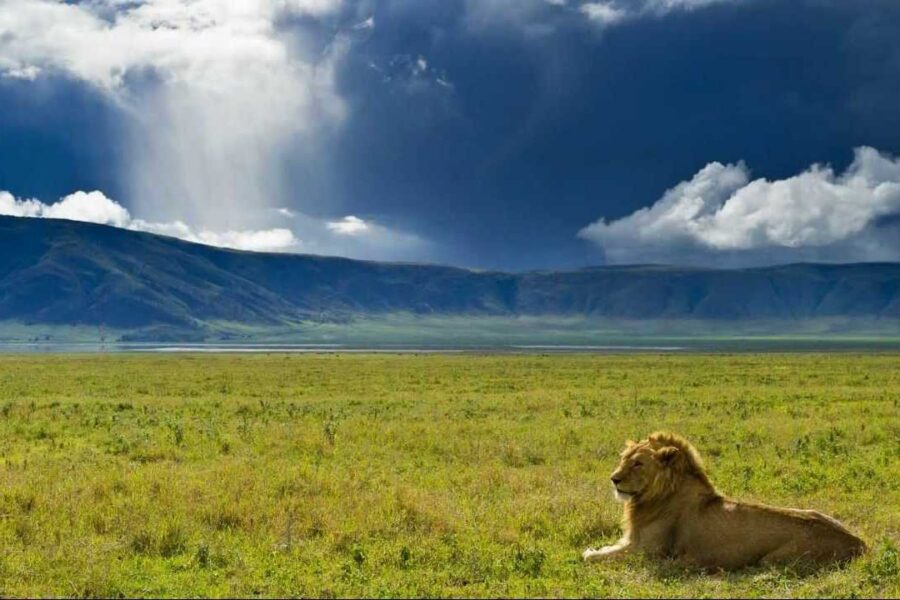
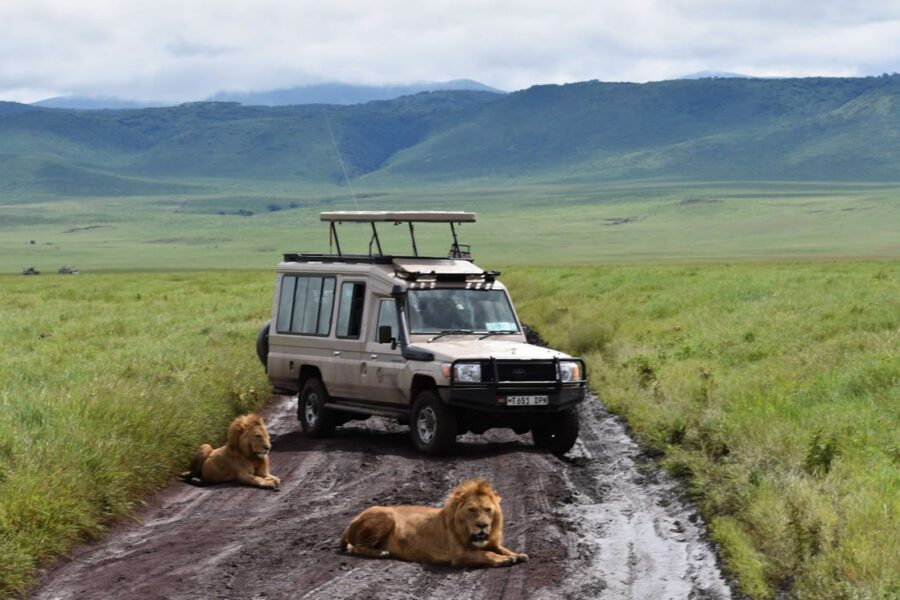
- Lion: The crater supports a dense and relatively stable lion population.
- Leopard: Elusive but present in forested areas and along the crater rim.
- Cheetah: Seen on the open plains, particularly during early morning hours.
- Spotted Hyena: One of the most abundant predators in the crater.
Plains Game
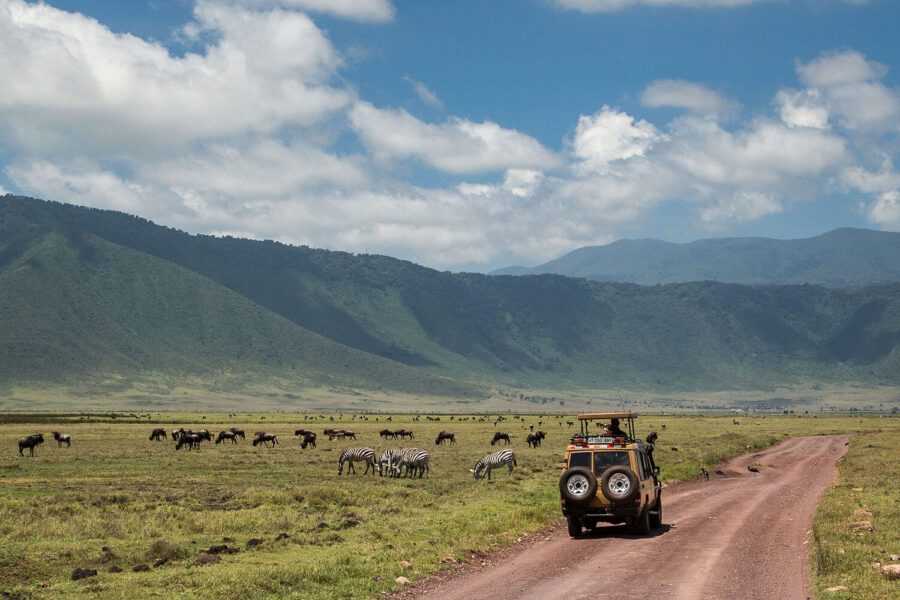
Wildebeest, zebra, eland, Grant’s gazelle, and Thomson’s gazelle are present year-round, supported by the crater’s permanent water sources.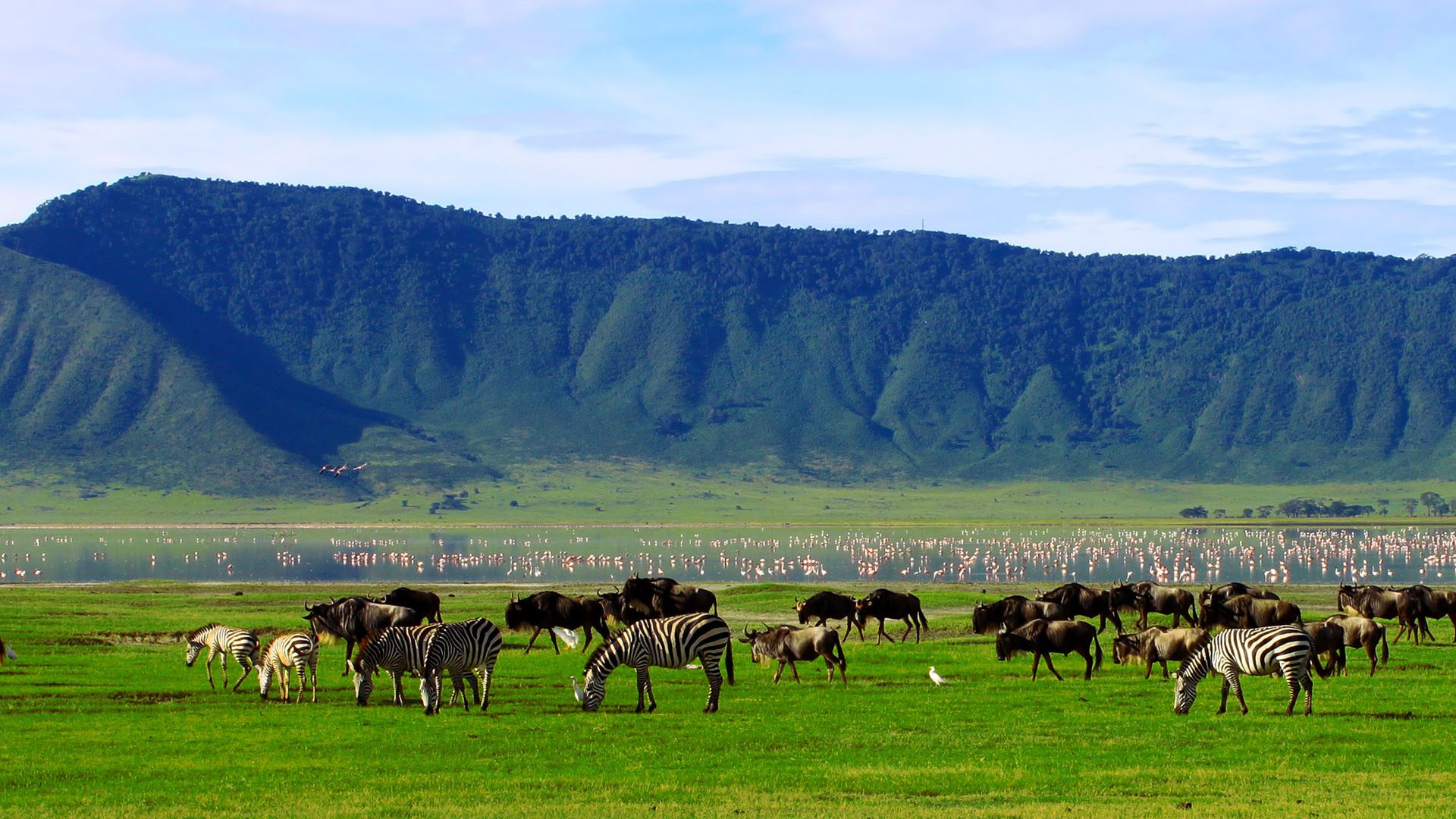
Birdlife and Ornithological Importance
More than 500 bird species have been recorded within the Ngorongoro Conservation Area. The variety of habitats makes it a premier destination for birdwatching.
Notable species include:
- Greater and lesser flamingos
- Kori bustard
- Grey crowned crane
- Augur buzzard
- African spoonbill
- Secretary bird
Birding is excellent throughout the year, with migratory species arriving during the wet season.
Cultural and Archaeological Significance
Ngorongoro is not only a wildlife haven but also one of the most important archaeological regions in the world.
Olduvai Gorge
Located within the conservation area, Olduvai Gorge is often referred to as the “Cradle of Mankind.” Fossils discovered here by Louis and Mary Leakey have provided crucial evidence about early human evolution, dating back nearly two million years.
Maasai Culture
The Maasai people have lived in the Ngorongoro region for centuries. Their semi-nomadic pastoral lifestyle, distinctive dress, and strong cultural traditions remain central to the area’s identity. Cultural visits allow travelers to learn about Maasai customs, livestock management, and coexistence with wildlife.
Safari Activities in Ngorongoro Conservation Area
Game Drives
Game drives into the Ngorongoro Crater are the main attraction. Due to regulations, vehicles enter the crater in the morning and must exit by late afternoon, ensuring controlled visitor numbers.
Walking Safaris and Hiking
Guided walks and hikes are available in designated areas such as Empakaai and Olmoti craters, offering spectacular scenery and insights into geology and ecology.
Cultural Tours
Visits to Maasai bomas and cultural centers provide meaningful cultural exchanges and support local communities.
Archaeological Visits
Guided tours of Olduvai Gorge Museum and surrounding sites add a historical dimension to the safari experience.
Conservation Importance and Challenges
The Ngorongoro Conservation Area plays a critical role in protecting wildlife, water catchments, and migration routes within the Serengeti ecosystem. Its multiple land-use model is globally unique but presents complex challenges.
Key issues include population growth, livestock pressure, climate change, and balancing tourism with conservation. Ongoing efforts focus on sustainable land management, community development, wildlife monitoring, and responsible tourism practices.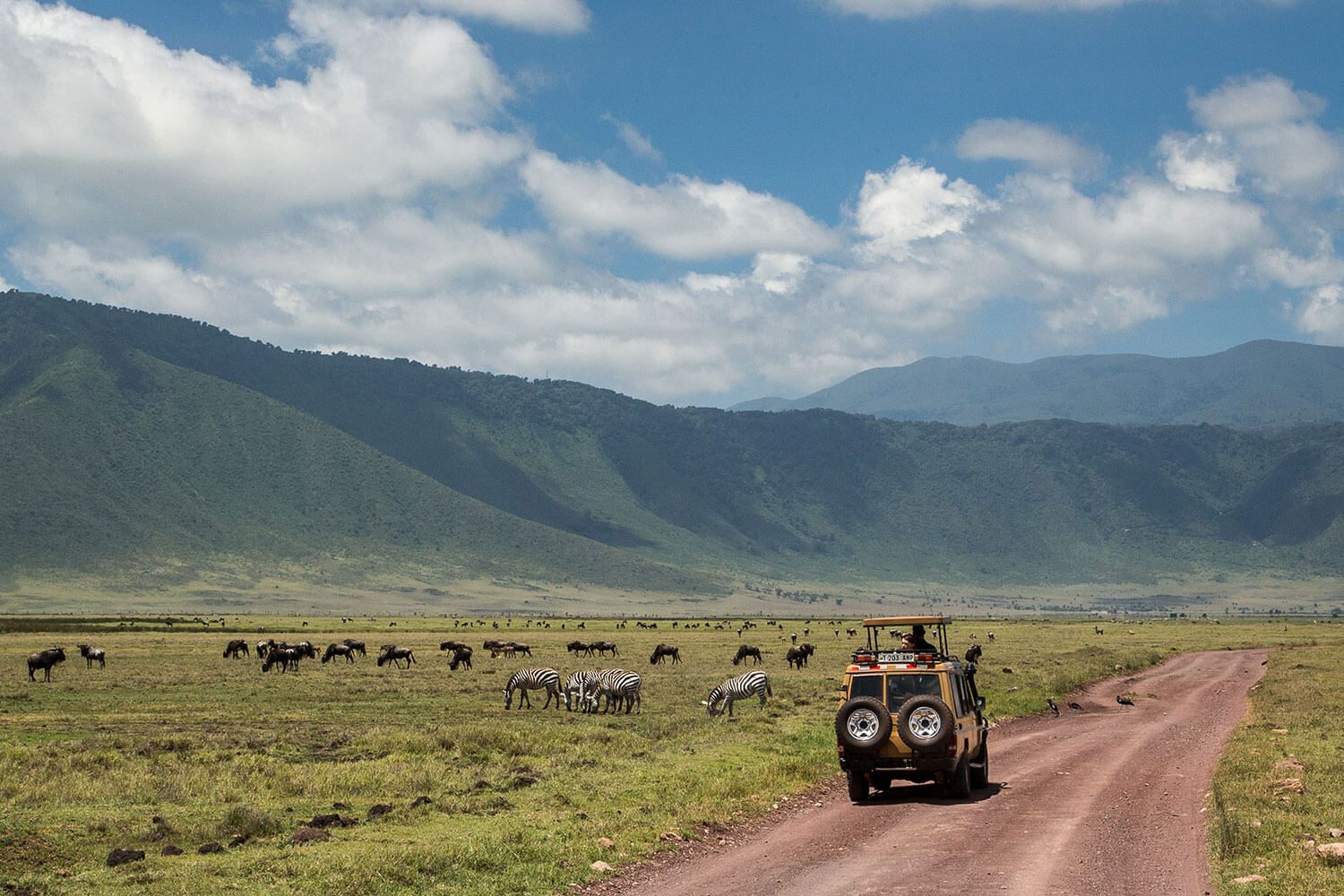
Best Time to Visit Ngorongoro Conservation Area
Ngorongoro is a year-round destination, but experiences vary by season.
- Dry Season (June to October): Excellent wildlife viewing and clear visibility. Cooler temperatures on the crater rim.
- Wet Season (November to May): Lush landscapes, fewer visitors, and excellent birding. Calving season for wildebeest occurs between January and March on the nearby plains.
Accommodation Options
Accommodation in and around the Ngorongoro Conservation Area ranges from luxury lodges perched on the crater rim to more affordable lodges and camps further away.
- Luxury Crater Rim Lodges: Offer breathtaking views and premium services.
- Mid-Range Lodges: Provide comfort and good access to the crater.
- Budget Lodges and Camps: Suitable for travelers seeking value and adventure.

Practical Travel Information
- Access: Reachable by road or light aircraft from Arusha.
- Entry Fees: Charged per person and per vehicle, regulated by the Ngorongoro Conservation Area Authority (NCAA).
- What to Pack: Warm clothing for the crater rim, camera gear, binoculars, and sun protection.
- Health and Safety: Follow guide instructions and respect wildlife and local communities.
Why Ngorongoro Conservation Area Is One of Africa’s Greatest Safari Destinations
The Ngorongoro Conservation Area offers an unparalleled safari experience that combines extraordinary wildlife density, dramatic landscapes, deep cultural heritage, and groundbreaking conservation practices. Few places in the world allow visitors to witness the Big Five, explore ancient volcanic formations, and learn about early human history within a single destination.
As a cornerstone of African conservation and tourism, Ngorongoro stands as a testament to the harmonious coexistence of people, wildlife, and nature. For anyone seeking the ultimate African safari, the Ngorongoro Conservation Area remains an essential and unforgettable destination.