
Tarangire National Park
Tarangire National Park: Safari Destinations in Africa
Tarangire National Park is one of Tanzania’s most underrated yet profoundly rewarding safari destinations. Renowned for its vast elephant herds, ancient baobab trees, seasonal wildlife migrations, and unspoiled wilderness, the park offers a classic African safari experience away from the heavier crowds found in some of the country’s more famous reserves. Located in northern Tanzania, Tarangire National Park forms a key component of the northern safari circuit and is increasingly recognized as one of the finest safari destinations in Africa.
This in-depth article explores Tarangire National Park in detail, examining its location, history, landscapes, ecosystems, wildlife, birdlife, safari activities, cultural context, conservation importance, best time to visit, accommodation options, and practical travel information. By the end, it will be clear why Tarangire National Park deserves a prominent place on any African safari itinerary.
Location and Accessibility
Tarangire National Park is situated in northern Tanzania, approximately 118 kilometers (about 73 miles) southwest of Arusha, the main gateway city for safaris in the region. The park lies slightly off the main northern safari route, which has helped preserve its quiet, wild atmosphere.
Covering an area of about 2,850 square kilometers, Tarangire is considerably larger than nearby Lake Manyara National Park and offers a more expansive sense of wilderness. It is bordered by Maasai Steppe to the south and east, while the Tarangire River flows through the heart of the park, providing a vital water source for wildlife, particularly during the dry season.
The park is easily accessible by road from Arusha and can also be reached by light aircraft via several airstrips, making it suitable for both road-based and fly-in safaris.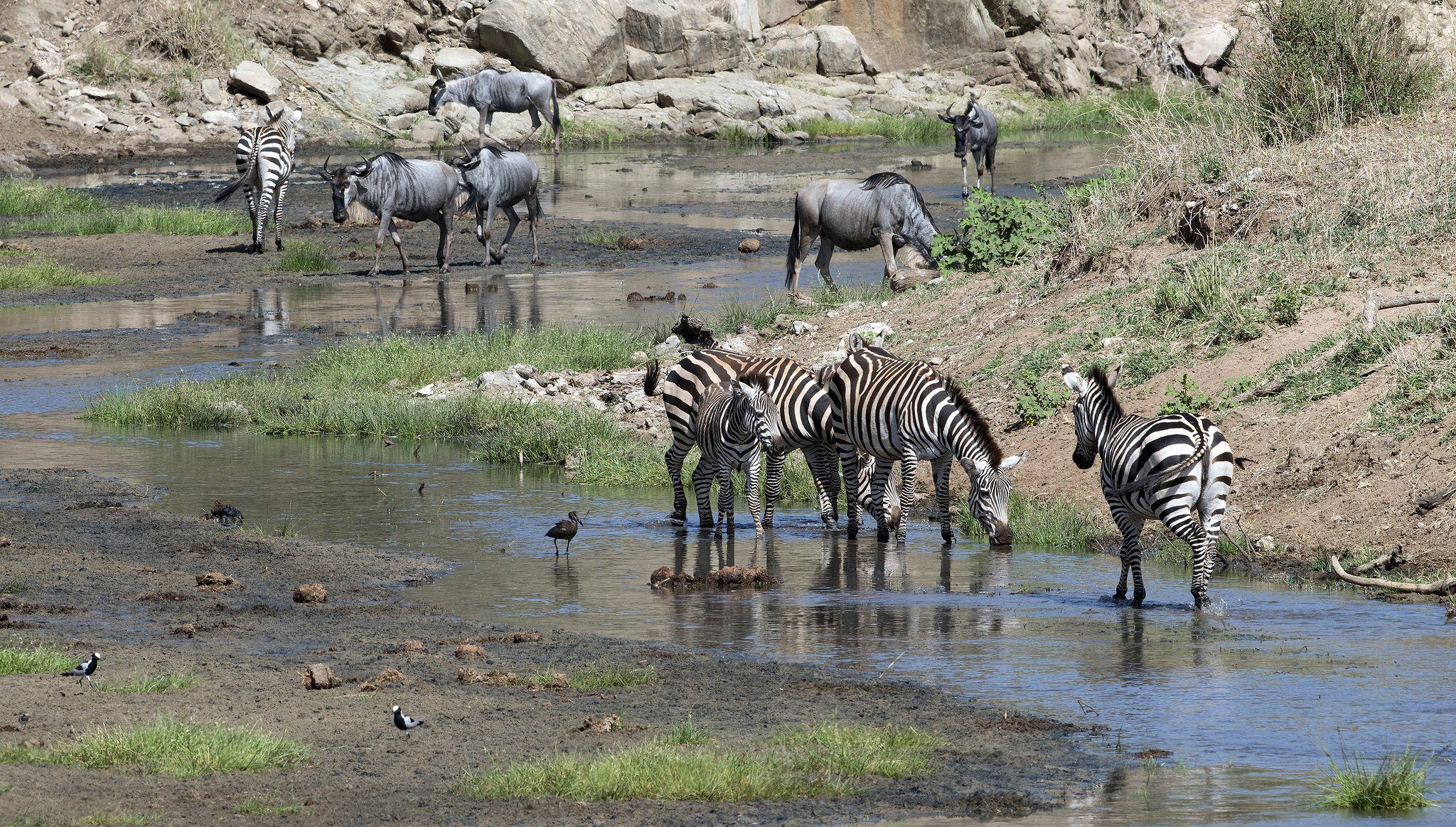
Historical Background and Establishment
Tarangire National Park was officially gazetted in 1970, making it one of Tanzania’s relatively newer national parks. Before its establishment, the area was part of traditional Maasai grazing lands, and seasonal wildlife movements were largely unrestricted across the wider ecosystem.
The creation of the park aimed to protect the Tarangire River and surrounding habitats, which are essential for wildlife survival during the dry months. Over time, Tarangire has become a critical refuge for animals migrating from the Maasai Steppe and nearby conservation areas.
Today, the park is managed by Tanzania National Parks Authority (TANAPA), which oversees conservation, tourism development, and research initiatives.
Landscape and Ecosystems
Tarangire National Park is defined by vast, open landscapes and striking natural features that create a quintessential African safari setting.
The Tarangire River
The Tarangire River is the lifeline of the park. Although it appears dry for much of the year, it retains underground water that sustains wildlife during the long dry season. As surrounding areas dry out, animals converge on the river, creating some of the most dramatic wildlife viewing opportunities in East Africa.
Savannas and Grasslands
Rolling savannas and open grasslands dominate much of the park, dotted with acacia trees and termite mounds. These areas support large populations of grazing herbivores and provide excellent visibility for game viewing.
Baobab Woodlands
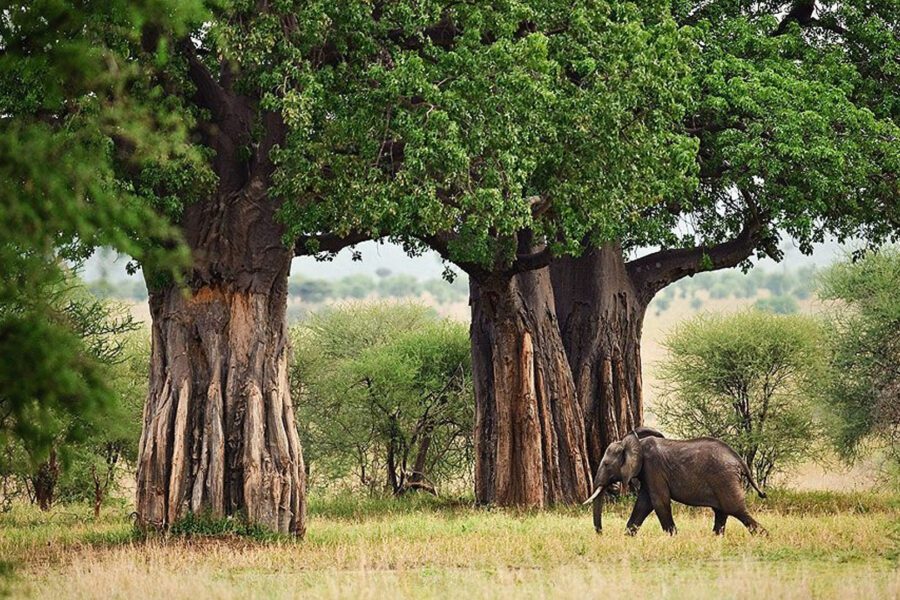
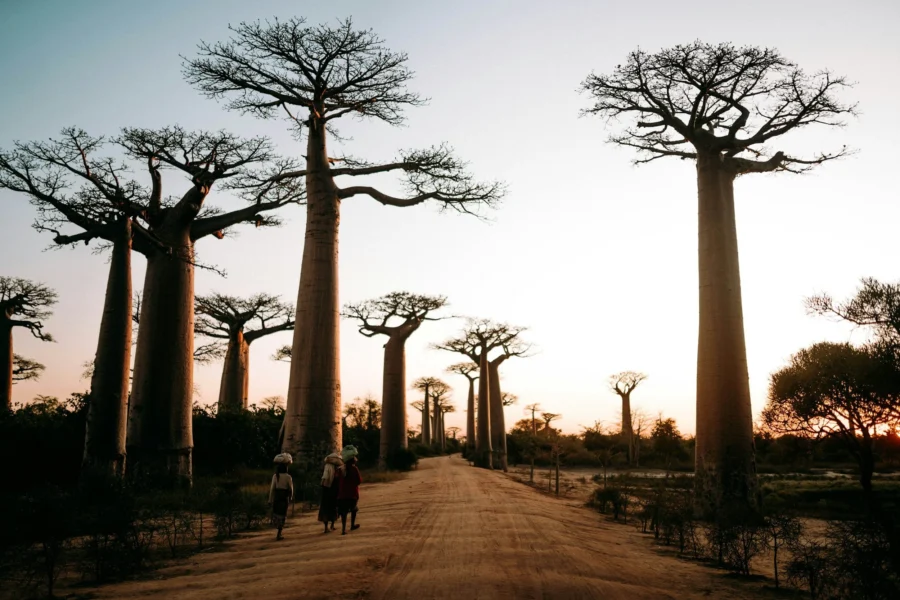
Tarangire is famously known as the “Land of Giants,” not only because of its elephants but also due to its massive baobab trees. Some of these ancient trees are believed to be hundreds, if not thousands, of years old and are among the most iconic features of the park’s landscape.
Seasonal Swamps and Floodplains
During the wet season, parts of the park transform into lush floodplains and seasonal wetlands. These habitats attract breeding birds and grazing animals and play a vital role in the park’s ecological balance.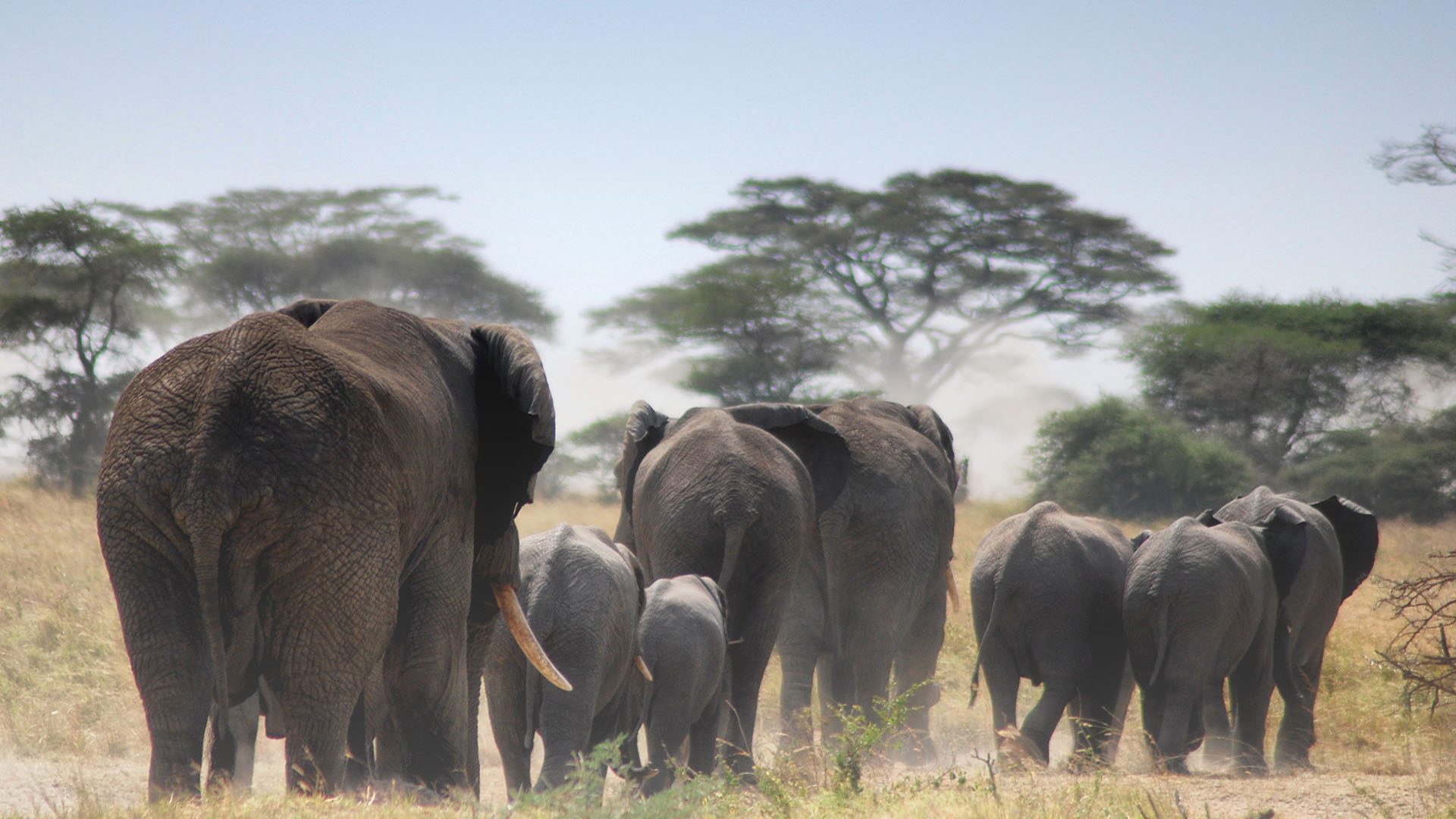
Wildlife of Tarangire National Park
Tarangire National Park is celebrated for its exceptional wildlife density, particularly during the dry season, when it rivals even the Serengeti in terms of game concentrations.
Elephants of Tarangire
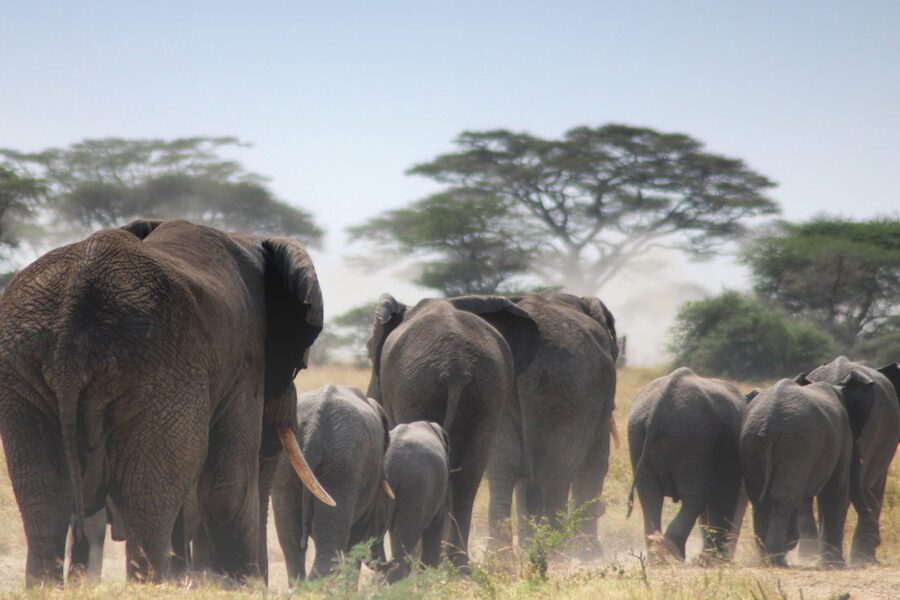
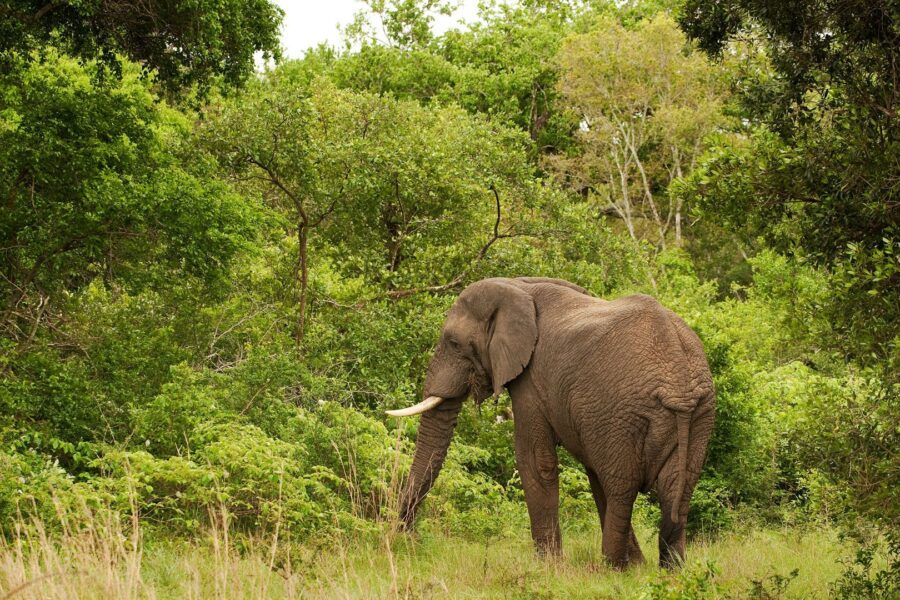
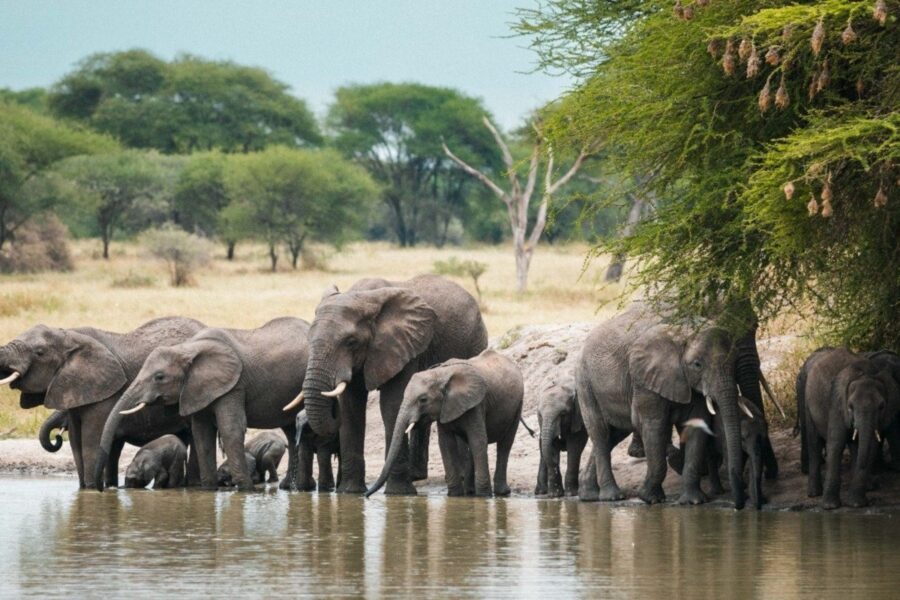
Tarangire is home to one of the largest elephant populations in Tanzania. Herds numbering in the hundreds can be seen along the Tarangire River, digging for water in the dry riverbed or feeding among the baobab trees. These elephants are known for their relaxed behavior, offering excellent photographic opportunities.
Plains Game
The park supports large populations of:
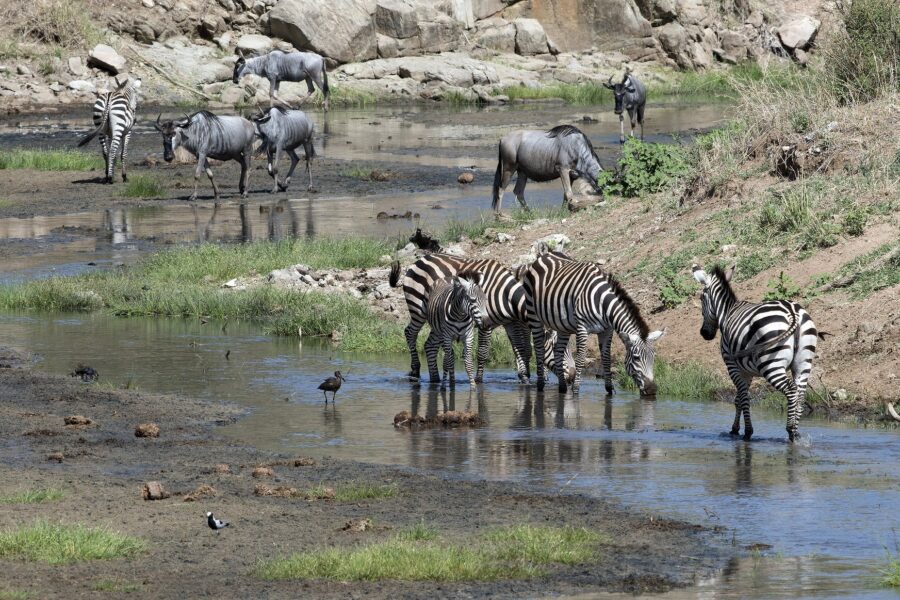
- Wildebeest
- Plains zebra
- Masai giraffe
- African buffalo
- Impala
- Grant’s and Thomson’s gazelle
These species form the backbone of the ecosystem and attract numerous predators.
Predators and Carnivores
- Lion: Lions are present throughout the park and are often seen resting in the shade or hunting near water sources.
- Leopard: Though elusive, leopards inhabit riverine forests and rocky outcrops.
- Cheetah: Open grasslands provide suitable habitat for cheetahs, particularly during the dry season.
- Spotted Hyena: Commonly seen scavenging or following predator activity.
Rare and Uncommon Species
Tarangire is especially important for hosting species that are less frequently encountered in other northern parks, including:
- Fringe-eared oryx
- Greater kudu
- Lesser kudu
- Gerenuk
- African wild dog (occasionally sighted)
Birdlife and Ornithological Richness
With more than 500 recorded bird species, Tarangire National Park is one of the best birding destinations in Africa. The park’s varied habitats support resident and migratory birds throughout the year.
Notable Bird Species
- Yellow-collared lovebird (near-endemic to Tanzania)
- Kori bustard
- Secretary bird
- Martial eagle
- African grey flycatcher
- Lilac-breasted roller
- Ostrich
The wet season, from November to May, is particularly rewarding for birdwatchers, as migratory species arrive and breeding activity increases.
Safari Activities in Tarangire National Park
Tarangire National Park offers a variety of safari experiences that cater to different interests and travel styles.
Game Drives
Game drives are the primary activity and are conducted in open or closed safari vehicles. The park’s extensive road network allows for exploration of different habitats, from riverine areas to open plains.
Walking Safaris
Guided walking safaris are available in designated areas and provide an intimate way to explore the park’s flora, smaller fauna, and ecological processes. Accompanied by armed rangers and experienced guides, walking safaris offer a deeper connection to the landscape.
Night Game Drives
In certain concessions outside the core national park boundaries, night game drives are permitted. These excursions reveal nocturnal species such as bushbabies, genets, and porcupines.
Cultural Interactions
Visits to nearby Maasai communities offer insights into traditional pastoral lifestyles, customs, and coexistence with wildlife. Cultural tourism initiatives support local livelihoods and conservation efforts.
Cultural and Human Context
The lands surrounding Tarangire National Park are inhabited primarily by Maasai communities, whose semi-nomadic pastoral lifestyle has shaped the region for centuries. Livestock grazing, seasonal movement, and traditional land-use practices remain integral to the area’s cultural identity.
Community-based conservation projects aim to balance wildlife protection with human needs, ensuring that local people benefit from tourism through employment, education, and infrastructure development.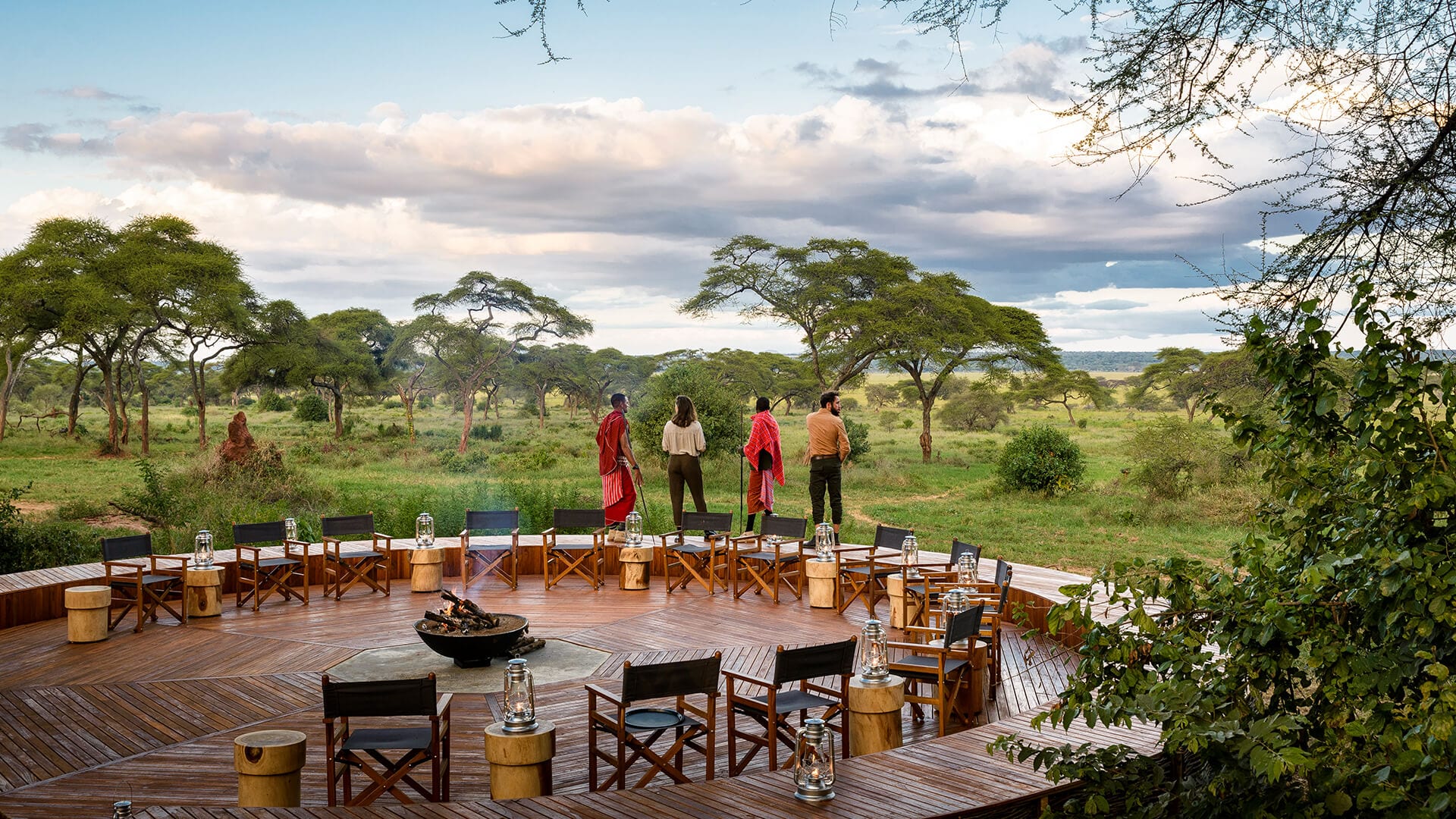
Conservation Importance and Challenges
Tarangire National Park is a cornerstone of the Tarangire-Manyara ecosystem, which supports seasonal wildlife migrations across a vast landscape. Protecting these migration corridors is critical for the long-term survival of many species.
Key conservation challenges include habitat fragmentation, climate change, human-wildlife conflict, and pressure on water resources. Conservation strategies focus on land-use planning, anti-poaching efforts, scientific research, and community engagement.
Sustainable tourism plays a vital role in funding conservation initiatives and raising awareness about the park’s ecological value.
Best Time to Visit Tarangire National Park
Tarangire National Park is a year-round destination, but wildlife viewing varies by season.
- Dry Season (June to October): The best time for general wildlife viewing. Animals congregate along the Tarangire River, creating exceptional game-viewing opportunities.
- Wet Season (November to May): The landscape becomes lush and green, birdlife is abundant, and the park is quieter. Wildlife disperses more widely, but scenic beauty is at its peak.
The long rains typically occur from March to May, while the short rains fall between November and December.
Accommodation Options
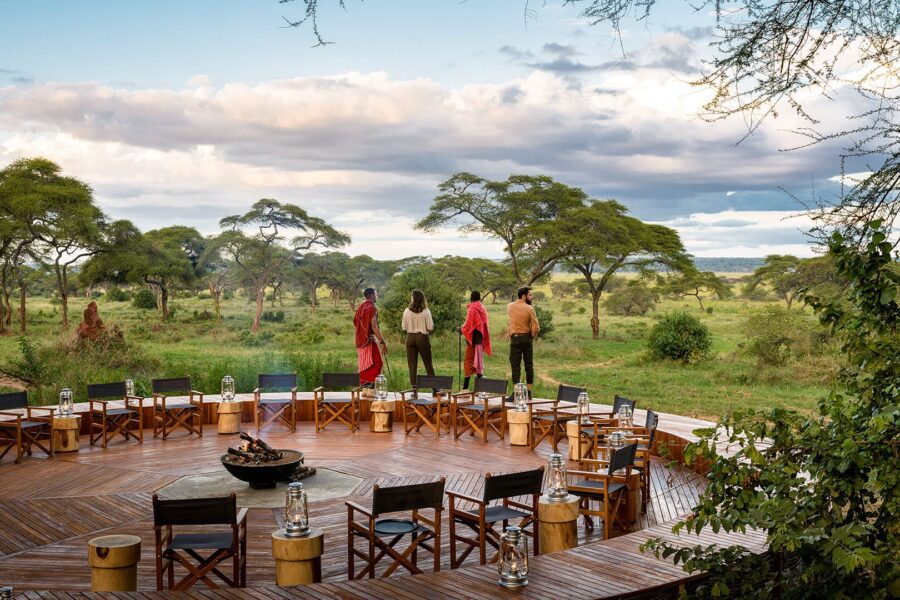
Accommodation in and around Tarangire National Park caters to a wide range of budgets and preferences.
- Luxury Lodges and Tented Camps: Offer high levels of comfort, personalized service, and prime wildlife locations.
- Mid-Range Lodges: Provide comfortable accommodations with good access to the park.
- Budget Camps and Public Campsites: Suitable for adventurous travelers seeking affordability and proximity to nature.
Many lodges are located within wildlife management areas, enhancing the sense of exclusivity and wilderness.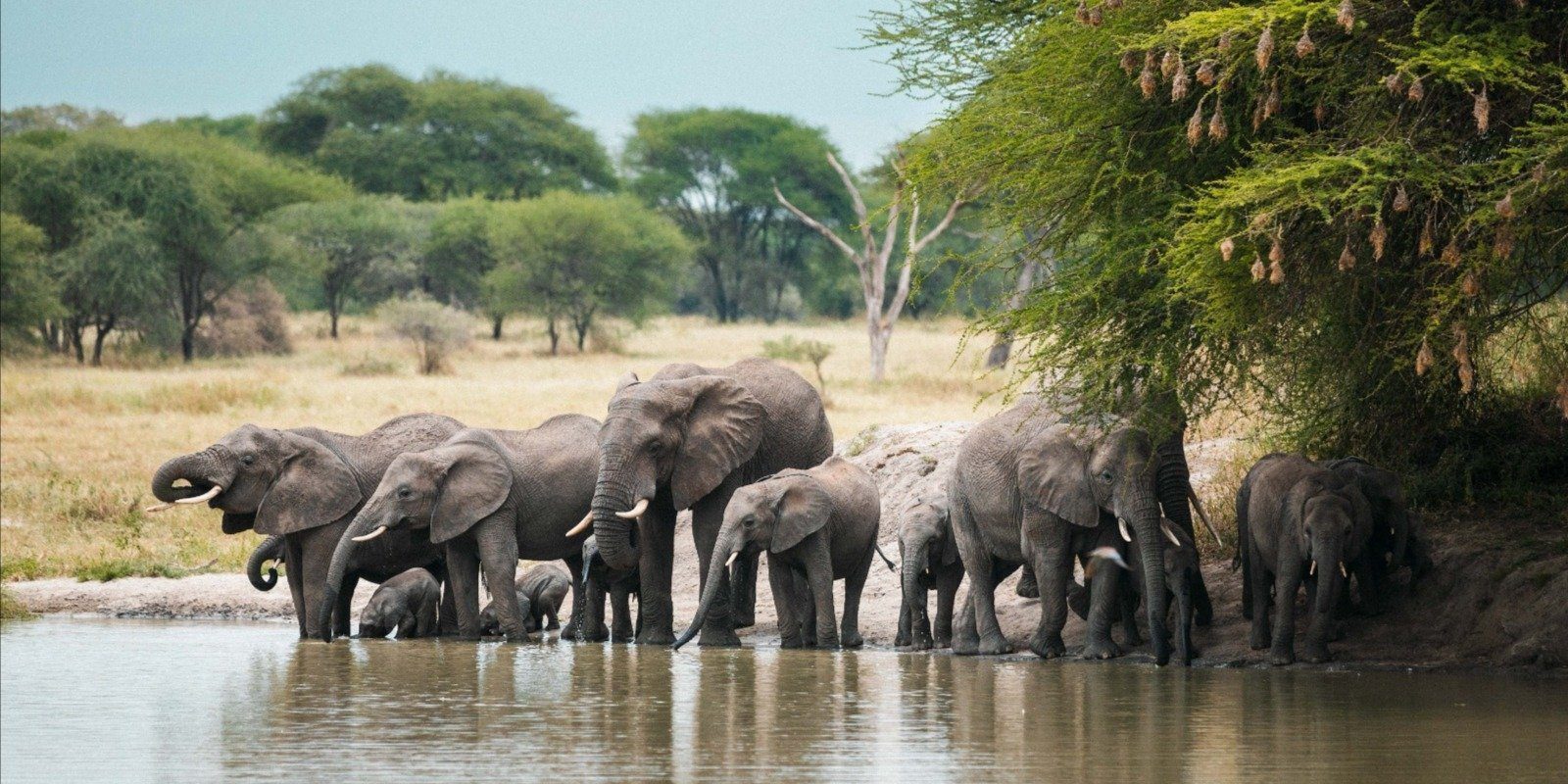
Practical Travel Information
- Getting There: Tarangire is accessible by road from Arusha and by air via nearby airstrips.
- Park Fees: Entry fees are charged per person per day and are regulated by TANAPA.
- What to Pack: Neutral-colored clothing, binoculars, camera gear, sun protection, and insect repellent.
- Safety: Always follow guide instructions, remain in vehicles during game drives, and respect wildlife at all times.
Why Tarangire National Park Is a Premier Safari Destination in Africa
Tarangire National Park offers an authentic and immersive safari experience characterized by dramatic wildlife encounters, ancient landscapes, and a sense of solitude rarely found in more heavily visited parks. Its vast elephant herds, iconic baobab trees, diverse birdlife, and strong conservation value make it one of Africa’s most compelling safari destinations.
For travelers seeking rich wildlife viewing, scenic beauty, and meaningful connections to both nature and culture, Tarangire National Park stands as a true jewel of Tanzania and a must-visit destination on any African safari journey.