Lake Manyara National Park
Lake Manyara National Park: safari destinations in Africa
Lake Manyara National Park is one of East Africa’s most diverse and visually striking safari destinations. Nestled at the base of the Great Rift Valley escarpment in northern Tanzania, this compact yet extraordinarily rich protected area offers a classic African safari experience defined by dramatic landscapes, abundant wildlife, rich birdlife, and strong conservation value. Although smaller than many of Tanzania’s more famous parks, Lake Manyara National Park stands out for its ecological diversity, scenic beauty, and accessibility, making it an essential stop on any well-planned African safari circuit.
This article explores Lake Manyara National Park in depth, covering its location, history, landscapes, wildlife, birdlife, safari activities, cultural connections, conservation significance, best time to visit, accommodation options, and practical travel tips. By the end, you will understand why Lake Manyara National Park is widely regarded as one of the most rewarding safari destinations in Africa.
Location and Geographic Setting
Lake Manyara National Park is located in northern Tanzania, approximately 126 kilometers (about 78 miles) west of Arusha, the main safari hub of the region. The park lies along the floor of the Great Rift Valley, with the steep, forested escarpment rising dramatically to the west and the shallow alkaline Lake Manyara dominating the eastern portion of the park.
Covering an area of about 330 square kilometers, nearly two-thirds of which is occupied by the lake when water levels are high, the park forms part of the famous northern safari circuit that also includes Tarangire National Park, Ngorongoro Conservation Area, Serengeti National Park, and Mount Kilimanjaro.
Its strategic location makes Lake Manyara National Park an ideal first or last stop on a Tanzanian safari, especially for travelers seeking a diverse introduction to Africa’s wildlife and landscapes.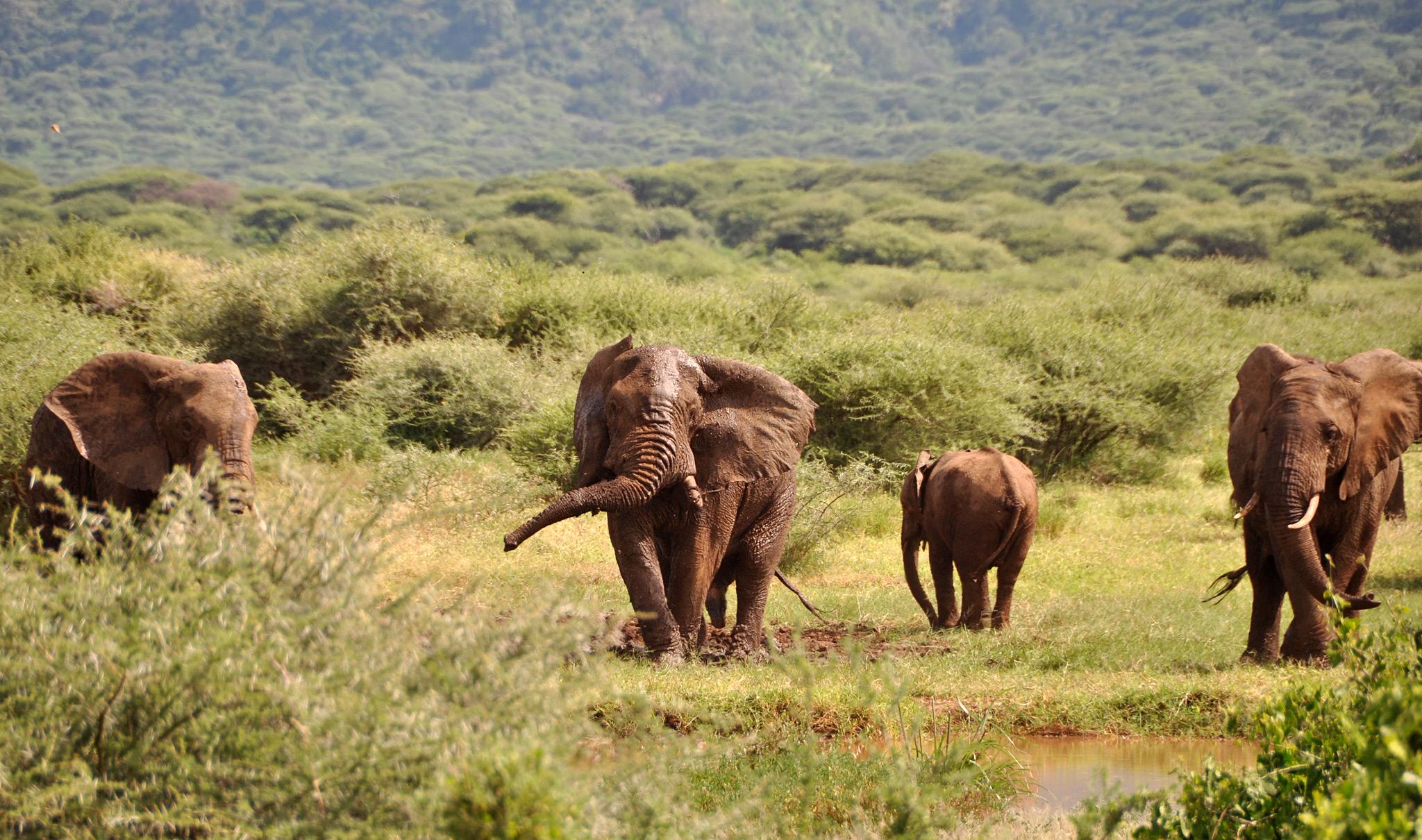
Historical Background and Park Establishment
Lake Manyara National Park was officially established in 1960, initially to protect the lake and its surrounding forests from overuse and settlement. Before gazettement, the area was traditionally used by local communities for grazing, fishing, and seasonal agriculture.
The park gained international recognition in the mid-20th century after renowned conservationist and filmmaker Bernhard Grzimek highlighted its ecological importance. Since then, Lake Manyara has become an important conservation area, balancing wildlife protection with sustainable tourism and community engagement.
Today, the park is managed by Tanzania National Parks Authority (TANAPA), which oversees conservation efforts, infrastructure development, and visitor management.
Landscape and Ecosystems
One of Lake Manyara National Park’s greatest strengths is its remarkable range of ecosystems compressed into a relatively small area. This diversity creates a visually stunning safari environment and supports a wide variety of wildlife species.
The Great Rift Valley Escarpment
The western boundary of the park is defined by the steep Rift Valley escarpment, which rises dramatically from the valley floor. This towering wall provides a breathtaking backdrop for game drives and contributes to the park’s unique microclimates. The escarpment is covered in dense forest and is home to primates, birds, and smaller mammals.
Groundwater Forests
Fed by underground springs flowing from the escarpment, the groundwater forests of Lake Manyara are lush, evergreen environments dominated by fig trees, mahogany, and giant acacias. These forests are a defining feature of the park and provide shelter for elephants, baboons, blue monkeys, and numerous bird species.
Open Grasslands and Floodplains
Beyond the forests, the park opens into grassy floodplains that support grazing animals such as wildebeest, zebra, buffalo, and impala. These open areas are particularly productive during the wet season when fresh grasses attract large herbivore concentrations.
Lake Manyara
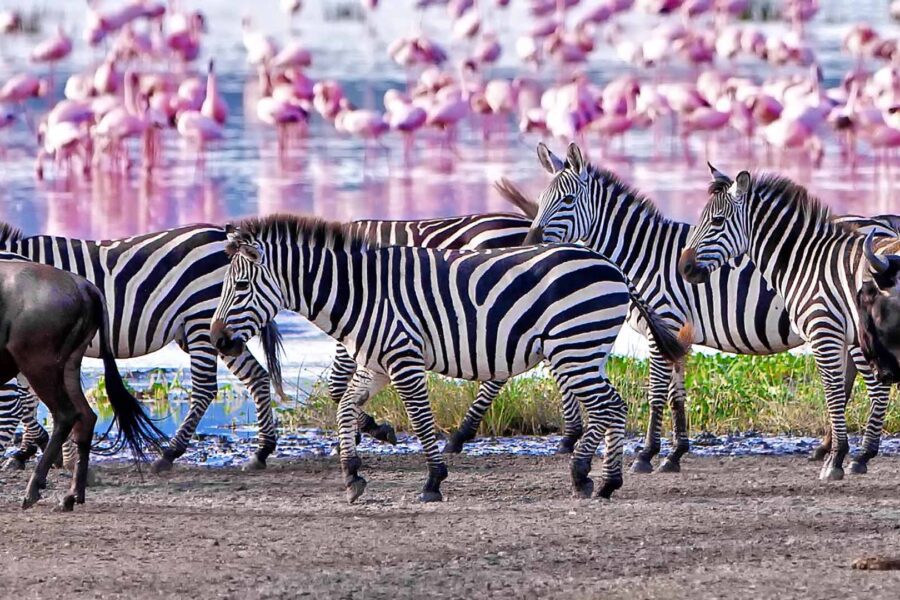
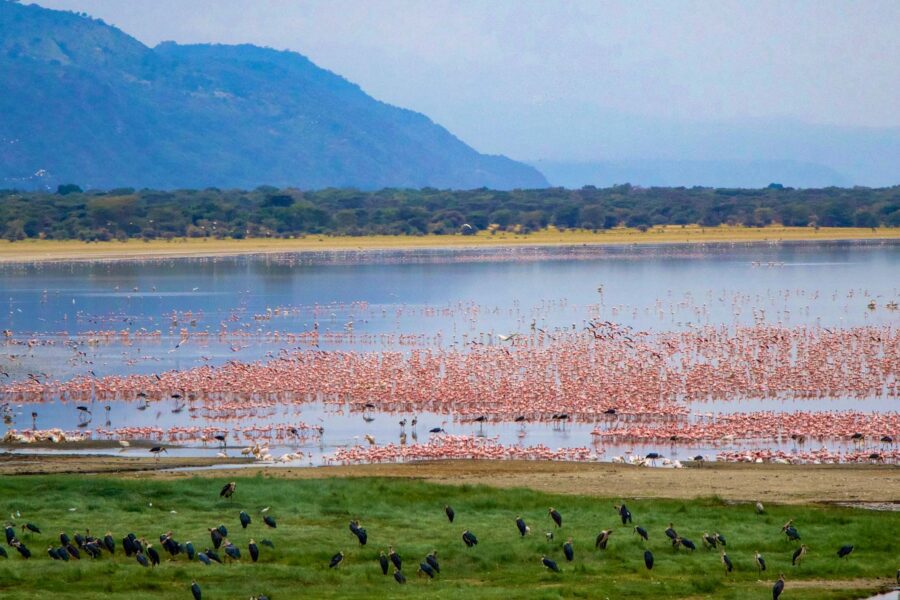
Lake Manyara itself is a shallow, alkaline lake whose size fluctuates with rainfall. The lake is a magnet for waterbirds, including flamingos, pelicans, storks, and herons. At certain times of the year, the shoreline turns pink with thousands of feeding flamingos, creating one of the most iconic scenes in African safari photography.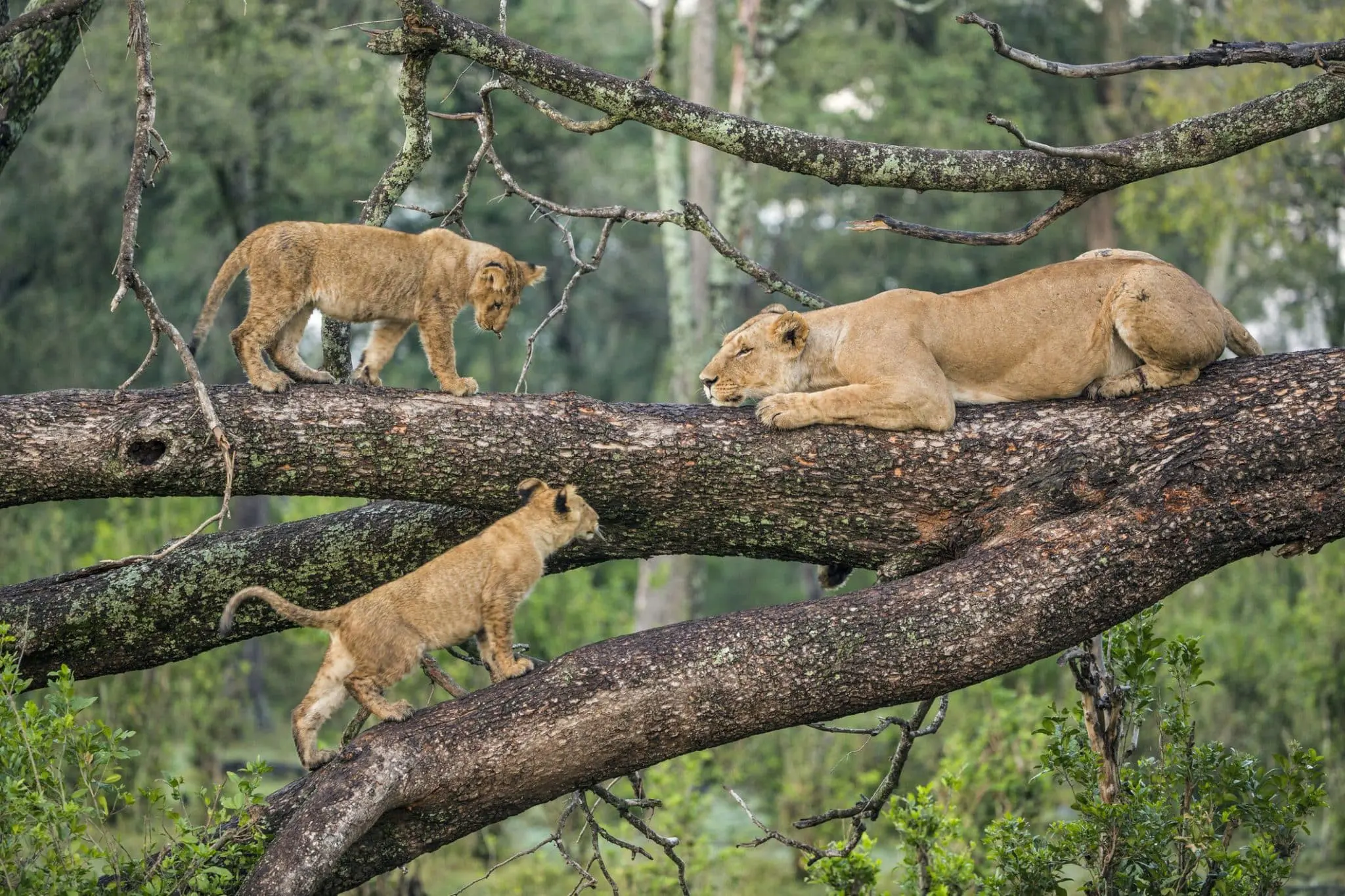
Wildlife of Lake Manyara National Park
Despite its modest size, Lake Manyara National Park supports an impressive range of wildlife species, making it one of the most rewarding safari destinations in Africa.
Large Mammals
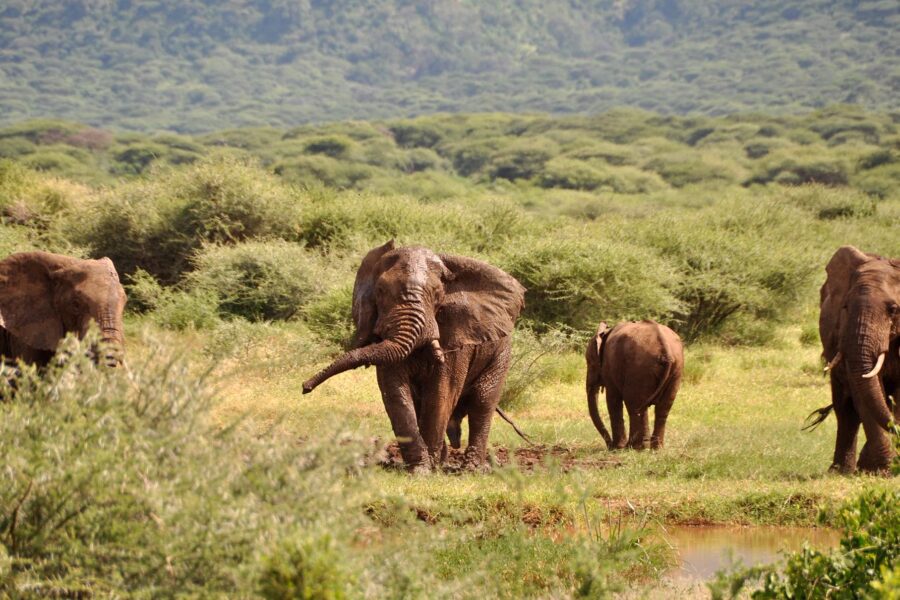
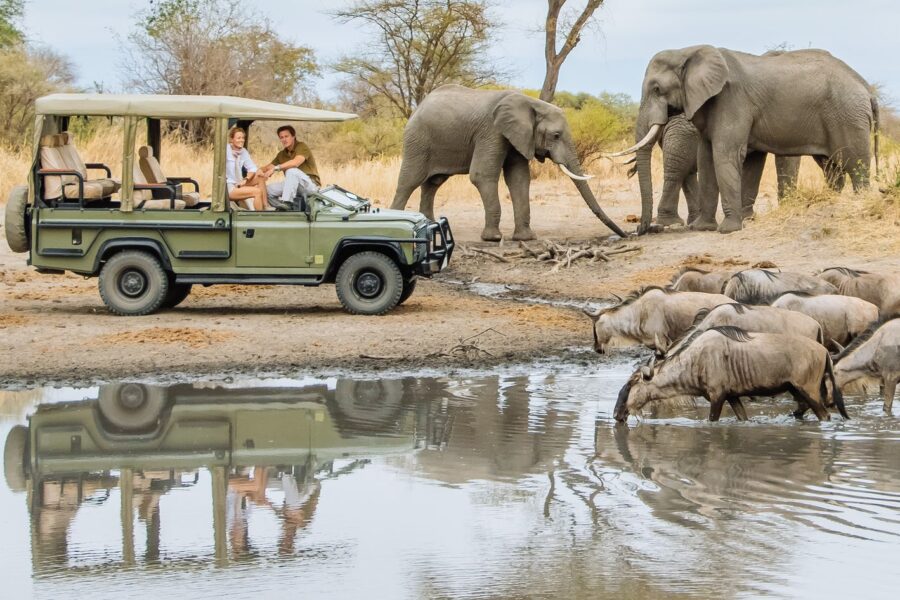
- African Elephant: Lake Manyara is well known for its healthy elephant population. These gentle giants are frequently seen moving through the forests and open plains, often in family groups.
- African Buffalo: Large herds of buffalo roam the grasslands and woodlands, often accompanied by oxpeckers.
- Giraffe: Masai giraffes are commonly seen browsing acacia trees in the open areas of the park.
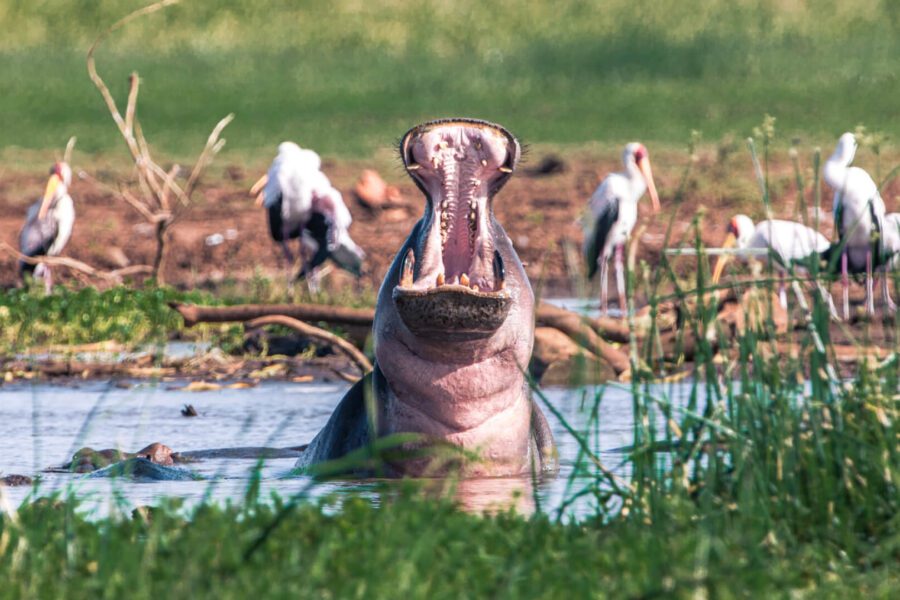
- Hippopotamus: Hippos are found in large numbers along the lake’s edges and in nearby pools.
Predators
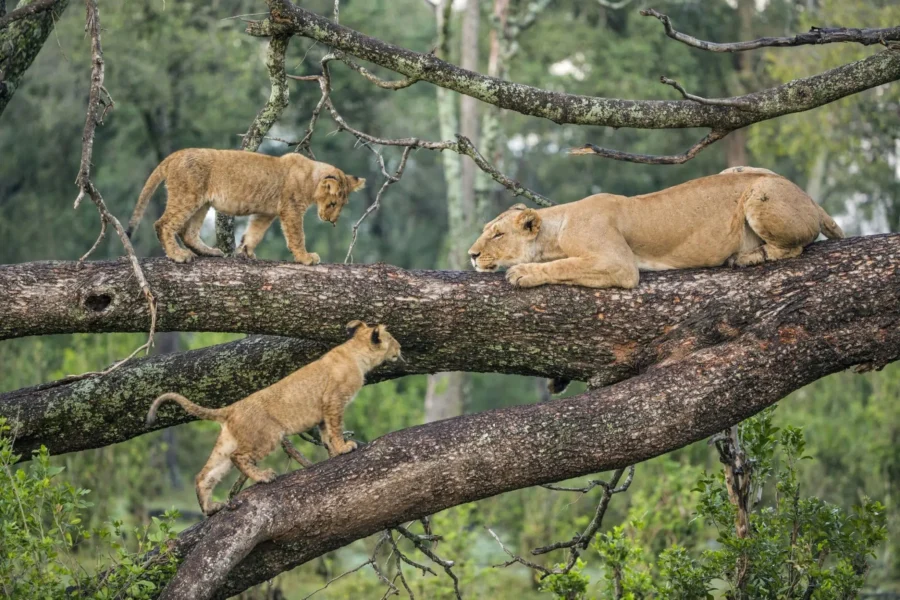
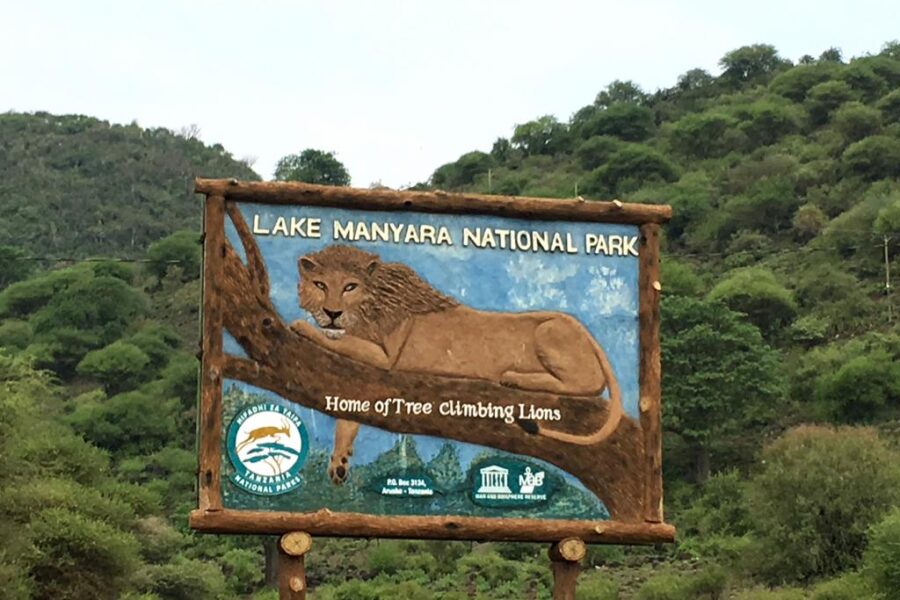
- Tree-Climbing Lions: Perhaps the park’s most famous residents, Lake Manyara’s tree-climbing lions are known for resting in acacia trees, a rare behavior believed to help them avoid insects and heat.
- Leopard: Although elusive, leopards inhabit the forested areas and are occasionally spotted during early morning or late afternoon game drives.
- Spotted Hyena: Hyenas are present throughout the park, particularly active at night.
Other Mammals
- Olive Baboon: Lake Manyara is home to one of Africa’s largest baboon populations, often seen in large troops.
- Blue Monkey: These primates are commonly encountered in the groundwater forests.
- Warthog, Impala, Waterbuck, and Bushbuck: These species add to the park’s diversity and are frequently seen during game drives.
Birdlife and Ornithological Importance
Lake Manyara National Park is considered one of the best birding destinations in East Africa, with over 400 recorded bird species. The park’s varied habitats support both resident and migratory birds.
Notable Bird Species
- Greater and Lesser Flamingos
- African Fish Eagle
- Great White Pelican
- Yellow-billed Stork
- Saddle-billed Stork
- Grey Crowned Crane
- Hornbills and Kingfishers
Birdwatching is particularly rewarding during the wet season when migratory species arrive, but excellent sightings are possible year-round.
Safari Activities in Lake Manyara National Park
Lake Manyara National Park offers a range of safari activities that allow visitors to experience the park from different perspectives.
Game Drives
Game drives are the primary activity in the park and can be conducted in the morning, afternoon, or as full-day excursions. The compact size of the park allows for efficient wildlife viewing, making it ideal for shorter safaris.
Canoeing Safaris
When water levels permit, canoeing safaris on Lake Manyara offer a unique opportunity to observe wildlife and birdlife from the water. This activity provides close encounters with hippos, waterbirds, and grazing animals along the shoreline.
Walking Safaris
Guided walking safaris are available in designated areas outside the core wildlife zones. These walks focus on ecology, plants, insects, and birdlife, offering a deeper understanding of the park’s ecosystems.
Cultural Experiences
Visits to nearby communities, including Maasai villages, can be arranged to learn about traditional lifestyles, pastoral practices, and local culture.
Cultural and Human Connections
The areas surrounding Lake Manyara National Park are inhabited by diverse ethnic groups, including the Maasai, Iraqw, and Mbugwe peoples. These communities have long-standing relationships with the land and play an important role in conservation through community-based tourism initiatives and sustainable resource use.
Cultural tourism not only enriches the visitor experience but also contributes to local livelihoods and supports conservation efforts.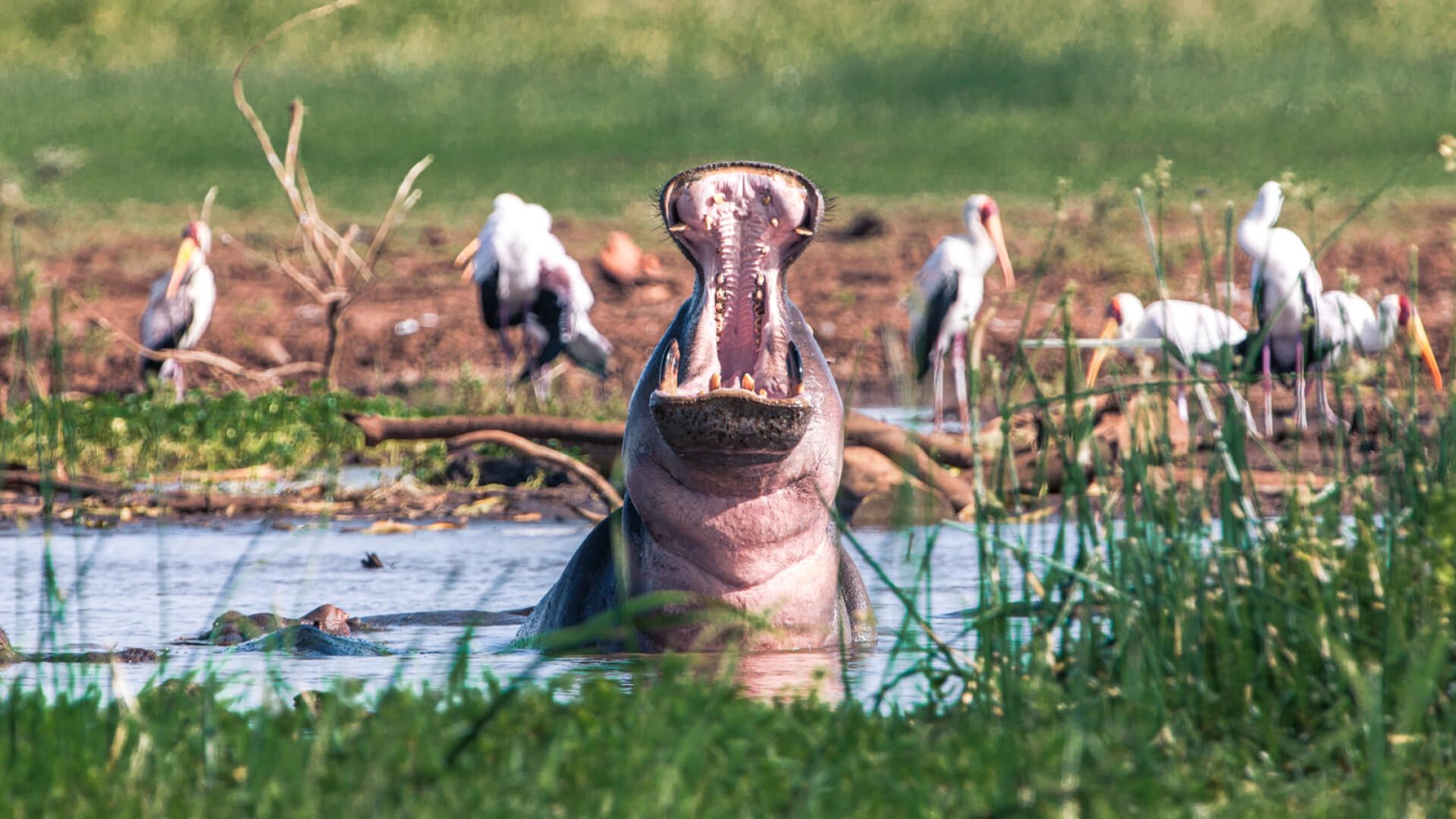
Conservation Significance and Challenges
Lake Manyara National Park plays a crucial role in regional conservation, protecting critical habitats within the Great Rift Valley ecosystem. The park serves as a refuge for wildlife and an important breeding and feeding ground for birds.
However, the park faces challenges such as climate change, fluctuating water levels, human-wildlife conflict, and pressure from surrounding land use. Conservation strategies focus on habitat protection, scientific research, community engagement, and sustainable tourism management.
Best Time to Visit Lake Manyara National Park
Lake Manyara National Park is a year-round destination, but the best time to visit depends on your interests.
- Dry Season (June to October): Ideal for wildlife viewing as animals concentrate around water sources. Roads are easier to navigate, and visibility is excellent.
- Wet Season (November to May): Best for birdwatching and lush landscapes. Flamingo numbers often increase, and the park becomes exceptionally scenic.
Short rains typically occur in November and December, while long rains fall between March and May.
Accommodation Options
Accommodation around Lake Manyara National Park ranges from luxury lodges to mid-range camps and budget-friendly options.
- Luxury Lodges: Offer panoramic views, high-end amenities, and exceptional service.
- Mid-Range Camps: Provide comfortable stays with good access to the park.
- Budget Lodges and Campsites: Suitable for travelers seeking affordability without sacrificing the safari experience.
Most accommodations are located just outside the park boundaries, blending comfort with natural surroundings.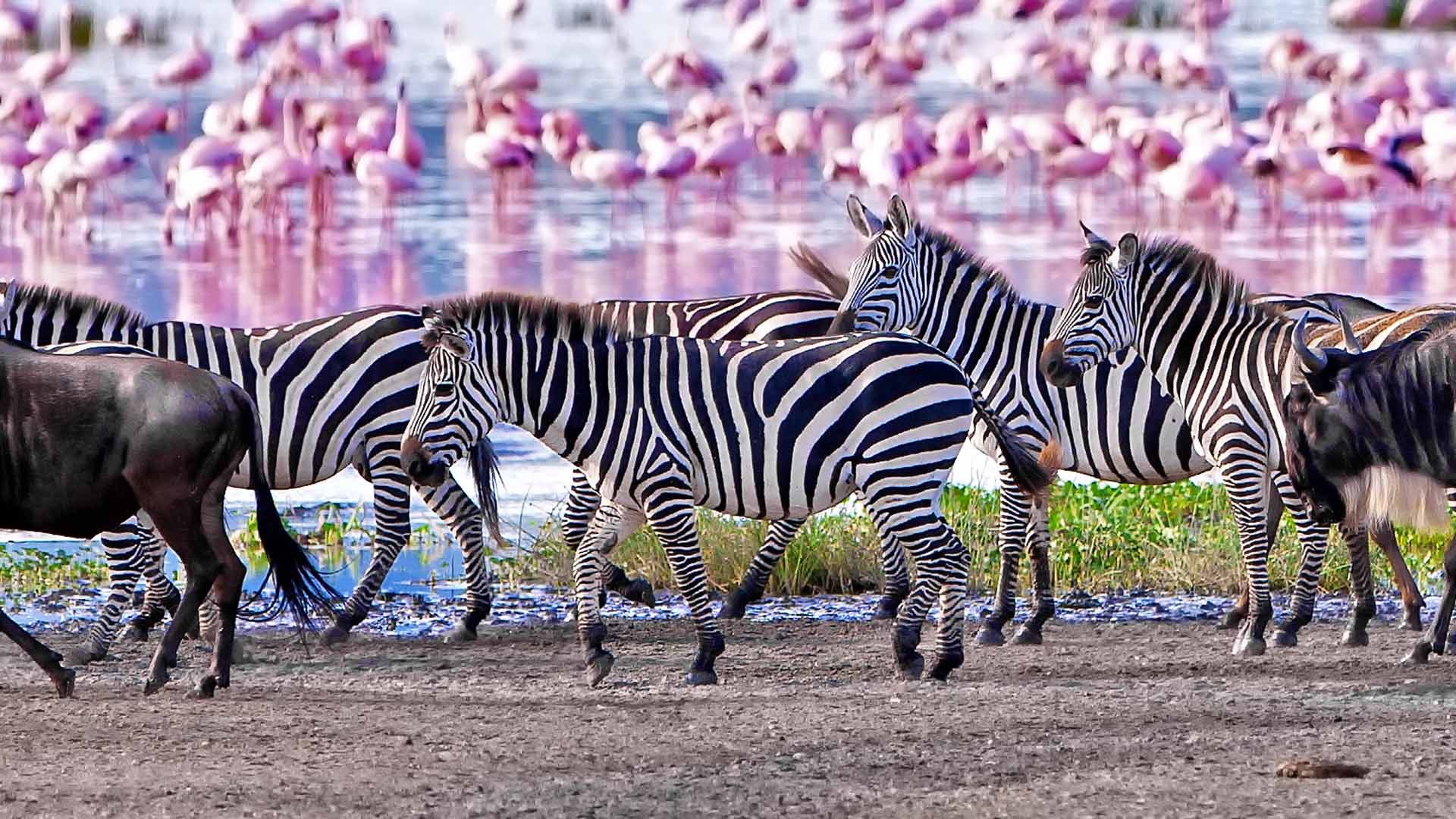
Practical Travel Tips
- Access: The park is easily accessible by road from Arusha and can also be reached by small aircraft via nearby airstrips.
- Park Fees: Entry fees are charged per person per day and are managed by TANAPA.
- What to Pack: Light clothing, binoculars, camera equipment, sun protection, and insect repellent.
- Health and Safety: Follow guide instructions, stay in vehicles during game drives, and observe wildlife respectfully.
Why Lake Manyara National Park Is a Top Safari Destination in Africa
Lake Manyara National Park exemplifies the essence of African safari travel. Its dramatic landscapes, diverse ecosystems, abundant wildlife, and exceptional birdlife combine to create a rich and immersive experience. The park’s accessibility and compact size make it ideal for both first-time visitors and seasoned safari travelers.
Whether you are drawn by the famous tree-climbing lions, the spectacle of flamingos on the lake, or the tranquility of the groundwater forests, Lake Manyara National Park delivers an unforgettable journey into the heart of Africa’s natural heritage.