Flying Safaris
The Magic of Flying Safaris in Tanzania
Tanzania has long been a dream destination for travelers seeking wide wilderness, iconic wildlife, and awe inspiring landscapes. However, in the recent years one experience has risen above the other explorations. Flying safaris have become a defining way to explore the country’s eco system, offering traveler a unique blend of wildlife viewing and breathtaking aerial views that transform an ordinary journey into something unforgettable.
What Makes Flying Safaris Extraordinary?
Unlike the usual ground transfer safaris that involve long drives and hours across rugged terrain, flying safaris connect travelers between parks and lodges aboard small bush planes. These flights disclose Tanzania from a new perspective: endless savannas extending to the horizon, volcanic craters traced into the earth, and wildlife roaming freely on ground. The sense of scale becomes instantly apparent, giving travelers a deeper appreciation for the perfect size and beauty of the country’s protected regions.
More importantly, flying safaris save a lot of travel time. For example, a journey meant to be for 8 hours, while doing flying safari it can only take 40 minutes hence creating time for the entire days for game viewing, relaxation, or cultural encounters.
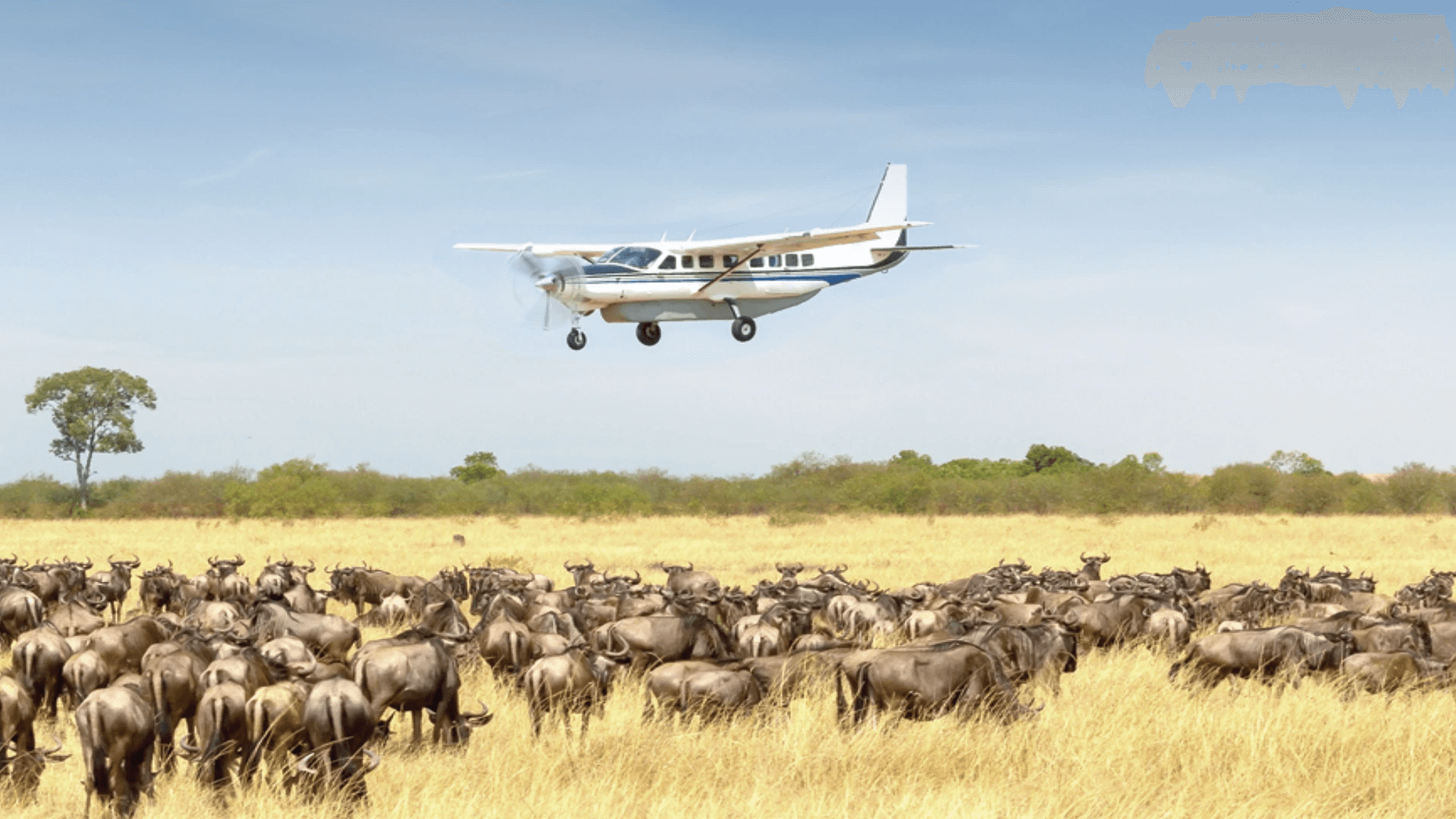 Places where flying safaris take place
Serengeti National Park
There’s no destination in Africa where you will encounter dramatic wildlife creatures in their natural habitat like the Serengeti. From the sky, travelers may see winding lines of wildebeest and zebra during the Great Migration, or spot elephants roaming lonely beneath acacia trees. Flying directly into airstrips scattered across the park also allows easy access to remote regions that few road-bound visitors reach.
Ngorongoro Conservation Area
Ngorongoro feels like heaven on earth, tourists landing near Ngorongoro feel like touching down on the edge of another world. The crater’s round rim is undefined from above, showcasing the rich floor where lions, rhinos, buffalo, and flamingos coexist. A flying safari makes it simple to pair Ngorongoro with the Serengeti or Manyara in one itinerary.
Ruaha and Nyerere National Parks
Tanzania’s southern circuit is expansive, wild, and far less visited than the north. Flying safaris open these hidden landscapes to travelers who crave privacy and exclusivity. From the air, Ruaha’s baobab-dotted plains and the curving Rufiji River in Nyerere create a mixture of habitats rich with lions, wild dogs, and elephants.
 Zanzibar and the Coastline
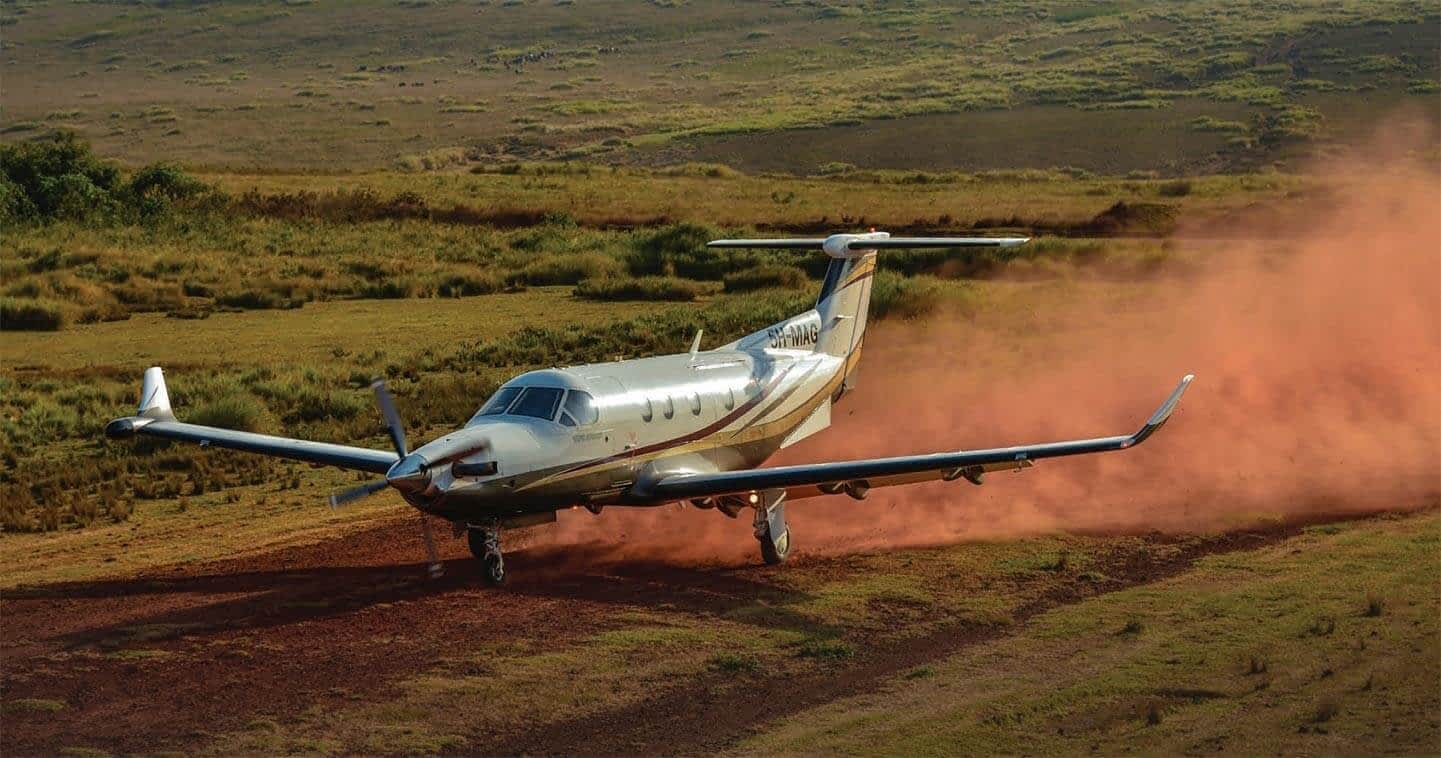 Zanzibar and the Coastline
 With many safaris, tourists should add a flying safari which ends with a shift from savanna to sea. Direct flights to Zanzibar or private coastal islands offer a smooth transition from wildlife watching to white-sand relaxation.
The Experience Onboard
Flying in a light aircraft is a lifetime experience of its own. With just a handful of passengers, everyone enjoys aerial views and a very close look at the pilot crossing over Tanzania’s wilderness. The flights are low enough for outstanding sightseeing yet high enough to feel smooth and safe. Many tourists describe this airborne view as one of the most memorable elements of the whole safari.
In Conclusion
Flying safaris in Tanzania consider what it means to explore the jungle. They offer not just transportation, but a memorable adventure through which to witness one of the world’s greatest natural landscapes. From the roar of migrating herds to the calmness of untouched wilderness, every moment in the air adds a new memory kept forever during the safari experience. If you are thinking of Africa, consider Tanzania for the best flying safari experience which will leave you yarning for more.