Things I wish I knew before climbing Mountain Kilimanjaro
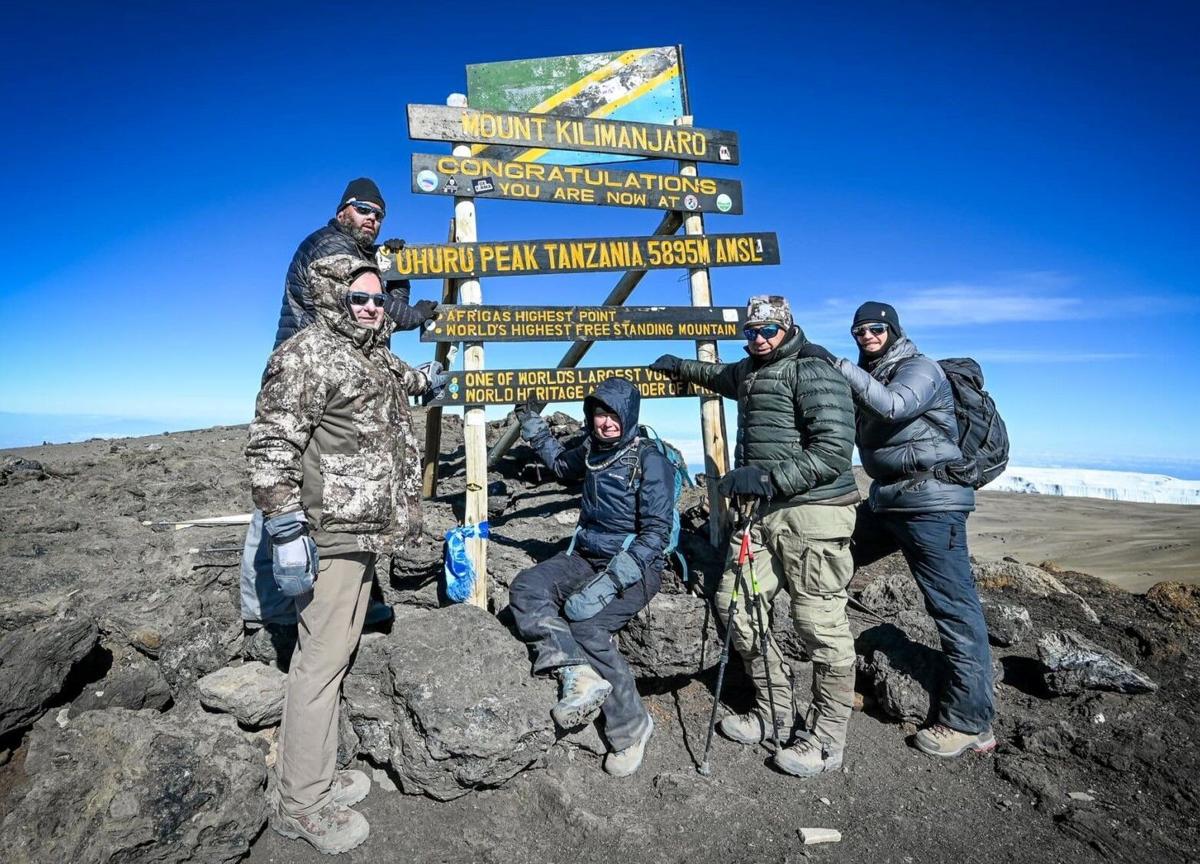
Mountain Kilimanjaro is located in Tanzania. It is the highest peak in Africa with 5,895 meters (19,341 feet) above sea level, it is a remarkable feature made up of three volcanic cones: Kibo, Mawenzi, and Shira. Only Kibo remains dormant, while the others are extinct.
Kilimanjaro is known not only for its impressive height but also for its unique ecological system. Kilimanjaro is considered one of the most accessible major peaks, attracting mountain climbers across the world. It takes 5 to 9 days to reach Mountain Kilimanjaro.
The mountain plays a vital role for the local Chagga communities supplying water and supporting unique wildlife homes. Its notable snow-capped summit, though shrinking due to climate change, remains one of the most recognizable and interesting image in Africa. Below are some of the things one must know before visiting Mountain Kilimanjaro.
-
Altitude
Before the climb, I focused mostly on physical fitness, but I quickly learned that altitude affects everyone differently. You can be an elite athlete and still struggle with headaches, nausea, dizziness, or shortness of breath at high elevations.
What I wish I knew: Walk slower than you think is necessary, even when you feel strong.
Acclimatization varies wildly from day to day, so a good day doesn’t guarantee the next will be easy.
Your guides aren’t being dramatic when they repeat “pole pole, it’s essential.
Altitude is unpredictable, and respecting it is the key to a safe summit.
-
Staying Hydrated
I expected fitness to matter most, but hydration turned out to be equally important. Drinking plenty of water helps the body adjust to decreasing oxygen levels and prevents dehydration, which mimics altitude sickness.
What I wish I knew:
You need 3 – 4 liters of water daily, even on cold days.
Electrolyte powders are a game changer plain water isn’t enough for such demanding conditions.
Warm drinks at camp aren’t just comforting, they help keep you hydrated when cold weather suppresses your thirst.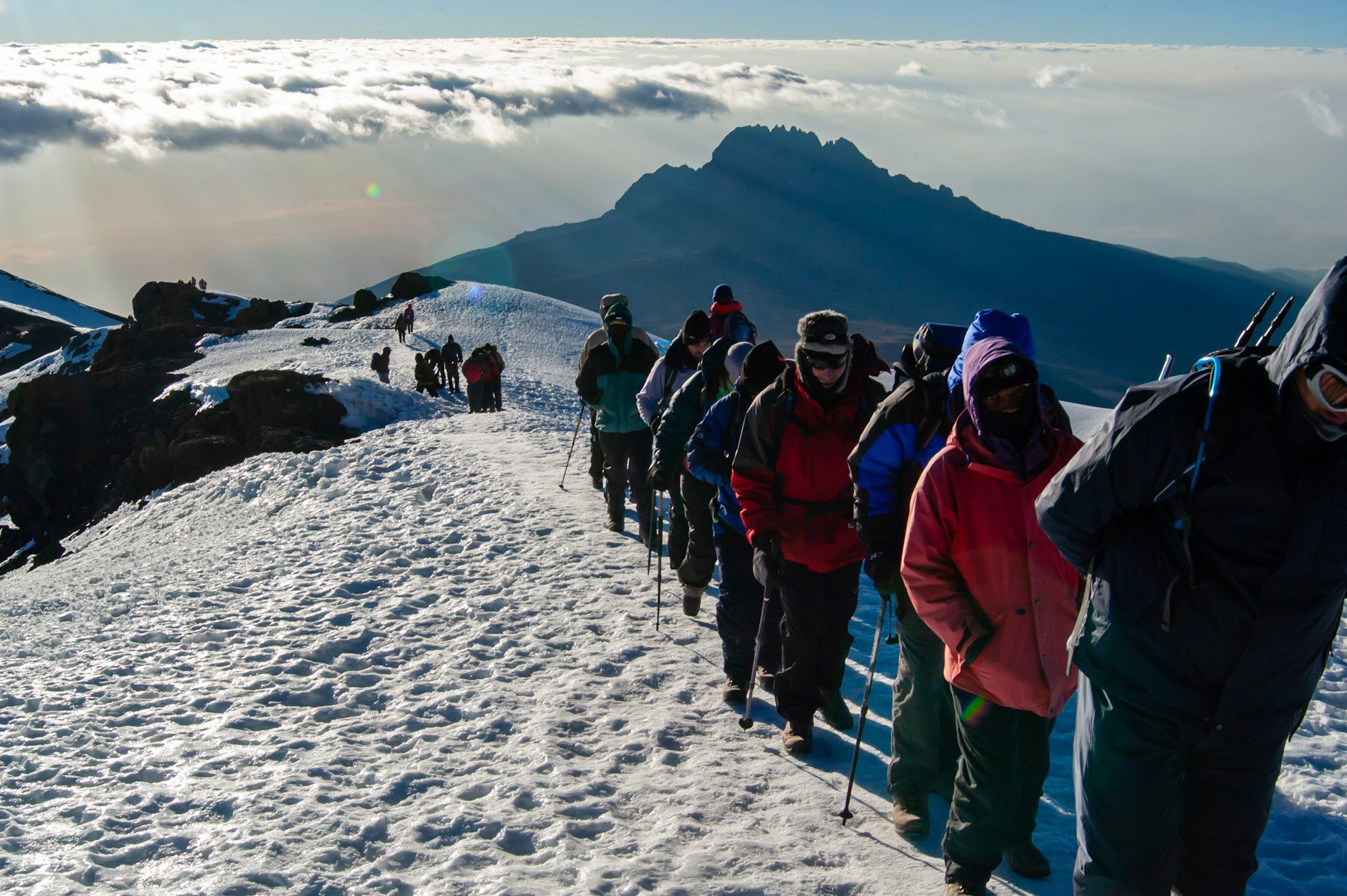
-
Gear Matters More Than You Think
I underestimated how dramatically the temperature and weather would change. One moment it felt like a warm hike; the next it felt like winter at midnight.
Things I wish I had brought or invested in:
A high-quality down jacket for summit night, Thermal base layers that wick sweat and keep warmth, Broken-in, waterproof hiking boots, a reliable headlamp—summit night is pitch dark, Waterproof gloves and glove liners, Gaiters to keep dust and scree out of boots, Cheap or poorly chosen gear becomes obvious the higher you go.
-
Summit Night Is the Toughest Part
Expect to leave camp around midnight and climb for 6–8 hours in darkness, cold, and thin air. This section is steep and slow, requiring mental grit more than physical power. Reaching Uhuru Peak at sunrise is one of the most emotional moments many hikers ever experience—worth every tough step.
-
Your Guides and Porters Make the Climb Possible
I didn’t fully understand, before the climb, how essential the crew would be. Guides monitor your health, control the pace, explain what’s ahead, and make safety decisions. Porters carry gear, set up camp, fetch water, and keep everything running smoothly.
What I wish I knew:
Choose a company that treats porters ethically and pays fair wages. Listen when guides check your oxygen saturation or ask how you feel—they catch issues before you notice them. Their encouragement often matters as much as your training. The crew is the backbone of every successful summit.
-
Training make a difference
While no technical skills are required, the climb is physically demanding. Training 8–12 weeks ahead is recommended. Here, concentrate on long hikes with a weighted backpack, Leg strength (squats, lunges, step-ups). Cardio conditioning through running, jumping. Preparing your body pays off massively on summit night.
-
The Descent Is Harder on Your Body Than the Ascent
Reaching the summit feels undefeated, but the descent comes with its own challenges. After hours of climbing, you’re exhausted, and the downhill sections can be brutal on your knees and joints.
What I wish I knew: Trekking poles are essential—not optional. Loose gravel and scree require slow, careful steps., Downhill fatigue can sneak up on you quickly, so snacks and hydration are still important. By the time you reach lower altitudes, your legs will feel the impact more than you expect.
-
You will appreciate simple comforts more than ever.
Kilimanjaro forces you to disconnect from everyday life. There’s no noise, no pressure, and no digital distractions. Meals, hot drinks, camaraderie, and a few minutes of sunshine become highlights of each day.
What I wish I knew: The mountain teaches you to enjoy small victories—reaching camp, drinking warm soup, seeing stars more clearly than ever. Moments with fellow climbers often become lifelong memories. You discover how much strength you actually have.
-
It’s Normal to Doubt Yourself—and Normal to Succeed Anyway
Almost every climber has a moment when they question whether they can keep going. That doubt doesn’t mean you’re failing—it means you’re human.
What I wish I knew: Everyone struggles at different points of the climb, Slow progress is still progress. The summit is possible if you trust the process and stay patient.
You don’t climb Kilimanjaro because it’s easy—you climb it because the journey changes you.