About Tanzania
Tanzania is one of the gifted tourism destinations known for its breathtaking scenery, various wildlife and rich culture system. The country offers travelers a mix of experiences from the Great Wildebeest Migration across the Serengeti Plains to climbing the misty Mount Kilimanjaro, the highest mountain in Africa. Along the coast, the islands of Zanzibar and Pemba attract tourists with their beautiful beaches which have blue waters, spice plantations, and ancient history in Stone Town. Tanzania’s national parks and marine reserves protect a wealth of natural gifts with its people, languages and traditions add reality to every journey. Whether for safari, adventure, or relaxation, Tanzania is a top notch destination which offers a combination of all activities, wildlife and leisure. In this article, we are going to look at Tanzania as we break down everything such as history, culture, wildlife among others.
Geographical history
The geographical set up of Tanzania is unique in its own way, this crowns the country as the most biodiverse country in Africa. Tanzania offers a wide range of geographical features which makes it one of Africa’s most biodiverse countries. In the north section, you will sight the misty Mount Kilimanjaro, Africa’s highest peak at 5,895 meters attracting mountain climbers from all over the world. West side of the country lies Lake Tanganyika, one of the world’s deepest fresh water lakes while to the north sits Lake Victoria, Africa’s largest freshwater lake.
The eastern section has the Indian Ocean offering a long coastline which has beaches, fishing villages, and busy port cities such as Dar es Salaam. Inland, the nation features expansive savannas, volcanic craters, fertile highlands, and dense forests that harbor a variety of wildlife. This true diversity supports many ecosystems, contributing to Tanzania’s world reputation as a prime destination for nature lovers and researchers.
Historical Background
As we dig into Tanzania’s history, the country goes beyond its formation as a current state. Archaeological discoveries in Olduvai Gorge have found early human fossils a millions years ago, giving the region the title “The Cradle of Mankind.” These findings provide key insight into the origins of human life.
Long ago, coastal areas such as Zanzibar developed into important trading centers. Arab, Persian, and Indian business men established trading routes for spices, gold, ivory, and enslaved people. Their interactions introduced Islam, shaping the region’s culture and architecture. By the 19th century, European explorers including Richard Burton and John Speke, began arriving in the area. Eventually, Germany colonized Tanganyika in the late 19th century, followed by British rule after World War I.
Tanganyika got its independence from Britain in 1961, then later Zanzibar in 1963. A year later, the two states came together to form the United Republic of Tanzania, with Julius Nyerere as the nation’s first president. Nyerere’s leadership laid the foundation of the country’s identity, emphasizing unity, self-reliance, and the promotion of Swahili as a national language. The history has contributed a lot to Tanzania’s growth and development.
Economy and Development
Tanzania’s economy is blessed with different sectors including agriculture, tourism, mining, manufacturing, and energy. Agriculture remains the backbone of the economy, employing a large number of people. Major crops include coffee, tea, cashew nuts, cotton, and maize. The fertile soils in the southern and northern highlands support both small-scale and commercial farming.
Tourism is also plays a big role in Tanzania’s economy. Renowned for its wildlife reserves, national parks, and beautiful islands, the country attracts a large number of tourists per year. Iconic tourist destination such as Serengeti National Park, Ngorongoro Crater, and Zanzibar’s Stone Town bring in revenue, foreign exchange and generate employment opportunities for the locals. The country plays a big role of conservation and sustainability which has helped the country to main its name as the top tourism destination.
Tanzania is also gifted in natural resources, including gold, natural gas, uranium, and gemstones such as tanzanite, a precious stone found only in the country. In recent years, natural gas discoveries along the coast have opened new possibilities for economic development. Despite these opportunities, Tanzania continues to face challenges such as income inequality, infrastructure gaps, and dependence on climatic conditions due to its large agricultural base. However, ongoing investments in roads, railways, ports, and energy production demonstrate the country’s commitment to sustainable development.
Culture and Traditions of Tanzania
With approximately 120 ethnic groups, Tanzania has a rich, historical past. Tanzanians have a strong feeling of patriotism despite their diverse cultural background. Let’s discover more about this unique nation!
Religion: Approximately 35% of people identify as Muslims, while slightly more than 60% identify as Christians. A tiny percentage of Tanzanians are either nonreligious or adhere to folk faiths. There are typically friendly ties among religions in society; yet, there continues to be rising conflict between Muslims and Christians and between secular and fundamentalist Muslims.
Clothes: Tanzanians wear modest, traditional attire. Many Tanzanians dress traditionally, however younger generations, particularly in metropolitan areas, could adopt jeans and T-shirts. The traditional dress for ladies is the “kanga.” This huge, rectangular cotton fabric includes vivid, bright graphics, and current designs typically have a proverb or riddle printed on them. The kanga can be worn in a variety of ways, from a basic wraparound skirt to complicated draping patterns. In Tanzania, men usually wear less colorful clothes than women. Pants and dress shirts are widespread, while shorts are considered as indecent and silly.
 Tourism and Natural Attractions
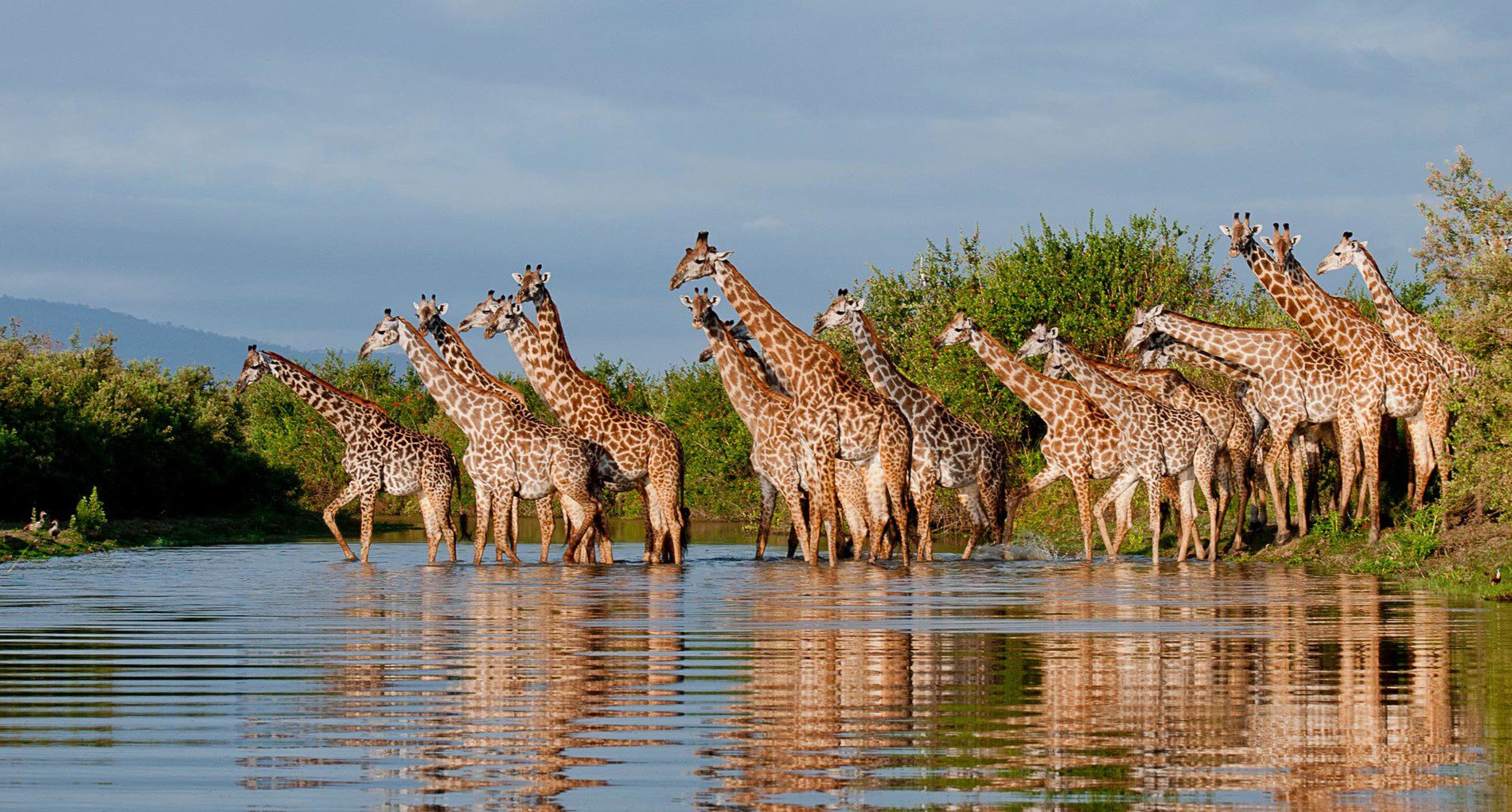
Tanzania is one of the world’s top safari places one must add on the bucket list. The Serengeti National Park is famous for harboring the Great Wildebeest Migration where millions of wildebeest and zebras move across the plains in search of graze. This experience is considered one of the most iconic wildlife events on Earth. From there, the Ngorongoro Crater provides habitat to extraordinary concentration of animals, including lions, elephants, rhinos, and flamingos.
The country’s southern circuit including Selous Game Reserve and Ruaha National Park, offers less crowded but stunning wildlife encounters. The Selous Reserve is one of the largest faunal reserves in the world, home to vast elephant herds, wild dogs, and various bird species.
Coastal and marine attractions also attract visitors from around the world. Zanzibar’s white sandy beaches, coral reefs, and historic Stone Town, listed as a UNESCO World Heritage Site, makes it a cultural and tropical paradise to go on a vacation. Pemba and Mafia Islands offer firsts class diving, marine tours to marine parks where you get to see aquatic life, and a calm environment away from busy tourist pathways.
Conclusion
Tanzania stands as the number one destination for tourism, cultural depth, and historical importance. Its vast landscapes from sweeping savannas to volcanic craters and Indian Ocean shores, create an environment untouched in richness. Along with its vibrant cultural heritage and steady economic progress, Tanzania continues to position itself as a leading nation in East Africa. Whether one is drawn by the call of wildlife, stunning coastal islands, or the friendliness of its people, Tanzania offers an experience that is both long lasting and inspiring.