Why Go on a Wildlife Tour in Tanzania
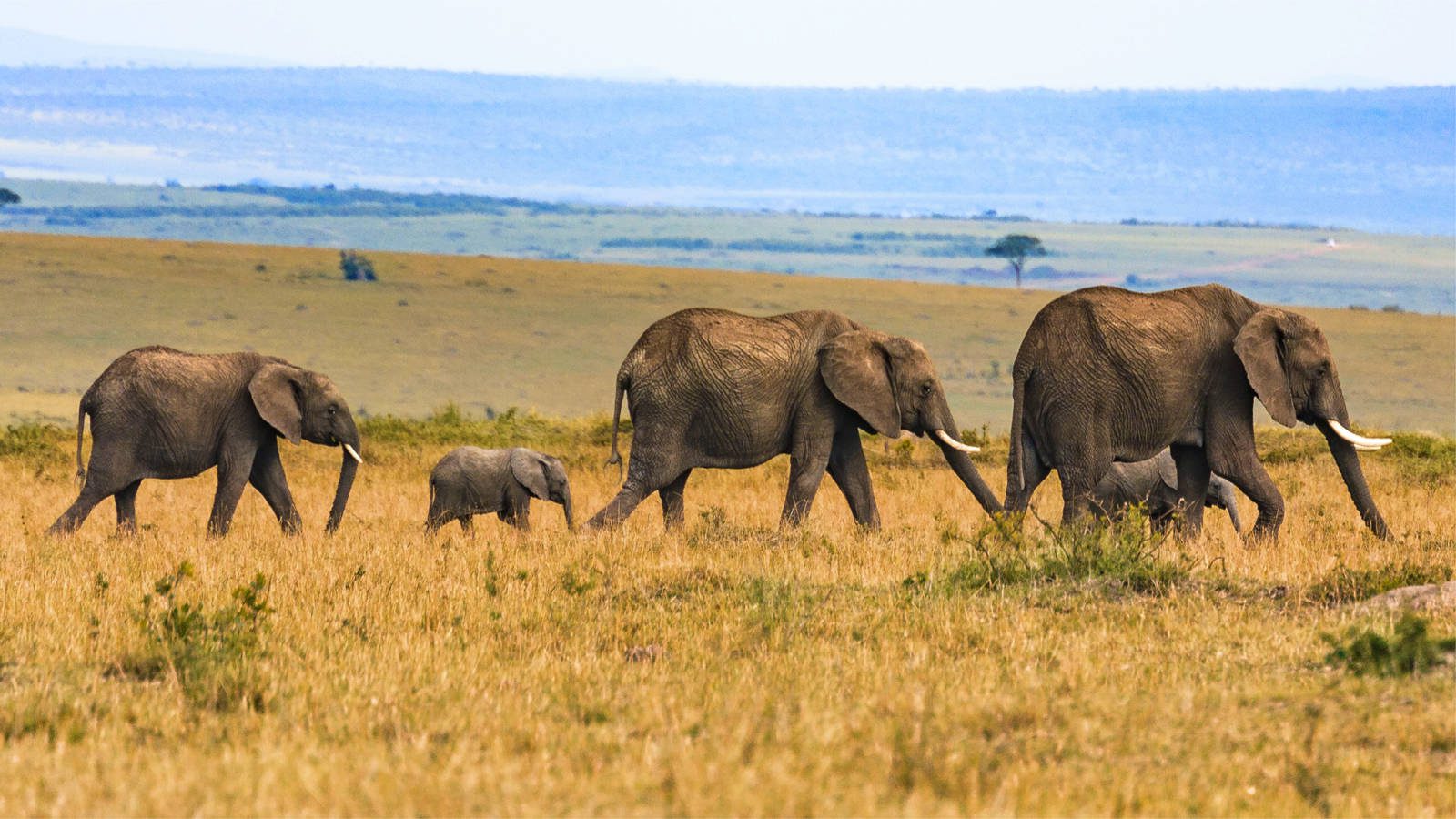
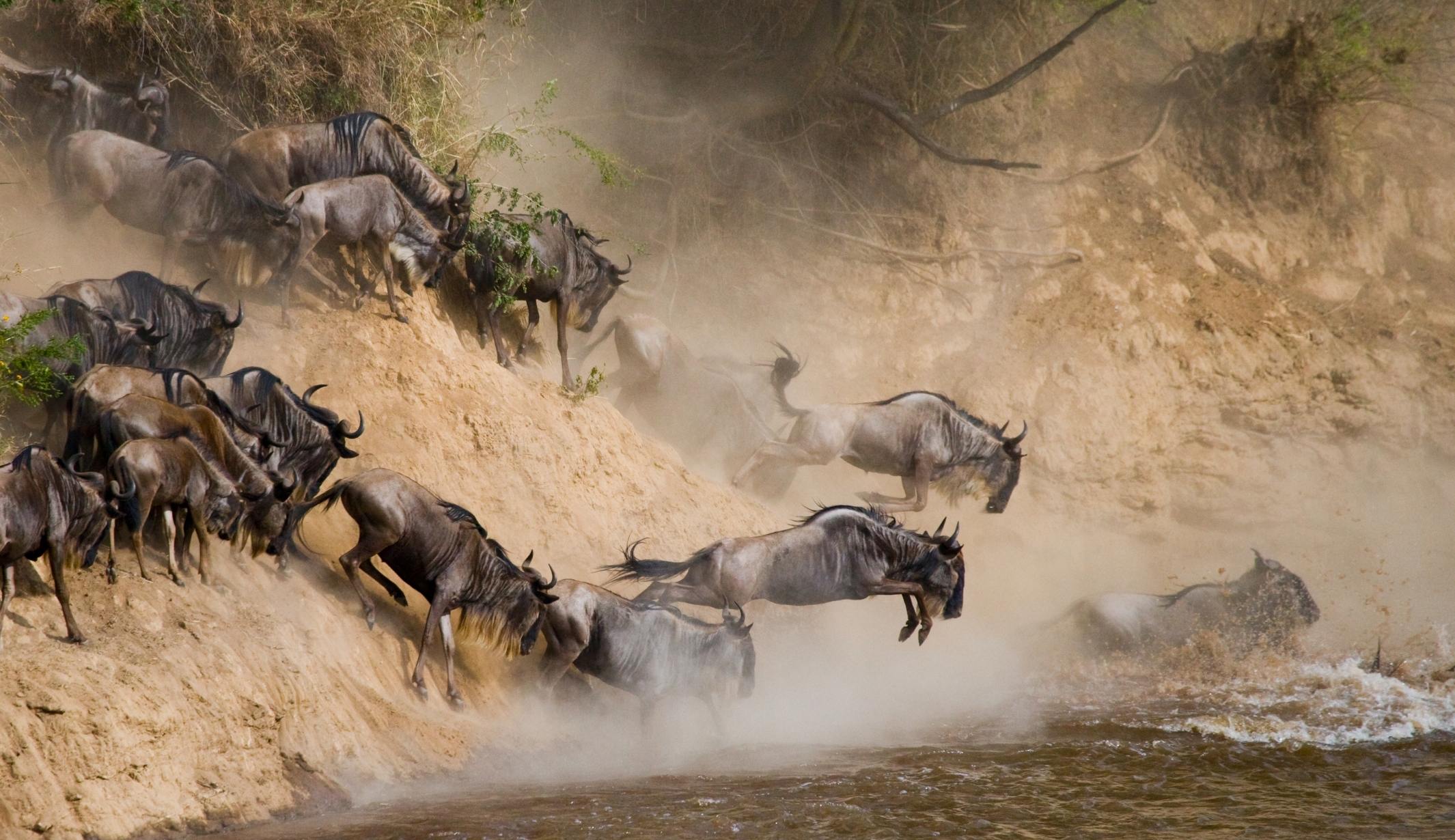
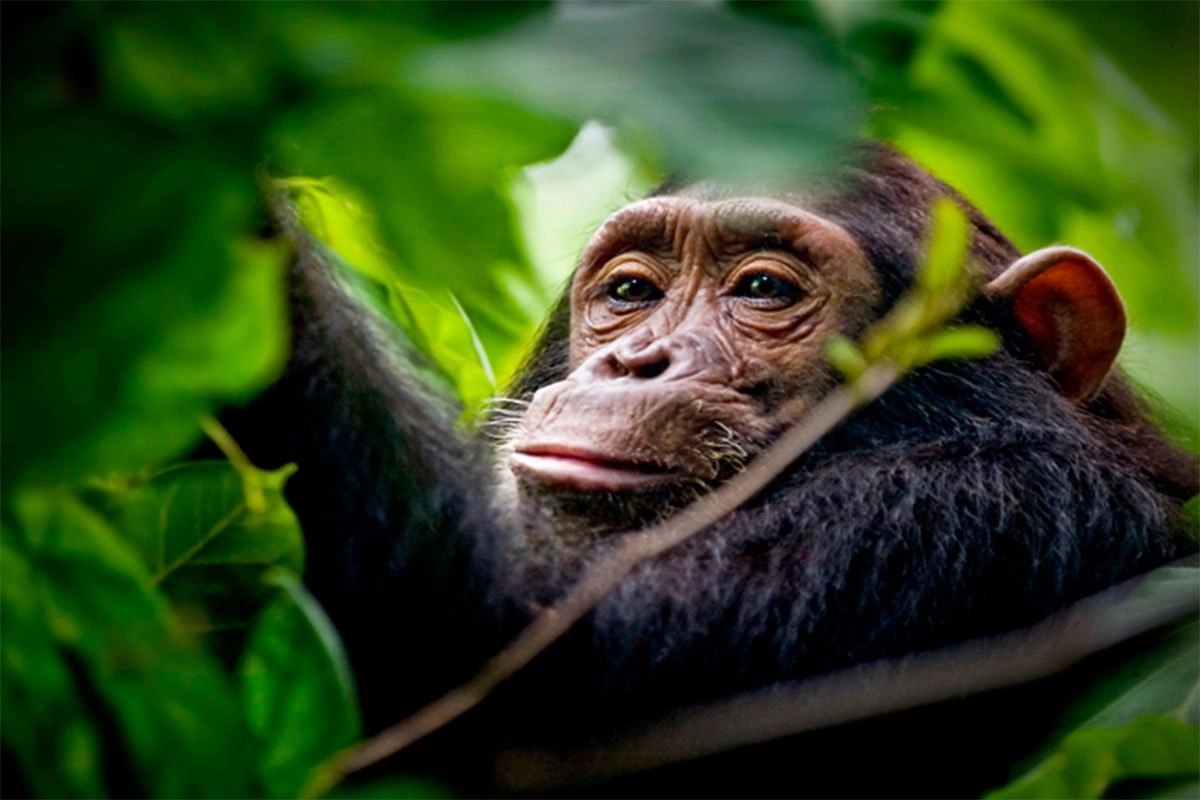
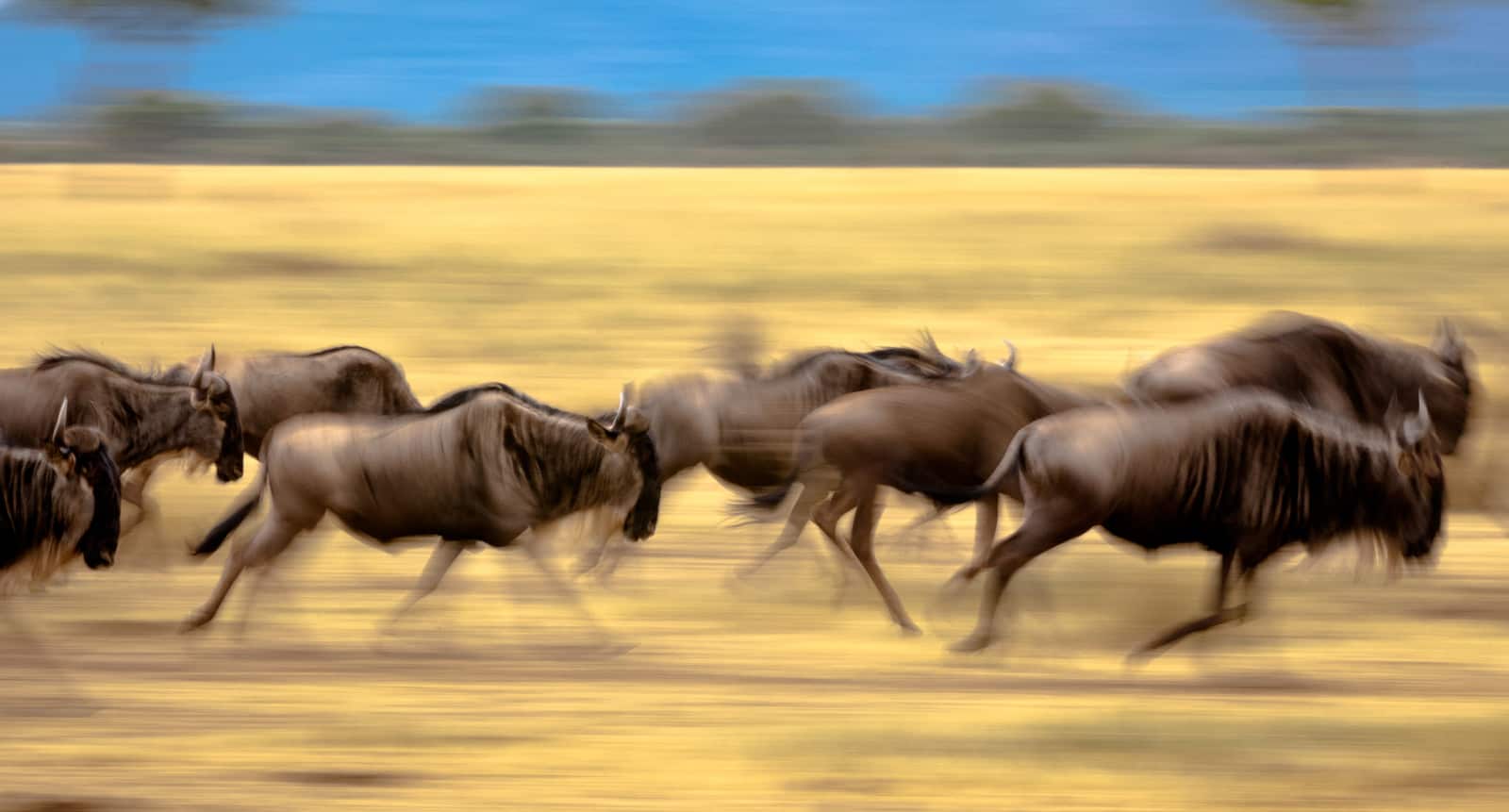
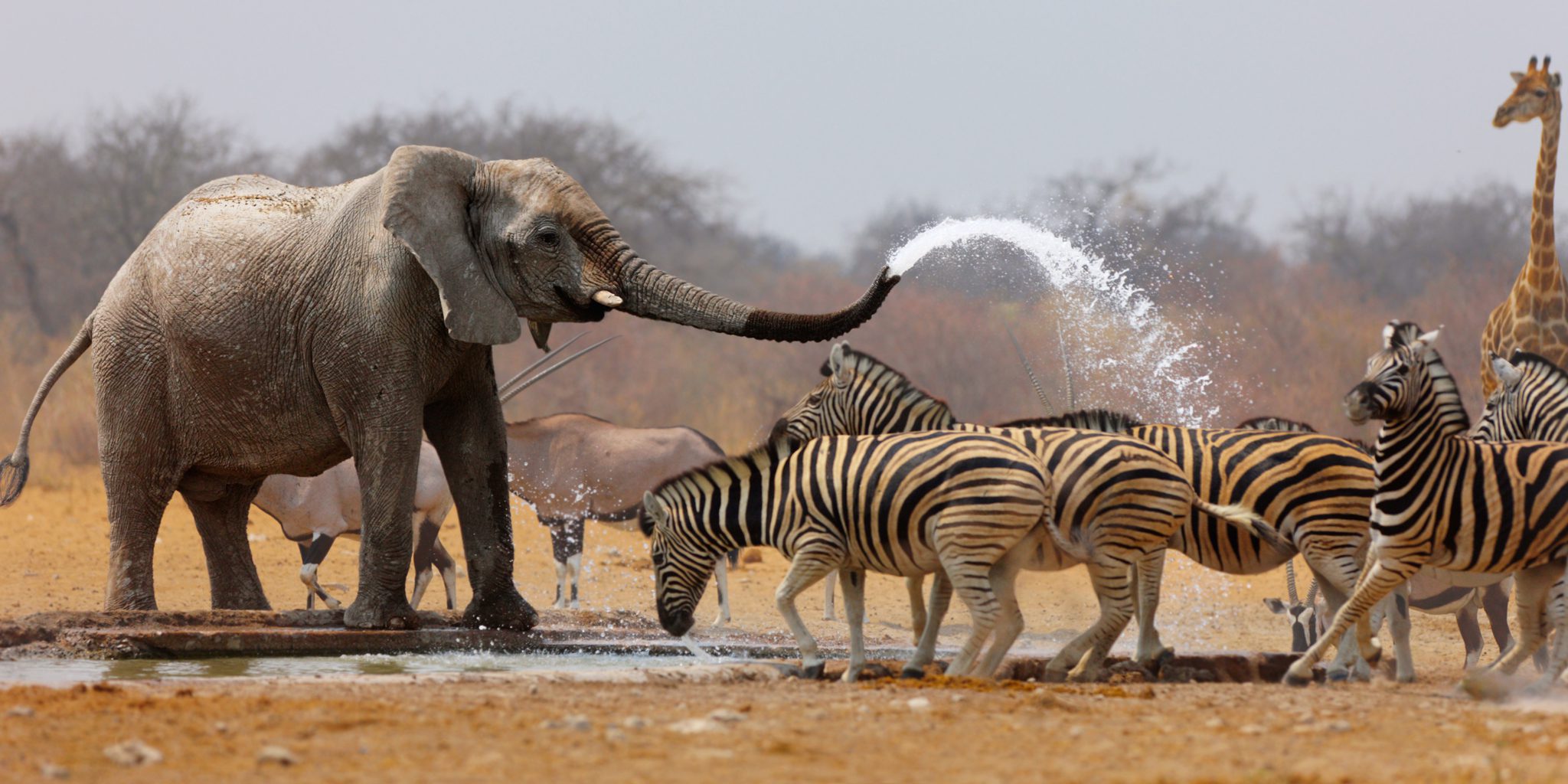
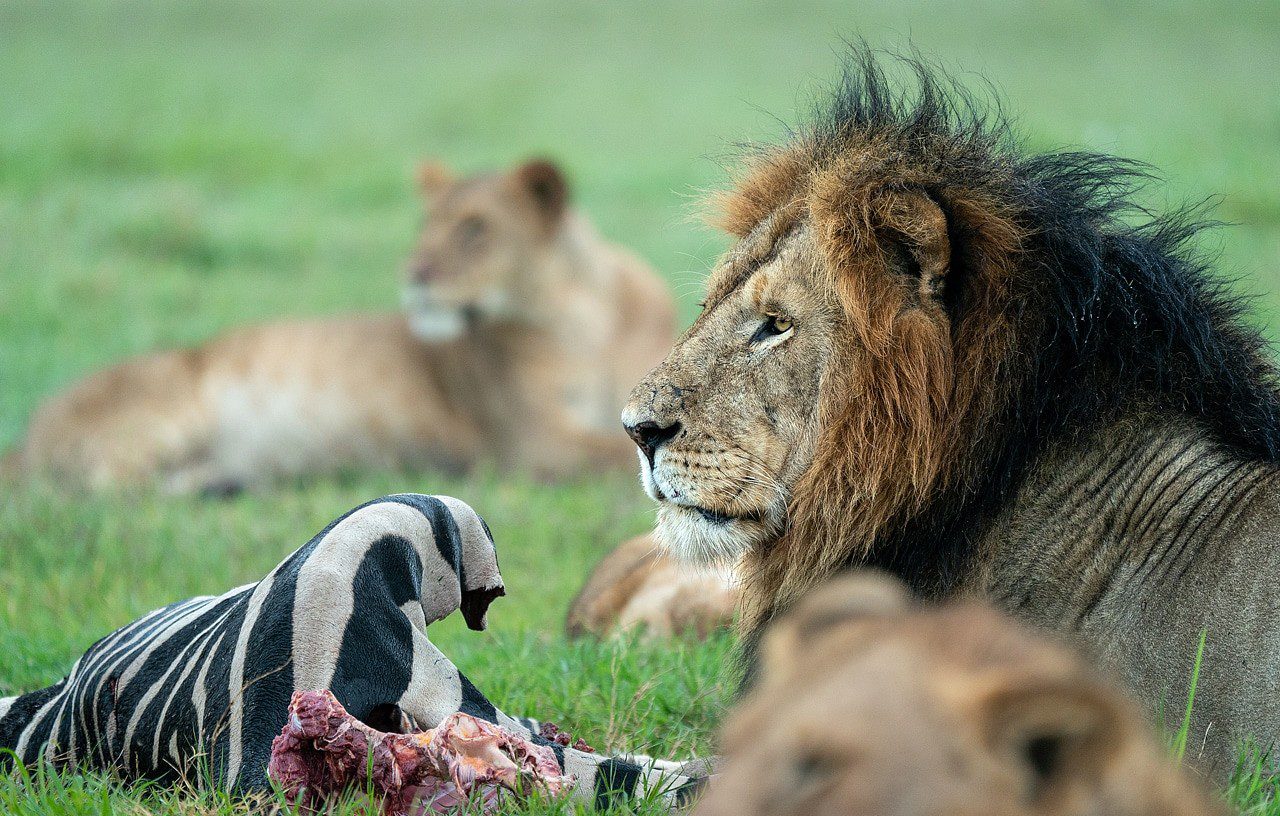
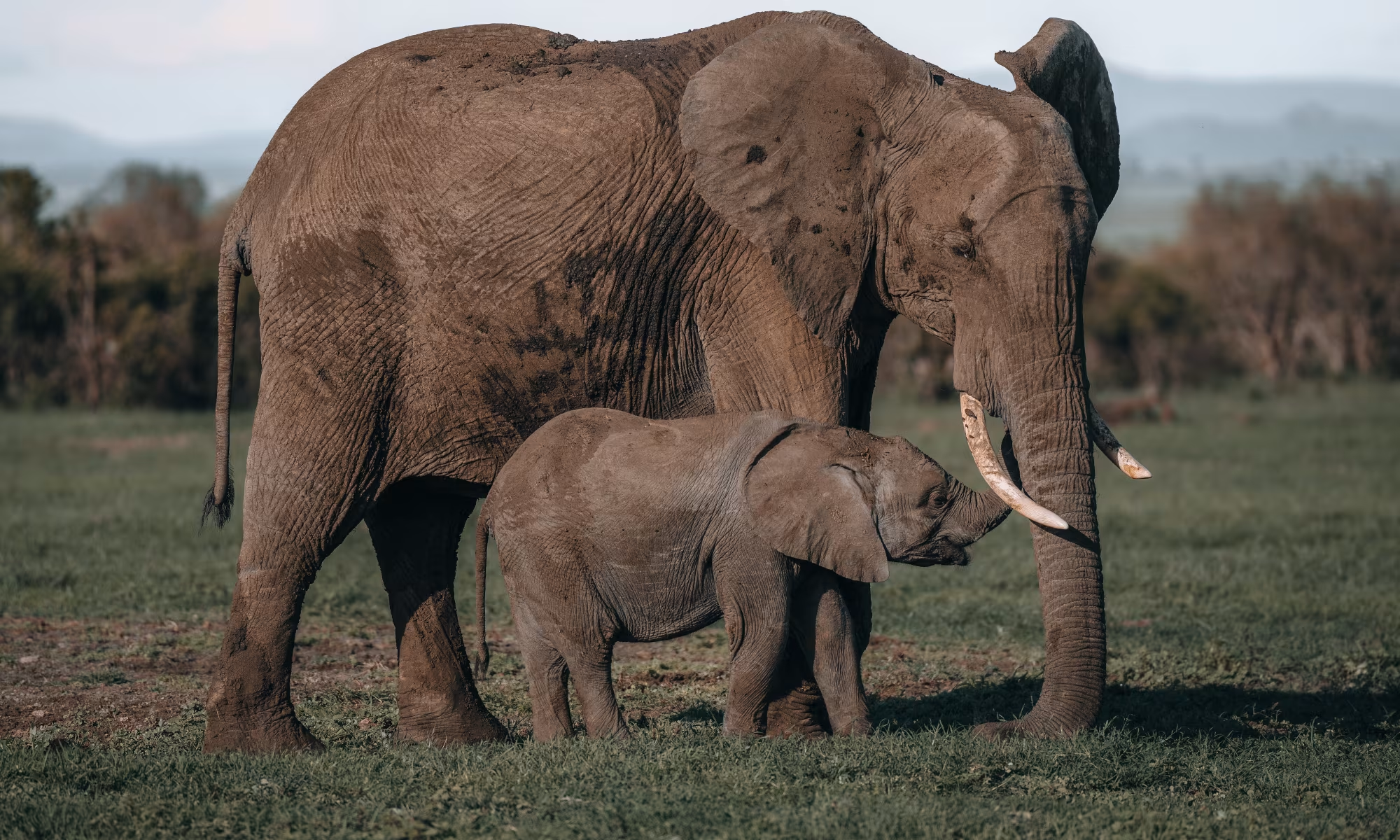
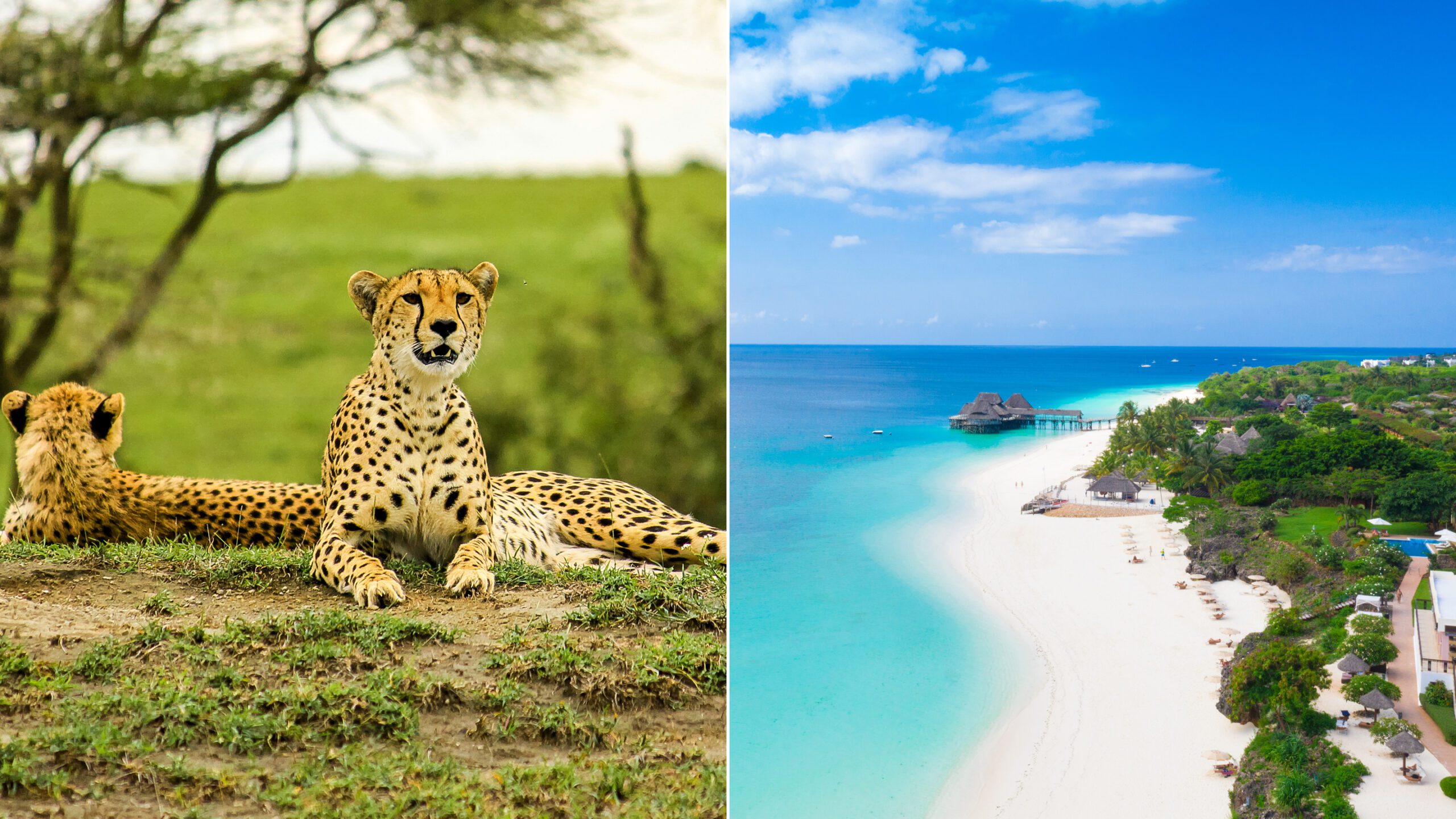
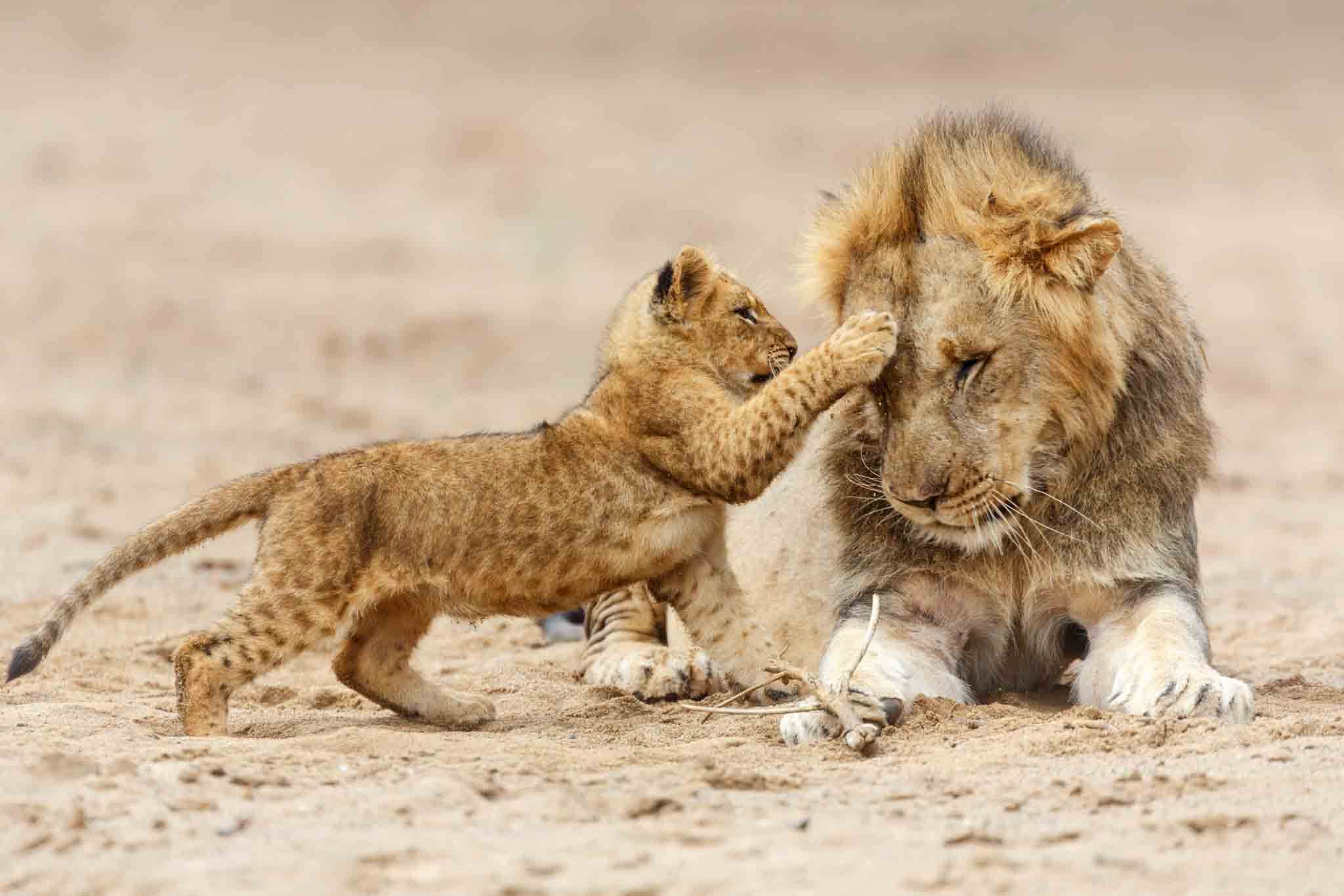
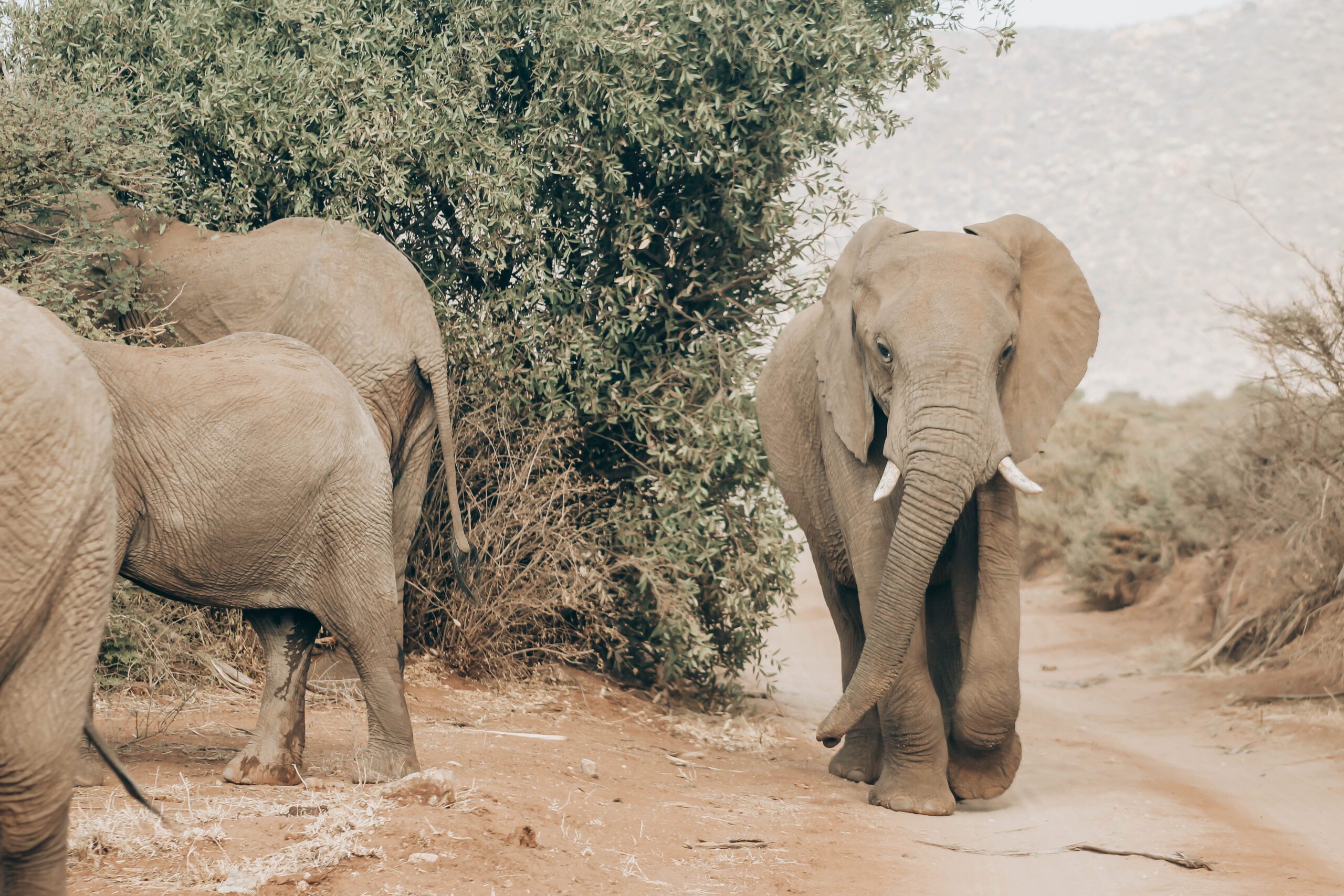
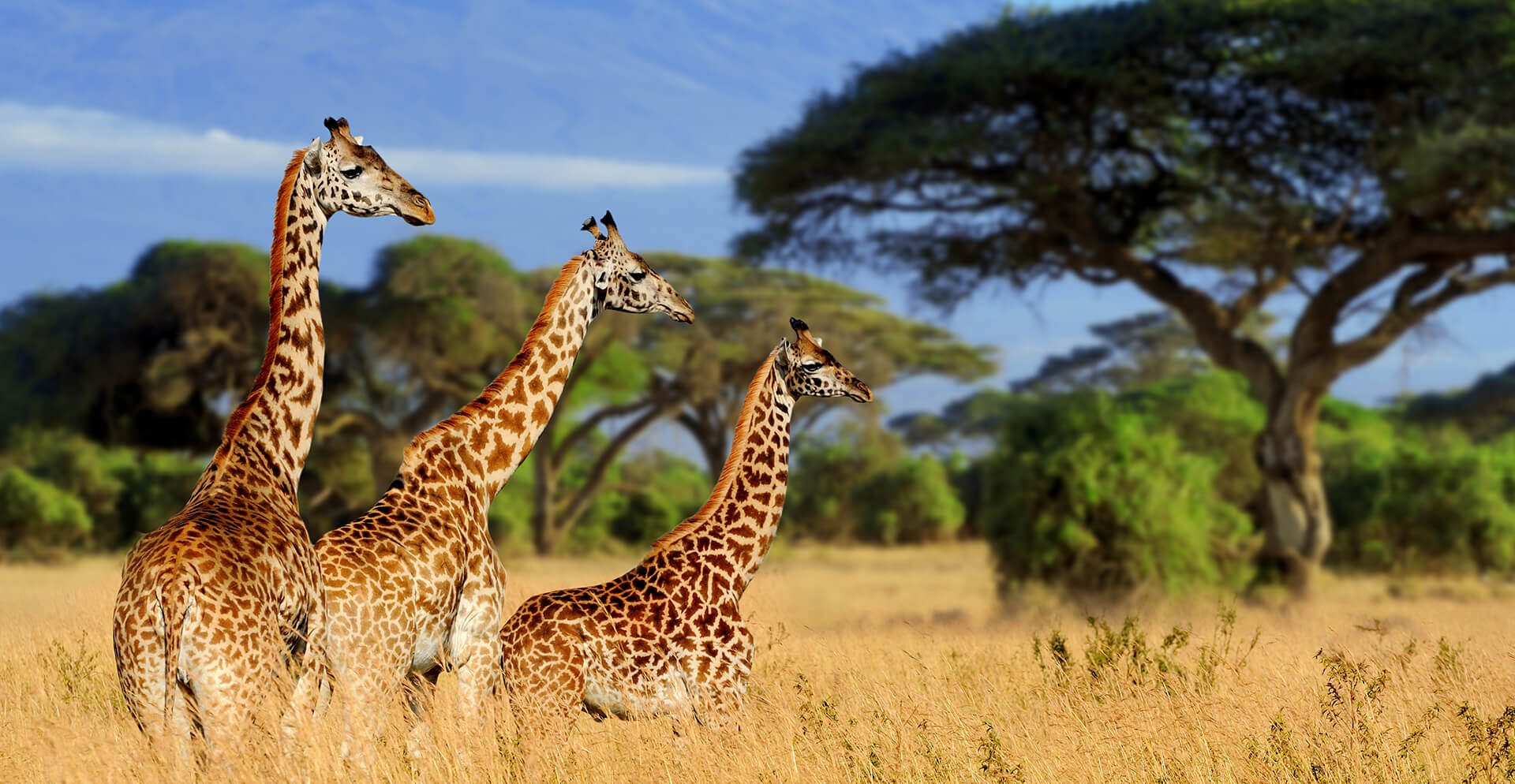
A Wildlife Tour in Tanzania offers one of the most complete safari experiences in Africa, combining breathtaking landscapes with exceptional biodiversity. Travellers come to Tanzania for its world-famous national parks, including the Serengeti—home to the Great Migration—and the Ngorongoro Crater, which shelters one of the densest concentrations of wildlife on the planet. With iconic species such as lions, elephants, giraffes, leopards, rhinos, and zebras thriving in their natural habitats, Tanzania delivers dramatic game viewing and unforgettable photographic moments. The country also boasts rich cultural heritage, welcoming local communities, and a safari atmosphere that is both wild and immersive, making it an essential destination for nature lovers, adventure seekers, and first-time safari travellers.
Best Time to Go
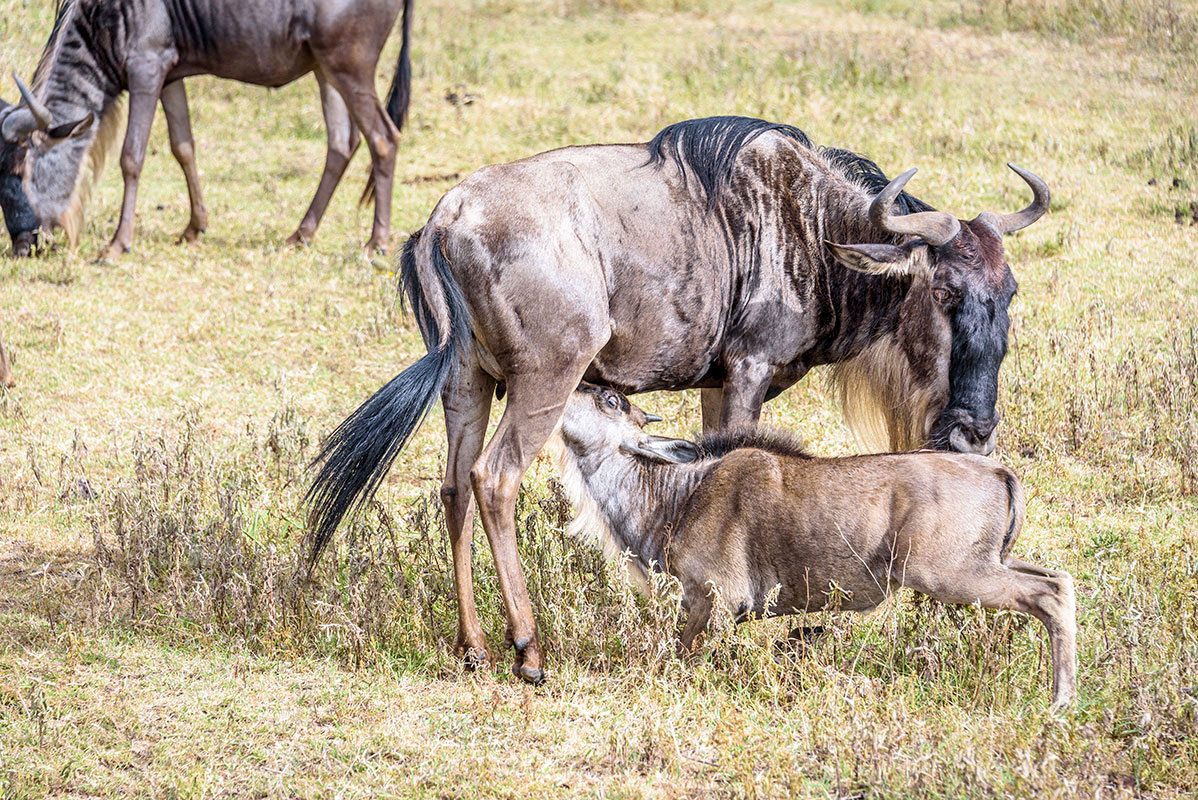
The best time for a wildlife tour in Tanzania is June to October, the long dry season when animals gather around water sources and vegetation is thinner, making wildlife easier to spot. This is also the peak period for witnessing the Great Migration river crossings in the northern Serengeti. The short dry season from December to February is another excellent time, with lush scenery, newborn wildlife, and superb predator activity. The rainy seasons (March–May and November) bring fewer crowds and discounted lodge prices, and while game viewing becomes more challenging, landscapes turn beautifully green and vibrant.
Where to Stay
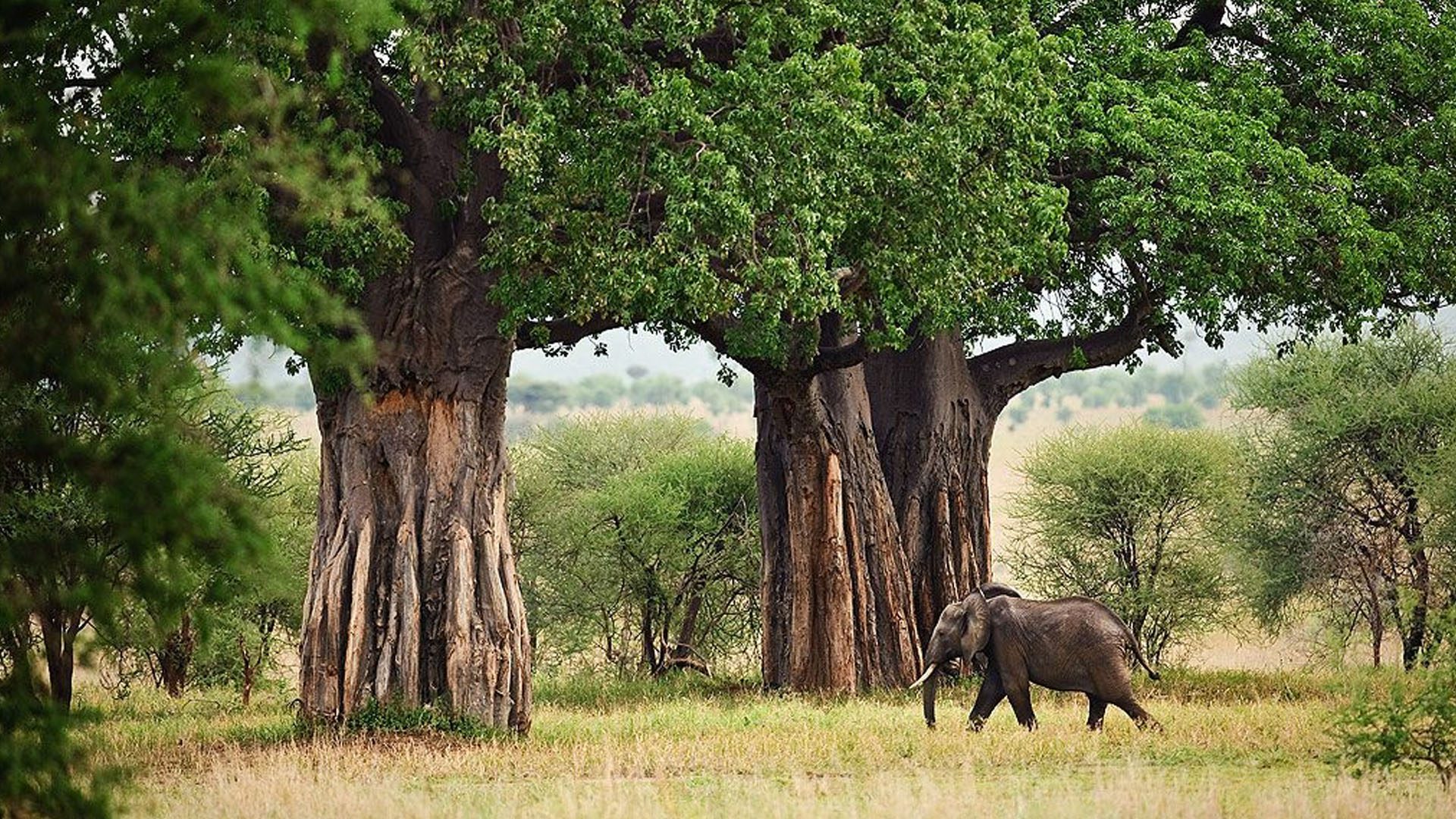
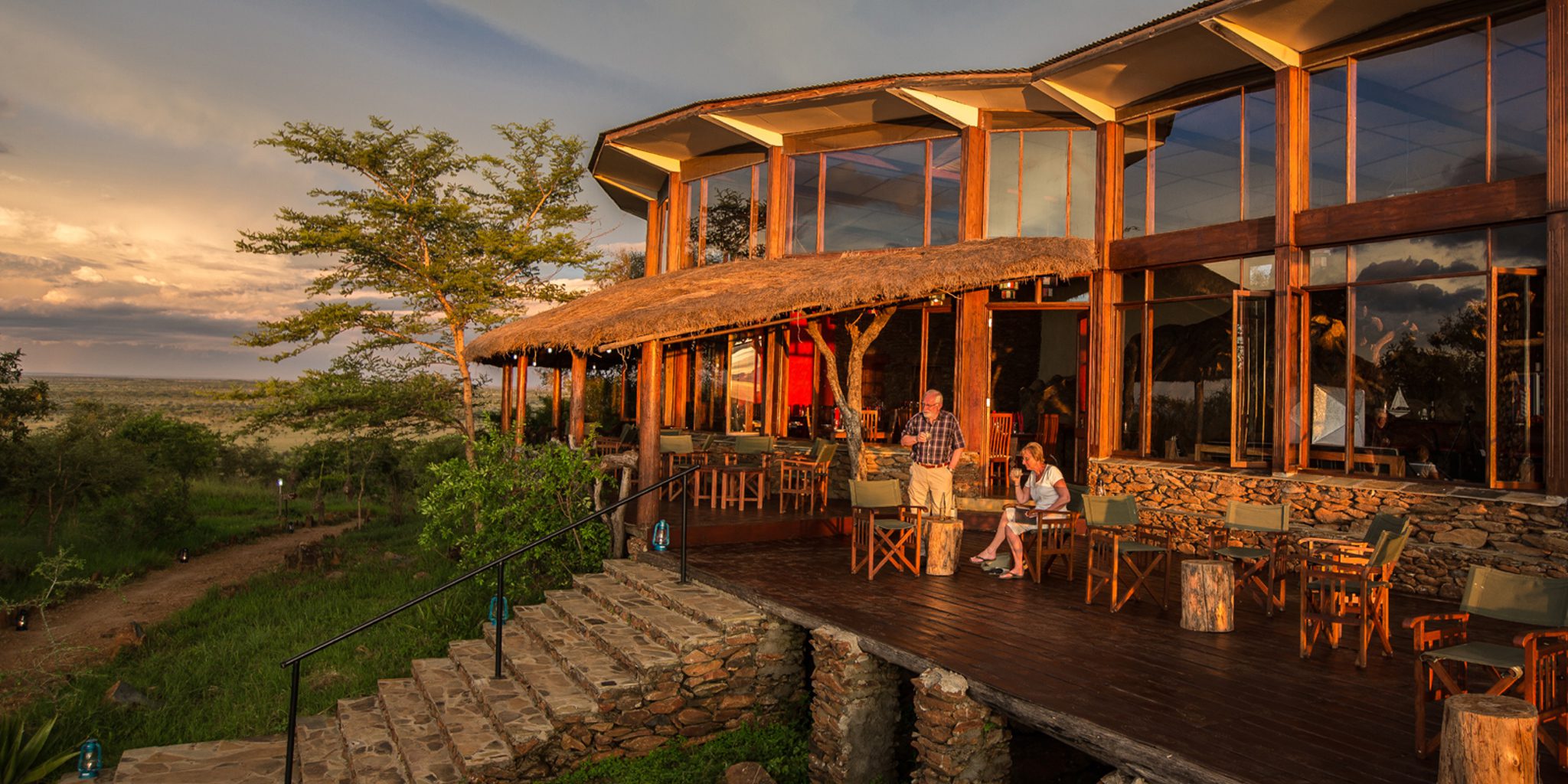
Tanzania offers a wide range of safari accommodations to suit every travel style—from luxury lodges overlooking endless plains to intimate tented camps that bring travellers close to nature. In the Serengeti, options include high-end safari camps, mobile migration camps, and classic tented camps set in remote areas. The Ngorongoro Crater rim features spectacular lodges with panoramic views, while Tarangire and Lake Manyara offer boutique camps nestled among baobabs and forested landscapes. Whether choosing luxury, mid-range, or budget options, the accommodations are designed to enhance the safari experience with comfort, authentic styling, and exceptional hospitality.
Things to Do
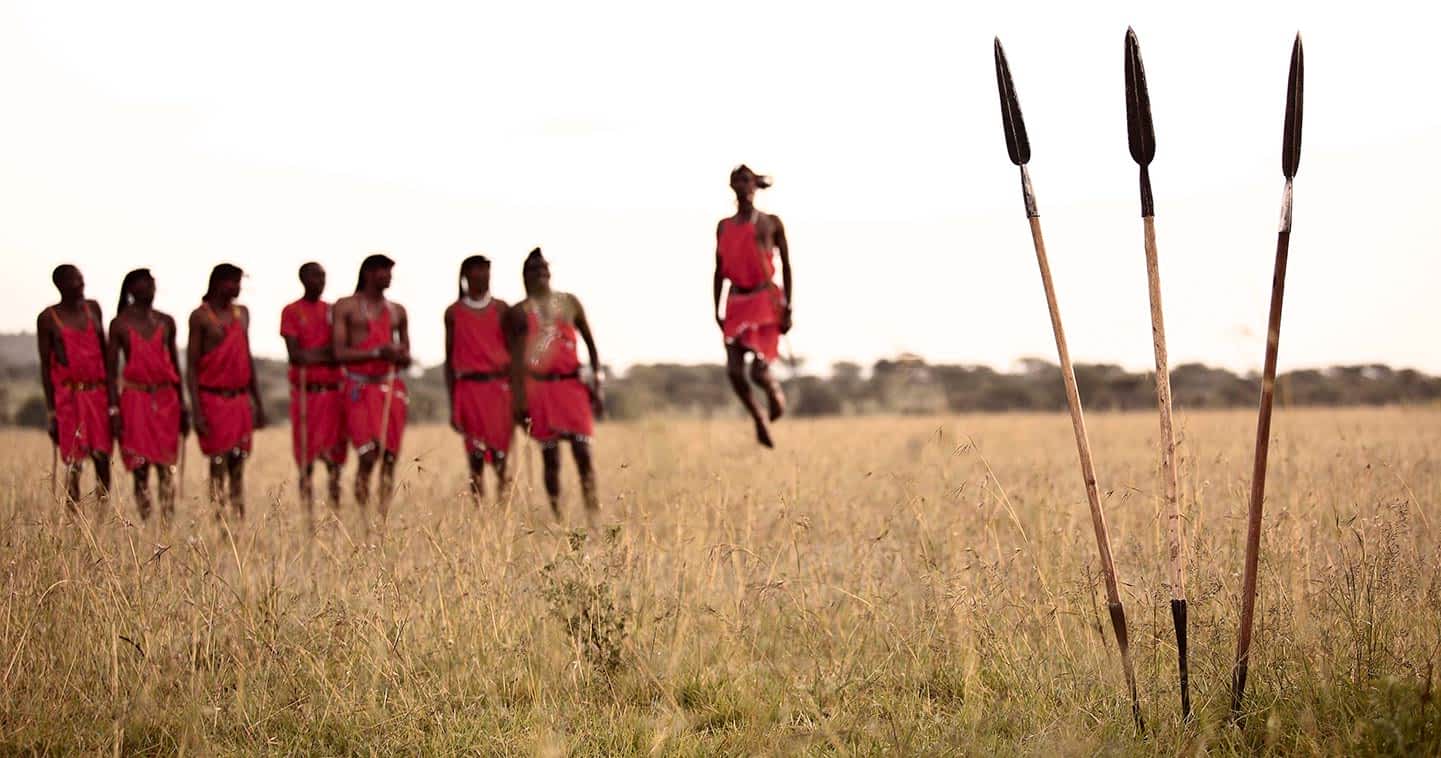
A wildlife tour in Tanzania offers a variety of enriching activities beyond traditional game drives. Travellers can enjoy sunrise and sunset safaris, guided bush walks, village visits with Maasai or Hadzabe communities, and birdwatching in regions known for hundreds of species. Hot air balloon safaris over the Serengeti provide breathtaking aerial views of wildlife and rolling savannahs. Around crater highlands and Rift Valley lakes, cultural excursions, hiking trails, and scenic photo stops add depth to the safari journey. Each activity is designed to deepen the connection with Tanzania’s wilderness and cultural landscapes.
How to Get There
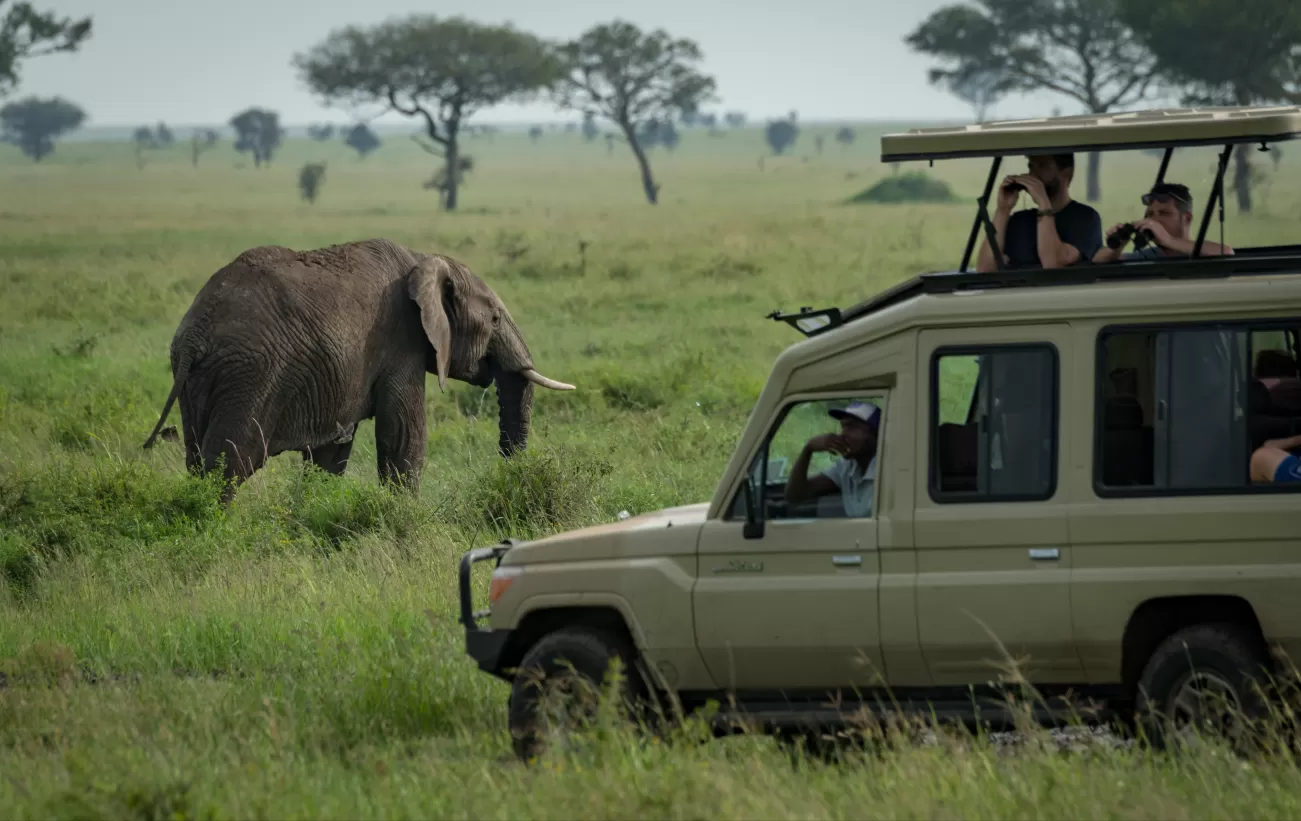
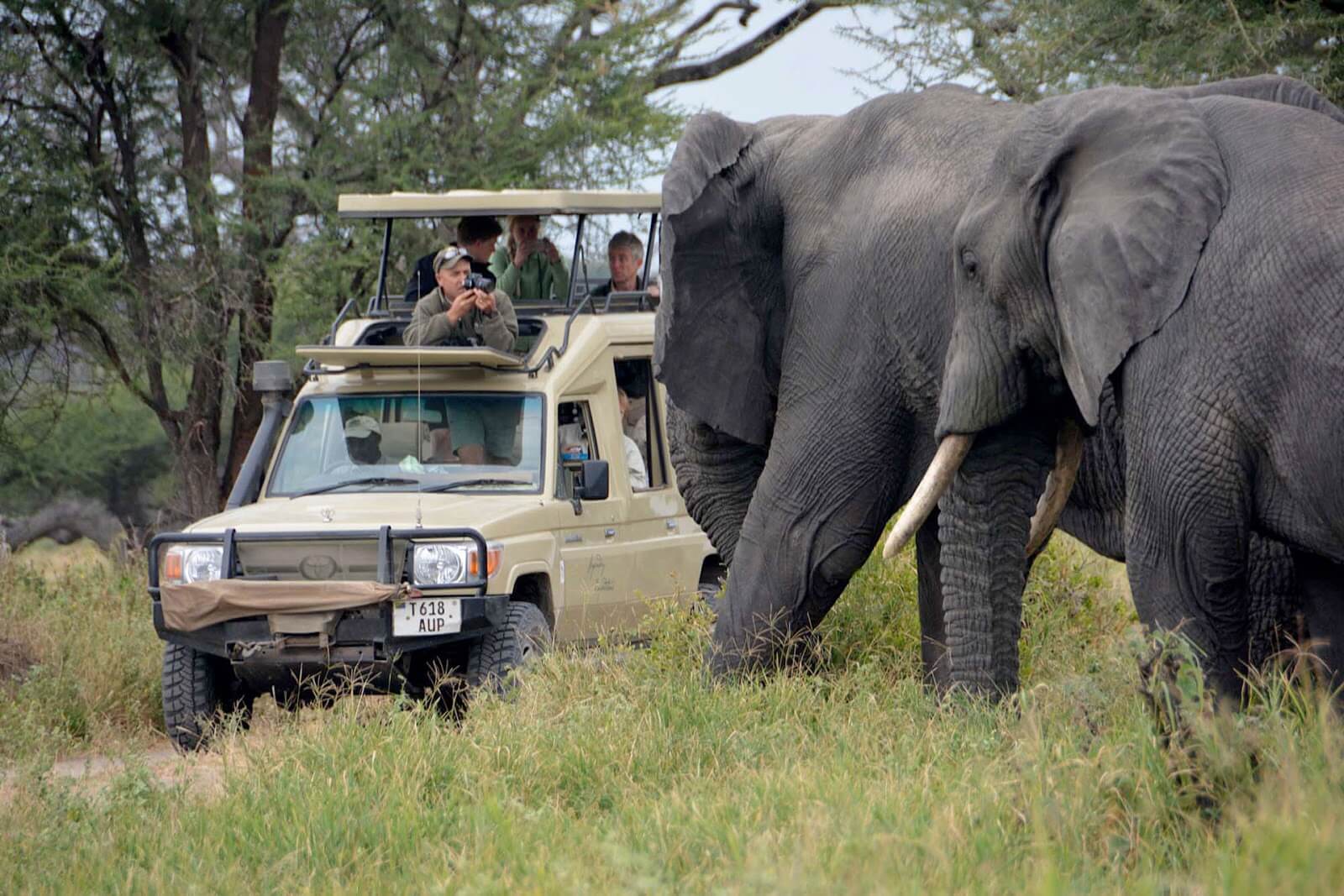
Most travellers arrive in Tanzania through Kilimanjaro International Airport (JRO), which serves the northern safari circuit, including the Serengeti, Ngorongoro, Tarangire, and Lake Manyara. From Arusha—the main safari hub—visitors continue by 4×4 safari vehicles or take short domestic flights into airstrips inside the national parks. Dar es Salaam (DAR) is another major entry point, especially for travellers combining a safari with Zanzibar or southern parks. Tanzania’s safari infrastructure is well-developed, making travel between parks smooth and efficient whether by road or air.