
Wildlife Safaris in Tanzania: How to Choose the Right Itinerary
Choosing the perfect safari itinerary in Tanzania is one of the most exciting yet overwhelming parts of planning a wildlife adventure. With an extensive network of national parks, game reserves, and conservation areas, the country offers endless possibilities for exploration. Each region has its own distinct identity—lush forests, open plains, volcanic craters, great lakes, rugged escarpments, and remote wilderness corridors. For travellers dreaming of witnessing the Great Migration, encountering the Big Five, experiencing cultural traditions, or venturing into less-traveled reserves, Tanzania presents an unparalleled canvas for adventure.
But with such abundance comes the challenge of choice. Should you focus on the legendary Serengeti, or explore the tranquility of Tarangire? Should you include Ngorongoro Crater, venture south to Ruaha, or combine multiple regions for deeper immersion? How many days should your itinerary include, and how do seasonal changes influence wildlife encounters?
This comprehensive guide unpacks everything travellers need to know when selecting the perfect safari itinerary in Tanzania—covering destinations, timing, pace, accommodation styles, and personal preferences. Whether you are a first-time safari-goer or a seasoned explorer seeking something new, this blog provides the clarity and insight needed to craft a remarkable journey.
Understanding Tanzania’s Safari Regions
Every great Tanzania itinerary begins with understanding the major safari regions. The country’s parks are grouped into circuits, each offering unique landscapes, wildlife densities, and accessibility. Knowing the strengths and differences of each region helps travellers visualize the type of safari they truly desire.
The Northern Circuit is Tanzania’s most iconic, home to world-famous destinations such as Serengeti National Park, Ngorongoro Crater, Tarangire National Park, and Lake Manyara. These parks offer high wildlife density, dramatic scenery, and some of the best predator viewing in Africa. The Northern Circuit is ideal for travellers seeking a classic, wildlife-rich safari with minimal travel complications.
The Southern Circuit, including Ruaha National Park and Nyerere National Park (formerly Selous), offers remote wilderness experiences far from crowds. These areas are known for their rugged landscapes, strong predator populations, and excellent opportunities for boat safaris and walking experiences. The Southern Circuit caters to travellers seeking exclusivity and off-the-beaten-path exploration.
The Western Circuit, while less frequently visited, introduces adventurous travellers to the remote frontiers of Katavi National Park and the dramatic chimpanzee mountains of Mahale. This region is perfect for those who want intimate encounters with wildlife in its rawest, most untouched form.
Understanding these circuits allows travellers to choose itineraries according to their interests, comfort level, and desired pace.
Defining Your Safari Priorities
Choosing the right itinerary begins with identifying what type of experience you value most. Some travellers dream of witnessing the Great Migration river crossings, others crave close-up encounters with elephants, and some seek remote escapes with few other vehicles in sight. Clarifying your priorities shapes the structure of your itinerary and influences key decisions such as destination, season, number of days, and accommodation type.
Travellers who prioritize wildlife density and iconic Big Five encounters often gravitate toward Serengeti, Ngorongoro, and Tarangire. Those who value solitude and untouched wilderness may find themselves drawn to Ruaha or Nyerere, where landscapes feel immense and wildlife sightings unfold without crowds. Cultural enthusiasts may incorporate Maasai experiences, visits to local villages, or explorations of the Cradle of Humankind at Olduvai Gorge.
Understanding your primary motivations ensures that every location within your itinerary contributes to the kind of safari you envision.
How Much Time You Should Spend on Safari
Many travellers wonder how many days are ideal for a Tanzania safari. While short safaris can offer meaningful glimpses into wildlife and landscapes, truly immersive experiences require time to explore, observe, and absorb the rhythm of the wilderness.
A standard safari itinerary typically ranges from 6 to 10 days. This allows enough time to visit multiple parks, enjoy unhurried game drives, and experience the full diversity of Tanzania’s ecosystems. A 6-day itinerary may include Tarangire, Ngorongoro, and Serengeti, offering a balanced northern circuit experience. An 8- to 10-day itinerary may incorporate additional regions, such as Lake Manyara or extended time in the Serengeti to follow the Great Migration.
Travellers with more time—such as 12 to 14 days—can venture into Southern Tanzania or the Western Circuit, combining classic parks with remote areas for a deeply layered safari experience.
Choosing the right duration depends on your travel schedule, budget, and preferred pace. Allowing at least two nights in each destination ensures enough time for morning and afternoon game drives, relaxation, and meaningful wildlife encounters.
Seasonal Timing: The Secret to a Perfect Itinerary
Wildlife safaris in Tanzania are highly influenced by seasons. The timing of your trip shapes what you will see, how many animals you will encounter, and the landscapes you will witness.
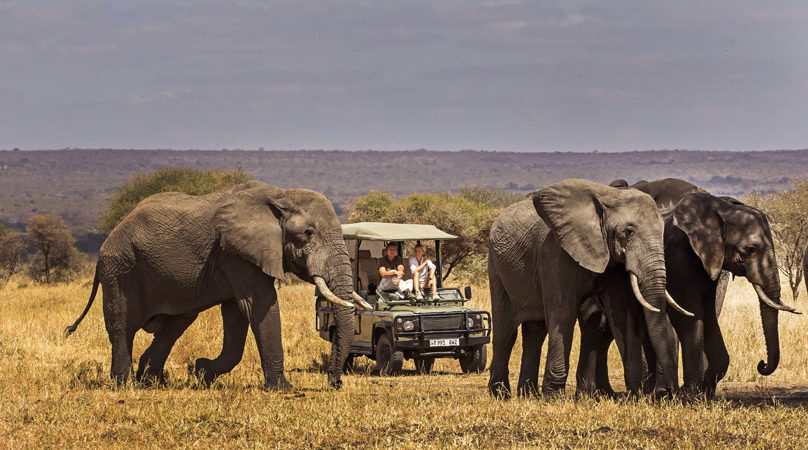
From June to October, the dry season flourishes with exceptional wildlife viewing. Vegetation thins, water sources shrink, and animals gather around rivers and waterholes. This is the best time for classic safari conditions, including the iconic Mara River crossings in the Serengeti. Ngorongoro Crater offers outstanding visibility, and Tarangire becomes a haven for elephants.
From November to December, the short rains bring rejuvenation. Landscapes turn green, migratory birds arrive, and wildlife remains abundant. The atmosphere is fresh and vibrant, making this a wonderful time for photography and fewer crowds.
From January to March, the calving season unfolds in the southern Serengeti and Ndutu region. Hundreds of thousands of newborn wildebeest fill the plains, attracting intense predator activity. This is an extraordinary time for witnessing animal behavior.
From April to May, the long rains create lush, dramatic landscapes. Though some regions become harder to access, the serenity and beauty of this season appeal to travellers who prefer quieter safaris with rich photographic opportunities.
Aligning your itinerary with the season of your choice ensures the safari matches your expectations.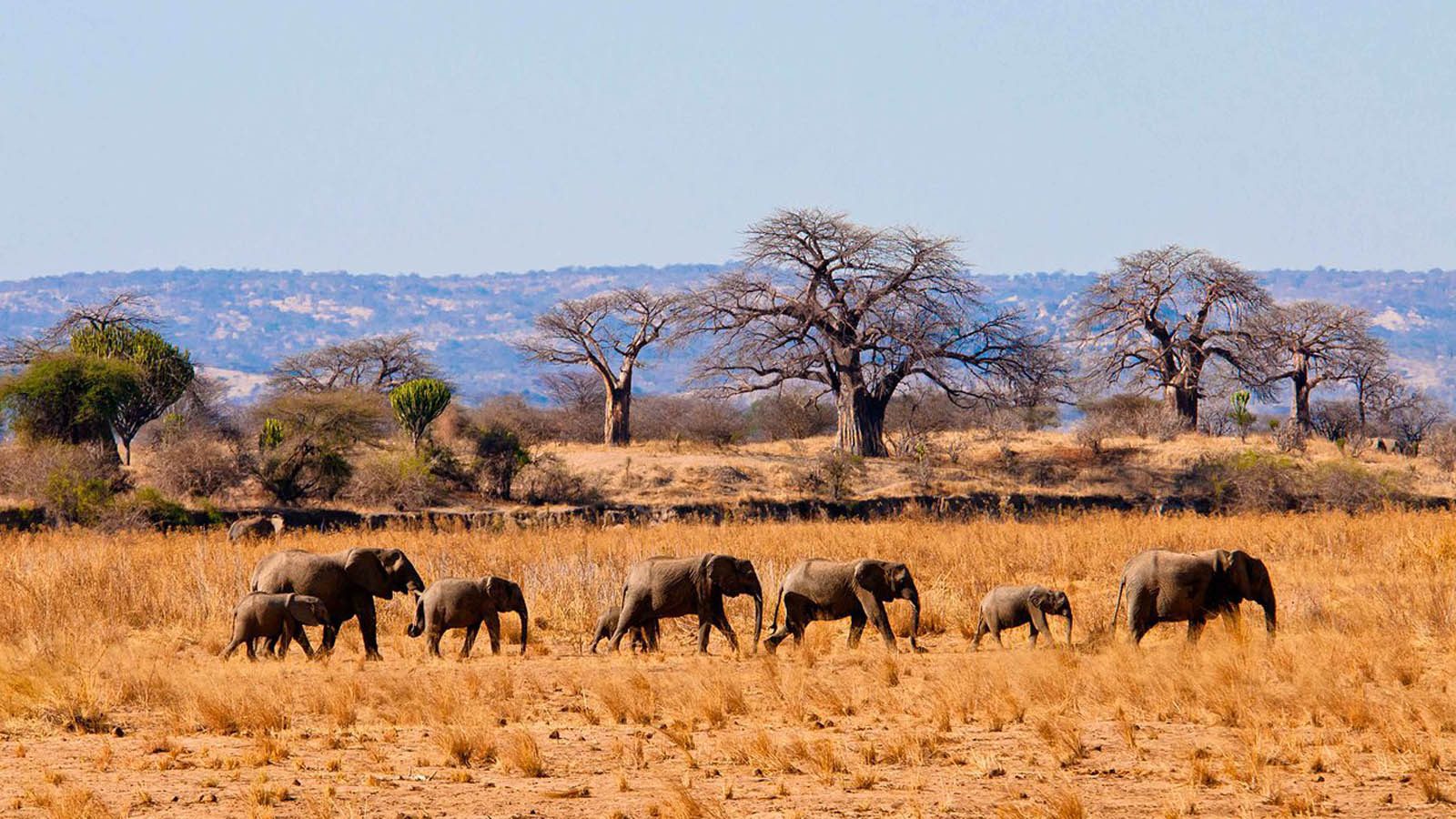
The Classic Northern Circuit Itinerary
Most first-time travellers choose the Northern Circuit for its versatility, accessibility, and unmatched wildlife experiences. A well-crafted Northern Circuit itinerary may begin in Tarangire National Park, where elephants and baobabs dominate the landscape. From there, travellers journey to Lake Manyara or directly to the Ngorongoro Highlands, where the crater awaits with its rich wildlife density.
The highlight of any northern itinerary is the Serengeti, whose vast plains and migration movements create endless opportunities for thrilling encounters. Depending on the time of year, travellers may see dramatic calving events, large predator concentrations, or the heart-stopping river crossings.
For many travellers, the Northern Circuit provides the perfect introduction to Tanzania—balancing breathtaking scenery, cultural interactions, and diverse wildlife in one cohesive journey.
The Remote Southern Circuit Itinerary
For travellers seeking solitude, exclusivity, and immersion in remote wilderness, the Southern Circuit offers unforgettable experiences. Ruaha National Park captivates visitors with its rugged terrain, large elephant herds, strong lion populations, and iconic baobabs. With few vehicles and expansive landscapes, Ruaha feels wild and untamed.
Nyerere National Park (formerly Selous) introduces travellers to a completely different safari experience. Instead of classic game drives alone, the park offers boat safaris along the Rufiji River, walking safaris, and fly camping adventures. Its vast wetland ecosystems, woodlands, and river channels create diverse habitats that support elephants, buffalos, lions, wild dogs, and numerous bird species.
A Southern Circuit itinerary is ideal for travellers who want to escape crowds, discover unique safari activities, and explore untouched wilderness.
The Adventurous Western Circuit Itinerary
The Western Circuit speaks to those who seek one-of-a-kind wildlife encounters far from mainstream tourism. Katavi National Park is one of Tanzania’s most untouched reserves, home to massive buffalo herds, sprawling hippo pools, and dramatic predator interactions during the dry season. Few visitors reach Katavi, making it a paradise of exclusivity and wildlife intensity.
Nearby, Mahale Mountains National Park offers one of the world’s greatest primate experiences—chimpanzee trekking on the forested slopes overlooking Lake Tanganyika. Crystal-clear waters, forested trails, and close encounters with wild chimpanzees create a safari memory unlike any other.
Travellers who choose the Western Circuit often combine Katavi and Mahale for a perfect blend of raw savannah and pristine tropical forest.
Choosing the Right Accommodation Style
The choice of accommodation influences your safari experience significantly. Some travellers prefer classic tented camps that blend comfort with authenticity, offering canvas walls that allow the sounds of the bush to filter through the night. Others opt for luxury lodges with expansive views, gourmet dining, and premium amenities.
Mobile camps follow the Great Migration, providing front-row access to seasonal wildlife movements. These camps move throughout the year to ensure travellers always remain close to the herds.
Choosing the right accommodation depends on budget, comfort preferences, and the level of immersion you desire. Every style offers its own charm, whether it is the rustic romance of canvas or the indulgence of luxury hospitality.
The Pace of Your Safari: Balance and Flexibility
A successful itinerary balances adventure with relaxation. Long days of continuous travel can diminish the enjoyment of game drives, while carefully planned transitions between parks allow travellers to absorb each destination fully.
Including downtime in the itinerary—whether at a scenic lodge, near a riverbank, or overlooking plains—allows travellers to process their experiences, reflect, and enjoy moments of quiet connection with nature.
Flexibility is equally important. Wildlife does not operate on a schedule, and giving yourself time to wait for a river crossing, follow a hunting lion, or enjoy unexpected sightings creates deeper and more meaningful safari experiences.
Family Safaris, Honeymoon Safaris, and Special Interests
Different travellers have different expectations. Families may choose parks with shorter drive times and accommodations offering family-friendly amenities. Honeymooners often select intimate camps, private bush dinners, and exclusive safari experiences. Birdwatchers may prioritize Tarangire or Nyerere, while photographers target migration hotspots or predator-rich regions like Serengeti’s central plains.
Understanding your group’s specific needs ensures your itinerary caters to your shared vision.
The Value of Expert Guidance
A safari is only as good as the guide who leads it. Expert guides transform wildlife viewing into an emotional, educational, and thrilling experience. They interpret animal behavior, track wildlife, position the vehicle for the best photography, and share deep insights into Tanzania’s ecosystems.
Choosing a trusted tour operator ensures you travel with knowledgeable guides who bring the wilderness to life and elevate your safari experience beyond simple game viewing.
The Emotional Impact of a Well-Planned Safari
A thoughtfully selected itinerary creates emotional moments that last a lifetime. Watching elephants gather along the Tarangire River at sunset, witnessing a lion pride interact, observing the Great Migration thunder across the plains, or descending into the Ngorongoro Crater for the first time—these are experiences that shape your connection to the natural world.
A well-planned safari leaves travellers with a sense of wonder, gratitude, and deeper appreciation for Africa’s wild places.
Why You Should Book With a Trusted Tour Operator
Crafting the perfect Tanzania safari requires expertise, local knowledge, and meticulous attention to detail. A trusted operator ensures every element—from timing and logistics to lodge selection and guiding—is aligned with your expectations.
Travellers seeking outstanding service, personalized itineraries, and unforgettable wildlife experiences are encouraged to book with Wildlife Safaris Tanzania, a reputable operator known for delivering exceptional safari adventures across the country. With their deep understanding of migration patterns, park dynamics, and regional highlights, Wildlife Safaris Tanzania guarantees a seamless and enriching safari journey.