4 Day Wildlife Safaris Tanzania Itinerary
Four Days to Experience the Heart of Tanzania’s Wilderness
A four-day wildlife safari in Tanzania offers one of the most balanced and immersive short safari experiences in Africa. With four full days, travelers move beyond a quick introduction and step into a deeper rhythm of the wild, where landscapes change gradually, wildlife encounters feel more natural, and each day builds meaningfully on the last. Tanzania’s northern safari circuit is perfectly suited to this timeframe, combining accessibility with extraordinary biodiversity.
This 4 Day Wildlife Safaris Tanzania itinerary is ideal for travelers who want to experience Tanzania’s iconic national parks without rushing. It allows time for multiple game drives, varied ecosystems, and overnight stays close to wildlife-rich areas. Whether you are a first-time safari traveler, a couple seeking a romantic adventure, a family, or a photographer looking for depth rather than speed, four days deliver a truly rewarding safari journey.
Overview of the Classic 4-Day Tanzania Wildlife Safari Route
A well-designed four-day safari focuses on quality, diversity, and pacing. The most popular and effective route combines Tarangire National Park, Lake Manyara National Park, the Serengeti ecosystem or extended Ngorongoro Conservation Area, and the Ngorongoro Crater itself. This combination showcases Tanzania’s most celebrated landscapes and wildlife concentrations while keeping driving distances reasonable.
Over four days, travelers experience open savannahs, ancient baobab forests, lush groundwater forests, alkaline lakes, and one of the world’s most remarkable natural wildlife sanctuaries. Each destination complements the others, creating a safari that feels complete, varied, and deeply immersive.
Day One: Arusha to Tarangire National Park – Elephants and Ancient Baobabs
Your four-day wildlife safari begins in the morning with pickup from your hotel in Arusha or the surrounding area. Leaving the city behind, the drive takes you through rural Tanzania, where open farmland, small villages, and Maasai settlements introduce you to the country’s cultural landscape before wildlife takes center stage.
Tarangire National Park is the first safari destination and sets a powerful tone for the journey. Known for its large elephant population and iconic baobab trees, Tarangire offers classic African scenery and abundant wildlife. The Tarangire River runs through the park and acts as a magnet for animals, especially during the dry season, when wildlife gathers along its banks.
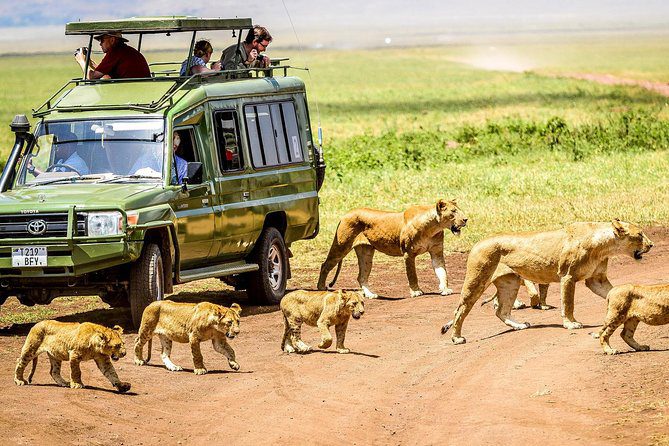
Your first game drive begins shortly after entering the park. Elephants are often seen in large family groups, moving gracefully through the landscape or dust-bathing near the river. Giraffes browse among acacia trees, while zebras, wildebeest, impalas, and buffalo spread across the plains. Lions are frequently encountered resting in shaded areas or observing prey from a distance, and leopards may be spotted lounging in trees or moving quietly through the bush.
Lunch is enjoyed at a scenic picnic site or safari lodge within or near the park, allowing time to relax while remaining surrounded by nature. The afternoon game drive explores different sections of Tarangire, revealing changing habitats and new wildlife encounters as the light softens.
As the day ends, you depart the park and travel to your lodge or tented camp for the night. Dinner is served in a peaceful setting, accompanied by the sounds of the African wilderness, marking a memorable first night on safari.
Day Two: Lake Manyara National Park – Forests, Birds, and Scenic Beauty
After breakfast, the safari continues toward Lake Manyara National Park, descending into the Great Rift Valley along one of Tanzania’s most scenic routes. The dramatic escarpment views signal a shift in landscape and atmosphere as you approach this compact yet remarkably diverse park.
Lake Manyara National Park is known for its lush groundwater forest, open grasslands, swamps, and the alkaline lake that gives the park its name. This diversity supports a wide range of wildlife and birdlife, making every game drive visually and ecologically engaging.
Entering the park, you drive through dense forest where baboons and blue monkeys move through the canopy. Elephants are frequently encountered in this area, sometimes at close range, creating intimate and memorable moments. As you move toward the lake, the scenery opens, revealing waterbirds, hippos, and expansive views across the lake’s surface.
Lake Manyara is famously associated with tree-climbing lions, a rare behavior that adds excitement to every drive. While sightings depend on timing and luck, the possibility enhances the sense of discovery throughout the day.
Lunch is taken within the park, allowing you to pause and absorb the tranquil surroundings. The afternoon game drive explores additional areas, highlighting how wildlife adapts to different habitats within the park.
In the late afternoon, you leave Lake Manyara and travel toward the Ngorongoro Conservation Area. The drive climbs into cooler highlands, passing coffee plantations and rural communities. You arrive at your lodge near the crater rim or within the conservation area, where you enjoy dinner and prepare for the next day’s exploration.
Day Three: Serengeti Plains or Extended Ngorongoro Exploration
 The third day of the safari is designed to add depth and scale to the experience. Depending on preferences and logistics, this day may be spent exploring the Serengeti ecosystem or focusing on extended game drives within the Ngorongoro Conservation Area.
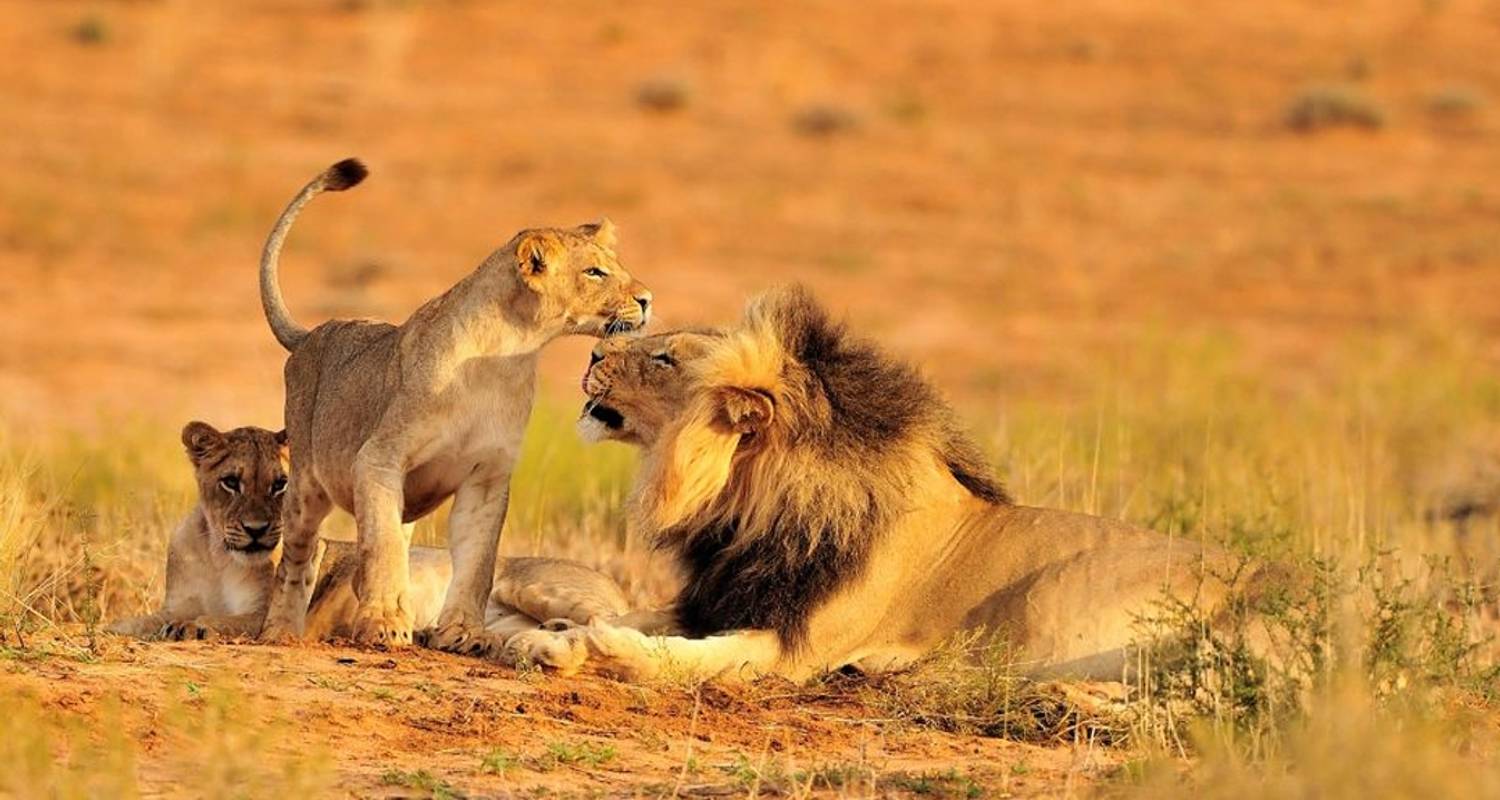
For travelers heading toward the Serengeti, the journey introduces vast open plains that stretch to the horizon. The Serengeti is synonymous with African safaris and offers an unparalleled sense of space and wildlife abundance. Game drives here reveal large herds of wildebeest and zebras, as well as lions, cheetahs, hyenas, and a variety of antelope species. The sheer scale of the landscape creates a powerful sense of wilderness.
For those remaining within the Ngorongoro Conservation Area, the day allows for exploration of its diverse landscapes beyond the crater floor. Rolling grasslands, volcanic hills, and Maasai grazing areas provide a different perspective on how wildlife and people coexist in this unique protected region.
Lunch is enjoyed during the day’s exploration, followed by continued game driving that adapts to wildlife movements and conditions. As evening approaches, you return to your lodge or camp, enjoying another night immersed in safari surroundings.
Day Four: Ngorongoro Crater – The Ultimate Safari Finale
The final day begins early to make the most of the Ngorongoro Crater, often described as the crown jewel of Tanzania’s safari destinations. After breakfast, you descend into the crater, a massive volcanic caldera that supports one of the highest concentrations of wildlife in Africa.
Within the crater walls, wildlife thrives year-round due to permanent water sources and nutrient-rich grasslands. Game drives here are exceptionally rewarding, with frequent sightings of lions, buffalo, zebras, wildebeest, and hyenas. Elephants are often seen near the forested slopes, while hippos occupy the crater’s wetlands.
The Ngorongoro Crater is also one of the best places in Tanzania to encounter the endangered black rhinoceros. While sightings require patience and careful observation, the opportunity to see this rare species adds tremendous value to the safari.
Birdlife is abundant, with flamingos often present at the soda lake and numerous other species scattered throughout the crater floor. The combination of wildlife density, dramatic scenery, and constant activity makes this final game drive an unforgettable highlight.
Lunch is enjoyed within the crater before ascending back to the rim and beginning the return journey to Arusha. As you drive back, the experiences of the past four days come together, forming a complete and deeply satisfying safari story.
Accommodation Experience Throughout the Safari
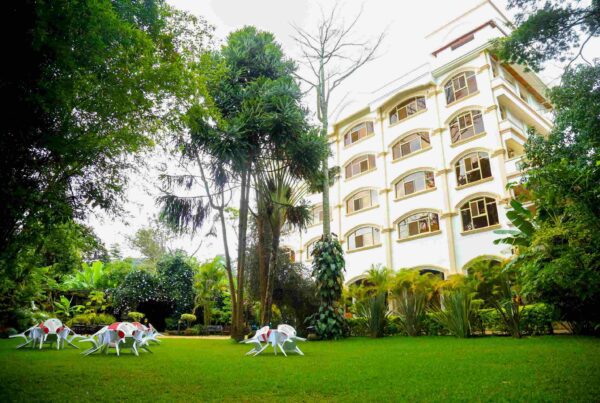
Accommodation during a four-day safari is selected to enhance comfort while maintaining proximity to wildlife areas. Safari lodges and tented camps near Tarangire, Lake Manyara, the Serengeti or Ngorongoro, offer welcoming hospitality, comfortable rooms, and immersive natural settings.
Staying close to the parks reduces daily travel time and allows for early starts and late finishes, maximizing wildlife viewing opportunities. Evenings spent at lodges provide time to relax, reflect, and enjoy the unique atmosphere of safari life.
Who Is a 4-Day Tanzania Wildlife Safari Best For
A four-day wildlife safari is ideal for travelers who want a rich and varied safari experience without the pace of longer itineraries. It suits first-time safari visitors seeking depth, couples looking for a romantic escape, families wanting memorable shared experiences, and photographers eager for diverse landscapes and wildlife encounters.
This itinerary is also well suited for travelers combining safari travel with Kilimanjaro trekking or Zanzibar beach holidays.
Final Thoughts: Four Days That Capture Tanzania’s Safari Soul
A 4 Day Wildlife Safaris Tanzania itinerary offers the perfect balance of time, diversity, and immersion. From elephant-filled savannahs and lush forests to endless plains and the wildlife-packed Ngorongoro Crater, each day reveals a different side of Tanzania’s extraordinary natural heritage.
Though relatively short, this safari delivers a complete and emotionally powerful experience, proving that four well-planned days are enough to fall in love with Tanzania’s wilderness.
Book with a Trusted Safari Expert in Tanzania
To ensure your four-day safari is seamless, enriching, and expertly guided, choosing the right operator is essential. Wildlife Safaris Tanzania specializes in professionally designed wildlife itineraries led by experienced local guides who understand Tanzania’s parks, wildlife behavior, and travel logistics. By booking with a trusted tour operator, travelers enjoy reliable safari vehicles, carefully selected accommodations, and unforgettable game drives that transform a four-day journey into a lifetime memory.