Big five safaris


Big Five Safaris in Africa
The phrase “Big Five” is one of the most iconic terms in African tourism, instantly evoking images of vast savannahs, dramatic wildlife encounters, and unforgettable safari adventures. Originally coined by early big-game hunters to describe the five most dangerous animals to hunt on foot, the Big Five today represent the ultimate wildlife-viewing experience. These animals—the lion, leopard, elephant, rhinoceros, and buffalo—are now protected and celebrated as symbols of Africa’s extraordinary natural heritage.
A Big Five safari is not just about ticking animals off a checklist. It is about immersion in wild landscapes, learning about complex ecosystems, understanding conservation challenges, and experiencing Africa in its raw, untamed beauty. From the open plains of East Africa to the waterways of Southern Africa, Big Five safaris remain the highlight of travel for nature lovers, photographers, and adventure seekers from around the world.
This in-depth guide explores what the Big Five are, why they matter, where to find them, and how to plan a truly rewarding Big Five safari in Africa.
Understanding the Big Five
The Big Five consist of five large African mammals that were historically considered the most difficult and dangerous animals to hunt on foot. Today, the term has evolved into a conservation-focused concept, representing the most sought-after wildlife sightings on safari.
The Lion – King of the Savannah
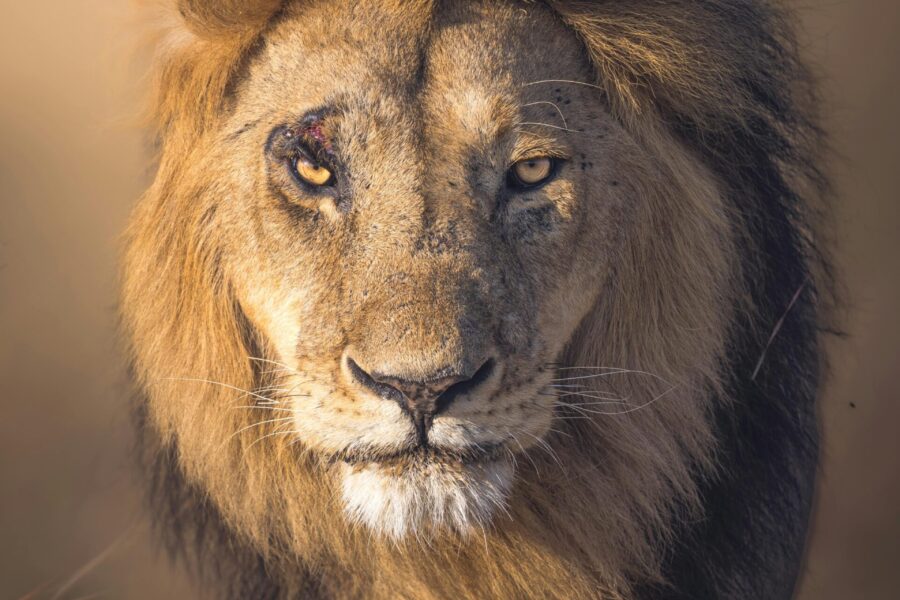
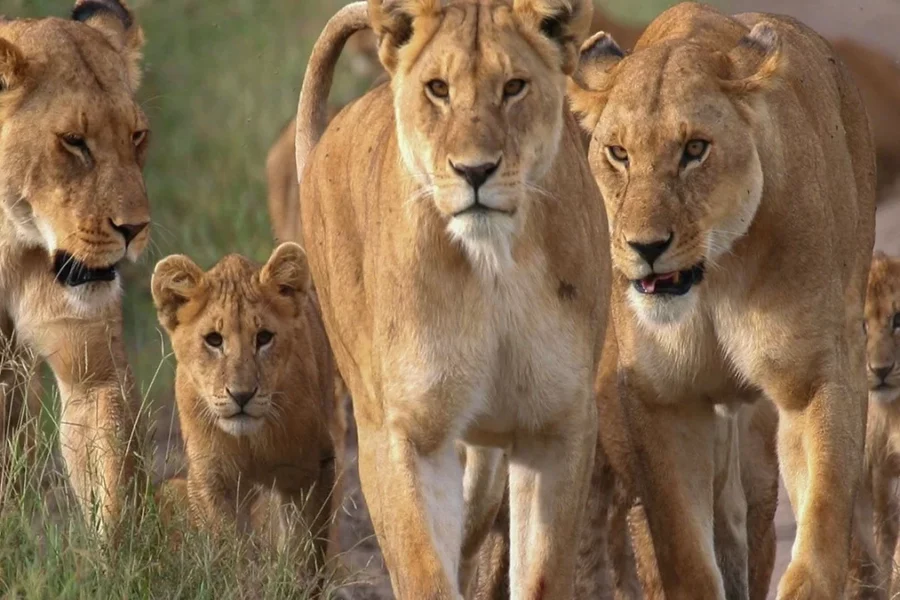
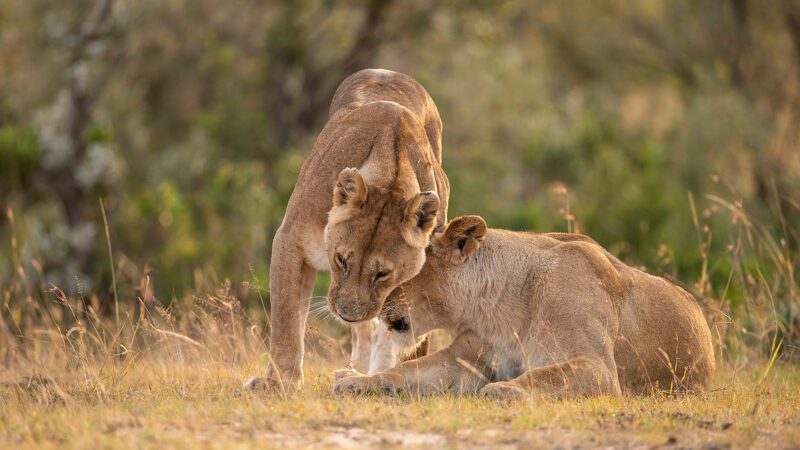
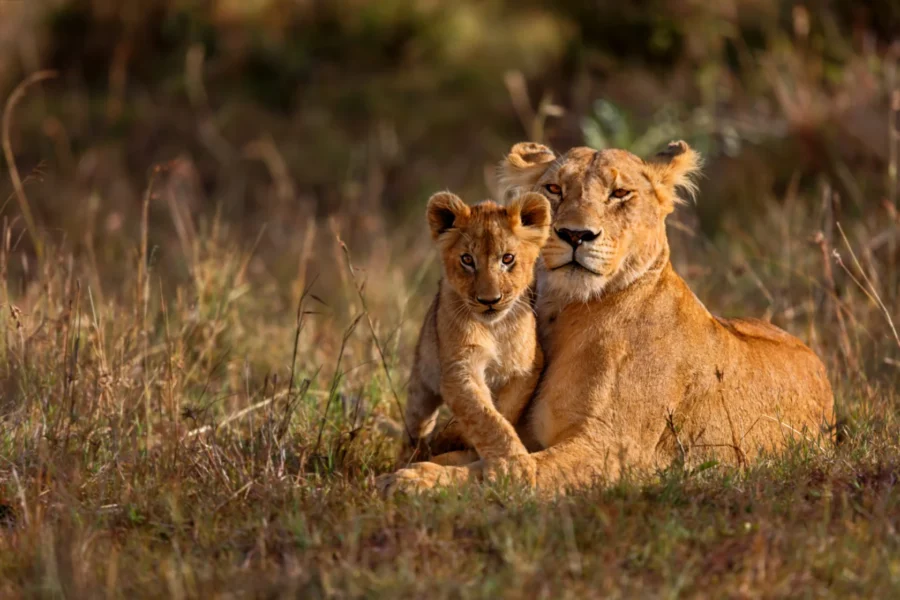
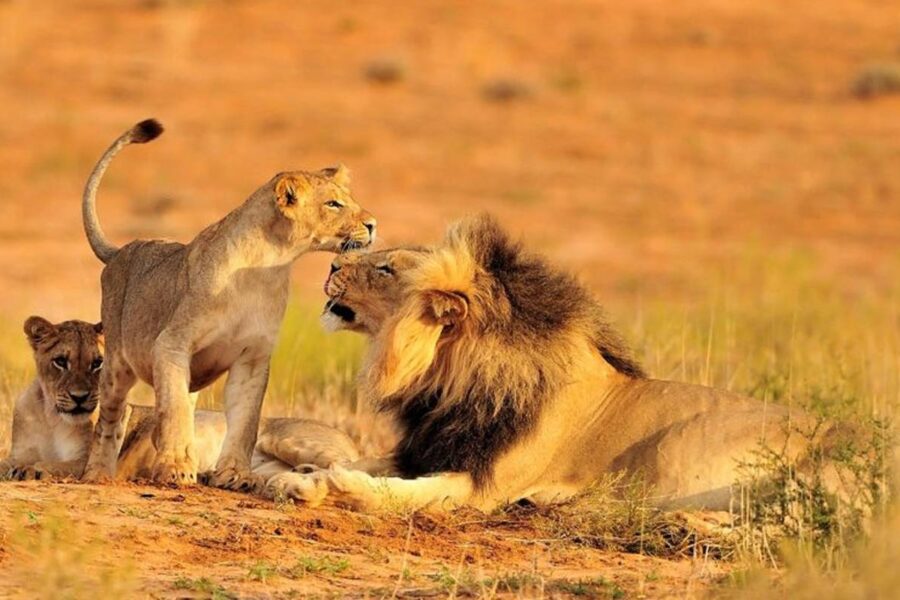
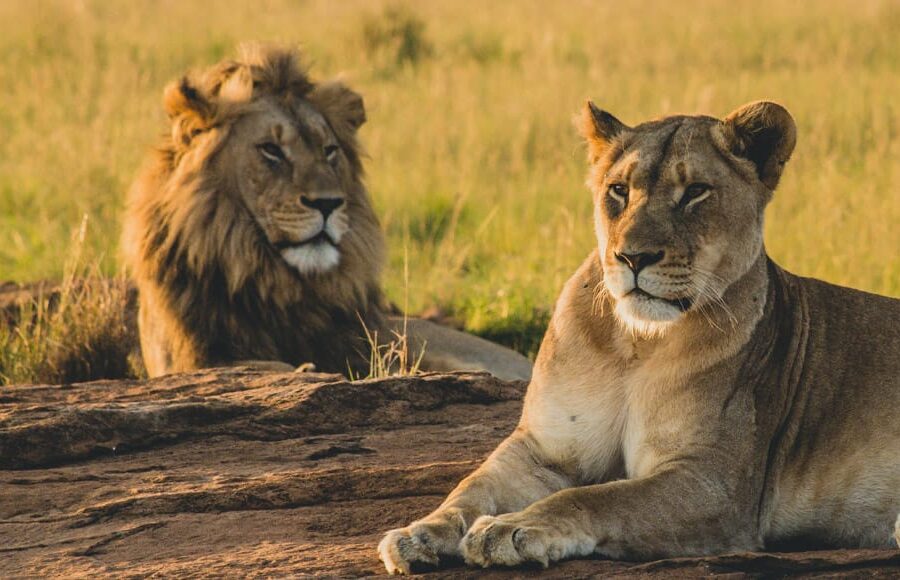
The African lion is perhaps the most recognizable symbol of wildlife in Africa. Living in prides, lions dominate the savannah ecosystems and are apex predators with complex social structures. Male lions are easily identified by their majestic manes, while females do most of the hunting.
Lions are best spotted during early morning or late afternoon game drives when they are most active. Watching a pride interact—whether resting under acacia trees, grooming one another, or stalking prey—is one of the most captivating experiences on any safari.
The Leopard – Master of Stealth
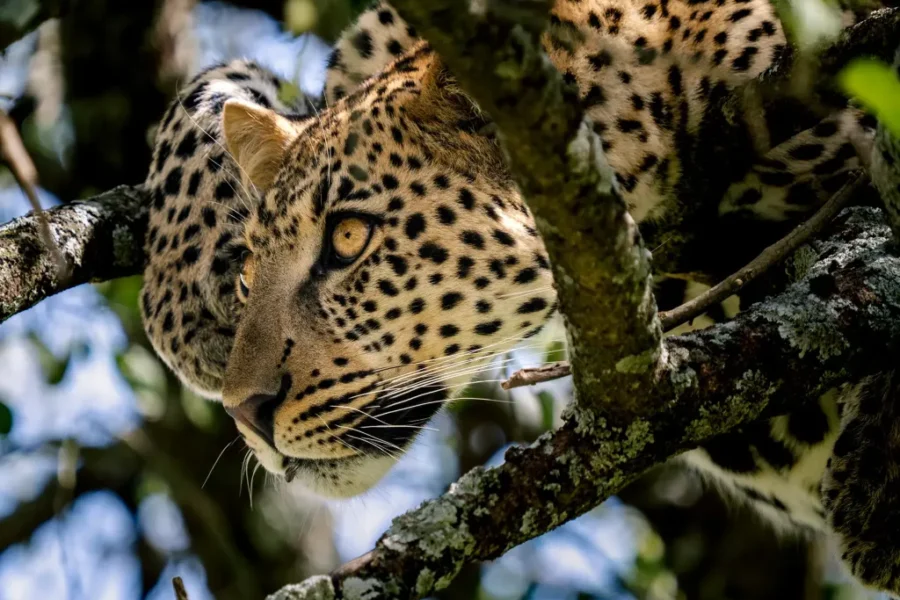
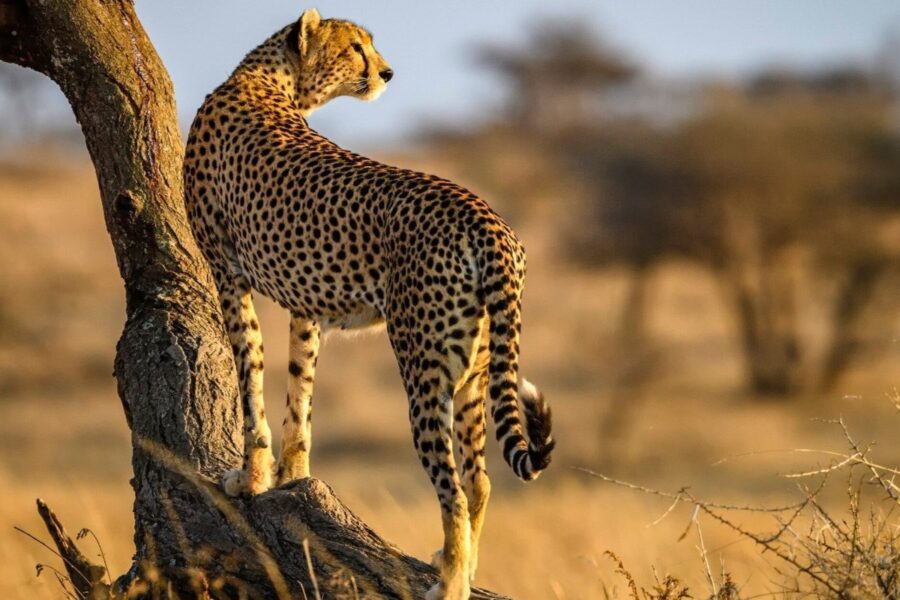
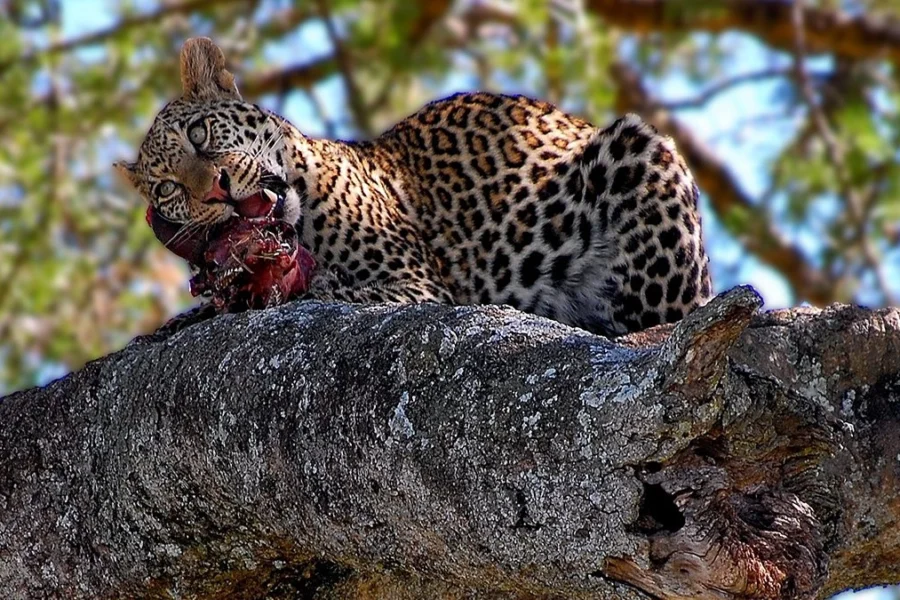
Elusive, solitary, and incredibly intelligent, the leopard is often considered the most difficult of the Big Five to spot. Leopards are nocturnal hunters and prefer dense vegetation or riverine forests, where they can climb trees with ease.
Their ability to drag prey into trees to avoid scavengers is a remarkable sight. Spotting a leopard resting on a tree branch or moving silently through tall grass is a moment many safari-goers remember for a lifetime.
The African Elephant – Gentle Giant
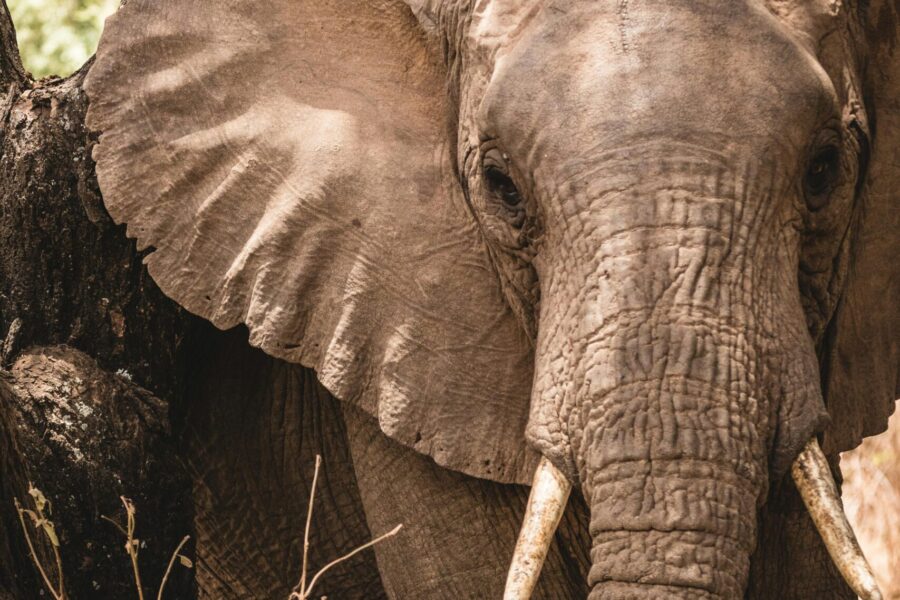
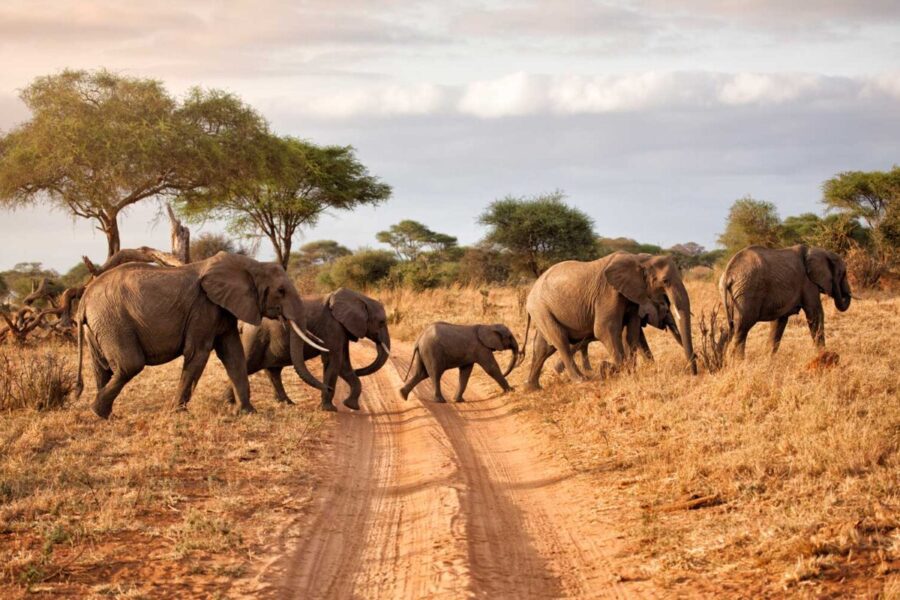
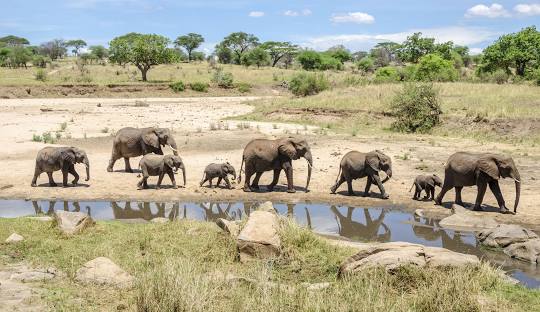
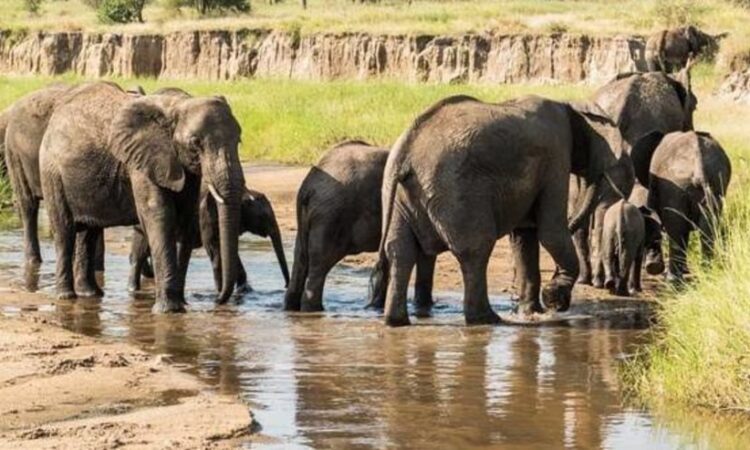
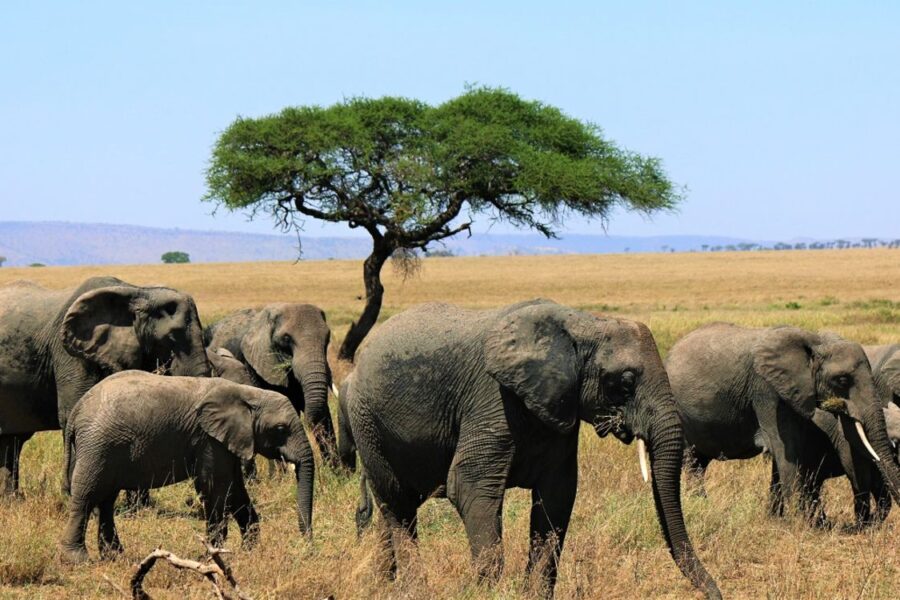
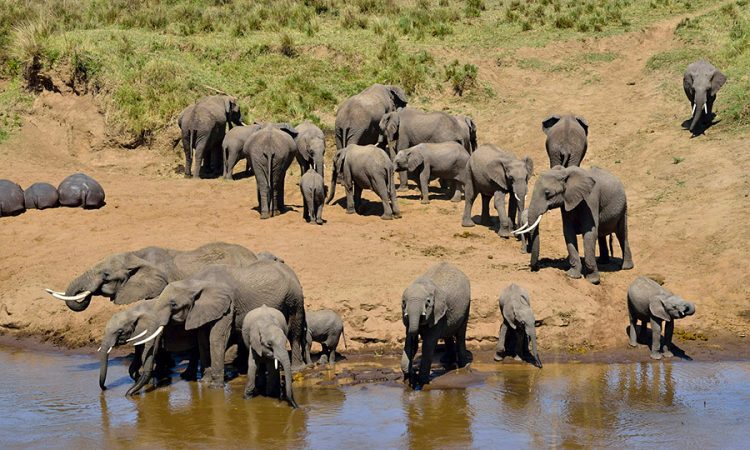
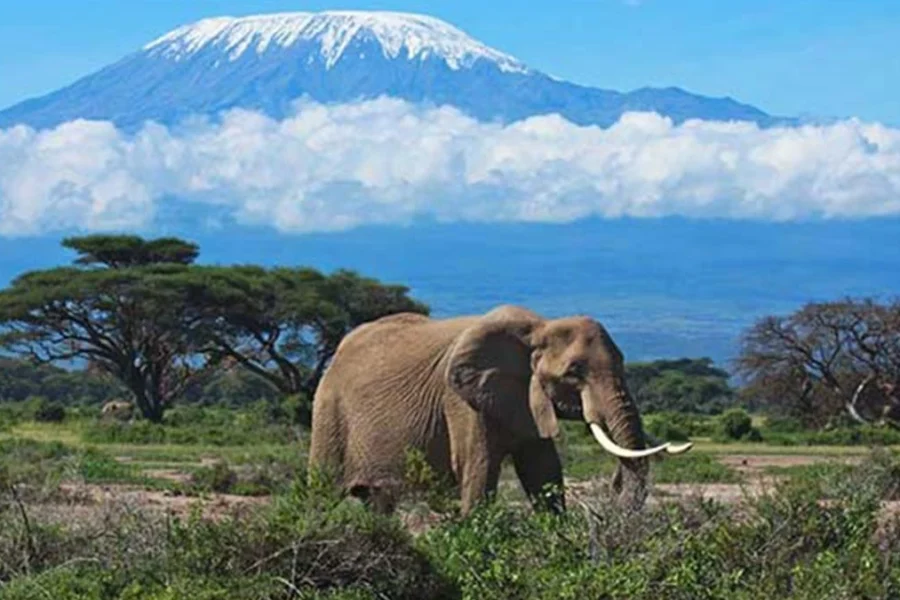
The African elephant is the largest land mammal on Earth and one of the most intelligent animals in the wild. Elephants live in matriarchal family groups and display complex emotional and social behaviors.
Observing elephants as they bathe in rivers, protect their young, or communicate through low-frequency sounds is deeply moving. Their presence shapes entire ecosystems, earning them the title of keystone species.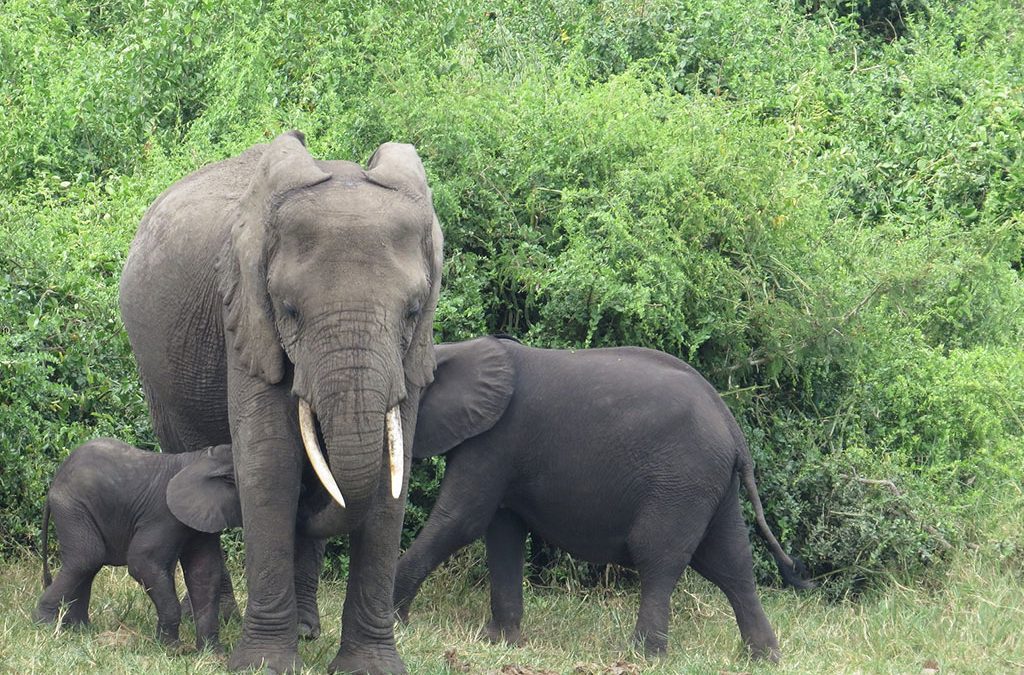
The Rhinoceros – Prehistoric Survivor
Rhinoceroses are among the most threatened animals in Africa due to poaching and habitat loss. Africa is home to two species: the white rhino and the black rhino. Both are powerful, thick-skinned animals with surprisingly agile movements.
Seeing a rhino in the wild is particularly special, as conservation efforts have made sightings more meaningful and symbolic of Africa’s fight to protect its wildlife heritage.
The African Buffalo – Unpredictable Power
Often underestimated, the African buffalo is one of the most dangerous animals in Africa. Known for its unpredictable temperament and strong herd loyalty, buffaloes are formidable opponents to predators.
Large herds grazing on open plains or gathering at water sources provide dramatic safari scenes and are a vital part of the Big Five experience.
Why Big Five Safaris Are So Popular
Big Five safaris remain the most sought-after wildlife experiences in Africa for several compelling reasons:
- Comprehensive wildlife viewing: Seeing all five species represents a complete and rewarding safari experience.
- Diverse ecosystems: Big Five habitats range from open savannahs and wetlands to forests and mountainous regions.
- Photographic opportunities: These animals provide dramatic and iconic safari imagery.
- Conservation awareness: Big Five safaris support protected areas and wildlife conservation initiatives.
For many travelers, encountering all five animals during a single journey is both a personal achievement and a deeply educational experience.
Best Destinations for Big Five Safaris in Africa
Africa offers numerous destinations where the Big Five can be seen, but some countries stand out for the quality, diversity, and accessibility of their safari experiences.
Uganda – The Pearl of Africa
Uganda is a rising star in the African safari world, offering Big Five experiences alongside world-class primate encounters. While traditionally known for mountain gorillas and chimpanzees, Uganda now provides excellent opportunities to see all members of the Big Five.
Key Big Five locations in Uganda include:
- Murchison Falls National Park: Home to lions, elephants, buffaloes, and leopards, with rhinos protected at the nearby Ziwa Rhino Sanctuary.
- Queen Elizabeth National Park: Famous for tree-climbing lions, large buffalo herds, elephants, and leopards.
- Ziwa Rhino Sanctuary: Uganda’s only location to see rhinos in the wild through guided walking safaris.
Uganda’s advantage lies in its diversity—travelers can combine Big Five safaris with gorilla trekking, chimpanzee tracking, and cultural encounters in a single itinerary.
Kenya – Classic African Safari
Kenya is synonymous with African safaris. The Maasai Mara National Reserve is one of the best places in Africa to see the Big Five, particularly during the Great Wildebeest Migration.
Kenya’s well-developed safari infrastructure, experienced guides, and vast wildlife populations make it ideal for first-time safari travelers seeking iconic African scenes.
Tanzania – Vast Wilderness and Wildlife Density
Tanzania offers some of Africa’s largest and most famous national parks, including the Serengeti National Park and Ngorongoro Conservation Area. These landscapes support high densities of Big Five animals throughout the year.
The Ngorongoro Crater, in particular, provides one of the best chances in Africa to see all five species in a single day due to its enclosed ecosystem.
South Africa – Accessible and Varied
South Africa is one of the most accessible Big Five destinations, offering both public national parks and private game reserves. Kruger National Park and surrounding private reserves such as Sabi Sands are renowned for consistent Big Five sightings.
Excellent road networks, luxury lodges, and malaria-free reserves make South Africa popular with families and luxury travelers alike.
Botswana – Exclusive and Untamed
Botswana delivers a high-end Big Five safari experience focused on low-impact tourism. The Okavango Delta and Chobe National Park offer extraordinary elephant encounters and pristine wilderness.
Although more expensive, Botswana’s exclusivity ensures fewer vehicles and highly intimate wildlife encounters.
Filter
12 Days Serengeti Masai Mara and Gorillas Itinerary
12 Days Serengeti Masai Mara and Gorillas Itinerary
12 Days Serengeti Masai Mara and Gorillas
12 Days Serengeti Masai Mara and Gorillas
14 Days Tanzania Wildlife Safaris and Zanzibar Island
14 Days Tanzania Wildlife Safaris and Zanzibar Island
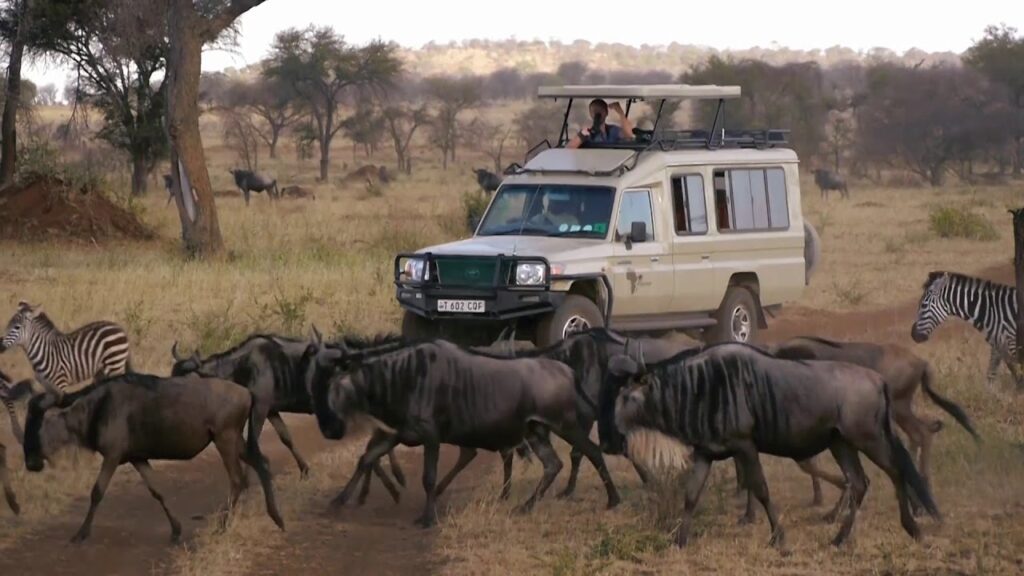
14 Days wildebeest migration gorillas and victoria falls
14 Days wildebeest migration gorillas and victoria falls
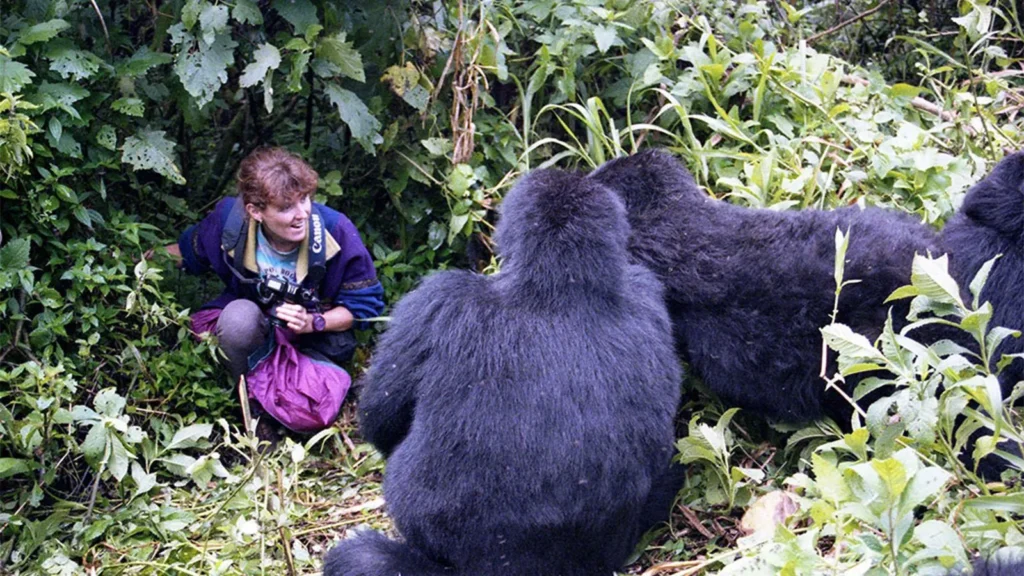
The 2-Day Express Luxury Gorilla Trekking Experience
The 2-Day Express Luxury Gorilla Trekking Experience
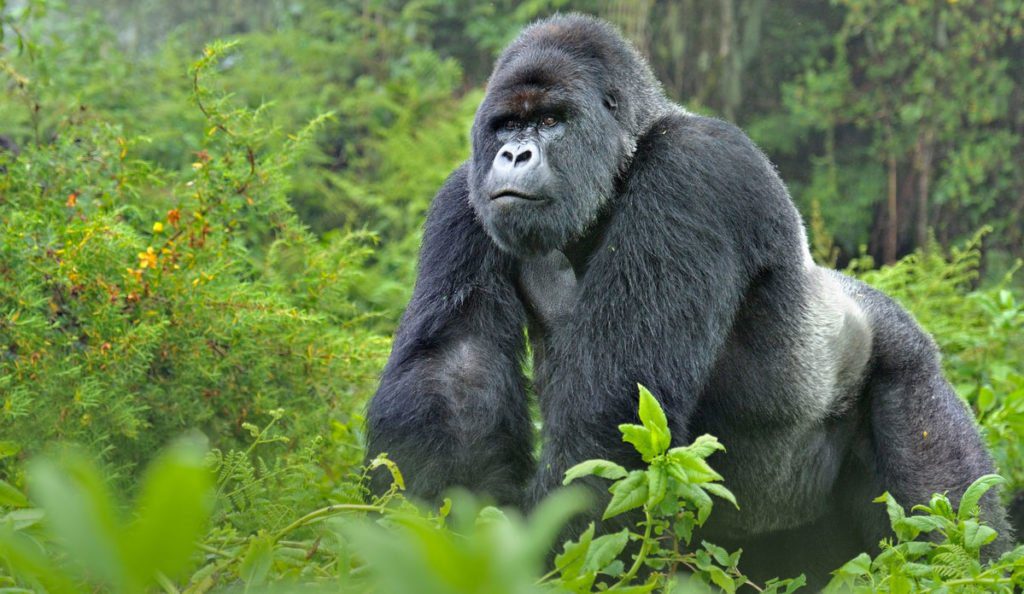
10 Days Ultimate Rwanda – Uganda Safari
10 Days Ultimate Rwanda – Uganda Safari
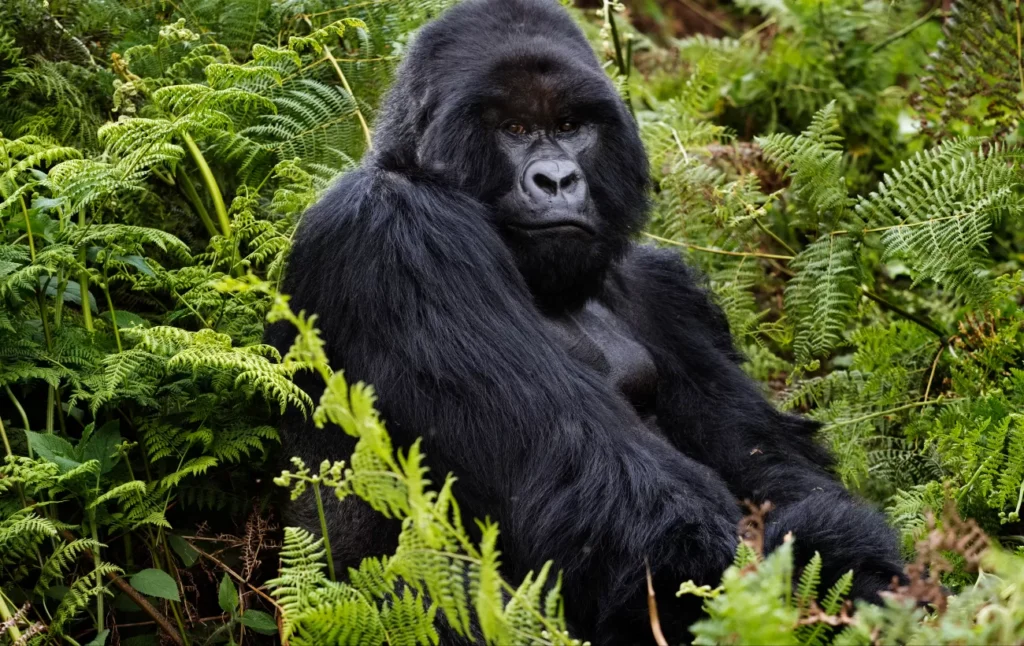
8 days primate and wildlife safari in Rwanda.
8 days primate and wildlife safari in Rwanda.
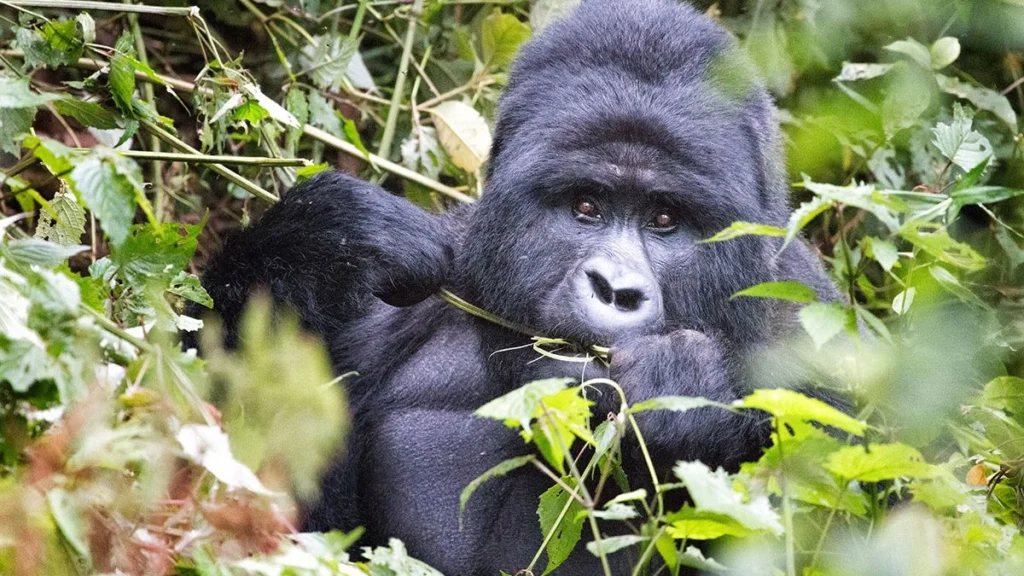
East African Great Apes
East African Great Apes
Types of Big Five Safari Experiences
Big Five safaris come in many forms, allowing travelers to tailor their experience to personal interests, budgets, and comfort levels.
Game Drives
Classic game drives in 4×4 safari vehicles remain the most popular way to see the Big Five. Guided by professional safari guides, these drives offer excellent wildlife viewing and educational commentary.
Walking Safaris
Walking safaris provide a deeper connection to nature. Accompanied by armed rangers, travelers learn to track animals, identify plants, and understand ecosystems from ground level. Walking safaris are particularly memorable for rhino tracking experiences.
Boat Safaris
In parks with rivers and lakes, boat safaris offer unique perspectives on elephants, buffaloes, and other wildlife gathering at water sources. They also provide exceptional birdwatching opportunities.
Luxury Lodge Safaris
Luxury safaris combine Big Five encounters with high-end accommodations, gourmet dining, and personalized service. These experiences appeal to honeymooners and travelers seeking comfort without compromising wildlife quality.
Best Time to Go on a Big Five Safari
The best time for Big Five safaris varies by region, but generally, dry seasons offer the most reliable wildlife viewing. During dry months, animals congregate around water sources, making sightings easier.
Green seasons, while offering lush landscapes and fewer tourists, may require more patience for wildlife sightings but reward travelers with dramatic scenery and lower costs.
Conservation and Responsible Tourism
Big Five safaris play a vital role in wildlife conservation across Africa. Park fees, lodge revenues, and guided safari activities fund anti-poaching efforts, habitat protection, and community development programs.
Responsible safari operators prioritize ethical wildlife viewing, support local communities, and promote sustainable tourism practices. Travelers are encouraged to choose operators that respect conservation guidelines and contribute positively to the destinations they visit.
Planning Your Big Five Safari
Planning a successful Big Five safari requires careful consideration of several factors:
- Destination and wildlife interests
- Budget and travel style
- Length of stay
- Accommodation preferences
- Seasonal timing
Working with experienced safari specialists ensures that itineraries are well-paced, logistically smooth, and tailored to maximize wildlife encounters.
A Big Five safari in Africa is more than just a wildlife holiday—it is a transformative journey into some of the world’s most remarkable natural environments. From the thunderous presence of elephants to the silent grace of leopards and the commanding roar of lions, each encounter leaves a lasting impression.
Whether exploring the savannahs of East Africa, the waterways of Southern Africa, or the diverse landscapes of Uganda, Big Five safaris offer unforgettable adventures that connect travelers to nature, conservation, and the spirit of Africa itself.