
Akagera National Park
Akagera National Park: Safari Destinations Africa
Africa is synonymous with safari adventures. From the iconic plains of the Serengeti to the wetlands of the Okavango Delta, the continent offers wildlife experiences that are unmatched anywhere in the world. Yet beyond the well-trodden safari circuits lie destinations that are equally remarkable but less crowded, more intimate, and deeply inspiring. One such destination is Akagera National Park, Rwanda’s only savannah national park and one of the continent’s greatest conservation success stories.
Located in eastern Rwanda along the border with Tanzania, Akagera National Park combines classic African savannah landscapes with lakes, wetlands, and rolling hills. Once on the brink of collapse due to human pressure and poaching, Akagera has been transformed into a thriving Big Five safari destination, showcasing how effective conservation, community involvement, and sustainable tourism can revive a protected area.
This article explores in depth why Akagera National Park deserves recognition as one of Africa’s outstanding safari destinations, examining its location, history, landscapes, wildlife, safari experiences, accommodation, best time to visit, conservation journey, and its role within the broader African safari scene.
Where Is Akagera National Park Located?
Akagera National Park is situated in eastern Rwanda, covering approximately 1,122 square kilometers. The park lies along Rwanda’s border with Tanzania and is named after the Akagera River, which flows along its eastern boundary before joining the Kagera River system and eventually draining into Lake Victoria.
Akagera is easily accessible, located about 2.5 to 3 hours’ drive from Kigali, Rwanda’s capital. This proximity makes it one of the most accessible savannah safari parks in Africa, allowing visitors to experience wildlife-rich landscapes without long internal flights or extensive travel.
A Brief History of Akagera National Park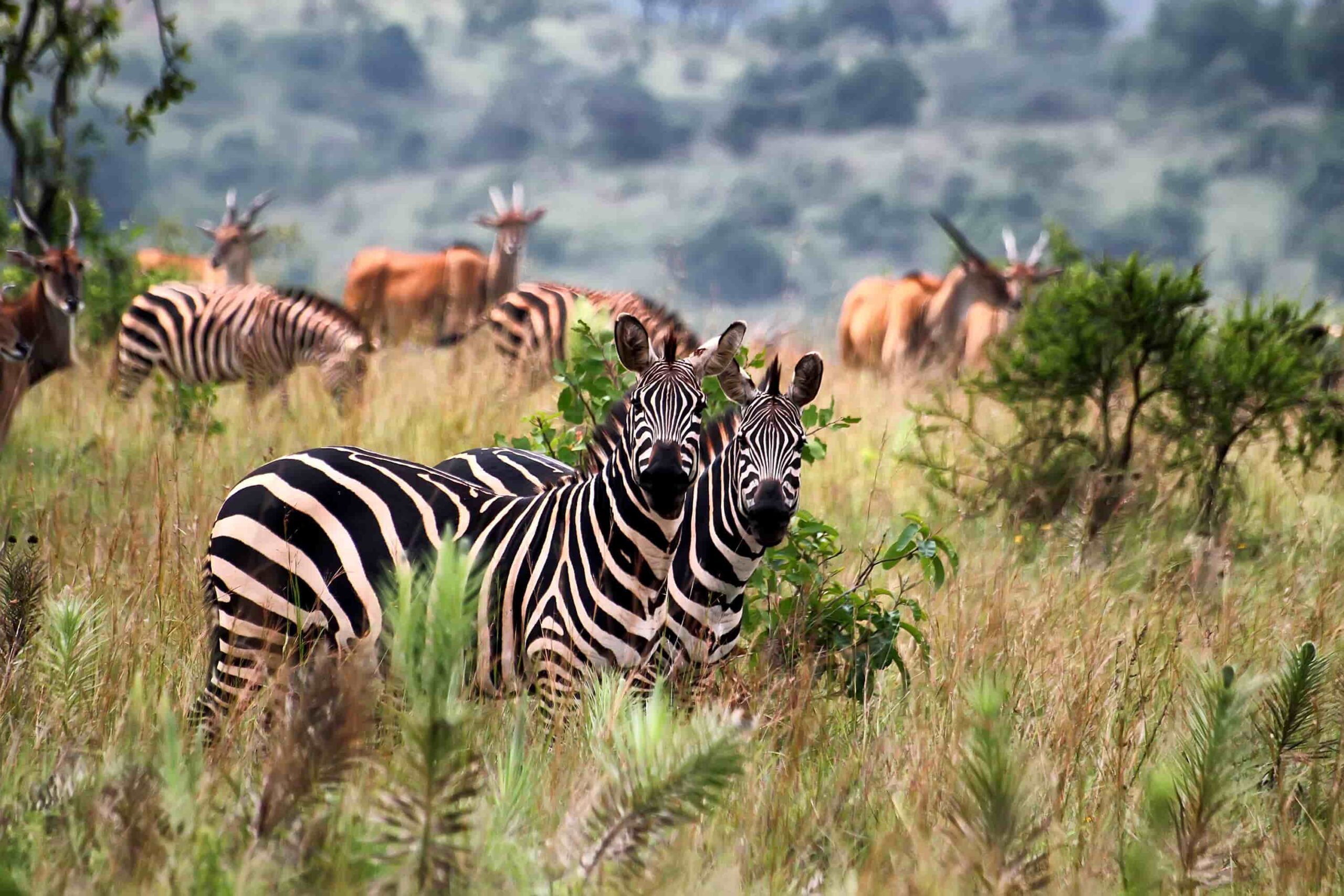
Early Protection and Decline
Akagera National Park was established in 1934, making it one of Africa’s older protected areas. Historically, it covered a much larger area and supported abundant wildlife, including elephants, lions, rhinos, and vast herds of plains game.
However, during the late 20th century—particularly after the 1994 Genocide against the Tutsi—the park faced immense pressure. Large numbers of returning refugees settled within its boundaries, leading to habitat loss, poaching, and the near-total disappearance of several key species. By the early 2000s, Akagera had lost more than half of its original size, and many believed it could no longer function as a viable safari destination.
A Conservation Turnaround
Akagera’s story changed dramatically in 2010, when the Rwanda Development Board partnered with African Parks, a non-profit conservation organization specializing in the rehabilitation and management of protected areas. This partnership marked the beginning of one of Africa’s most inspiring conservation success stories.
Through strong law enforcement, community engagement, habitat restoration, and strategic wildlife reintroductions, Akagera was brought back to life—transforming it into a fully functioning savannah ecosystem once again.
Landscapes and Ecosystems: A Diverse Safari Environment
One of Akagera’s defining features is its remarkable ecological diversity. Unlike many single-habitat parks, Akagera offers a mosaic of landscapes that support a wide range of wildlife.
Savannah Plains
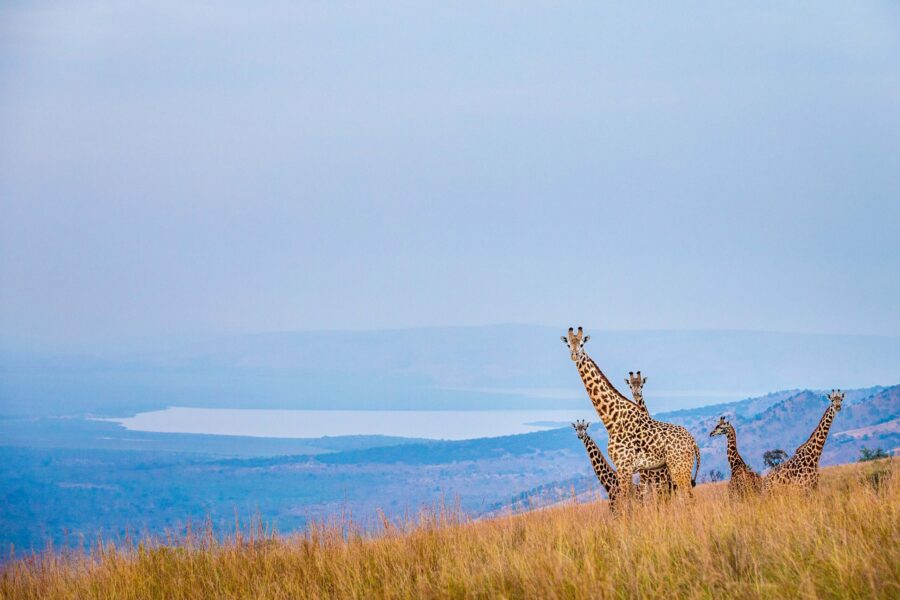
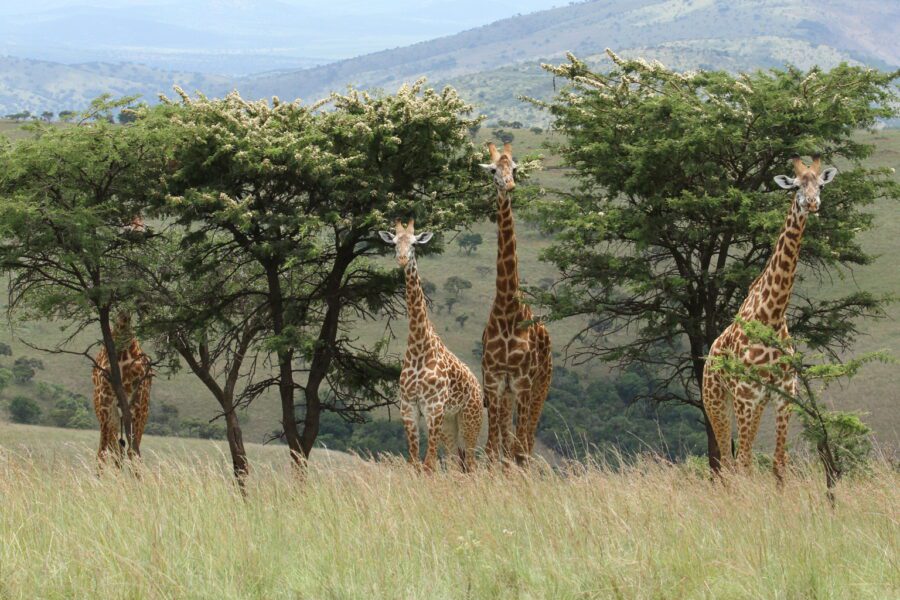
The park’s western and northern sections feature classic open savannah, dotted with acacia trees and rolling grasslands. These areas are ideal for game drives and provide excellent visibility for spotting large mammals.
Woodlands and Hills
Miombo woodlands and gently undulating hills dominate parts of the park, creating scenic backdrops and supporting browsing species such as giraffes and elephants.
Lakes and Wetlands
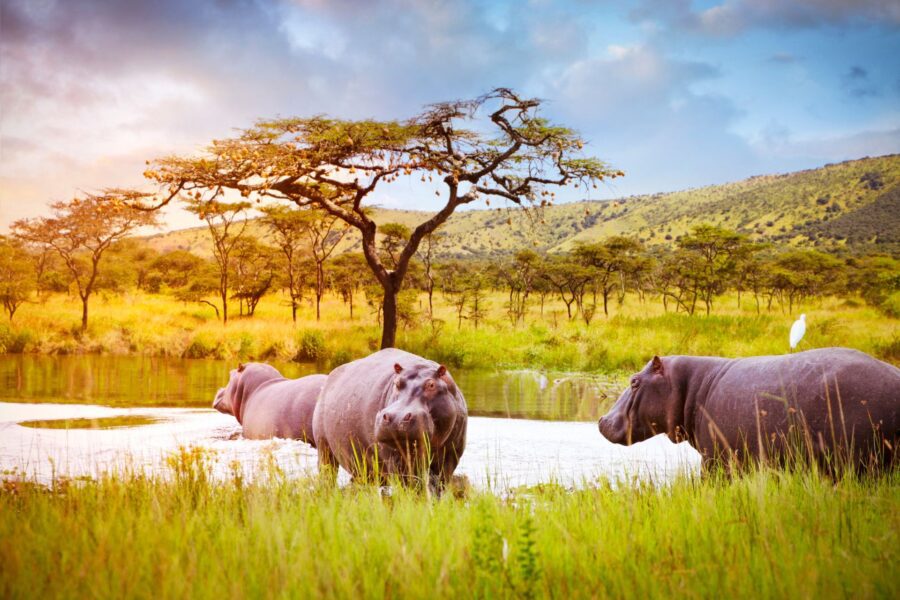
Akagera is home to a chain of lakes, marshes, and papyrus swamps, including Lake Ihema, Lake Rwanyakazinga, and Lake Shakani. These wetlands are among the most important in East Africa and support hippos, crocodiles, and an extraordinary variety of birdlife.
This combination of savannah and wetland ecosystems makes Akagera unique among African safari destinations.
Wildlife of Akagera National Park
The Big Five
Akagera National Park is now officially a Big Five safari destination, following the successful reintroduction of key species.
-
Lions were reintroduced in 2015 after being locally extinct for nearly two decades.
-
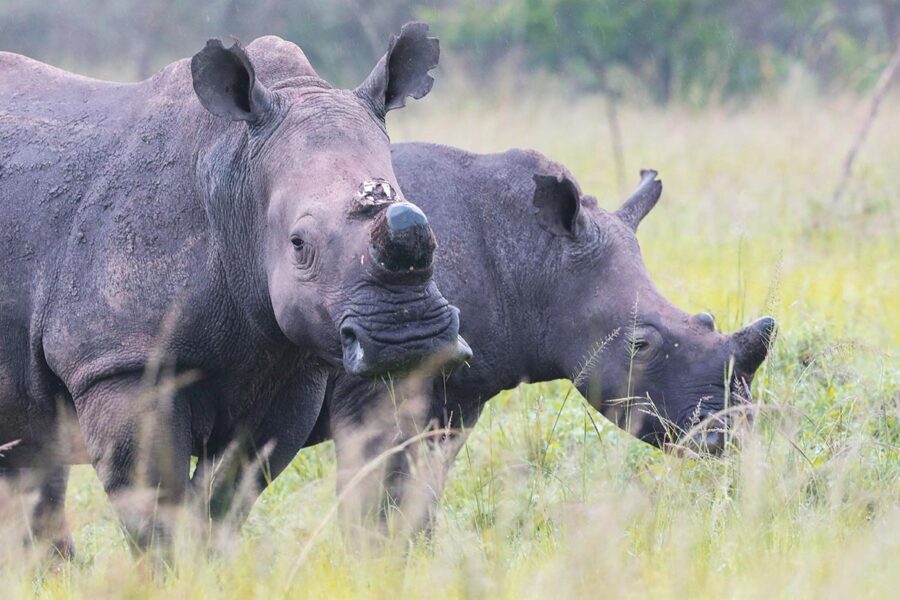
Eastern black rhinos were reintroduced in 2017 and later supplemented to ensure genetic diversity.
-
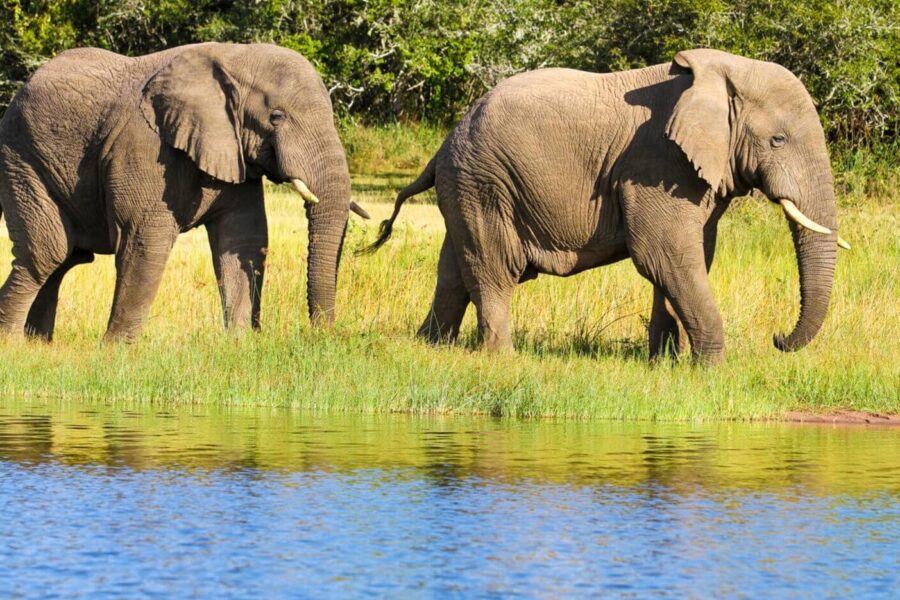
Elephants, buffalo, and leopards already inhabited the park and have since thrived under improved protection.
The return of the Big Five has elevated Akagera’s status as a premier safari destination in Africa.
Plains Game and Other Mammals
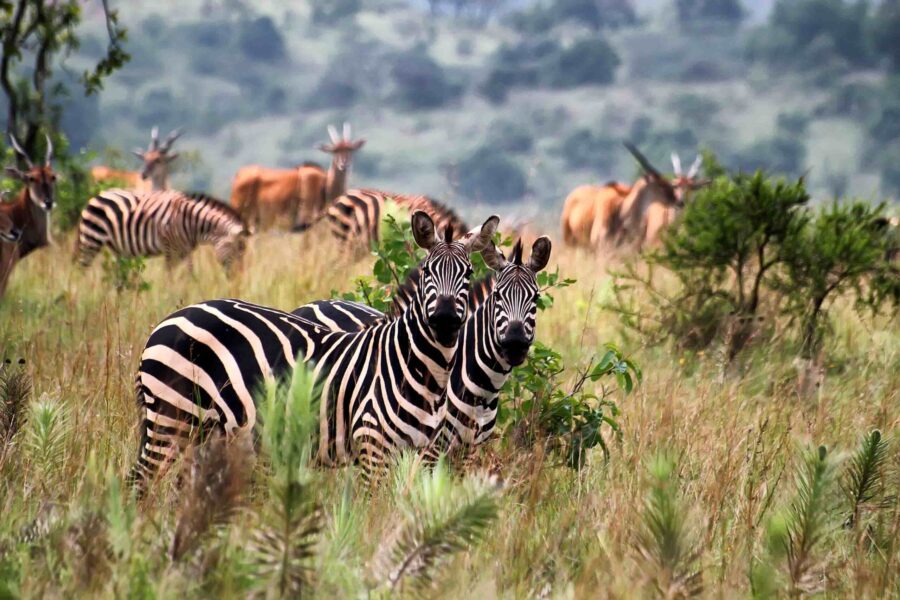
Akagera supports a healthy diversity of plains game, including:
-
Giraffes
-
Zebras
-
Topi
-
Eland
-
Impala
-
Waterbuck
-
Warthog
Smaller mammals such as bushbuck, oribi, and duiker are also present, contributing to the park’s ecological balance.
Hippos and Crocodiles
The lakes and rivers of Akagera support large populations of hippos and Nile crocodiles, which are best observed during boat safaris.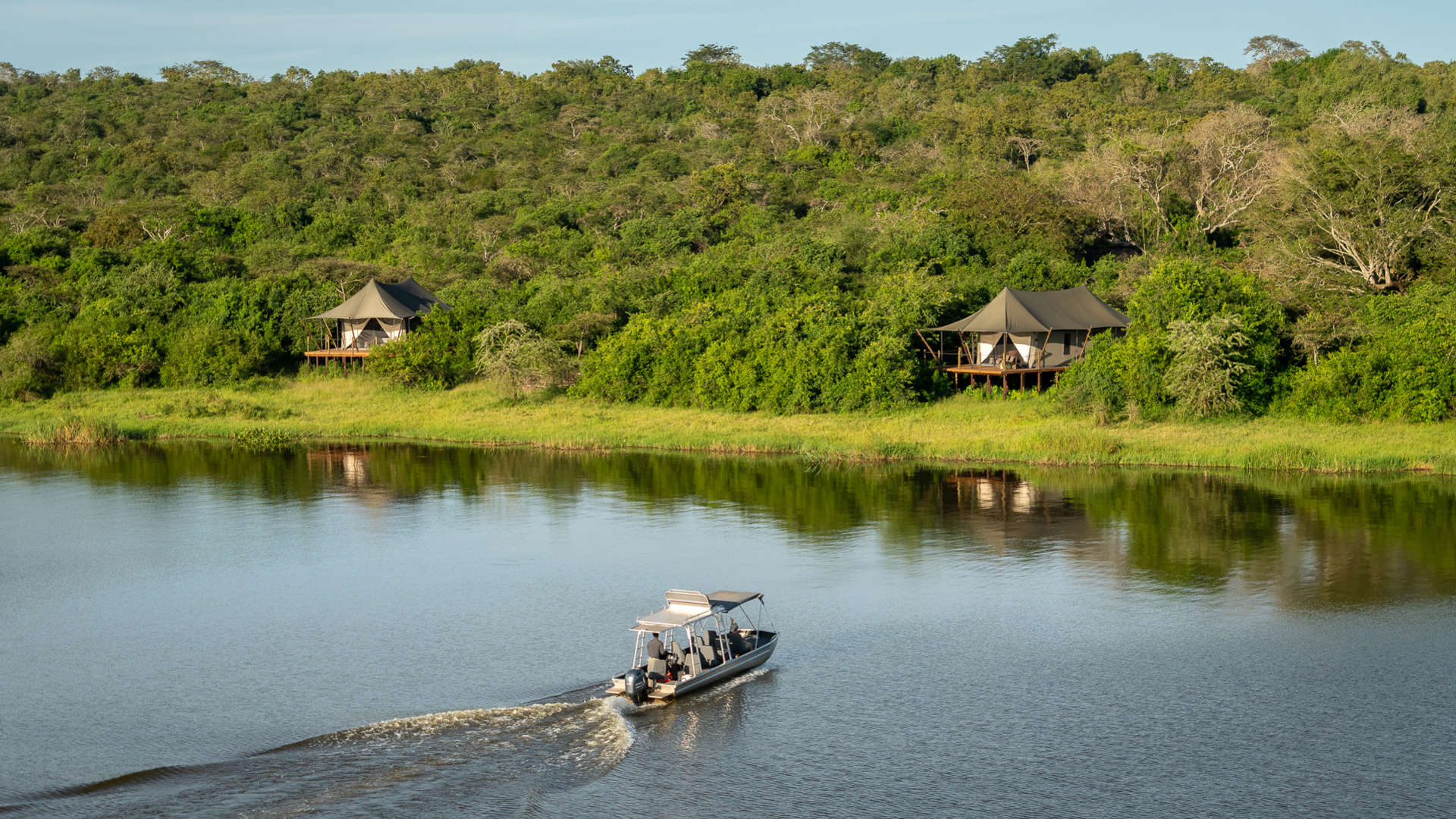
Birdlife: A Paradise for Birdwatchers
With over 500 recorded bird species, Akagera National Park is one of the top birding destinations in Africa.
Notable Bird Species
Birdwatchers can encounter:
-
Shoebill stork (rare but possible)
-
Papyrus gonolek
-
African fish eagle
-
Saddle-billed stork
-
Grey crowned crane (Uganda’s national bird, also common here)
-
Kingfishers, herons, egrets, and weavers
The combination of savannah, woodland, and wetland habitats supports both resident and migratory species throughout the year.
Safari Experiences in Akagera National Park
Akagera offers a range of safari activities that rival those of much larger and more famous parks.
Game Drives
Game drives are the primary safari activity and take place across well-maintained road networks. Morning and afternoon drives provide opportunities to see predators, plains game, and scenic landscapes.
Because Akagera is less crowded than many East African parks, sightings are often exclusive and unhurried.
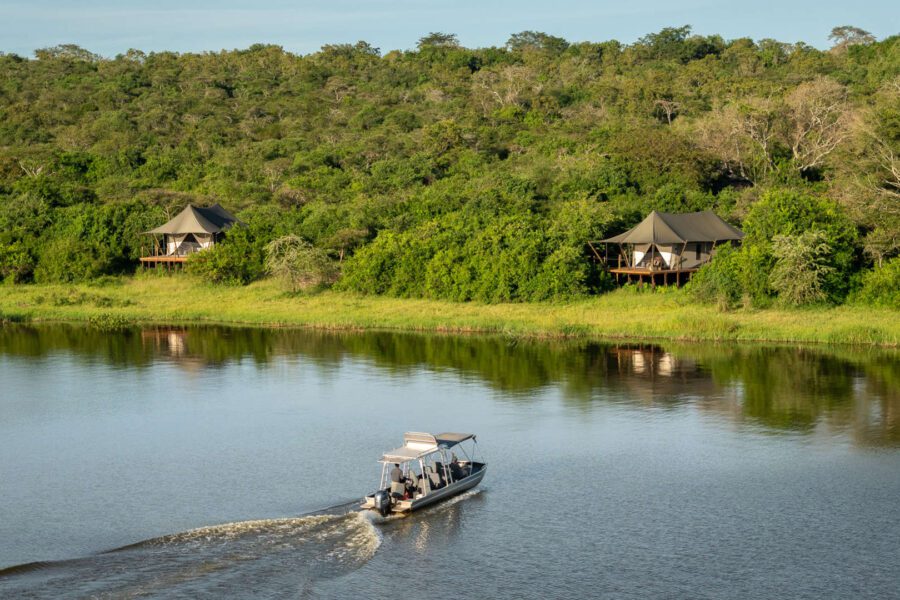
Boat Safaris on Lake Ihema
Boat safaris on Lake Ihema are a highlight of any visit to Akagera. From the water, visitors can observe:
-
Hippos at close range
-
Crocodiles basking on the shores
-
Elephants and buffalo coming to drink
-
Exceptional birdlife in papyrus swamps
Boat safaris offer a peaceful and photographic perspective on the park’s wildlife.
Night Game Drives
Akagera is one of the few parks in the region to offer guided night game drives, allowing visitors to spot nocturnal species such as bush babies, serval cats, hyenas, and leopards.
Walking Safaris (Limited Areas)
While not as extensive as in some southern African parks, guided walks in designated areas provide insight into tracks, plants, and smaller wildlife.
 Accommodation in Akagera National Park
 Accommodation in Akagera National Park
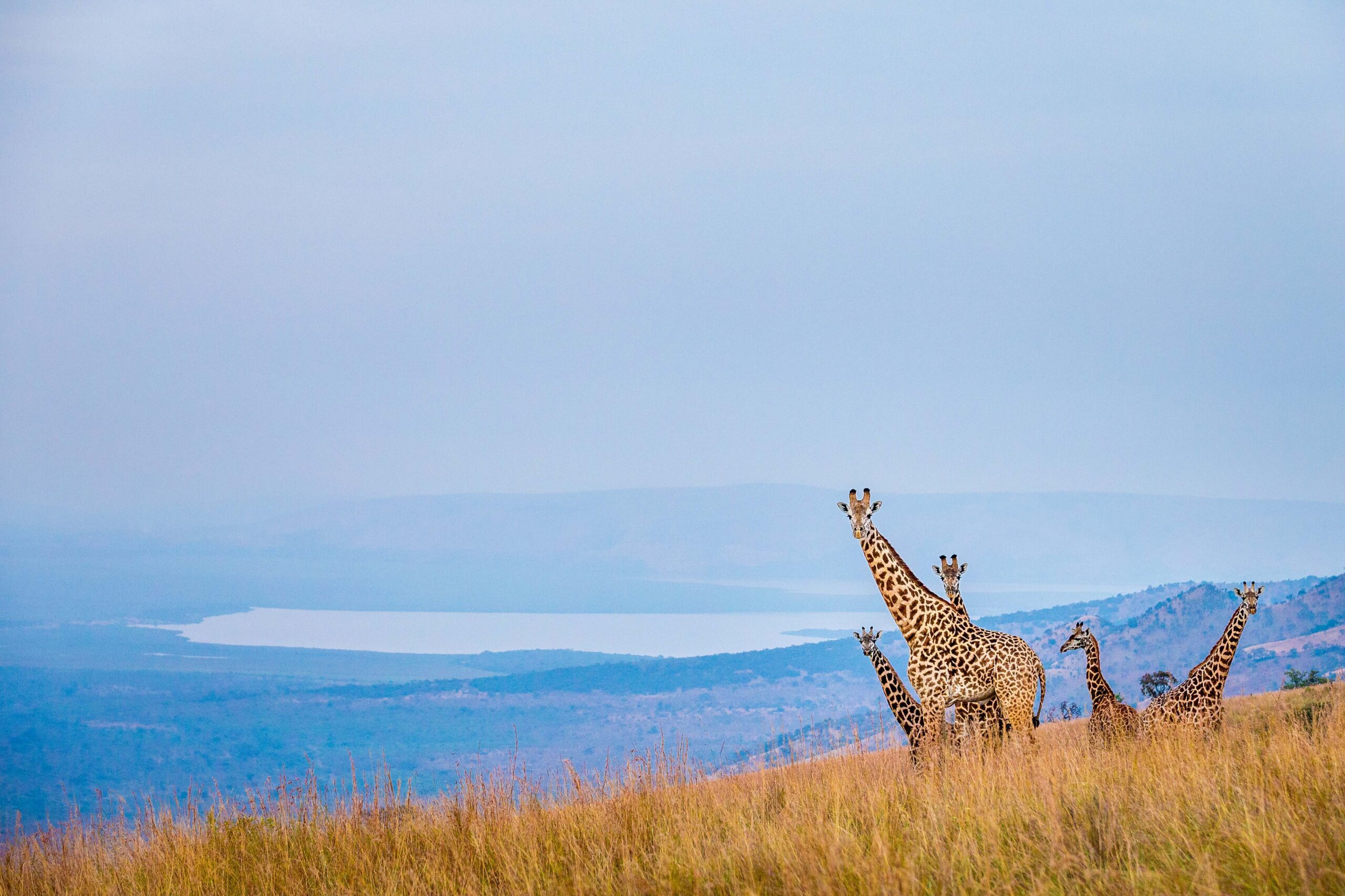
Akagera offers accommodation options that cater to a range of budgets while maintaining a focus on sustainability and quality.
Luxury and Mid-Range Lodges
-
Ruzizi Tented Lodge – an eco-friendly lodge overlooking Lake Ihema, known for comfort and sustainability.
-
Magashi Camp – a high-end luxury camp offering exclusive safari experiences and exceptional service.
These lodges emphasize low-impact tourism and immersive nature experiences.
Budget and Self-Drive Options
-
Campsites within the park allow budget travelers and self-drive visitors to experience Akagera affordably.
-
Simple lodges and guesthouses are also available outside the park boundaries.
Best Time to Visit Akagera National Park
Akagera is a year-round safari destination, but wildlife viewing conditions vary by season.
Dry Season (June to September)
-
Best time for wildlife viewing
-
Animals congregate near water sources
-
Easier road conditions
Short Dry Season (December to February)
-
Good wildlife sightings
-
Warm temperatures
-
Excellent birding
Rainy Seasons (March to May & October to November)
-
Lush green landscapes
-
Peak birding season
-
Some roads may be muddy
For most travelers, June to September offers the best overall safari experience.
Akagera and Conservation: A Model for Africa
Akagera’s revival is often cited as one of the greatest conservation success stories in modern Africa.
Anti-Poaching and Law Enforcement
The introduction of effective law enforcement, including ranger training and technology, drastically reduced poaching and illegal activities.
Community Engagement
Local communities benefit from tourism through employment, revenue sharing, and development projects. This has helped foster positive relationships between people and wildlife.
Wildlife Reintroductions
The carefully planned reintroduction of lions and rhinos restored ecological balance and boosted tourism, creating a virtuous cycle of conservation funding.
Akagera in the Context of Safari Destinations Africa
Compared to iconic safari destinations like the Serengeti or Masai Mara, Akagera offers a more intimate and accessible safari experience.
What Sets Akagera Apart
-
Easy access from Kigali
-
Fewer tourists and exclusive sightings
-
Unique mix of savannah and wetland habitats
-
Strong conservation narrative
Akagera is particularly attractive to travelers combining gorilla trekking in Volcanoes National Park with a savannah safari, offering a complete Rwandan wildlife experience.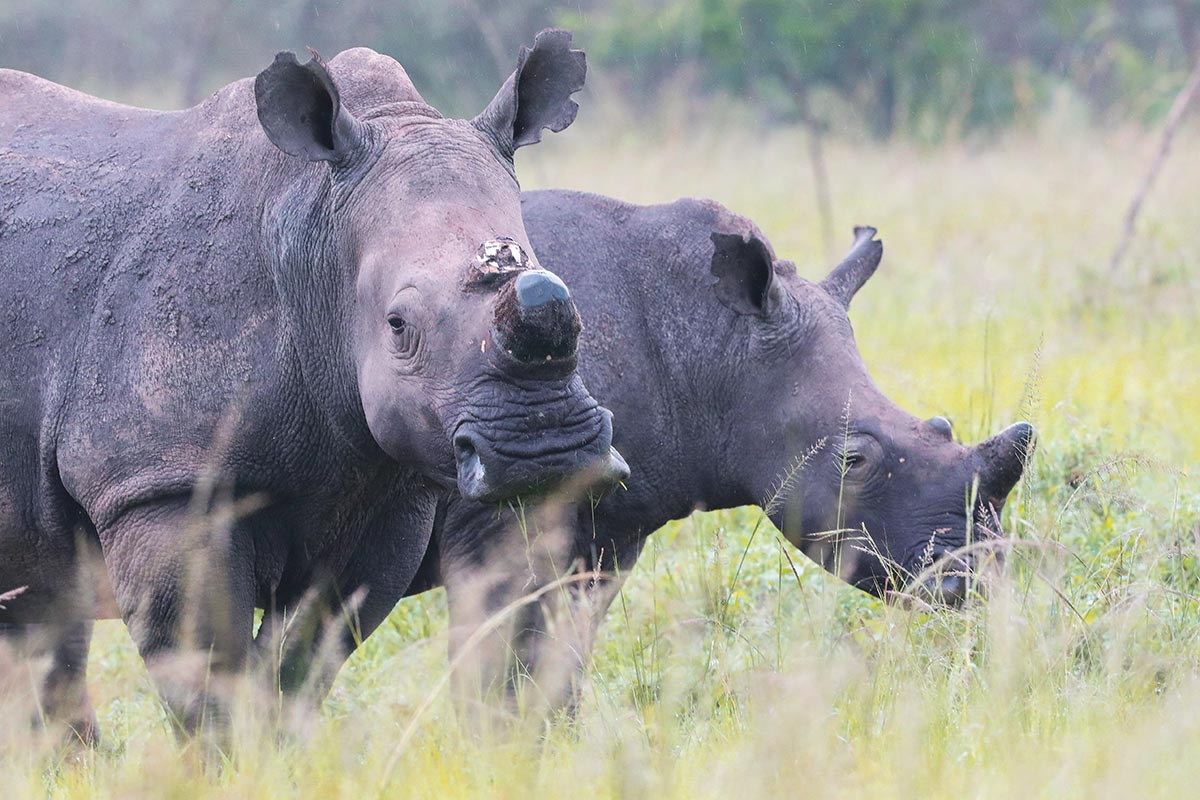
Who Should Visit Akagera National Park?
Akagera is ideal for:
-
Safari travelers seeking Big Five experiences
-
Birdwatchers and photographers
-
Eco-conscious tourists
-
Families and first-time safari-goers
-
Travelers combining gorilla trekking with classic safaris
It is less suited to those seeking vast migratory herds, but excels in diversity, accessibility, and conservation impact.
Why Akagera Is a Top Safari Destination in Africa
Akagera National Park stands as a powerful testament to what is possible when conservation, community, and tourism work together. From its Big Five wildlife to its tranquil lakes and rolling savannahs, Akagera offers a safari experience that is both rewarding and meaningful.
In a continent filled with legendary wildlife destinations, Akagera has carved out a unique place—proving that even landscapes once written off can be restored to greatness. For travelers seeking an authentic, impactful, and diverse safari, Akagera National Park is unquestionably one of Africa’s finest safari destinations.