Queen Elizabeth National Park
Queen Elizabeth National Park: Safari Destinations Africa
Africa is the ultimate safari continent, a land where vast wilderness areas protect extraordinary wildlife and ancient ecosystems. From the rolling plains of East Africa to the riverine forests and crater lakes of the Great Rift Valley, safari destinations across the continent offer unforgettable encounters with nature. Among these remarkable places stands Queen Elizabeth National Park, one of Uganda’s most diverse, scenic, and wildlife-rich protected areas.
Renowned for its dramatic landscapes, abundant wildlife, and rare natural phenomena, Queen Elizabeth National Park is a jewel of African safari tourism. It is famous for its tree-climbing lions, expansive savannahs, lush wetlands, volcanic crater lakes, and the wildlife-filled Kazinga Channel. More than just a place to see animals, the park offers an immersive experience where ecology, culture, and conservation intersect.
This in-depth article explores why Queen Elizabeth National Park is one of Africa’s premier safari destinations, covering its location, history, landscapes, ecosystems, wildlife, safari experiences, accommodation, best time to visit, conservation significance, and its place within the wider context of African safaris.
Where Is Queen Elizabeth National Park Located?
Queen Elizabeth National Park is located in western Uganda, spanning the districts of Kasese, Kamwenge, Bushenyi, and Rukungiri. The park lies approximately 400 kilometers southwest of Kampala, Uganda’s capital, and forms part of the Albertine Rift Valley, one of the most biologically diverse regions in Africa.
The park stretches from the foothills of the Rwenzori Mountains in the north to Lake Edward in the south, with the Kazinga Channel—a natural waterway—connecting Lake Edward to Lake George at its heart. This strategic location places Queen Elizabeth National Park between Uganda’s major primate destinations, making it a central component of many safari itineraries.
A Brief History of Queen Elizabeth National Park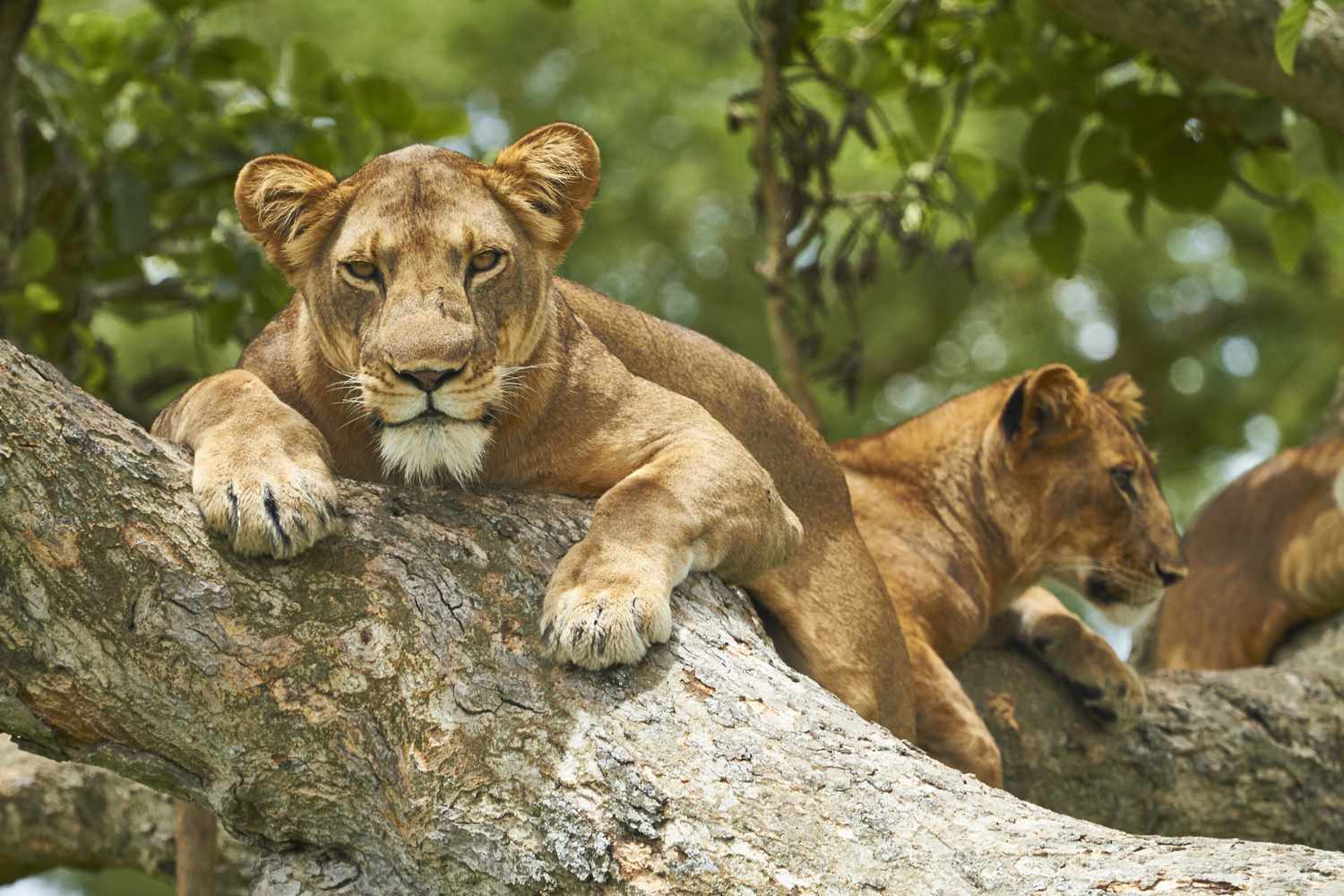
Early Conservation Efforts
Queen Elizabeth National Park was originally established in 1952 as Kazinga National Park. Two years later, it was renamed to commemorate a visit by Queen Elizabeth II of England in 1954. From its inception, the park was designed to protect Uganda’s wildlife while promoting tourism and conservation.
Challenges and Recovery
Like many African protected areas, the park faced significant challenges during periods of political instability in the 1970s and 1980s. Poaching, habitat degradation, and reduced management capacity led to declines in wildlife populations.
In the decades since, improved governance, conservation partnerships, and community engagement have helped restore wildlife numbers and infrastructure. Today, Queen Elizabeth National Park is one of Uganda’s most visited and well-managed national parks.
Landscapes and Ecosystems: A Park of Extraordinary Diversity
One of Queen Elizabeth National Park’s defining features is its ecological diversity. Few parks in Africa offer such a wide range of habitats within a single protected area.
Savannah Plains
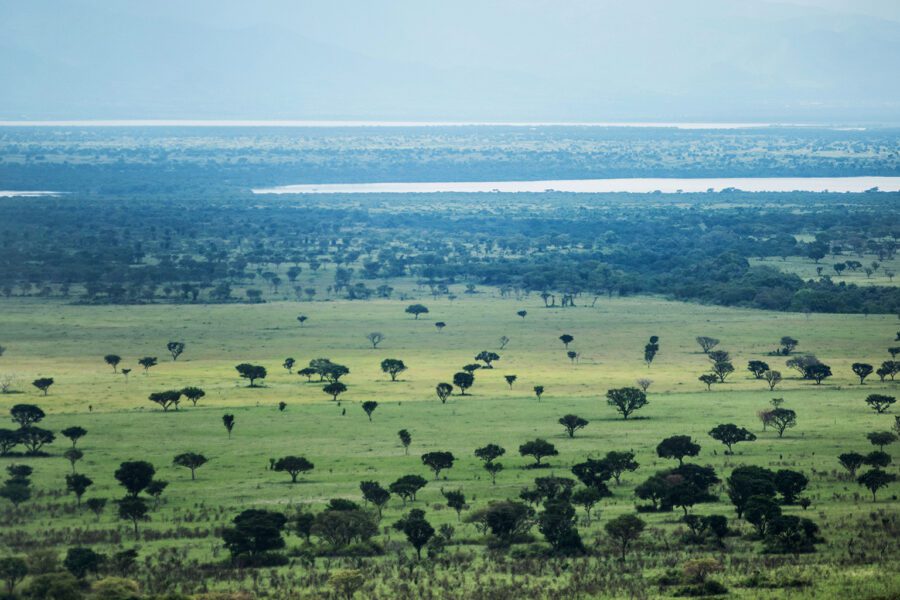
The park’s open savannah areas support classic safari scenery, dotted with acacia trees and expansive grasslands. These plains are home to large herbivores and predators and provide excellent opportunities for game viewing.
Wetlands and Lakes
Queen Elizabeth National Park contains an extensive network of wetlands, lakes, and rivers, including:
-
Lake Edward
-
Lake George
-
The Kazinga Channel
-
Swamps and floodplains
These water systems support enormous concentrations of wildlife and birdlife.
Volcanic Crater Lakes
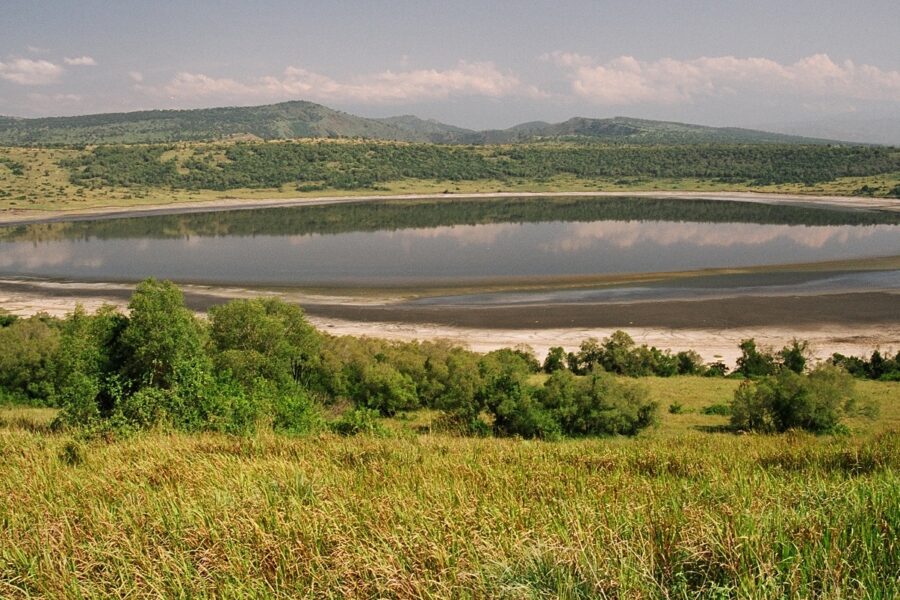
Scattered across the landscape are dozens of volcanic crater lakes, remnants of ancient geological activity. These crater lakes create breathtaking scenery and unique microhabitats.
Forest Ecosystems
The park also includes forested areas such as Maramagambo Forest, which shelters primates, bats, and diverse bird species. This forest adds yet another layer of biodiversity to the park.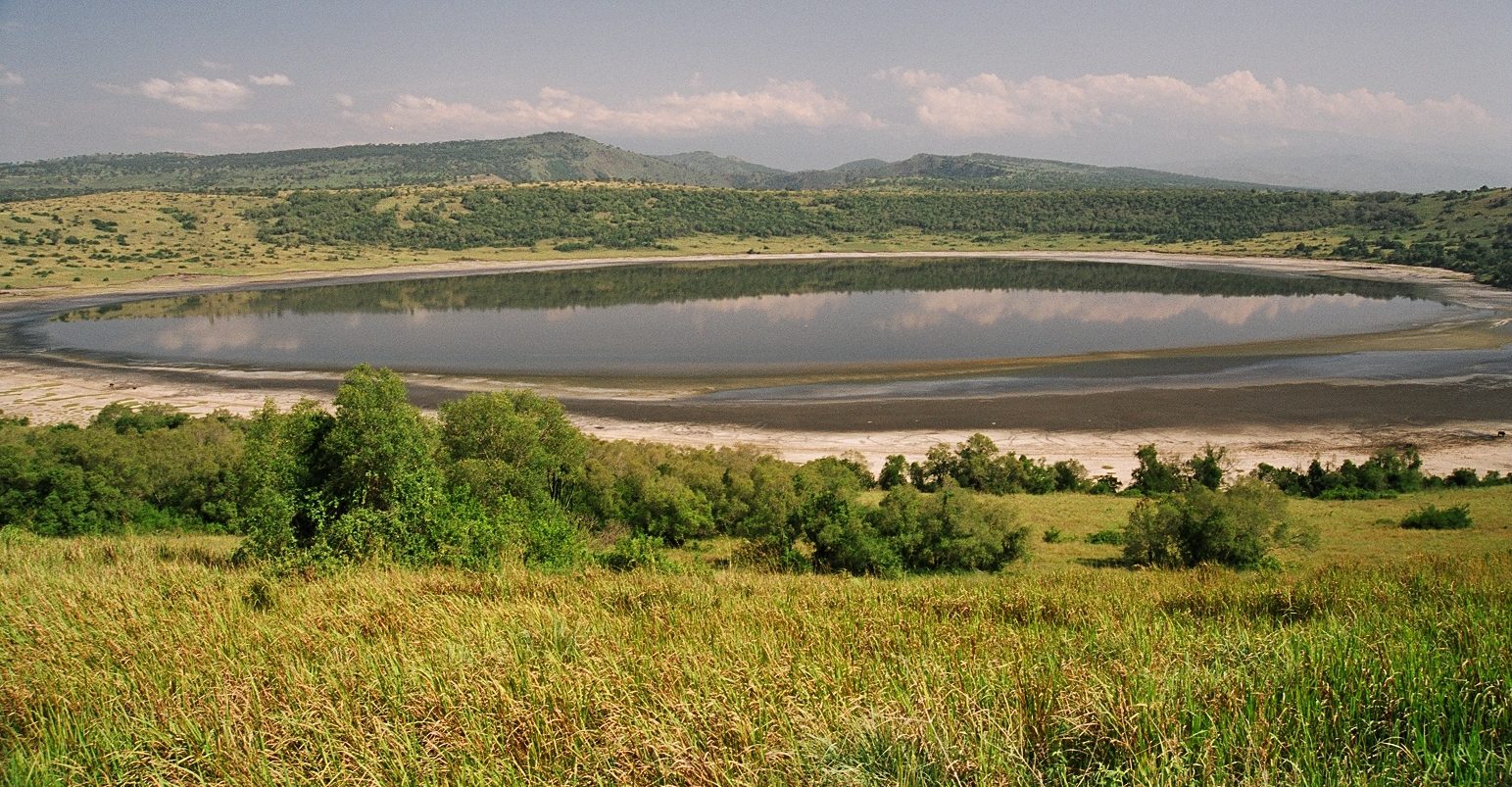
Wildlife of Queen Elizabeth National Park
Large Mammals
Queen Elizabeth National Park is home to an impressive variety of large mammals, including:
-
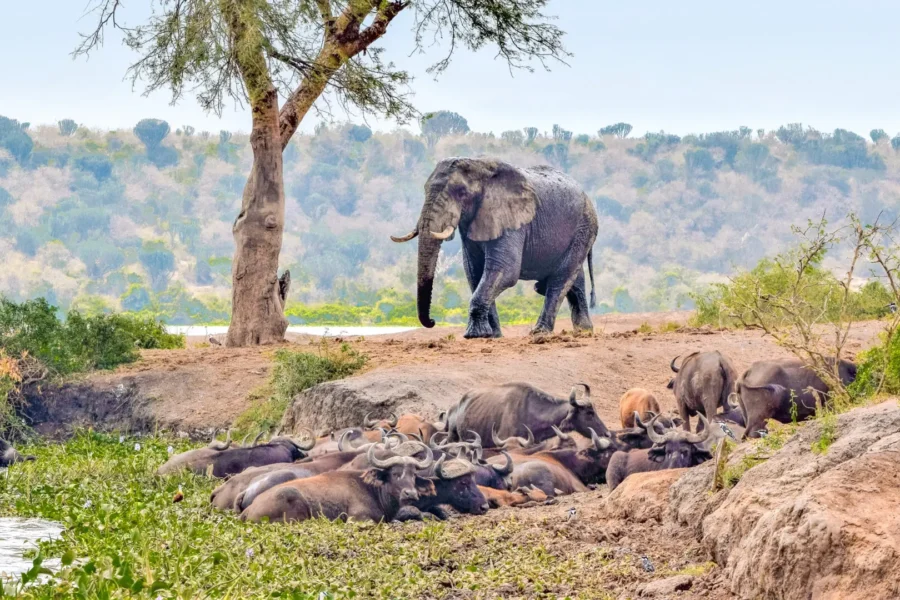
African elephants
-
African buffalo
-
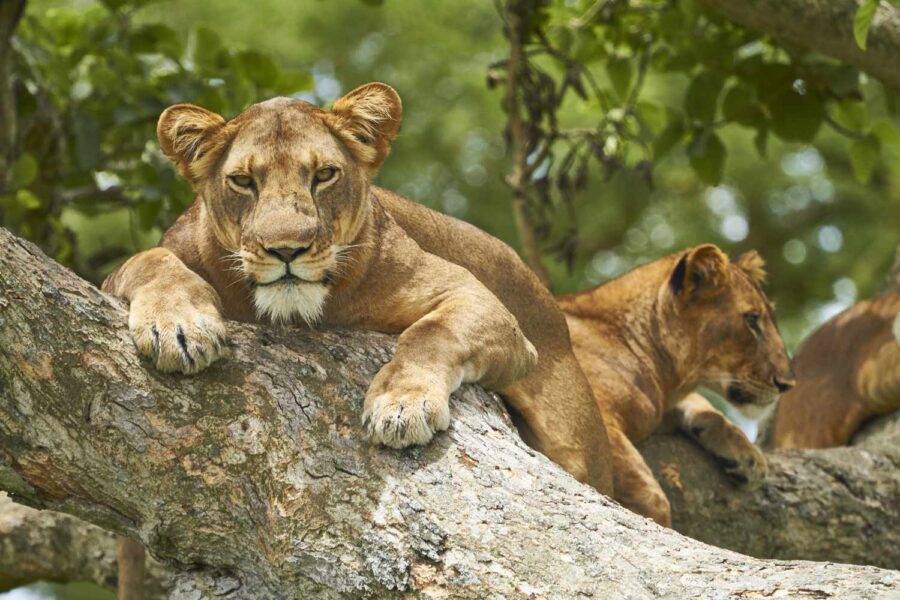
Lions, including the famous tree-climbing lions of Ishasha
-
Leopards
-
Ugandan kob (the park’s emblem)
-
Waterbuck
-
Warthog
-
Hippos
The park supports over 95 mammal species, making it one of the most species-rich safari destinations in Africa.
Tree-Climbing Lions of Ishasha
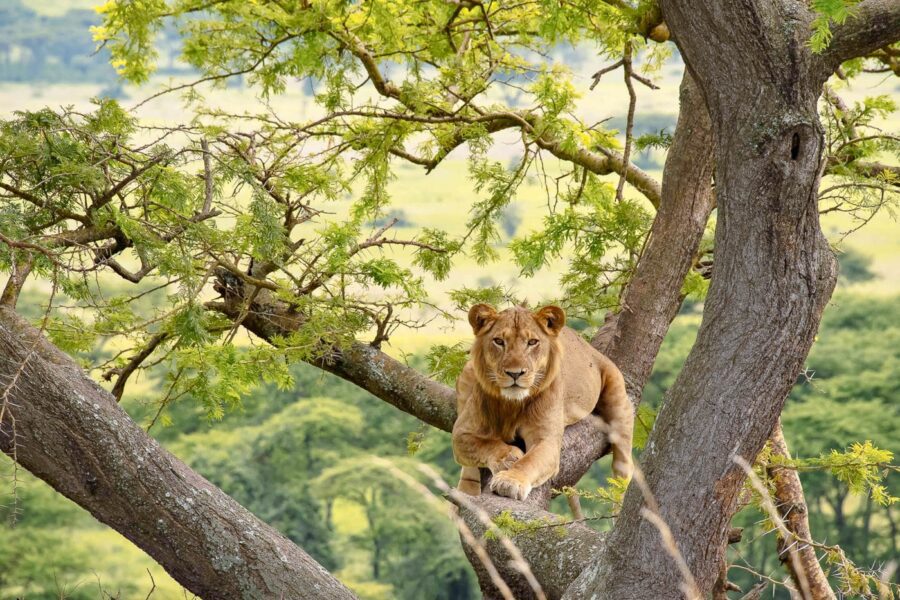
One of the park’s most unique attractions is the tree-climbing lions found in the southern Ishasha sector. Unlike typical lions, these individuals regularly climb fig and acacia trees, often resting on branches during the heat of the day.
This rare behavior, seen in only a few places in Africa, draws visitors from around the world and has become one of Uganda’s iconic wildlife experiences.
Primates
Queen Elizabeth National Park also supports a variety of primates, including:
-
Chimpanzees (in Kyambura Gorge)
-
Olive baboons
-
Black-and-white colobus monkeys
-
Red-tailed monkeys
-
Vervet monkeys
The presence of both savannah and forest primates makes the park particularly appealing to wildlife enthusiasts.
Birdlife: One of Africa’s Finest Birding Destinations
With over 600 recorded bird species, Queen Elizabeth National Park is considered one of the best birding destinations in Africa.
Notable Bird Species
Birdwatchers can spot an extraordinary range of species, including:
-
Shoebill stork
-
African fish eagle
-
Saddle-billed stork
-
Grey crowned crane (Uganda’s national bird)
-
Papyrus gonolek
-
Pelicans, herons, and egrets
The diversity of habitats—from wetlands to forests—supports both resident and migratory species throughout the year.
Safari Experiences in Queen Elizabeth National Park
Queen Elizabeth National Park offers a wide variety of safari activities that set it apart from many other African parks.
Game Drives
Game drives are conducted in several key areas, including:
-
Kasenyi Plains
-
Ishasha Sector
-
Katwe Area
Morning and evening drives provide opportunities to see predators, grazing herbivores, and stunning landscapes.
Kazinga Channel Boat Safari
The Kazinga Channel boat cruise is widely regarded as one of the best wildlife boat safaris in Africa. During the cruise, visitors can observe:
-
Large pods of hippos
-
Crocodiles basking on the banks
-
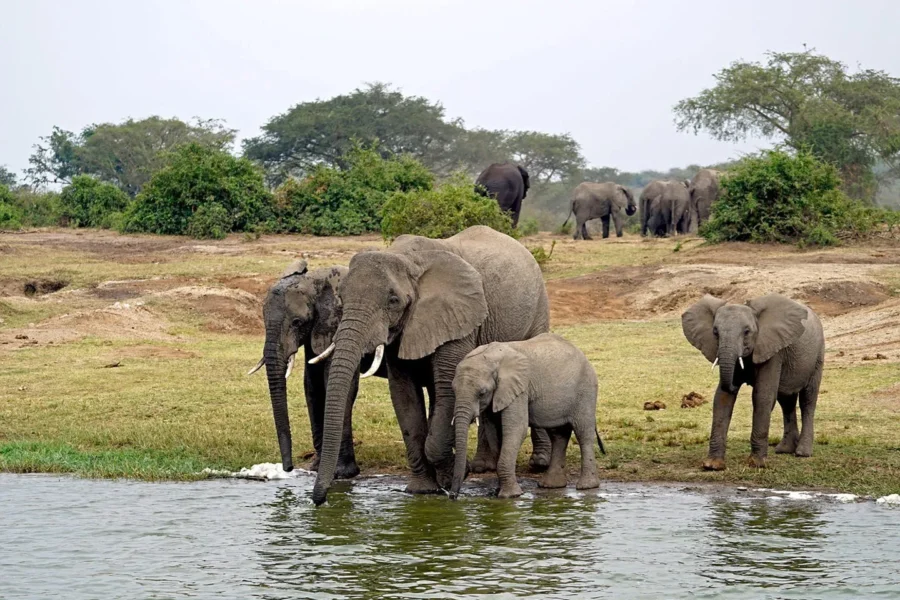
Elephants and buffalo drinking at the water’s edge
-
Hundreds of bird species
The close proximity to wildlife and relaxed pace make this a highlight of any visit.
Chimpanzee Tracking in Kyambura Gorge
Kyambura Gorge, often called the “Valley of Apes,” offers guided chimpanzee tracking experiences. Descending into the forested gorge reveals a completely different ecosystem within the park.
While chimp sightings are not guaranteed, the experience of walking through the gorge and encountering forest wildlife is highly rewarding.
Nature Walks and Community Experiences
Guided nature walks around crater lakes and wetlands allow visitors to learn about plants, birds, and smaller wildlife. Community visits provide insight into local culture and conservation initiatives.
Accommodation in Queen Elizabeth National Park
Queen Elizabeth National Park offers accommodation options for every type of traveler, from luxury seekers to budget adventurers.
Luxury and Mid-Range Lodges
The park is home to several well-established lodges offering:
-
Scenic views over the savannah or lakes
-
Comfortable rooms and cottages
-
Guided safari activities
-
Eco-friendly practices
These lodges blend comfort with immersion in nature.
Budget Lodges and Campsites
Budget lodges, bandas, and campsites are available both inside and near the park, making Queen Elizabeth accessible to a wide range of travelers.
Best Time to Visit Queen Elizabeth National Park
Queen Elizabeth National Park is a year-round safari destination, but seasonal conditions influence wildlife viewing.
Dry Seasons (June to September & December to February)
-
Best wildlife viewing
-
Easier road conditions
-
Ideal for game drives and boat safaris
Wet Seasons (March to May & October to November)
-
Lush landscapes
-
Excellent birding
-
Fewer tourists
The best overall time for classic safari experiences is during the dry seasons.
Conservation and Community Involvement
Queen Elizabeth National Park plays a vital role in Uganda’s conservation efforts.
Biodiversity Conservation
As part of the Albertine Rift, the park protects globally significant biodiversity, including endangered species and critical habitats.
Human–Wildlife Coexistence
The park is surrounded by densely populated communities. Conservation programs focus on mitigating human–wildlife conflict through education, fencing, and community benefit-sharing.
Tourism and Local Livelihoods
Tourism revenue supports local development projects, employment, and infrastructure, making conservation economically valuable to surrounding communities.
Queen Elizabeth National Park in the Context of Safari Destinations Africa
Compared to Africa’s iconic safari parks, Queen Elizabeth National Park offers a unique blend of experiences:
-
Savannah game drives
-
Boat safaris
-
Primate tracking
-
Exceptional birding
-
Cultural encounters
This diversity makes it ideal for travelers seeking a well-rounded African safari rather than a single-focus experience.
Who Should Visit Queen Elizabeth National Park?
Queen Elizabeth National Park is ideal for:
-
First-time safari travelers
-
Wildlife and birding enthusiasts
-
Families and couples
-
Photographers
-
Travelers combining gorilla trekking with classic safaris
Its accessibility and variety make it one of Africa’s most versatile safari destinations.
Why Queen Elizabeth National Park Is a Top Safari Destination in Africa
Queen Elizabeth National Park embodies the richness and diversity of African safaris. From its tree-climbing lions and wildlife-filled waterways to its crater lakes and forested gorges, the park offers experiences that are both iconic and unique.
In a continent filled with legendary safari destinations, Queen Elizabeth National Park stands out not through size or spectacle alone, but through variety, accessibility, and ecological depth. For travelers seeking an authentic, rewarding, and unforgettable safari experience, Queen Elizabeth National Park rightfully earns its place among Africa’s finest safari destinations.