Tsavo National Parks
Tsavo National Parks: Which One Is the Better Safari Destination in Africa?
Kenya is one of Africa’s most celebrated safari countries, home to legendary wildlife reserves that have shaped the global image of the African safari. Among these, Tsavo National Parks stand out for their sheer scale, raw wilderness, and historical significance. Together, Tsavo East National Park and Tsavo West National Park form one of the largest protected conservation areas in Africa, covering over 22,000 square kilometers—an area larger than some entire countries.
Yet travelers planning a safari often ask an important question: Which Tsavo National Park is the better safari destination in Africa—Tsavo East or Tsavo West? The answer is not straightforward. Each park offers a distinct safari experience shaped by different landscapes, wildlife densities, scenery, and activities.
This in-depth article explores Tsavo East and Tsavo West in detail, comparing their geography, wildlife, landscapes, safari experiences, accommodation, accessibility, best time to visit, and suitability for different types of travelers. By the end, you’ll have a clear understanding of which Tsavo National Park is the better safari destination for you.
Understanding Tsavo National Parks
Where Are Tsavo National Parks Located?
Tsavo National Parks are located in southeastern Kenya, stretching between Nairobi and Mombasa. Their strategic location makes them ideal for combining a safari with a beach holiday along Kenya’s Indian Ocean coast.
-
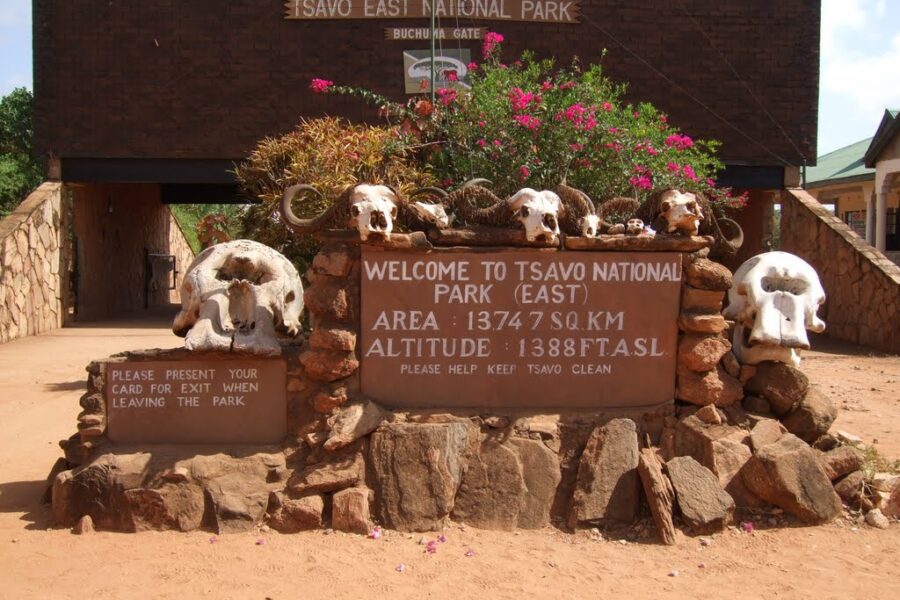
Tsavo East National Park lies to the east of the Nairobi–Mombasa highway.
-
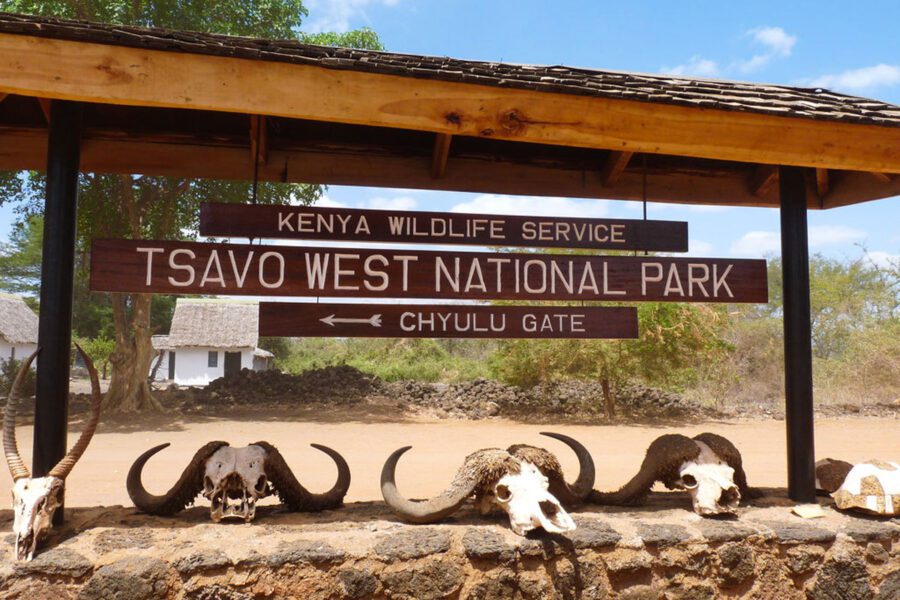
Tsavo West National Park lies to the west of the highway, closer to the Kenya–Tanzania border.
Though often mentioned together, Tsavo East and Tsavo West are managed separately and offer very different safari experiences.
A Brief History of Tsavo National Parks
Tsavo was established as a protected area in 1948, making it one of Kenya’s oldest national parks. It gained global fame through the dramatic story of the Man-Eaters of Tsavo, two lions that terrorized railway workers during the construction of the Kenya–Uganda railway in the late 19th century.
Since then, Tsavo has played a central role in Kenya’s conservation efforts, particularly in protecting elephants and maintaining vital wildlife corridors between ecosystems.
Tsavo East National Park: The Land of Red Elephants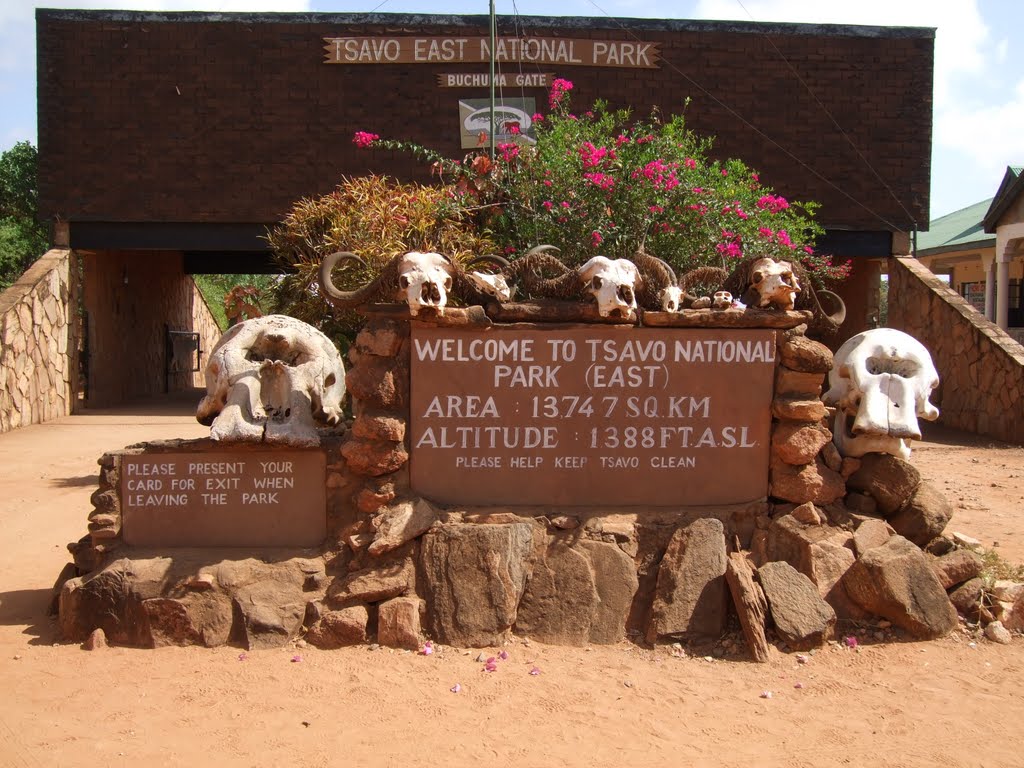
Landscape and Scenery
Tsavo East is characterized by:
-
Vast, open savannah plains
-
Semi-arid bushland
-
Seasonal rivers such as the Galana River
-
Flat terrain with long sightlines
Its open landscapes create a classic safari feel and make wildlife easier to spot from a distance.
Wildlife in Tsavo East
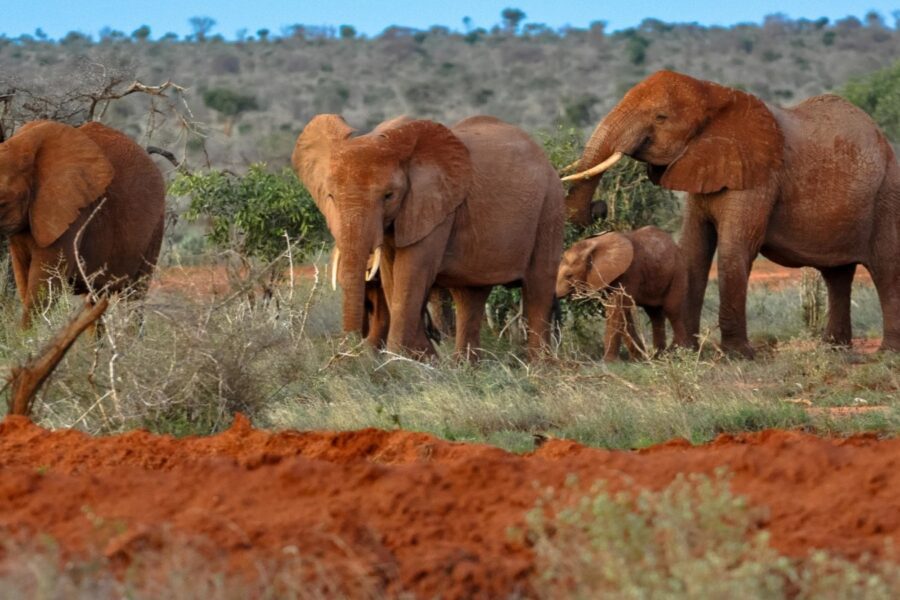
Tsavo East is famous for its red elephants, which coat themselves in the park’s rust-colored soil.
Key wildlife includes:
-
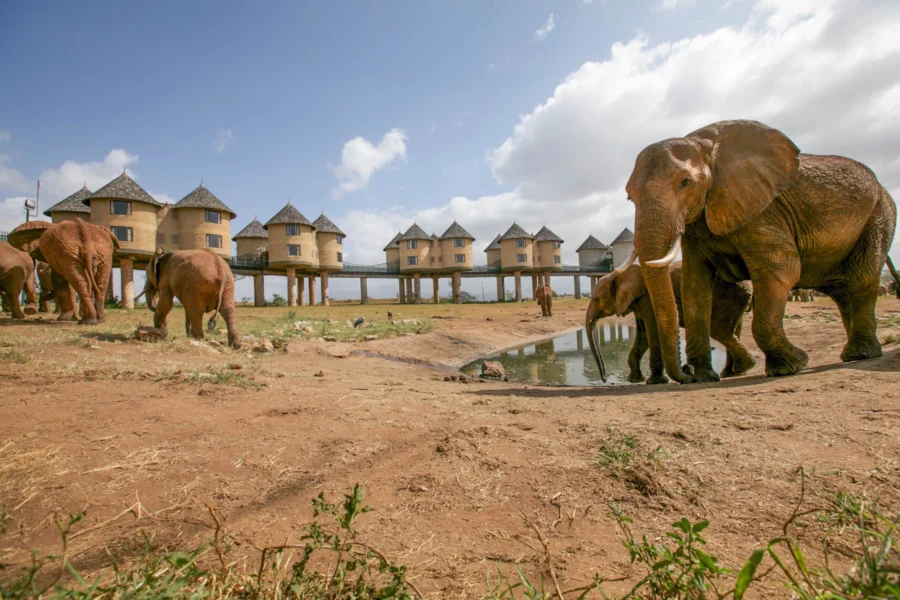
Large herds of elephants
-
African buffalo
-
Plains zebra
-
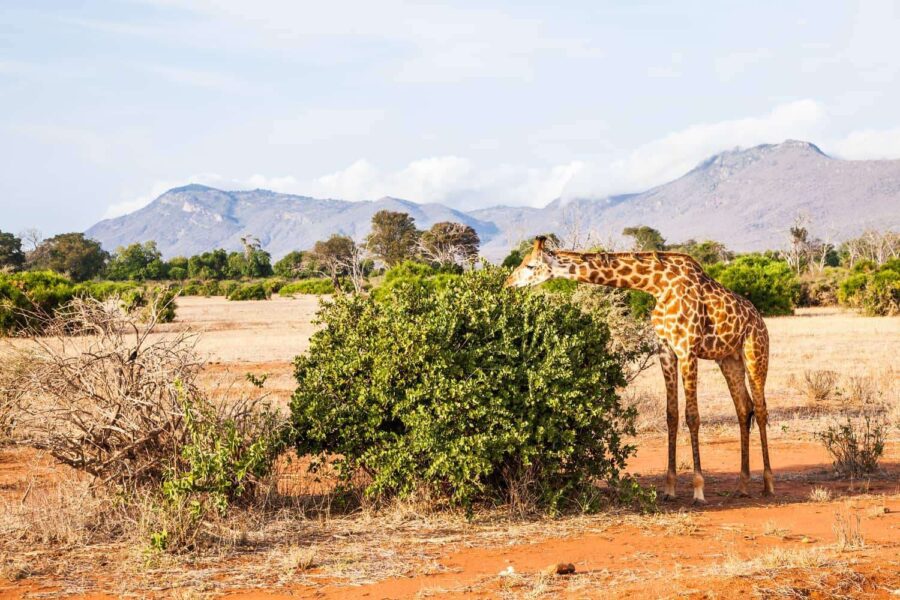
Giraffe
-
Lions, cheetahs, and leopards
-
Hippos and crocodiles along the Galana River
The park is less densely populated with wildlife than the Masai Mara, but its size and openness allow for dramatic sightings.
Birdlife
With over 500 bird species, Tsavo East is excellent for birdwatching, particularly around river systems and seasonal wetlands.
Safari Experience in Tsavo East
-
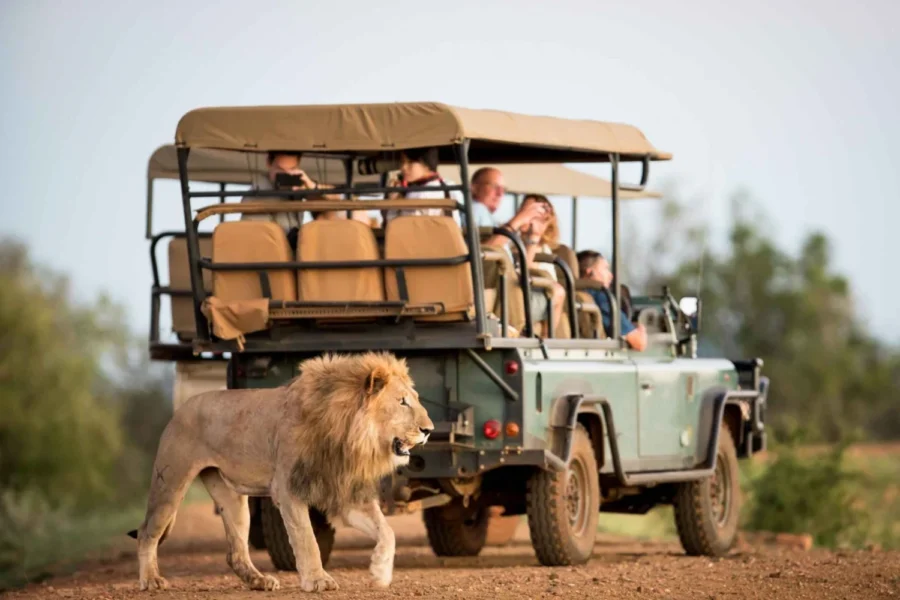
Ideal for classic game drives
-
Fewer hills mean easier driving and less motion—good for families
-
Feels remote and uncrowded
-
Best suited for travelers who enjoy wide-open wilderness
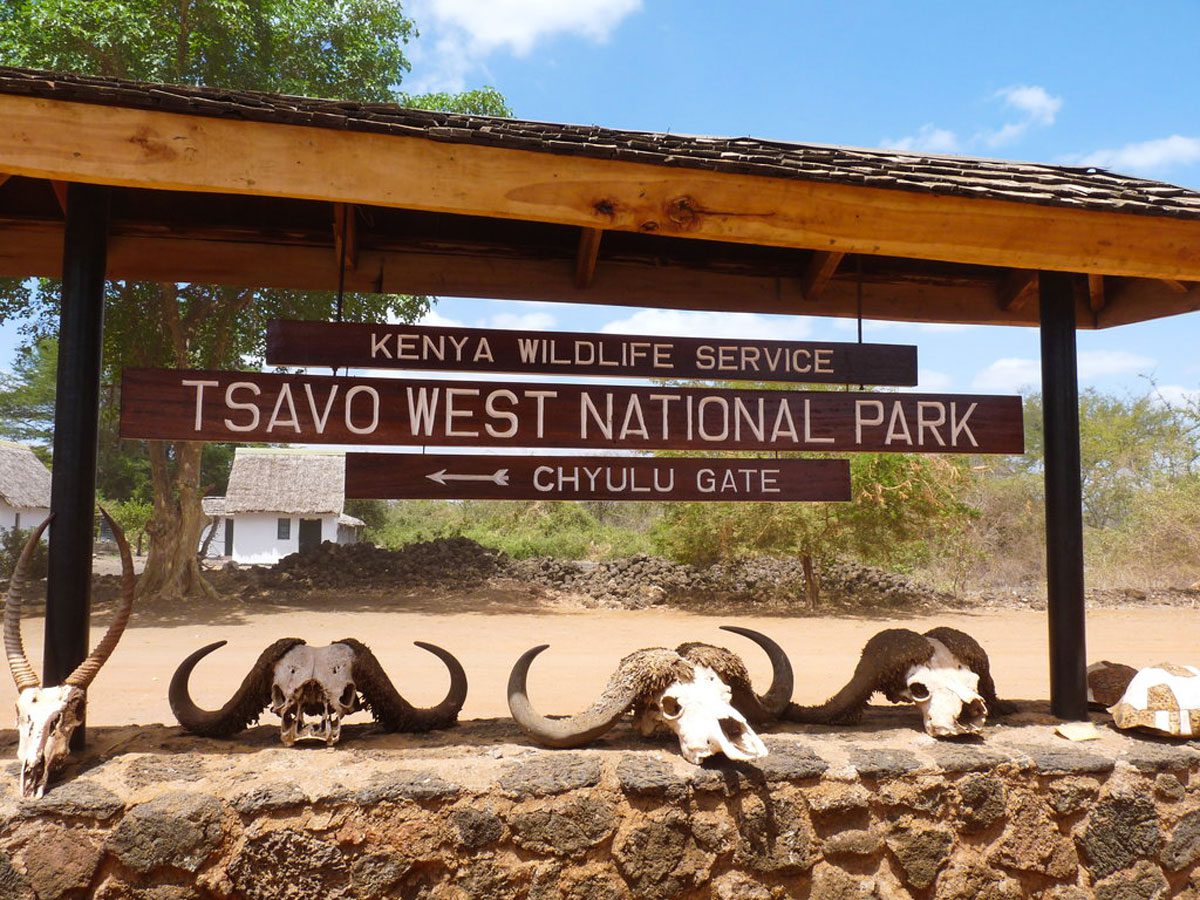
Tsavo West National Park: Scenic, Wild, and Dramatic
Landscape and Scenery
Tsavo West is considered the more scenic and diverse of the two parks.
Key features include:
-
Volcanic hills and lava flows
-
Rocky outcrops and escarpments
-
Lush springs and oases
-
Dense bush and woodlands
Iconic attractions include Mzima Springs, Shetani Lava Flows, and Chyulu Hills views.
Wildlife in Tsavo West
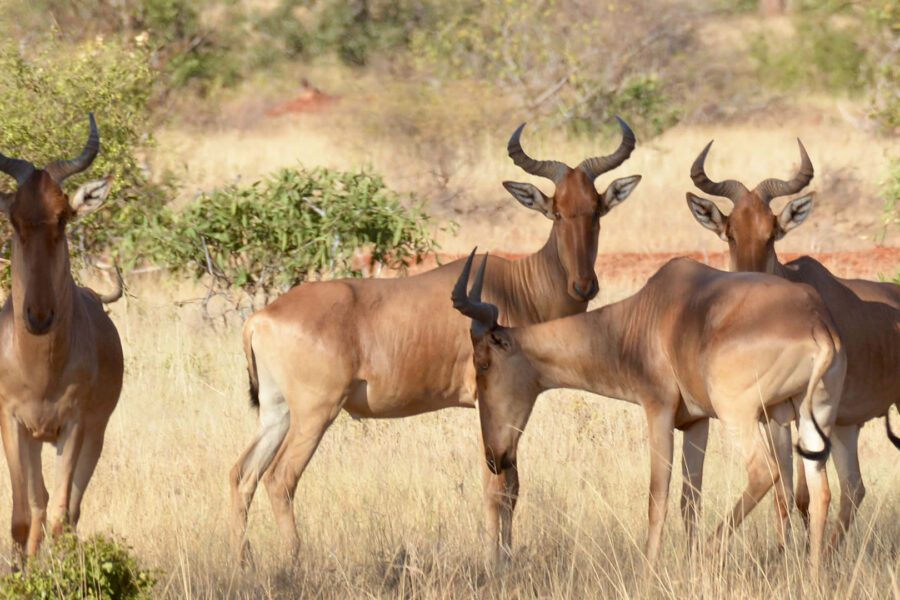
Tsavo West supports similar wildlife to Tsavo East but in denser vegetation.
Key species include:
-
Elephants
-
Black rhinoceros (a major highlight)
-
Lions and leopards
-
Buffalo
-
Hippos and crocodiles at water sources
While wildlife can be harder to spot due to thicker vegetation, sightings often feel more intimate and dramatic.
Birdlife
Tsavo West is also rich in birdlife, particularly around springs, forests, and rocky cliffs.
Safari Experience in Tsavo West
-
More varied safari activities
-
Short nature walks at certain sites
-
Scenic viewpoints and photographic opportunities
-
Ideal for travelers who value landscapes as much as wildlife
Comparing Wildlife Viewing: East vs West
Tsavo East
-
Easier wildlife spotting due to open terrain
-
Larger elephant herds
-
Better for first-time safari travelers
Tsavo West
-
More challenging but rewarding wildlife viewing
-
Stronghold for black rhinos
-
Best for experienced safari-goers and photographers
Winner for wildlife visibility: Tsavo East
Winner for rare species and diversity: Tsavo West
Comparing Landscapes and Scenery
Tsavo East
-
Wide, open, dramatic plains
-
Classic “big sky” African scenery
Tsavo West
-
Mountains, lava fields, springs, and forests
-
More varied and visually dramatic
Winner for scenery: Tsavo West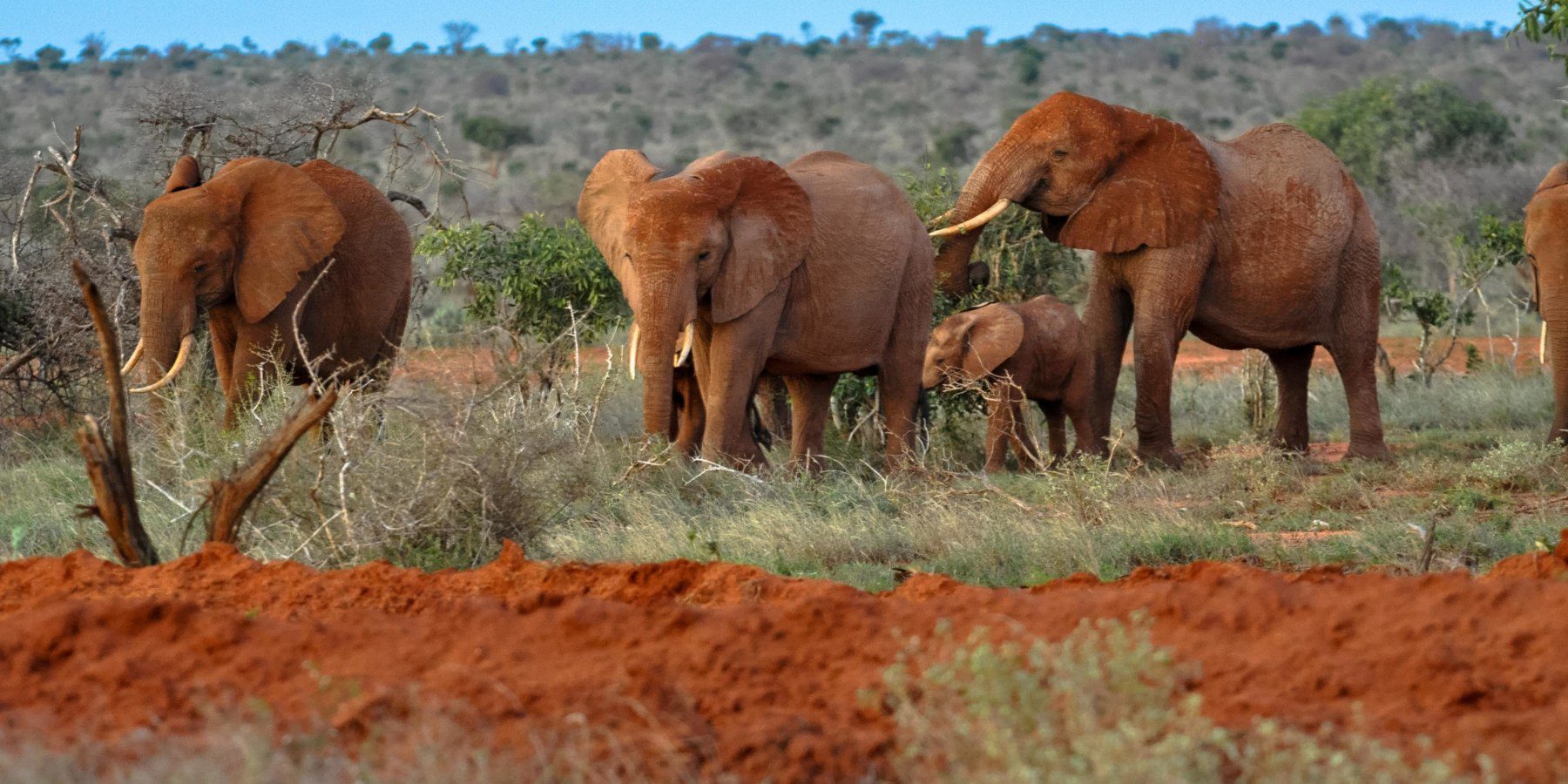
Safari Activities Compared
| Activity | Tsavo East | Tsavo West |
|---|---|---|
| Game Drives | Excellent | Excellent |
| Nature Walks | Limited | Available at select sites |
| Scenic Stops | Few | Many |
| Photography | Wildlife-focused | Landscape + wildlife |
| Birdwatching | Very good | Excellent |
Accessibility and Travel Convenience
Tsavo East
-
More accessible from Mombasa
-
Good road and rail connections
-
Ideal for short safaris
Tsavo West
-
Slightly longer driving times
-
More remote feel
-
Best for longer, immersive safaris
Winner for convenience: Tsavo East
Accommodation Options
Tsavo East Lodges
-
More lodges overall
-
Wide range of budget to mid-range options
-
Ideal for families and groups
Tsavo West Lodges
-
Fewer but more scenic lodges
-
Emphasis on eco-lodges and luxury
-
Spectacular locations near springs and hills
Best Time to Visit Tsavo National Parks
Both parks are year-round safari destinations, but seasons matter.
Dry Seasons (June–October & January–February)
-
Best wildlife viewing
-
Animals gather around water sources
Wet Seasons (March–May & November)
-
Greener landscapes
-
Fewer tourists
-
Excellent birding
Which Tsavo National Park Is Better for Different Travelers?
Choose Tsavo East if you:
-
Are a first-time safari traveler
-
Want easy wildlife viewing
-
Are traveling with family
-
Have limited time
Choose Tsavo West if you:
-
Love dramatic landscapes
-
Enjoy photography
-
Want to see black rhinos
-
Prefer quieter, more immersive safaris
Best Option: Visit Both
Many travelers choose to combine Tsavo East and Tsavo West, enjoying the strengths of each park in one safari itinerary.
Tsavo National Parks in the Context of Safari Destinations Africa
 Tsavo National Parks in the Context of Safari Destinations Africa
While parks like the Masai Mara dominate headlines, Tsavo offers something equally valuable:
-
Immense scale and wilderness
-
Fewer crowds
-
Authentic, raw safari experiences
-
Easy beach–safari combinations
Tsavo may not offer the Great Migration, but it delivers space, solitude, and a sense of true African wilderness.
Which Tsavo National Park Is the Better Safari Destination in Africa?
There is no single winner in the Tsavo East vs Tsavo West debate—because each park excels in different ways.
-
Tsavo East is better for classic game viewing, accessibility, and first-time safaris.
-
Tsavo West is better for scenery, rare wildlife, and immersive experiences.
Ultimately, the best safari destination in Africa is the one that matches your travel style, interests, and expectations. For many travelers, combining both Tsavo East and Tsavo West creates one of Kenya’s most complete and rewarding safari experiences.