Lake Naivasha National Park
Lake Naivasha National Park: Safari Destinations Africa
When travelers think of African safari destinations, images of endless savannahs, roaming lions, and dramatic predator chases often come to mind. Yet Africa’s safari experience is far more diverse than the classic big-game plains. Among the most refreshing, scenic, and versatile safari regions on the continent is Lake Naivasha, a unique wildlife haven set within Kenya’s spectacular Great Rift Valley. Although Lake Naivasha itself is not a traditional big-game park, it functions as a natural safari ecosystem closely linked with surrounding protected areas, making it one of the most accessible and rewarding safari destinations in Africa.
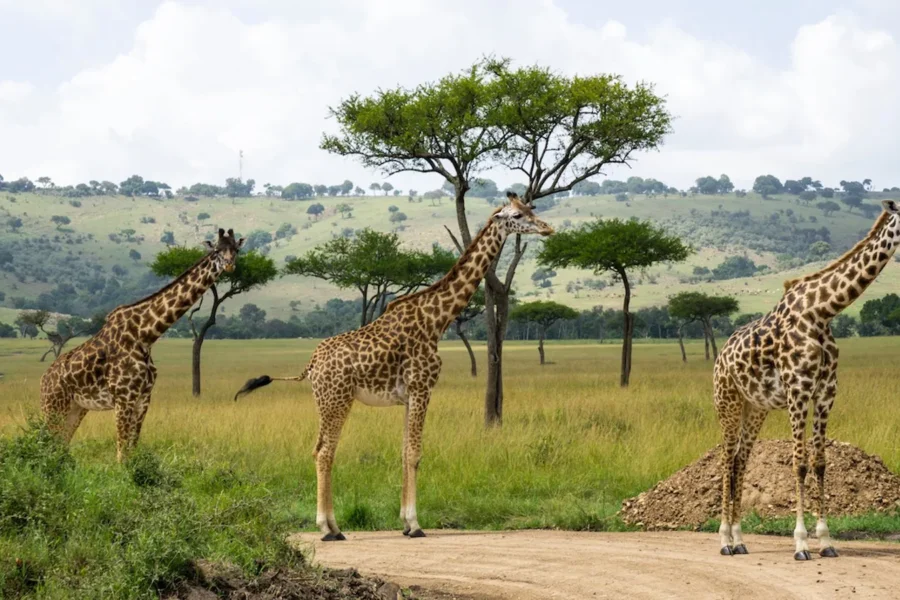
Often referred to as Lake Naivasha National Park in travel literature due to its protected wildlife environment and safari activities, Lake Naivasha offers an experience unlike any other in East Africa. Here, safaris are conducted by boat, on foot, and even by bicycle, with abundant wildlife living peacefully alongside humans. The area is famous for its hippos, giraffes, zebras, rich birdlife, volcanic landscapes, and relaxed, family-friendly atmosphere.
This detailed article explores Lake Naivasha as a safari destination in Africa, covering its location, history, landscapes, wildlife, safari experiences, nearby protected parks, accommodation, best time to visit, conservation significance, and why it plays such an important role in Kenya’s safari circuit.
Where Is Lake Naivasha Located?
Lake Naivasha is located in central Kenya, within the Great Rift Valley, approximately 90 kilometers northwest of Nairobi. The lake lies at an elevation of about 1,884 meters above sea level, making it one of the highest freshwater lakes in the Rift Valley system.
Its strategic location places it along major safari routes connecting:
-
Nairobi
-
Maasai Mara National Reserve
-
Lake Nakuru National Park
This accessibility makes Lake Naivasha an ideal short safari destination, weekend getaway, or stopover between longer safaris.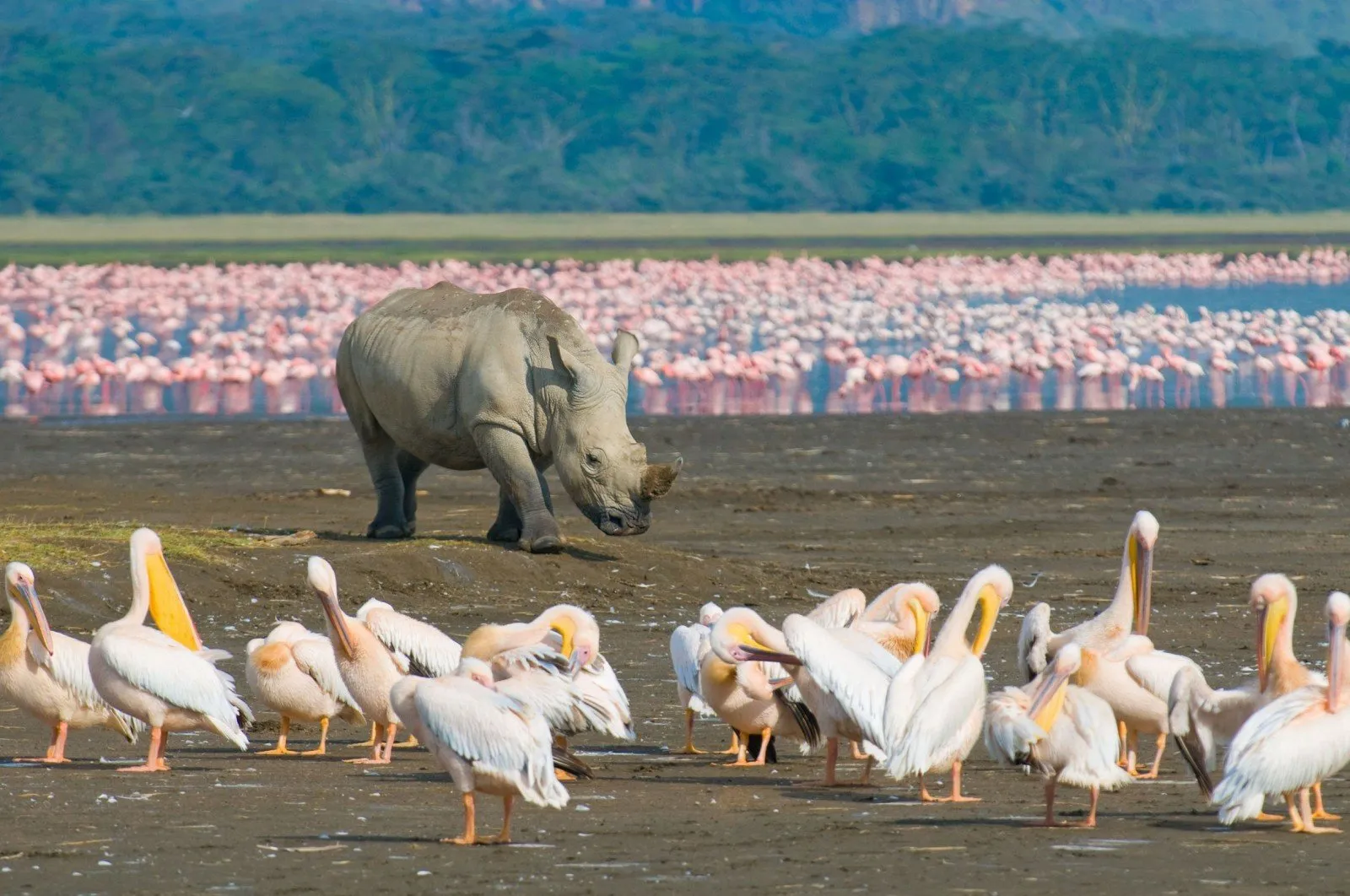
Understanding “Lake Naivasha National Park”
While Lake Naivasha is not officially gazetted as a single national park, it functions as a protected safari landscape supported by surrounding parks and sanctuaries. The term Lake Naivasha National Park is commonly used to describe the combined safari experience of the lake and nearby protected areas that allow wildlife to roam freely.
Key protected areas associated with Lake Naivasha include:
-
Hell’s Gate National Park
-
Crescent Island Game Sanctuary
-
Mount Longonot National Park
Together, these areas form one of the most diverse safari regions in Kenya.
A Brief History of Lake Naivasha
Early Human Presence
Lake Naivasha has attracted human settlement for centuries due to its reliable freshwater supply, fertile soils, and favorable climate. Indigenous Maasai communities traditionally grazed livestock around the lake while coexisting with wildlife.
The name Naivasha is derived from the Maasai word “En-aiposha”, meaning “rough water”, referring to the sudden storms that frequently sweep across the lake.
Colonial Era and Modern Development
During the colonial era, European settlers established farms around Lake Naivasha. Over time, the region developed into a major hub for floriculture and horticulture, with flower farms exporting globally.
This growth highlighted the importance of balancing economic development with environmental conservation—a challenge that continues today.
Lake Naivasha: A Unique Safari Ecosystem
A Rare Freshwater Lake
Unlike many Rift Valley lakes, which are saline or alkaline, Lake Naivasha is freshwater. This characteristic allows it to support a wide variety of plants, fish, birds, and mammals.
The lake’s size fluctuates dramatically with rainfall, sometimes expanding into surrounding grasslands and creating temporary wetlands that attract wildlife.
Habitats Around the Lake
The Lake Naivasha ecosystem includes:
-
Open grasslands
-
Acacia woodlands
-
Papyrus and reed beds
-
Riverine forests
-
Volcanic cliffs and escarpments
This diversity supports a remarkable concentration of wildlife in a relatively small area.
 Wildlife of Lake Naivasha Safari Destinations
 Wildlife of Lake Naivasha Safari Destinations
Mammals
Lake Naivasha is not a Big Five destination, but it offers abundant and approachable wildlife, ideal for relaxed safaris.
Commonly seen mammals include:
-
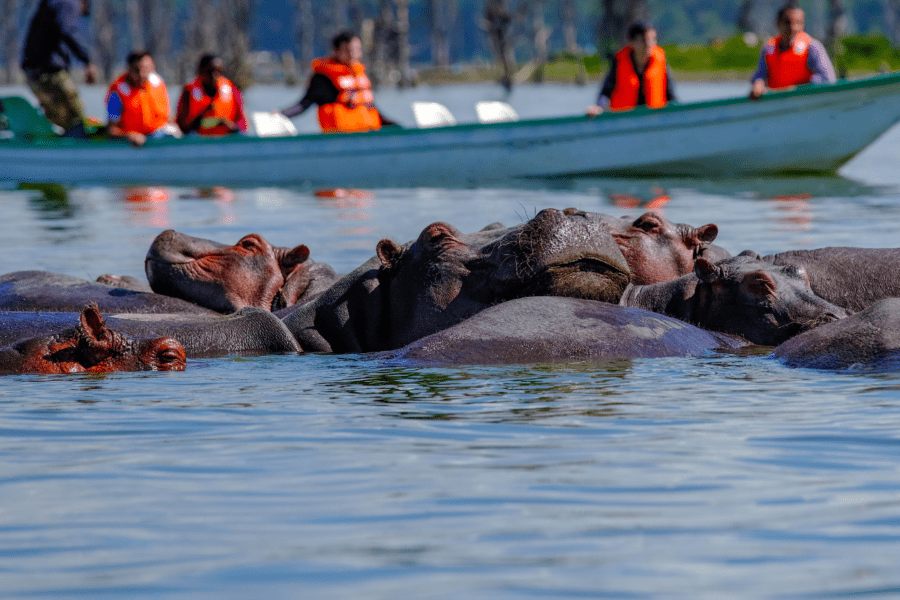
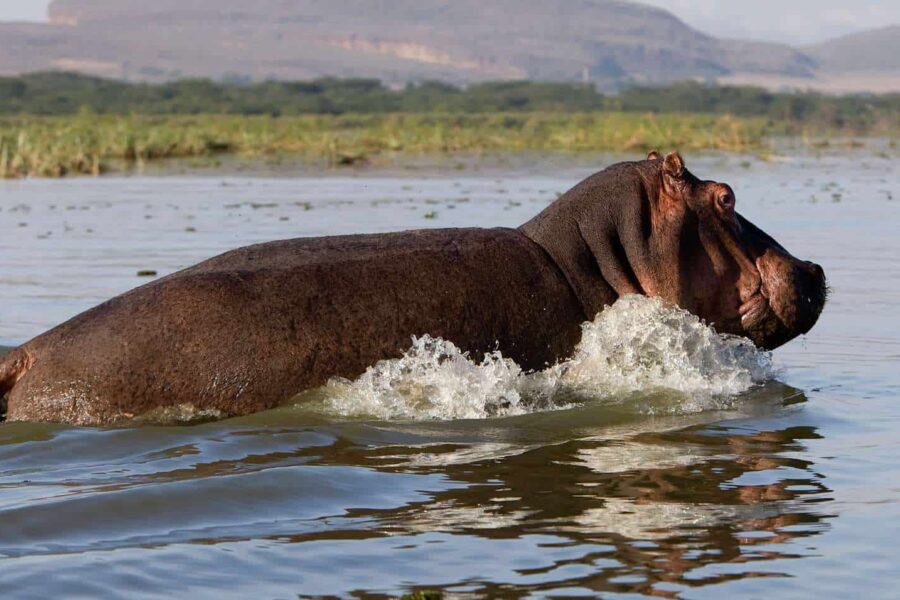
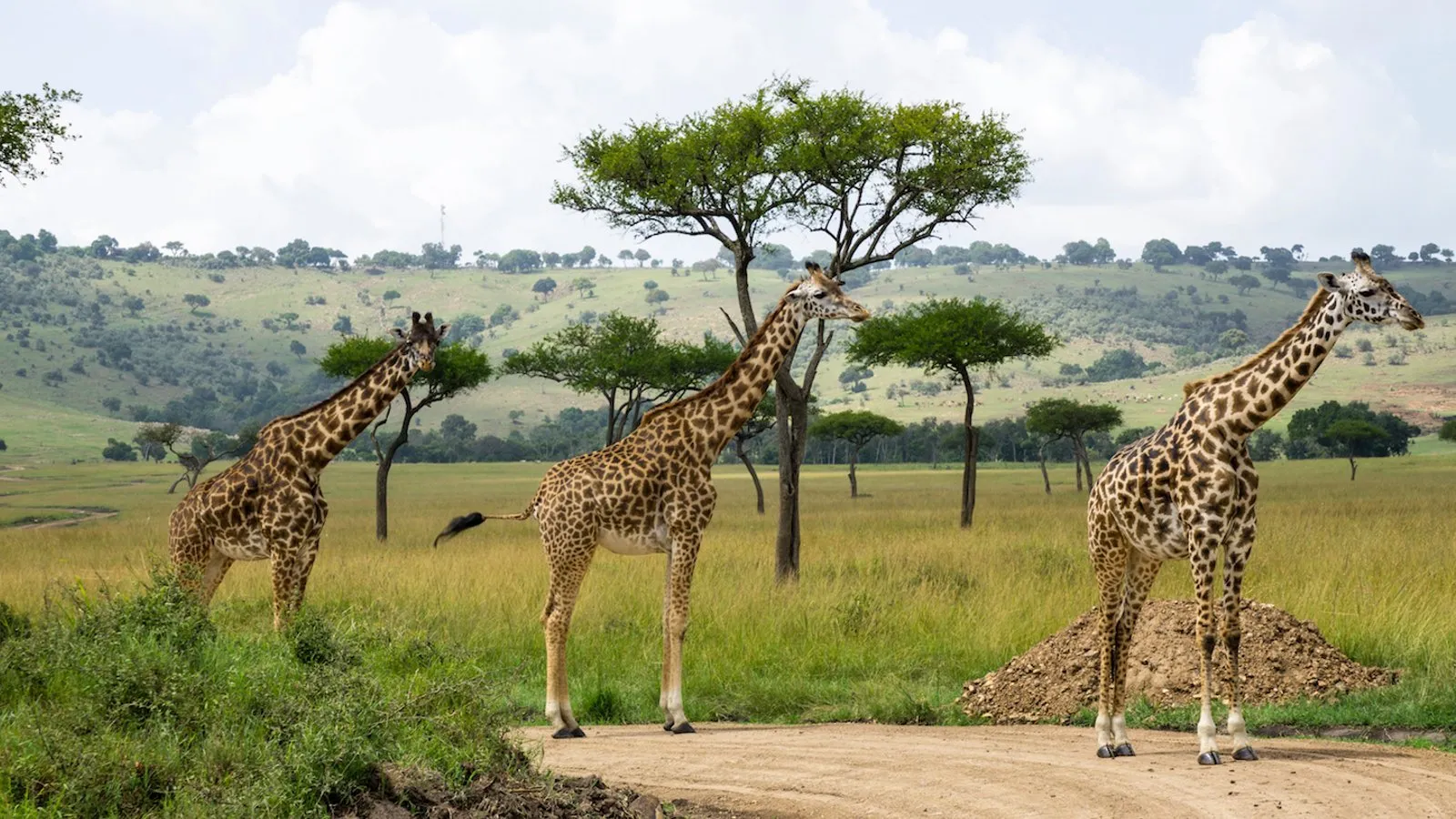
Hippopotamus – one of the lake’s defining species
-
Masai giraffe
-
Plains zebra
-
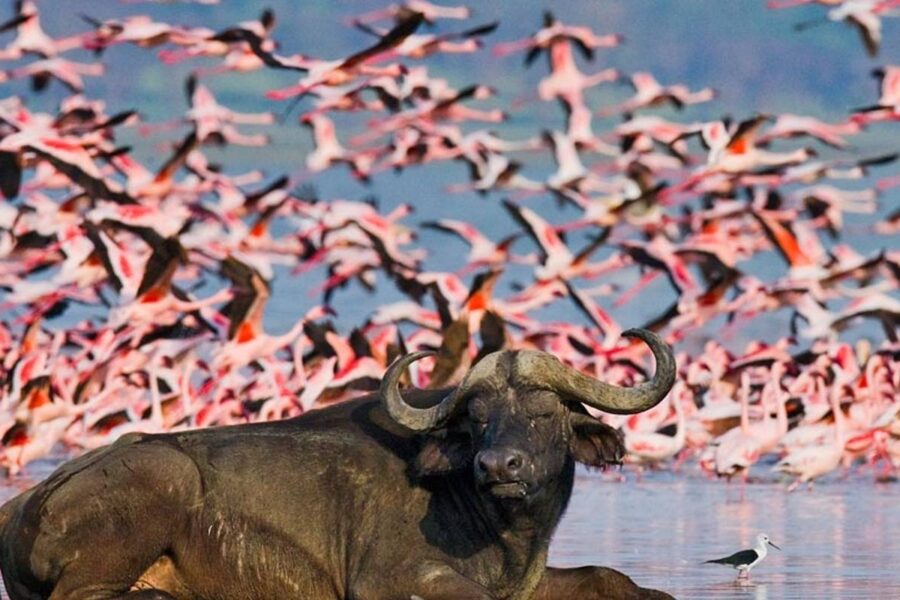
African buffalo
-
Blue wildebeest
-
Waterbuck
-
Impala
-
Vervet monkeys and colobus monkeys
The absence of large predators within most lake areas allows for walking and cycling safaris, making the experience unique in Africa.
Birdlife: A Global Birding Hotspot
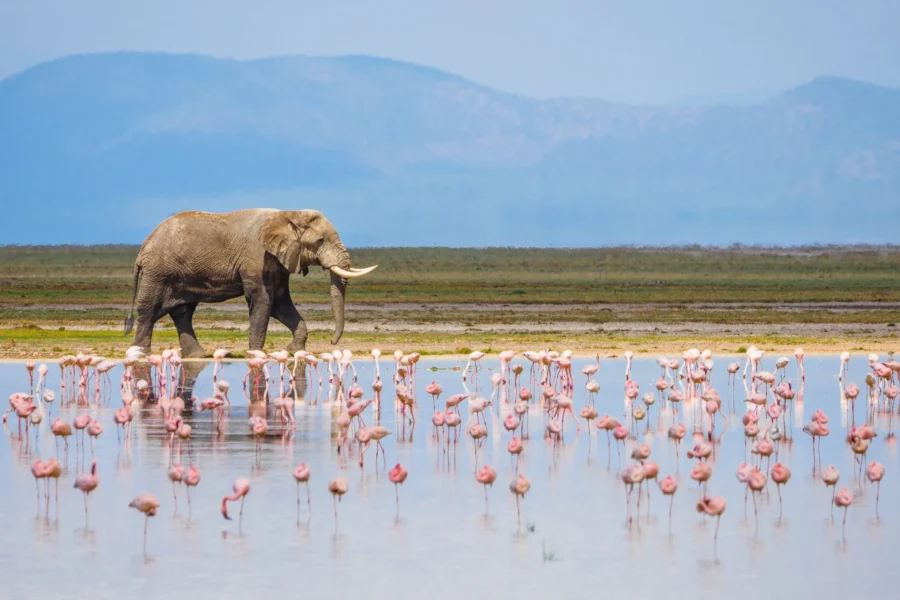
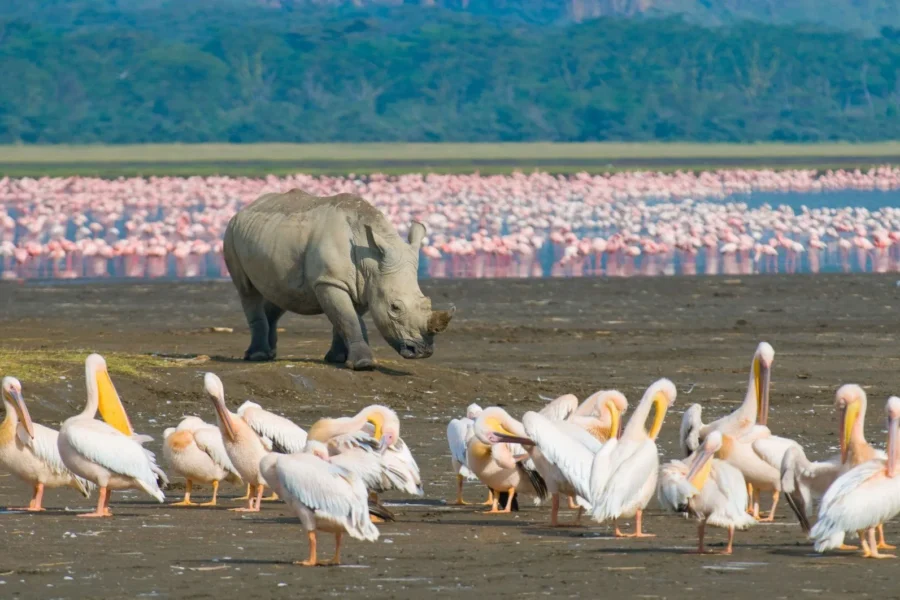
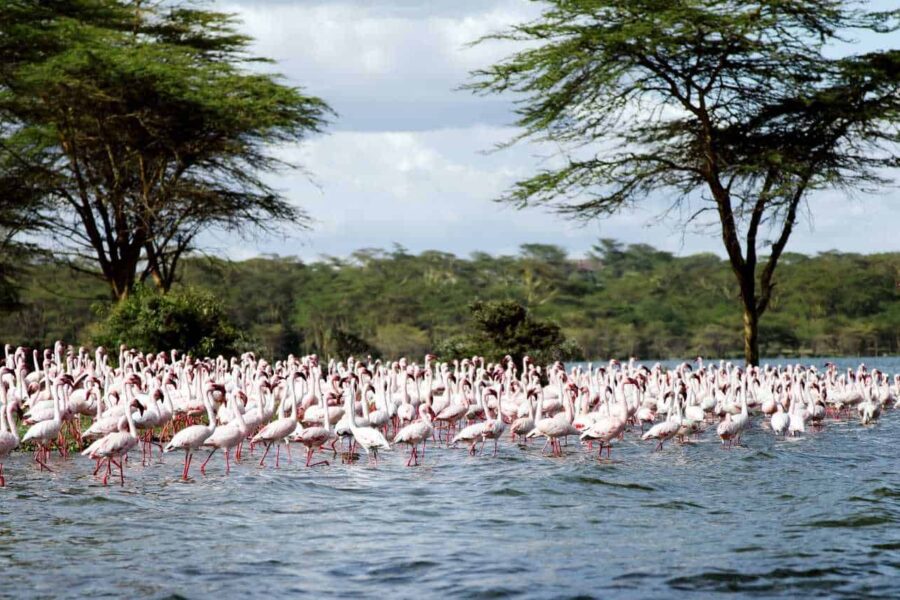
Lake Naivasha is internationally recognized as one of Africa’s premier birdwatching destinations, with over 400 recorded bird species.
Iconic Bird Species
-
African fish eagle
-
Great white pelican
-
Goliath heron
-
Grey heron
-
Sacred ibis
-
Cormorants
-
Kingfishers
-
Jacanas
-
Ospreys and migratory raptors
Birdlife is present year-round, making Lake Naivasha a paradise for both amateur and experienced birders.
Safari Experiences at Lake Naivasha National Park
Boat Safaris
Boat safaris are the signature experience at Lake Naivasha. From the water, visitors can observe:
-
Hippos surfacing nearby
-
Birds fishing and nesting
-
Giraffes and buffalo grazing along the shore
Boat safaris are peaceful, scenic, and suitable for all ages.
Walking Safaris
Lake Naivasha is one of the few safari destinations in Africa where walking among large wildlife is possible.
Crescent Island Walking Safaris
Crescent Island Game Sanctuary offers guided and self-guided walking safaris among giraffes, zebras, wildebeest, and antelope—without predators.
Cycling Safaris
In Hell’s Gate National Park, visitors can cycle alongside zebras, giraffes, and buffalo, creating one of Africa’s most adventurous and family-friendly safari experiences.
Nature Photography
The lake’s light, reflections, wildlife density, and dramatic escarpments make it a favorite destination for nature and landscape photographers.
Hell’s Gate National Park: The Adventure Extension
Overview
Located just south of Lake Naivasha, Hell’s Gate National Park is often considered part of the Lake Naivasha safari experience.
Landscape and Features
-
Towering volcanic cliffs
-
Narrow gorges
-
Geothermal steam vents
-
Lava flows
The park famously inspired the landscapes of The Lion King.
Wildlife in Hell’s Gate
-
Giraffes
-
Zebras
-
Buffalo
-
Warthogs
-
Antelope species
Large predators are absent, allowing visitors to explore on foot and by bicycle.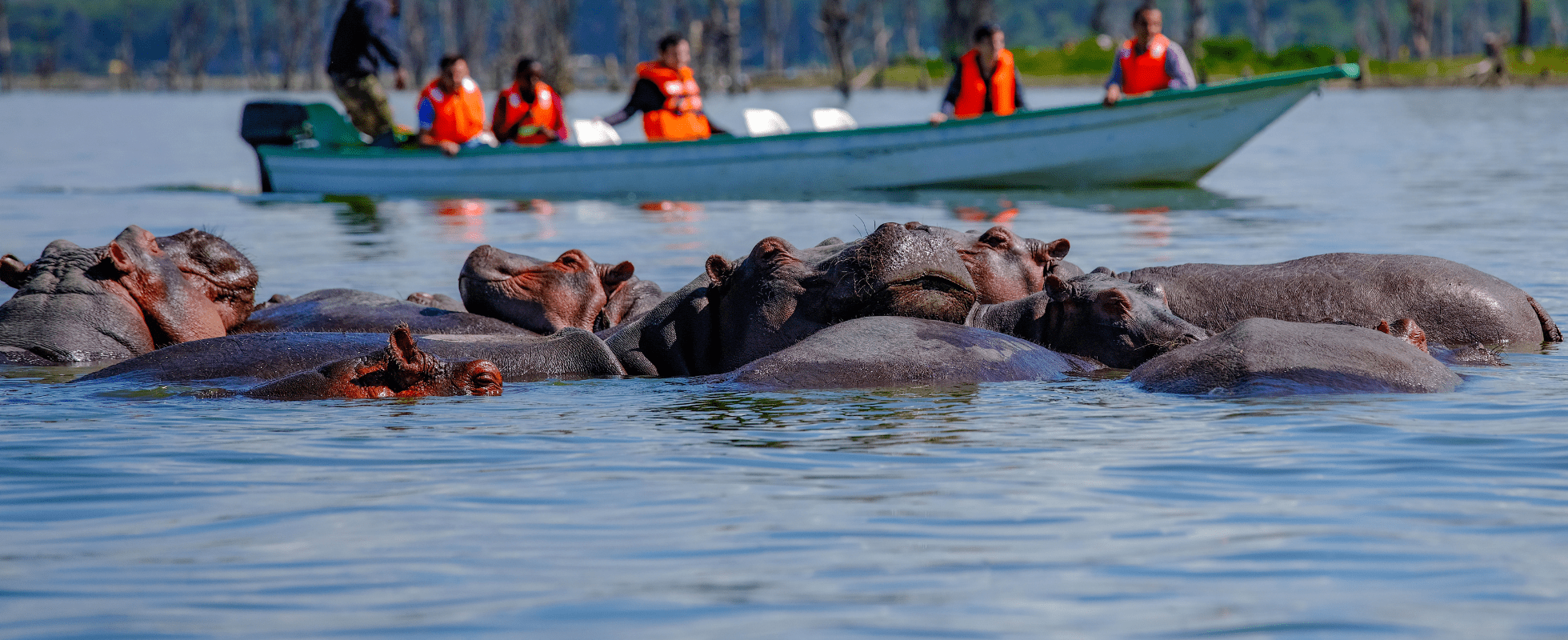
Mount Longonot National Park: Scenic Hiking Safari
Overview
Mount Longonot, a dormant volcano, rises dramatically near Lake Naivasha.
Activities
-
Hiking to the crater rim
-
Walking around the crater
-
Panoramic views of the Rift Valley
Wildlife roams the lower slopes, blending hiking and safari into a single experience.
Accommodation Around Lake Naivasha National Park
Luxury Lodges
Luxury properties offer:
-
Lakeside settings
-
Spacious rooms or cottages
-
Fine dining
-
Guided safari activities
Mid-Range Lodges
Mid-range lodges provide comfort, excellent service, and convenient access to safari activities.
Budget Options
Campsites and budget lodges make Lake Naivasha one of the most affordable safari destinations in Kenya.
Best Time to Visit Lake Naivasha National Park
Lake Naivasha is a year-round safari destination, but seasonal differences affect experiences.
Dry Seasons (June–October & January–February)
-
Best wildlife visibility
-
Pleasant temperatures
-
Ideal for walking and cycling safaris
Wet Seasons (March–May & November)
-
Lush green landscapes
-
Peak birding season
-
Fewer tourists
Birdwatchers often prefer the wet seasons, while general safari travelers favor the dry months.
Conservation and Environmental Challenges
Key Challenges
Lake Naivasha faces environmental pressures such as:
-
Water extraction
-
Agricultural runoff
-
Invasive plant species
-
Climate variability
Conservation Efforts
Conservation initiatives focus on:
-
Wetland restoration
-
Sustainable water use
-
Wildlife protection
-
Community engagement
Eco-tourism plays a vital role in funding conservation and raising awareness.
Lake Naivasha National Park in the Context of Safari Destinations Africa
Compared to classic safari parks like Maasai Mara or Amboseli, Lake Naivasha offers:
-
Non-predator-focused safaris
-
Walking, cycling, and boating experiences
-
Exceptional birdlife
-
Relaxed, scenic atmosphere
-
Easy access from Nairobi
It is best viewed as a complementary safari destination, adding diversity and depth to a Kenyan safari itinerary.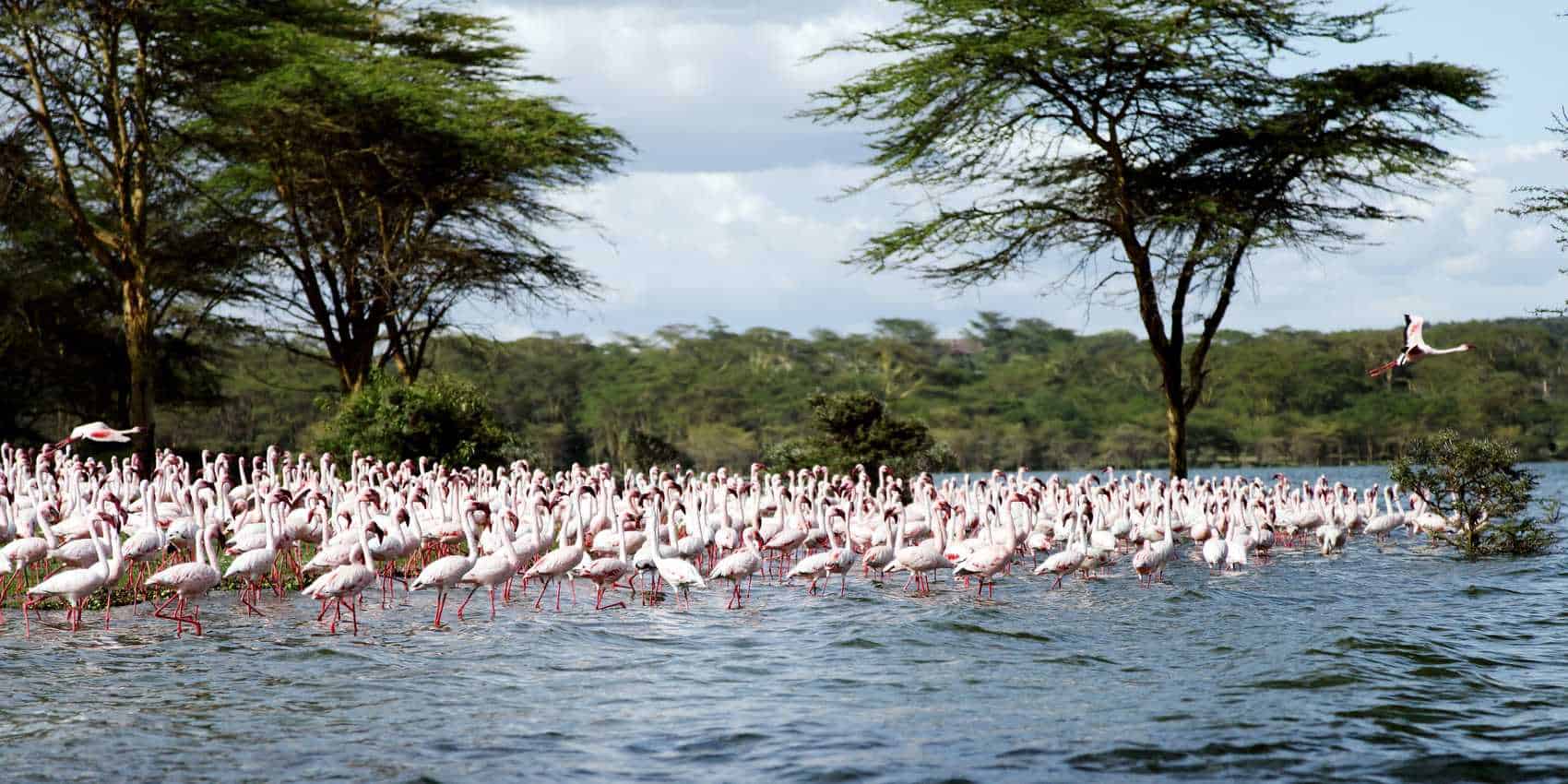
Who Should Visit Lake Naivasha National Park?
Lake Naivasha is ideal for:
-
Families with children
-
First-time safari travelers
-
Birdwatchers
-
Photographers
-
Active travelers
-
Travelers with limited time
Why Lake Naivasha National Park Is a Unique Safari Destination in Africa
Lake Naivasha National Park offers a safari experience that is gentle, scenic, and deeply immersive. From gliding past hippos on a boat safari to walking beside giraffes, cycling through wildlife, and watching birds soar over volcanic cliffs, Lake Naivasha showcases a side of Africa that is peaceful, accessible, and profoundly beautiful.
As one of the most versatile and approachable safari destinations in Africa, Lake Naivasha stands out for its diversity, sustainability, and unforgettable wildlife encounters. For travelers seeking a safari beyond the traditional savannah, Lake Naivasha is an essential destination.