Virunga National Park


Virunga National Park: Primate Destination in Africa
Virunga National Park stands as one of Africa’s most extraordinary conservation landscapes, a place where ancient volcanoes, mist-covered forests, vast savannahs, and rich wetlands converge to create an ecological masterpiece. Located in the eastern Democratic Republic of Congo (DRC), along the borders of Uganda and Rwanda, Virunga is not only Africa’s oldest national park but also one of its most biologically diverse. For travelers, researchers, and conservationists alike, Virunga National Park is globally celebrated as a premier primates destination in Africa, offering rare encounters with mountain gorillas, chimpanzees, and several other primate species in their natural habitats.
More than just a wildlife sanctuary, Virunga is a living testament to resilience—of nature, of conservation, and of the dedicated rangers who protect it under challenging circumstances. This article provides an in-depth exploration of Virunga National Park, focusing on its primates, ecosystems, conservation importance, tourism experiences, and why it deserves recognition as a leading primates destination on the African continent.
Overview and Historical Background
Virunga National Park was established in 1925, making it Africa’s oldest national park. Initially created to protect mountain gorillas, the park has since expanded its mission to safeguard one of the most complex and species-rich ecosystems on Earth. It covers an area of approximately 7,800 square kilometers, stretching from the Rwenzori Mountains in the north to the Virunga Massif of volcanoes in the south.
The park is a UNESCO World Heritage Site, recognized for its outstanding universal value. Despite decades of political instability and armed conflict in eastern Congo, Virunga has endured as a symbol of conservation success under extreme pressure.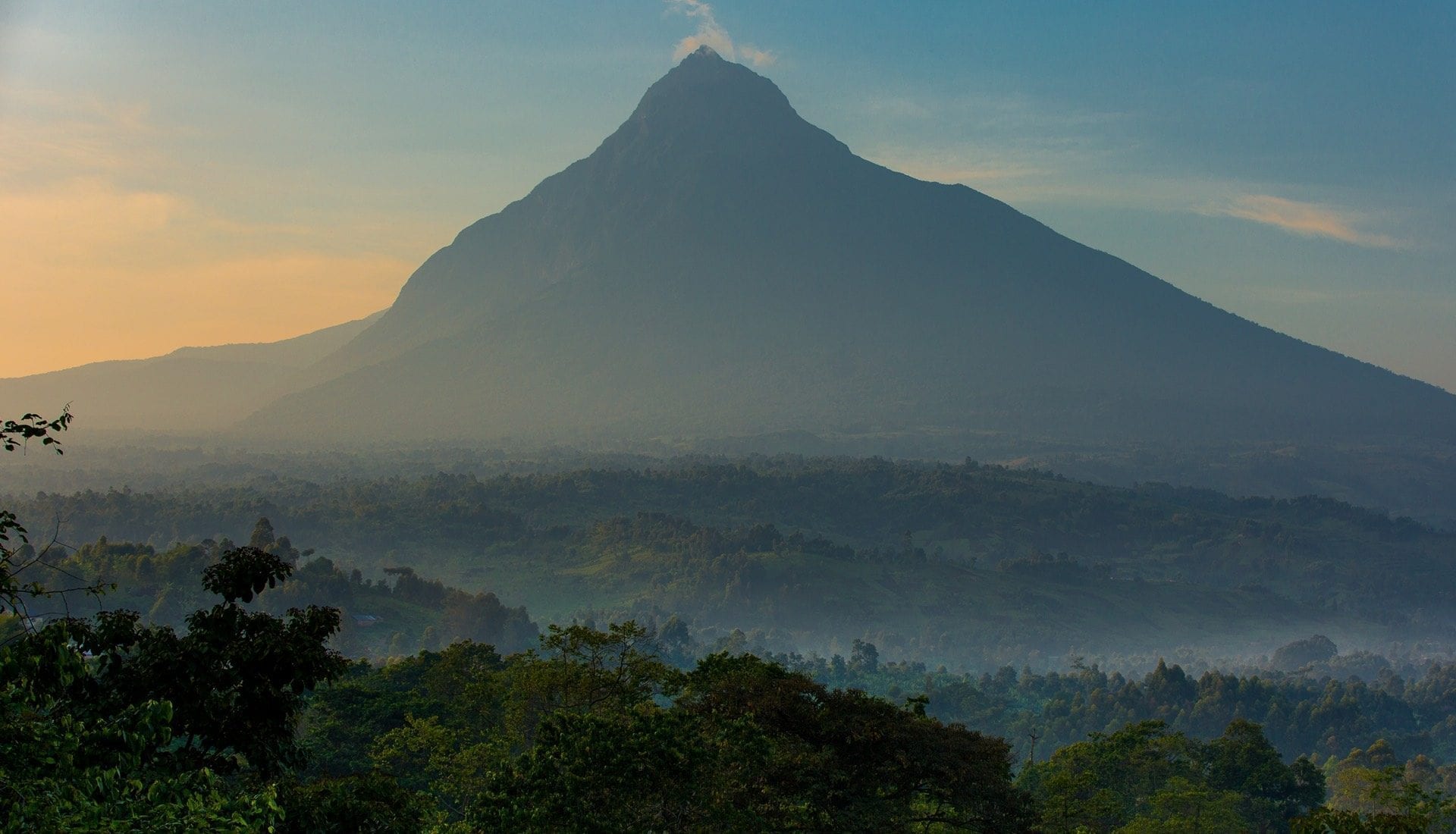
Geographical Setting and Landscapes
Virunga National Park is geographically dramatic and ecologically diverse, encompassing an extraordinary range of landscapes rarely found within a single protected area.
The Virunga Volcanoes
The southern sector of the park is dominated by the Virunga Massif, a chain of eight volcanoes shared by Congo, Rwanda, and Uganda. Among them is Mount Nyiragongo, one of the world’s most active volcanoes, famous for its persistent lava lake. The volcanic slopes are cloaked in dense montane forests that form prime habitat for mountain gorillas.
Lowland Forests
The central and northern parts of Virunga are characterized by vast lowland tropical rainforests. These forests support chimpanzees and numerous other primates, as well as forest elephants, okapi (in nearby ecosystems), and an immense variety of birdlife.
Savannahs and Wetlands
Northern Virunga transitions into savannah plains and wetlands around Lake Edward and the Semliki River. These areas are home to hippos, crocodiles, antelopes, lions, and a rich aquatic ecosystem.
This diversity of habitats is a key reason why Virunga is such an important stronghold for primates.
Why Virunga is a Premier Primates Destination in Africa
Africa is renowned for its primates, but Virunga National Park holds a special place due to the variety, rarity, and conservation significance of the primate species found here.
1. Mountain Gorillas: The Flagship Species
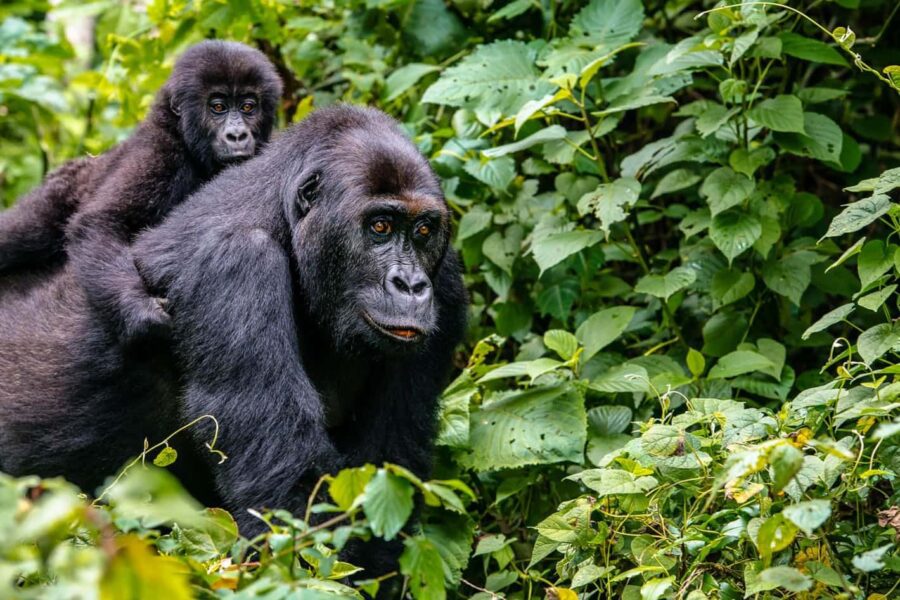
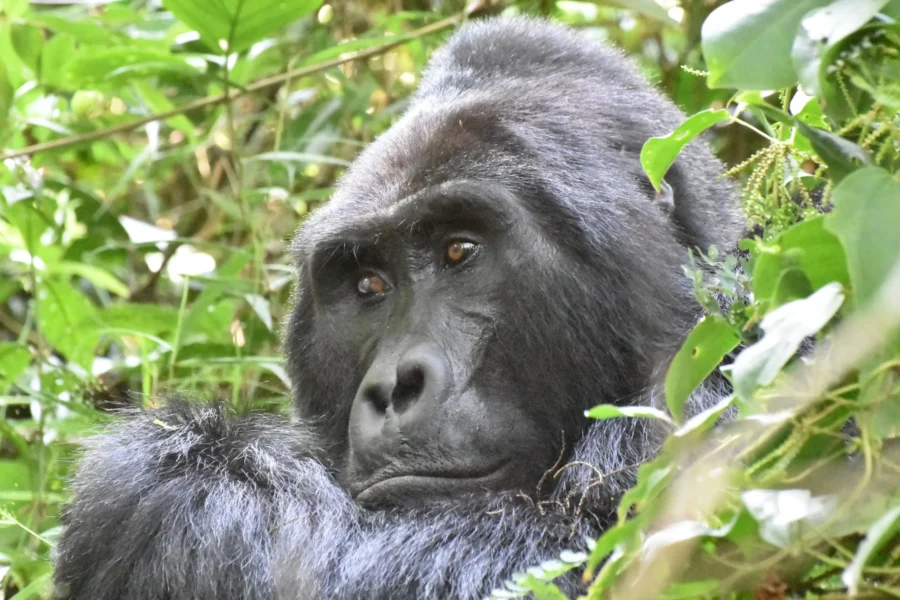
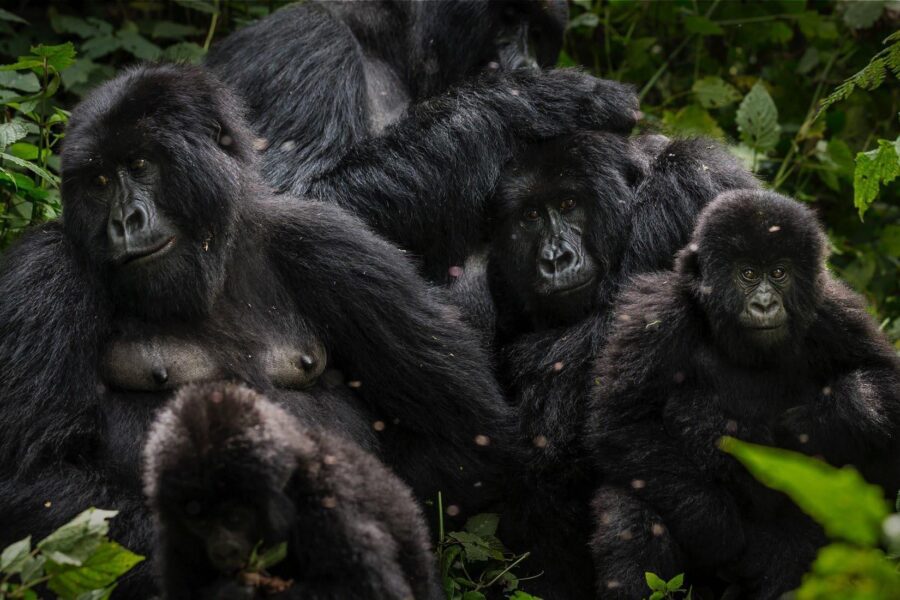
Virunga National Park is one of the last remaining habitats of the endangered mountain gorilla (Gorilla beringei beringei). These great apes exist only in two isolated populations worldwide: the Virunga Massif and Bwindi Impenetrable Forest in Uganda.
Gorilla Tracking Experience
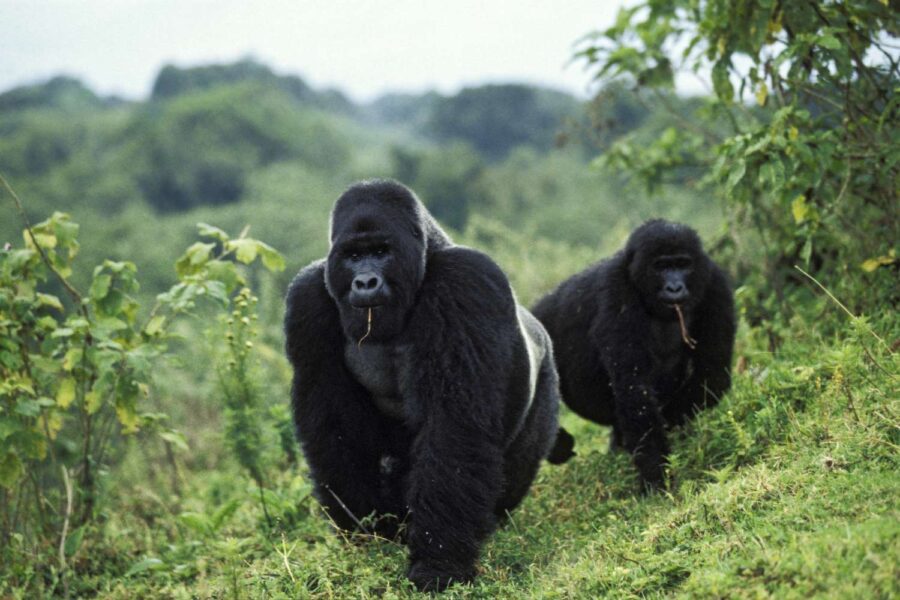
Gorilla trekking in Virunga offers a deeply immersive and emotional wildlife experience. Small groups of visitors hike through dense forest and rugged terrain, guided by expert trackers, to spend up to one hour observing a habituated gorilla family.
Encounters often include:
-
Dominant silverbacks guarding their families
-
Mothers nurturing infants
-
Juveniles play-fighting and swinging through vegetation
Compared to some neighboring destinations, Virunga offers a more exclusive and less crowded gorilla trekking experience, making it particularly appealing to travelers seeking authenticity.
 2. Chimpanzees: The Intelligent Cousins
 2. Chimpanzees: The Intelligent Cousins
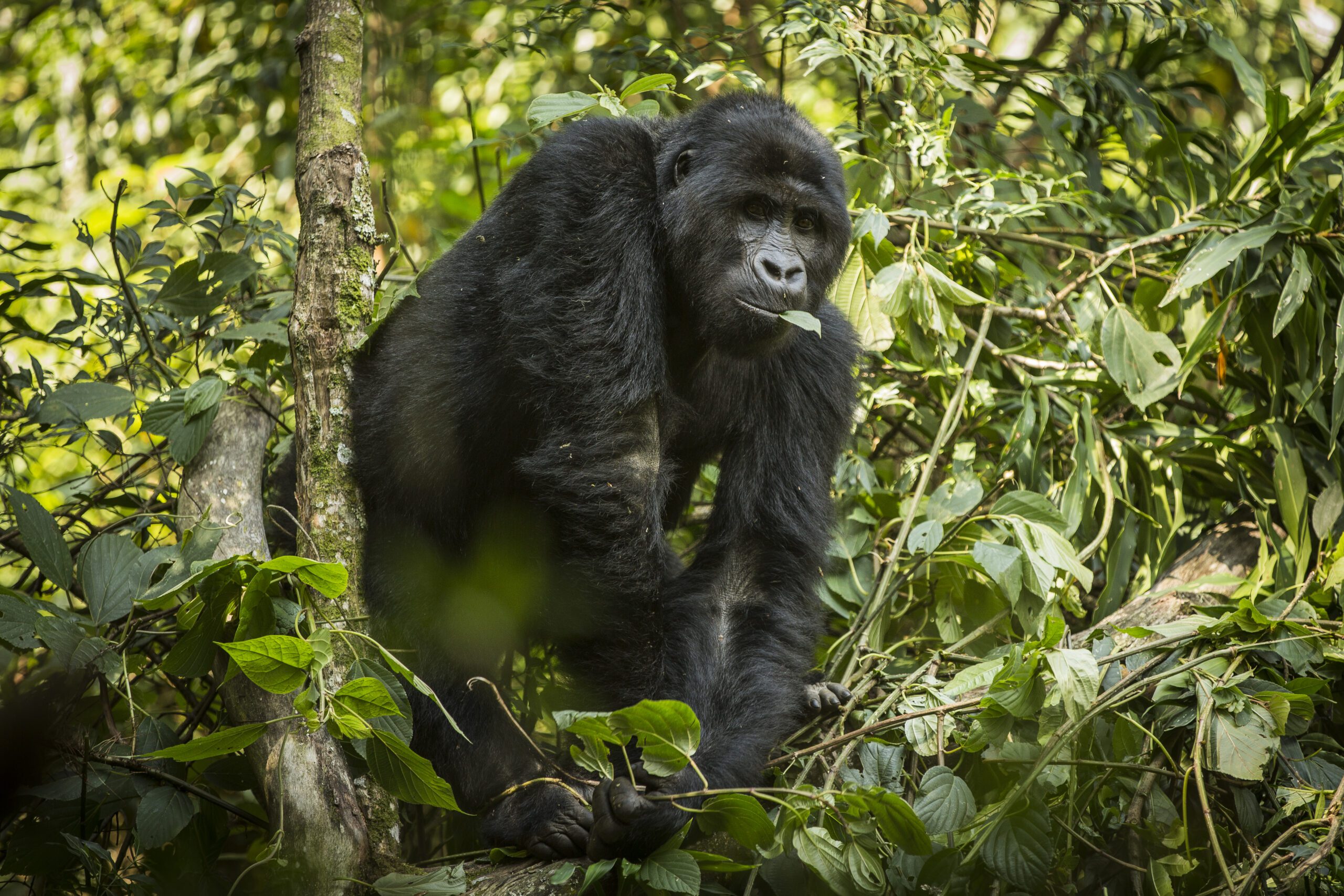
Chimpanzees (Pan troglodytes) inhabit the lowland forests of Virunga National Park, especially in areas bordering the Tongo sector and central forests.
Chimpanzees are known for:
-
Complex social structures
-
Tool use
-
Vocal communication
-
Remarkable intelligence
While chimpanzee trekking in Virunga is less developed than in some East African parks, ongoing conservation and research initiatives are increasing opportunities for controlled primate observation and scientific study.
3. Other Primate Species
Beyond gorillas and chimpanzees, Virunga National Park hosts a diverse assemblage of primates, including:
-
Golden monkeys (in higher altitude zones)
-
Blue monkeys
-
L’Hoest’s monkeys
-
Black-and-white colobus monkeys
-
Olive baboons
This diversity makes Virunga not just a gorilla destination, but a comprehensive primate conservation landscape.
Biodiversity Beyond Primates
While primates are the park’s star attraction, Virunga supports an astonishing range of wildlife.
Mammals
Virunga is home to over 200 mammal species, including:
-
African forest and savannah elephants
-
Hippopotamuses (once among the largest populations in Africa)
-
Lions and leopards
-
Buffaloes
-
Various antelope species
Birdlife
With more than 700 recorded bird species, Virunga is a paradise for birdwatchers. The park’s altitudinal range creates habitats for both lowland and montane species, including endemic Albertine Rift birds.
Flora
Virunga’s plant diversity is equally impressive, ranging from alpine vegetation in the Rwenzori Mountains to dense equatorial rainforest and papyrus swamps.
Conservation Significance and Challenges
Virunga National Park plays a critical role in global conservation, particularly for primates and large mammals. However, it also faces some of the most severe challenges of any protected area in the world.
Key Threats
-
Armed conflict and militia activity
-
Poaching and illegal wildlife trade
-
Charcoal production and deforestation
-
Oil exploration pressures
-
Human encroachment
The Role of Park Rangers
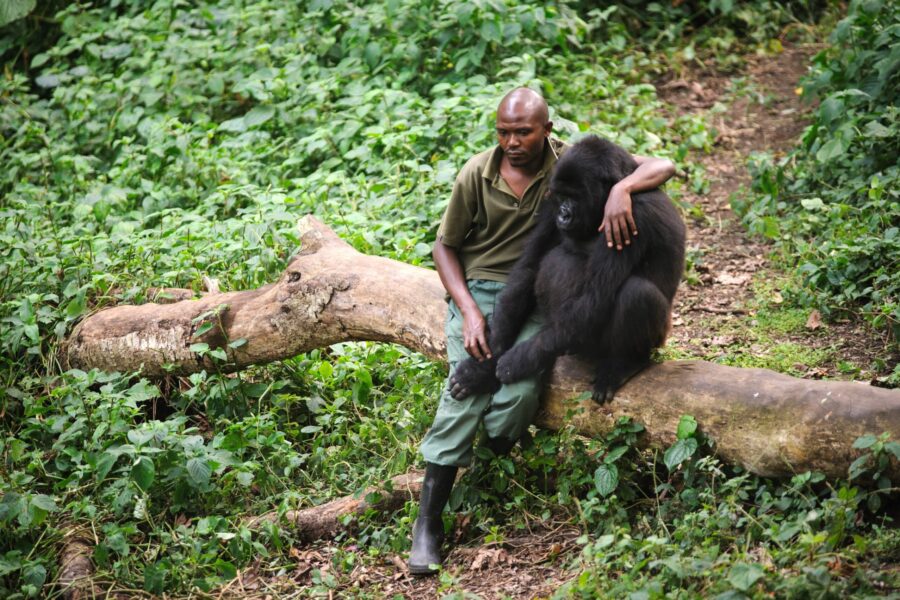
Virunga’s rangers are internationally respected for their bravery and dedication. Hundreds of rangers have lost their lives protecting the park, making Virunga one of the most dangerous conservation areas to work in.
Community-Based Conservation
The park authority has invested heavily in community development, including:
-
Renewable energy projects
-
Employment opportunities
-
Education and healthcare support
These initiatives help reduce reliance on natural resource exploitation and foster local support for conservation.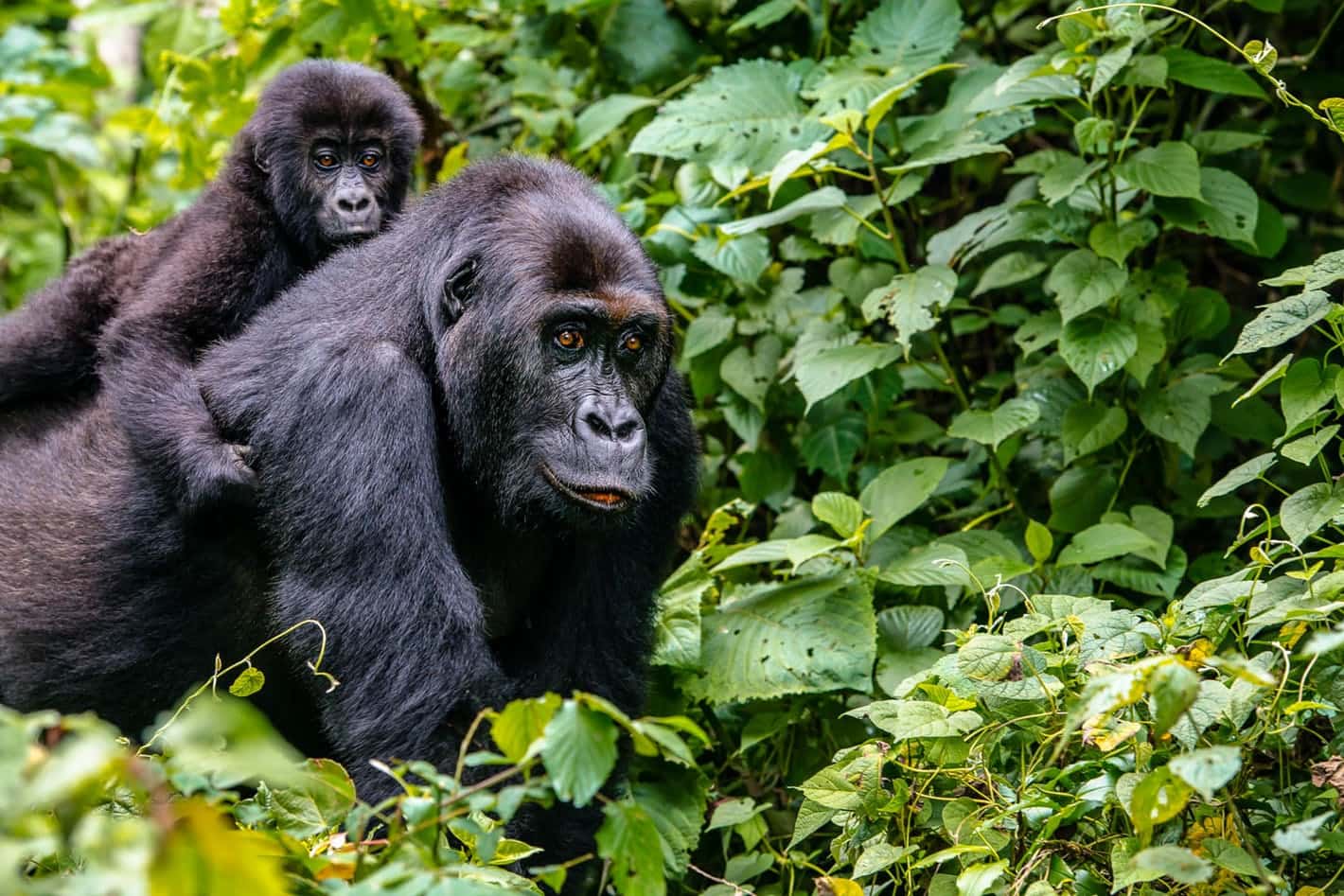
Tourism in Virunga National Park
Tourism is a vital component of Virunga’s conservation strategy, generating revenue that directly supports park protection and community projects.
Key Tourist Activities
-
Gorilla trekking
-
Chimpanzee tracking (limited and developing)
-
Mount Nyiragongo hike (overnight lava lake experience)
-
Nature walks and birdwatching
-
Boat safaris on Lake Edward
Accommodation
Virunga offers eco-friendly, high-quality lodges, including:
-
Mikeno Lodge (near gorilla trekking areas)
-
Tchegera Island Camp (on Lake Kivu)
-
Bukima Tented Camp
These lodges emphasize sustainability while providing comfort in remote wilderness settings.
Best Time to Visit Virunga National Park
Virunga National Park can be visited year-round, but certain seasons are more favorable.
Dry Seasons
These months offer better hiking conditions for gorilla trekking and volcano climbs.
Wet Seasons
Rain can make trails muddy and challenging, but the forest is lush, and tourist numbers are lower.
Safety and Travel Considerations
Virunga National Park has historically been affected by regional insecurity. However, tourism operations are carefully managed, and access is only permitted when conditions are deemed safe.
-
Visitors must book through official park channels
-
Ranger escorts are mandatory
-
Security protocols are strictly enforced
Travelers are advised to stay informed and follow park authority guidance at all times.
Virunga in the Context of African Primate Tourism
When compared to other primate destinations in Africa—such as Bwindi Impenetrable National Park (Uganda), Volcanoes National Park (Rwanda), and Kibale Forest (Uganda)—Virunga stands out for its:
-
Exceptional ecological diversity
-
Lower tourist density
-
Combination of primate trekking and dramatic volcanic landscapes
-
Profound conservation narrative
Virunga is not just a place to see primates; it is a place to understand the fragile balance between humanity and nature.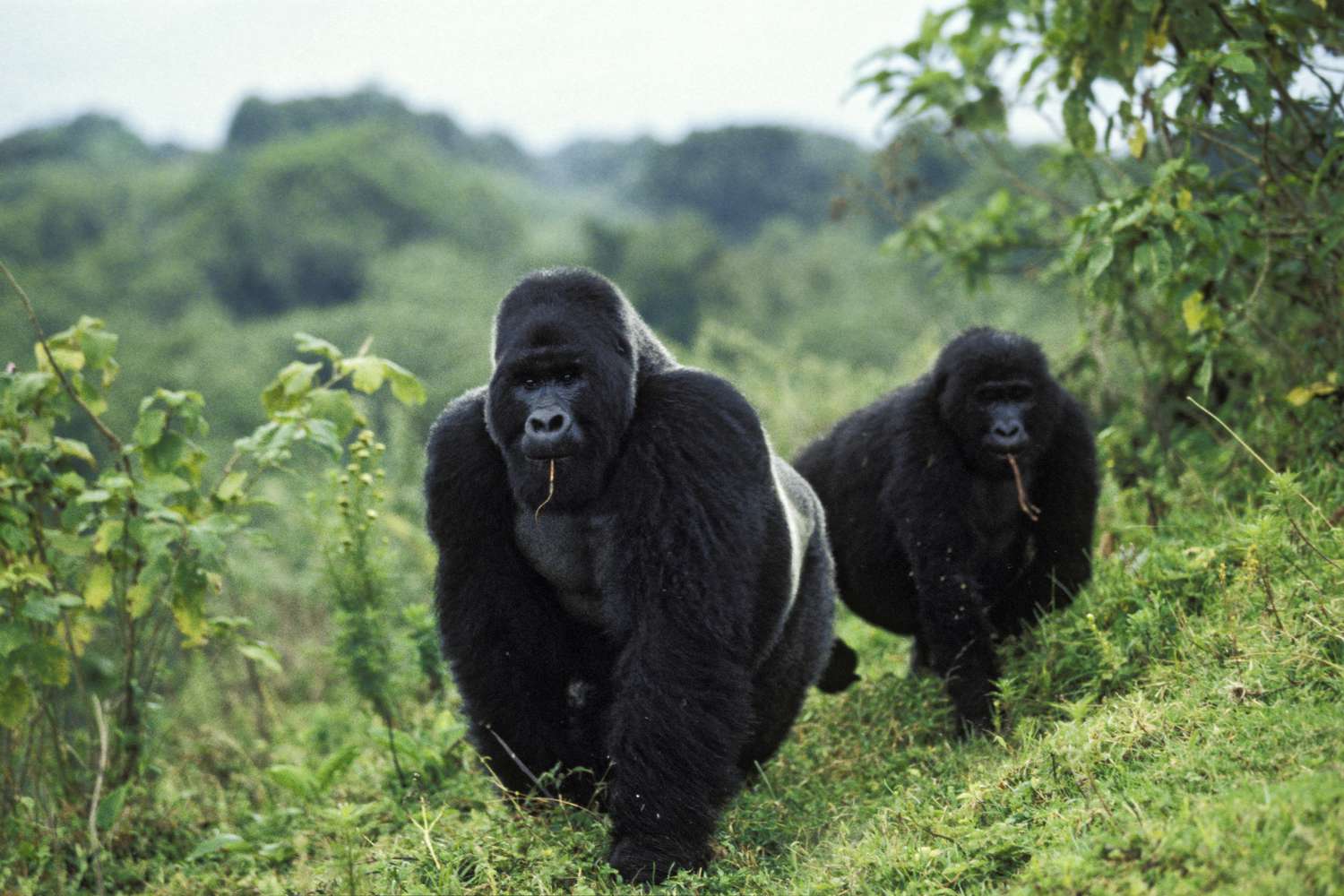
The Future of Virunga National Park
The future of Virunga depends on sustained conservation funding, responsible tourism, political stability, and continued international support. With proper protection, the park has the potential to remain a global stronghold for primates and biodiversity for generations to come.
Ongoing efforts focus on:
-
Expanding renewable energy projects
-
Strengthening ranger capacity
-
Enhancing scientific research
-
Developing sustainable tourism
Virunga National Park is far more than a wildlife destination—it is a symbol of Africa’s natural heritage and the global fight to protect endangered species. As a primates destination in Africa, it offers unparalleled opportunities to encounter mountain gorillas, chimpanzees, and other primates in one of the continent’s most spectacular and ecologically important landscapes.
For travelers seeking meaningful wildlife experiences, conservation enthusiasts, and lovers of Africa’s wild places, Virunga National Park stands unmatched—raw, powerful, and profoundly inspiring.