Ngamba Island


Ngamba Island: Primates Destination in Africa
Ngamba Island is one of Africa’s most inspiring primate conservation success stories. Situated on the tranquil waters of Lake Victoria in Uganda, this small yet globally significant island has become synonymous with chimpanzee rescue, rehabilitation, education, and responsible tourism. Often referred to as the Ngamba Island Chimpanzee Sanctuary, it is widely recognized as a leading primates destination in Africa, offering visitors a rare opportunity to observe rescued chimpanzees in a semi-natural island habitat while directly supporting conservation and animal welfare.
Unlike traditional national parks where primates live entirely in the wild, Ngamba Island plays a different but equally critical role in Africa’s primate landscape. It provides a permanent home for chimpanzees that can no longer survive in the wild due to poaching, illegal pet trade, habitat destruction, or human-wildlife conflict. At the same time, it allows visitors to learn about primate conservation, ethical tourism, and the urgent need to protect Africa’s remaining forests.
This in-depth article explores Ngamba Island as a primates destination in Africa—its history, location, chimpanzee population, conservation mission, visitor experiences, educational value, and its role in shaping the future of primate protection on the continent.
Introduction to Ngamba Island
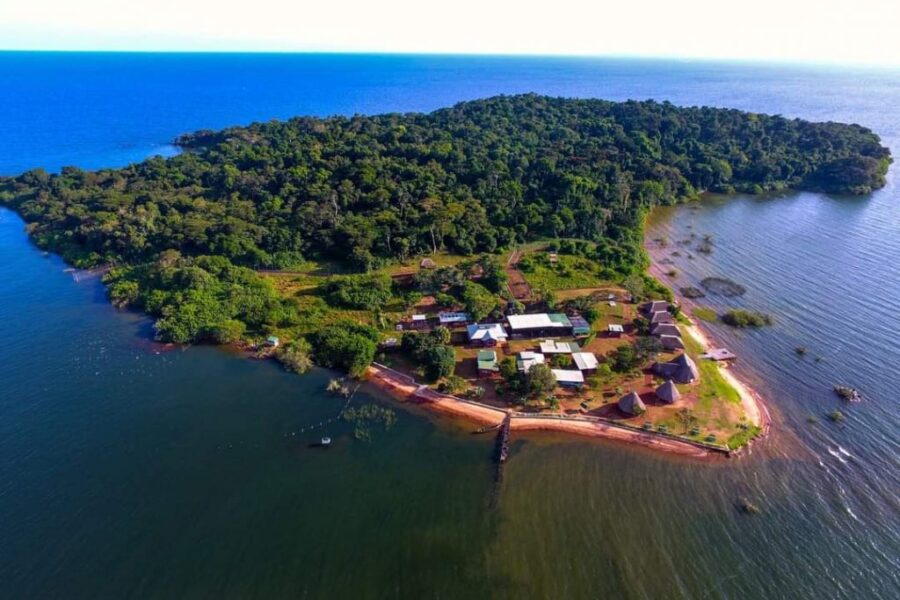
Ngamba Island lies approximately 23 kilometers southeast of Entebbe, Uganda, on Lake Victoria—the largest freshwater lake in Africa. Covering about 100 acres, the island is predominantly forested, creating a natural and secure environment for chimpanzees to roam freely.
Ngamba Island is managed by the Chimpanzee Sanctuary & Wildlife Conservation Trust (CSWCT), a non-profit organization founded in 1998. The sanctuary was established to address a growing crisis in Uganda and neighboring countries: the increasing number of orphaned and confiscated chimpanzees resulting from illegal wildlife trade and habitat loss.
Today, Ngamba Island is internationally respected not only as a sanctuary but also as a center for primate education, conservation advocacy, and responsible tourism.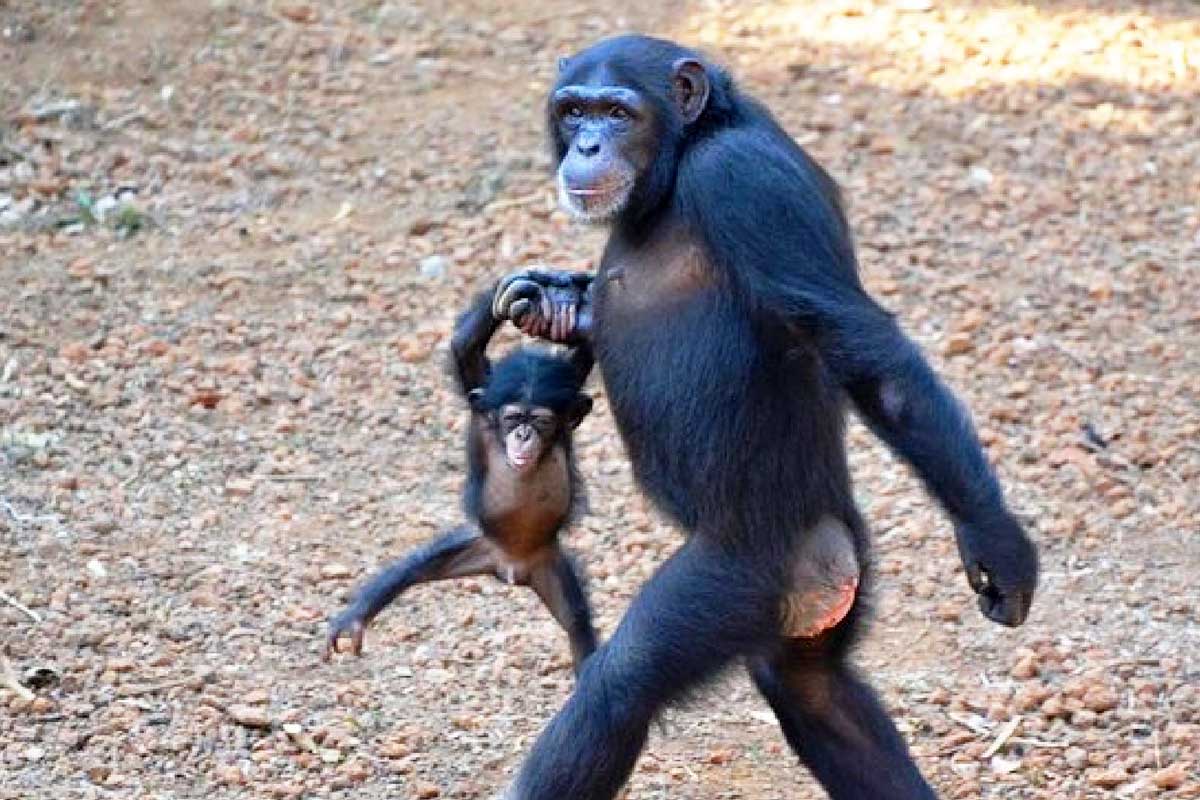
Historical Background and Establishment
The Chimpanzee Crisis in East Africa
Chimpanzees are listed as endangered, with wild populations declining rapidly due to:
-
Deforestation
-
Poaching
-
Illegal pet trade
-
Bushmeat hunting
-
Infrastructure development
In Uganda, young chimpanzees were often captured after their mothers were killed, then sold illegally as pets or trafficked across borders. Many were confiscated by wildlife authorities but had nowhere suitable to go.
Birth of Ngamba Island Sanctuary
Recognizing the urgent need for a long-term solution, conservationists and wildlife authorities collaborated to establish Ngamba Island as a permanent sanctuary. The island’s isolation made it ideal:
-
It prevented chimpanzees from escaping into human settlements
-
It protected them from predators
-
It reduced disease transmission from humans
In 1998, the first chimpanzees were relocated to the island. Over time, Ngamba Island grew into one of Africa’s most important chimpanzee sanctuaries, setting a benchmark for primate welfare.
 Why Ngamba Island Is a Leading Primates Destination in Africa
 Why Ngamba Island Is a Leading Primates Destination in Africa
Ngamba Island stands out among Africa’s primate destinations for several key reasons:
-
Exclusive focus on chimpanzee conservation
-
Ethical and educational tourism model
-
Close but responsible primate observation
-
Strong conservation and research mission
-
Accessible location near Uganda’s main international gateway
While destinations like Kibale Forest, Bwindi Impenetrable National Park, and Virunga National Park focus on wild primate encounters, Ngamba Island complements these experiences by highlighting rescue, rehabilitation, and lifelong care.
Chimpanzees of Ngamba Island
Population and Origins
Ngamba Island is home to over 50 chimpanzees, each with a unique and often heartbreaking history. Most were rescued from:
-
Illegal captivity
-
Poachers
-
Private homes
-
Wildlife traffickers
These chimpanzees come from Uganda, the Democratic Republic of Congo, Rwanda, and South Sudan, reflecting the regional nature of the chimpanzee crisis.
Social Structure and Behavior
Chimpanzees are highly intelligent and social primates. On Ngamba Island:
-
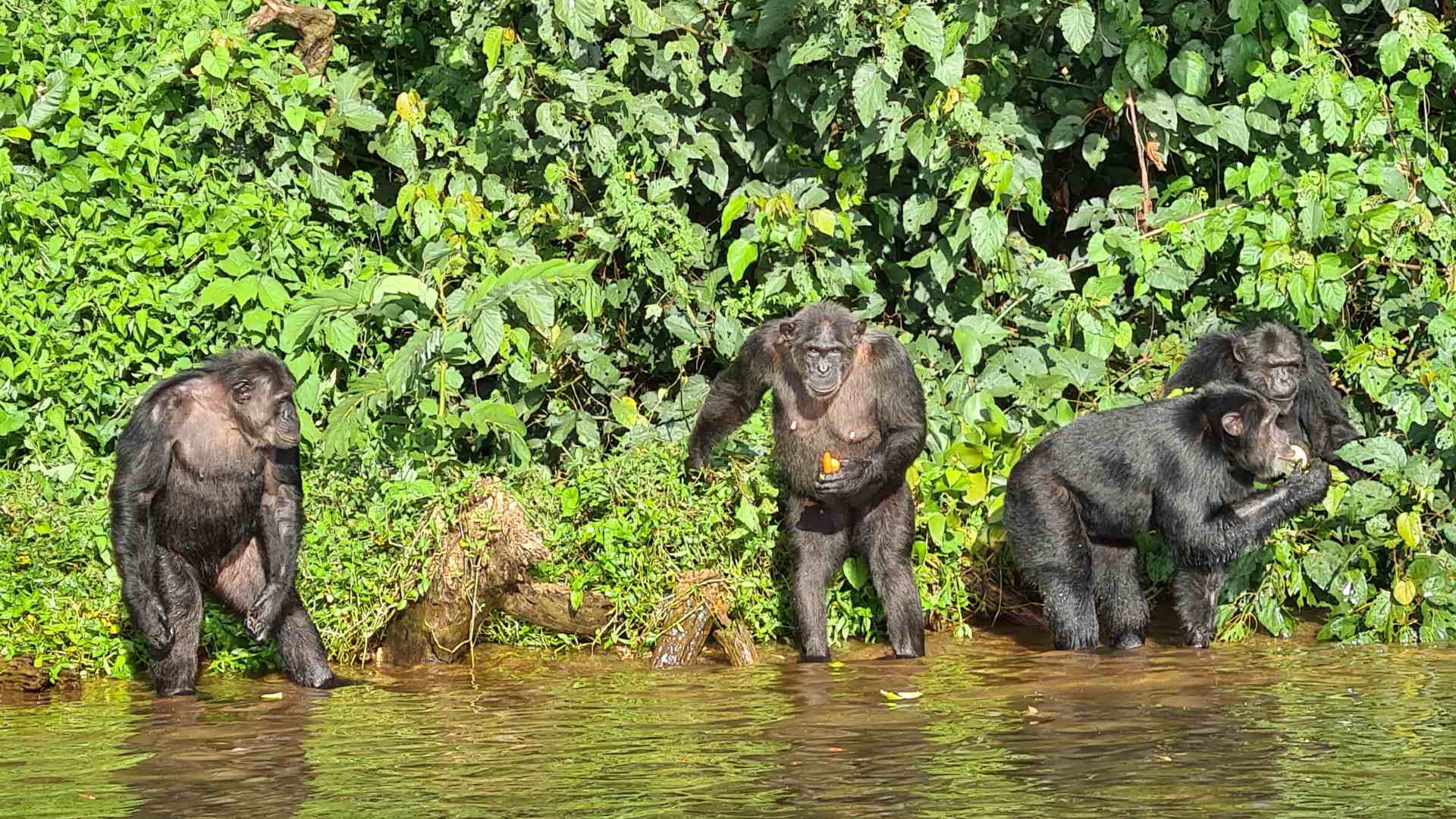
They live in a large, mixed social group
-
They forage, climb, nest, and interact naturally
-
They form alliances, friendships, and hierarchies
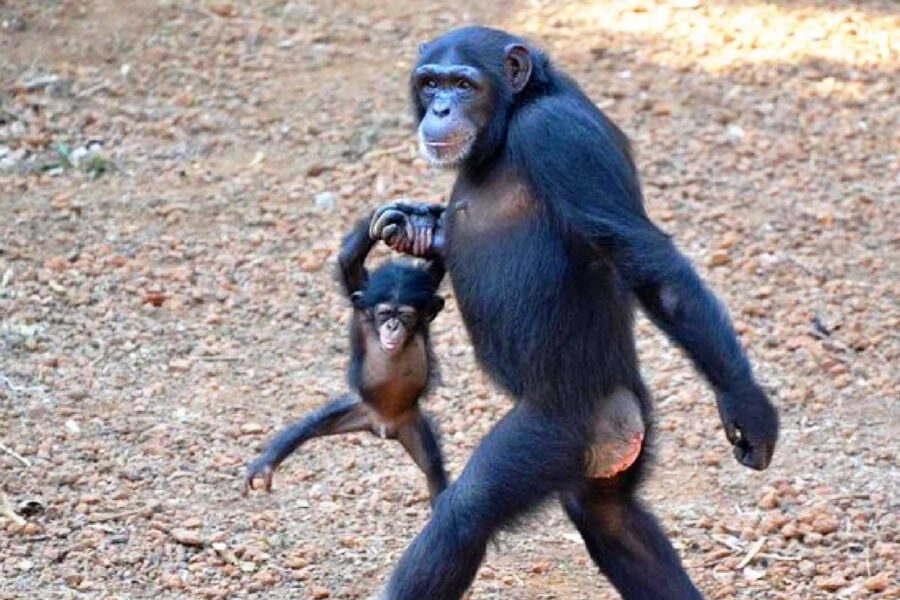
Because the island is forested and spacious, the chimpanzees exhibit behaviors similar to those in the wild, making Ngamba Island a valuable behavioral observation site.
Daily Life of Chimpanzees on Ngamba Island
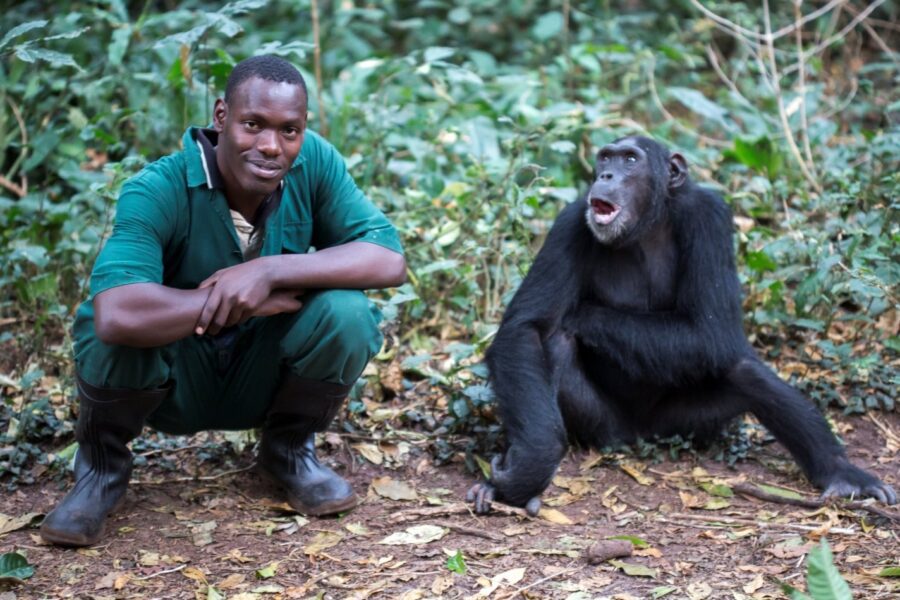
Chimpanzees on Ngamba Island are not caged. Instead, they roam freely across the island’s forest, which closely resembles their natural habitat.
Feeding and Nutrition
Caregivers provide supplemental feeding twice daily, typically including:
-
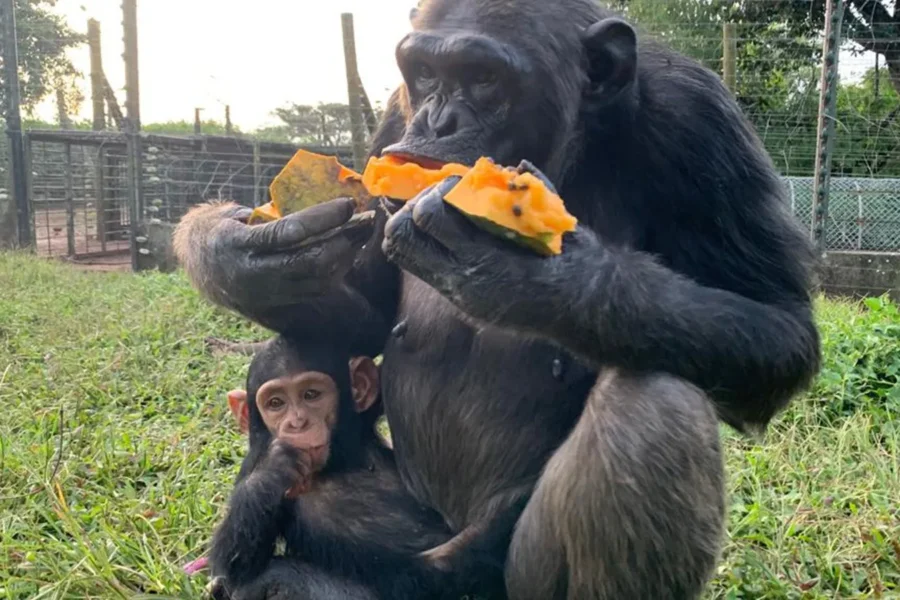
Fruits (bananas, mangoes, jackfruit, papaya)
-
Vegetables
-
Natural vegetation
These feeding sessions ensure balanced nutrition while encouraging natural foraging behavior.
Health and Veterinary Care
A dedicated veterinary team monitors the chimpanzees’ health, conducting:
-
Routine health checks
-
Medical treatments
-
Quarantine for new rescues
This level of care is critical, as many rescued chimpanzees arrive traumatized or malnourished.
Visitor Experience on Ngamba Island
Ngamba Island offers one of the most educational and ethically responsible primate tourism experiences in Africa.
Getting There
Visitors typically reach Ngamba Island by:
-
Speedboat from Entebbe (approximately 45–60 minutes)
The journey across Lake Victoria adds to the sense of adventure and tranquility.
Chimpanzee Viewing
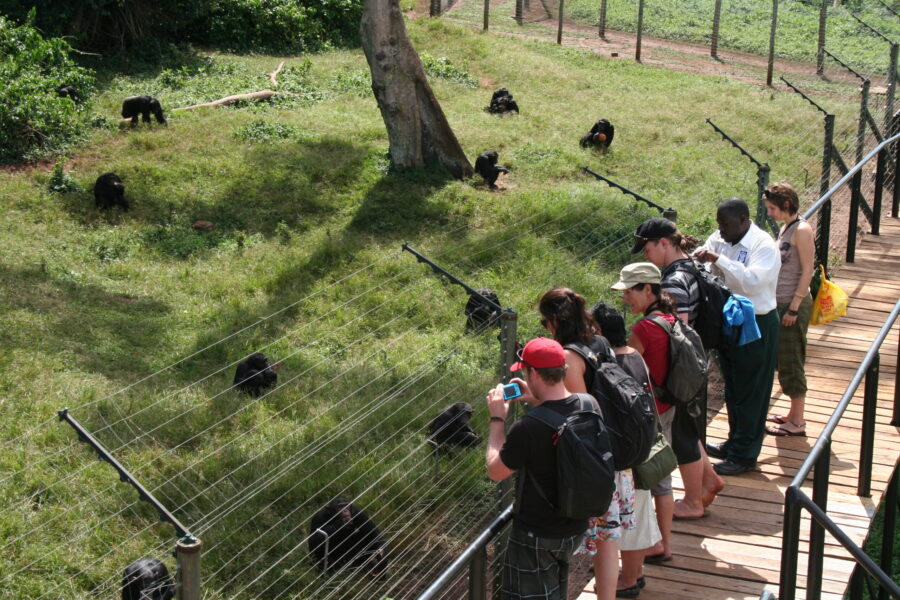
Visitors observe chimpanzees from elevated viewing platforms during feeding times. This approach:
-
Ensures safety for both humans and chimpanzees
-
Prevents disease transmission
-
Minimizes stress on the animals
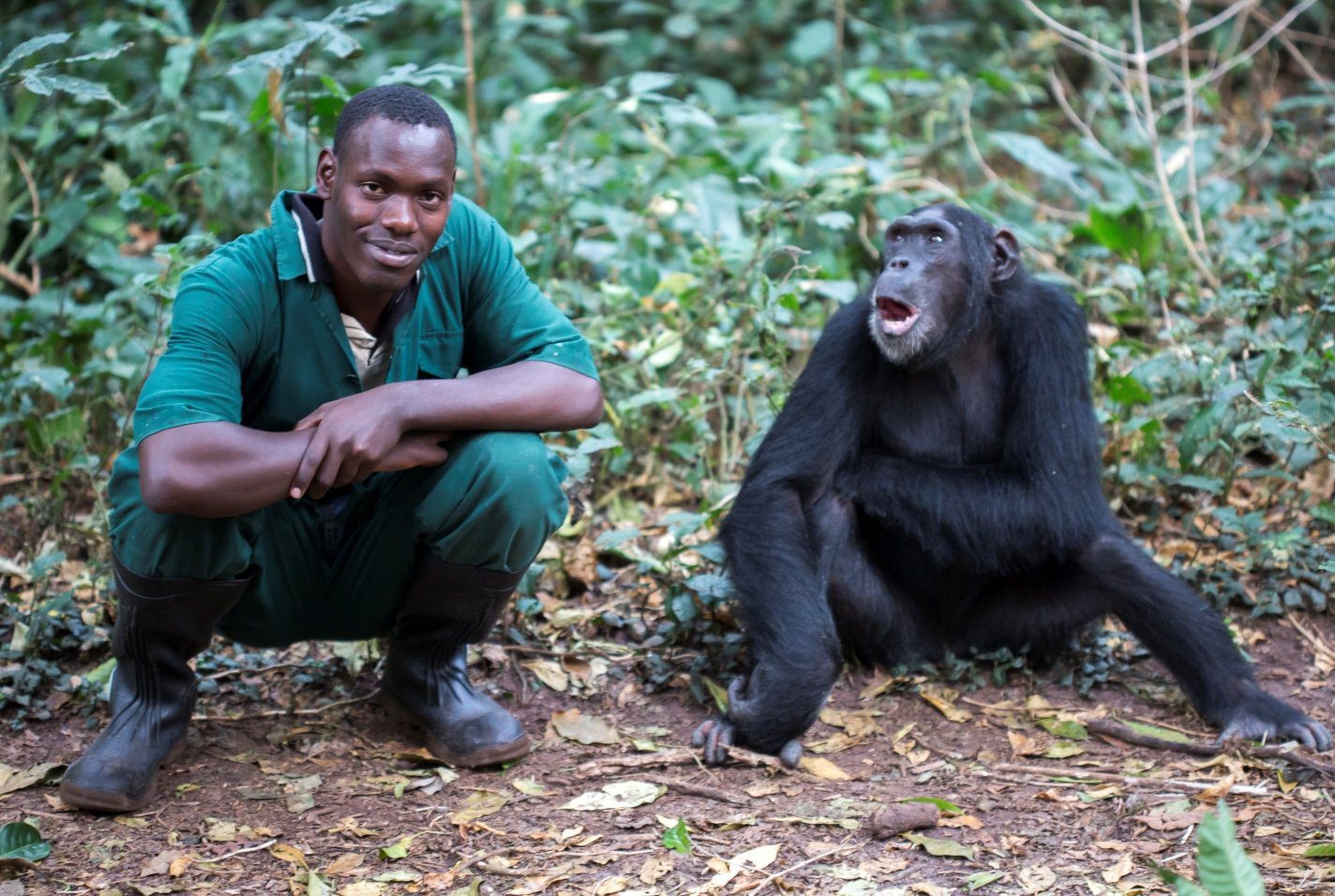
Interpretation is provided by knowledgeable caregivers who explain chimpanzee behavior, conservation challenges, and individual rescue stories.
Behind-the-Scenes Education
Tours often include:
-
Sanctuary history and mission briefings
-
Discussions on chimpanzee intelligence and social life
-
Conservation education sessions
This makes Ngamba Island particularly suitable for students, families, researchers, and conservation-minded travelers.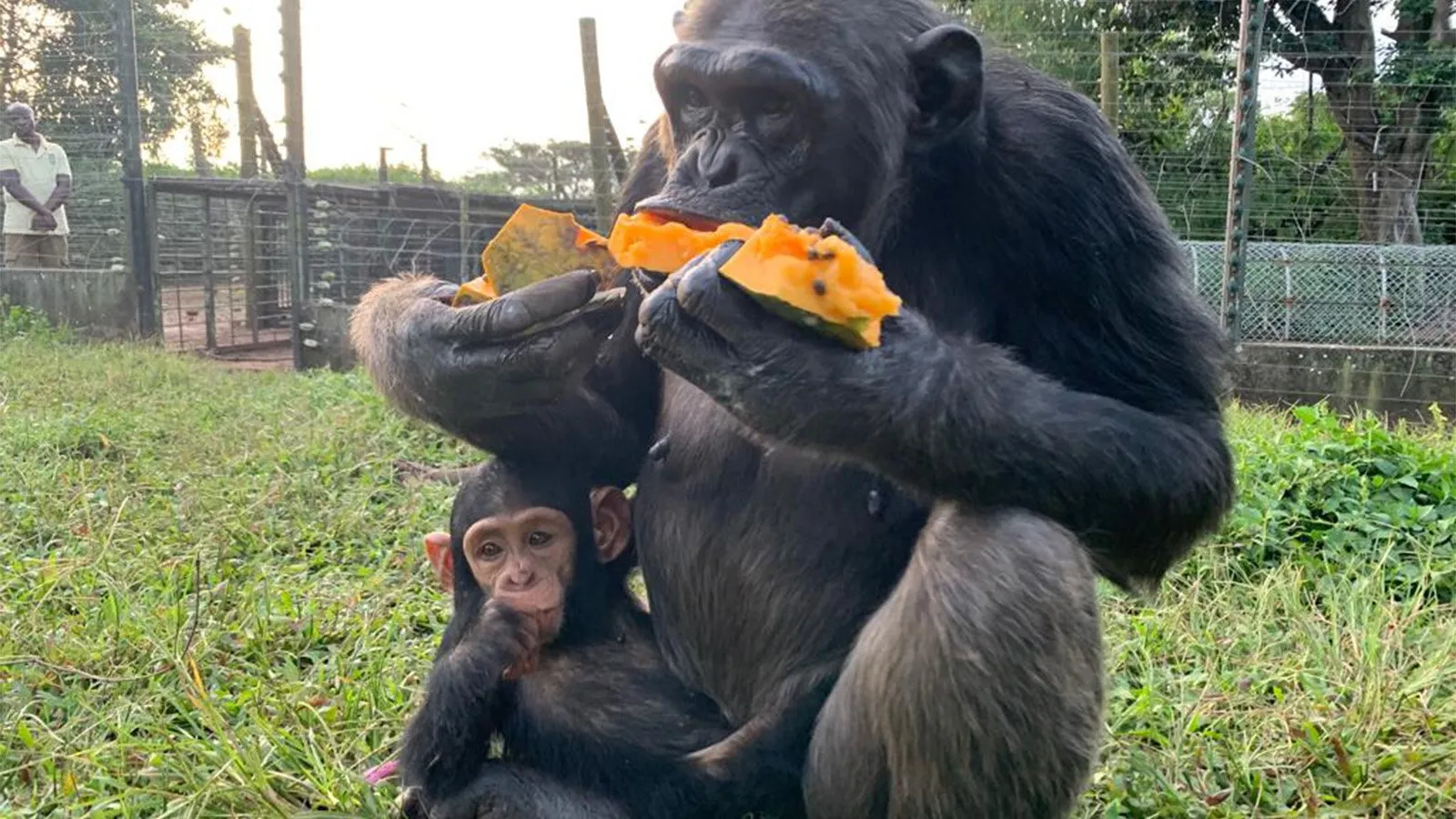
Overnight and Volunteer Programs
Overnight Stays
Ngamba Island offers limited eco-lodge accommodation, allowing guests to:
-
Stay overnight on the island
-
Observe chimpanzees during morning and evening routines
-
Experience the serenity of Lake Victoria
Accommodation is simple but comfortable, emphasizing sustainability.
Volunteer Opportunities
Longer-term visitors can participate in volunteer programs that may involve:
-
Assisting caregivers (under supervision)
-
Helping with food preparation
-
Supporting education and awareness activities
These programs foster deeper understanding and long-term conservation impact.
Conservation, Education, and Community Impact
Education and Awareness
Ngamba Island plays a major role in educating Ugandans and international visitors about:
-
Wildlife laws
-
Threats facing chimpanzees
-
Ethical wildlife tourism
School visits and outreach programs help cultivate a new generation of conservation advocates.
Support for National Conservation Efforts
While Ngamba Island is not a release center, it complements Uganda’s broader conservation framework by:
-
Reducing pressure on wild chimpanzee populations
-
Providing a humane solution for confiscated animals
-
Supporting law enforcement against illegal wildlife trade
Ngamba Island in the Context of African Primate Tourism
Africa is home to several iconic primate destinations, including:
-
Kibale Forest National Park (Uganda) – wild chimpanzees
-
Bwindi Impenetrable National Park (Uganda) – mountain gorillas
-
Volcanoes National Park (Rwanda) – gorillas and golden monkeys
-
Virunga National Park (DRC) – gorillas and chimpanzees
Ngamba Island stands apart by focusing on rescued chimpanzees, making it an essential complement rather than a competitor to wild primate trekking destinations.
For travelers interested in:
-
Conservation ethics
-
Animal welfare
-
Education and research
Ngamba Island is one of the most meaningful primate destinations in Africa.
Best Time to Visit Ngamba Island
Ngamba Island can be visited year-round due to Uganda’s equatorial climate.
Dry Seasons
These months offer calmer lake conditions and easier boat transfers.
Wet Seasons
While rains are more frequent, the island remains lush and green, and visitor numbers are lower.
Sustainability and Responsible Tourism
Ngamba Island operates under strict principles of responsible tourism:
-
Limited visitor numbers
-
No direct contact with chimpanzees
-
Revenue reinvested into animal care and conservation
By visiting Ngamba Island, travelers directly support chimpanzee welfare and long-term conservation initiatives.
The Future of Ngamba Island
 The Future of Ngamba Island
As threats to chimpanzees continue across Africa, Ngamba Island’s role remains critical. Future priorities include:
-
Expanding education and outreach
-
Strengthening regional anti-trafficking efforts
-
Enhancing sanctuary infrastructure
-
Increasing global awareness
Ngamba Island also serves as a model for primate sanctuaries across Africa, demonstrating how tourism, education, and conservation can work together.
Ngamba Island is far more than a tourist attraction—it is a sanctuary of hope. As a primates destination in Africa, it offers a unique perspective on chimpanzee conservation, rescue, and lifelong care. Visitors leave not only with unforgettable memories of observing intelligent and expressive primates, but also with a deeper understanding of the challenges facing Africa’s wildlife.
For anyone passionate about primates, conservation, and ethical travel, Ngamba Island stands as one of Africa’s most important and rewarding destinations—small in size, but immense in impact.