Rwenzori Trekkers Hostels: Where to Stay at Rwenzori Mountain National Park
Ready to climb Africa’s “Mountains of the Moon”? Here’s your complete guide to where to rest, sleep, and prepare for unforgettable treks in Uganda’s Rwenzori Mountains.
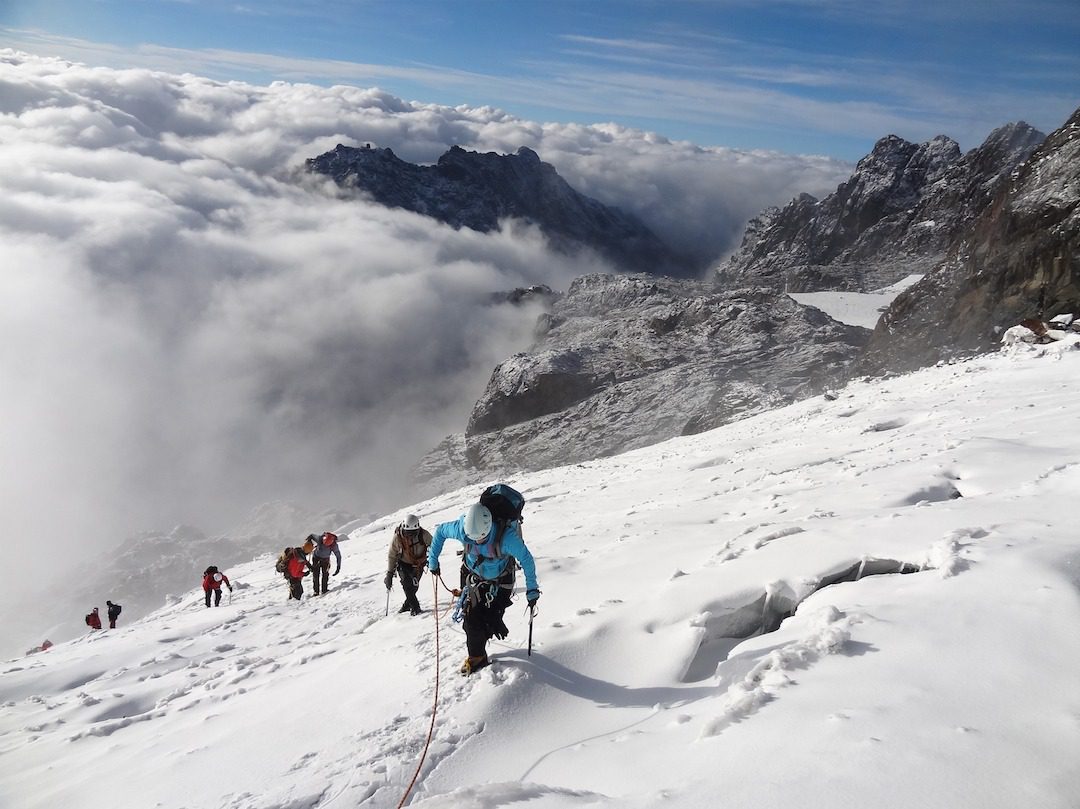
The Rwenzori Mountains National Park—a UNESCO World Heritage Site—is one of Africa’s wildest, most spectacular trekking destinations. Towering peaks, alpine lakes, glaciers, dense montane forests, and rare flora and fauna make it a magnet for adventurous trekkers from around the world.
Before lacing up your boots, one practical question stands out: where do you stay? Whether you want cozy hostels on a budget, community-run camps, mountain huts along the trail, or comfortable lodges near the park gates, this guide has you covered.
1.Rwenzori Mountains at a Glance
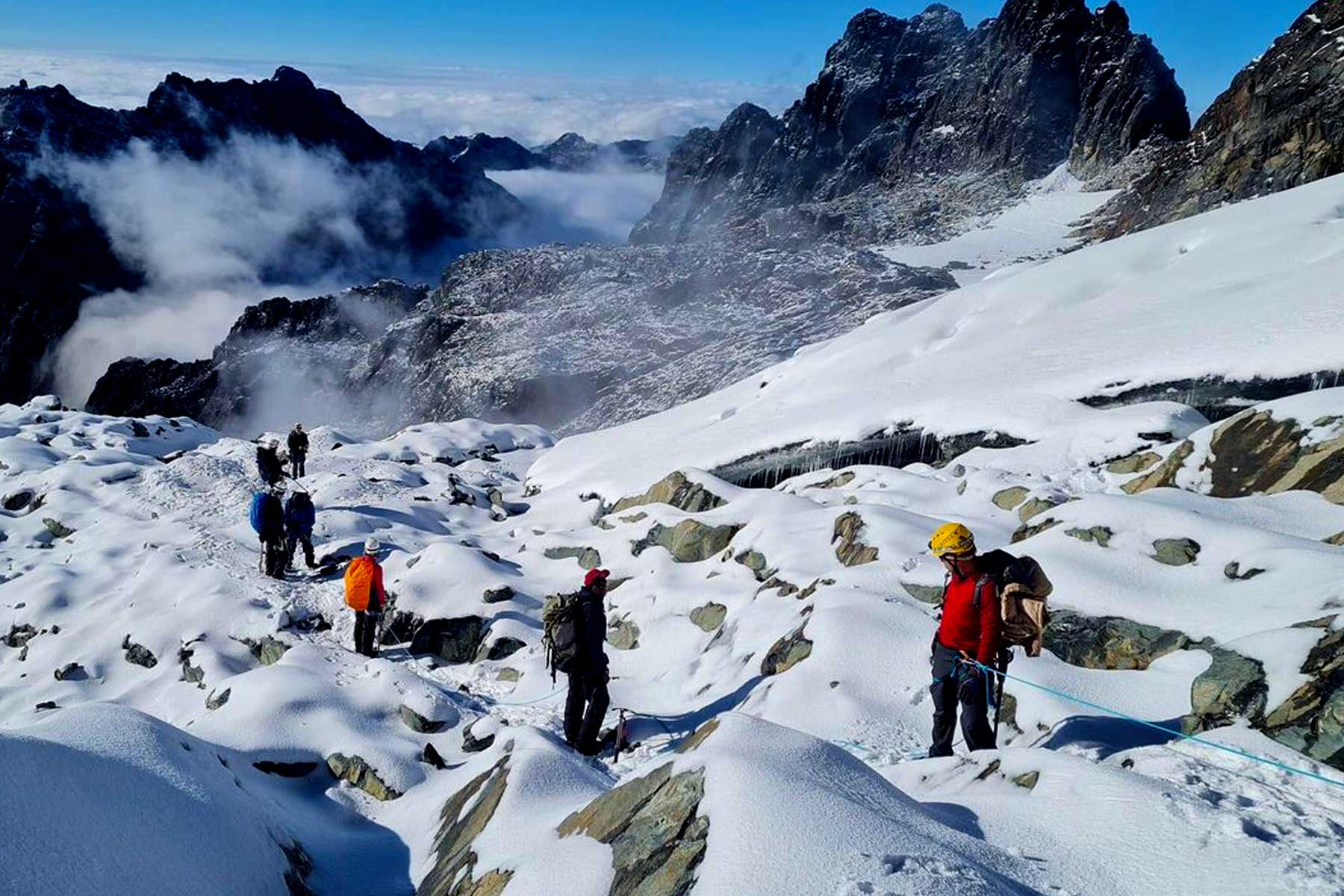
The Rwenzori Mountains, straddling western Uganda near the border with the Democratic Republic of Congo, are a spectacular range known for their Afro‑alpine zones, towering summits, and mystical cloud forests. A network of rugged trails climbs toward jagged peaks—most notably Mount Stanley’s Margherita Peak (5,109 m)—through landscapes unlike anywhere else in Africa.
Protected since 1991 and designated a UNESCO World Heritage Site in 1994, Rwenzori Mountains National Park covers nearly 100,000 hectares of pristine wilderness. Known locally as the “Mountains of the Moon”, this is not a casual hike—treks here are logistical undertakings that require careful planning, the right gear, and knowledge of where to stay before, during, and after your adventure.
2. Planning Your Stay: Base Camps vs. Trekking Huts
When planning accommodation for a Rwenzori trek, it helps to think in terms of three layers:
-
🏘 Base Camp or Gateway Town – Places where you stay before and after your trek (e.g., Kasese, Nyakalengija, Kilembe).
-
🛖 Trailhead Hostels & Guesthouses – Budget lodgings near the park access points.
-
🏔 In‑Park Trekking Huts or Camps – Bunks and camps used only during your multi‑day trek.
Each has its role:
-
Base camps are ideal if you want to relax, acclimatize, sort supplies, and meet guides.
-
Trailhead hostels are perfect for one or two nights pre‑trek near the actual route.
-
Trekking huts/camps are where you sleep during the walk itself.
Because Rwenzori treks often begin early and last several days, many trekkers split their lodging into before, during, and after segments.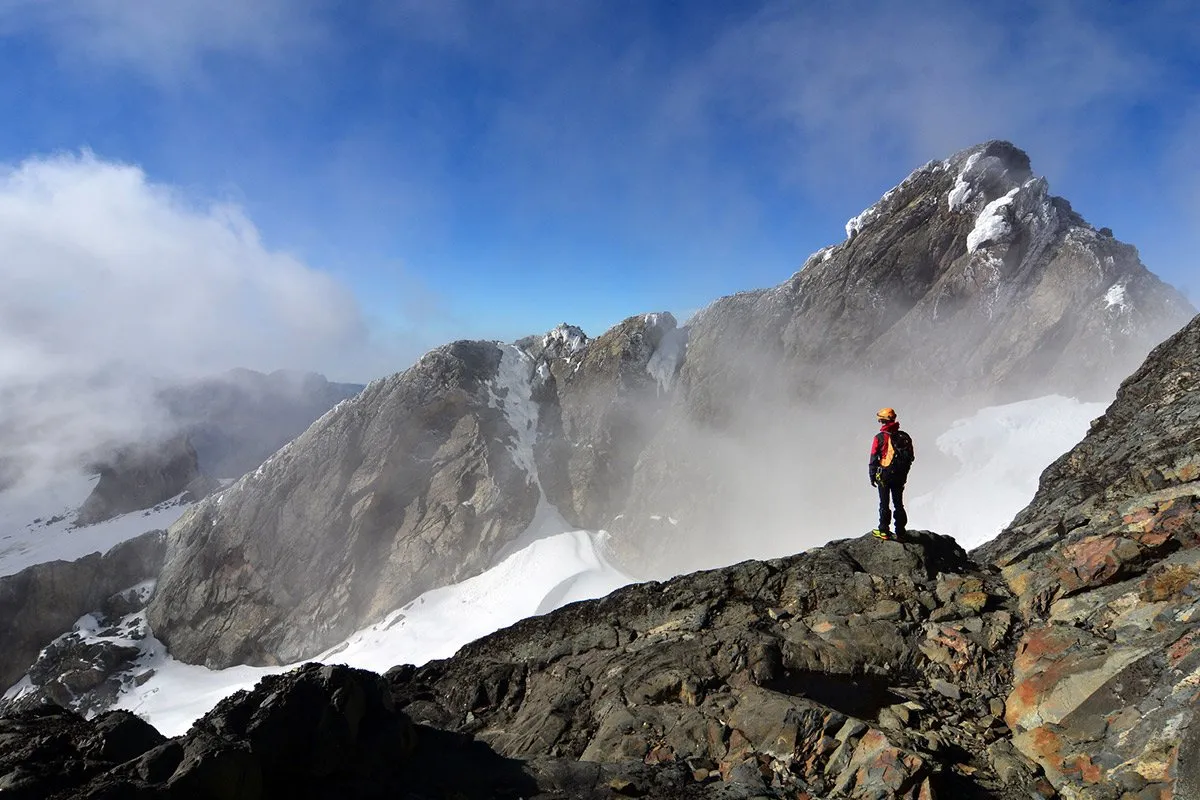
3. Hostels & Lodges Near Rwenzori Trekking Gateways
A. Nyakalengija – Gateway to the Central Circuit
Nyakalengija is the most popular staging point for trekkers heading up the Central Circuit Route—the classic ring‑shaped loop that takes you past glacial lakes, rocky passes, and over 4,000 m high camps.
This small village is just ~25 km north of Kasese and serves as the park’s main northern access point.
Hostels & Guesthouses in Nyakalengija
-
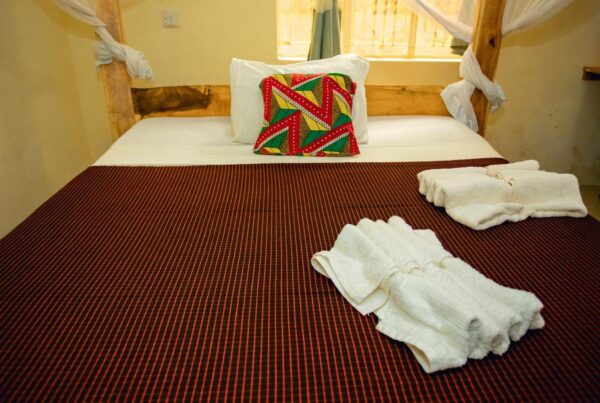
Budget Guesthouses & Homestays – Local guesthouses offer basic rooms with shared bathrooms. These are very affordable and great for staying one night pre‑trek.
-
Community Lodges – Some community‑run lodges offer simple meals and a chance to support local people.
-
Equator Snow Lodge – One of the more comfortable options near Nyakalengija with proper rooms, common areas, and traditional hospitality.
What to Expect Here
Rooms are simple and clean, but amenities may be basic (electricity and hot water can be intermittent). Many places serve traditional Ugandan food and accommodate groups of trekkers. Because it’s closer to the trailhead than Kasese, staying here lets you get an early start on the trek without a long morning drive.
B. Kilembe – Trekking the Kilembe Trail
The Kilembe Trail is a less crowded, scenic approach to the upper Rwenzori slopes. It starts from the west, near the small town of Kilembe.
Hostels & Camps in Kilembe
-
Rwenzori Backpackers / Trekkers Hostel – A favorite base for trekkers starting the Kilembe Trail. Offers dorms and private rooms, meals, and secure gear storage.
-
Rwenzori Mountain Trekking Services Hostel – Closely linked to the official trail operator on this side, with basic rooms for trekkers and guides.
-
Ruwenzori Turaco View Camp – Offers tents and bandas with sweeping mountain views (seasonal).
-
Local Guesthouses in town – Budget rooms and authentic local food are available within walking distance.
Why Stay Here
Kilembe is quieter and less touristic than Nyakalengija, ideal for trekkers wanting to avoid crowds. The hostel environment is social, perfect for meeting other hikers and organizing logistics like porters and guides.
C. Kasese – The Main Hub
Kasese is the main commercial town nearest the Rwenzori Mountains. It’s the place most international visitors spend their first and last night.
Hostels, Guesthouses & Budget Hotels in Kasese
-
Rwenzori Backpackers Hostel (Kasese) – Backpacker‑friendly with dorms and budget private rooms.
-
Local Guesthouses & B&Bs – You’ll find plenty of budget lodges offering rooms with mosquito nets, shared bathrooms, and simple meals.
-
Mid‑Range Hotels – A handful of mid‑range properties offer private rooms, Wi‑Fi, and more comfort.
Tips for Kasese Stays
-
Good place to meet your trekking company, purchase last‑minute supplies, and acclimatize.
-
Book a night here before and after your trek to recover and celebrate!
D. Fort Portal & Queen Elizabeth National Park (Alternative Bases)
Some trekkers choose to stay in Fort Portal (a pleasant town with hot springs and crater lakes) or lodges in Queen Elizabeth National Park, especially if combining safari and mountain trekking.
These options are farther from the Rwenzori trailheads, so plan for a longer transfer on trek days—but they’re great for a more relaxed adventure itinerary.
4. In‑Park Trekking Huts (for Multi‑Day Routes)
Once you start your trek, you’ll move from lodge to lodge—or rather, hut to hut or camp to camp—each night. These are not hostels in the town sense, but essential overnight stops on long multi‑day treks.
All huts require that you bring your sleeping bag and mat. They have bunk beds with mattresses, but you’ll share space with fellow trekkers and your guides/porters.
A. Central Circuit Route Huts
The Central Circuit—often described as Rwenzori’s classic trek—has a sequence of huts and patrol posts. Exact names and order may vary slightly between operators, but common stops include:
-
Nyabitaba Hut (Gate Base) – The initial gate camp before the real ascent.
-
John Matte Hut – First high hut nestled in the bamboo and heath zones.
-
Bujuku Camp – Close to a beautiful glacial lake in the alpine zone.
-
Kitandara Hut – A favorite high camp for acclimatization.
-
Guy Yeoman Hut – Often the last hut before the high passes.
-
Elena Hut – Some routes include this high camp (for advanced itineraries) depending on the operator.
What to Expect in Huts
-
Wooden bunkhouses with mattresses.
-
Basic kitchen shelter (for group meals prepared by your guide/porters).
-
Cold nights—bring a warm sleeping bag rated for sub‑zero temperatures.
-
Shared experiences with international trekkers, guides, and porters.
B. Kilembe Trail Camps
The Kilembe Trail is typically serviced by Rwenzori Trekking Services (RTS). While not all sections have formal huts, there are a series of camps with thatched shelters, tent platforms, or basic dorm options. Common stops include:
-
Hunwick’s Camp – Early camp after the trailhead.
-
Butawu Camp – A scenic middlestop.
-
Kiharo Camp – Another resting point before higher ground.
-
Margherita Camp – The high camp before summiting the Rwenzori peaks.
Unlike the Central Circuit huts, these are often more primitive and feel closer to classic wilderness camping. But having structured stops makes planning easier.
C. Bukurungu Trail
This scenic and less‑traveled route starts from Kitumba. It’s perfect for trekkers seeking solitude and wildlife alongside mountain views. Accommodation here tends to be rudimentary camps and requires coordination with experienced guides.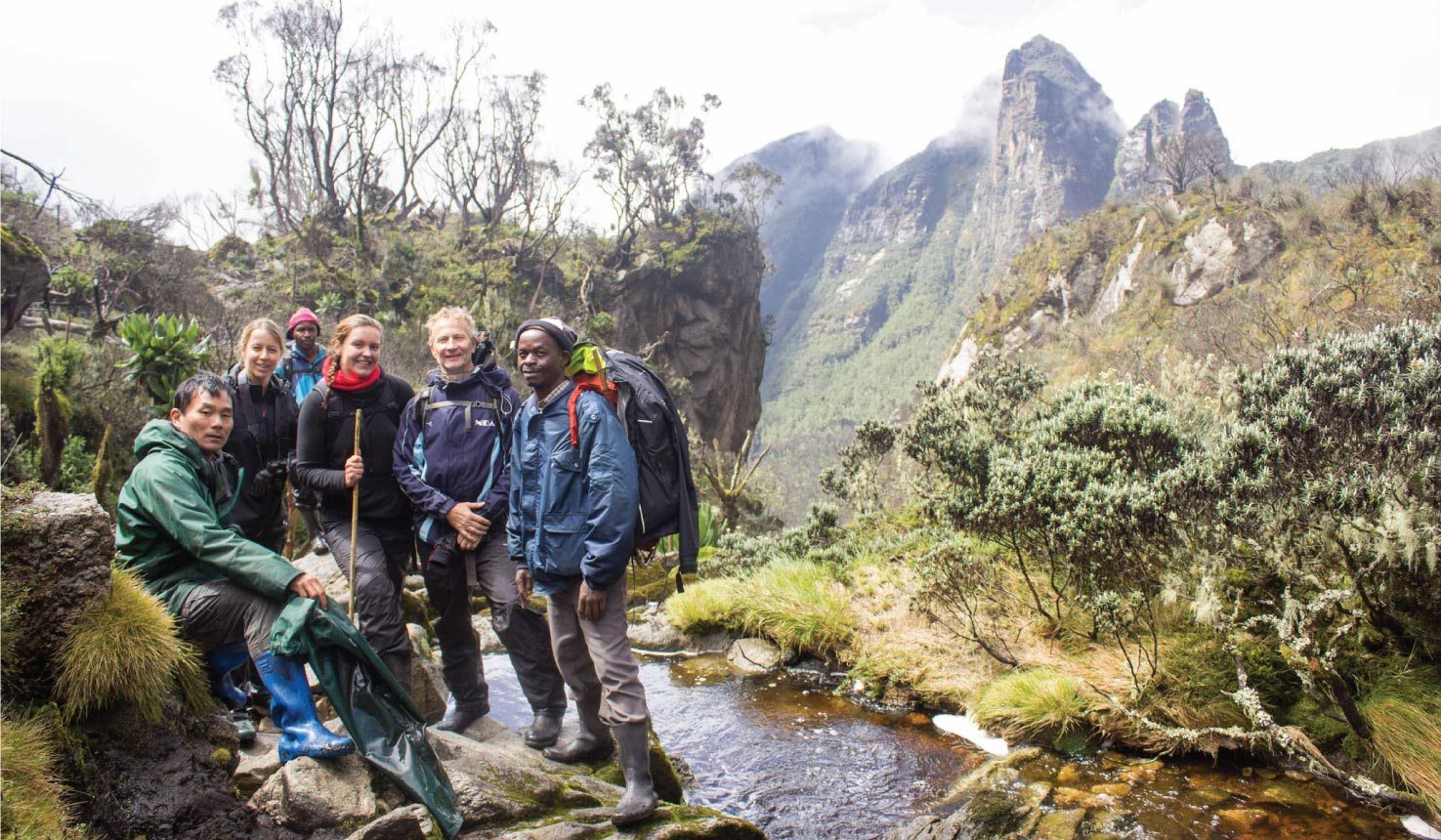
5. Community‑Run & Eco‑Friendly Stays
One of the most rewarding aspects of trekking Rwenzori is supporting community‑run lodges and camps. These offer budget‑friendly stays and often include meals.
-
Ruboni Community Camp – Located near Ruboni Patrol Post, this camp serves both trekkers and day hikers exploring nearby waterfalls and forests. Rooms can be simple bandas, guesthouses, or dorms.
-
Local Guesthouses in Nyakalengija – Run by families, offering affordable lodging and authentic local cuisine.
These options are excellent if you’re on a budget and want to directly benefit local communities.
6. Tips for Booking and Staying in Hostels
Book Early
-
Rwenzori is becoming increasingly popular. Trekking slots and huts especially fill up months in advance during peak seasons.
-
Many hostels and lodges accept advance reservations via email or phone, while others are walk‑in only.
Communicate Your Trek Plan
-
Let hostels know your arrival time and trekking dates so they can coordinate meals and rooms.
Check Included Services
-
Some hostels include breakfast or packed lunches, others charge separately. Confirm before booking.
Security
-
Secure your gear. Most hostels have basic lockups; consider a travel lock for bags.
Cash Is King
-
Many establishments do not accept cards—Ugandan Shillings (UGX) are preferred.
Respect Local Norms
-
Hospitality here is warm and generous. A smile and basic Luganda/Runyankole greetings go a long way.
7. Packing Tips for Trekking Rwenzori
Even if you have a hostel lined up, your trek accommodations will be rugged. Here’s what to bring:
Essential Gear
-
Waterproof trekking boots
-
Fast‑dry trekking clothes
-
Warm layers (alpine nights are cold)
-
Waterproof jacket and rain gear
-
Sleeping bag (rated for cold temperatures)
-
Sleeping mat
-
Headlamp with spare batteries
-
Water purification (tablets or filter)
Trekking Accessories
-
Trekking poles
-
Sunscreen & hat
-
Insect repellent
-
First aid kit
-
Spare socks & underwear
Hostel & Town Items
-
Casual clothes for evenings
-
Charger and power bank
-
Cash for meals and tips

8. Best Time to Visit
Rwenzori’s weather is famously unpredictable—rain can fall any month. However, two generally better windows exist:
These periods tend to have less rain, clearer mountain views, and better trail conditions. Always check weather forecasts before you go, and be prepared for chilly nights even in the dry season.
9. Sample Itineraries
Here are two popular trek styles and where you’ll stay:
A. 7‑Day Central Circuit Trek
Day 1 – Arrive in Kasese → stay in hostel
Day 2 – Shuttle to Nyakalengija → spend night in guesthouse
Day 3 – Trek to Nyabitaba Hut
Day 4 – John Matte Hut
Day 5 – Bujuku or Kitandara Hut
Day 6 – Guy Yeoman Hut → descend to Nyakalengija
Day 7 – Return to Kasese
Overnights: Hostels in Kasese/Nyakalengija + mountain huts
B. 6‑Day Kilembe Trail
Day 1 – Arrive in Kasese → transit to Kilembe → hostel
Day 2 – Ascend to Hunwick’s Camp
Day 3 – Butawu Camp
Day 4 – Kiharo Camp
Day 5 – High camp (before summit)
Day 6 – Summit & descend → back to Kilembe → hostel
Overnights: Kilembe hostel + trekking camps
10. Responsible Travel & Local Support
Your trek through Rwenzori supports local economies, guides, porters, and conservation efforts. A few ways to be a responsible visitor:
-
Hire local guides & porters through registered companies.
-
Stay in community‑run lodges and guesthouses when possible.
-
Respect park rules and avoid disturbing wildlife.
-
Pack out all waste—the mountains are fragile.
Accommodation choices—from budget hostels to community camps—can directly benefit local families and services.
11. FAQs
Q: Do I need reservations for mountain huts?
A: Yes. Trekking huts have limited space and require advance booking through your trekking company.
Q: Are there hot showers in hostels?
A: Some hostels offer hot water, but not always—especially with intermittent electricity.
Q: Can I trek independently?
A: No. Rwenzori treks require licensed guides and porters for safety and conservation regulations.
Q: Are hostels pet‑friendly?
A: Most hostels do not accept pets due to local health regulations.
12. Final Thoughts
The Rwenzori Mountains are one of Africa’s most rewarding trekking experiences—but they demand respect, preparation, and knowledge of where you’ll rest your head. From budget hostels in Kasese and Kilembe to cozy guesthouses near trailheads, and from high mountain huts to community‑run camps, there’s a place for every type of trekker.
Choosing the right hostel or lodge can make your trek smoother, safer, and far more enjoyable. Whether you’re an experienced mountaineer or a passionate hiker seeking your next challenge, the “Mountains of the Moon” await—with breathtaking beauty and a welcoming community.