

Rwenzori Expeditions: A Complete Guide to Exploring the Mountains of the Moon
Rwenzori expeditions represent one of the most extraordinary and least understood adventure experiences in Africa. Hidden along the border of Uganda and the Democratic Republic of Congo, the Rwenzori Mountains rise dramatically from the equatorial plains, forming a world of mist, glaciers, giant lobelias, and remote alpine valleys. Often referred to as the “Mountains of the Moon,” the Rwenzori range offers an expedition experience that is fundamentally different from more commercialized African climbs.
For those seeking true wilderness, technical trekking, and deep immersion in raw mountain landscapes, Rwenzori expeditions deliver something rare in modern adventure travel. These are not casual hikes or scenic walks. They are demanding, multi-day journeys through one of the wettest, wildest, and most biologically unique mountain environments on Earth.
This in-depth guide explores Rwenzori expeditions from every angle, including geography, history, routes, logistics, difficulty, climate, wildlife, and what makes these mountains so compelling for serious trekkers and mountaineers. If you are considering a Rwenzori expedition or simply want to understand why these mountains are legendary, this guide provides the complete picture.
Understanding Rwenzori Expeditions and the Geography of the Range
Rwenzori expeditions take place in the Rwenzori Mountains, a massive mountain range stretching roughly 120 kilometers along the Uganda–DRC border. Unlike volcanic mountains such as Kilimanjaro or Mount Kenya, the Rwenzori range is composed primarily of uplifted blocks of ancient rock, making it geologically distinct and visually dramatic.
The range contains Africa’s third-highest peak, Mount Stanley, whose highest point, Margherita Peak, reaches 5,109 meters above sea level. Several other peaks exceed 4,800 meters, all capped by glaciers despite their equatorial location. This combination of equatorial latitude and alpine conditions is one of the defining characteristics of Rwenzori expeditions.
The mountains are deeply dissected by valleys, rivers, and steep ridges, creating a complex terrain that demands careful navigation and physical resilience. Expeditions here are true mountain journeys, not single-summit ascents.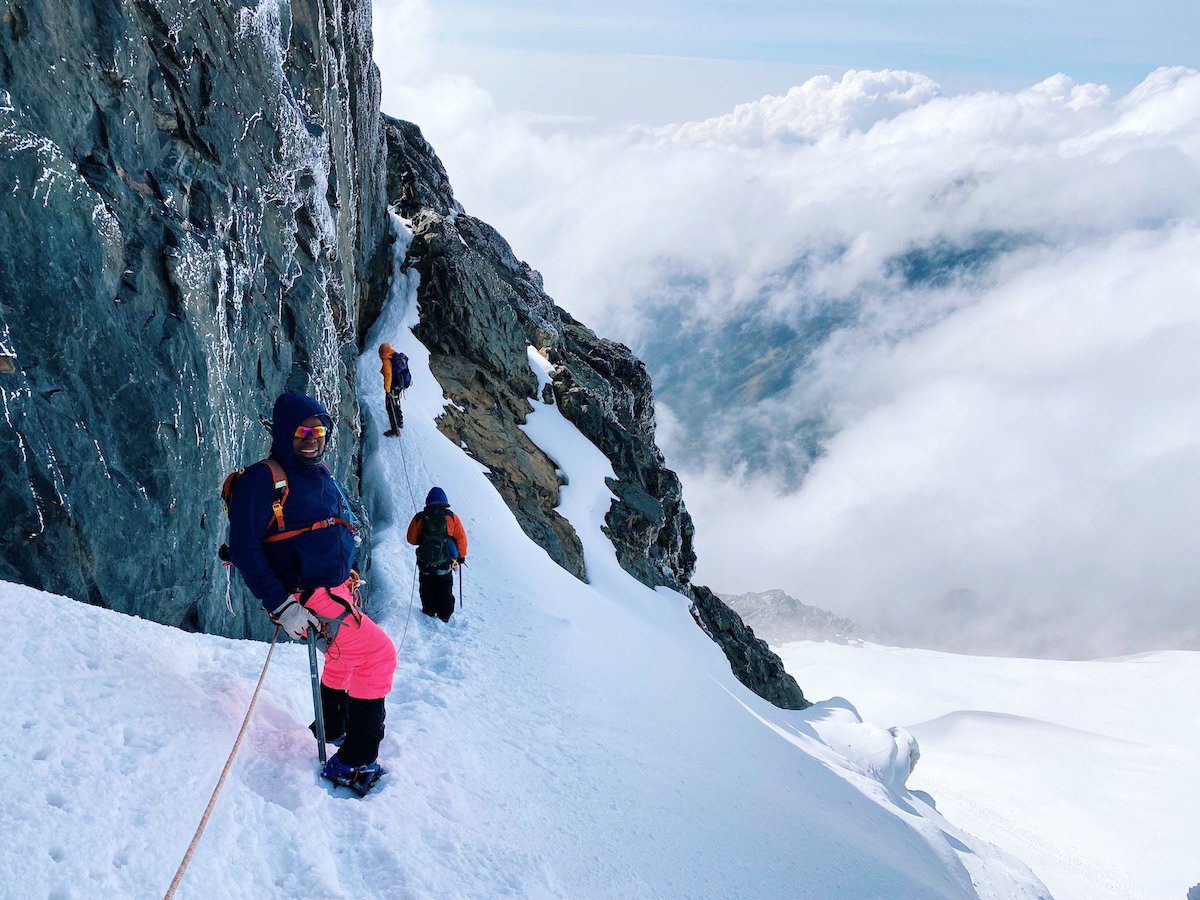
Why Rwenzori Expeditions Are Known as the Ultimate African Adventure
Rwenzori expeditions are often described as Africa’s most challenging trekking experience. This reputation is well earned. The combination of constant moisture, muddy trails, dense vegetation, steep ascents, and high altitude creates an environment that tests even experienced mountaineers.
What sets Rwenzori expeditions apart is the sense of isolation. Unlike popular mountains with established infrastructure and large daily crowds, the Rwenzori range remains quiet and remote. Days can pass without encountering other trekking groups, reinforcing the feeling of being deep in untouched wilderness.
The challenge is not just physical. Mental endurance plays a critical role. Progress can be slow, camps are basic, and weather conditions are unpredictable. Those who thrive on Rwenzori expeditions are typically drawn to authenticity rather than convenience.
The History Behind Rwenzori Expeditions
The Rwenzori Mountains have fascinated explorers for centuries. Ancient Greek geographers believed the Mountains of the Moon were the source of the Nile, a theory that persisted for over a thousand years. This mystery fueled European exploration during the late nineteenth century.
Early expeditions were arduous and dangerous, with explorers battling dense forest, disease, and unknown terrain. The first recorded ascent of Mount Stanley occurred in 1906, marking a turning point in the history of Rwenzori expeditions. Since then, the range has remained a destination for those seeking something beyond conventional adventure travel.
Despite this history, the Rwenzori Mountains have never become overexposed. Their difficulty and remoteness have preserved their wild character, making modern Rwenzori expeditions feel like true exploration.
The Unique Ecosystems Encountered on Rwenzori Expeditions
One of the most remarkable aspects of Rwenzori expeditions is the diversity of ecosystems encountered along the trail. As trekkers ascend, they pass through distinct ecological zones that feel almost surreal in their progression.
Lower elevations are dominated by dense montane forest, rich with mosses, ferns, and towering trees. As altitude increases, bamboo zones give way to heath and moorland, where giant heathers and lobelias dominate the landscape. Higher still, the afro-alpine zone emerges, featuring enormous groundsels and lobelias that appear otherworldly.
Near the summits, the environment becomes stark and glacial, with ice, rock, and snow defining the terrain. This rapid ecological transition is one of the defining experiences of Rwenzori expeditions and a key reason the range is designated as a protected area.
Popular Routes for Rwenzori Expeditions
Rwenzori expeditions can follow several established routes, each offering a different experience. The most well-known route is the Central Circuit Trail, which provides comprehensive access to the heart of the range and serves as the primary route for summit attempts on Mount Stanley.
This circuit typically takes between seven and ten days, depending on objectives and acclimatization needs. It includes river crossings, boggy valleys, steep climbs, and high passes, offering a complete Rwenzori experience.
Other routes focus on specific valleys or peaks and may be shorter or more technical. Some expeditions prioritize trekking and scenery, while others target technical summits requiring rope work, glacier travel, and climbing skills.
Choosing the right route is critical to the success of any Rwenzori expedition and should be based on fitness, experience, and goals rather than time constraints.
The Physical Demands of Rwenzori Expeditions
Rwenzori expeditions are physically demanding in ways that differ from more straightforward altitude treks. While elevation gain is significant, the greater challenge often comes from terrain and conditions.
Trails are frequently muddy, slippery, and uneven. Wooden boardwalks cross swampy sections but can be slick with moisture. Steep ascents and descents require balance and strength, particularly when carrying a day pack.
Weather adds another layer of difficulty. Rain is common, and humidity can be high at lower elevations. Keeping clothing dry is a constant challenge, and fatigue can accumulate quickly if pacing is not managed carefully.
These conditions mean that Rwenzori expeditions favor endurance, resilience, and adaptability over speed or brute strength.
Technical Climbing on Rwenzori Expeditions
For those aiming to reach the highest summits, Rwenzori expeditions involve technical climbing. Peaks such as Margherita require glacier travel, crevasse navigation, fixed ropes, and basic rock climbing skills.
Unlike trekking peaks, these summits demand proper mountaineering equipment and experienced guides. Weather windows can be short, and conditions on glaciers can change rapidly.
This technical aspect is one of the reasons Rwenzori expeditions are highly respected within the mountaineering community. They combine trekking, alpine climbing, and expedition logistics into a single cohesive challenge.
Climate and Weather During Rwenzori Expeditions
The climate of the Rwenzori Mountains is heavily influenced by their equatorial location. Rainfall is high throughout the year, with few truly dry periods. This consistent moisture contributes to the lush vegetation but also increases the difficulty of expeditions.
Temperatures vary significantly with altitude. Lower sections can be warm and humid, while higher camps and summits experience freezing conditions. Snowfall is possible at high elevations, particularly on the glaciers.
Successful Rwenzori expeditions require flexible planning and acceptance that weather may dictate daily progress. Patience and preparedness are essential traits.
Wildlife Encounters on Rwenzori Expeditions
Rwenzori expeditions offer unique wildlife viewing opportunities, particularly at lower elevations. The forests are home to primates such as colobus monkeys and chimpanzees, as well as a wide variety of bird species.
As altitude increases, wildlife becomes scarcer, but the botanical diversity remains extraordinary. Giant lobelias and groundsels create landscapes found nowhere else on Earth.
These encounters enhance the sense of discovery and reinforce the ecological importance of the Rwenzori range.
Logistics and Support for Rwenzori Expeditions
Rwenzori expeditions require careful logistical planning. Access points are remote, and infrastructure is limited. Most expeditions are supported by local guides and porters who possess invaluable knowledge of the terrain and conditions.
Camps are typically basic huts or tented sites, and comfort should not be the primary expectation. Meals are simple but designed to provide sufficient energy for demanding days.
Supporting local communities through responsible expedition planning is an important aspect of Rwenzori travel. Ethical operators prioritize fair treatment of staff and environmental stewardship.
Acclimatization and Health on Rwenzori Expeditions
Although the Rwenzori Mountains do not reach the same altitude as Kilimanjaro, acclimatization remains important. Gradual ascent and adequate rest days help reduce the risk of altitude-related illness.
The wet environment also increases the risk of foot problems, infections, and fatigue. Proper footwear, hygiene, and pacing are critical to maintaining health throughout the expedition.
Mental health is equally important. The constant challenge of conditions can wear down morale, making team support and communication essential.
Why Rwenzori Expeditions Are Not for Everyone
Rwenzori expeditions are not suited to travelers seeking comfort, predictability, or quick achievements. The mountains demand respect, patience, and a willingness to embrace discomfort.
Those who thrive on these expeditions are typically experienced trekkers or mountaineers looking for something raw and immersive. For these individuals, the rewards far outweigh the hardships.
Understanding this distinction helps ensure that expectations align with reality, leading to safer and more fulfilling experiences.
The Transformational Impact of Rwenzori Expeditions
Completing a Rwenzori expedition often leaves a lasting impression. The combination of physical challenge, isolation, and natural beauty creates a profound sense of accomplishment.
Many trekkers describe a deep connection to the landscape and a renewed appreciation for simplicity and resilience. The experience can reshape how people view adventure, success, and their own capabilities.
Rwenzori expeditions are not just journeys across mountains. They are journeys inward, revealing strengths and vulnerabilities alike.
Conservation and the Future of Rwenzori Expeditions
The Rwenzori Mountains face environmental pressures from climate change, population growth, and land use. Glaciers are retreating, and ecosystems are shifting.
Responsible Rwenzori expeditions play a role in conservation by supporting protected areas and local livelihoods. Sustainable tourism helps ensure that these mountains remain accessible to future generations.
Awareness and respect are key to preserving the unique character of the range.
Final Thoughts on Rwenzori Expeditions
Rwenzori expeditions stand apart from most adventure travel experiences. They offer a rare combination of wilderness, challenge, beauty, and cultural significance. These mountains do not offer easy victories, but they reward those who approach them with humility and determination.
Whether you aim to trek through the afro-alpine zones or stand atop one of Africa’s highest peaks, Rwenzori expeditions provide an experience that is both demanding and deeply meaningful.
For those willing to embrace the mud, the mist, and the unknown, the Mountains of the Moon offer an adventure that remains unmatched on the African continent.