Rwenzori Mountains Trekking Cost: A Complete Guide to Budgeting Your Adventure
Rwenzori Mountains trekking cost is one of the most important considerations for travelers planning to explore Africa’s most mystical and least commercialized mountain range. Known as the “Mountains of the Moon,” the Rwenzori Mountains offer a trekking experience unlike any other on the continent, blending alpine landscapes, tropical glaciers, rare vegetation, and remote wilderness. Understanding the full Rwenzori Mountains trekking cost helps hikers plan realistically, avoid hidden expenses, and choose the right trekking option based on comfort, duration, and goals.
Unlike Mount Kilimanjaro, which has standardized packages, the Rwenzori Mountains trekking cost varies widely depending on factors such as route selection, trekking days, park fees, guide services, accommodation style, porter support, and seasonality. This detailed guide explores every cost component in depth, ensuring you know exactly what to expect when planning your Rwenzori trekking adventure.
Understanding Rwenzori Mountains Trekking Cost and Why It Varies
Rwenzori Mountains trekking cost is not a fixed figure because trekking in this range is regulated by Uganda Wildlife Authority and managed through registered trekking companies and community-based services. The cost structure reflects conservation efforts, local employment, logistical complexity, and the challenging terrain.
The Rwenzori Mountains are located in western Uganda along the border with the Democratic Republic of Congo. Trekking here is logistically demanding due to remote access, unpredictable weather, and the need for experienced guides. As a result, the Rwenzori Mountains trekking cost is higher than general hiking trips but still significantly lower than trekking comparable alpine routes in Europe or summiting Kilimanjaro.
Another reason Rwenzori Mountains trekking cost varies is the diversity of trekking goals. Some trekkers aim to reach Margherita Peak, Africa’s third-highest point, while others prefer shorter scenic treks through the lower valleys. Each objective influences the number of days, level of support, and overall cost.
Rwenzori Mountains Trekking Cost Based on Trek Duration
One of the most significant factors affecting Rwenzori Mountains trekking cost is the number of trekking days. Longer treks require more park fees, guide services, food supplies, accommodation nights, and porter wages.
Short treks lasting two to three days focus on lower-altitude zones such as the Mubuku Valley or Nyabitaba Hut area. These treks offer excellent scenery without technical climbing. The Rwenzori Mountains trekking cost for such short trips is generally lower, making them ideal for budget travelers or those with limited time.
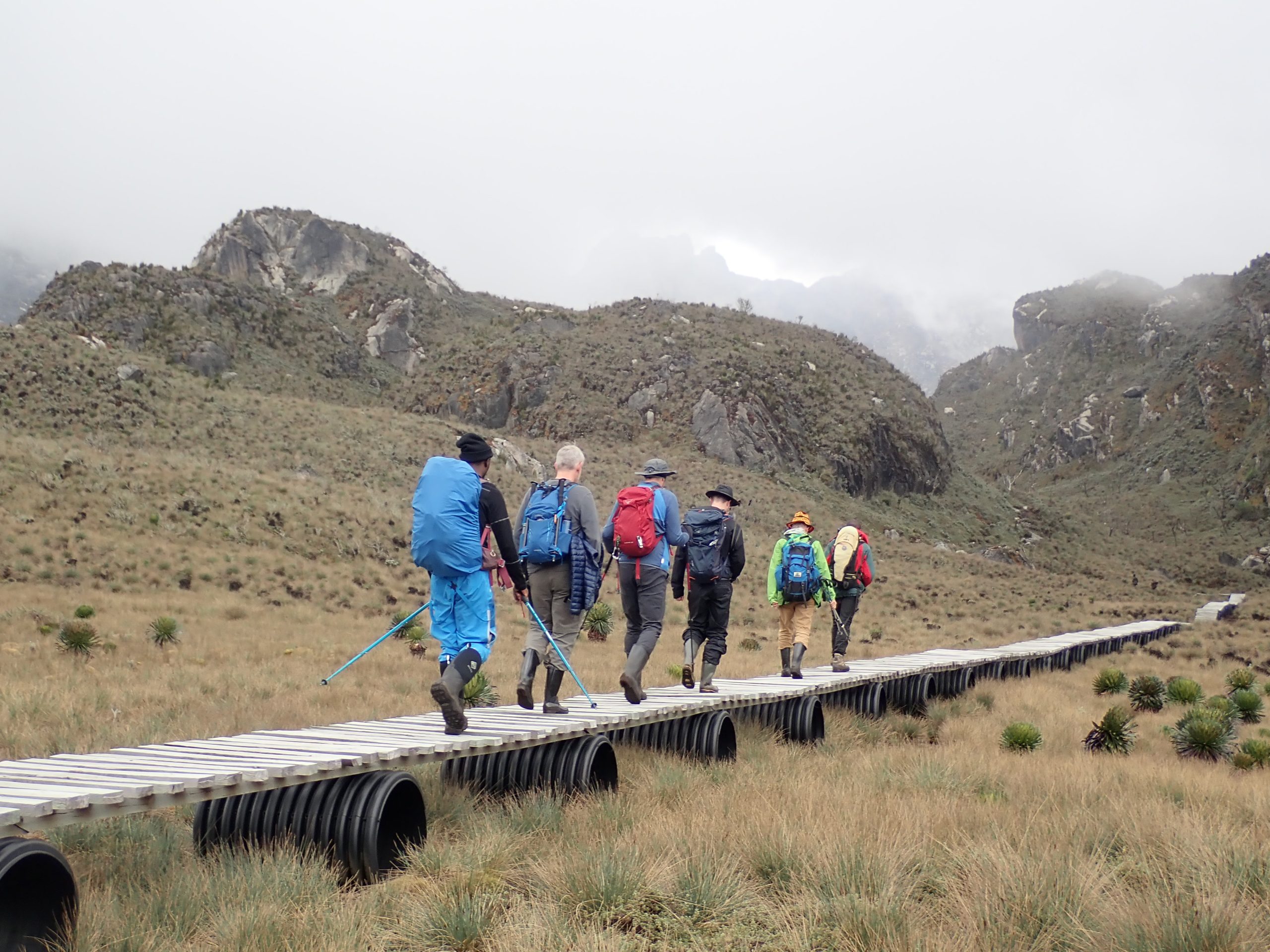
Mid-range treks lasting four to six days typically reach higher alpine zones such as John Matte Hut, Elena Hut, or Lake Bujuku. These routes provide a more immersive experience and significantly increase the Rwenzori Mountains trekking cost due to additional park days and logistical support.
Full summit treks lasting seven to ten days aim to reach Margherita Peak on Mount Stanley. These are the most expensive options, as the Rwenzori Mountains trekking cost includes technical climbing equipment, specialized guides, extra porters, and contingency days for weather delays.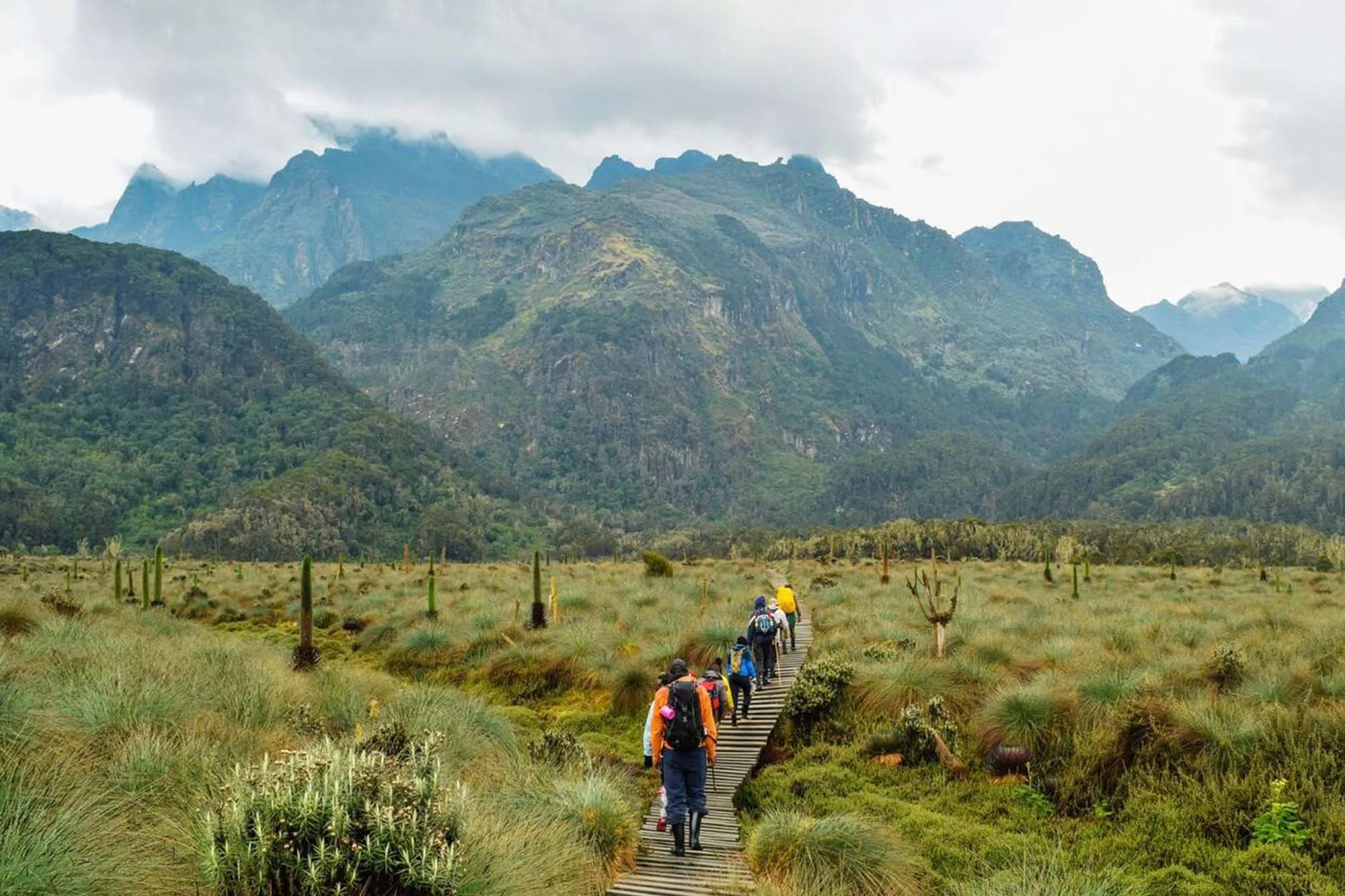
Uganda Wildlife Authority Fees and Rwenzori Mountains Trekking Cost
Uganda Wildlife Authority fees form the backbone of the Rwenzori Mountains trekking cost. These mandatory fees support conservation, infrastructure maintenance, and community development around Rwenzori Mountains National Park.
Daily park entrance fees are charged per person per day and apply to every trekking day, including arrival and departure days within the park. Additionally, there are separate fees for guides, porters, and rangers, all regulated by Uganda Wildlife Authority.
Another essential component of Rwenzori Mountains trekking cost is the hut accommodation fee. Trekkers staying in official huts such as Nyabitaba, John Matte, Bujuku, Elena, and Kitandara are required to pay per night. These huts provide basic shelter, sleeping platforms, and cooking areas, contributing to safety and environmental protection.
Summit attempts incur an additional peak climbing fee, which significantly increases the Rwenzori Mountains trekking cost. This fee applies only to climbers targeting Margherita Peak or other technical summits within the range.
Guide and Porter Costs in Rwenzori Mountains Trekking Cost
Guides and porters are mandatory for all treks, and their wages are a major component of Rwenzori Mountains trekking cost. Hiring trained local guides ensures safety, navigation accuracy, and cultural exchange, while porters make it possible to trek comfortably in challenging terrain.
Each trekking group is assigned a lead guide, assistant guides, porters, and in some cases a cook. The number of support staff depends on group size, trek length, and service level. Summit treks require more guides due to technical climbing sections involving ropes, ladders, and glaciers.
Porter wages are calculated per day and include food, accommodation, and insurance. Ethical trekking companies incorporate fair wages into the Rwenzori Mountains trekking cost, ensuring local communities benefit directly from tourism.
Accommodation and Meals Within Rwenzori Mountains Trekking Cost
Accommodation style plays a significant role in determining Rwenzori Mountains trekking cost. Most trekkers stay in basic mountain huts managed by Rwenzori Mountaineering Services or community-based organizations. These huts are functional rather than luxurious, offering bunk beds, shared toilets, and limited lighting.
Meals are usually prepared by a trek cook and included in the Rwenzori Mountains trekking cost. The menu typically consists of energy-rich foods such as rice, pasta, potatoes, beans, vegetables, fruits, and soups. Special dietary requirements can be accommodated at an additional cost.
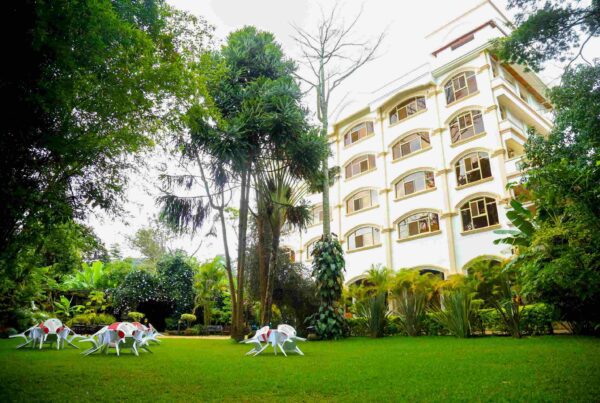
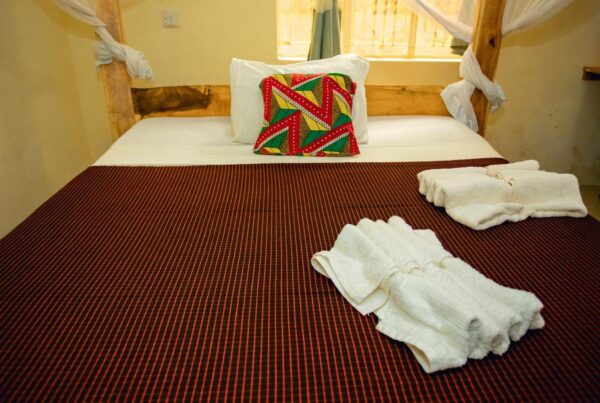
Some premium trekking packages offer upgraded accommodation before and after the trek in nearby lodges. While these costs are outside the park, they still contribute to the total Rwenzori Mountains trekking cost and should be factored into your budget.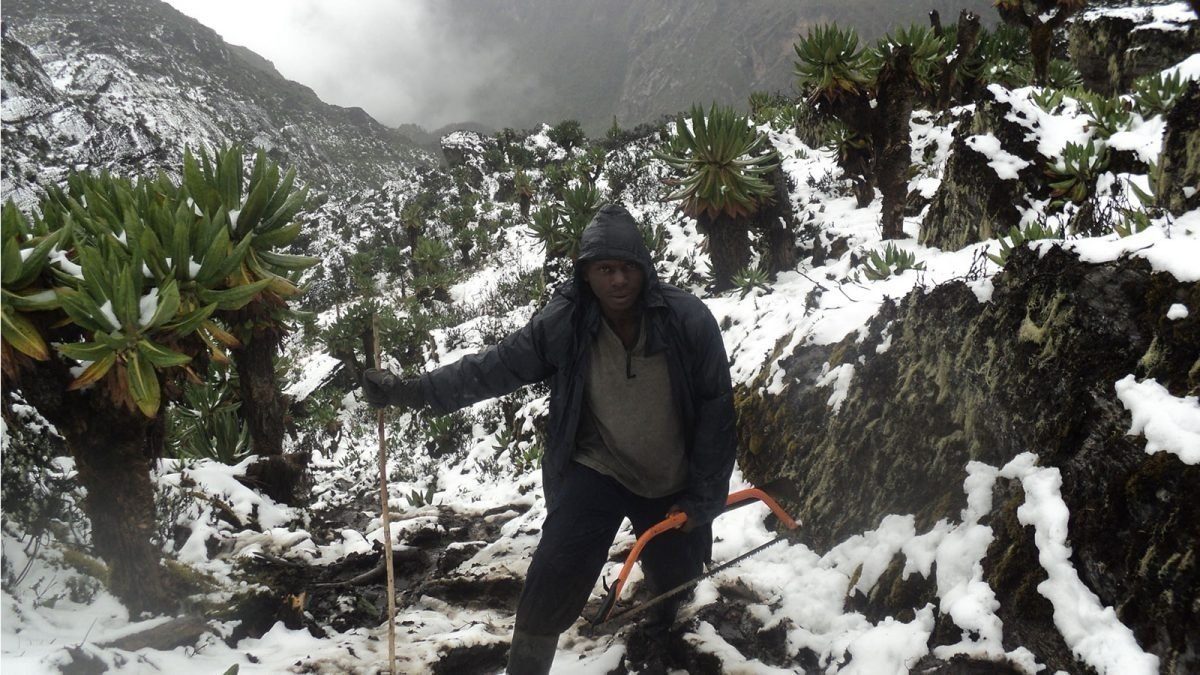
Equipment and Gear Costs in Rwenzori Mountains Trekking Cost
Rwenzori trekking requires specialized equipment due to muddy trails, cold temperatures, and glacier crossings. Gear expenses can significantly affect Rwenzori Mountains trekking cost, especially for first-time trekkers.
Essential personal gear includes waterproof boots, gaiters, thermal clothing, rain jackets, gloves, sleeping bags, and trekking poles. For summit treks, technical equipment such as crampons, harnesses, helmets, and ice axes is mandatory.
Some trekking companies include technical gear rental in their Rwenzori Mountains trekking cost, while others charge separately. Renting gear locally can be more affordable than purchasing new equipment, but availability should be confirmed in advance.
Transportation and Logistics Affecting Rwenzori Mountains Trekking Cost
Transportation to and from the Rwenzori Mountains is another key factor in overall Rwenzori Mountains trekking cost. The park is accessible by road from Kampala or Entebbe, with travel times ranging from six to eight hours depending on traffic and weather.
Many trekking packages include round-trip ground transportation, while others require trekkers to arrange their own transfers. Private vehicles increase the Rwenzori Mountains trekking cost but offer flexibility and comfort, especially for groups.
International flights to Uganda, visa fees, travel insurance, and pre-trek accommodation are not always included in advertised trekking prices, yet they contribute significantly to the total Rwenzori Mountains trekking cost.
Seasonal Variations in Rwenzori Mountains Trekking Cost
Seasonality influences Rwenzori Mountains trekking cost both directly and indirectly. The best trekking seasons are generally during the drier months, which offer safer trail conditions and clearer views.
During peak seasons, demand for guides, porters, and huts increases, sometimes raising the Rwenzori Mountains trekking cost slightly. In contrast, off-season treks may offer discounted rates but come with higher risks due to heavy rainfall, slippery trails, and limited visibility.
Choosing the right season balances cost savings with safety and overall trekking experience, making seasonality an important consideration when calculating Rwenzori Mountains trekking cost.
Group Size and Its Impact on Rwenzori Mountains Trekking Cost
Group size directly affects Rwenzori Mountains trekking cost per person. Larger groups benefit from cost-sharing on guides, cooks, transportation, and logistics, reducing the individual expense.
Solo trekkers face higher Rwenzori Mountains trekking cost because guide and porter fees are not shared. Some trekking companies offer scheduled group departures that allow solo travelers to join others and reduce costs.
Private treks provide flexibility and personalized pacing but increase Rwenzori Mountains trekking cost due to exclusive use of staff and resources.
Comparing Rwenzori Mountains Trekking Cost to Other African Mountains
When compared to Mount Kilimanjaro or Mount Kenya, Rwenzori Mountains trekking cost is often considered better value for money. While Kilimanjaro has higher permit fees and more commercialized routes, the Rwenzori offers a wilder, less crowded experience at a relatively lower price.
The inclusion of porters, guides, meals, and huts within the Rwenzori Mountains trekking cost creates transparency, making it easier to budget compared to destinations with multiple hidden charges.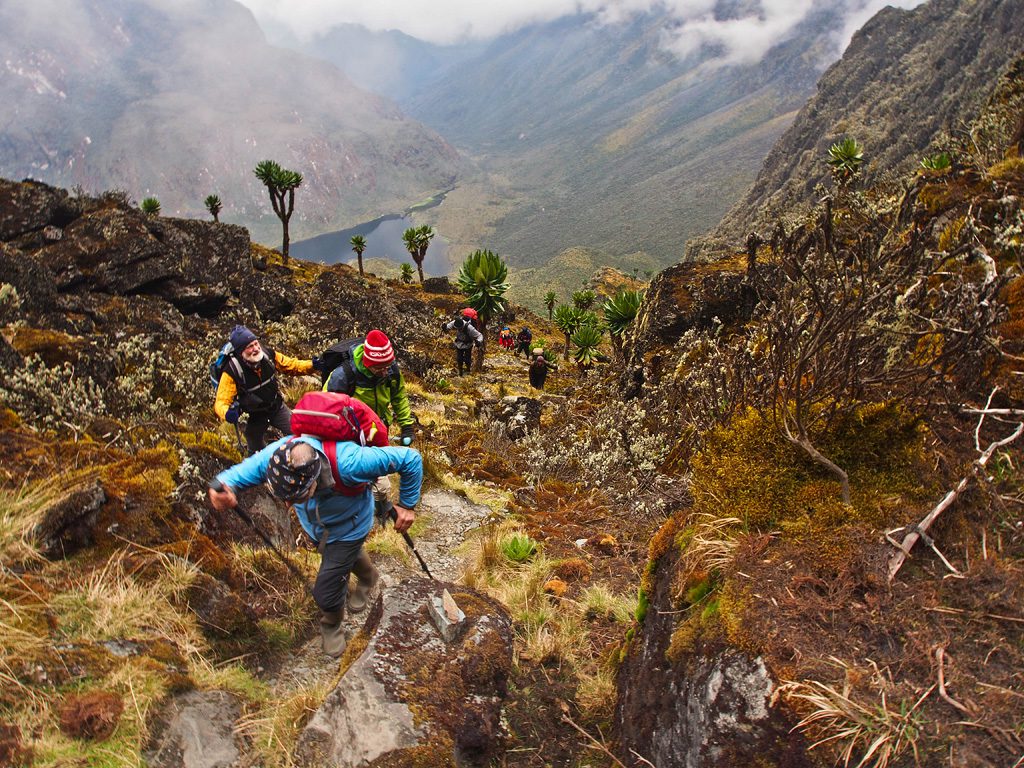
Hidden Costs to Watch Out for in Rwenzori Mountains Trekking Cost
Despite careful planning, some hidden expenses can increase Rwenzori Mountains trekking cost. Tips for guides and porters, while not mandatory, are customary and should be budgeted for ethically.
Extra nights due to weather delays, medical evacuations, equipment replacement, and emergency accommodation can also affect final costs. Comprehensive travel insurance helps mitigate unexpected expenses associated with Rwenzori Mountains trekking cost.
How to Budget Effectively for Rwenzori Mountains Trekking Cost
Effective budgeting starts with choosing the right trekking route and duration. Understanding what is included in your package prevents surprises and ensures accurate estimation of Rwenzori Mountains trekking cost.
Working with reputable local operators often provides better value than international intermediaries, as local companies have direct access to permits, guides, and logistics. This approach can significantly reduce overall Rwenzori Mountains trekking cost while supporting local communities.
Is Rwenzori Mountains Trekking Cost Worth It?
For adventurers seeking a unique and challenging mountain experience, Rwenzori Mountains trekking cost represents exceptional value. The diversity of landscapes, rare flora, dramatic glaciers, and sense of isolation offer a trekking experience unmatched elsewhere in Africa.
While the upfront cost may seem significant, the inclusions, conservation impact, and authenticity make Rwenzori Mountains trekking cost a worthwhile investment for serious trekkers and nature enthusiasts.
Final Thoughts on Rwenzori Mountains Trekking Cost
Rwenzori Mountains trekking cost depends on numerous interconnected factors, from park fees and guide services to equipment, season, and trek duration. Understanding these elements allows travelers to plan realistically and choose a trekking option that aligns with both budget and ambition.
Whether embarking on a short scenic trek or a full summit expedition, careful planning ensures your Rwenzori Mountains trekking cost delivers an unforgettable adventure in one of Africa’s most extraordinary mountain ranges.