Rwenzori Climbing: The Ultimate Guide to Conquering the Mountains of the Moon
Rwenzori climbing is one of the most rewarding and least conventional high-altitude adventures in Africa, offering a rare blend of equatorial glaciers, dense montane forests, dramatic alpine landscapes, and deep cultural encounters. Often overshadowed by Mount Kilimanjaro and Mount Kenya, the Rwenzori Mountains—also known as the Mountains of the Moon—provide a far more immersive and technically engaging climbing experience. For adventurers seeking authenticity, challenge, and untouched beauty, Rwenzori climbing stands in a class of its own.
This in-depth guide explores everything you need to know about Rwenzori climbing, from history and geography to routes, preparation, seasons, challenges, and the unique magic that makes this range one of the most extraordinary mountaineering destinations on Earth.
Understanding Rwenzori Climbing and the Mountains of the Moon
Rwenzori climbing refers to mountaineering and trekking activities within the Rwenzori Mountains, a UNESCO World Heritage Site straddling the border between Uganda and the Democratic Republic of Congo. The range is famed for its snow-capped peaks despite being located near the equator, a phenomenon that has fascinated explorers, geographers, and climbers for centuries.
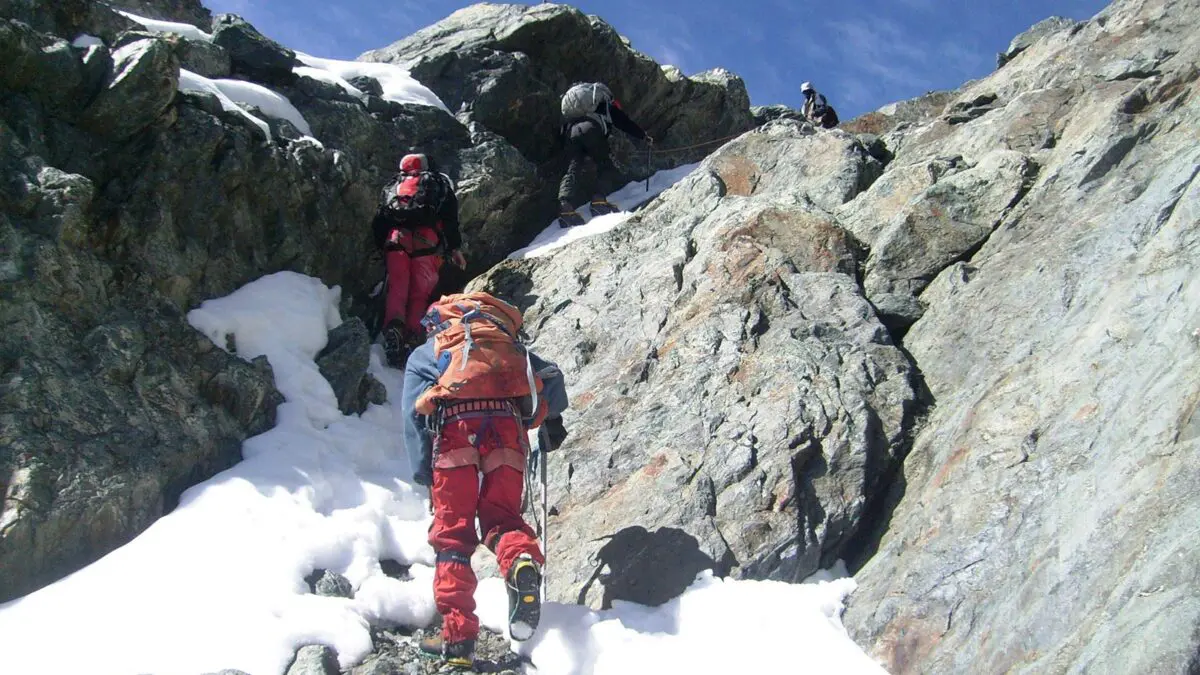
The Rwenzori Mountains are not volcanic like Kilimanjaro or Mount Kenya. Instead, they are a fault-block mountain range formed through tectonic uplift, giving rise to jagged peaks, deep valleys, and dramatic escarpments. This geological origin makes Rwenzori climbing more technical and varied, often involving scrambling, glacier travel, and rope work depending on the route and peak.
At the heart of Rwenzori climbing lies Mount Stanley, home to Margherita Peak at 5,109 meters, the highest point in Uganda and the third-highest mountain in Africa. Reaching this summit is the ultimate goal for many climbers, but the journey itself is what defines the Rwenzori experience.
The History and Mystique Behind Rwenzori Climbing
The allure of Rwenzori climbing stretches back to ancient times. The Greek geographer Ptolemy referred to the Mountains of the Moon as the source of the Nile, a claim that remained largely mythical until modern exploration. In 1889, the explorer Henry Morton Stanley confirmed the existence of the snow-capped Rwenzori range, bringing global attention to these mysterious mountains.
Early Rwenzori climbing expeditions were arduous and dangerous, hindered by dense vegetation, constant rain, and limited mapping. Over time, improved trail systems, mountain huts, and guiding services have made Rwenzori climbing more accessible, though it remains far more demanding than many other African climbs. This balance between accessibility and raw wilderness is a defining feature of Rwenzori climbing today.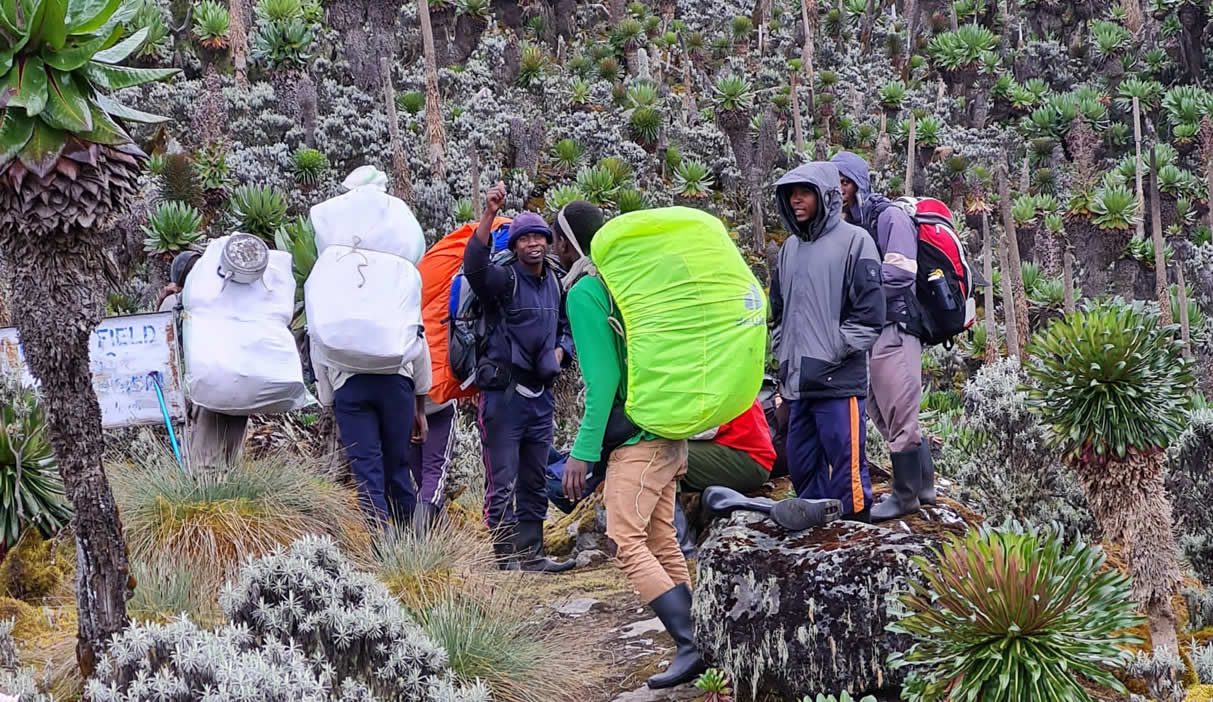
Why Rwenzori Climbing Is Unique in Africa
Rwenzori climbing is unlike any other African mountain adventure due to its extraordinary ecological diversity and technical variety. Climbers pass through multiple vegetation zones, each more surreal than the last. The lower slopes are dominated by tropical rainforest teeming with birds, primates, and waterfalls. As altitude increases, bamboo forests and heather zones give way to afro-alpine landscapes filled with giant lobelias, groundsels, and moss-draped trees.
Above 4,500 meters, Rwenzori climbing transitions into a high-alpine environment featuring glaciers, snowfields, and exposed rock ridges. The presence of glaciers so close to the equator adds a rare dimension to the climb, making Rwenzori climbing one of the few equatorial glacier trekking experiences in the world.
Another defining aspect of Rwenzori climbing is solitude. Unlike more commercialized peaks, the Rwenzori range sees relatively few climbers each year. This means fewer crowds, a stronger sense of exploration, and a deeper connection with the mountains.
Major Peaks Involved in Rwenzori Climbing
Rwenzori climbing encompasses several major peaks, each offering distinct challenges and rewards. Mount Stanley is the most famous, with Margherita Peak being the crown jewel. Reaching this summit requires glacier travel, crevasse navigation, and basic technical climbing skills.
Mount Speke, Mount Baker, Mount Emin, Mount Gessi, and Mount Luigi di Savoia are also part of the Rwenzori massif. While not all require advanced technical skills, they still demand excellent physical fitness, altitude tolerance, and mental resilience. Some climbers choose to focus on trekking routes that do not involve summiting the highest peaks, while others aim to combine multiple summits into a single Rwenzori climbing expedition.
Rwenzori Climbing Routes and Trail Systems
Rwenzori climbing is supported by two main trail systems on the Ugandan side: the Central Circuit Trail and the Kilembe Trail. Each offers a different perspective on the mountains and caters to different climbing objectives.
The Central Circuit Trail is the most established route for Rwenzori climbing and is often chosen by those aiming to summit Margherita Peak. This trail takes climbers through a wide range of ecosystems and provides access to several key peaks. The presence of mountain huts along the route offers shelter, though conditions can be basic and cold.
The Kilembe Trail is newer and less trafficked, making it appealing for climbers seeking a quieter experience. This route offers stunning valley views and a more gradual approach to the high peaks. Some advanced Rwenzori climbing itineraries combine both trails for a comprehensive traverse of the range.
Regardless of the route chosen, Rwenzori climbing is rarely rushed. Most expeditions last between seven and ten days, allowing time for acclimatization and exploration.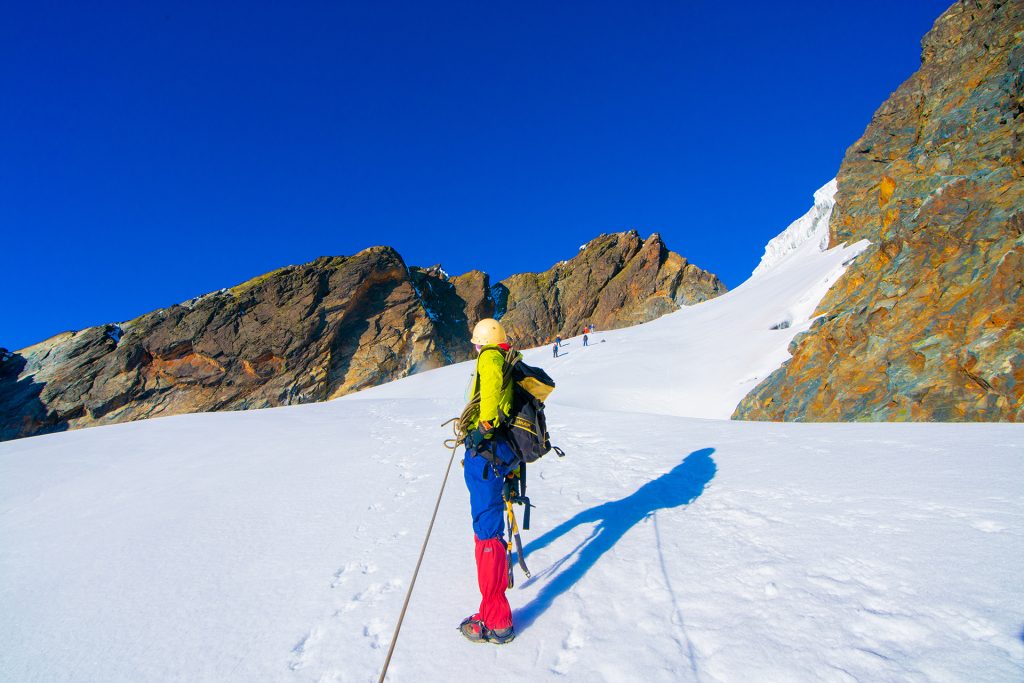
Physical and Mental Preparation for Rwenzori Climbing
Rwenzori climbing is physically demanding, requiring endurance, strength, and adaptability. Unlike climbs that rely primarily on altitude gain, Rwenzori climbing involves constant ascents and descents, muddy terrain, slippery roots, and uneven rock. Climbers often find that daily elevation changes and trail conditions are more exhausting than altitude alone.
Mental preparation is equally important. The weather during Rwenzori climbing can be unpredictable, with rain, mist, and cold temperatures occurring at any time of year. Long days of trekking through wet conditions can test morale, making resilience and a positive mindset essential components of success.
Training for Rwenzori climbing should focus on cardiovascular endurance, leg strength, balance, and core stability. Familiarity with basic mountaineering techniques, such as using crampons and harnesses, is beneficial for those targeting glacier-covered peaks.
Best Time of Year for Rwenzori Climbing
Rwenzori climbing is possible year-round, but certain seasons offer more favorable conditions. The driest periods typically occur from December to February and from June to August. During these months, trails are less muddy, visibility is better, and summit attempts are more likely to succeed.
That said, Rwenzori climbing is known for its persistent moisture, even during drier seasons. Rainfall can occur at any time, particularly in the lower forest zones. Climbers should approach Rwenzori climbing with realistic expectations, understanding that part of the adventure lies in navigating the elements rather than avoiding them.
Climate change has also begun to impact Rwenzori climbing, particularly through the rapid retreat of glaciers. This adds urgency and poignancy to the experience, as climbers witness firsthand the fragile state of these equatorial ice fields.
Equipment and Gear for Rwenzori Climbing
Proper gear is essential for a safe and enjoyable Rwenzori climbing experience. Waterproof clothing is paramount, as rain and mist are common. High-quality hiking boots with excellent grip are necessary to handle mud, roots, and rocky sections.
For technical Rwenzori climbing objectives, such as Margherita Peak, additional equipment is required, including crampons, ice axes, helmets, harnesses, and ropes. While some gear can be rented locally, experienced climbers often prefer to bring personal equipment to ensure familiarity and fit.
Layering is critical during Rwenzori climbing, as temperatures can vary dramatically between forest zones and high-altitude camps. Cold nights, strong winds, and snow at higher elevations demand reliable insulation and thermal protection.
Wildlife and Cultural Encounters During Rwenzori Climbing
Rwenzori climbing is not just a mountaineering endeavor; it is also a journey through vibrant ecosystems and living cultures. The lower slopes of the mountains are home to a variety of wildlife, including colobus monkeys, chimpanzees, forest elephants, and countless bird species.
Cultural interactions are another enriching aspect of Rwenzori climbing. Local Bakonzo communities have lived alongside the mountains for generations, and many serve as guides, porters, and stewards of the trails. Their knowledge of the terrain, weather patterns, and mountain lore adds depth and authenticity to the climbing experience.
Engaging respectfully with local communities enhances Rwenzori climbing while contributing to sustainable tourism and conservation efforts.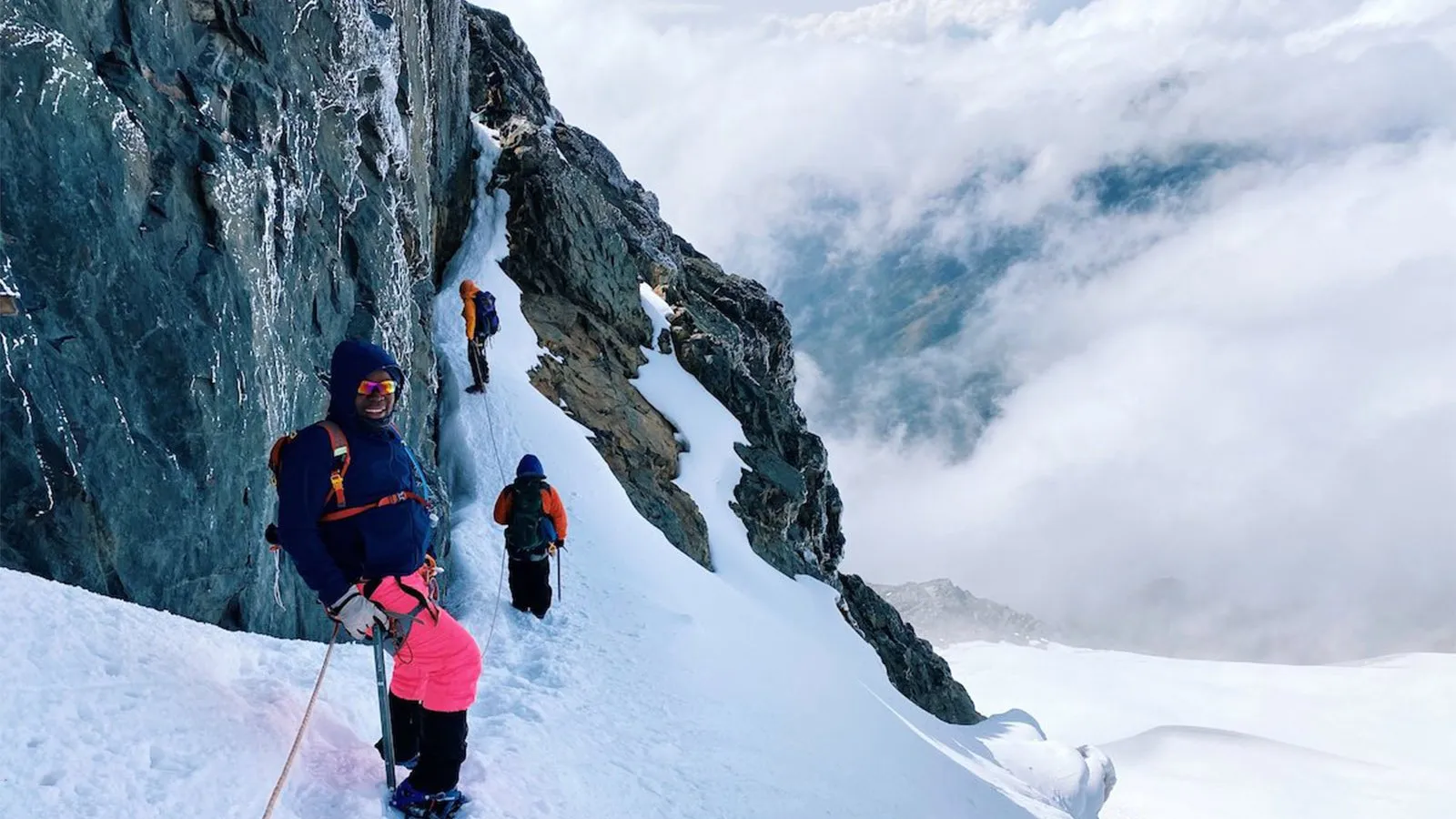
Challenges and Risks Associated With Rwenzori Climbing
Rwenzori climbing presents unique challenges that should not be underestimated. Persistent wet conditions increase the risk of hypothermia, slips, and falls. The muddy terrain can slow progress and increase fatigue, making time management critical.
Altitude-related illnesses are also a concern, particularly for climbers ascending too quickly. Proper acclimatization and awareness of symptoms are essential components of safe Rwenzori climbing.
Technical sections involving glaciers and exposed ridges require competence and caution. While guides play a vital role, climbers are responsible for their own preparedness and decision-making.
Environmental Conservation and Responsible Rwenzori Climbing
The Rwenzori Mountains are a fragile environment, and responsible Rwenzori climbing is crucial to their preservation. Climbers are encouraged to minimize waste, respect wildlife, and follow established trails. Supporting local guiding services and conservation initiatives helps ensure that Rwenzori climbing remains sustainable for future generations.
As glaciers continue to recede, Rwenzori climbing also serves as a powerful reminder of the impact of global climate change. Many climbers leave the mountains with a renewed sense of environmental responsibility and appreciation for the natural world.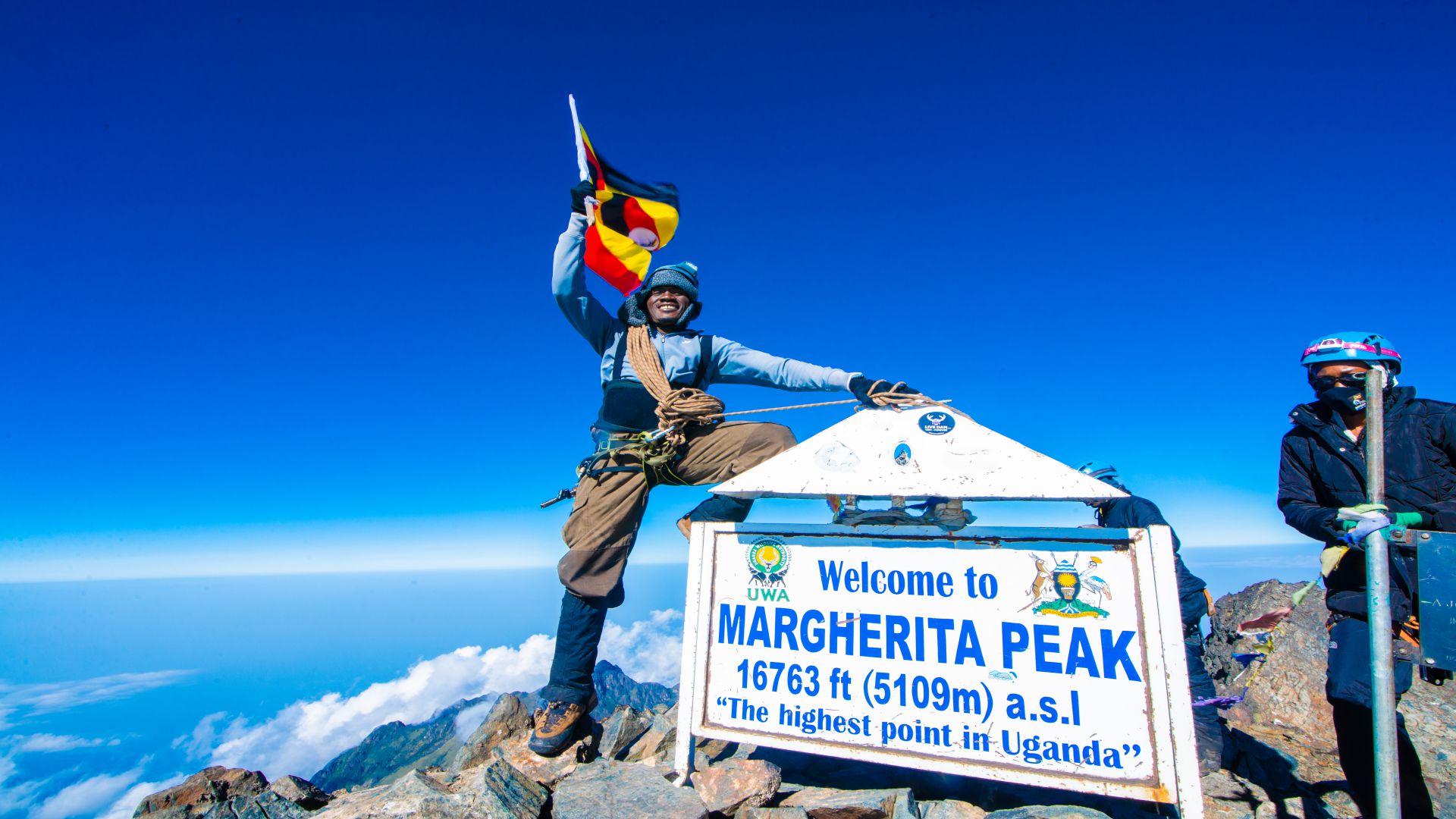
The Emotional Reward of Rwenzori Climbing
Completing a Rwenzori climbing expedition is a deeply emotional and transformative experience. The combination of physical challenge, raw wilderness, and cultural connection creates memories that linger long after the descent. Standing atop a snow-covered peak under an equatorial sun is both surreal and humbling, encapsulating the magic of Rwenzori climbing.
Unlike more commercialized climbs, success in Rwenzori climbing is not measured solely by summits. The journey through misty forests, the camaraderie built in mountain huts, and the quiet moments of reflection all contribute to a sense of achievement that transcends altitude.
Final Thoughts on Rwenzori Climbing
Rwenzori climbing is a rare and extraordinary adventure that rewards those willing to embrace uncertainty, effort, and wonder. It is a journey through some of the most diverse and dramatic landscapes in Africa, offering challenges that test both body and spirit.
For climbers seeking more than a checklist summit, Rwenzori climbing delivers an experience rooted in exploration, authenticity, and profound natural beauty. The Mountains of the Moon remain one of the last great mountaineering frontiers on the continent, waiting for those bold enough to answer their call.