
Gorillas and Chimpanzee Conservation Safari Itinerary: A Transformative Journey Into Africa’s Primate Heartland
A gorillas and chimpanzee conservation safari itinerary offers one of the most meaningful wildlife experiences in Africa, combining unforgettable encounters with our closest living relatives and a deep commitment to protecting them for future generations. Unlike traditional safaris that focus solely on observation, a gorillas and chimpanzee conservation safari itinerary is designed around education, sustainability, and responsible travel. It allows travelers to actively support conservation efforts while experiencing the raw beauty of Africa’s forests and the complex social lives of great apes.
This in-depth guide explores a complete gorillas and chimpanzee conservation safari itinerary, highlighting destinations, daily experiences, conservation principles, and the broader impact of such a journey. It is ideal for travelers who seek purpose-driven adventure, cultural connection, and authentic wildlife encounters rooted in ethical tourism.
Understanding a Gorillas and Chimpanzee Conservation Safari Itinerary
A gorillas and chimpanzee conservation safari itinerary is carefully structured to balance wildlife viewing with conservation awareness and community engagement. It typically takes place in East or Central Africa, where mountain gorillas and chimpanzees live in protected rainforest ecosystems. Countries such as Uganda, Rwanda, and Tanzania are renowned for offering some of the most responsible and well-managed primate conservation experiences in the world.
The defining feature of a gorillas and chimpanzee conservation safari itinerary is its focus on low-impact travel. Visitor numbers are strictly controlled, trekking times are limited, and park fees directly fund conservation programs. Travelers are not just observers; they become contributors to habitat protection, research initiatives, and local livelihoods.
This type of itinerary appeals to travelers who value depth over speed. Instead of rushing between destinations, time is spent understanding ecosystems, learning from conservation experts, and appreciating the delicate balance between wildlife and human communities.
Why a Gorillas and Chimpanzee Conservation Safari Itinerary Matters
A gorillas and chimpanzee conservation safari itinerary plays a critical role in protecting endangered species. Mountain gorillas and chimpanzees face ongoing threats from habitat loss, poaching, disease transmission, and climate change. Responsible tourism has emerged as one of the most effective tools for ensuring their survival.
By participating in a gorillas and chimpanzee conservation safari itinerary, travelers help generate sustainable funding for national parks and conservation organizations. Permit fees support anti-poaching patrols, veterinary interventions, and scientific research. Local communities benefit through employment opportunities, reducing reliance on activities that harm wildlife.
Beyond financial support, this type of safari fosters awareness and empathy. Seeing gorillas and chimpanzees in their natural habitats creates a powerful emotional connection, inspiring travelers to become long-term advocates for conservation.
Destinations Featured in a Gorillas and Chimpanzee Conservation Safari Itinerary
A well-designed gorillas and chimpanzee conservation safari itinerary typically includes multiple destinations, each offering unique insights into primate behavior and conservation strategies.
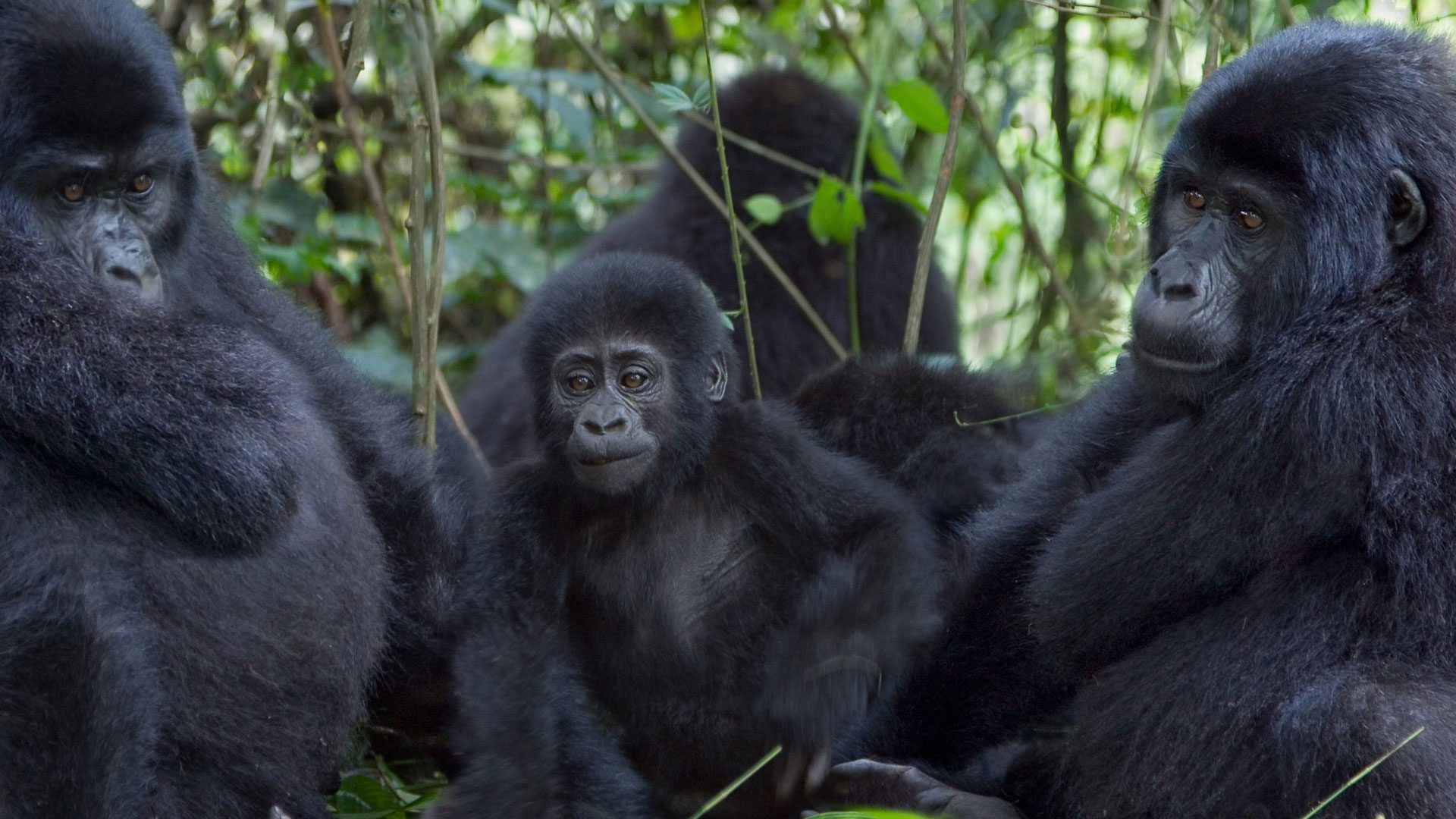
Bwindi Impenetrable National Park in Uganda is one of the most iconic locations for gorilla trekking. Home to nearly half of the world’s remaining mountain gorillas, Bwindi’s dense rainforest provides a dramatic backdrop for intimate encounters. Gorilla trekking here is highly regulated, ensuring minimal disturbance and maximum conservation benefit.
Volcanoes National Park in Rwanda is another key destination often included in a gorillas and chimpanzee conservation safari itinerary. Known for its mist-covered volcanoes and successful conservation model, the park offers exceptional gorilla viewing alongside strong community involvement.
For chimpanzee conservation, Kibale Forest National Park in Uganda stands out as a premier destination. With one of the highest densities of chimpanzees in Africa, Kibale offers both tracking and habituation experiences, allowing visitors to observe a wide range of natural behaviors.
Gombe Stream and Mahale Mountains National Parks in Tanzania are also frequently featured in extended gorillas and chimpanzee conservation safari itineraries. These locations are deeply tied to the legacy of Dr. Jane Goodall and long-term chimpanzee research.
Day-by-Day Overview of a Gorillas and Chimpanzee Conservation Safari Itinerary
A typical gorillas and chimpanzee conservation safari itinerary spans between 7 and 14 days, depending on destinations and travel pace. The journey often begins in a major city such as Entebbe or Kigali, where travelers receive briefings on conservation ethics, trekking guidelines, and health protocols.
Early days are usually dedicated to acclimatization and cultural immersion. Visiting local communities, conservation centers, and educational projects provides context for the wildlife experiences ahead. These interactions highlight how conservation and community development are interconnected.
Chimpanzee trekking is often scheduled before gorilla trekking, as chimpanzees are more active and trekking can be physically demanding. Observing chimpanzees in the forest offers insight into their intelligence, communication, and social structures. A gorillas and chimpanzee conservation safari itinerary may include time with researchers or park rangers who explain ongoing studies and challenges.
Gorilla trekking is typically the highlight of the itinerary. Groups are limited to a small number of visitors, and encounters are restricted to one hour to minimize stress on the gorillas. The experience is profound, often described as life-changing, as travelers witness family dynamics, parenting behaviors, and the gentle strength of these great apes.
Conservation Education Within a Gorillas and Chimpanzee Conservation Safari Itinerary
Education is a central pillar of any gorillas and chimpanzee conservation safari itinerary. Travelers are encouraged to learn about primate biology, conservation history, and current threats facing these species. Guided talks, ranger briefings, and visits to research stations deepen understanding beyond surface-level observation.
Health and disease prevention are critical topics. Because gorillas and chimpanzees share a high percentage of DNA with humans, they are vulnerable to human illnesses. A gorillas and chimpanzee conservation safari itinerary emphasizes strict hygiene protocols, including maintaining safe distances and wearing masks when required.
By integrating education into every stage of the journey, the itinerary transforms travelers into informed ambassadors for conservation, equipped with knowledge they can share long after returning home.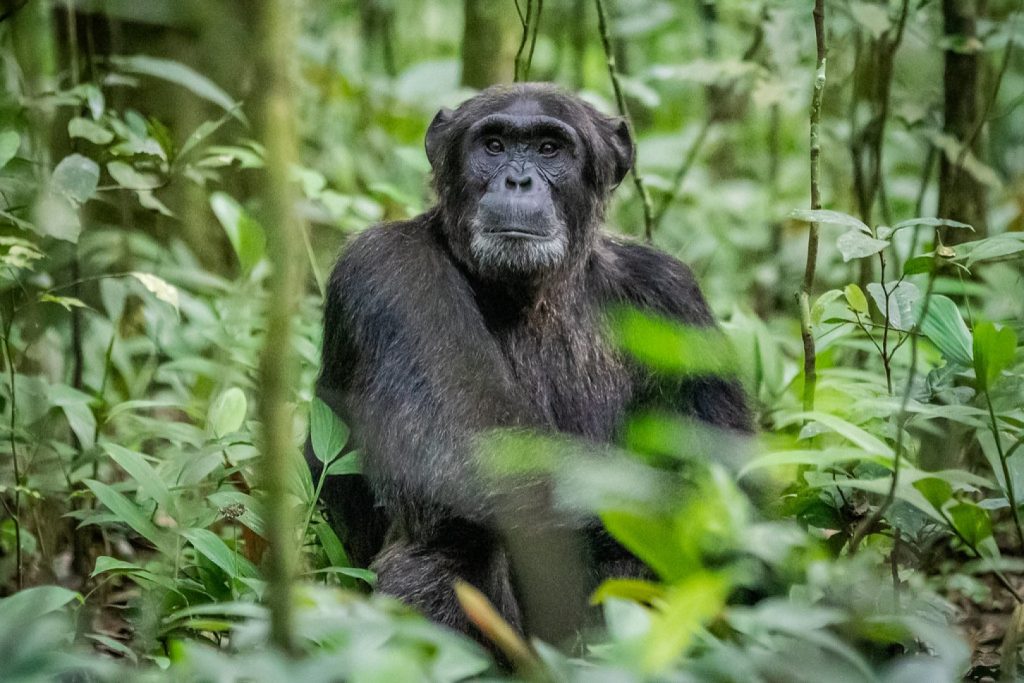
Community Involvement in a Gorillas and Chimpanzee Conservation Safari Itinerary
A responsible gorillas and chimpanzee conservation safari itinerary actively involves local communities. Conservation cannot succeed without local support, and many parks have developed programs that ensure tourism benefits nearby villages.
Community visits may include cultural performances, craft workshops, or guided walks led by local residents. These experiences provide income while preserving cultural heritage. Travelers gain insight into how communities coexist with wildlife and the challenges they face.
Revenue-sharing initiatives funded by gorilla and chimpanzee permits support schools, healthcare facilities, and infrastructure projects. By participating in a gorillas and chimpanzee conservation safari itinerary, travelers directly contribute to improving quality of life for people living near protected areas.
Ethical Guidelines in a Gorillas and Chimpanzee Conservation Safari Itinerary
Ethics are fundamental to a gorillas and chimpanzee conservation safari itinerary. Strict rules govern trekking behavior to protect primates from stress and disease. Visitors are instructed to avoid direct eye contact, keep voices low, and follow ranger guidance at all times.
Photography is permitted but regulated. Flash photography is prohibited, and photographers must prioritize animal welfare over capturing the perfect shot. A conservation-focused itinerary reinforces the idea that respectful observation is more valuable than intrusive documentation.
By adhering to these guidelines, travelers help ensure that tourism remains a positive force rather than a threat to gorillas and chimpanzees.
The Emotional Impact of a Gorillas and Chimpanzee Conservation Safari Itinerary
The emotional depth of a gorillas and chimpanzee conservation safari itinerary sets it apart from other travel experiences. Standing a few meters away from a silverback gorilla or watching chimpanzees communicate through gestures and calls creates a profound sense of connection.
Many travelers report feelings of humility, awe, and responsibility. These encounters often shift perspectives, fostering a deeper appreciation for wildlife and a stronger commitment to environmental stewardship.
The itinerary’s emphasis on conservation amplifies this impact. Knowing that one’s presence contributes to protection efforts adds meaning to every step of the journey.
Challenges and Preparation for a Gorillas and Chimpanzee Conservation Safari Itinerary
While rewarding, a gorillas and chimpanzee conservation safari itinerary requires preparation. Trekking through rainforest terrain can be physically demanding, involving steep slopes, humidity, and unpredictable weather. A moderate level of fitness is recommended.
Travelers must also prepare mentally for limited infrastructure in remote areas. Accommodations are often eco-lodges designed to minimize environmental impact rather than luxury resorts. This simplicity aligns with the conservation ethos of the itinerary.
Health precautions, including vaccinations and travel insurance, are essential. Responsible tour operators provide detailed pre-trip information to ensure travelers are well-prepared.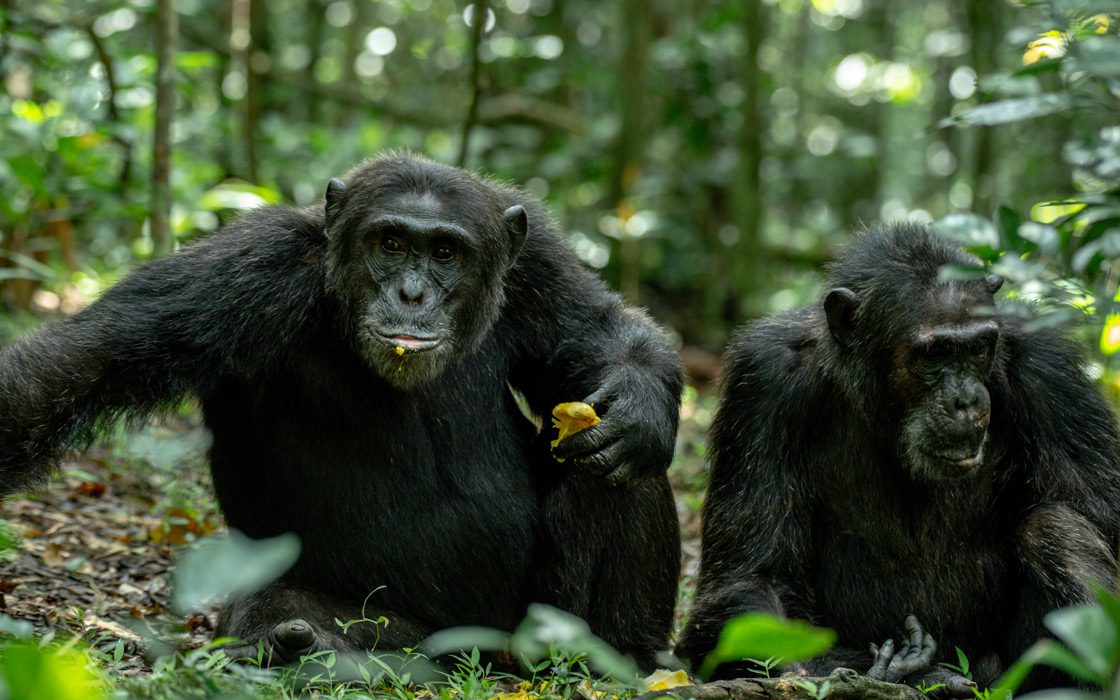
Long-Term Impact of a Gorillas and Chimpanzee Conservation Safari Itinerary
The impact of a gorillas and chimpanzee conservation safari itinerary extends far beyond the duration of the trip. Financial contributions support ongoing conservation programs, while awareness generated by travelers influences broader conservation advocacy.
Many participants continue to support conservation organizations through donations, volunteer work, or educational outreach. Some return for repeat visits, strengthening long-term relationships with conservation initiatives.
By choosing a conservation-focused itinerary, travelers help demonstrate that ethical tourism can coexist with meaningful wildlife encounters, setting a standard for the future of safari travel.
The Future of Gorillas and Chimpanzee Conservation Safari Itinerary Travel
As global awareness of conservation grows, the demand for gorillas and chimpanzee conservation safari itineraries continues to rise. Advances in research, community partnerships, and sustainable tourism practices are shaping more effective and ethical models.
Technology is playing an increasing role, from improved monitoring of primate populations to enhanced visitor education. However, the core principles remain unchanged: respect for wildlife, support for communities, and a commitment to long-term conservation.
The future of this type of safari depends on responsible travelers who value impact over indulgence and understanding over entertainment.
Final Thoughts on a Gorillas and Chimpanzee Conservation Safari Itinerary
A gorillas and chimpanzee conservation safari itinerary is more than a travel plan; it is a journey of connection, learning, and responsibility. It brings travelers face to face with endangered species while highlighting the urgent need to protect them.
By combining unforgettable wildlife encounters with conservation action, this itinerary offers a model for how tourism can be a force for good. It leaves travelers not only with memories but with a deeper sense of purpose and a lasting commitment to safeguarding the natural world.
For those seeking an experience that enriches both the soul and the planet, a gorillas and chimpanzee conservation safari itinerary stands as one of Africa’s most powerful and meaningful adventures.