
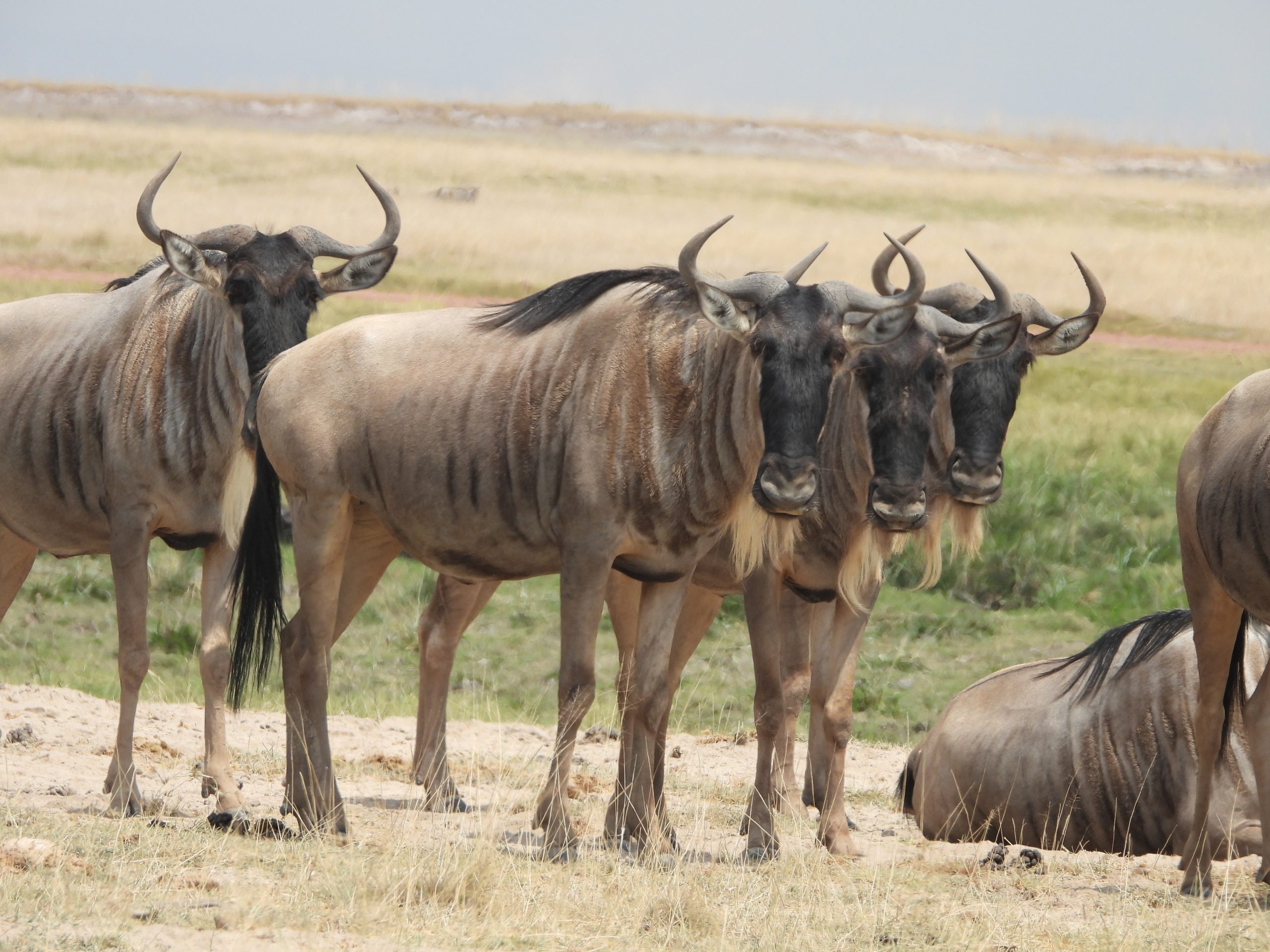
Wildebeest Migration Season: A Complete Guide to Africa’s Most Spectacular Natural Event
Wildebeest migration season is one of the most extraordinary wildlife phenomena on Earth, a living drama that unfolds across the vast savannahs of East Africa every single year. Often referred to as the Great Migration, this continuous movement of millions of animals is not just a highlight of African safaris but a critical ecological process that sustains entire ecosystems. During the wildebeest migration season, nature reveals its raw power, beauty, and balance, offering unforgettable moments of survival, abundance, and resilience.
This in-depth guide explores the wildebeest migration season in its entirety, explaining what it is, why it happens, when and where to experience it, and why it remains one of the most important natural spectacles in the world. Whether you are a traveler, wildlife enthusiast, photographer, or conservation advocate, understanding the wildebeest migration season adds depth and meaning to any safari experience.
Understanding the Wildebeest Migration Season
Wildebeest migration season refers to the annual, circular movement of over 1.5 million wildebeest, accompanied by hundreds of thousands of zebras and gazelles, across the Serengeti-Mara ecosystem of Tanzania and Kenya. Unlike seasonal migrations that have a clear start and end point, the wildebeest migration season is a year-round cycle driven primarily by rainfall patterns and the availability of fresh grazing.
The animals follow ancient routes that have existed for thousands of years, moving instinctively in search of water and nutritious grass. This journey spans approximately 1,800 miles and crosses open plains, woodlands, and dangerous rivers filled with predators. The wildebeest migration season is not a single event but a sequence of stages, each offering unique wildlife experiences and ecological significance.
Understanding this continuous nature is key to appreciating the wildebeest migration season. At any time of year, the herds are on the move somewhere within the ecosystem, shaping landscapes and sustaining countless other species along the way.
Why the Wildebeest Migration Season Is So Important
The wildebeest migration season is far more than a visual spectacle; it is a cornerstone of the East African savannah ecosystem. As millions of animals graze, trample grass, and deposit nutrients, they play a vital role in maintaining soil fertility and promoting grass regeneration. This process supports not only herbivores but also insects, birds, and predators.
Predators such as lions, cheetahs, leopards, hyenas, and crocodiles depend heavily on the wildebeest migration season for survival. The abundance of prey allows predator populations to thrive, making the Serengeti-Mara ecosystem one of the richest wildlife regions on the planet.
The wildebeest migration season also has global significance. It is one of the last remaining large-scale terrestrial migrations in the world, offering invaluable insights into animal behavior, climate patterns, and ecosystem dynamics. Protecting this migration is essential for biodiversity conservation on a global scale.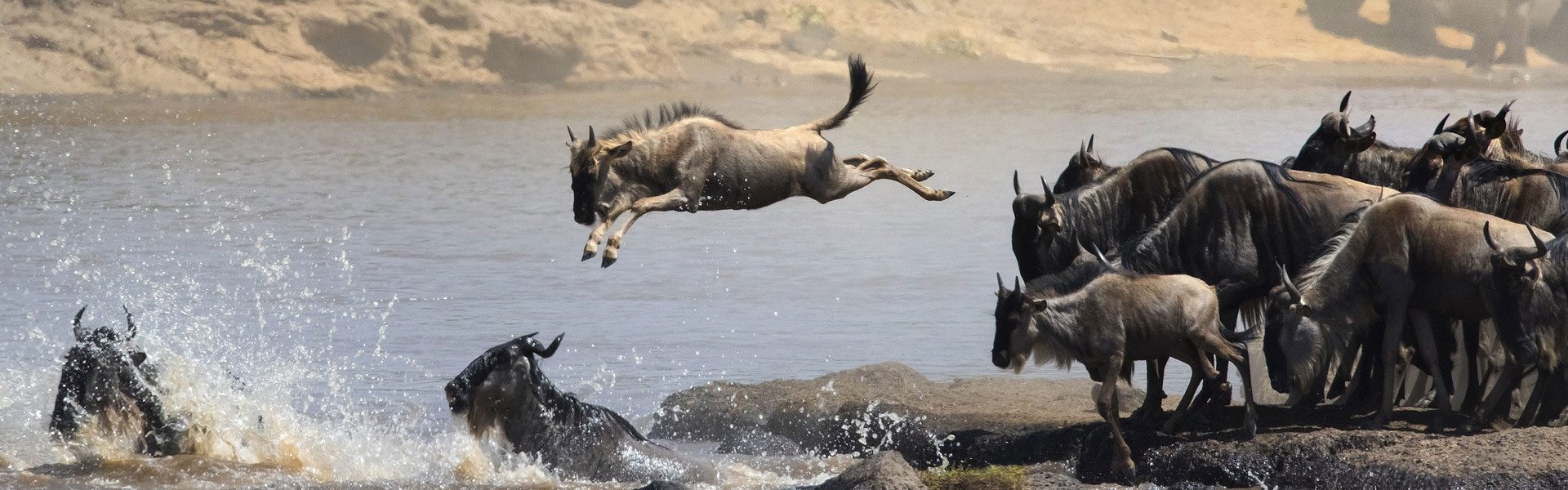
The Annual Cycle of the Wildebeest Migration Season
The wildebeest migration season follows a predictable yet flexible pattern shaped by rainfall. While exact timing can vary from year to year, the overall cycle remains consistent, moving clockwise through Tanzania and Kenya.
The season typically begins in the southern Serengeti, where nutrient-rich grasses flourish after seasonal rains. This area becomes the calving ground, marking one of the most critical stages of the wildebeest migration season. As the year progresses and grazing conditions change, the herds move westward, northward into Kenya, and eventually back south again, completing the cycle.
This continuous movement ensures that no single area is overgrazed, maintaining ecological balance across the region. Each phase of the wildebeest migration season offers distinct wildlife encounters, landscapes, and challenges, making it a year-round attraction for safari travelers.
Wildebeest Migration Season and Calving in the Southern Serengeti
One of the most remarkable phases of the wildebeest migration season is the calving period, which usually occurs between January and March in the southern Serengeti and Ndutu region. During this time, hundreds of thousands of wildebeest calves are born within a short span of weeks.
This synchronized birthing strategy overwhelms predators, increasing the chances of survival for individual calves. However, the abundance of vulnerable young animals also attracts large numbers of predators, creating intense wildlife activity. Lions, cheetahs, and hyenas are particularly active during this phase of the wildebeest migration season.
For travelers, the calving season offers exceptional opportunities to witness newborn calves taking their first steps, dramatic predator-prey interactions, and expansive green landscapes. It is a powerful reminder of life’s fragility and resilience within the natural world.
Wildebeest Migration Season and the Journey Through the Western Corridor
As the dry season approaches, the wildebeest migration season progresses westward toward the Grumeti River in Tanzania’s Western Corridor. This stage typically occurs between May and June, as the herds leave the southern plains in search of more abundant grazing.
The Western Corridor introduces a new set of challenges. River crossings begin to occur, and although they are less famous than those in Kenya, they are equally dramatic. Crocodiles lie in wait, and the herds must navigate steep banks and fast currents.
This phase of the wildebeest migration season is less crowded with tourists, offering a more remote and intimate safari experience. The landscapes shift from open plains to woodlands and river systems, adding visual diversity to the journey.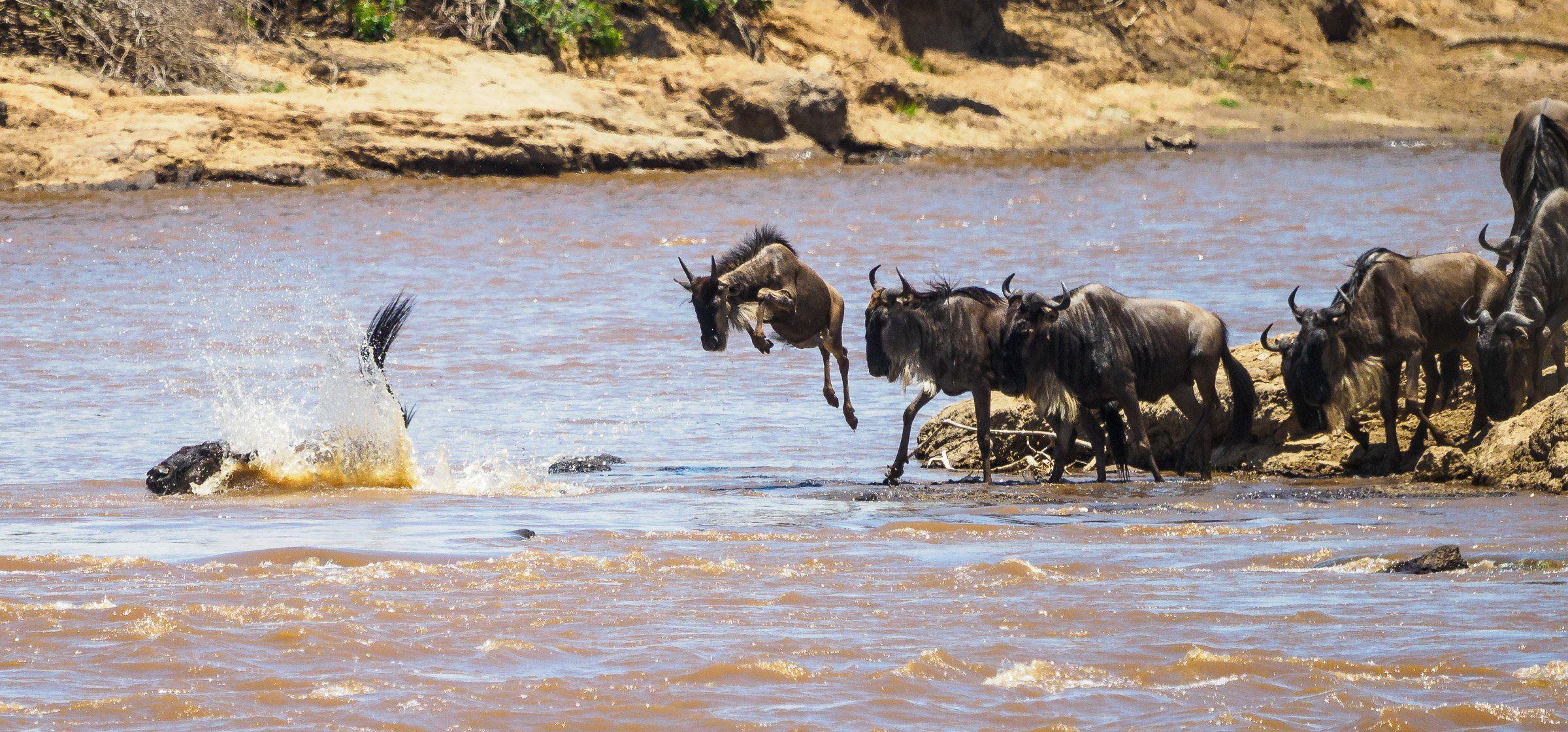
Wildebeest Migration Season and the Iconic River Crossings
The most famous stage of the wildebeest migration season takes place between July and October, when the herds move north into Kenya’s Maasai Mara. This is when the legendary Mara River crossings occur, creating some of the most iconic wildlife scenes in the world.
During this phase of the wildebeest migration season, massive herds gather along riverbanks, often hesitating for hours or even days before attempting a crossing. When they finally leap into the water, chaos ensues as animals battle strong currents, steep banks, and crocodiles.
These crossings are unpredictable and emotionally intense, symbolizing the raw struggle for survival that defines the wildebeest migration season. While dramatic, they are just one part of a much larger ecological story that unfolds throughout the year.
Wildebeest Migration Season in the Maasai Mara
The Maasai Mara becomes the focal point of the wildebeest migration season during the northern phase of the cycle. From approximately July to October, the Mara’s lush grasslands provide essential grazing for the herds, supporting massive concentrations of wildlife.
Predator activity peaks during this time, with lions, leopards, and cheetahs taking advantage of the abundance of prey. The open plains of the Maasai Mara also offer excellent visibility, making this phase of the wildebeest migration season particularly popular with photographers and first-time safari travelers.
Despite its popularity, the Maasai Mara remains a vital refuge within the migration cycle. Its protected status and surrounding community conservancies play a crucial role in ensuring that the wildebeest migration season continues uninterrupted.
Wildebeest Migration Season and the Return South
As the short rains begin in Tanzania, the wildebeest migration season enters its final phase, with herds gradually moving back south from Kenya into the Serengeti. This typically occurs between October and December, completing the annual cycle.
The return journey is less dramatic than the river crossings but equally important. Fresh grass sprouts across the Serengeti plains, drawing the herds back toward the calving grounds. This phase of the wildebeest migration season restores balance to the ecosystem and sets the stage for the next generation.
For travelers seeking fewer crowds and lush landscapes, this period offers a quieter yet deeply rewarding safari experience.
Best Time to Experience the Wildebeest Migration Season
The best time to experience the wildebeest migration season depends on what aspects of the migration you wish to see. Those interested in calving and predator action may prefer the early months of the year in the southern Serengeti. Travelers drawn to dramatic river crossings often target the mid-year period in Kenya’s Maasai Mara.
It is important to understand that the wildebeest migration season is influenced by rainfall, and exact timing can vary. Flexibility and knowledgeable guides are key to maximizing the experience, as the herds do not follow a fixed schedule.
No matter when you travel, some part of the wildebeest migration season will be unfolding, ensuring meaningful wildlife encounters throughout the year.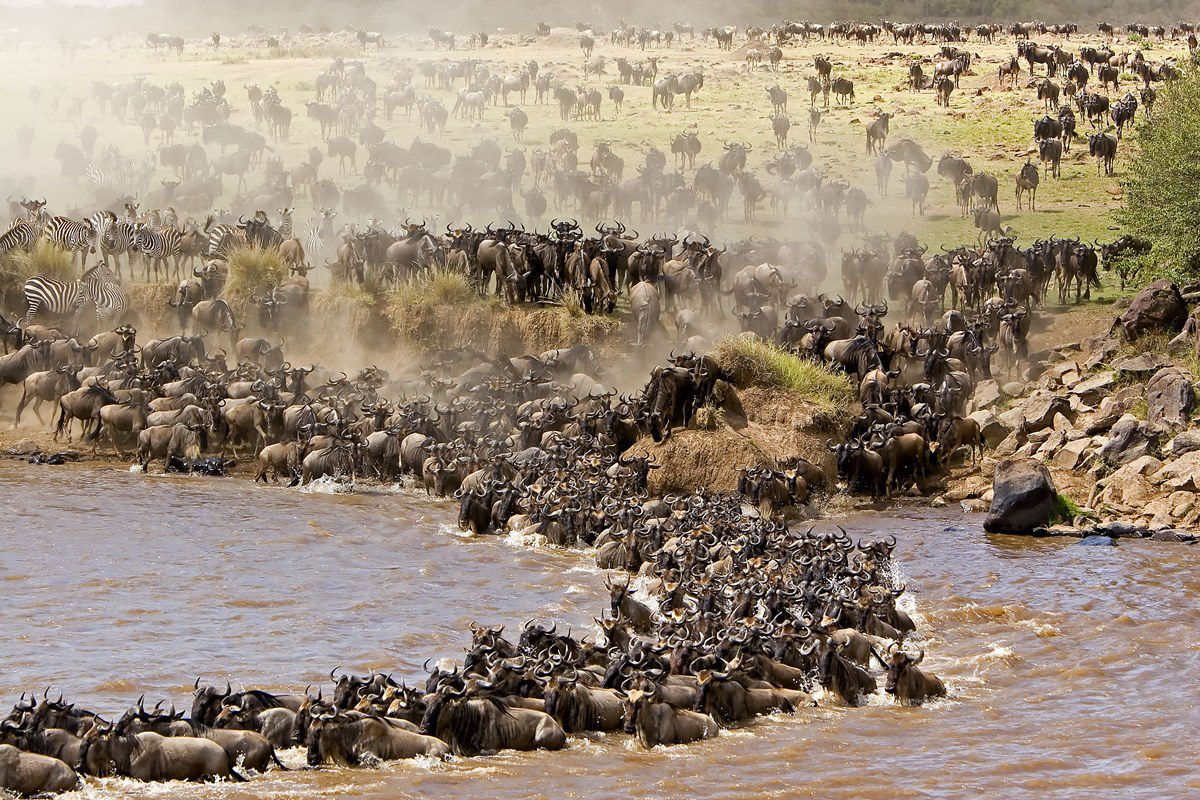
Wildlife Beyond Wildebeest During the Migration Season
Although wildebeest dominate the narrative, the wildebeest migration season supports a vast array of wildlife. Zebras often lead the migration, using their memory to locate grazing areas. Gazelles follow behind, feeding on shorter grasses left by larger herbivores.
Predators flourish during the migration season, offering some of the best big cat sightings in Africa. Birdlife also thrives, with scavengers such as vultures and eagles benefiting from the abundance of food.
This biodiversity underscores the importance of the wildebeest migration season as an ecosystem-wide phenomenon rather than a single-species event.
Wildebeest Migration Season and Conservation
The wildebeest migration season is a conservation success story, but it faces growing threats. Habitat fragmentation, fencing, agriculture, and climate change all pose risks to the migration routes that have existed for millennia.
Protecting open landscapes and ensuring cross-border cooperation between Tanzania and Kenya are essential for the survival of the wildebeest migration season. Tourism revenue plays a critical role in funding conservation efforts, anti-poaching initiatives, and community development projects.
Responsible travel during the wildebeest migration season helps reinforce the value of wildlife protection, creating incentives for governments and communities to preserve these ecosystems.
The Role of Local Communities in the Wildebeest Migration Season
Local communities, particularly the Maasai people, are integral to the success of the wildebeest migration season. Their traditional pastoral practices have historically allowed wildlife and livestock to coexist, maintaining open rangelands essential for migration.
Community conservancies surrounding major parks now provide additional habitat and protection for migrating herds. Revenue from tourism during the wildebeest migration season supports education, healthcare, and sustainable livelihoods for these communities.
This partnership between people and wildlife highlights how conservation and human well-being are deeply interconnected.
Planning a Safari Around the Wildebeest Migration Season
Planning a safari around the wildebeest migration season requires careful consideration of timing, location, and accommodation. Due to high demand, especially during peak river crossing months, early booking is essential.
Choosing experienced safari operators and guides greatly enhances the experience. Their understanding of herd movements, rainfall patterns, and predator behavior allows travelers to witness the most dynamic moments of the wildebeest migration season.
A well-planned itinerary balances migration viewing with other wildlife experiences, ensuring a diverse and enriching journey.
The Emotional Impact of the Wildebeest Migration Season
Witnessing the wildebeest migration season is often described as life-changing. The sheer scale of the herds, the sounds of hooves and calls, and the intensity of survival moments create a profound emotional response.
The migration offers perspective on resilience, cooperation, and the interconnectedness of life. For many, the wildebeest migration season fosters a deeper appreciation for nature and a renewed commitment to conservation.
These emotional connections are part of what makes the migration such a powerful and enduring symbol of the natural world.
The Future of the Wildebeest Migration Season
The future of the wildebeest migration season depends on sustained conservation efforts, responsible tourism, and adaptive management in the face of climate change. Shifting rainfall patterns may alter migration timing, making flexibility and scientific monitoring increasingly important.
Despite these challenges, there is hope. Strong conservation frameworks, community involvement, and global awareness continue to protect this natural wonder. The wildebeest migration season remains a testament to what is possible when ecosystems are given space to function naturally.
Final Thoughts on the Wildebeest Migration Season
Wildebeest migration season is one of Earth’s greatest natural achievements, a living reminder of the power of instinct, movement, and balance. It is not merely a safari attraction but a vital ecological process that sustains life across East Africa.
Experiencing the wildebeest migration season offers more than spectacular wildlife viewing; it provides insight into the rhythms of nature and humanity’s role in protecting them. From calving grounds to river crossings, every stage tells a story of survival and renewal.
For those seeking an authentic, awe-inspiring encounter with the natural world, the wildebeest migration season stands unmatched, a timeless journey that continues to inspire wonder and responsibility in equal measure.