Wildebeest Migration Season in Kenya
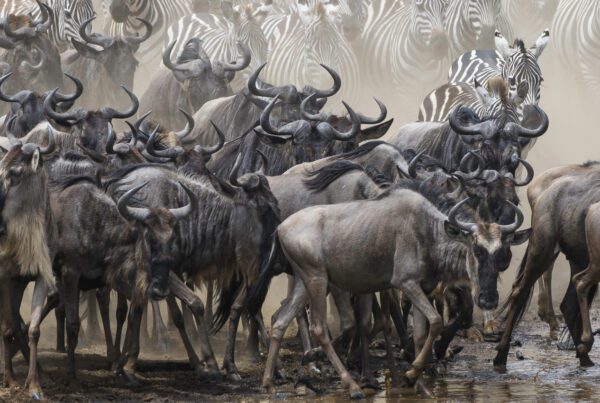
The wildebeest migration season in Kenya is one of the most extraordinary natural spectacles on Earth, a living drama that unfolds across vast savannahs, winding rivers, and predator-filled plains. Every year, over a million wildebeest, accompanied by hundreds of thousands of zebras and gazelles, move in a timeless circular journey driven by rainfall, fresh grass, and survival instinct. This phenomenon, often referred to as the Great Wildebeest Migration, reaches its most iconic and dramatic moments in Kenya, particularly within the world-famous Maasai Mara National Reserve.
For travelers, wildlife enthusiasts, photographers, and conservationists alike, the wildebeest migration season in Kenya represents far more than a safari highlight. It is a powerful reminder of nature’s raw rhythm, resilience, and interconnectedness. Understanding when it happens, why it occurs, and what makes Kenya such a critical stage in this journey allows visitors to fully appreciate why this migration is considered one of the Seven Natural Wonders of Africa.
Understanding the Wildebeest Migration Season in Kenya
The wildebeest migration season in Kenya is not a single event confined to specific dates, but rather a continuous cycle that peaks at certain times of the year. The migration itself spans Kenya and Tanzania, forming a vast ecosystem-wide movement across the Serengeti-Mara landscape. Kenya becomes the focal point when the herds cross from Tanzania’s Serengeti into the Maasai Mara, usually between July and October.
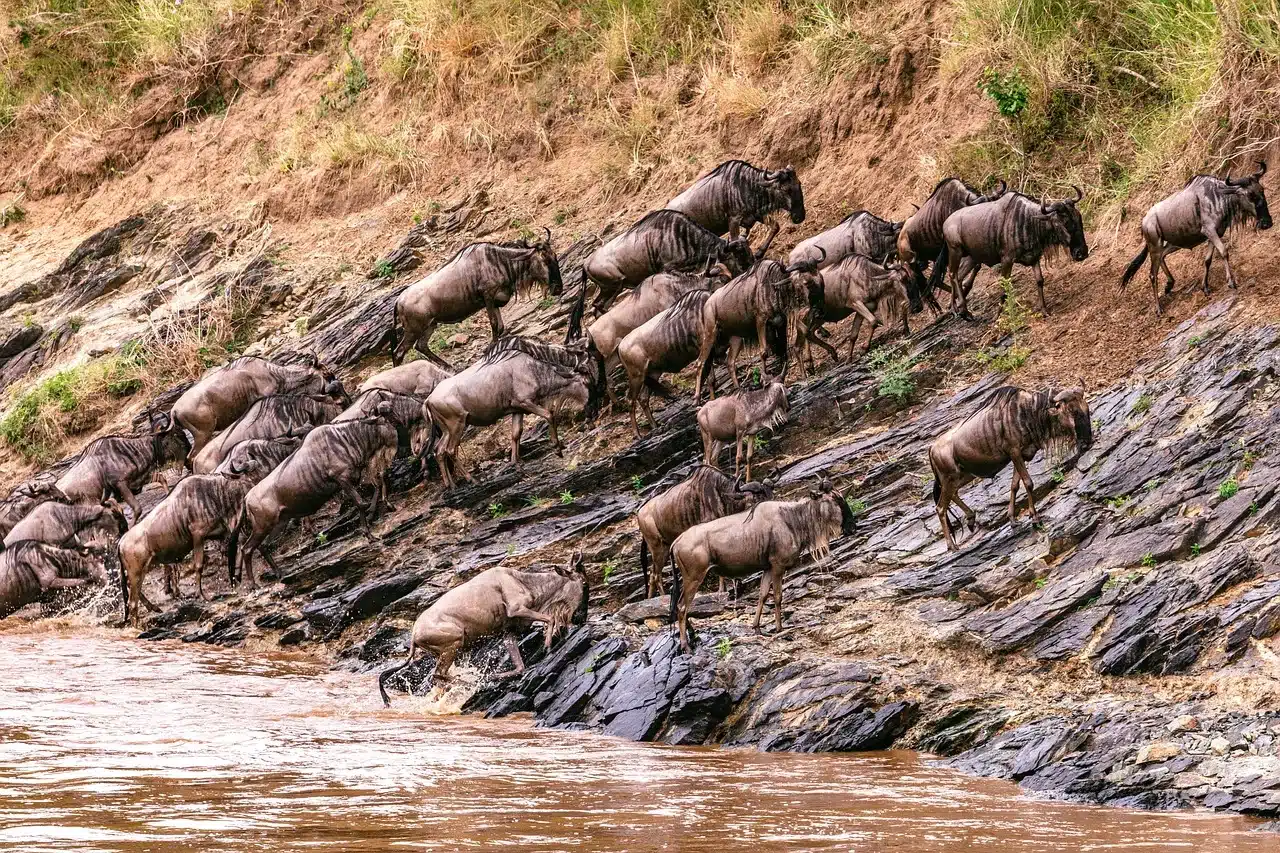
This movement is dictated by rainfall patterns. As the dry season intensifies in the southern Serengeti, grass becomes scarce, compelling the herds to move northward into Kenya where the Mara River basin offers greener pastures. What makes the wildebeest migration season in Kenya especially famous are the dramatic river crossings, where thousands of animals plunge into crocodile-infested waters in a desperate bid to reach nourishment on the other side.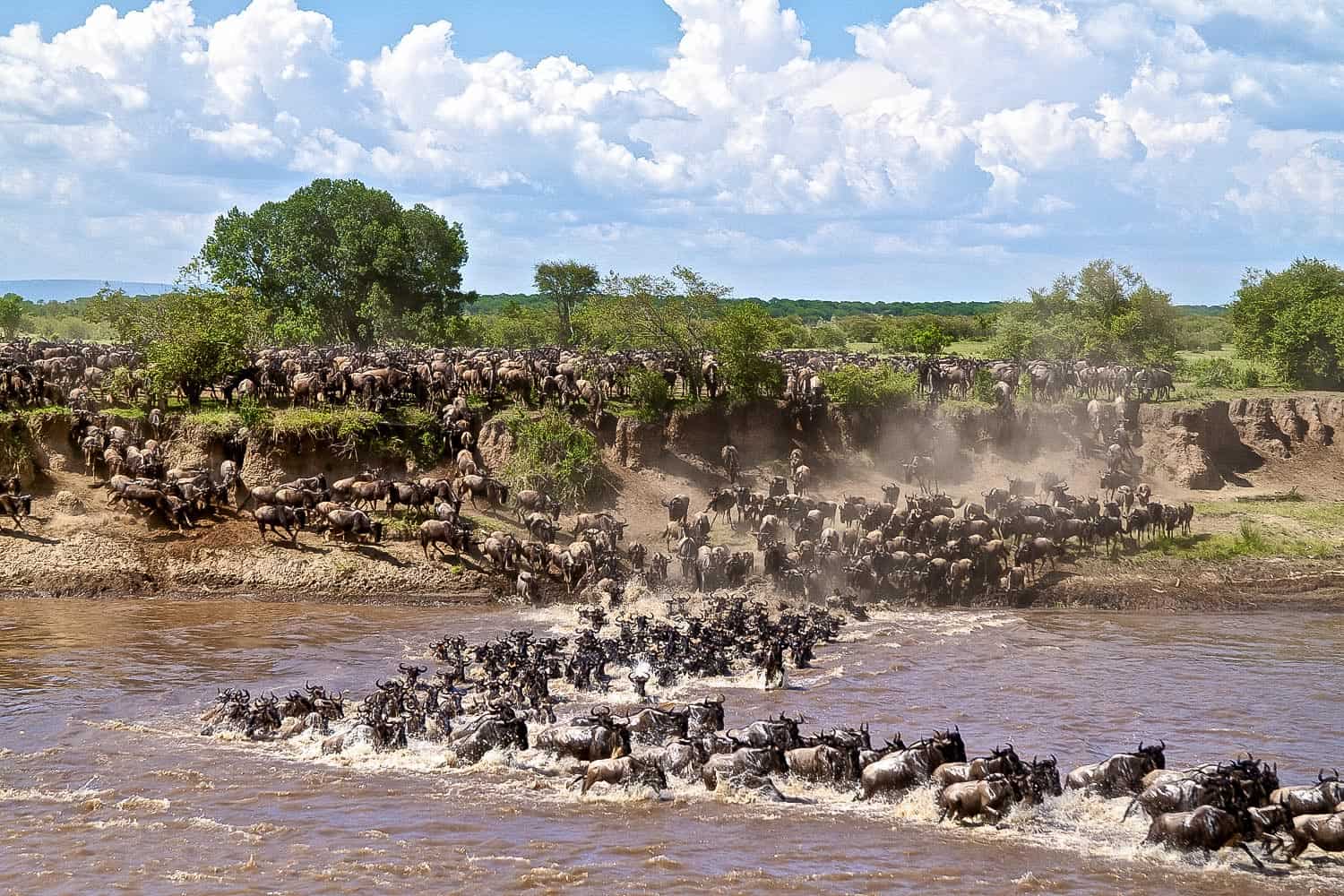
Why the Wildebeest Migration Season in Kenya Is Unique
While Tanzania hosts the calving season earlier in the year, Kenya offers the most visually dramatic and emotionally intense chapters of the migration. The Maasai Mara’s rolling plains, open visibility, and river systems create the perfect stage for predator-prey interactions. Lions, leopards, cheetahs, hyenas, and Nile crocodiles all take advantage of the abundance of prey during the wildebeest migration season in Kenya.
Another unique aspect is accessibility. Kenya’s well-developed safari infrastructure, including luxury lodges, tented camps, and professional guides, makes witnessing the migration more accessible without compromising authenticity. The Maasai Mara also allows for off-road driving in certain areas, increasing the chances of close encounters during crossings and hunts.
Timeline of the Wildebeest Migration Season in Kenya
The wildebeest migration season in Kenya typically begins in late June or early July when the first herds arrive in the northern Serengeti and begin crossing into the Maasai Mara. By July and August, the migration is in full swing, with massive concentrations of animals spread across the reserve. These months are widely considered the peak of the migration season in Kenya.
September continues to offer excellent viewing as the herds settle and graze across the Mara’s plains, while October marks the gradual return southward as short rains begin in Tanzania. By November, most wildebeest have left Kenya, making their way back toward the Serengeti to prepare for the calving season.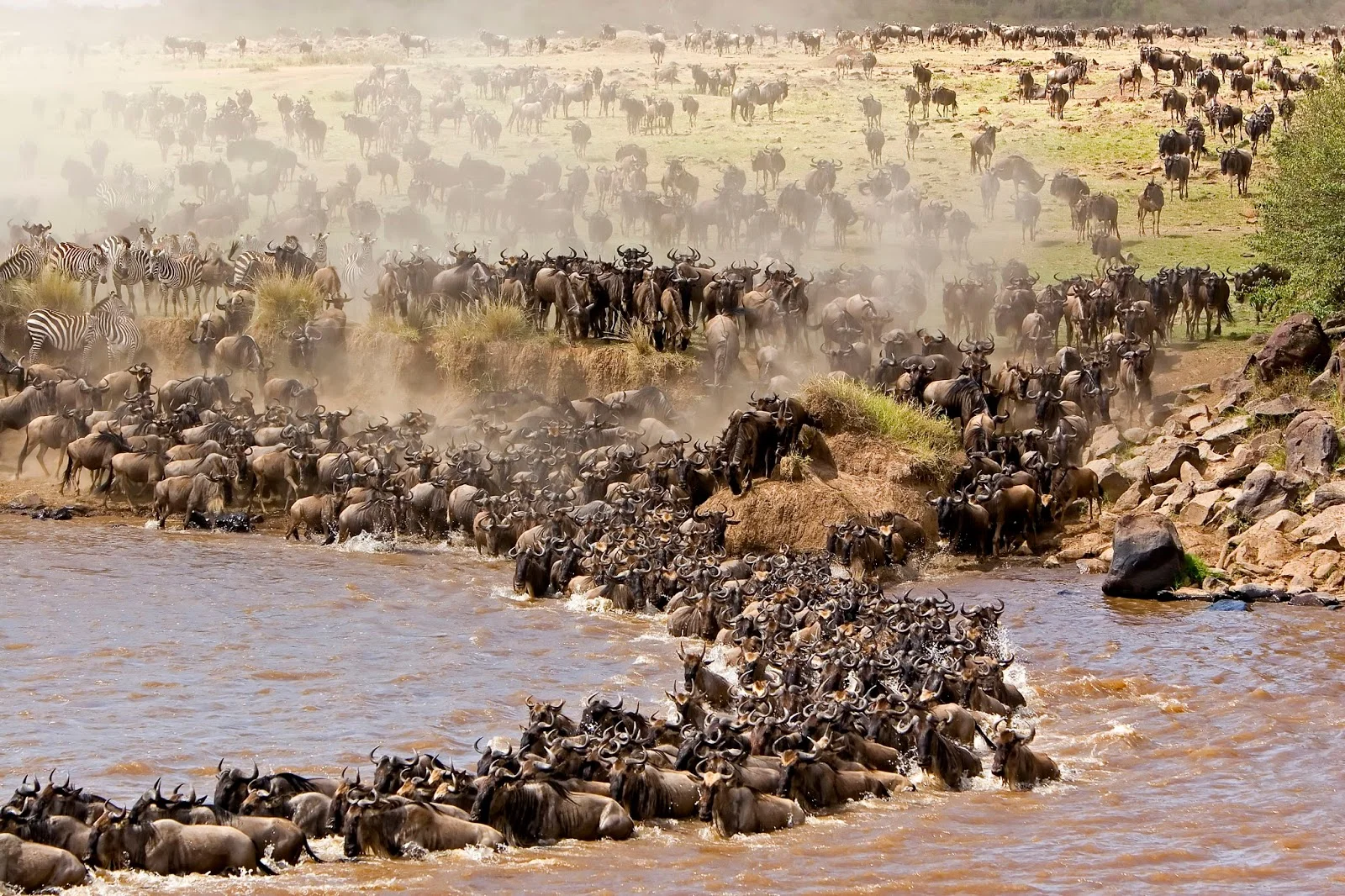
The Iconic Mara River Crossings
No discussion of the wildebeest migration season in Kenya is complete without highlighting the Mara River crossings. These crossings are unpredictable, chaotic, and breathtaking. Herds may gather at the riverbanks for hours or even days before a single wildebeest takes the leap, triggering a cascading surge of thousands more.
The Mara River is home to large Nile crocodiles that have adapted to the annual feast brought by the migration. Strong currents, steep banks, and panic among the animals add to the peril. Despite the danger, the crossings are essential for survival, making them one of the most powerful symbols of the wildebeest migration season in Kenya.
Predators and the Circle of Life
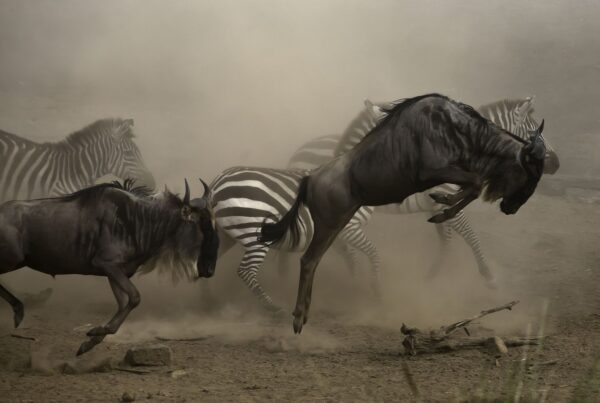
The wildebeest migration season in Kenya also represents a peak period for predator activity. Lions form coordinated hunting strategies, cheetahs take advantage of open plains for high-speed chases, and leopards ambush from riverine forests. Hyenas, often underestimated, play a critical role as both hunters and scavengers.
This concentration of wildlife offers unparalleled opportunities to witness the circle of life in action. For photographers and filmmakers, the migration season in Kenya provides dramatic lighting, dust-filled horizons, and intense interactions that are rarely matched anywhere else in the world.
The Role of the Maasai Mara Ecosystem
The Maasai Mara is the centerpiece of the wildebeest migration season in Kenya, but it is more than just a wildlife reserve. It is a living ecosystem supported by community conservancies that surround the main reserve. These conservancies play a vital role in preserving migration corridors and reducing human-wildlife conflict.
The Maasai people, who have coexisted with wildlife for centuries, are integral to conservation efforts. Sustainable tourism during the wildebeest migration season in Kenya helps support local communities through employment, education, and healthcare initiatives, ensuring that wildlife conservation benefits both animals and people.
Best Time to Visit for the Wildebeest Migration Season in Kenya
Choosing the best time to witness the wildebeest migration season in Kenya depends on what aspects of the migration you wish to experience. July and August are ideal for those hoping to see river crossings and large herd concentrations. These months also coincide with Kenya’s dry season, offering pleasant weather and excellent game visibility.
September provides a slightly quieter experience while still offering abundant wildlife. October can be rewarding for travelers seeking fewer crowds and dramatic skies, although migration patterns become less predictable as the herds begin their return journey south.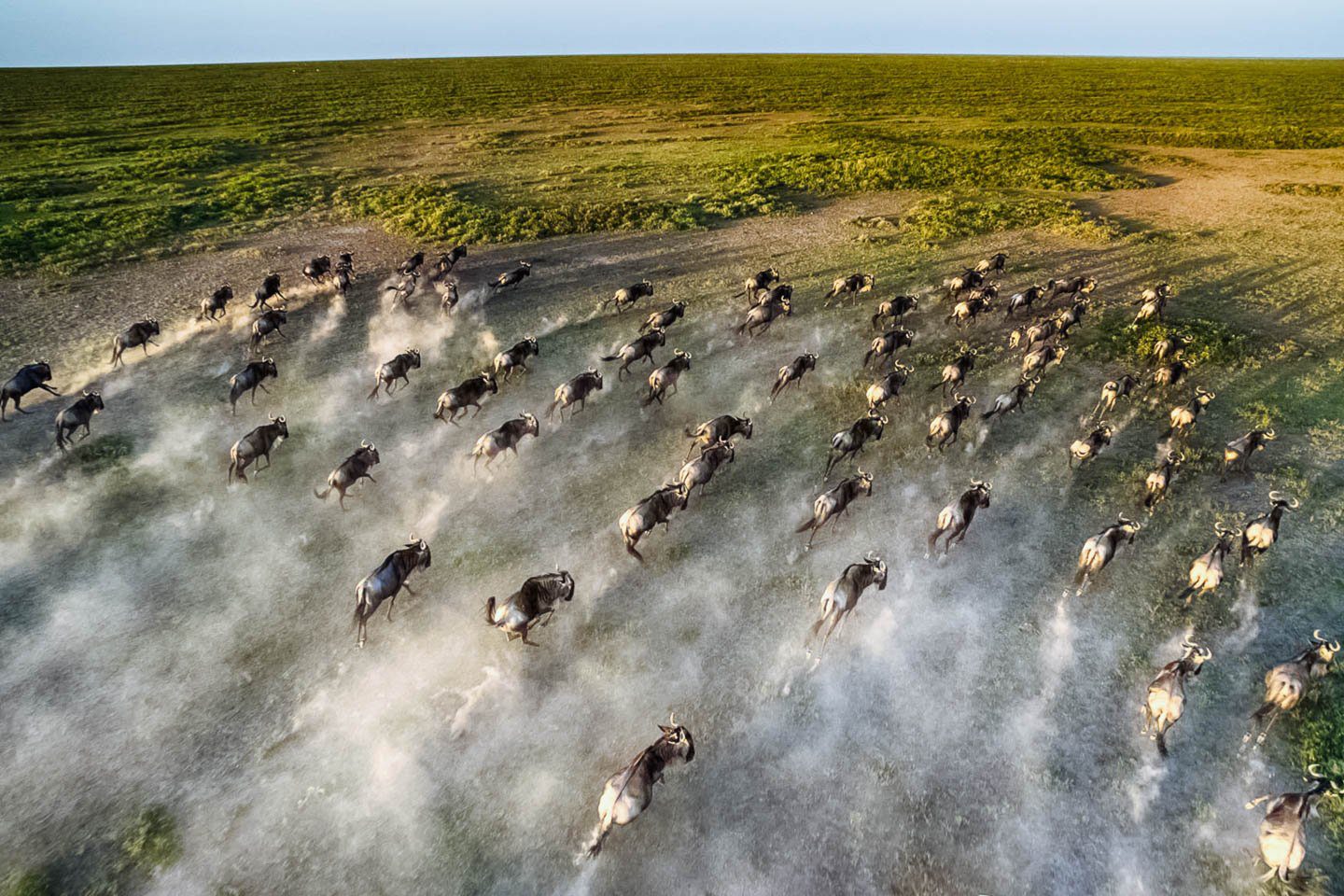
Safari Experiences During the Migration Season
During the wildebeest migration season in Kenya, safari experiences range from luxury lodges overlooking the Mara River to mobile tented camps that follow the herds. Early morning and late afternoon game drives offer the best chances of witnessing crossings and predator activity.
Hot air balloon safaris are particularly popular during this season, providing a bird’s-eye view of endless herds moving across the plains at sunrise. Walking safaris and cultural visits to Maasai villages add depth to the experience, allowing travelers to connect with the land and its people beyond wildlife sightings.
Photography and Filmmaking Opportunities
The wildebeest migration season in Kenya is a dream for wildlife photographers and documentary filmmakers. The combination of dust, golden light, dramatic weather, and high animal density creates endless creative possibilities. Capturing a river crossing requires patience, anticipation, and an understanding of animal behavior, but the reward can be once-in-a-lifetime imagery.
Professional guides play a crucial role in positioning vehicles safely and ethically, ensuring minimal disturbance to wildlife while maximizing photographic opportunities. Ethical wildlife photography during the migration season in Kenya helps preserve the integrity of this natural phenomenon for future generations.
Conservation Challenges Facing the Migration
Despite its grandeur, the wildebeest migration season in Kenya faces significant threats. Climate change has begun to alter rainfall patterns, affecting grass growth and migration timing. Human population growth, land fragmentation, and infrastructure development pose risks to traditional migration corridors.
Conservation organizations, government agencies, and local communities are working together to address these challenges. Sustainable tourism during the wildebeest migration season in Kenya provides essential funding for anti-poaching efforts, habitat protection, and scientific research aimed at safeguarding the future of the migration.
Why the Wildebeest Migration Season in Kenya Matters Globally
The wildebeest migration season in Kenya is not only a national treasure but also a global ecological asset. It supports biodiversity, maintains grassland health, and sustains predator populations across the Serengeti-Mara ecosystem. The migration’s scale and complexity offer invaluable insights into animal behavior, climate adaptation, and ecosystem resilience.
For visitors, witnessing this phenomenon fosters a deeper appreciation for nature and reinforces the importance of conservation. The emotional impact of seeing thousands of animals moving as one across ancient landscapes often leaves a lasting impression that transcends travel.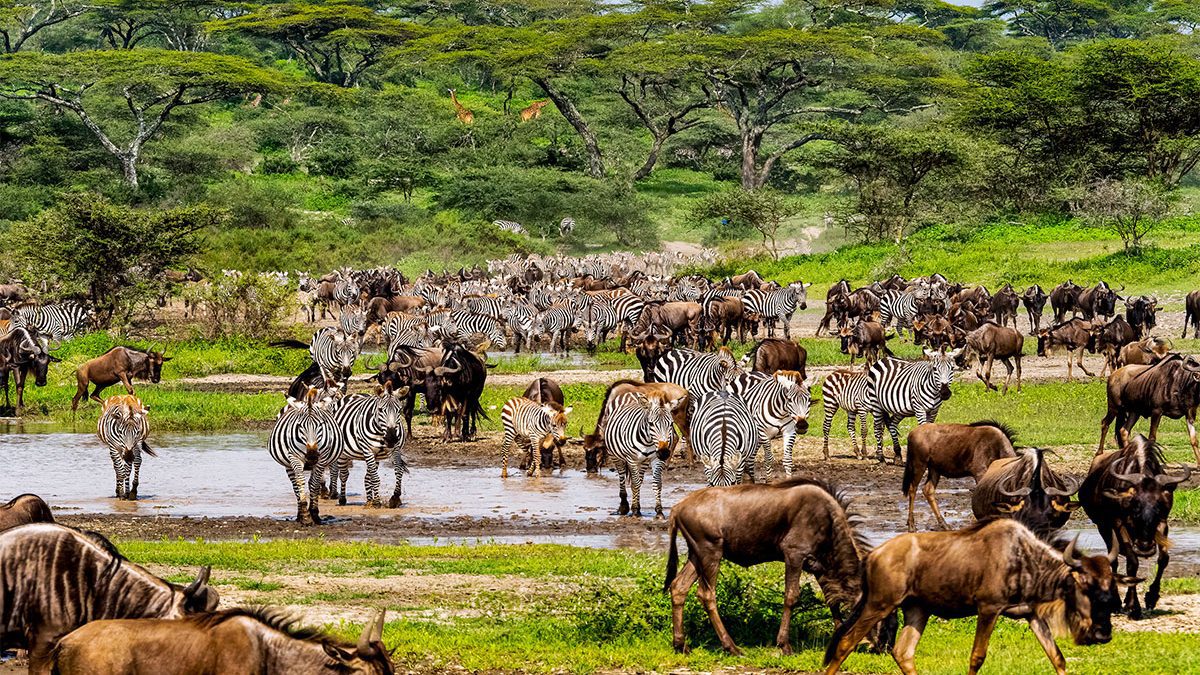
Planning a Responsible Migration Safari
Responsible planning enhances the experience of the wildebeest migration season in Kenya while minimizing environmental impact. Choosing eco-certified lodges, respecting wildlife viewing guidelines, and supporting community conservancies all contribute to sustainable tourism.
Travelers are encouraged to book with operators who prioritize ethical practices, fair employment, and conservation initiatives. By doing so, visitors become active participants in preserving the migration rather than passive observers.
The Enduring Magic of the Wildebeest Migration Season in Kenya
The wildebeest migration season in Kenya is a testament to nature’s power, beauty, and endurance. Each year, despite countless obstacles, the herds return, guided by instinct and the promise of life-sustaining grass. This ancient journey connects past, present, and future, reminding humanity of its place within the natural world.
For anyone seeking an authentic, awe-inspiring wildlife experience, the wildebeest migration season in Kenya stands unrivaled. It is not simply a safari event, but a profound encounter with one of Earth’s last great wilderness spectacles.