Wildebeest Migration Wonder of the World
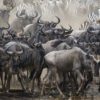
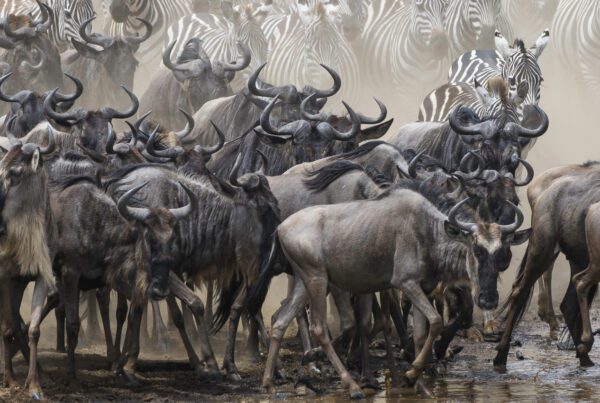
The wildebeest migration wonder of the world stands as one of the most extraordinary natural events ever witnessed by humankind. Every year, across the vast plains of East Africa, an ancient rhythm unfolds as over a million wildebeest, joined by zebras and gazelles, move in a relentless cycle of survival. This migration is not guided by leaders or maps, but by instinct, rainfall, and the promise of fresh grazing land. Its sheer scale, intensity, and ecological importance have earned it recognition as one of the greatest natural wonders on Earth.
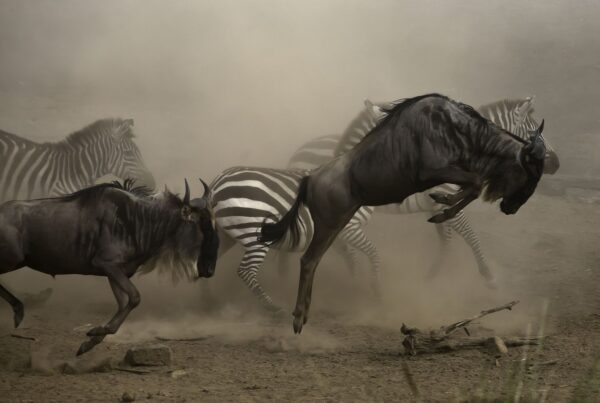
To experience the wildebeest migration wonder of the world is to witness nature operating at its most raw and uncompromising. Thunderous hooves shake the ground, predators lurk at every turn, and rivers become battlegrounds between life and death. More than a wildlife spectacle, this migration is a living system that sustains ecosystems, cultures, and conservation efforts across Kenya and Tanzania. Its significance reaches far beyond tourism, touching on global biodiversity, climate resilience, and the enduring power of the natural world.
Understanding the Wildebeest Migration Wonder of the World
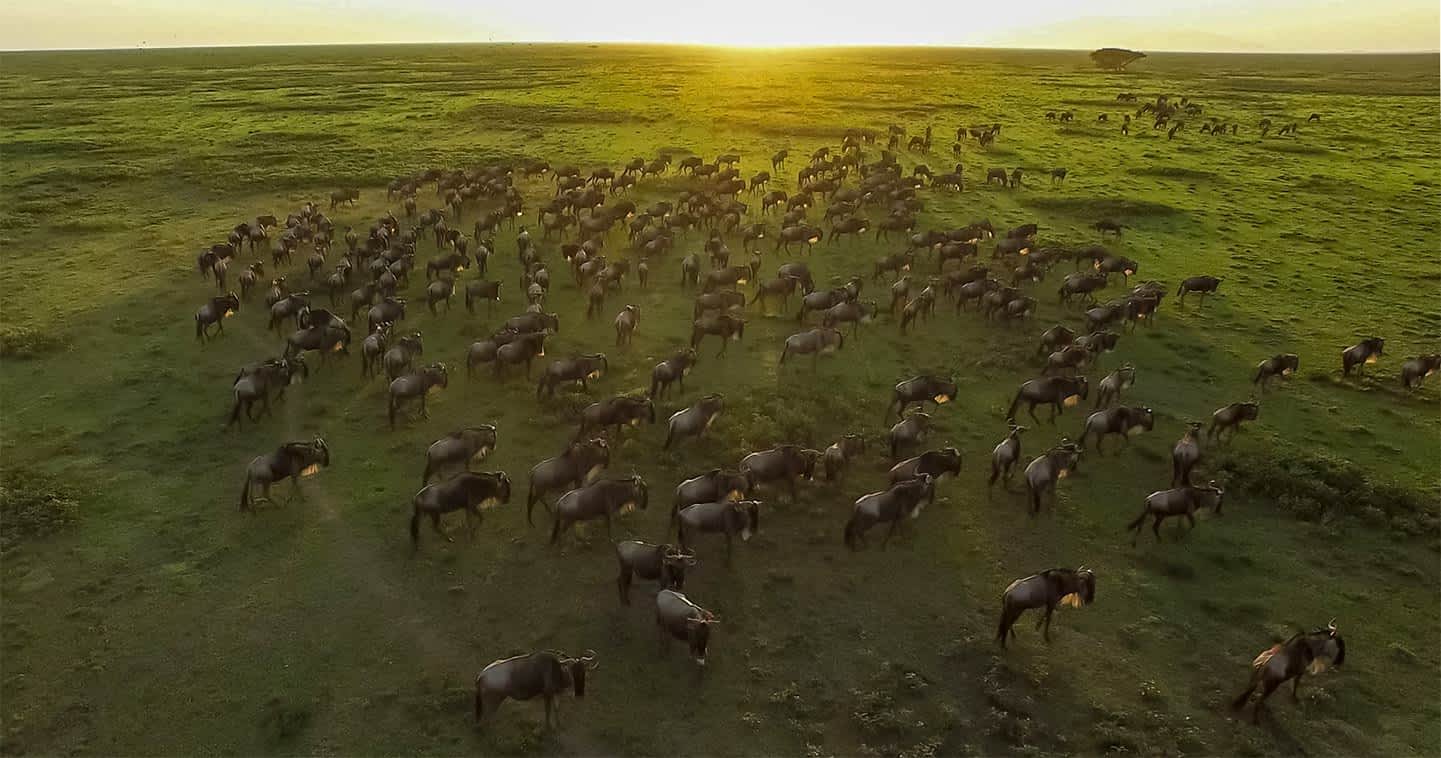
The wildebeest migration wonder of the world is a continuous, circular movement across the Serengeti-Mara ecosystem, spanning northern Tanzania and southern Kenya. Unlike seasonal migrations that occur in one direction, this phenomenon never truly ends. At any given moment, millions of animals are on the move, driven by the availability of rain-fed grasslands.
Wildebeest are the primary drivers of the migration, but they are accompanied by vast numbers of plains zebra and Thomson’s gazelles. Together, they form the largest land-based mammal migration on the planet. This collective movement shapes the landscape, influences predator populations, and maintains the ecological balance of one of Africa’s most iconic regions.
Why the Wildebeest Migration Is a Wonder of the World
The designation of the wildebeest migration as a wonder of the world is rooted in its unmatched scale and complexity. No other terrestrial migration involves such a massive number of large animals moving in unison over such long distances. Each year, the herds travel approximately 800 to 1,000 kilometers in search of food and water, crossing open plains, woodlands, and treacherous rivers.
What elevates the wildebeest migration wonder of the world beyond numbers alone is the drama that unfolds throughout the journey. Predators such as lions, cheetahs, leopards, and hyenas follow the herds closely, relying on the migration for their survival. Nile crocodiles wait patiently in river channels, timing their ambushes during crossings. Every stage of the migration reflects the delicate balance between life, death, and renewal.
The Origins and Ancient Roots of the Migration
The wildebeest migration wonder of the world is an ancient phenomenon that predates modern human civilization. Fossil records and ecological studies suggest that this migration has been occurring for thousands of years, shaped by the region’s unique climate patterns and volcanic soils. The Serengeti’s nutrient-rich grasslands, replenished by seasonal rains, form the foundation of this vast movement.
Over generations, wildebeest have evolved remarkable endurance and navigational instincts. Calves are born with the ability to stand and run within minutes, a crucial adaptation in an environment filled with predators. These evolutionary traits ensure the continuation of the migration, reinforcing its status as one of the most enduring natural wonders on Earth.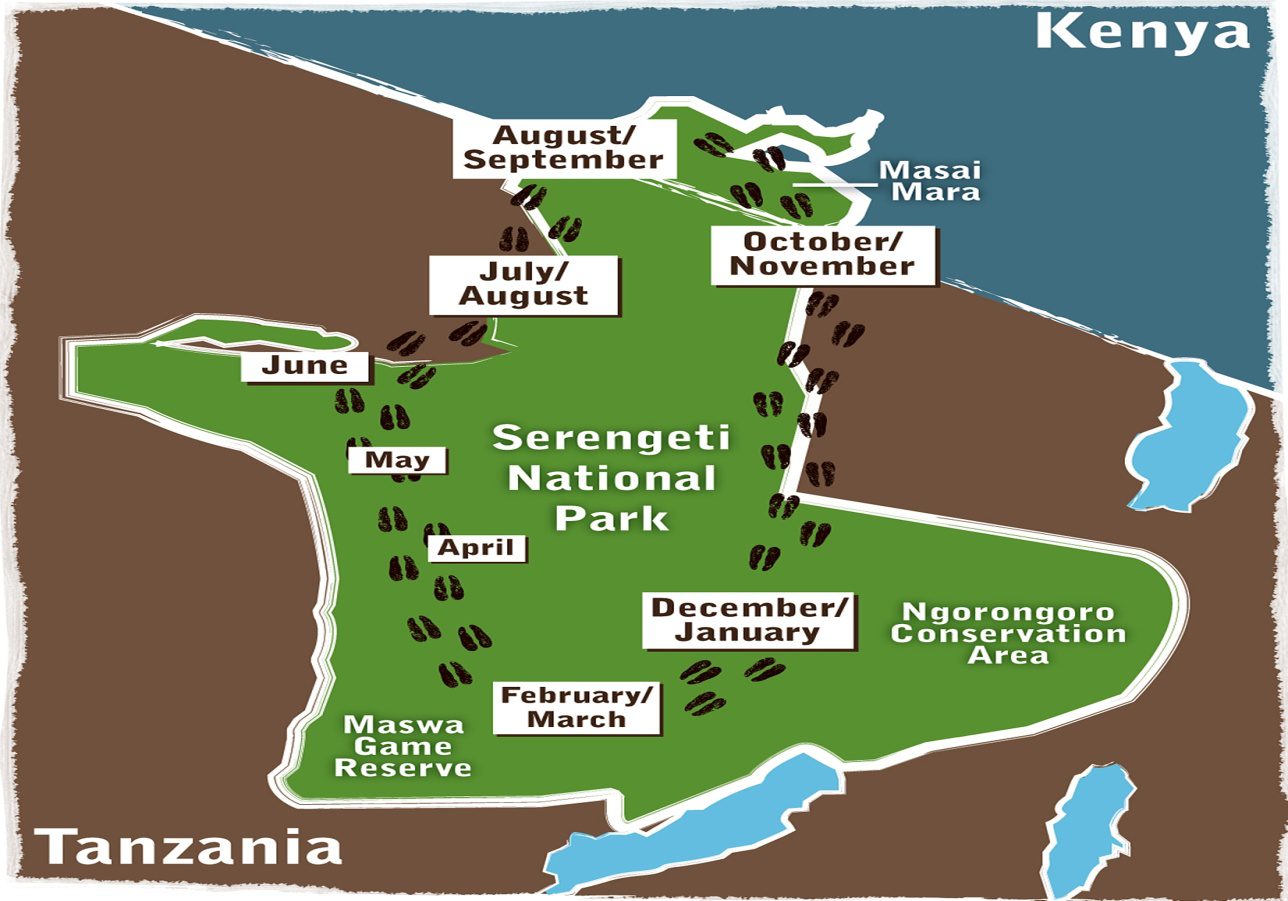
The Annual Cycle of the Wildebeest Migration Wonder of the World
The wildebeest migration follows a loosely predictable annual cycle, although exact timing varies depending on rainfall. The year typically begins in the southern Serengeti, where short grasses and mineral-rich soils provide ideal conditions for calving. Between January and March, hundreds of thousands of calves are born in a synchronized birthing event that overwhelms predators through sheer numbers.
As the dry season approaches, the herds begin moving northwest toward the central and western Serengeti. By mid-year, they head north into Kenya’s Maasai Mara, marking one of the most iconic chapters of the wildebeest migration wonder of the world. Here, dramatic river crossings dominate the narrative before the herds eventually return south as rains resume.
The Legendary River Crossings
River crossings are the defining images of the wildebeest migration wonder of the world. Nowhere else does the raw intensity of the migration reveal itself more vividly than at the banks of rivers like the Grumeti and Mara. Thousands of animals gather at steep banks, hesitating as currents surge below and crocodiles lie in wait.
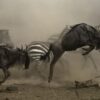
When the crossing finally begins, chaos ensues. Wildebeest plunge into the water, often forming living bridges of bodies as some fall and others climb over them. Many survive, some perish, and the river carries on, indifferent to individual loss. These moments encapsulate why the migration is considered a wonder of the world, illustrating both the brutality and resilience of nature.
Predators and the Web of Life
The wildebeest migration wonder of the world sustains one of the most impressive predator populations on the African continent. Lions time their breeding cycles to coincide with peak prey availability, while cheetahs rely on open plains to execute high-speed hunts. Leopards exploit riverine forests and wooded areas, and hyenas demonstrate remarkable intelligence and cooperation in both hunting and scavenging.
This predator-prey dynamic is essential for maintaining ecosystem health. Weak and injured animals are removed from the population, strengthening future generations. The migration thus functions as a natural regulator, reinforcing why it is not merely a spectacle, but a vital ecological process worthy of global recognition.
Impact on the Serengeti-Mara Ecosystem
The wildebeest migration wonder of the world plays a critical role in shaping the Serengeti-Mara ecosystem. As millions of hooves move across the land, grasses are grazed, trampled, and fertilized. This process stimulates new growth, prevents bush encroachment, and maintains the open savannah landscapes that define the region.
Nutrients carried in dung enrich the soil, supporting insects, birds, and smaller mammals. Even rivers benefit, as nutrients from carcasses feed aquatic life. The migration’s influence extends far beyond the herds themselves, underscoring its importance as a keystone ecological event.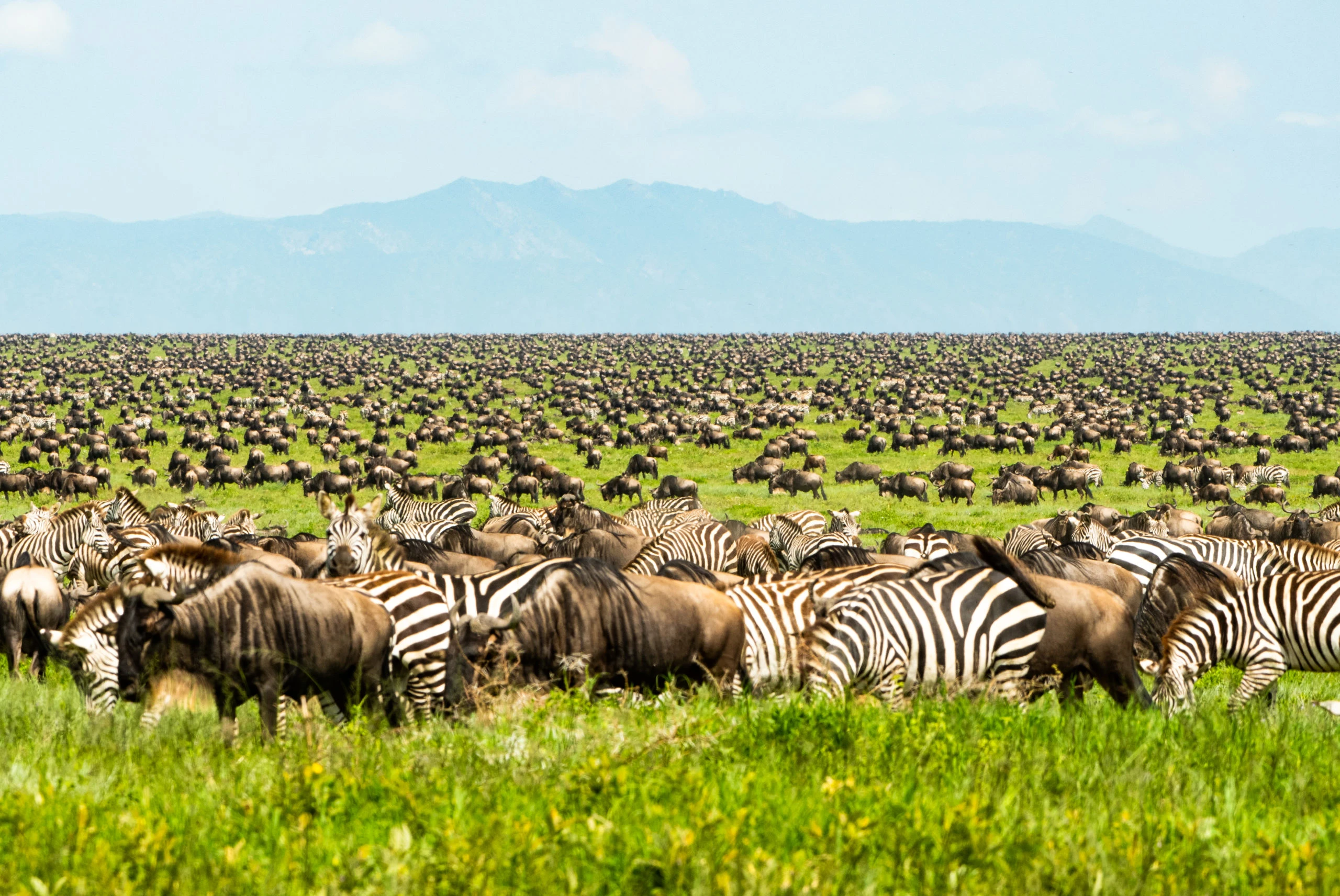
Cultural Significance of the Migration
For the indigenous communities living alongside the migration routes, the wildebeest migration wonder of the world holds deep cultural meaning. The Maasai people of Kenya and Tanzania have coexisted with wildlife for centuries, developing traditions and knowledge systems closely tied to seasonal movements of animals.
The migration influences grazing patterns for livestock, ceremonial calendars, and oral histories passed down through generations. Today, community-based conservation initiatives seek to preserve both cultural heritage and wildlife, ensuring that the migration remains a shared legacy rather than a lost treasure.
Tourism and Global Recognition
The wildebeest migration wonder of the world attracts visitors from across the globe, making it one of Africa’s most valuable tourism assets. Safaris centered on the migration support local economies, create employment opportunities, and fund conservation efforts. Lodges, camps, guides, and conservationists all depend on the continued health of this natural phenomenon.
International recognition has elevated awareness of the migration’s importance, encouraging responsible travel and investment in protected areas. When managed sustainably, tourism becomes a powerful tool for preserving the very wonder that draws visitors in the first place.
Best Places to Witness the Migration
While the migration spans a vast area, certain locations have become synonymous with the wildebeest migration wonder of the world. The southern Serengeti offers unparalleled calving scenes, while the western corridor features dramatic Grumeti River crossings. In Kenya, the Maasai Mara provides some of the most accessible and visually striking encounters, especially during peak river crossing months.
Each region offers a different perspective on the migration, emphasizing that this wonder of the world is not confined to a single moment or place, but is a year-round journey unfolding across borders.
Threats Facing the Wildebeest Migration
Despite its scale and resilience, the wildebeest migration wonder of the world faces growing threats. Climate change is altering rainfall patterns, affecting grass availability and migration timing. Expanding human populations, fencing, agriculture, and infrastructure development threaten to block traditional migration corridors.
Without coordinated conservation efforts, the continuity of the migration could be disrupted, with devastating consequences for the entire ecosystem. Protecting this wonder of the world requires international cooperation, strong policy frameworks, and sustained community engagement.
Conservation Efforts and the Future
Numerous conservation organizations, governments, and local communities are working tirelessly to safeguard the wildebeest migration wonder of the world. Protected areas, wildlife corridors, and community conservancies play a crucial role in maintaining open landscapes for migration.
Scientific research helps track herd movements, monitor population health, and anticipate the impacts of climate change. Education and awareness campaigns ensure that future generations understand the value of preserving this natural wonder, not just for tourism, but for the planet’s ecological balance.
Why the Wildebeest Migration Wonder of the World Matters
The wildebeest migration wonder of the world matters because it represents one of the last remaining large-scale natural processes on Earth. In a rapidly changing world, it serves as a reminder of what intact ecosystems can achieve when allowed to function naturally.
For humanity, the migration offers inspiration, education, and a profound sense of connection to the natural world. It challenges us to reconsider our relationship with nature and recognize the responsibility we share in protecting its most extraordinary expressions.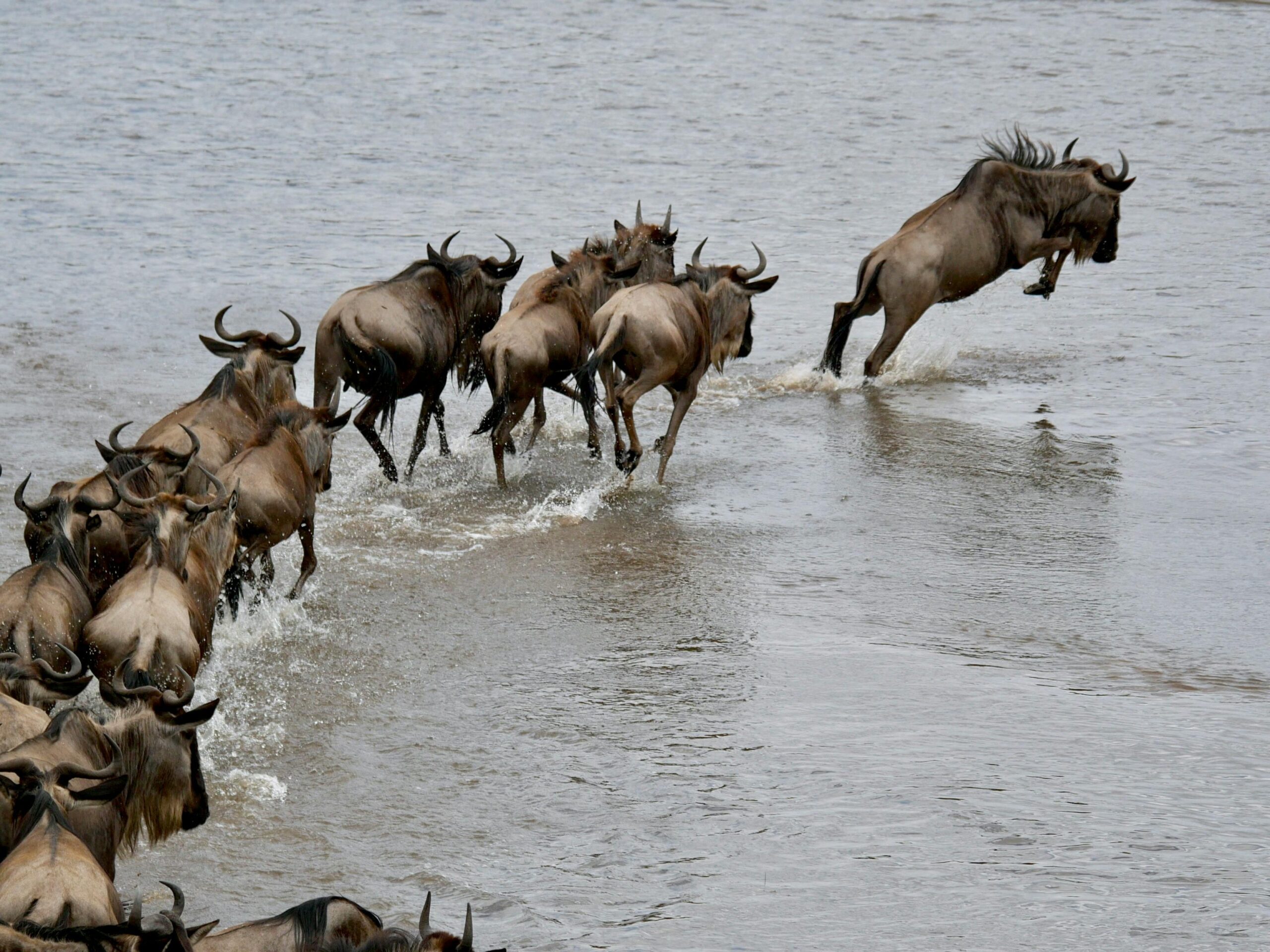
A Living Wonder Beyond Compare
The wildebeest migration wonder of the world is more than a title or a tourist attraction. It is a living, breathing system that has endured for millennia, shaping landscapes, sustaining wildlife, and inspiring awe in all who witness it. From the thunder of hooves to the silent patience of predators, every element of the migration tells a story of survival and balance.
As one of Earth’s greatest natural wonders, the wildebeest migration deserves not only admiration but also protection. Preserving it ensures that future generations will continue to marvel at this epic journey, reminding us that some wonders are not built by human hands, but by nature itself.