Gorilla Trekking and Wildebeest Calving Itinerary
The Gorilla trekking and wildebeest calving itinerary is widely regarded as one of the most rewarding and emotionally rich safari journeys available in Africa. This itinerary brings together two of the continent’s most extraordinary natural spectacles: the intimate, life-changing encounter with endangered mountain gorillas in lush rainforest environments, and the dramatic beginning of the Great Wildebeest Migration during the calving season on the southern Serengeti plains. Through this carefully curated itinerary narrative, an in-depth exploration of landscapes, wildlife behavior, seasonal timing, and travel flow is presented, offering a comprehensive guide for travelers seeking a once-in-a-lifetime African safari experience.
Introduction to the Gorilla Trekking and Wildebeest Calving Itinerary
The Gorilla trekking and wildebeest calving itinerary has been designed to align with peak wildlife moments that occur naturally across East Africa. Rather than focusing on speed or volume of destinations, this itinerary emphasizes depth, seasonality, and meaningful wildlife interactions. The journey typically spans Tanzania and either Uganda or Rwanda, allowing travelers to witness both the explosive birth cycle of the wildebeest herds and the quiet, powerful presence of mountain gorillas in their natural habitats.
This itinerary is most commonly undertaken between January and March, a period defined by the wildebeest calving season in the southern Serengeti and favorable trekking conditions in gorilla habitats. During this time, Africa’s ecosystems are at their most dynamic, with predator activity heightened, landscapes lush, and wildlife encounters frequent and deeply immersive.
Understanding the Significance of Wildebeest Calving Season
At the heart of the Gorilla trekking and wildebeest calving itinerary lies the wildebeest calving season, an event that marks the beginning of the Great Migration cycle. Each year, more than half a million wildebeest calves are born within a remarkably short window on the nutrient-rich plains of Ndutu and the southern Serengeti. This synchronized birthing phenomenon is driven by seasonal rains, which transform the plains into fertile grazing grounds capable of supporting massive herds.
The calving season is not only a spectacle of new life but also a period of intense predator activity. Lions, cheetahs, hyenas, and leopards are drawn to the abundance of vulnerable young calves, creating some of the most dramatic wildlife interactions observed anywhere in Africa. For travelers, this stage of the migration offers unparalleled opportunities to witness raw, unscripted nature unfolding at close range.
Arrival in Tanzania and Entry into the Southern Serengeti
The itinerary is typically introduced in Tanzania, with arrivals routed through Arusha or Kilimanjaro International Airport. From there, travel continues toward the southern Serengeti ecosystem, often via a combination of road transfers and light aircraft flights. This gradual transition into the wilderness sets the tone for the safari experience, as cultivated landscapes give way to open plains teeming with wildlife.
Within the Gorilla trekking and wildebeest calving itinerary, the southern Serengeti and Ndutu region are prioritized during this phase due to their central role in the calving season. The area is characterized by expansive grasslands, seasonal lakes, and scattered woodlands, creating a varied environment that supports diverse species throughout the year.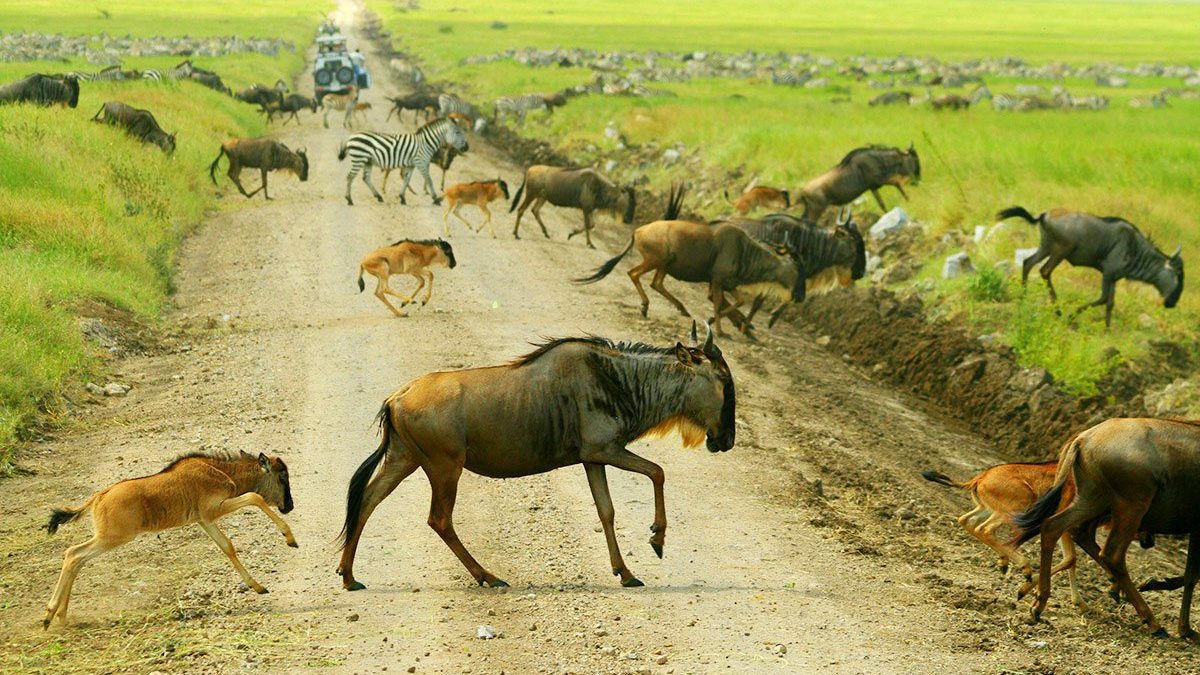
Safari Experience During Wildebeest Calving
Game drives during the calving season are shaped by flexibility and observation rather than rigid schedules. Herds of wildebeest and zebra are constantly on the move, guided by rainfall patterns and grazing conditions. As a result, each day’s safari unfolds differently, with guides adjusting routes to follow wildlife concentrations and predator movements.
During this stage of the Gorilla trekking and wildebeest calving itinerary, travelers often witness newborn calves standing and running within minutes of birth, an instinctual survival adaptation. Predator sightings are frequent, and dramatic chases are not uncommon. Despite the intensity of these encounters, moments of tranquility are equally present, as vast herds stretch across the plains under open skies, creating a sense of scale and timelessness that defines the Serengeti.
Accommodations in this region are typically seasonal camps or permanent lodges positioned strategically near calving hotspots. These camps are designed to blend into the environment while offering comfort and uninterrupted immersion in the surrounding wilderness.
The Ecological Importance of the Calving Grounds
The calving grounds of the southern Serengeti play a critical ecological role within the broader migration system. The volcanic soils of the region are rich in minerals, particularly calcium and magnesium, which are essential for lactating mothers and rapidly growing calves. This natural abundance ensures high survival rates during the early stages of life and sustains the migration’s long-term cycle.
Within the context of the Gorilla trekking and wildebeest calving itinerary, understanding this ecological balance enhances appreciation for the experience. The calving season is not merely a tourist attraction but a foundational process that supports one of the planet’s most complex and enduring wildlife movements.
Transition from Savannah to Forested Landscapes
As the wildebeest calving experience concludes, the itinerary shifts from Tanzania’s open plains to the dense, mountainous forests of Central or East Africa. This transition marks a profound change in scenery, climate, and pace, reinforcing the diversity that defines the Gorilla trekking and wildebeest calving itinerary.
Travelers typically journey onward to Uganda’s Bwindi Impenetrable Forest or Rwanda’s Volcanoes National Park. While both destinations offer exceptional gorilla trekking experiences, the choice often depends on travel logistics, permit availability, and personal preference. Regardless of location, the journey introduces travelers to cooler temperatures, misty landscapes, and an entirely different ecological system.
Preparation for Gorilla Trekking
Before entering gorilla territory, travelers are carefully briefed by expert rangers and guides. These briefings cover trekking protocols, gorilla behavior, and conservation guidelines. Such preparation ensures that the experience remains safe, respectful, and beneficial to ongoing conservation efforts.
Within the Gorilla trekking and wildebeest calving itinerary, this stage emphasizes patience and mindfulness. Gorilla trekking is physically demanding at times, requiring movement through steep, densely vegetated terrain. However, the anticipation built during the trek often becomes part of the emotional journey itself, heightening the impact of the eventual encounter.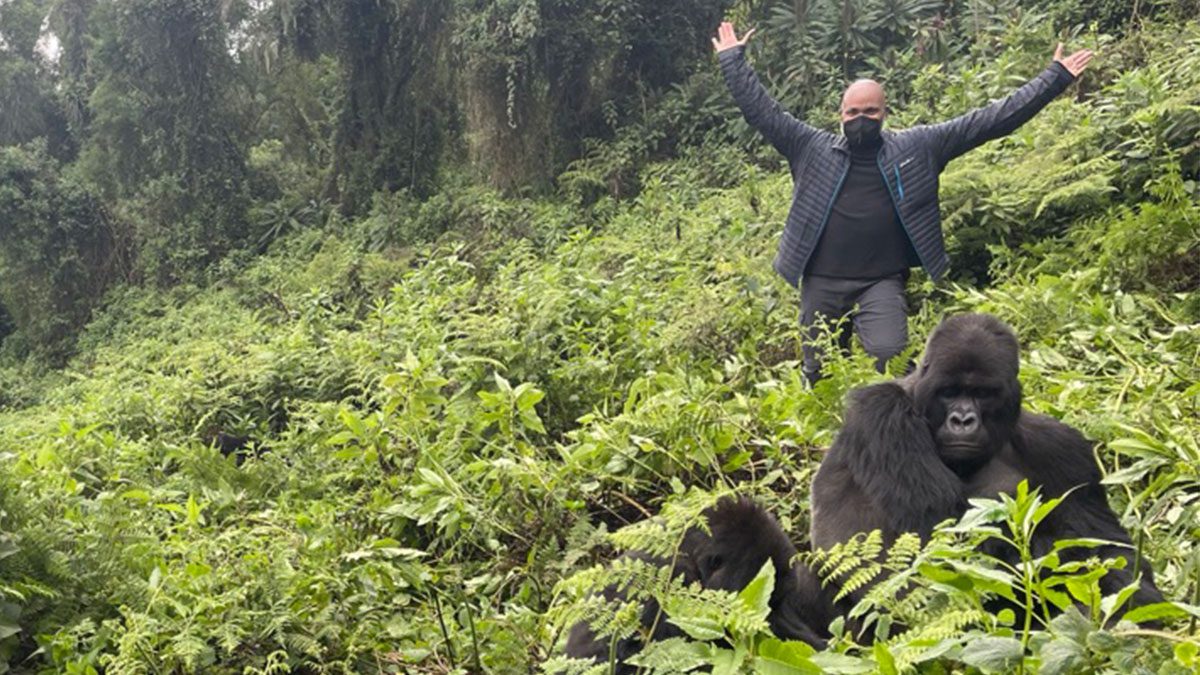
Gorilla Trekking Experience in Bwindi or Volcanoes National Park
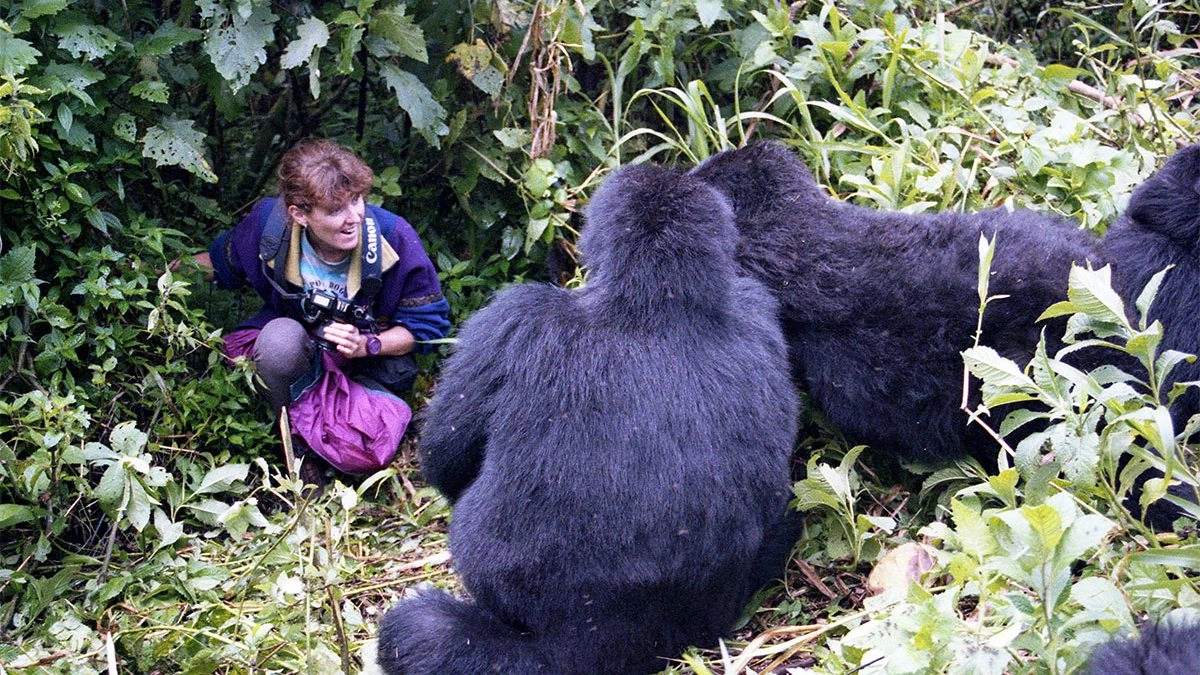
The gorilla trekking experience represents the emotional centerpiece of the Gorilla trekking and wildebeest calving itinerary. Small groups are guided into the forest in search of habituated gorilla families, with trekking durations varying based on the animals’ movements. When the gorillas are finally located, a limited but deeply immersive viewing period is allowed.
Observing mountain gorillas at close range fosters a profound sense of connection and respect. Their social behaviors, gentle interactions, and striking similarities to humans create an experience that is often described as transformative. Unlike traditional game viewing from a vehicle, gorilla trekking places travelers directly within the animals’ environment, reinforcing the importance of conservation and responsible tourism.
Conservation and Community Impact
Gorilla trekking permits contribute directly to conservation initiatives and local community development. Revenue generated through tourism supports anti-poaching efforts, habitat preservation, and education programs, ensuring the long-term survival of these critically endangered primates.
Within the broader Gorilla trekking and wildebeest calving itinerary, this conservation impact adds depth and purpose to the journey. Travelers are not only witnesses to extraordinary wildlife moments but also participants in a system that values sustainability and shared responsibility.
Balancing Adventure and Comfort
Despite the remote and wild nature of the destinations included, the Gorilla trekking and wildebeest calving itinerary is designed to balance adventure with comfort. Carefully selected lodges and camps provide restful environments where travelers can reflect on daily experiences. Personalized service, thoughtfully prepared meals, and scenic settings contribute to a sense of ease without diminishing authenticity.
This balance ensures that the itinerary appeals to a wide range of travelers, from seasoned safari enthusiasts to first-time visitors seeking a meaningful introduction to Africa’s wilderness.
Best Time to Experience the Gorilla Trekking and Wildebeest Calving Itinerary
Timing is central to the success of the Gorilla trekking and wildebeest calving itinerary. The January to March window aligns perfectly with peak calving activity in the southern Serengeti while also offering favorable trekking conditions in gorilla habitats. Rainfall during this period enhances scenery without significantly hindering travel, resulting in vibrant landscapes and active wildlife.
This seasonal alignment distinguishes the itinerary from more generalized safari routes, ensuring that travelers experience Africa at one of its most dynamic and visually striking moments.
A Journey Defined by Contrast and Connection
The Gorilla trekking and wildebeest calving itinerary stands as a testament to Africa’s extraordinary natural diversity and emotional depth. By combining the dramatic scale of the wildebeest calving season with the intimate, humbling experience of gorilla trekking, this itinerary offers a safari journey unlike any other.
Rather than focusing solely on wildlife sightings, the itinerary creates a narrative shaped by ecosystems, seasons, and conservation. Each stage builds upon the last, guiding travelers from open plains filled with new life to ancient forests where time seems to slow. The result is an experience that resonates long after the journey has ended, leaving a lasting appreciation for Africa’s wilderness and the delicate balance that sustains it.