Best Safari Park in Tanzania
The best safari park in Tanzania has long been a subject of admiration, discussion, and global recognition among wildlife enthusiasts, conservationists, and seasoned travelers. Tanzania is uniquely positioned as Africa’s premier safari destination, not because of a single park alone, but due to the unparalleled scale, authenticity, and ecological integrity of its protected areas. However, when examined through the lens of wildlife diversity, landscape scale, year-round game viewing, and global significance, one safari park consistently rises above the rest as the defining symbol of Tanzanian safaris.
This in-depth piece explores what defines the best safari park in Tanzania, why it holds this status, and how it compares within the broader safari ecosystem. Through an experiential and authoritative narrative, Tanzania’s safari excellence is examined in a way that aligns with both traveler intent and conservation reality.
Introduction to the Best Safari Park in Tanzania
The best safari park in Tanzania is not determined by popularity alone, but by a convergence of factors that include wildlife abundance, ecological continuity, seasonal adaptability, and long-term conservation success. Tanzania’s national parks are among the most expansive and well-protected in Africa, allowing wildlife to thrive in environments that remain largely untouched by modern development.
Safari experiences in Tanzania are defined by freedom of movement, natural behavior, and scale. Animals are not confined to small reserves but roam across ancient landscapes shaped by climate, migration, and survival. This sense of authenticity is central to understanding why identifying the best safari park in Tanzania requires depth, context, and ecological awareness rather than surface-level comparison.
Why Tanzania Is the Benchmark for Safari Parks
Tanzania has earned its reputation as Africa’s safari benchmark through decades of conservation leadership and land preservation. More than one third of the country is protected for wildlife, a commitment unmatched by most safari destinations worldwide. This extensive protection ensures that safari parks function as complete ecosystems rather than isolated viewing areas.
The best safari park in Tanzania benefits directly from this national conservation philosophy. Wildlife populations remain robust, predator-prey relationships remain intact, and seasonal movements continue without artificial interference. As a result, safari experiences feel organic and immersive, offering travelers a rare opportunity to witness nature operating on its own terms.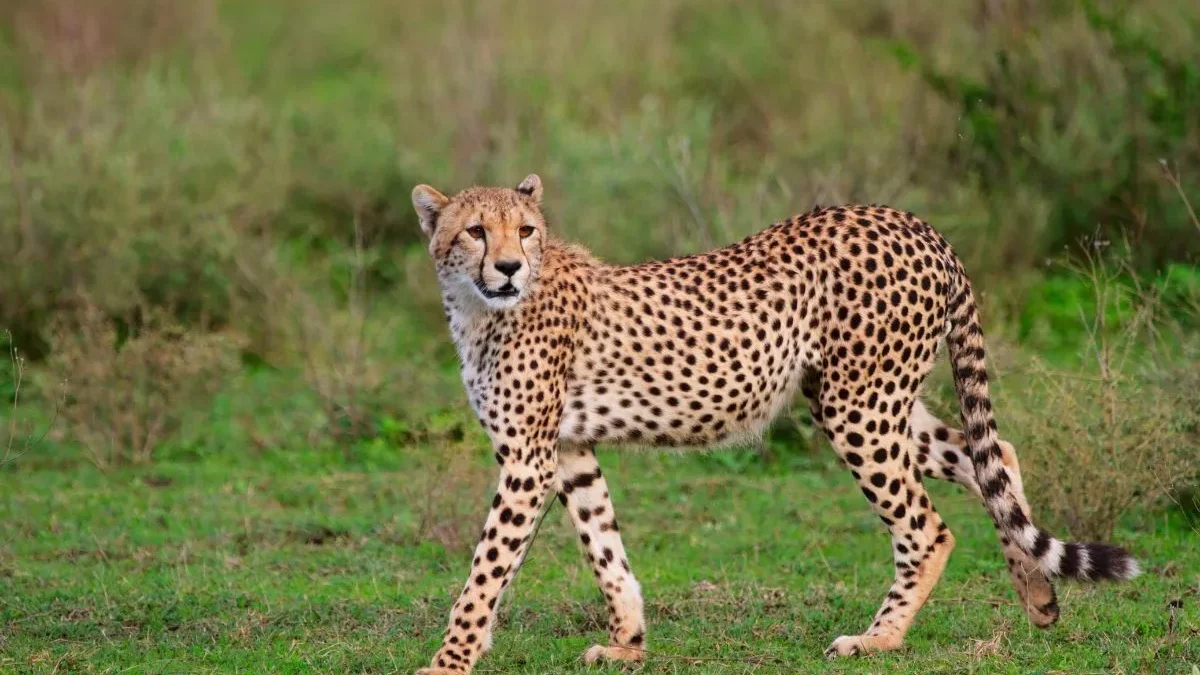
Serengeti National Park as the Best Safari Park in Tanzania
Serengeti National Park is universally recognized as the best safari park in Tanzania due to its unmatched scale, biodiversity, and global ecological importance. Spanning over 14,700 square kilometers, the Serengeti forms the heart of one of the last remaining large-scale wildlife ecosystems on Earth. Its vast plains, river systems, and woodlands support extraordinary concentrations of wildlife throughout the year.
The Serengeti is most famously associated with the Great Wildebeest Migration, the largest terrestrial mammal movement on the planet. Each year, millions of wildebeest, zebra, and gazelle traverse the ecosystem in search of fresh grazing, followed closely by predators. This continuous cycle of movement, birth, and survival is a defining feature that cements the Serengeti’s position as the best safari park in Tanzania.
Wildlife Diversity Within the Serengeti Ecosystem
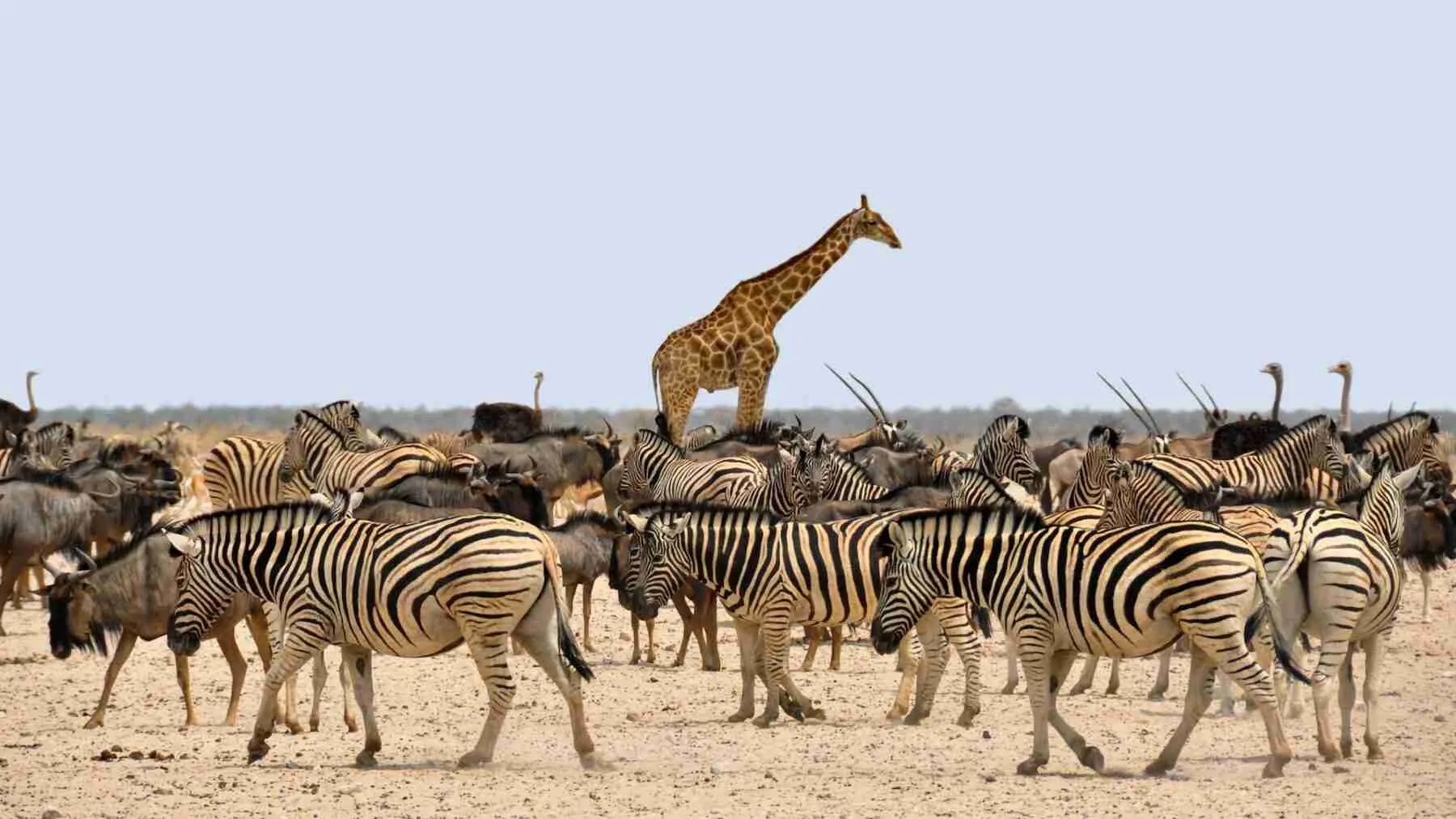
One of the strongest arguments for Serengeti National Park being the best safari park in Tanzania lies in its extraordinary wildlife diversity. All members of the Big Five are present, alongside cheetahs, hyenas, giraffes, hippos, crocodiles, and hundreds of bird species. Predator density is among the highest in Africa, with large lion prides dominating the plains and leopards thriving along riverine corridors.
Unlike smaller parks where sightings may feel concentrated or repetitive, the Serengeti offers variety through scale. Different regions of the park reveal distinct wildlife patterns, allowing safari experiences to evolve naturally over multiple days. This diversity ensures that the best safari park in Tanzania delivers both consistency and surprise.
Seasonal Excellence and Year-Round Safari Value
The Serengeti’s year-round appeal further reinforces its status as the best safari park in Tanzania. Unlike destinations that rely heavily on narrow peak seasons, the Serengeti offers exceptional wildlife viewing throughout the year, with each season revealing a different aspect of the ecosystem.
During the early months of the year, the southern Serengeti becomes the stage for the wildebeest calving season, where hundreds of thousands of calves are born within weeks. Predator activity intensifies, and dramatic interactions unfold across the plains. In the middle of the year, the western corridor and Grumeti River host migration crossings, while the northern Serengeti becomes the focal point later in the year as herds approach the Mara River.
This seasonal adaptability ensures that the best safari park in Tanzania remains relevant and rewarding regardless of travel timing.
Landscape Scale and Visual Impact
Another defining characteristic of the best safari park in Tanzania is the Serengeti’s visual and geographical scale. Endless grasslands stretch to the horizon, interrupted only by rocky outcrops known as kopjes and meandering rivers lined with acacia trees. This openness creates a profound sense of space and timelessness that is central to the safari experience.
The Serengeti landscape is not only visually striking but also ecologically functional. The open plains support grazing herds, the kopjes provide refuge for predators, and the rivers sustain life during dry periods. This interconnectedness enhances the authenticity of the safari, reinforcing why Serengeti National Park is widely considered the best safari park in Tanzania.
Comparison With Other Renowned Safari Parks
While Tanzania is home to several exceptional safari parks, including Ngorongoro Crater, Tarangire National Park, Ruaha National Park, and Nyerere National Park, none match the Serengeti in terms of scale, continuity, and global ecological significance. Ngorongoro offers remarkable wildlife density but lacks the vastness of the Serengeti. Tarangire excels seasonally but is more limited in scope. Ruaha and Nyerere provide remote wilderness experiences but do not host the same volume of migratory wildlife.
In contrast, the Serengeti integrates all these strengths into a single ecosystem. This balance is a key reason why it continues to be identified as the best safari park in Tanzania by conservationists, researchers, and safari professionals worldwide.
Safari Experiences and Activities in the Serengeti
The quality of safari experiences available further elevates the Serengeti as the best safari park in Tanzania. Traditional game drives remain the cornerstone, offering exceptional opportunities for wildlife photography and observation. However, the Serengeti also supports a range of immersive activities that deepen the safari experience.
Hot air balloon safaris provide a unique aerial perspective of the plains, revealing wildlife patterns invisible from the ground. Guided walking experiences in designated areas offer insight into smaller ecosystems and tracking techniques. These varied experiences allow travelers to engage with the landscape in multiple ways while maintaining respect for conservation guidelines.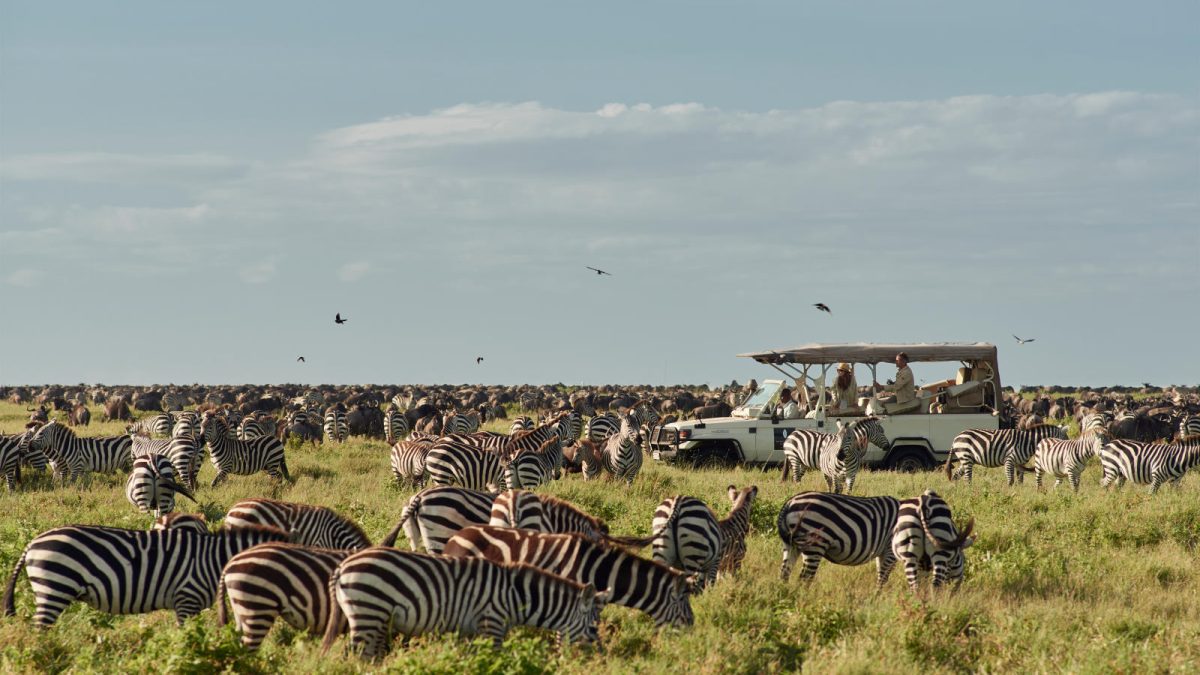
Accommodation and Sustainable Safari Tourism
Accommodation options within the Serengeti reflect the park’s status as the best safari park in Tanzania. From mobile tented camps that follow the migration to permanent lodges positioned in prime wildlife areas, accommodations are designed to enhance immersion without compromising environmental integrity.
Sustainability is central to lodge operations, with many properties utilizing solar energy, minimizing waste, and supporting local communities. This responsible approach ensures that tourism contributes positively to conservation efforts and maintains the ecological health of the park.
Conservation Legacy and Global Importance
The Serengeti’s designation as the best safari park in Tanzania is inseparable from its conservation legacy. Recognized as a UNESCO World Heritage Site, the Serengeti is protected not only for its wildlife but for its global ecological value. Scientific research conducted within the ecosystem has shaped modern understanding of migration, predator dynamics, and ecosystem resilience.
Tourism revenue generated by the Serengeti supports anti-poaching initiatives, habitat protection, and community development programs. This model demonstrates how responsible tourism can coexist with large-scale conservation, ensuring the park’s survival for future generations.
Cultural Context and Human History
The Serengeti landscape has been shaped not only by wildlife but also by human history. Indigenous communities have coexisted with these ecosystems for centuries, contributing to a cultural narrative that enriches the safari experience. While the park itself is protected from settlement, surrounding areas reflect traditional land-use practices that complement conservation goals.
This broader context adds depth to the experience of visiting the best safari park in Tanzania, transforming it from a wildlife viewing destination into a living landscape shaped by both nature and history.
Best Time to Visit the Best Safari Park in Tanzania
The Serengeti’s flexibility ensures that the best safari park in Tanzania can be visited throughout the year. The dry season, typically from June to October, offers excellent visibility and high concentrations of wildlife around water sources. This period is particularly popular for migration river crossings and predator sightings.
The green season, from November to March, delivers lush landscapes, fewer visitors, and unique events such as the wildebeest calving season. Birdlife is especially vibrant during this time, and photographic opportunities are exceptional.
Each season reveals a different character of the Serengeti, reinforcing its position as the best safari park in Tanzania regardless of travel preferences.
Defining the Best Safari Park in Tanzania
The best safari park in Tanzania is defined by scale, authenticity, ecological integrity, and timeless relevance. Serengeti National Park embodies all these qualities, offering a safari experience that is both deeply immersive and globally significant. Its vast landscapes, extraordinary wildlife diversity, and enduring conservation success place it firmly at the pinnacle of safari destinations.
Rather than simply offering wildlife sightings, the Serengeti tells an ongoing story of migration, survival, and balance. This narrative continues to unfold year after year, inviting travelers to witness one of nature’s greatest spectacles in its purest form. It is this enduring power and authenticity that ensure Serengeti National Park remains, without question, the best safari park in Tanzania.