Best Safari Reserve in Tanzania
The best safari reserve in Tanzania continues to define the gold standard for wildlife experiences in Africa, offering unmatched scale, biodiversity, and ecological authenticity. Tanzania is globally respected for its commitment to conservation and for protecting vast tracts of land where wildlife continues to thrive in its natural rhythm. Within this landscape of extraordinary reserves, one stands out for its sheer size, wilderness character, and diversity of safari experiences. Understanding what makes the best safari reserve in Tanzania requires a deep exploration of ecosystems, wildlife behavior, conservation success, and the overall safari experience as it unfolds on the ground.
This comprehensive piece explores the defining qualities of the best safari reserve in Tanzania, examining its landscapes, wildlife populations, safari activities, conservation value, and why it remains a top choice for discerning travelers seeking an authentic African safari.
Introduction to the Best Safari Reserve in Tanzania
The best safari reserve in Tanzania is distinguished not by luxury alone, but by the integrity of its wilderness. Safari reserves differ from national parks in that they often allow a wider range of activities, including walking safaris, boat safaris, and flexible game viewing, while maintaining strict conservation oversight. Tanzania’s safari reserves are among the largest and most pristine in Africa, offering a sense of space and solitude that has become increasingly rare.
At the core of the best safari reserve in Tanzania lies a commitment to preserving ecosystems at scale. Wildlife movements remain unrestricted, predator-prey dynamics remain intact, and tourism is carefully managed to ensure minimal impact. These factors combine to create safari experiences that feel immersive, unscripted, and deeply connected to nature.
Why Tanzania Leads Africa in Safari Reserves
Tanzania’s reputation as a safari powerhouse is rooted in its long-standing conservation philosophy. Over one third of the country’s land area is protected, encompassing national parks, conservation areas, and game reserves. This extensive protection ensures that wildlife populations are not fragmented and that natural processes continue uninterrupted.
The best safari reserve in Tanzania benefits directly from this national approach. Unlike smaller reserves elsewhere in Africa, Tanzania’s reserves operate as complete ecosystems, supporting large mammal populations, migratory routes, and seasonal cycles. This scale enhances wildlife viewing while preserving the authenticity that defines Tanzania’s safari identity.
Nyerere National Park as the Best Safari Reserve in Tanzania
Nyerere National Park, formerly the Selous Game Reserve, is widely regarded as the best safari reserve in Tanzania due to its immense size, ecological diversity, and wilderness character. Covering more than 30,000 square kilometers, Nyerere is one of the largest protected safari reserves in Africa, offering a level of remoteness and exclusivity unmatched by most safari destinations.
The reserve is defined by the Rufiji River system, which serves as the lifeblood of the ecosystem. This vast network of rivers, lakes, and channels supports a remarkable concentration of wildlife and enables a variety of safari activities not possible in many national parks. The combination of scale, biodiversity, and experiential diversity firmly establishes Nyerere as the best safari reserve in Tanzania.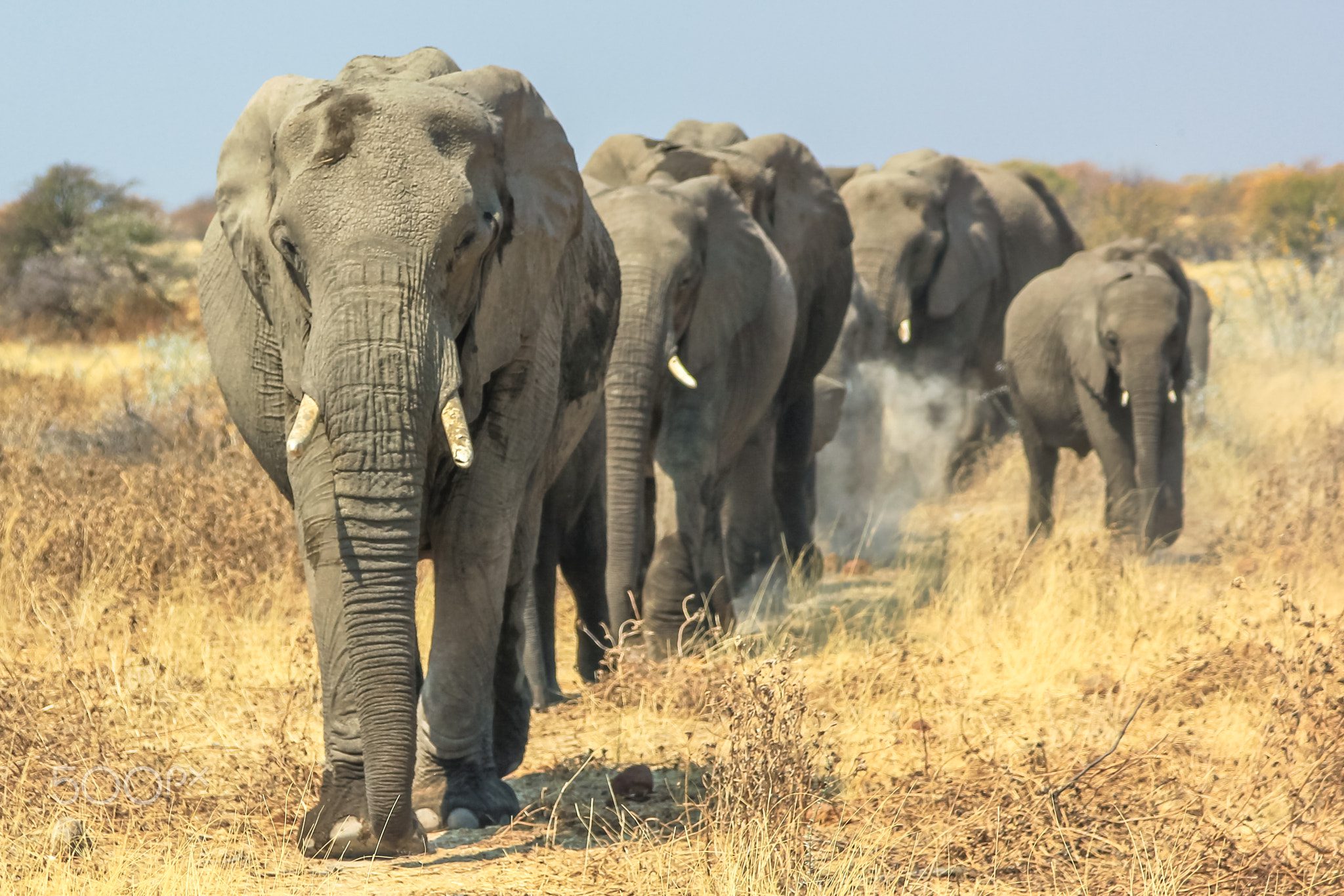
Wildlife Diversity in the Best Safari Reserve in Tanzania
One of the defining features of the best safari reserve in Tanzania is its exceptional wildlife diversity. Nyerere National Park supports significant populations of elephants, lions, leopards, buffalo, giraffes, and hippos, alongside endangered African wild dogs. The reserve is also home to an extraordinary array of bird species, making it a premier destination for birdwatching safaris.
What sets Nyerere apart is the natural distribution of wildlife across vast landscapes. Animals are not concentrated around a few viewing areas but are spread across diverse habitats, creating encounters that feel organic and rewarding. Predator sightings are frequent, yet never predictable, reinforcing the sense of true wilderness that defines the best safari reserve in Tanzania.
River-Based Safaris and Unique Experiences
A defining characteristic of the best safari reserve in Tanzania is the availability of river-based safari experiences. The Rufiji River allows for boat safaris that offer a completely different perspective on wildlife viewing. From the water, travelers observe elephants crossing channels, hippos submerged in pods, and crocodiles basking along the banks.
These boat safaris provide a calm, immersive contrast to traditional game drives and are exclusive to reserves like Nyerere. Combined with walking safaris led by expert guides, the reserve offers one of the most comprehensive safari experiences in Africa. This diversity of activities is a key reason why Nyerere is recognized as the best safari reserve in Tanzania.
Walking Safaris and Wilderness Immersion
Walking safaris represent one of the most authentic ways to experience the best safari reserve in Tanzania. In Nyerere National Park, walking safaris are conducted in remote areas where wildlife remains undisturbed. Accompanied by highly trained guides and armed rangers, travelers gain insight into animal tracking, plant ecology, and the subtle signs of life often missed from a vehicle.
This on-foot experience fosters a deeper understanding of the ecosystem and enhances appreciation for the interconnectedness of wildlife and habitat. Walking safaris elevate the overall safari narrative, transforming it from observation to participation within the landscape.
Landscape Diversity and Scenic Grandeur
The landscapes of the best safari reserve in Tanzania are as varied as they are dramatic. Nyerere National Park encompasses open savannahs, dense woodlands, palm-fringed rivers, seasonal lakes, and floodplains that change character with the seasons. This diversity supports a wide range of wildlife and ensures that the scenery evolves throughout the year.
During the dry season, animals concentrate around permanent water sources, creating excellent viewing opportunities. In the green season, the reserve transforms into a lush, vibrant ecosystem filled with migratory birds and newborn animals. This seasonal variation enhances the year-round appeal of the best safari reserve in Tanzania.
Low Visitor Density and Exclusive Safari Experiences
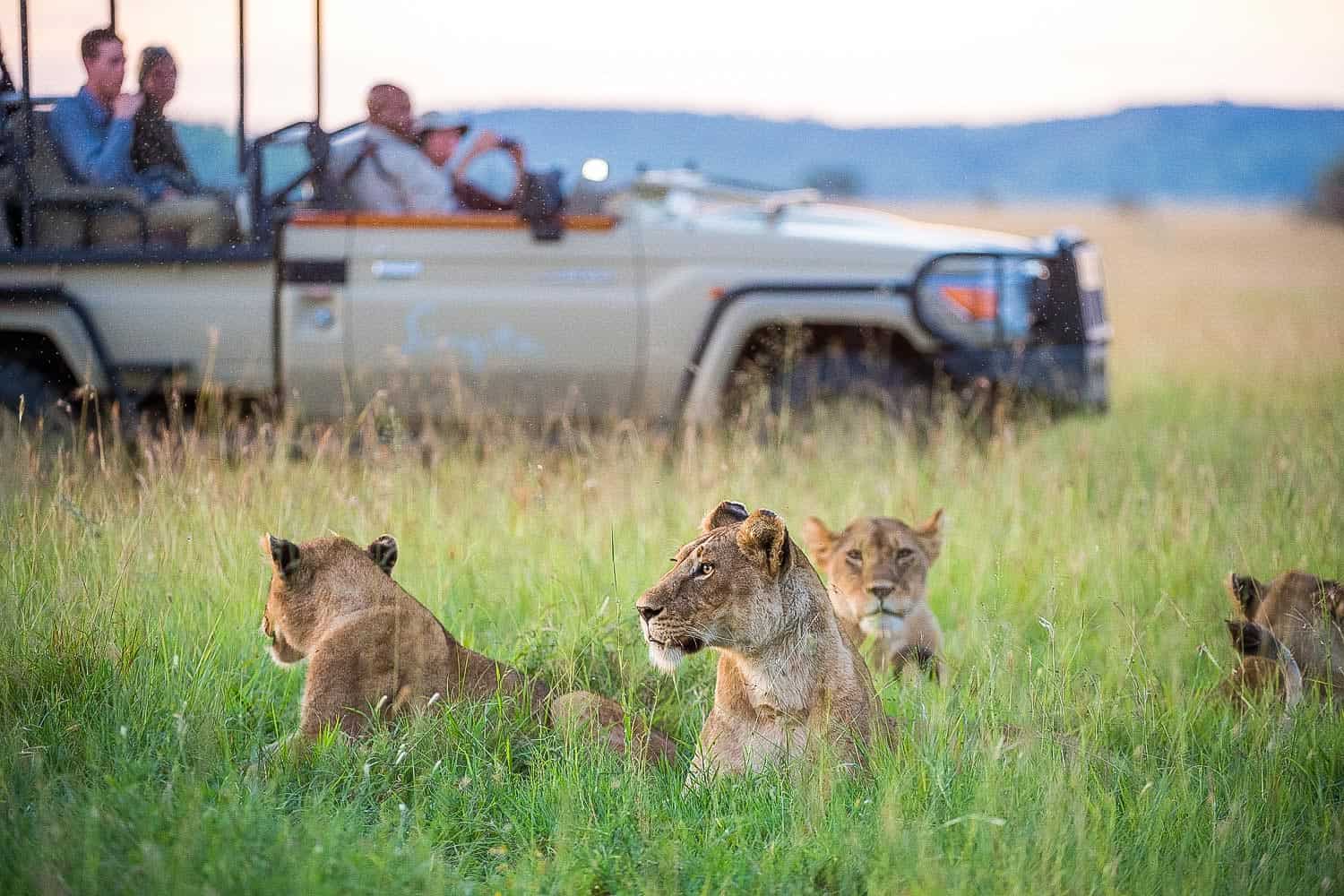
One of the most compelling reasons Nyerere is considered the best safari reserve in Tanzania is its low visitor density. Despite its size and wildlife abundance, the reserve receives far fewer visitors than northern circuit parks. This exclusivity allows for uninterrupted wildlife encounters and a profound sense of solitude.
Game drives often take place without encountering other vehicles, allowing wildlife behavior to unfold naturally. This absence of crowds enhances the emotional impact of the safari and reinforces the reserve’s reputation as a true wilderness destination.
Accommodation and Sustainable Tourism
Accommodation within the best safari reserve in Tanzania is designed to complement the surrounding wilderness while maintaining high standards of comfort. Lodges and tented camps in Nyerere National Park are strategically positioned along rivers and wildlife corridors, offering immersive views and easy access to safari activities.
Sustainability is central to lodge operations, with many properties relying on solar power, minimizing waste, and supporting conservation initiatives. Local communities benefit through employment and development programs, ensuring that tourism contributes positively to both people and wildlife. This responsible approach strengthens the long-term viability of the best safari reserve in Tanzania.
Conservation Importance of the Best Safari Reserve in Tanzania
The conservation value of Nyerere National Park cannot be overstated. As the best safari reserve in Tanzania, it plays a critical role in protecting one of Africa’s most important ecosystems. Anti-poaching efforts, wildlife monitoring, and habitat preservation are supported through tourism revenue and international conservation partnerships.
The reserve’s scale allows for the protection of wide-ranging species, including elephants and wild dogs, whose survival depends on large, connected habitats. By maintaining ecological integrity at such a scale, the best safari reserve in Tanzania contributes significantly to regional and global conservation goals.
Cultural and Historical Context
The area surrounding the best safari reserve in Tanzania holds deep cultural and historical significance. The legacy of early explorers and conservationists is intertwined with the region’s history, while local communities maintain traditional practices that complement conservation objectives.
Although human settlement within the reserve is restricted, nearby communities play an important role in conservation through sustainable land-use practices. This relationship adds a human dimension to the safari experience, enriching understanding of how conservation and culture coexist.
Best Time to Visit the Best Safari Reserve in Tanzania
The best safari reserve in Tanzania offers rewarding experiences throughout the year. The dry season, typically from June to October, provides excellent wildlife viewing as animals gather around rivers and lakes. This period is ideal for game drives and boat safaris, with clear visibility and high wildlife concentrations.
The green season, from November to March, brings lush landscapes, dramatic skies, and prolific birdlife. While wildlife disperses more widely, the reserve’s vastness ensures continued sightings in a quieter, more atmospheric setting. Each season reveals a different character of the best safari reserve in Tanzania.
Comparison With Other Safari Reserves
While Tanzania hosts several exceptional reserves, including Grumeti and Ikorongo, none match the scale, diversity, and experiential range of Nyerere National Park. Other reserves may excel in specific aspects, such as migration viewing or luxury, but Nyerere integrates wilderness, biodiversity, and flexibility more completely.
This balance is a defining reason why Nyerere stands as the best safari reserve in Tanzania, appealing to travelers who value authenticity, space, and a deeper connection with nature.
Defining the Best Safari Reserve in Tanzania
The best safari reserve in Tanzania is defined by wilderness on a grand scale, ecological integrity, and immersive safari experiences that go beyond traditional game drives. Nyerere National Park embodies these qualities, offering a rare blend of vast landscapes, diverse wildlife, and exclusive activities such as boat and walking safaris.
Rather than delivering a curated or crowded experience, the reserve invites travelers into a living ecosystem where nature sets the pace. This authenticity, combined with strong conservation outcomes and sustainable tourism practices, ensures that Nyerere National Park remains the definitive example of the best safari reserve in Tanzania. It is a destination where Africa’s wilderness is experienced in its purest and most powerful form.