Where to Stay on Mount Kilimanjaro
Understanding where to stay on Mount Kilimanjaro is one of the most important elements of planning a successful, safe, and enjoyable climb to Africa’s highest peak. Mount Kilimanjaro is not climbed in a single push; it is a multi-day trek that requires carefully planned overnight stays at specific elevations to allow proper acclimatization and recovery. Unlike traditional destinations with hotels or lodges scattered along the way, accommodation on Mount Kilimanjaro is highly regulated, purpose-built, and directly linked to the route chosen.
This comprehensive guide explores where to stay on Mount Kilimanjaro in detail, explaining the different types of accommodation available on the mountain, how they vary by route, what comfort levels to expect, and how overnight stays contribute to safety and summit success. The information reflects real trekking conditions, professional guiding standards, and long-standing Kilimanjaro climbing practices.
Introduction to Where to Stay on Mount Kilimanjaro
The question of where to stay on Mount Kilimanjaro cannot be answered with hotels or resorts in the traditional sense. Mount Kilimanjaro lies within a protected national park, and all overnight accommodation on the mountain is restricted to designated huts or campsites. These locations are strictly managed by Kilimanjaro National Park authorities to protect the environment and ensure climber safety.
Every overnight stay on Kilimanjaro is part of a structured acclimatization plan. Sleeping locations are chosen to gradually increase altitude while allowing the body time to adapt to reduced oxygen levels. This makes accommodation not just a place to rest, but a critical part of the climbing strategy.
Why Accommodation on Kilimanjaro Is Highly Regulated
To fully understand where to stay on Mount Kilimanjaro, it is essential to understand why accommodation is so tightly controlled. Kilimanjaro is a fragile ecosystem with multiple climatic zones ranging from rainforest to alpine desert. Unregulated accommodation would quickly damage these environments.
As a result, climbers are only permitted to stay at approved huts or campsites that are spaced at strategic elevations. These locations minimize environmental impact while supporting safe altitude progression. Staying outside designated areas is strictly prohibited and closely monitored by park authorities.
This regulation ensures that Kilimanjaro remains both climbable and preserved for future generations.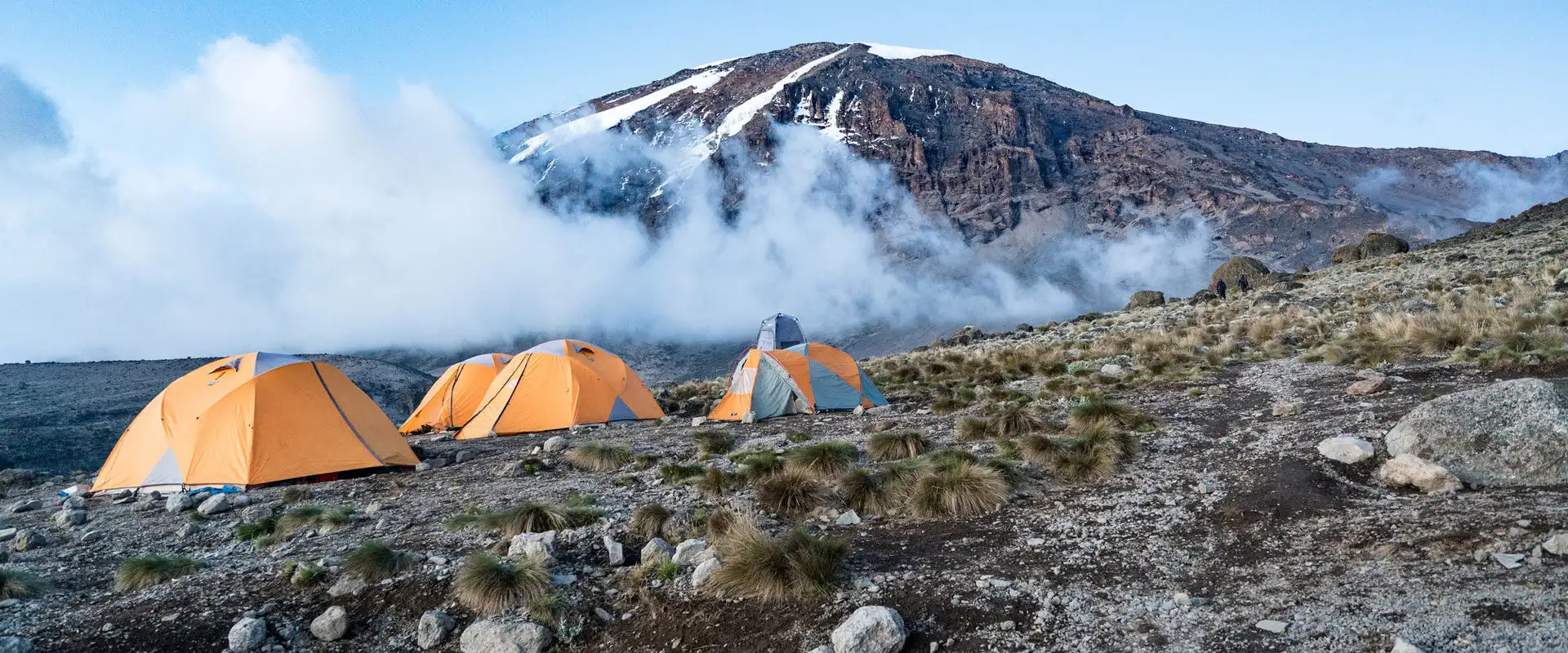
Types of Accommodation on Mount Kilimanjaro
When discussing where to stay on Mount Kilimanjaro, accommodation falls into two main categories: mountain huts and tented camps. The type of accommodation available depends entirely on the route selected.
Mountain huts are permanent structures with shared sleeping facilities and basic amenities. Tented camps involve sleeping in high-quality mountaineering tents set up daily by the trekking crew. Each option offers a distinct experience, and both are designed to support climbers in challenging high-altitude conditions.
Mountain Huts on Mount Kilimanjaro
Mountain huts represent one of the most straightforward answers to where to stay on Mount Kilimanjaro. These huts are permanent buildings managed by the national park and are available exclusively on one route.
Huts provide communal sleeping spaces with bunk beds and mattresses. While basic, they offer shelter from wind, rain, and cold, making them appealing during wetter seasons. Bathrooms and dining areas are shared, and privacy is limited due to the dormitory-style layout.
Despite their simplicity, huts provide a sense of structure and security, particularly for climbers who prefer solid walls over tents.
Staying on the Marangu Route
The Marangu Route is the only route that offers hut accommodation throughout the climb, making it a unique option when considering where to stay on Mount Kilimanjaro. This route uses a sequence of mountain huts positioned at increasing elevations.
Mandara Hut is the first overnight stop and is located within the rainforest zone. Horombo Hut follows in the moorland zone and is often used for an acclimatization night. Kibo Hut sits at the base of the summit cone and serves as the final overnight stay before the summit attempt.
While huts remove the need for tents, they are often crowded, especially during peak seasons. Sleeping bags are still required, as temperatures at higher elevations drop significantly. The Marangu Route’s hut system is simple and predictable, though its faster ascent profile can limit acclimatization for some climbers.
Tented Camps on Mount Kilimanjaro
For most climbers, where to stay on Mount Kilimanjaro involves sleeping in tents at designated campsites. All other major routes rely on tented accommodation provided and managed by professional trekking teams.
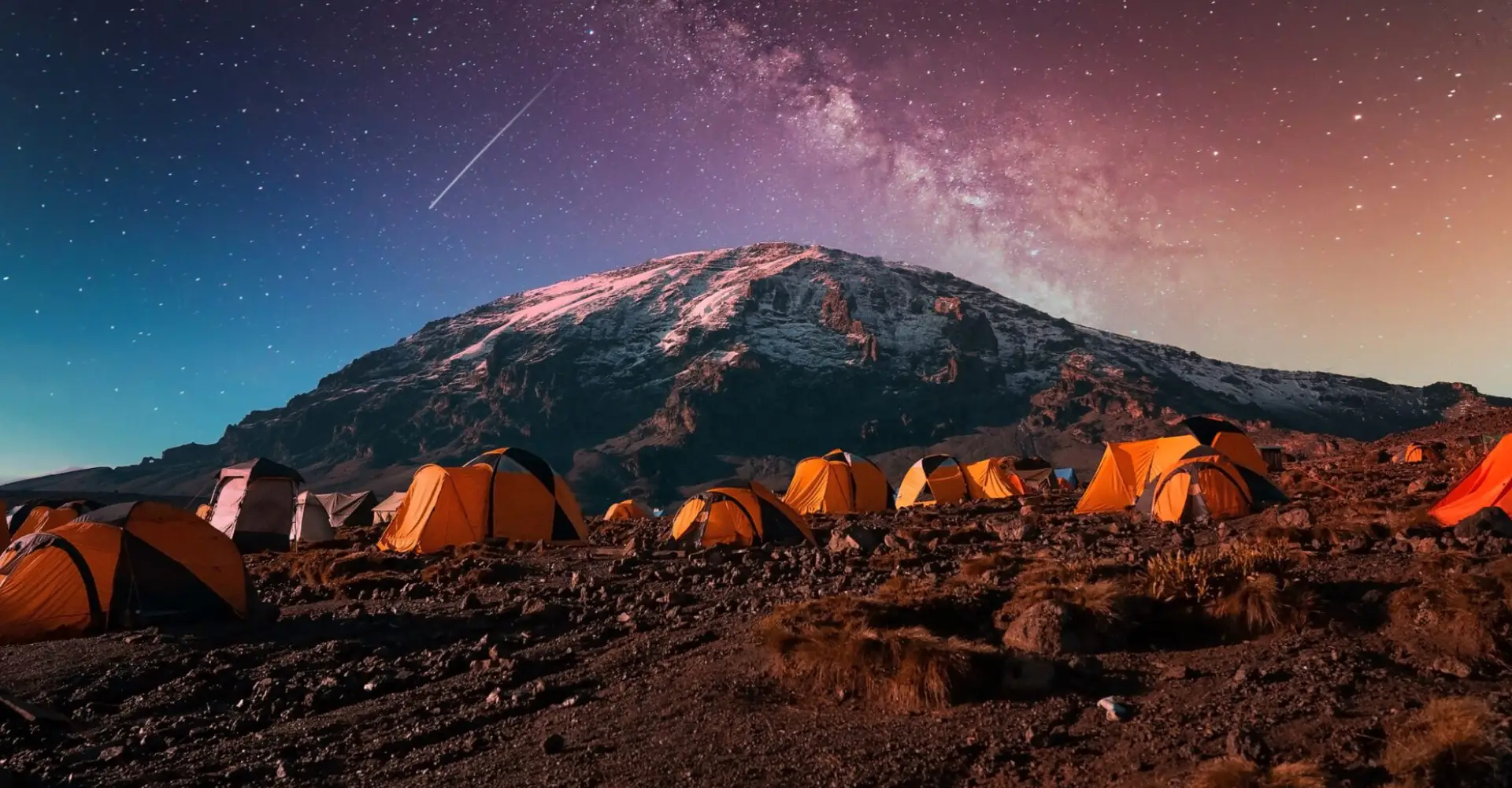
Tents used on Kilimanjaro are designed for high-altitude conditions and typically accommodate two climbers. They are set up by porters before climbers arrive at camp, allowing trekkers to rest immediately after a day’s hike.
Sleeping in tents offers greater route flexibility, improved acclimatization profiles, and access to quieter, more scenic campsites compared to hut-based routes.
Staying on the Machame Route
The Machame Route is one of the most popular choices for climbers evaluating where to stay on Mount Kilimanjaro. Accommodation on this route consists entirely of tented camps at well-established sites.
Machame Camp is the first overnight stop, followed by Shira Camp, Barranco Camp, Karanga Camp, and Barafu Camp. Each campsite is positioned to support gradual altitude gain while allowing climbers to adapt.
Tented camps on the Machame Route are often lively due to its popularity, but they offer excellent scenery and a strong acclimatization profile. Camps are spaced to balance challenge and recovery, making this route a favorite for first-time climbers seeking success.
Staying on the Lemosho Route
The Lemosho Route offers one of the most refined answers to where to stay on Mount Kilimanjaro, particularly for climbers prioritizing acclimatization and solitude. Accommodation is provided in tents at remote, less crowded campsites.
Early nights are spent at lower-elevation camps such as Mti Mkubwa, allowing climbers to acclimatize gradually before reaching higher zones. The route then joins the southern circuit of the mountain, sharing some camps with the Machame Route at higher elevations.
The extended duration and thoughtful camp placement on Lemosho significantly improve comfort and summit success, making it one of the most recommended routes for climbers of varying experience levels.
Staying on the Northern Circuit Route
The Northern Circuit provides the most comprehensive experience of where to stay on Mount Kilimanjaro. This route is the longest and offers the best acclimatization profile by circling the mountain’s quieter northern slopes.
Accommodation consists of tented camps placed strategically to allow gradual altitude gain. Camps are often quieter due to lower traffic, providing a more peaceful sleeping environment.
The Northern Circuit’s extended itinerary allows climbers to sleep at moderate altitudes for longer periods, reducing altitude-related discomfort and increasing summit success rates. This route is ideal for those seeking maximum acclimatization and a less crowded experience.
Staying on the Rongai Route
The Rongai Route approaches Kilimanjaro from the north and offers a different perspective on where to stay on Mount Kilimanjaro. Accommodation is provided in tents at designated campsites that are generally quieter and drier than southern routes.
Sleeping conditions on Rongai are often calmer due to reduced foot traffic. Campsites are positioned to allow steady altitude progression, though the route is slightly steeper in places.
This route is particularly attractive during the rainy seasons, as the northern side of the mountain receives less precipitation, improving overall comfort.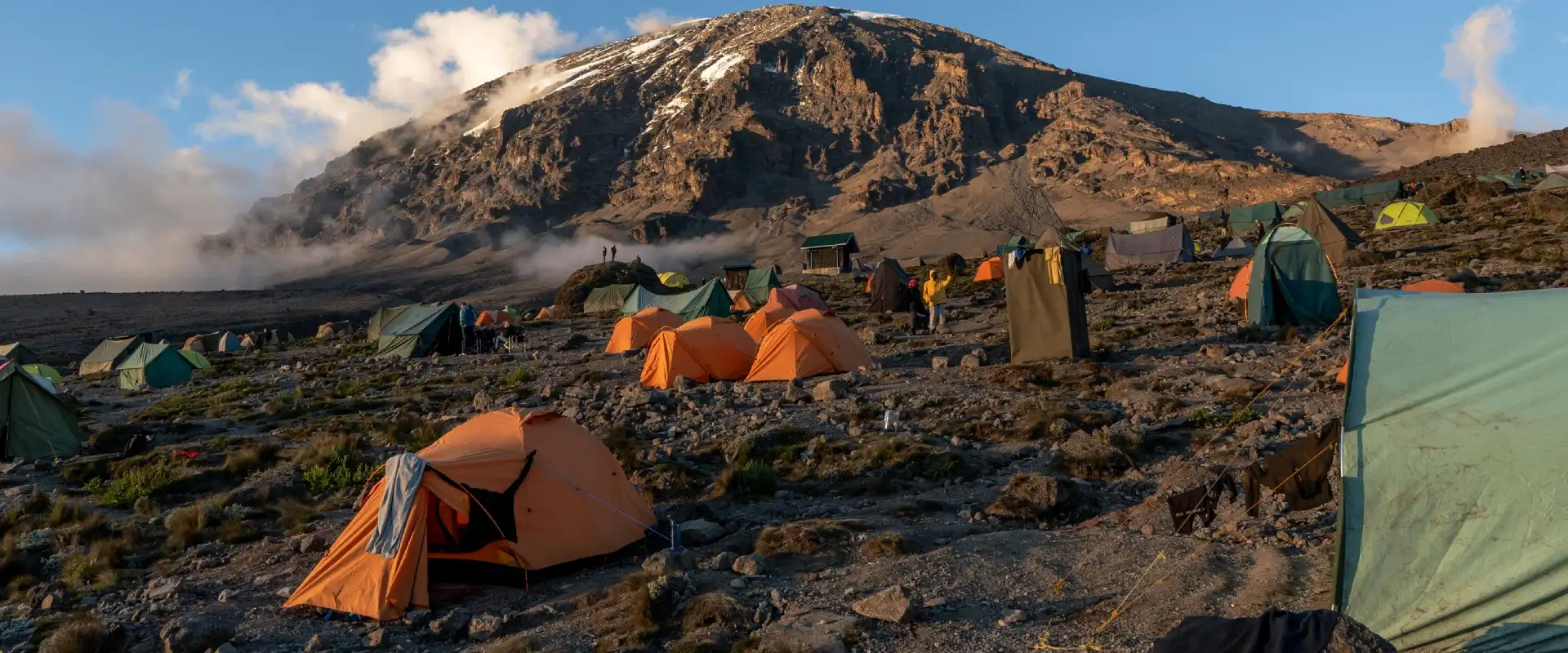
High-Altitude Camps and Summit Night Accommodation
One of the most challenging aspects of where to stay on Mount Kilimanjaro occurs at high-altitude camps near the summit. Camps such as Barafu Camp and Kibo Hut sit above 4,600 meters and serve as staging points for the summit attempt.
Sleeping at these elevations is often restless due to thin air, cold temperatures, and physical fatigue. Sleep is typically light and fragmented, which is normal and expected. Guides closely monitor climbers for signs of altitude sickness and ensure proper hydration and warmth.
Despite the discomfort, these high camps are essential for positioning climbers close to the summit and reducing the duration of summit night.
Comfort Levels and What to Expect Overnight
When planning where to stay on Mount Kilimanjaro, it is important to have realistic expectations regarding comfort. Accommodation on the mountain is functional rather than luxurious. Whether in huts or tents, climbers should expect basic conditions designed to support safety rather than indulgence.
Sleeping mats provide insulation from the cold ground, and high-quality sleeping bags are essential. Temperatures can drop well below freezing at higher camps, making proper gear critical for restful sleep.
Despite these challenges, many climbers find the experience deeply rewarding, as nights spent on the mountain are part of the journey’s emotional and physical progression.
Safety and Supervision at Kilimanjaro Accommodation Sites
Safety is a central factor in determining where to stay on Mount Kilimanjaro. All camps and huts are located in areas monitored by park authorities and supported by trained trekking crews.
Guides are trained in altitude sickness recognition, first aid, and emergency response. Evacuation procedures are well-established, and communication systems allow teams to contact park services when needed.
This structured support ensures that overnight stays remain as safe as possible, even in remote, high-altitude environments.
Environmental Responsibility and Sustainable Accommodation
Sustainability is deeply integrated into decisions about where to stay on Mount Kilimanjaro. Campsites are designated to minimize environmental impact, and strict waste management protocols are enforced.
Tents are dismantled daily, and all waste is carried off the mountain by porters. This leave-no-trace approach protects Kilimanjaro’s ecosystems and ensures that accommodation does not permanently alter the landscape.
These practices are essential to maintaining Kilimanjaro’s status as a UNESCO World Heritage Site.
Choosing the Best Route Based on Where You Stay
Selecting a route is inseparable from deciding where to stay on Mount Kilimanjaro. Climbers who prefer solid structures may choose the Marangu Route, while those seeking better acclimatization and scenic variety often opt for Lemosho, Machame, or the Northern Circuit.
Each route offers different sleeping environments, levels of privacy, and crowd density. Understanding these differences allows climbers to choose a route that aligns with comfort preferences, fitness level, and summit goals.
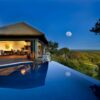
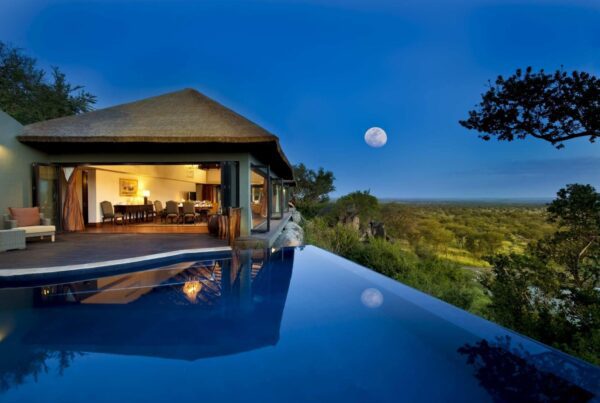
Pre- and Post-Climb Accommodation Near Kilimanjaro
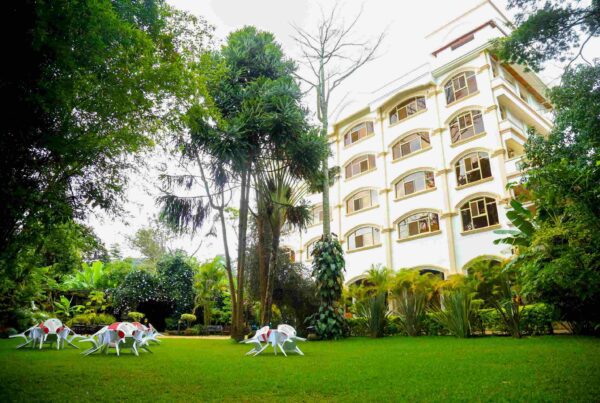
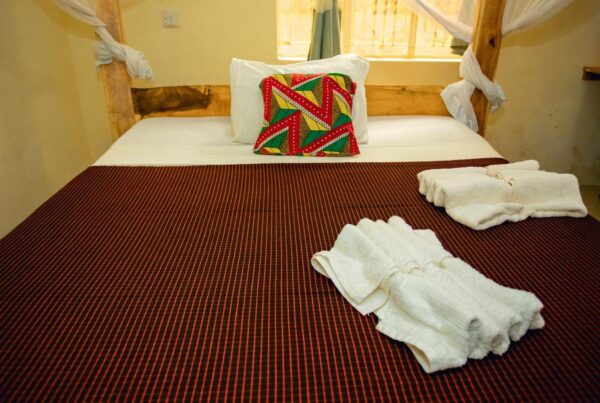
Although not part of the climb itself, accommodation before and after the trek is also relevant when considering where to stay on Mount Kilimanjaro. Most climbers stay in hotels or lodges in Moshi or Arusha before and after the climb.
These accommodations provide rest, gear preparation space, and recovery time after the descent. Staying nearby ensures smooth logistics and allows climbers to begin the trek well-rested.
Final Thoughts on Where to Stay on Mount Kilimanjaro
The question where to stay on Mount Kilimanjaro is ultimately about safety, acclimatization, and experience rather than luxury. Accommodation on the mountain is carefully planned to support climbers through changing elevations, temperatures, and physical demands.
Whether sleeping in a mountain hut surrounded by fellow climbers or resting in a tent beneath a sky filled with stars, each overnight stay is an integral part of the Kilimanjaro journey. These nights shape acclimatization, resilience, and the overall success of the climb.
By understanding the accommodation options and what to expect, climbers can approach Mount Kilimanjaro with confidence, realistic expectations, and a deeper appreciation for the carefully managed systems that make reaching the summit possible.