Wilderness Safaris – Wildlife Safaris Tanzania
Wilderness safaris – wildlife safaris Tanzania represents one of the most immersive and emotionally resonant travel experiences available in the modern world. Within Tanzania’s vast and largely unspoiled landscapes, wildlife encounters are not staged or predictable but unfold naturally within ecosystems that have remained intact for millennia. The concept of wilderness safaris is deeply rooted in authenticity, conservation, and a profound respect for nature, allowing travelers to experience wildlife safaris Tanzania in their purest form. This journey is not merely about observing animals but about entering a living wilderness where every sound, movement, and horizon tells a story shaped by time and survival.
Tanzania has earned global recognition as a premier safari destination because its wilderness areas continue to function as complete ecological systems. From the sweeping plains of the Serengeti to the ancient volcanic caldera of Ngorongoro and the remote southern reserves, wilderness safaris – wildlife safaris Tanzania delivers a sense of scale and wildness that is increasingly rare. These safaris are defined by space, silence, and the unfiltered presence of wildlife existing on its own terms.
The Meaning of Wilderness Safaris in Tanzania
Wilderness safaris – wildlife safaris Tanzania is characterized by experiences that prioritize remoteness, low-impact travel, and deep engagement with natural environments. Unlike mass tourism, wilderness safaris are designed to minimize human intrusion while maximizing ecological understanding. In Tanzania, this philosophy aligns seamlessly with national conservation policies that protect vast tracts of land for wildlife and future generations.
The wilderness safari experience in Tanzania often unfolds far from crowded routes and permanent infrastructure. Camps are discreetly placed, sometimes seasonal, and designed to blend into the environment. Wildlife safaris Tanzania in this context are less about schedules and more about rhythm, following animal movements, weather patterns, and the subtle cues of the land. This approach allows travelers to witness wildlife behavior that feels unscripted and deeply personal.
Tanzania as the Heart of African Wilderness Safaris
Wilderness safaris – wildlife safaris Tanzania stands apart because of the country’s extraordinary biodiversity and geographic variety. Tanzania hosts one of the largest concentrations of wildlife in Africa, supported by ecosystems that range from savannahs and wetlands to woodlands and alpine regions. This diversity ensures that every safari journey reveals a different facet of wilderness life.
The Serengeti ecosystem alone supports millions of wildebeest, zebra, and gazelle, along with the predators that follow them. Wildlife safaris Tanzania are globally renowned for the Great Migration, yet the wilderness safari perspective emphasizes not just the spectacle but the ecological process behind it. Predation, migration, and regeneration are understood as interconnected elements of a larger natural cycle rather than isolated events.
Serengeti Wilderness Safaris and Timeless Landscapes
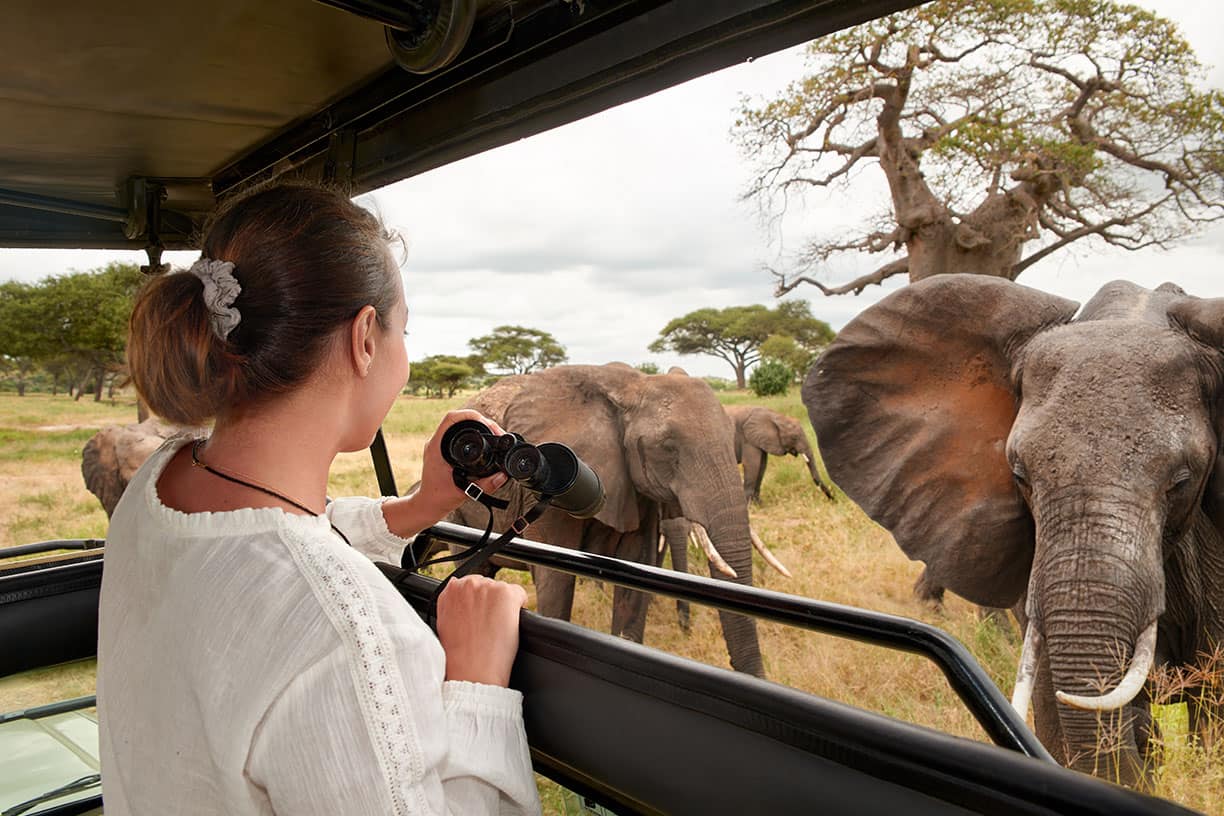
Within the Serengeti, wilderness safaris – wildlife safaris Tanzania reach their most iconic expression. The vast plains stretch beyond the horizon, creating a sense of infinite space that defines the wilderness experience. Game drives in this region are marked by long moments of quiet observation, where encounters with lions, elephants, and cheetahs emerge organically from the landscape.
The Serengeti’s appeal lies not only in its abundance of wildlife but also in its ability to make visitors feel small within a grand natural system. Wildlife safaris Tanzania in the Serengeti often emphasize patience and attentiveness, as meaningful encounters are shaped by waiting, watching, and listening. This approach transforms safaris into contemplative experiences rather than mere sightseeing excursions.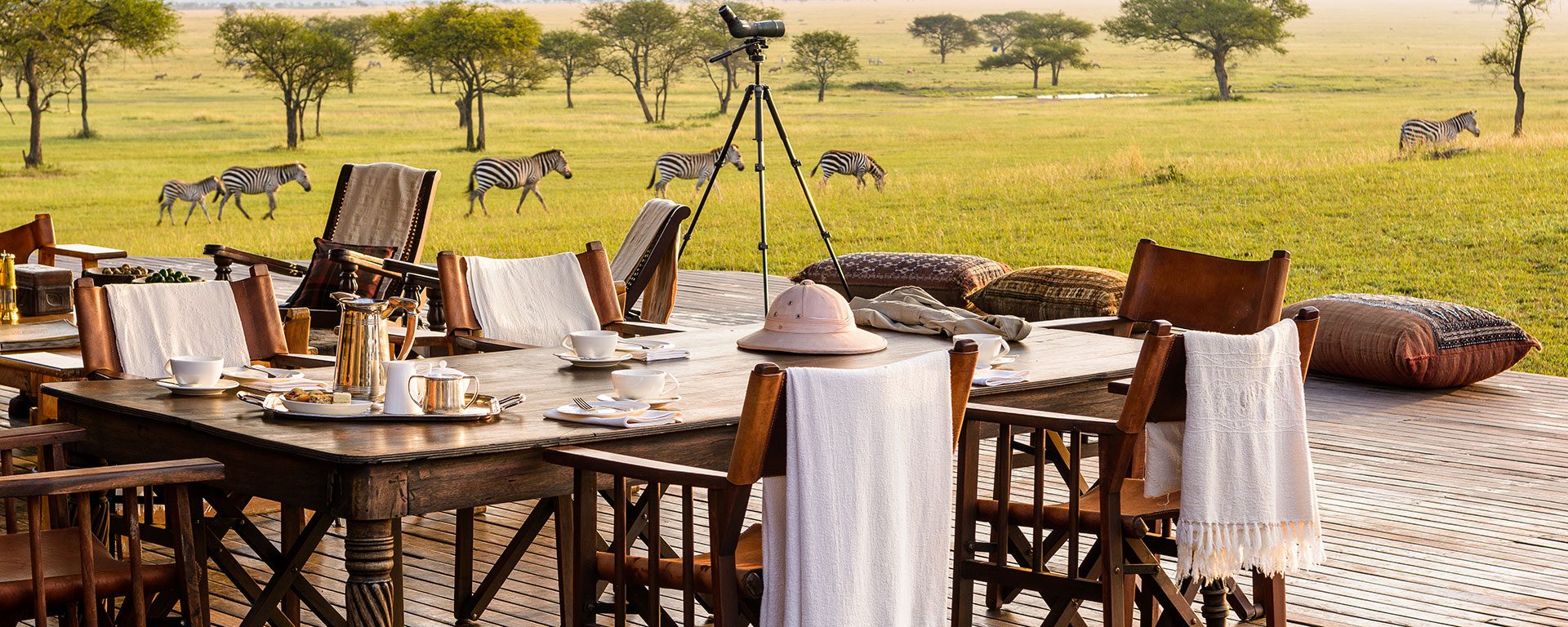
Ngorongoro Conservation Area and Wilderness Balance
Wilderness safaris – wildlife safaris Tanzania take on a unique dimension within the Ngorongoro Conservation Area, where wildlife and human cultures coexist within a shared landscape. The Ngorongoro Crater, formed by an ancient volcanic collapse, creates a natural sanctuary where animals thrive year-round. This setting offers an intense concentration of wildlife within a self-contained ecosystem.
The wilderness safari experience here is defined by balance rather than isolation. Wildlife safaris Tanzania within Ngorongoro reflect a broader conservation philosophy that recognizes the role of indigenous communities in maintaining ecological harmony. The presence of Maasai pastoralists adds cultural depth to the safari experience while reinforcing the idea that wilderness preservation can coexist with sustainable human livelihoods.
Southern Tanzania and the Essence of Remote Wilderness
Southern Tanzania represents the most understated yet profound expression of wilderness safaris – wildlife safaris Tanzania. Regions such as Nyerere National Park and Ruaha National Park offer vast territories with low visitor density, making them ideal for travelers seeking solitude and exclusivity. These areas are characterized by rugged terrain, dramatic river systems, and a strong sense of remoteness.
Wildlife safaris Tanzania in the south are often shaped by longer stays and slower exploration. The emphasis is placed on understanding animal behavior over time rather than pursuing a checklist of sightings. Predators such as lions and leopards are observed in landscapes that feel raw and untouched, reinforcing the essence of wilderness safaris as immersive and unhurried.
Wildlife Diversity and Ecological Integrity
Wilderness safaris – wildlife safaris Tanzania are defined by the integrity of their ecosystems. Tanzania’s protected areas support complete food chains, from apex predators to the smallest insects, ensuring that wildlife interactions remain natural and self-sustaining. This ecological completeness distinguishes Tanzania from destinations where wildlife exists in fragmented or heavily managed environments.
The presence of elephants, buffalo, rhinoceros, lions, and leopards alongside hundreds of bird species underscores the richness of wildlife safaris Tanzania. Wilderness safaris encourage appreciation for lesser-known species as well, highlighting the importance of biodiversity in maintaining healthy ecosystems. This holistic perspective deepens the safari experience and fosters a more nuanced understanding of conservation.
Conservation as the Foundation of Wilderness Safaris
Wilderness safaris – wildlife safaris Tanzania are inseparable from conservation efforts that protect land, wildlife, and local communities. Tanzania’s national parks and conservation areas are governed by strict regulations that limit development and control visitor impact. These measures ensure that wilderness character is preserved even as tourism continues to grow.
Wildlife safaris Tanzania contribute directly to conservation through park fees, employment opportunities, and community development initiatives. The wilderness safari model supports sustainable tourism by prioritizing quality over quantity. This approach reinforces Tanzania’s reputation as a destination where wildlife protection is central rather than incidental.
Cultural Dimensions of Wilderness Safaris Tanzania
Wilderness safaris – wildlife safaris Tanzania are enriched by the country’s cultural diversity. Encounters with local communities provide context for understanding how people have adapted to coexist with wildlife over generations. These cultural interactions are integrated respectfully, ensuring that traditions are represented authentically rather than as performances.
The presence of cultures such as the Maasai adds depth to wildlife safaris Tanzania by illustrating the human dimension of wilderness landscapes. This cultural awareness enhances the safari experience by connecting ecological conservation with social sustainability, reinforcing the idea that wilderness is not an empty space but a lived environment.
Seasonal Rhythms and Safari Experiences
Wilderness safaris – wildlife safaris Tanzania are shaped by seasonal changes that influence animal movements and landscape conditions. The dry season often reveals concentrated wildlife activity around water sources, while the wet season transforms plains into lush habitats that support breeding and migration.
Understanding these seasonal rhythms is central to the wilderness safari philosophy. Wildlife safaris Tanzania during different times of the year offer distinct experiences, each revealing unique aspects of animal behavior and environmental transformation. This seasonal variation ensures that no two safaris are ever identical.
Photographic and Experiential Depth
Wilderness safaris – wildlife safaris Tanzania provide unparalleled opportunities for photography and storytelling. The expansive landscapes, dramatic light, and authentic wildlife encounters create conditions where images capture more than visual beauty; they convey emotion and narrative. Photographic safaris often emphasize patience and observation, allowing moments to unfold naturally.
Beyond photography, wildlife safaris Tanzania offer experiential depth through walking safaris, river explorations, and extended stays in remote camps. These experiences foster a deeper connection with the land, transforming safaris into journeys of personal reflection and discovery.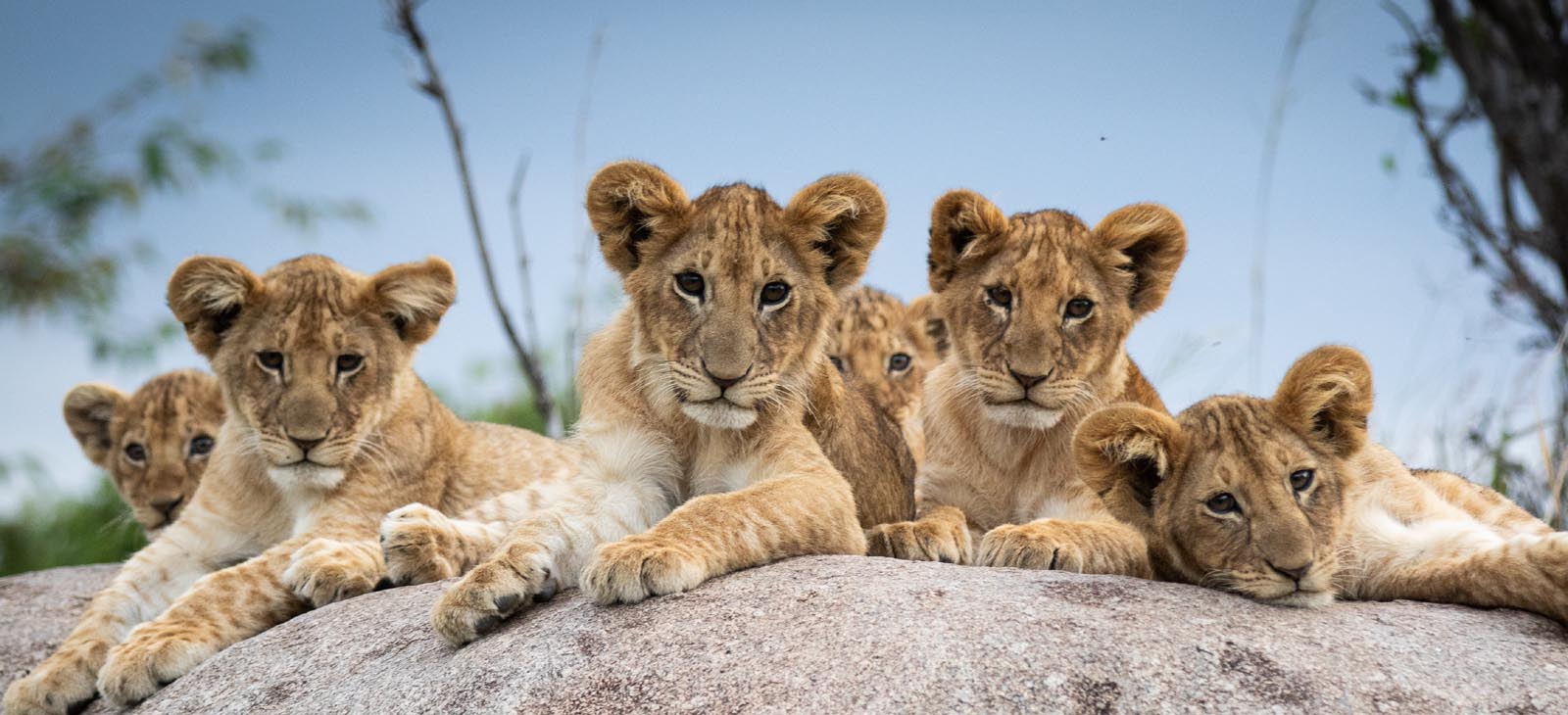
Sustainable Luxury in Wilderness Safaris
Wilderness safaris – wildlife safaris Tanzania redefine luxury through simplicity, privacy, and connection to nature. Luxury in this context is not measured by excess but by access to untouched landscapes and personalized experiences. Camps and lodges are designed to operate with minimal environmental impact while providing comfort that complements the wilderness setting.
This approach aligns with the expectations of modern travelers who value authenticity and responsibility. Wildlife safaris Tanzania demonstrate that sustainability and comfort can coexist without compromising ecological integrity or visitor experience.
Emotional Impact and Lasting Impressions
Wilderness safaris – wildlife safaris Tanzania leave a lasting emotional imprint that extends beyond the duration of the journey. The silence of open plains, the intensity of predator encounters, and the rhythm of daily life in the wild foster a sense of presence that is increasingly rare in contemporary life.
These experiences often inspire a renewed appreciation for nature and a deeper commitment to conservation. Wildlife safaris Tanzania are not passive holidays but transformative encounters that reshape perspectives on humanity’s relationship with the natural world.
The Future of Wilderness Safaris in Tanzania
The future of wilderness safaris – wildlife safaris Tanzania depends on continued commitment to conservation, responsible tourism, and community engagement. As global interest in authentic travel grows, Tanzania remains uniquely positioned to lead by example. The preservation of vast wilderness areas ensures that future generations will continue to experience wildlife in its natural state.
Wildlife safaris Tanzania are evolving to meet changing traveler expectations while maintaining core values of protection and respect. This balance ensures that wilderness safaris remain both viable and meaningful in a rapidly changing world.
The Enduring Power of Wilderness Safaris Tanzania
Wilderness safaris – wildlife safaris Tanzania represent the pinnacle of nature-based travel, combining ecological richness, cultural depth, and emotional resonance. Tanzania’s landscapes offer more than wildlife sightings; they provide a space where time slows and nature speaks with clarity and power.
Through responsible stewardship and immersive experiences, wildlife safaris Tanzania continue to define what it means to encounter true wilderness. This enduring appeal ensures that Tanzania remains a sanctuary not only for wildlife but also for those seeking connection, understanding, and inspiration within the natural world.