
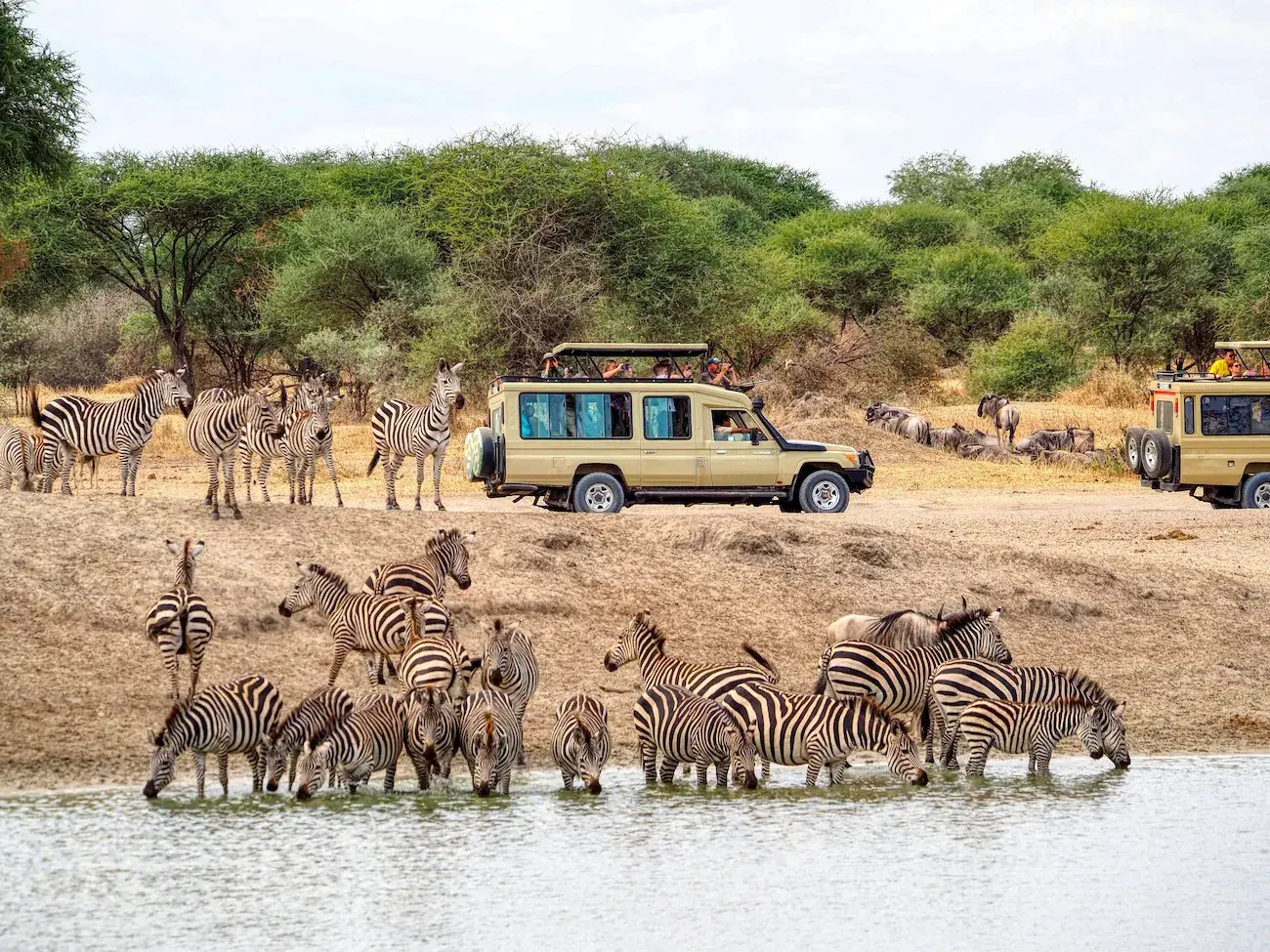
Wilderness Destinations: Exploring the World’s Last Untamed Landscapes
Wilderness destinations continue to define the highest form of experiential travel, offering access to the planet’s most unspoiled landscapes and the rare opportunity to reconnect with nature in its purest state. Wilderness destinations are increasingly sought after by travelers who value authenticity, solitude, and meaningful engagement with natural ecosystems. These destinations represent places where human presence remains minimal, wildlife thrives freely, and the rhythms of nature dictate daily life rather than schedules or infrastructure.
Wilderness destinations are not simply remote locations; they are living, breathing environments shaped by geological time, ecological balance, and cultural coexistence. From vast savannahs and dense rainforests to deserts, wetlands, and polar regions, wilderness destinations offer diverse experiences unified by a shared sense of raw beauty and environmental integrity. Understanding the significance, value, and variety of wilderness destinations provides deeper insight into why they are considered some of the most extraordinary places on Earth.
Understanding Wilderness Destinations and Their Global Importance
Wilderness destinations are defined by their minimal human development, ecological richness, and legal or cultural protection. These areas often fall within national parks, conservation areas, private reserves, or indigenous territories where preservation is prioritized over exploitation. Wilderness destinations play a critical role in maintaining biodiversity, regulating climate systems, and supporting cultural heritage tied to the natural world.
The importance of wilderness destinations extends beyond tourism. They serve as refuges for endangered species, natural laboratories for scientific research, and vital carbon sinks that mitigate climate change. By attracting responsible travelers, wilderness destinations generate funding and awareness that support conservation initiatives while reinforcing the value of protecting these landscapes for future generations.
The Evolution of Wilderness Destinations in Modern Travel
Wilderness destinations were once accessible only to explorers, researchers, and local communities. Advances in transportation, communication, and eco-sensitive infrastructure have gradually opened these areas to a broader audience without compromising their integrity. This evolution has transformed wilderness destinations into carefully managed travel experiences that balance access with preservation.
Modern wilderness destinations emphasize low-impact tourism, strict visitor controls, and sustainable operations. These measures ensure that increased interest does not result in environmental degradation. The shift toward experiential and purpose-driven travel has further elevated the appeal of wilderness destinations, positioning them as antidotes to overcrowded urban and resort-based tourism.
African Wilderness Destinations and Their Timeless Appeal
Africa is home to some of the world’s most iconic wilderness destinations, characterized by expansive landscapes, abundant wildlife, and deep cultural connections to the land. The African wilderness embodies scale and diversity, offering environments that range from open savannahs and dense jungles to arid deserts and lush river systems.
Wilderness destinations across Africa are defined by protected ecosystems where wildlife moves freely across vast territories. These areas provide unparalleled opportunities to observe natural behaviors and ecological interactions, reinforcing Africa’s reputation as the heartland of wilderness travel.
East African Wilderness Destinations
East Africa hosts some of the most celebrated wilderness destinations, including vast grasslands, volcanic highlands, and seasonal wetlands. These regions support large migratory herds and apex predators, creating dynamic ecosystems shaped by rainfall patterns and ancient geological processes.
Wilderness destinations in East Africa are often associated with conservation models that integrate local communities into land stewardship. This approach ensures that wilderness preservation aligns with cultural continuity and economic sustainability.
Southern African Wilderness Destinations
Southern African wilderness destinations are renowned for their private reserves, riverine systems, and diverse habitats. These areas often allow for more flexible exploration methods, including walking safaris and night activities, enhancing immersion and exclusivity.
The wilderness destinations of Southern Africa are notable for their successful conservation outcomes, particularly in species recovery and habitat management. These achievements demonstrate the effectiveness of responsible tourism in supporting long-term ecological health.
Asian Wilderness Destinations and Cultural Landscapes
Wilderness destinations in Asia reflect a complex interplay between nature and ancient civilizations. Dense rainforests, high mountain ranges, and remote islands define the continent’s wilderness character. These destinations often harbor rare and elusive wildlife, contributing to their mystique and appeal.
Asian wilderness destinations are frequently intertwined with spiritual and cultural traditions that emphasize harmony with nature. Sacred forests, protected valleys, and traditional land-use practices reinforce the cultural significance of wilderness areas, adding depth to the travel experience.
The Americas and Their Vast Wilderness Destinations
North and South America collectively host some of the largest remaining wilderness destinations on the planet. From Arctic tundra and boreal forests to tropical rainforests and Patagonian plains, these regions offer immense ecological variety.
Wilderness destinations in the Americas are often characterized by scale and isolation. National parks and protected areas span millions of hectares, allowing ecosystems to function with minimal human interference. These landscapes provide critical habitats for migratory species and keystone predators, underscoring their global ecological importance.
North American Wilderness Destinations
North American wilderness destinations are defined by dramatic landscapes shaped by glaciers, tectonic forces, and climatic extremes. Vast mountain ranges, deserts, and coastal ecosystems offer diverse opportunities for exploration and reflection.
These wilderness destinations are supported by robust conservation frameworks and public land management systems that prioritize access while maintaining environmental integrity.
South American Wilderness Destinations
South American wilderness destinations encompass some of the world’s most biologically rich environments, including tropical rainforests, wetlands, and high-altitude plateaus. These areas are vital reservoirs of biodiversity and indigenous knowledge.
Travel to South American wilderness destinations often emphasizes education and conservation awareness, highlighting the interconnectedness of ecosystems and human cultures.
European Wilderness Destinations and Rewilding Efforts
Although densely populated, Europe still contains significant wilderness destinations, particularly in mountainous regions, northern forests, and protected coastal areas. These landscapes are increasingly shaped by rewilding initiatives that restore natural processes and species populations.
European wilderness destinations demonstrate how conservation and human presence can coexist through thoughtful land management and ecological restoration. These efforts challenge perceptions of wilderness as distant or inaccessible, reinforcing its relevance even in developed regions.
Types of Wilderness Destinations and Ecosystem Diversity
Wilderness destinations are categorized not by geography alone but by ecosystem type. Each ecosystem offers distinct sensory experiences, wildlife encounters, and environmental dynamics.
Savannah wilderness destinations are defined by open landscapes and seasonal rhythms that support large herbivores and predators. Forest wilderness destinations emphasize biodiversity, vertical complexity, and subtle ecological interactions. Desert wilderness destinations highlight resilience and adaptation, revealing beauty in stark and fragile environments.
Wetland wilderness destinations serve as critical breeding and feeding grounds for countless species, while polar wilderness destinations represent some of the most extreme and least disturbed environments on Earth. Together, these ecosystems illustrate the extraordinary diversity encompassed by wilderness destinations.
Wildlife and Biodiversity in Wilderness Destinations
The defining feature of wilderness destinations is the presence of functioning ecosystems where wildlife exists in natural balance. Predators, prey, and vegetation interact without artificial constraints, creating dynamic environments that change with seasons and climate cycles.
Wilderness destinations often support species that cannot survive in fragmented or developed landscapes. By protecting large, continuous habitats, these areas play a crucial role in global biodiversity conservation. Wildlife encounters in wilderness destinations are valued not for predictability but for authenticity, reinforcing respect for natural processes.
Human Experience and Transformation in Wilderness Destinations
Travel to wilderness destinations often results in profound personal transformation. The absence of modern distractions fosters mindfulness, reflection, and a renewed sense of perspective. Wilderness destinations encourage slower travel, deeper observation, and meaningful engagement with the environment.
This transformative potential is increasingly recognized as a key benefit of wilderness travel. Experiences in these destinations often inspire long-term commitments to conservation, sustainability, and responsible living.
Sustainability and Responsible Access to Wilderness Destinations
The future of wilderness destinations depends on responsible access and sustainable management. Tourism must be carefully regulated to prevent environmental degradation while generating economic incentives for protection. Low-impact infrastructure, visitor limits, and community partnerships are essential components of sustainable wilderness tourism.
Wilderness destinations that successfully balance access and preservation serve as models for conservation worldwide. By choosing ethical operators and respecting local regulations, travelers contribute directly to the protection of these fragile environments.
The Economic and Conservation Value of Wilderness Destinations
Wilderness destinations generate significant economic value through responsible tourism, funding conservation programs and supporting local livelihoods. This economic contribution reinforces the argument for preserving wilderness areas rather than exploiting them for short-term gain.
The conservation value of wilderness destinations extends beyond national boundaries. These areas provide ecosystem services such as climate regulation, water purification, and genetic diversity that benefit the global community.
The Future of Wilderness Destinations
Wilderness destinations face increasing pressure from climate change, population growth, and resource demand. Protecting these areas requires international cooperation, innovative conservation strategies, and public awareness.
The growing popularity of wilderness travel presents both opportunities and challenges. When managed responsibly, increased interest can strengthen protection efforts and ensure the survival of wilderness destinations. When mismanaged, it risks undermining the very qualities that make these places unique.
Why Wilderness Destinations Matter More Than Ever
Wilderness destinations represent the last strongholds of ecological integrity and natural beauty. They offer sanctuary for wildlife, inspiration for humanity, and solutions to some of the planet’s most pressing environmental challenges.
As society seeks balance between development and preservation, wilderness destinations stand as reminders of what is possible when nature is allowed to thrive. Protecting and experiencing these landscapes responsibly ensures that wilderness destinations remain sources of wonder, resilience, and hope for generations to come.