How Much Does a Safari Trip Cost in Tanzania: A Complete Guide to Safari Pricing, Value, and What to Expect
How much does a safari trip cost in Tanzania is one of the most important and frequently asked questions by travelers planning an African safari. How much does a safari trip cost in Tanzania depends on multiple interconnected factors, including travel style, accommodation level, season, duration, destinations visited, and the level of exclusivity desired. Tanzania is globally regarded as one of Africa’s premier safari destinations, home to iconic landscapes such as the Serengeti, Ngorongoro Crater, Tarangire, and Ruaha, and the cost of experiencing these places reflects both their global significance and the conservation-driven model under which they operate.
Understanding how much a safari trip costs in Tanzania requires moving beyond headline prices and appreciating the full structure of safari travel. Unlike conventional holidays, safaris are immersive, logistically complex experiences that typically operate on an all-inclusive basis. The price paid is not only for accommodation and wildlife viewing but also for expert guiding, conservation support, park protection, local employment, and access to some of the most extraordinary ecosystems on Earth.
Understanding How Much a Safari Trip Costs in Tanzania
How much does a safari trip cost in Tanzania is shaped by the country’s commitment to low-volume, high-value tourism. Tanzania intentionally limits mass tourism in its national parks to protect wildlife habitats and preserve the quality of the safari experience. This approach results in higher per-person costs compared to some other destinations, but it also delivers deeper, more authentic encounters with nature.
A safari trip in Tanzania is typically priced per person per day and usually includes accommodation, meals, game drives, park fees, conservation levies, guiding services, and ground transportation. When evaluating how much a safari trip costs in Tanzania, it is important to consider this inclusive structure, which minimizes hidden expenses and ensures a seamless experience from arrival to departure.
Average Cost Ranges for a Safari Trip in Tanzania
How much does a safari trip cost in Tanzania can be broadly understood by looking at general pricing categories, though final costs vary widely based on personal preferences and itinerary design. Budget-conscious safaris tend to focus on shared accommodations and basic lodges, while mid-range safaris balance comfort and value. Luxury safaris emphasize exclusivity, premium locations, and personalized service.
Entry-level safaris may start from a few hundred dollars per person per day, while mid-range experiences often fall into a higher bracket that reflects improved accommodation, private vehicles, and enhanced guiding. High-end safaris, particularly those involving luxury tented camps, private concessions, or fly-in itineraries, command premium rates that can extend into several thousand dollars per person per day.
These figures illustrate that how much a safari trip costs in Tanzania is not fixed but scalable, allowing travelers to align their experience with both budget and expectations.
Key Factors That Influence Safari Costs in Tanzania
Duration of the Safari
How much does a safari trip cost in Tanzania is directly influenced by the length of stay. Longer safaris naturally increase overall cost, but they often provide better value per day by reducing transfer expenses and allowing deeper exploration of each destination. Short safaris may appear more affordable at first glance but can be less cost-efficient due to fixed logistical expenses.
Extended itineraries also allow access to remote parks and private concessions, which enhance the overall experience while increasing the total investment.
Choice of National Parks and Reserves
Different parks carry different operational and conservation costs, which significantly affect how much a safari trip costs in Tanzania. World-famous destinations such as the Serengeti and Ngorongoro Conservation Area command higher park fees due to their ecological importance and international demand.
Less-visited parks like Ruaha or Katavi may offer greater exclusivity and wilderness appeal, though logistical challenges can influence pricing. The combination of parks selected within an itinerary plays a major role in determining final safari costs.
Accommodation Style and Comfort Level
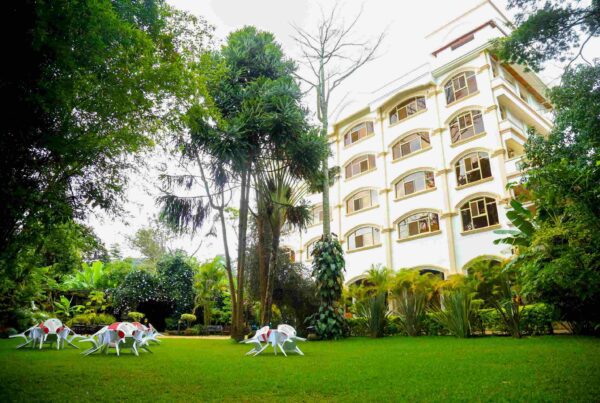
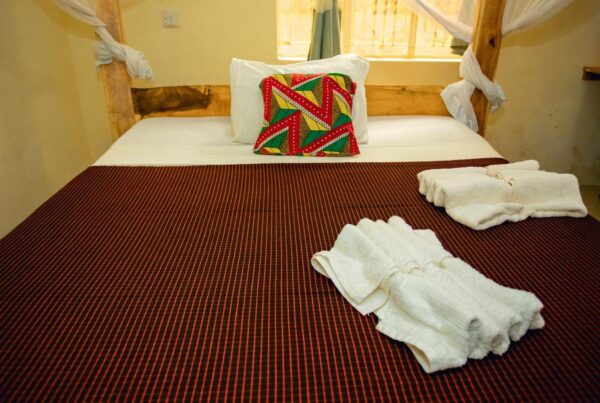
Accommodation is one of the most influential elements when calculating how much a safari trip costs in Tanzania. Safari options range from basic lodges and public campsites to luxury tented camps and exclusive safari lodges.
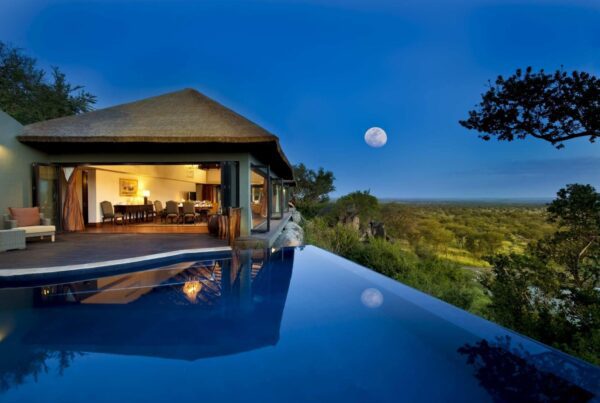
Luxury accommodations are often located within prime wildlife areas, reducing travel time and maximizing game viewing. These properties offer spacious tents or suites, fine dining, private guides, and personalized service, all of which contribute to higher costs. Mid-range and budget accommodations focus on comfort and functionality while still providing access to excellent wildlife experiences.
Mode of Transportation
Transportation choices significantly affect how much a safari trip costs in Tanzania. Road safaris using 4×4 vehicles are generally more affordable and allow scenic travel between parks. However, long driving distances can add time and fatigue.
Fly-in safaris utilize light aircraft to move between remote camps, dramatically reducing travel time and enhancing comfort. These flights add to the overall cost but also elevate the experience by providing aerial views and access to isolated wilderness areas.
Group Size and Privacy
How much does a safari trip cost in Tanzania is also influenced by whether the safari is shared or private. Group safaris spread costs across multiple travelers, making them more economical per person. Private safaris offer exclusive use of vehicles and guides, allowing flexible schedules and tailored experiences at a higher cost.
Private safaris are particularly appealing to families, photographers, and travelers seeking deeper immersion without compromise.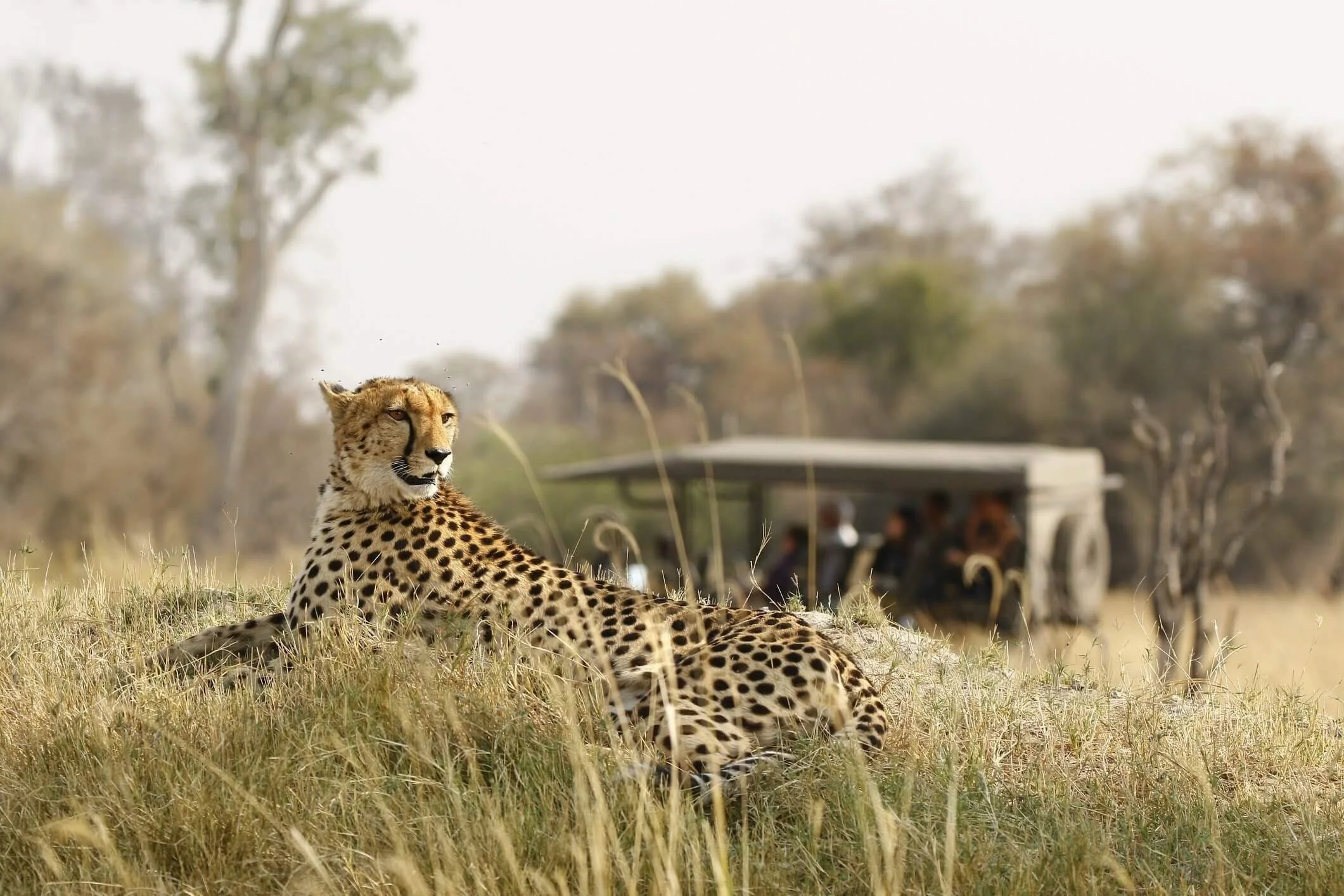
Seasonal Pricing and Its Impact on Safari Costs
Seasonality plays a crucial role in determining how much a safari trip costs in Tanzania. The dry season, typically from June to October, is considered peak safari season due to excellent wildlife visibility and favorable weather. Prices during this period are at their highest, reflecting increased demand and optimal conditions.
The green season, which includes parts of November through May, generally offers lower safari rates. While some travelers assume wildlife viewing is limited during this time, the green season provides lush landscapes, fewer crowds, and exceptional birdlife. Calving seasons and dramatic skies make this period especially appealing for photographers.
Understanding seasonal differences allows travelers to strategically plan and optimize how much a safari trip costs in Tanzania without sacrificing quality.
What Is Included in the Cost of a Safari Trip in Tanzania
A critical part of understanding how much a safari trip costs in Tanzania is knowing what is included in the quoted price. Most safaris operate on an all-inclusive basis, covering accommodation, meals, park entrance fees, conservation levies, guided game drives, and ground transportation.
Professional guides, often with years of training and local expertise, are integral to the safari experience and are included in the cost. Many itineraries also include airport transfers and internal logistics, ensuring smooth transitions throughout the journey.
Some items are typically excluded, such as international flights, visas, travel insurance, gratuities, and optional activities. Clarifying inclusions and exclusions is essential when comparing safari quotes.
The Role of Conservation and Community Support in Pricing
How much does a safari trip cost in Tanzania is closely tied to the country’s conservation and community engagement efforts. Park fees and conservation levies form a significant portion of safari pricing, directly funding wildlife protection, habitat management, and anti-poaching initiatives.
Local communities benefit from safari tourism through employment, education, healthcare, and infrastructure development. By contributing financially to these initiatives, safari travelers play an active role in sustaining Tanzania’s natural and cultural heritage.
This conservation-first approach explains why safari costs in Tanzania may be higher than in destinations with less rigorous environmental protections.
Budget Versus Luxury Safaris in Tanzania
Budget safaris focus on maximizing wildlife exposure while minimizing costs. These trips often involve shared vehicles, basic accommodations, and longer driving distances. They are ideal for adventurous travelers who prioritize experience over comfort.
Luxury safaris redefine how much a safari trip costs in Tanzania by offering exclusivity, refined service, and prime locations. Private guides, gourmet dining, spa treatments, and secluded camps enhance the experience while supporting high conservation standards.
Mid-range safaris occupy the space between these extremes, delivering comfort, excellent guiding, and strong value for money.
Hidden Costs and How to Avoid Them
A common concern when asking how much does a safari trip cost in Tanzania is the potential for hidden expenses. Transparent safari operators provide detailed breakdowns of inclusions, ensuring travelers understand exactly what they are paying for.
Unexpected costs can arise from underestimated park fees, fuel surcharges, or excluded transfers. Working with experienced safari planners reduces these risks and ensures realistic budgeting.
Is a Safari Trip in Tanzania Worth the Cost
When evaluating how much a safari trip costs in Tanzania, value must be considered alongside price. Tanzania offers some of the most extraordinary wildlife experiences in the world, including the Great Migration, high predator densities, and breathtaking landscapes.
The depth of experience, quality of guiding, and contribution to conservation create lasting value that extends far beyond the duration of the trip. For many travelers, a Tanzanian safari is not merely a holiday but a transformative life experience.
How to Plan a Safari That Fits Your Budget
Strategic planning is essential when determining how much a safari trip costs in Tanzania. Flexibility with travel dates, careful selection of parks, and alignment of accommodation choices with priorities all influence final pricing.
Travelers are encouraged to define what matters most, whether it is luxury, wildlife density, solitude, or cultural interaction. With expert guidance, it is possible to design a safari that balances budget considerations with unforgettable experiences.
The True Meaning Behind Safari Costs in Tanzania
How much does a safari trip cost in Tanzania ultimately reflects the value of protecting some of the world’s most important ecosystems while delivering meaningful travel experiences. Every dollar spent supports conservation, empowers communities, and preserves landscapes that are increasingly rare on a global scale.
Understanding this context transforms safari pricing from a simple expense into an investment in sustainability, education, and global heritage.
Final Thoughts on How Much a Safari Trip Costs in Tanzania
How much does a safari trip cost in Tanzania cannot be answered with a single number, but it can be clearly understood through the factors that shape pricing. Tanzania’s safari costs reflect exclusivity, conservation commitment, and exceptional wildlife experiences that few destinations can rival.
For travelers seeking authenticity, depth, and purpose in their journeys, a Tanzanian safari offers unparalleled value. With thoughtful planning and clear expectations, the cost becomes a gateway to one of the most remarkable adventures on Earth.