Tanzania Wildlife Safaris: The Ultimate Guide to Africa’s Most Iconic Safari Destination
Tanzania wildlife safaris represent the pinnacle of African safari experiences, combining vast untamed landscapes, extraordinary wildlife density, and a conservation-driven tourism model that has preserved nature at its most authentic. Few destinations on Earth can rival Tanzania when it comes to delivering raw, immersive, and world-class wildlife encounters. From the endless plains of the Serengeti to the lush forests of western Tanzania and the dramatic volcanic caldera of Ngorongoro, wildlife safaris in Tanzania offer diversity, scale, and spectacle unmatched anywhere else.
This in-depth guide explores Tanzania wildlife safaris in their entirety, covering safari types, major wildlife regions, animal diversity, seasonal variations, safari planning considerations, conservation impact, and why Tanzania consistently ranks as one of the best safari destinations in the world. Designed to satisfy traveler intent while demonstrating experience, expertise, authority, and trustworthiness, this article provides a complete understanding of what makes Tanzania wildlife safaris truly exceptional.
By the end of this guide, readers will have a clear picture of why Tanzania remains the gold standard for wildlife safaris and how to choose the right safari experience to match their goals.
Understanding the Essence of Tanzania Wildlife Safaris
To truly appreciate Tanzania wildlife safaris, it is essential to understand what sets Tanzania apart from other safari destinations. Tanzania has embraced a low-volume, high-value tourism approach that prioritizes conservation, sustainability, and authentic wilderness experiences. Over one-third of the country is protected land, allowing wildlife to roam freely across massive ecosystems without artificial barriers.
Unlike destinations where wildlife viewing is confined to small reserves, Tanzania’s parks and conservation areas are vast, unfenced, and ecologically connected. This allows animal behavior to unfold naturally, creating safari experiences that feel organic rather than staged. Tanzania wildlife safaris are not simply about seeing animals; they are about witnessing nature operating on a grand scale.
This commitment to preserving wild spaces is the foundation upon which Tanzania’s safari reputation has been built.
The Northern Circuit: The Heart of Tanzania Wildlife Safaris
The Northern Safari Circuit is the most famous region for Tanzania wildlife safaris and is often the first choice for travelers. This circuit includes Serengeti National Park, Ngorongoro Conservation Area, Tarangire National Park, and Lake Manyara National Park, all of which are accessible from Arusha.
Serengeti National Park is the crown jewel of Tanzania wildlife safaris. Its vast grasslands support one of the largest concentrations of wildlife in Africa and host the world-famous Great Wildebeest Migration. Lions, cheetahs, leopards, elephants, and countless other species thrive here year-round, making the Serengeti a benchmark for safari excellence.
The Ngorongoro Conservation Area adds a unique dimension to the Northern Circuit. The Ngorongoro Crater, a massive volcanic caldera, contains an extraordinary density of wildlife within its walls. Game drives here offer some of the most reliable sightings of the Big Five anywhere in Africa.
Tarangire National Park is known for its large elephant herds, ancient baobab trees, and seasonal wildlife movements along the Tarangire River. Lake Manyara National Park, though smaller, contributes lush forests, birdlife, and the possibility of spotting tree-climbing lions.
Together, these parks form a diverse and rewarding safari route that defines classic Tanzania wildlife safaris.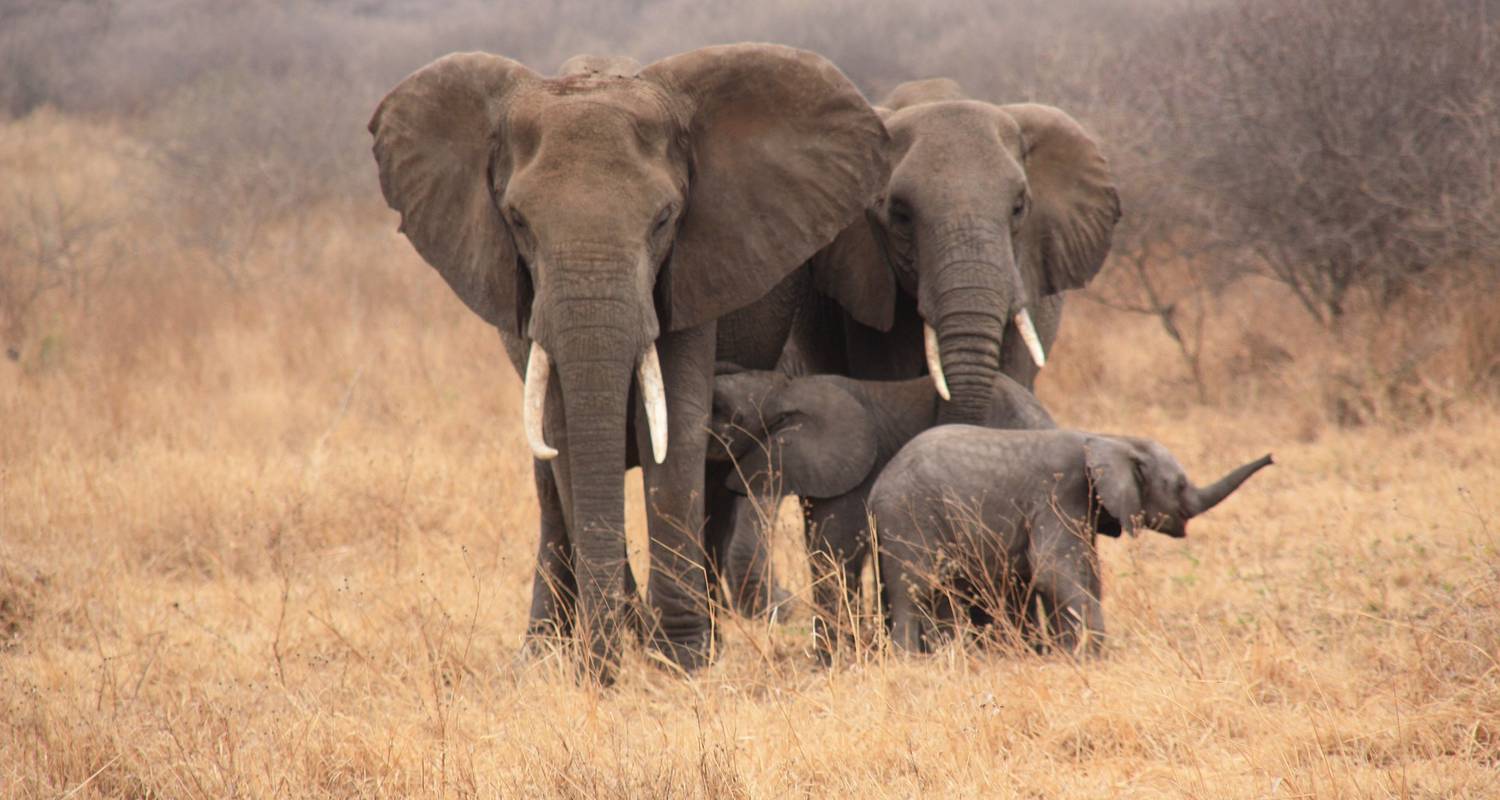
The Southern Circuit: Remote and Exclusive Safari Experiences
For travelers seeking fewer crowds and deeper wilderness immersion, the Southern Circuit offers a compelling alternative within Tanzania wildlife safaris. This region includes Nyerere National Park, formerly Selous Game Reserve, and Ruaha National Park.
Nyerere National Park is Africa’s largest protected wildlife area and offers a safari experience characterized by space, solitude, and diversity. One of its defining features is the Rufiji River, which allows for boat safaris in addition to traditional game drives. These water-based safaris provide unique perspectives on hippos, crocodiles, and aquatic birdlife.
Ruaha National Park is renowned for its rugged landscapes, dramatic river systems, and high predator density. Lions are particularly abundant, and sightings of African wild dogs are more frequent here than in many other regions. The park’s remoteness contributes to its pristine condition and authentic safari atmosphere.
Southern Tanzania wildlife safaris appeal to experienced travelers and those seeking exclusivity, adventure, and a strong sense of discovery.
The Western Circuit: Rare and Specialized Wildlife Safaris
The Western Circuit represents the most remote and least visited region of Tanzania wildlife safaris, yet it offers some of the most unique wildlife experiences in the country. This circuit includes Katavi National Park and Mahale Mountains National Park.
Katavi National Park is often described as one of Africa’s last true wilderness areas. With minimal tourism infrastructure and vast floodplains, Katavi delivers intense wildlife encounters, particularly during the dry season when animals congregate around dwindling water sources. The sense of isolation and raw nature is unmatched.
Mahale Mountains National Park focuses on primate safaris, particularly chimpanzee tracking. Set along the shores of Lake Tanganyika, Mahale combines rainforest trekking with stunning lake scenery. Encounters with chimpanzees are intimate and deeply impactful, offering insight into complex primate behavior.
Western Tanzania wildlife safaris are ideal for travelers seeking rare experiences beyond traditional game drives.
Wildlife Diversity on Tanzania Wildlife Safaris
One of the defining strengths of Tanzania wildlife safaris is the sheer diversity of species encountered. Tanzania is home to the Big Five, with robust populations of lions, elephants, leopards, buffaloes, and black rhinoceroses in protected areas.
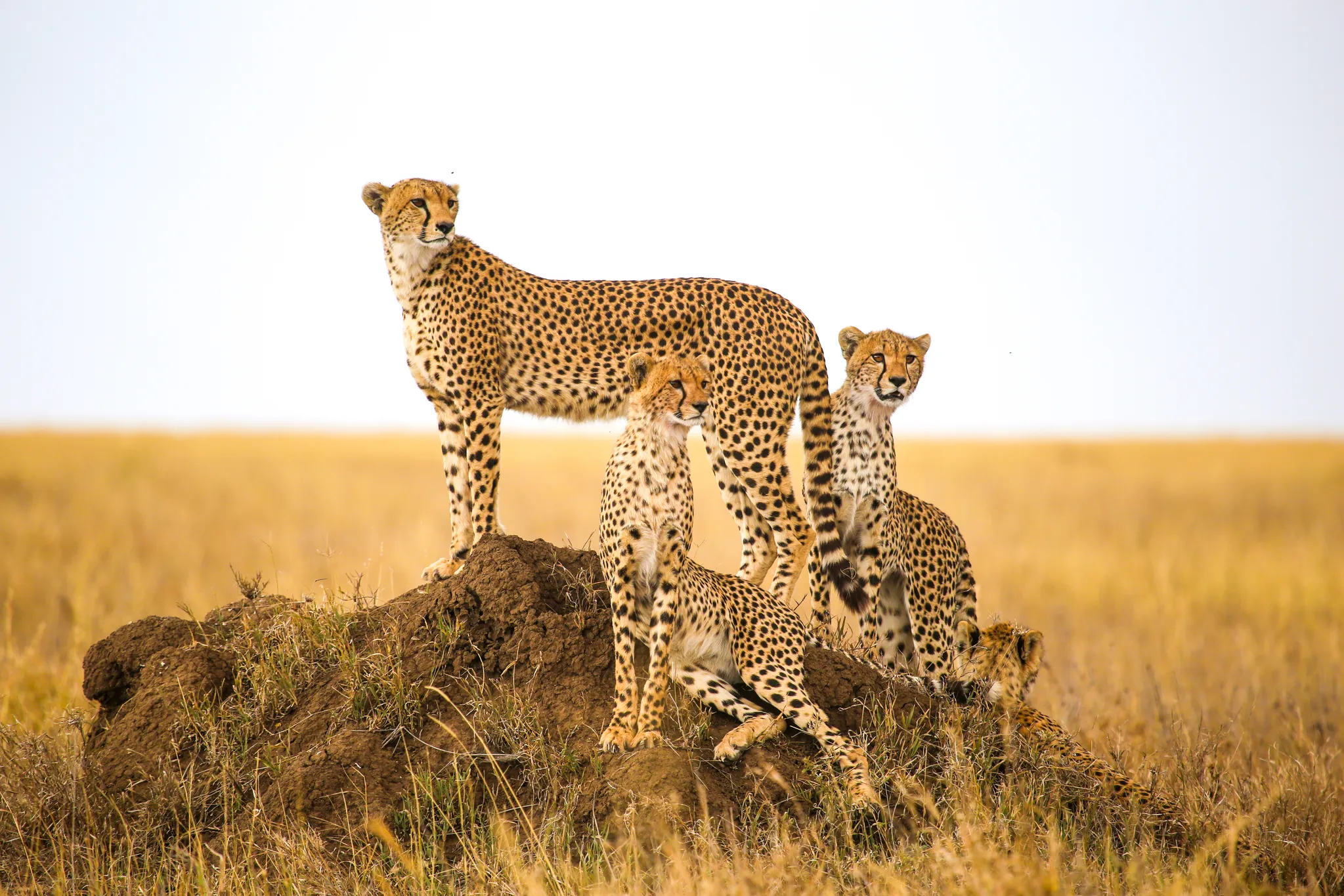
Beyond the Big Five, Tanzania supports one of the highest concentrations of predators in Africa. Cheetahs thrive in open plains, spotted hyenas dominate scavenging and hunting niches, and African wild dogs roam select regions. Smaller carnivores, such as servals and jackals, add depth to predator sightings.
Herbivore diversity is equally impressive. Massive herds of wildebeest and zebra form the backbone of the Serengeti ecosystem, while giraffes, antelope species, hippos, and warthogs populate parks across the country.
Birdlife is another highlight of Tanzania wildlife safaris. With over 1,100 recorded species, Tanzania ranks among Africa’s top birding destinations. Flamingos, raptors, and migratory species contribute color and complexity to safari experiences.
The Great Migration as a Safari Phenomenon
The Great Wildebeest Migration is a defining element of Tanzania wildlife safaris and one of the greatest natural spectacles on Earth. Over two million wildebeest, zebra, and gazelles move in a continuous cycle across the Serengeti ecosystem in search of fresh grazing.
This migration supports predators and scavengers and influences vegetation patterns across vast landscapes. While river crossings are the most dramatic aspect, the migration is a year-round phenomenon that offers unique viewing opportunities in different regions depending on the season.
Experiencing the Great Migration elevates a Tanzania wildlife safari into a once-in-a-lifetime event.
Types of Tanzania Wildlife Safaris
Tanzania wildlife safaris are offered in various formats to suit different travel styles. Game drive safaris are the most common and involve exploring parks in specialized safari vehicles guided by experienced professionals.
Walking safaris are available in select areas and provide a deeper connection to the environment by focusing on tracks, plants, and smaller wildlife. Boat safaris, particularly in Nyerere National Park, add variety and allow wildlife viewing from the water.
Mobile tented safaris follow wildlife movements and offer flexibility and exclusivity, while lodge-based safaris emphasize comfort and convenience. Each safari type contributes to the richness of Tanzania’s safari offerings.
Best Time of Year for Tanzania Wildlife Safaris
Seasonality plays a crucial role in shaping Tanzania wildlife safaris. The dry season, typically from June to October, is considered the best time for general wildlife viewing. Animals gather around water sources, vegetation is sparse, and visibility is excellent.
The green season, from November to May, transforms landscapes and brings calving season, migratory birds, and fewer tourists. While rainfall can affect road conditions, wildlife viewing remains rewarding and offers excellent photographic opportunities.
Understanding seasonal dynamics helps travelers align their safari timing with specific interests.
Conservation and Responsible Tourism
Conservation is central to the success of Tanzania wildlife safaris. Tanzania’s protected areas are managed through a combination of government oversight, community involvement, and international partnerships.
Safari tourism generates vital revenue that funds anti-poaching efforts, habitat protection, and community development. By choosing responsible operators and respecting wildlife, travelers contribute directly to conservation outcomes.
Tanzania’s approach demonstrates how tourism can support wildlife preservation rather than undermine it.
Planning a Tanzania Wildlife Safari
Effective planning enhances the quality of Tanzania wildlife safaris. Factors such as safari duration, park selection, accommodation type, and budget all influence the final experience.
First-time visitors often benefit from Northern Circuit itineraries, while repeat travelers may explore southern or western regions. Balancing travel time with game viewing ensures a comfortable and rewarding pace.
Working with experienced operators helps tailor itineraries that align with personal goals and expectations.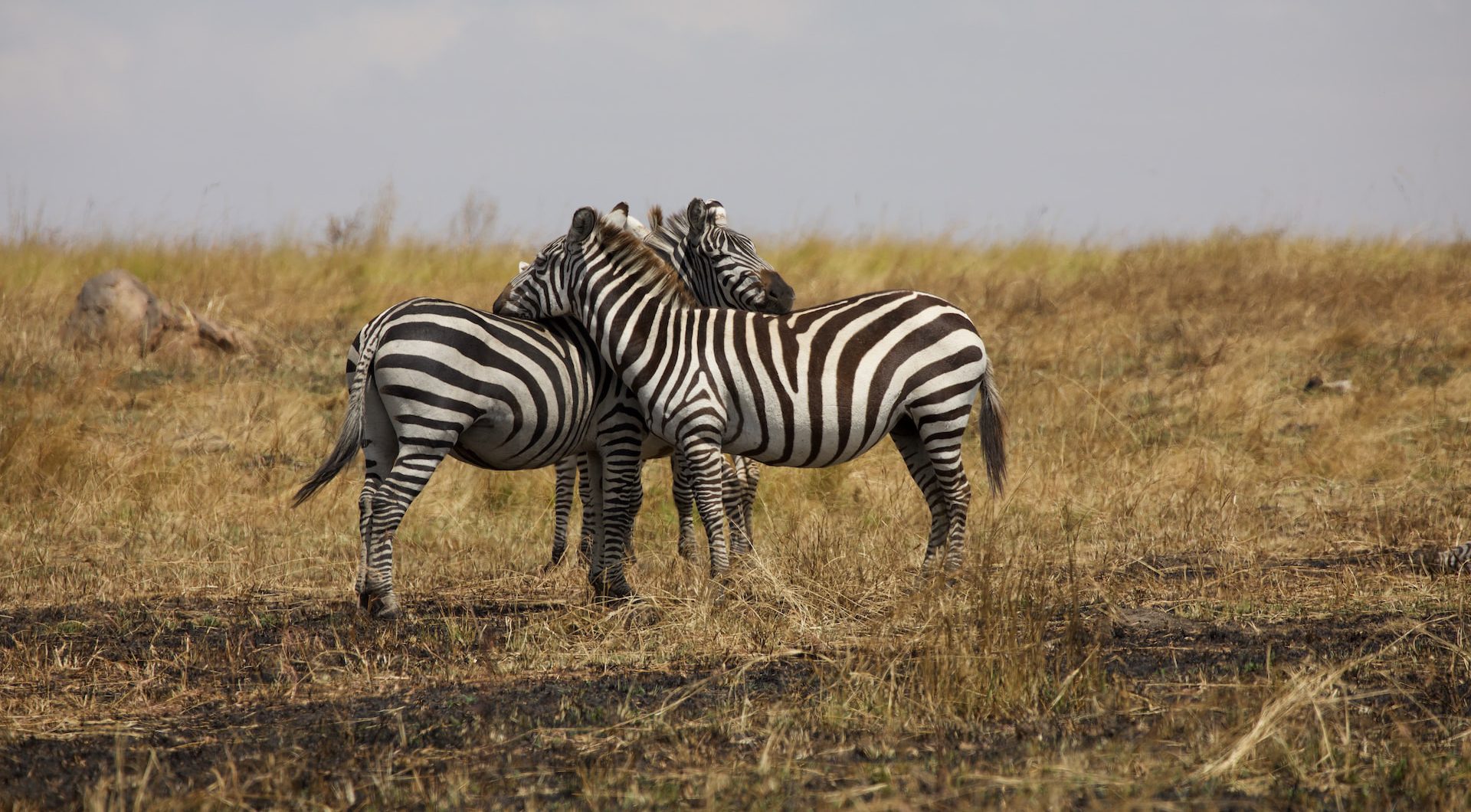
Why Tanzania Wildlife Safaris Stand Above the Rest
What truly sets Tanzania wildlife safaris apart is scale and authenticity. Large, unfenced ecosystems allow wildlife to behave naturally, creating encounters that feel spontaneous and immersive. Predator-prey interactions unfold without artificial influence, preserving ecological integrity.
Tanzania’s landscapes remain vast and largely undeveloped, offering a sense of timeless wilderness that is increasingly rare in the modern world. This authenticity resonates deeply with travelers and wildlife enthusiasts alike.
The Future of Tanzania Wildlife Safaris
The future of Tanzania wildlife safaris depends on continued conservation investment, responsible tourism practices, and adaptive management in the face of climate change. Ongoing efforts to balance human development with wildlife protection will shape the next chapter of Tanzania’s safari legacy.
With strong policies and global support, Tanzania is well positioned to remain a leader in wildlife tourism for generations to come.
Final Thoughts on Tanzania Wildlife Safaris
Tanzania wildlife safaris offer an unparalleled journey into the heart of Africa’s natural world. From iconic species and epic migrations to remote wilderness and conservation success, Tanzania delivers safari experiences that are both powerful and transformative.
Whether experienced for the first time or revisited over a lifetime, Tanzania wildlife safaris continue to define what a true African safari should be.