
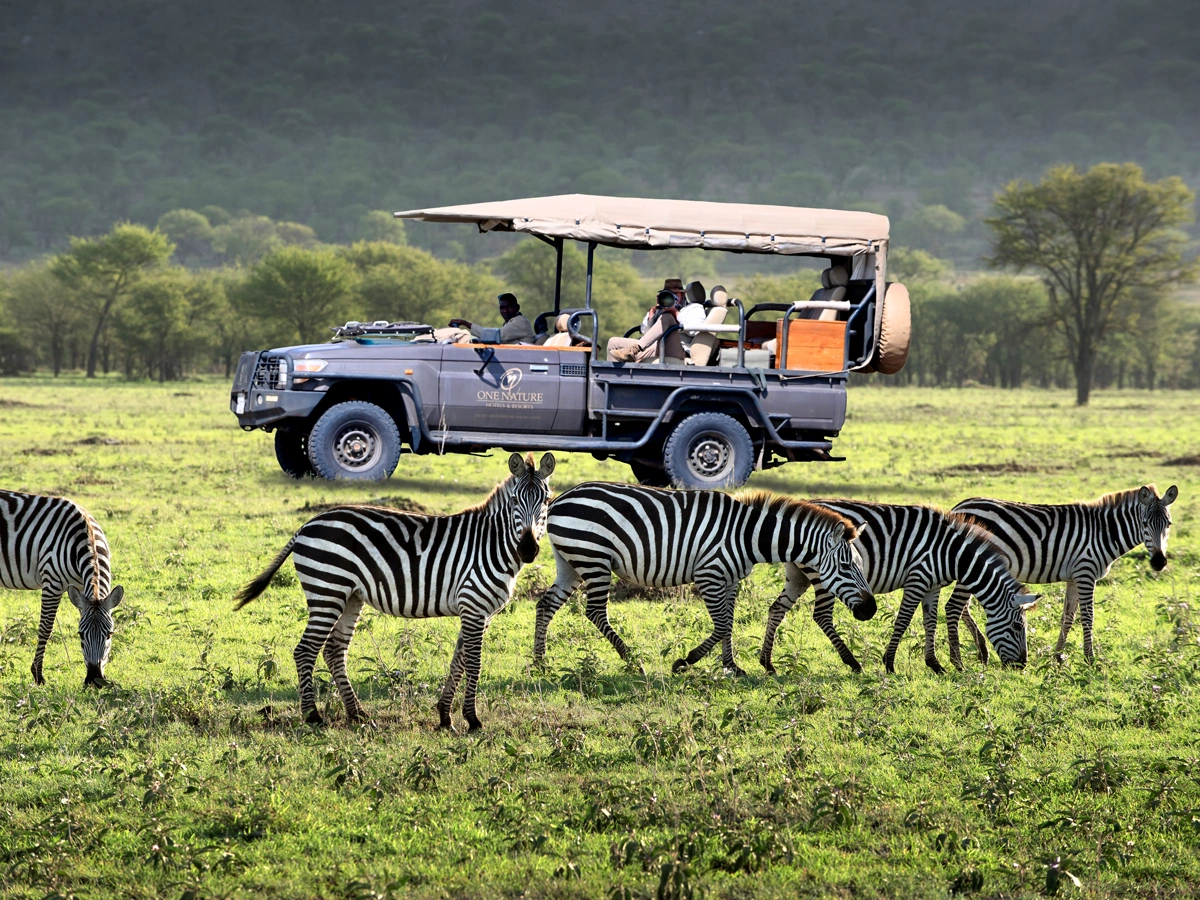
How to Plan a Safe Holiday in Serengeti for a Stress-Free and Rewarding Safari Experience
How to plan a safe holiday in Serengeti is a question that naturally arises when travelers begin exploring one of the world’s most iconic wilderness destinations. Serengeti National Park is synonymous with vast open plains, extraordinary wildlife, and the legendary Great Migration, yet its remote nature and untamed environment require thoughtful preparation. Safety in the Serengeti is not a matter of fear but of awareness, planning, and respect for both nature and local systems. When approached correctly, a Serengeti holiday is not only safe but deeply enriching and memorable.
Planning a safe holiday in Serengeti involves understanding the park’s geography, choosing reputable operators, selecting appropriate accommodation, respecting wildlife protocols, and preparing for health, logistics, and environmental conditions. This guide explores each of these elements in depth, ensuring that travelers are equipped with knowledge that transforms uncertainty into confidence.
Understanding the Serengeti Environment and Its Implications for Safety
The foundation of how to plan a safe holiday in Serengeti begins with understanding the environment itself. Serengeti National Park covers approximately 14,750 square kilometers of protected land in northern Tanzania. It is a remote, largely undeveloped ecosystem where wildlife roams freely and human infrastructure is intentionally limited.
The absence of urban development enhances the park’s authenticity but also means that services such as hospitals, fuel stations, and communication networks are scarce. Safety planning in the Serengeti therefore relies heavily on prevention rather than reaction. This includes traveling with experienced guides, following park regulations, and accepting that the Serengeti operates on nature’s terms rather than human convenience.
Choosing the Right Time to Visit for Safety and Comfort
How to plan a safe holiday in Serengeti is closely linked to timing. The Serengeti can be visited year-round, but different seasons present different conditions that influence safety, comfort, and accessibility.
The dry season, typically from June to October, is considered the most favorable period for first-time visitors. Roads are more accessible, wildlife concentrates around water sources, and visibility is high. These conditions reduce logistical challenges and make travel more predictable.
The wet seasons, from March to May and November to December, offer lush landscapes and fewer crowds but require more caution. Roads can become muddy and difficult to navigate, and some areas may be temporarily inaccessible. Planning during these months should involve operators with extensive local experience and well-maintained vehicles.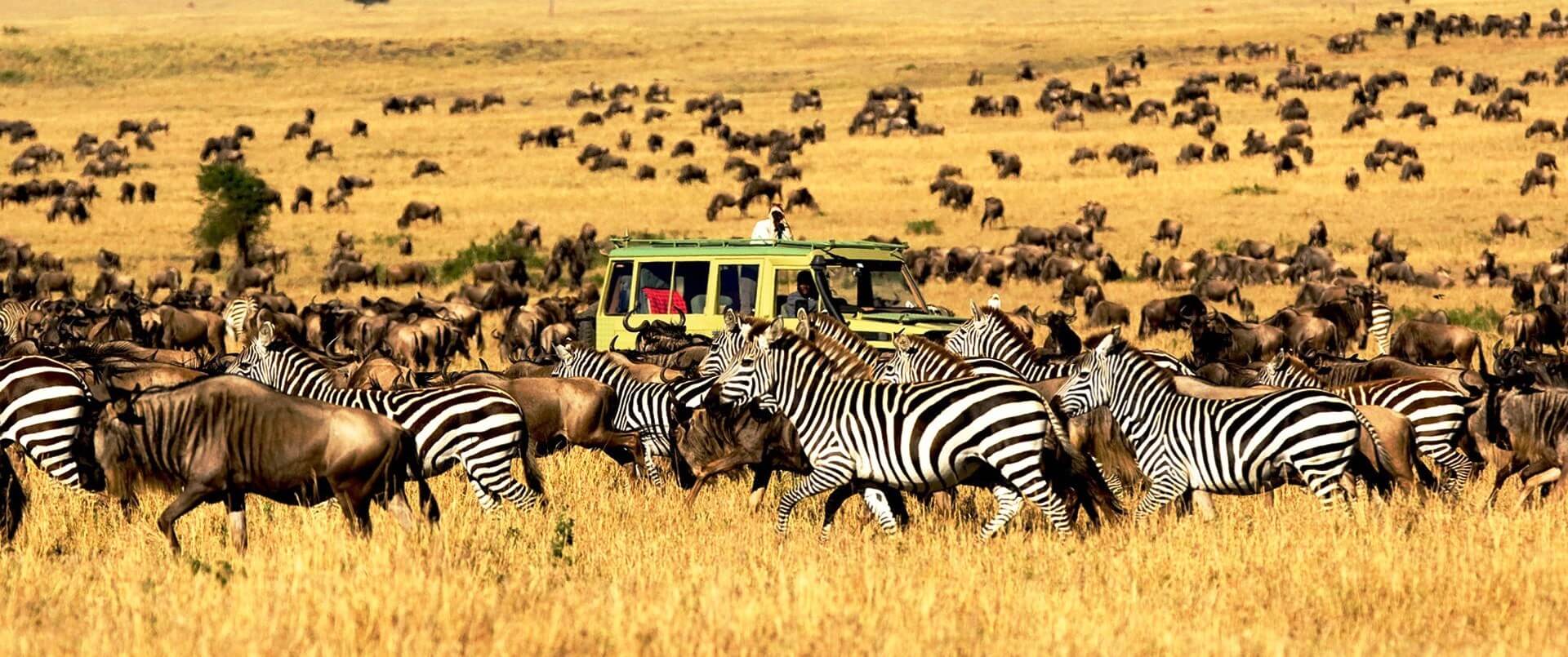
Selecting Reputable Safari Operators and Guides
One of the most critical aspects of how to plan a safe holiday in Serengeti is the selection of a reputable safari operator. Safety in the Serengeti is largely dependent on the professionalism, training, and ethics of the people guiding the experience.
Licensed safari operators employ trained driver-guides who understand animal behavior, terrain conditions, and emergency protocols. These guides are skilled at reading subtle changes in wildlife mood, weather patterns, and road conditions, allowing risks to be managed proactively.
Well-established operators also maintain communication systems, carry emergency equipment, and coordinate with park authorities. Choosing an operator based solely on price can compromise safety, while investing in quality ensures peace of mind throughout the journey.
Understanding Wildlife Safety and Responsible Behavior
How to plan a safe holiday in Serengeti requires respect for wildlife and strict adherence to safety guidelines. The Serengeti is home to large predators such as lions, leopards, and cheetahs, as well as powerful herbivores like elephants, buffalo, and hippos. These animals are not aggressive by default, but they are wild and unpredictable.
Safety protocols exist to minimize risk. Guests are required to remain inside vehicles during game drives unless in designated areas. Sudden movements, loud noises, and attempts to attract animals’ attention are discouraged. Nighttime movement around camps is controlled, often accompanied by staff, to prevent unexpected encounters.
Understanding that animals have the right of way at all times fosters a mindset of coexistence rather than control, which is central to a safe Serengeti experience.
Choosing Safe and Well-Located Accommodation
Accommodation choice plays a significant role in how to plan a safe holiday in Serengeti. Options range from luxury lodges and permanent tented camps to mobile camps that follow the migration. While styles vary, safety standards remain consistently high across reputable properties.
Well-managed camps are designed with wildlife behavior in mind. Structures are positioned to minimize animal intrusion, and trained staff monitor surroundings day and night. Safety briefings are typically provided upon arrival, outlining movement protocols, emergency procedures, and communication systems.
Location is equally important. Camps situated near main tracks and ranger posts offer quicker access to assistance if needed, while still maintaining immersion in the wilderness.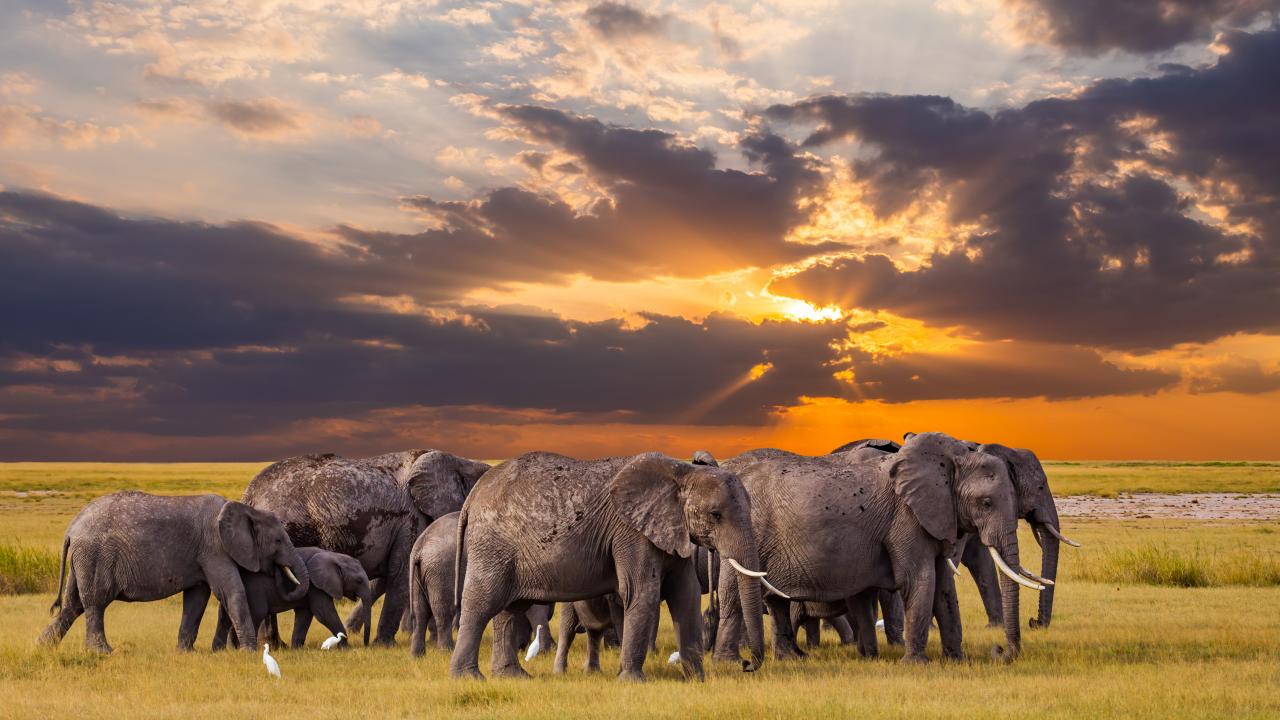
Health Preparation and Medical Safety
Health planning is a fundamental component of how to plan a safe holiday in Serengeti. Before travel, consultations with healthcare providers are recommended to address vaccinations, malaria prophylaxis, and general fitness considerations.
Travelers are encouraged to carry personal medications, basic first-aid supplies, and copies of prescriptions. While many safari lodges have emergency response plans, including evacuation procedures, prevention remains the most effective approach.
Hydration, sun protection, and rest are often underestimated but essential for maintaining physical well-being during long game drives and variable weather conditions.
Travel Logistics and Transportation Safety
How to plan a safe holiday in Serengeti also involves understanding transportation logistics. Access to the Serengeti is typically via light aircraft flights or long overland drives. Both methods are safe when operated by licensed providers, but each requires preparation.
Light aircraft flights follow strict aviation standards and offer efficient access to remote areas. Overland travel, while scenic, involves long hours on uneven roads. Vehicles used by reputable operators are designed for safari conditions, equipped with communication radios, spare tires, and recovery tools.
Adhering to seatbelt use, limiting unnecessary movement during drives, and trusting the guide’s decisions all contribute to transportation safety.
Cultural Awareness and Personal Security
Although Serengeti National Park itself has minimal human settlement, how to plan a safe holiday in Serengeti includes awareness of cultural norms when traveling through surrounding regions. Tanzania is known for its hospitality and political stability, making it one of Africa’s safest safari destinations.
Respectful behavior, modest dress in towns, and adherence to local customs enhance personal security and cultural exchange. Valuables should be kept secure, and travel documents stored safely, but concerns about crime within the park are minimal due to controlled access and ranger presence.
Environmental Responsibility and Safety
Environmental responsibility is an often-overlooked aspect of how to plan a safe holiday in Serengeti. Protecting the ecosystem directly contributes to long-term safety for both wildlife and visitors. Staying on designated tracks prevents vehicle damage and habitat disruption. Avoiding litter reduces risks to animals and maintains hygiene.
Listening to guides regarding weather changes, animal movement, and park rules ensures that environmental factors are managed responsibly. Safety in the Serengeti is inseparable from conservation ethics.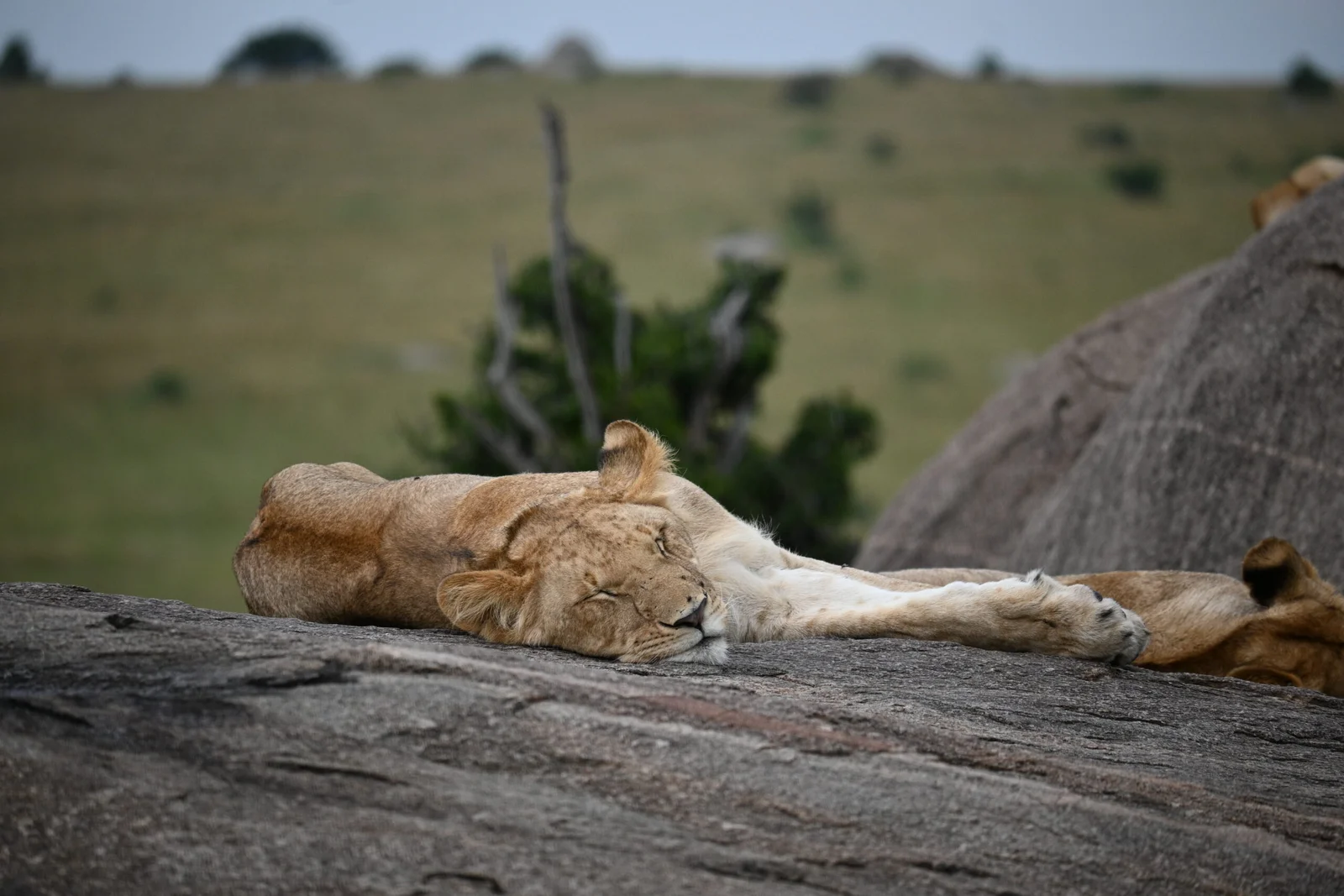
Communication, Connectivity, and Emergency Preparedness
Modern travelers often question connectivity when learning how to plan a safe holiday in Serengeti. Mobile network coverage within the park is limited, which is intentional to preserve wilderness integrity. Lodges and camps typically provide radio communication and satellite phones for emergencies.
Emergency response plans are standard among reputable operators, including coordination with flying doctors and park authorities. Travelers are advised to inform family members of limited connectivity and rely on established systems rather than personal devices.
Solo Travelers, Families, and Group Safety Considerations
How to plan a safe holiday in Serengeti varies slightly depending on travel style. Solo travelers benefit from guided safaris that provide structure and companionship. Families traveling with children are often accommodated by lodges that offer age-appropriate safety measures and flexible schedules.
Group travel introduces shared responsibility, making adherence to guide instructions even more important. Regardless of travel style, safety protocols are designed to be inclusive and adaptable.
Insurance and Documentation for Peace of Mind
Comprehensive travel insurance is an essential element of how to plan a safe holiday in Serengeti. Policies should include medical evacuation, trip interruption, and coverage for remote destinations. Documentation such as passports, visas, and insurance details should be organized and accessible.
These preparations rarely need to be used, but their presence ensures confidence and reduces stress throughout the journey.
Psychological Safety and Managing Expectations
Safety is not purely physical. How to plan a safe holiday in Serengeti also involves managing expectations and mental readiness. The Serengeti operates on natural rhythms, meaning that schedules may change due to weather or wildlife movement.
Flexibility, patience, and openness enhance emotional well-being and allow travelers to adapt without anxiety. Understanding that unpredictability is part of the experience transforms potential frustration into appreciation.
Final Thoughts on How to Plan a Safe Holiday in Serengeti
How to plan a safe holiday in Serengeti ultimately comes down to informed preparation, responsible choices, and trust in experienced professionals. The Serengeti is not dangerous in the conventional sense, but it demands respect for nature’s scale and power.
When planned thoughtfully, a Serengeti holiday is remarkably safe, deeply immersive, and profoundly rewarding. By aligning travel plans with ecological realities, choosing reputable partners, and embracing a mindset of awareness, visitors are free to focus on what truly matters: experiencing one of the last great wilderness areas on Earth in a way that is secure, ethical, and unforgettable.