How to Plan a Safe Climb to Kilimanjaro for a Successful and Life-Changing Adventure
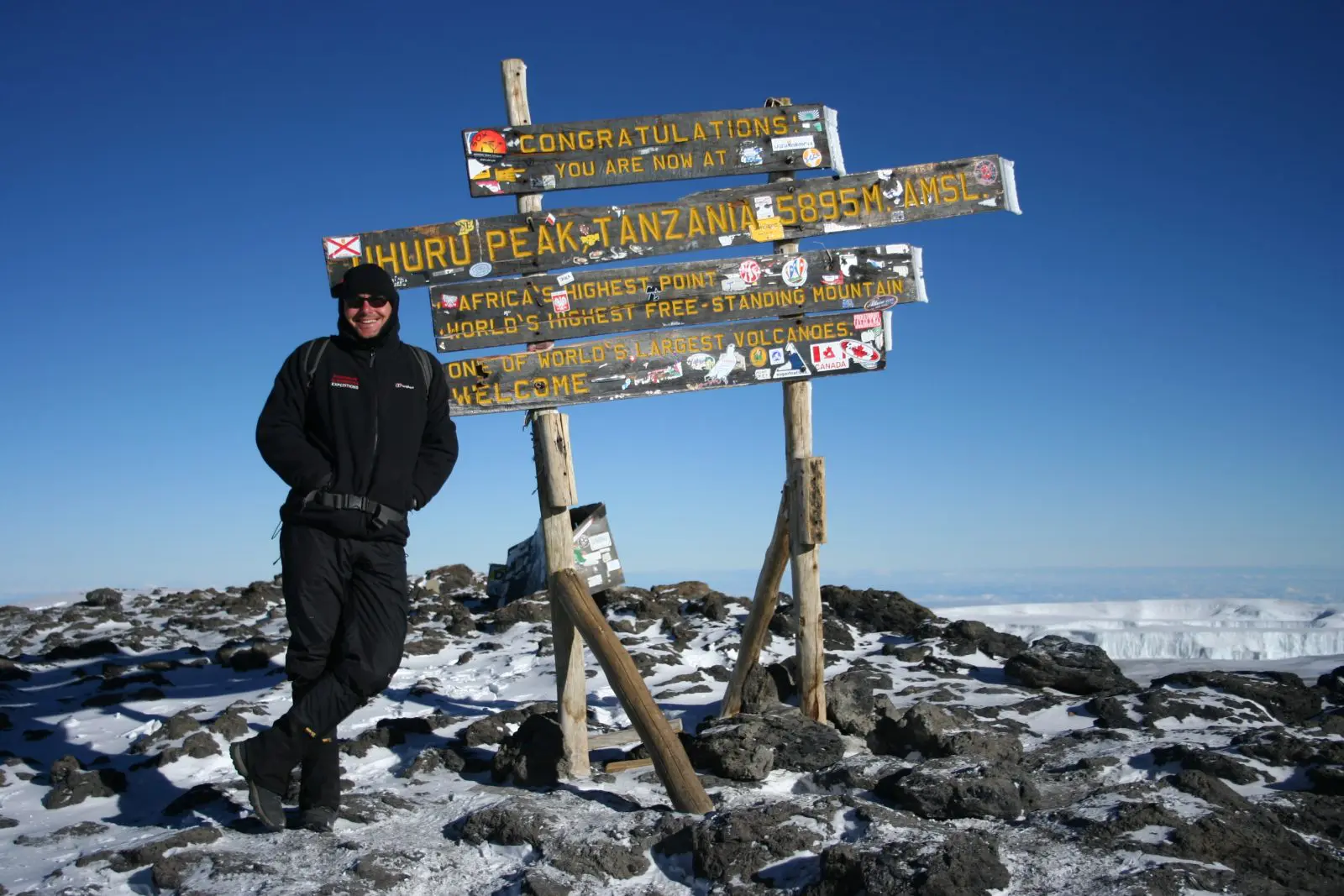
How to plan a safe climb to Kilimanjaro is one of the most important questions any prospective climber can ask before attempting Africa’s highest peak. Mount Kilimanjaro rises to 5,895 meters above sea level, standing as the tallest free-standing mountain in the world and one of the most iconic trekking destinations globally. While Kilimanjaro does not require technical climbing skills, it should never be underestimated. Altitude, weather variability, physical endurance, and logistical planning all play decisive roles in determining whether a climb is safe, enjoyable, and ultimately successful.
A safe Kilimanjaro climb is not achieved through luck or fitness alone. It is the result of informed preparation, gradual acclimatization, expert guiding, responsible decision-making, and respect for the mountain’s unique environment. This in-depth guide explains how to plan a safe climb to Kilimanjaro step by step, addressing health, routes, equipment, timing, mental readiness, and safety systems so that climbers can approach the mountain with confidence rather than uncertainty.
Understanding Mount Kilimanjaro and Its Safety Challenges
The foundation of how to plan a safe climb to Kilimanjaro begins with understanding the mountain itself. Kilimanjaro is a dormant stratovolcano composed of three cones: Kibo, Mawenzi, and Shira. Climbers ascend through five distinct ecological zones, ranging from tropical rainforest to alpine desert and arctic summit conditions.
The primary safety challenge on Kilimanjaro is altitude. Unlike other major mountains that require technical skills, Kilimanjaro’s difficulty lies in its rapid ascent. Climbers often reach extreme altitude in less than a week, placing stress on the body’s ability to adapt. Weather exposure, dehydration, fatigue, and improper pacing further increase risk if not managed carefully.
Recognizing these inherent challenges is the first step toward planning a climb that prioritizes safety over speed or cost.
Choosing the Right Time of Year for a Safe Kilimanjaro Climb
How to plan a safe climb to Kilimanjaro is closely linked to seasonality. Kilimanjaro can technically be climbed year-round, but weather conditions vary significantly and directly impact safety.
The safest and most popular climbing periods are the dry seasons, typically from January to early March and from June to October. During these months, trails are more stable, visibility is better, and the risk of heavy rain or snowstorms is reduced. Clearer weather also minimizes cold-related complications near the summit.
The rainy seasons, from March to May and November, introduce slippery trails, increased cold exposure, and reduced morale. While climbs are still possible, they require greater preparation, experienced guides, and acceptance of harsher conditions. Choosing the right season enhances not only safety but also overall enjoyment.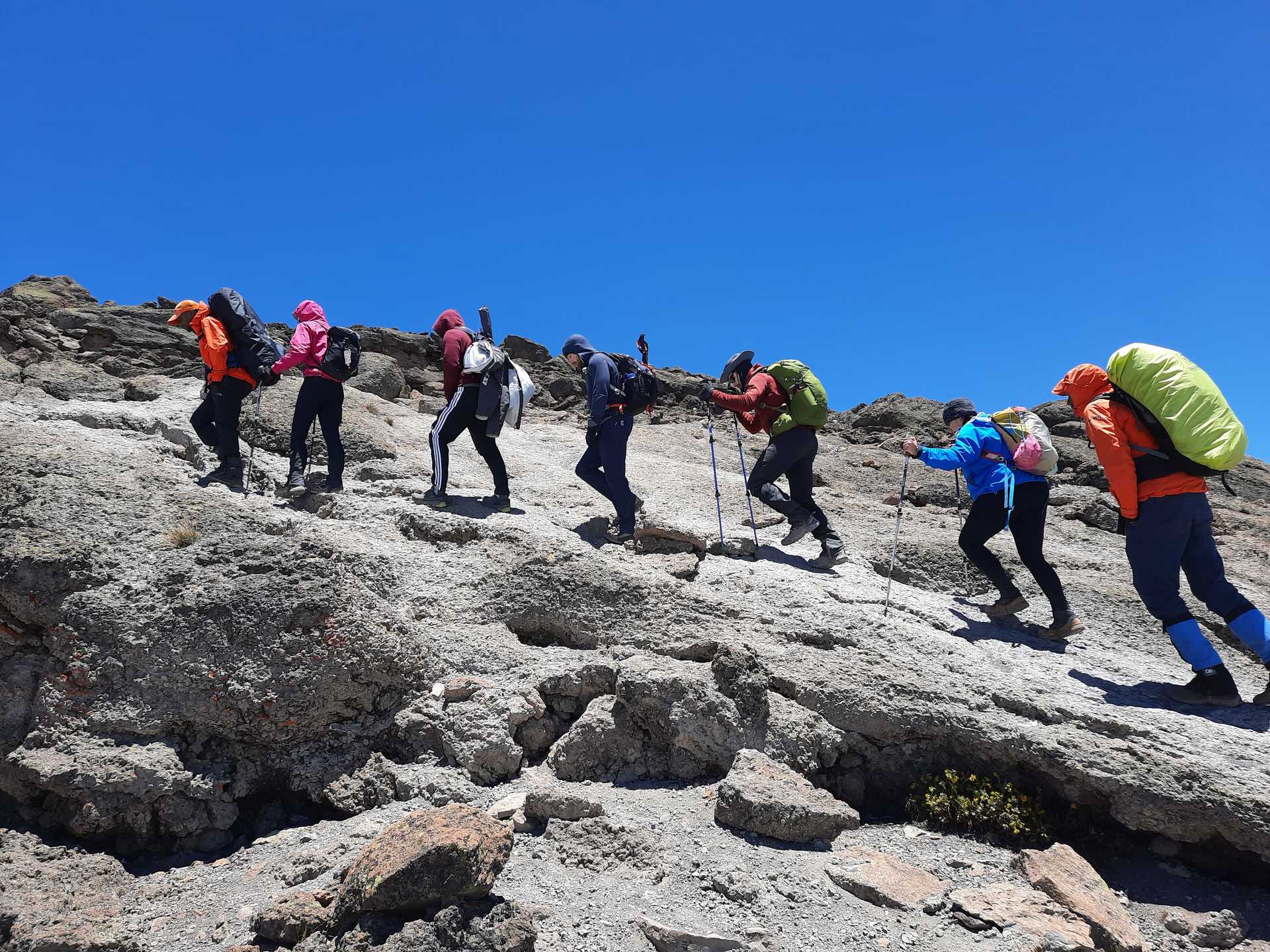
Selecting the Safest Kilimanjaro Route
Route choice is one of the most decisive factors in how to plan a safe climb to Kilimanjaro. Each route differs in length, acclimatization profile, scenery, and crowd levels, all of which influence success rates and safety margins.
Longer routes with gradual elevation gain are widely recognized as safer due to improved acclimatization. Routes such as Lemosho and Northern Circuit offer higher success rates because they allow the body more time to adapt to altitude. These routes traverse diverse landscapes and provide opportunities for rest and recovery.
Shorter routes, while appealing due to lower costs or limited time, increase the risk of altitude sickness by compressing ascent schedules. Safety-focused planning favors routes that prioritize acclimatization over speed, even if they require additional days and investment.
The Importance of Acclimatization in Kilimanjaro Safety
How to plan a safe climb to Kilimanjaro cannot be discussed without emphasizing acclimatization. Altitude sickness is the leading cause of failed summits and emergency descents on the mountain. Proper acclimatization allows the body to adjust gradually to reduced oxygen levels, minimizing symptoms and preventing severe conditions such as high-altitude pulmonary edema or cerebral edema.
Climb itineraries that include acclimatization days, gradual altitude gain, and the principle of “climb high, sleep low” significantly improve safety. Reputable operators design routes that maximize these factors rather than compressing schedules for convenience.
Listening to one’s body during acclimatization is critical. Headaches, nausea, dizziness, and fatigue should never be ignored. Open communication with guides allows early intervention, which is often the difference between safe continuation and forced descent.
Choosing a Reputable Kilimanjaro Operator
One of the most crucial elements of how to plan a safe climb to Kilimanjaro is selecting a reputable and ethical tour operator. Safety on Kilimanjaro depends heavily on the professionalism, training, and integrity of the guiding team.
Licensed operators employ certified mountain guides trained in altitude awareness, first aid, and emergency response. They provide proper equipment, conduct daily health checks, and carry emergency oxygen and medical kits. Experienced guides also manage pacing, hydration reminders, and morale, all of which contribute directly to climber safety.
Low-cost operators often compromise on guide-to-client ratios, equipment quality, porter welfare, and emergency preparedness. While affordability matters, safety-focused planning recognizes that Kilimanjaro is not a place for shortcuts.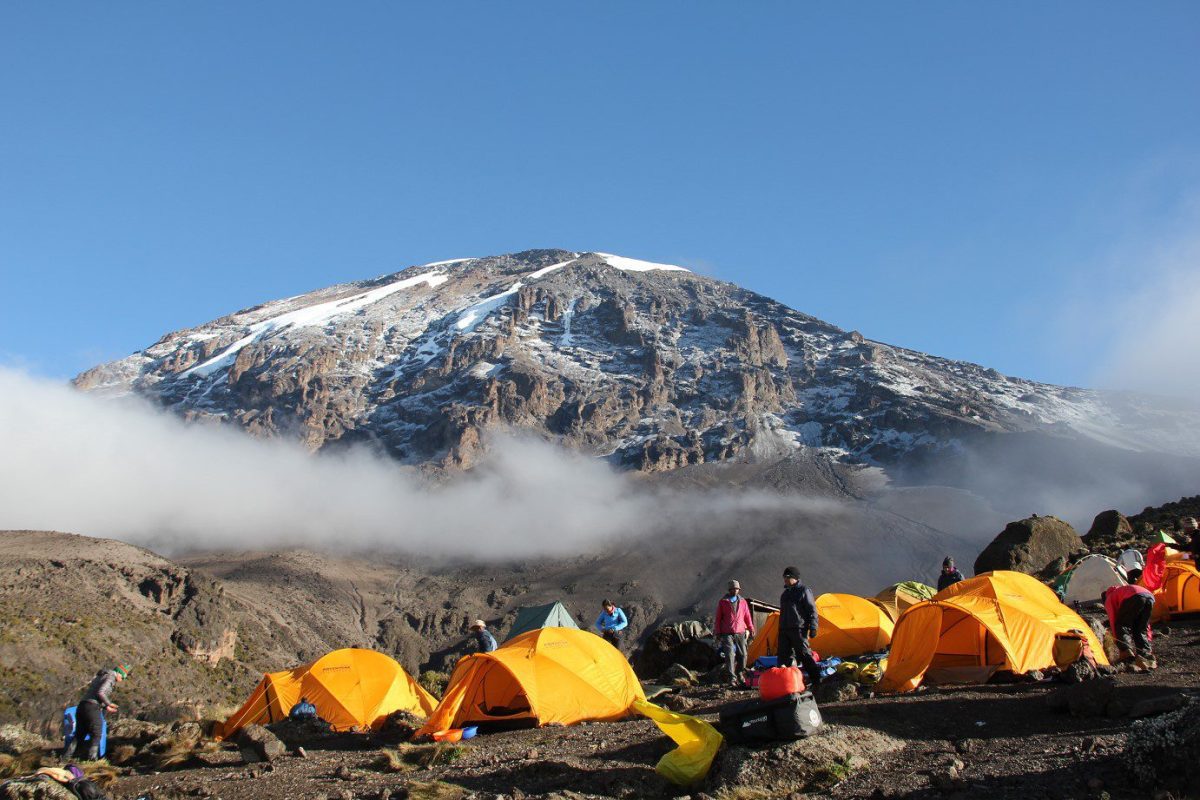
Physical Preparation and Fitness Planning
How to plan a safe climb to Kilimanjaro includes preparing the body well in advance. While Kilimanjaro does not require mountaineering skills, it demands sustained physical effort over multiple days at altitude.
Endurance training such as hiking, stair climbing, and cardiovascular conditioning improves stamina and recovery. Strengthening leg muscles, core stability, and balance reduces injury risk on uneven terrain. Training with a loaded backpack helps simulate trekking conditions.
Equally important is pacing. Kilimanjaro is not climbed through speed or strength alone. Slow, deliberate movement conserves energy and supports acclimatization. Fitness preparation should aim for consistency and resilience rather than peak athletic performance.
Mental Preparation and Psychological Safety
How to plan a safe climb to Kilimanjaro extends beyond physical readiness to include mental resilience. Long days, cold temperatures, disrupted sleep, and altitude effects challenge even experienced trekkers.
Mental preparation involves understanding that discomfort is part of the journey and that progress may feel slow. A flexible mindset allows climbers to adapt to changing conditions without stress or frustration. Trusting guides and accepting rest days or descent decisions enhances safety and emotional well-being.
Summit night, in particular, is mentally demanding. Cold, darkness, and fatigue converge during the final ascent. Mental readiness helps climbers focus on steady progress rather than fixating on discomfort or fear.
Packing the Right Gear for Safety
Proper equipment is central to how to plan a safe climb to Kilimanjaro. Gear selection should prioritize warmth, protection, and comfort rather than brand names or trends.
Layering systems allow climbers to regulate body temperature across changing zones. Waterproof outer layers protect against wind and precipitation, while insulated jackets are essential for summit night. Well-fitted hiking boots prevent blisters and provide stability on rocky terrain.
Accessories such as gloves, hats, sunglasses, and trekking poles enhance safety and comfort. A properly packed daypack should include water, snacks, sun protection, and personal medications. Gear should be tested before the climb to avoid surprises on the mountain.
Health, Medical Screening, and Altitude Awareness
Medical preparation is a vital aspect of how to plan a safe climb to Kilimanjaro. Pre-climb health checks help identify underlying conditions that may be exacerbated by altitude. Consulting a healthcare professional before departure is strongly recommended.
Understanding altitude sickness symptoms empowers climbers to respond early. Guides conduct regular health assessments, monitoring oxygen saturation and heart rate. Emergency protocols are in place for descent if symptoms escalate.
Hydration, nutrition, and rest play significant roles in maintaining health at altitude. Dehydration increases altitude sickness risk, while consistent calorie intake supports energy and warmth.
Emergency Procedures and Safety Systems
How to plan a safe climb to Kilimanjaro includes understanding emergency preparedness. Reputable operators have established evacuation plans, communication systems, and access to rescue services.
Emergency oxygen, stretchers, and satellite communication devices are standard safety features. Guides are trained to make conservative decisions, prioritizing climber well-being over summit ambitions.
Climbers should also carry comprehensive travel insurance that covers high-altitude trekking and emergency evacuation. Knowing that support systems are in place provides peace of mind and reduces anxiety during the climb.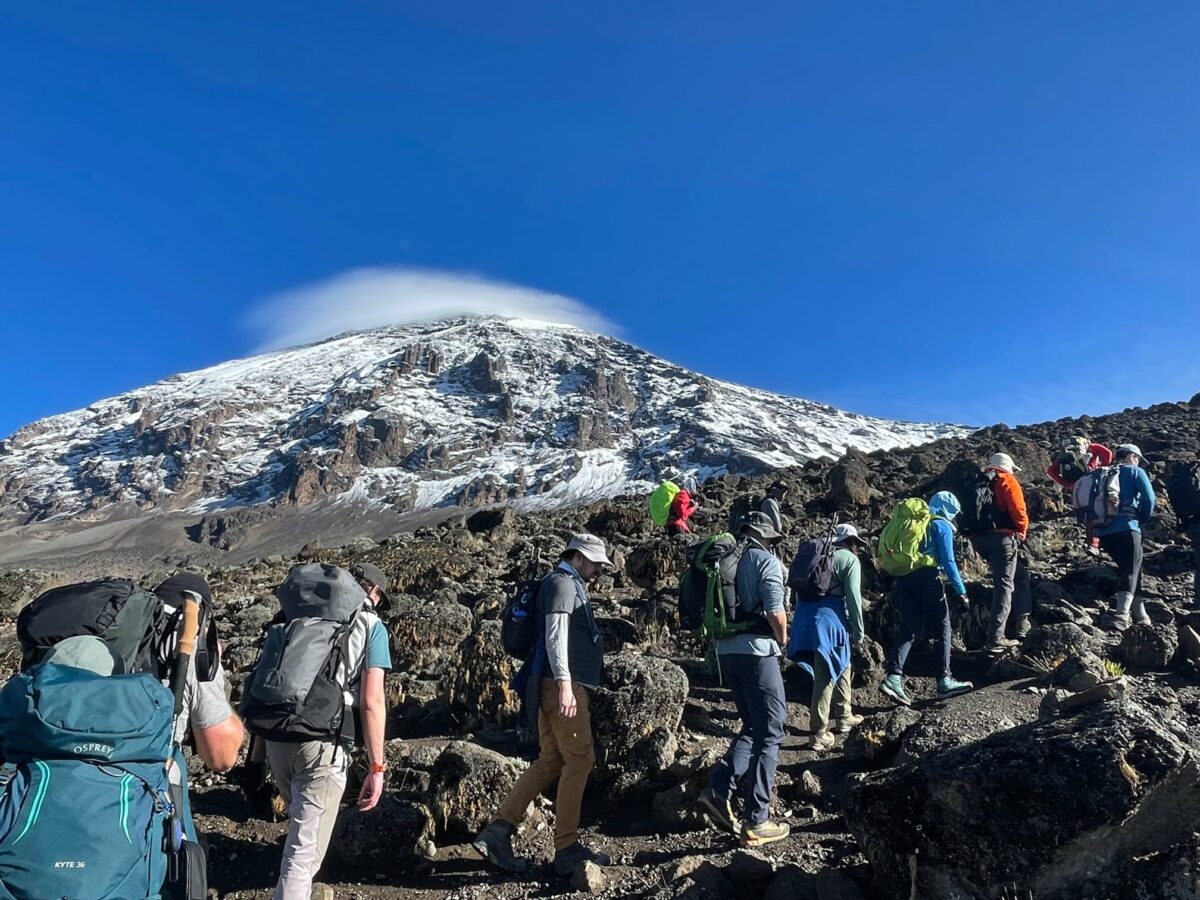
Environmental Responsibility and Safety
Environmental ethics are closely tied to safety when considering how to plan a safe climb to Kilimanjaro. Staying on designated trails prevents erosion and reduces injury risk. Proper waste disposal protects water sources and wildlife.
Respecting the mountain’s ecosystem fosters a safer environment for future climbers and local communities. Ethical operators ensure fair treatment of porters, whose health and safety directly affect expedition success.
Group Dynamics and Communication
Group cohesion plays a subtle but important role in how to plan a safe climb to Kilimanjaro. Clear communication between climbers and guides ensures that concerns are addressed promptly. Supporting fellow climbers fosters morale and collective resilience.
Small group sizes enhance safety by allowing guides to monitor individuals more closely. Honest reporting of symptoms benefits the entire group and prevents escalation.
Final Reflections on How to Plan a Safe Climb to Kilimanjaro
How to plan a safe climb to Kilimanjaro ultimately comes down to preparation, patience, and respect. Kilimanjaro rewards those who approach it thoughtfully, with humility and awareness of its demands.
By choosing the right season, route, operator, and mindset, climbers dramatically increase their chances of reaching the summit safely and returning with lasting memories rather than regrets. A safe Kilimanjaro climb is not defined solely by standing on Uhuru Peak, but by completing the journey healthy, enriched, and deeply connected to one of Africa’s most iconic landscapes.
When safety becomes the priority, Kilimanjaro transforms from a challenge into a profoundly meaningful achievement.