How to Plan a Safe Gorilla Trek in Africa for a Responsible and Unforgettable Wildlife Experience
How to plan a safe gorilla trek in Africa is a question increasingly asked by travelers seeking meaningful, ethical, and life-changing wildlife encounters. Gorilla trekking is widely regarded as one of the most profound experiences available in African travel, offering rare face-to-face moments with mountain and lowland gorillas in their natural forest habitats. Unlike traditional safaris that take place from vehicles across open plains, gorilla trekking is conducted on foot in dense rainforest environments, where safety depends on preparation, discipline, conservation awareness, and expert guidance.
A safe gorilla trek in Africa is not defined by adventure alone but by respect for wildlife, adherence to conservation protocols, physical readiness, and informed planning. Gorilla trekking is tightly regulated because gorillas are critically endangered and share close genetic similarities with humans, making both species vulnerable to disease transmission and stress. This guide explores in depth how to plan a safe gorilla trek in Africa, covering destinations, health preparation, trekking procedures, environmental responsibility, and personal safety so that travelers can approach the experience with confidence and understanding.
Understanding Gorilla Trekking and Its Safety Context
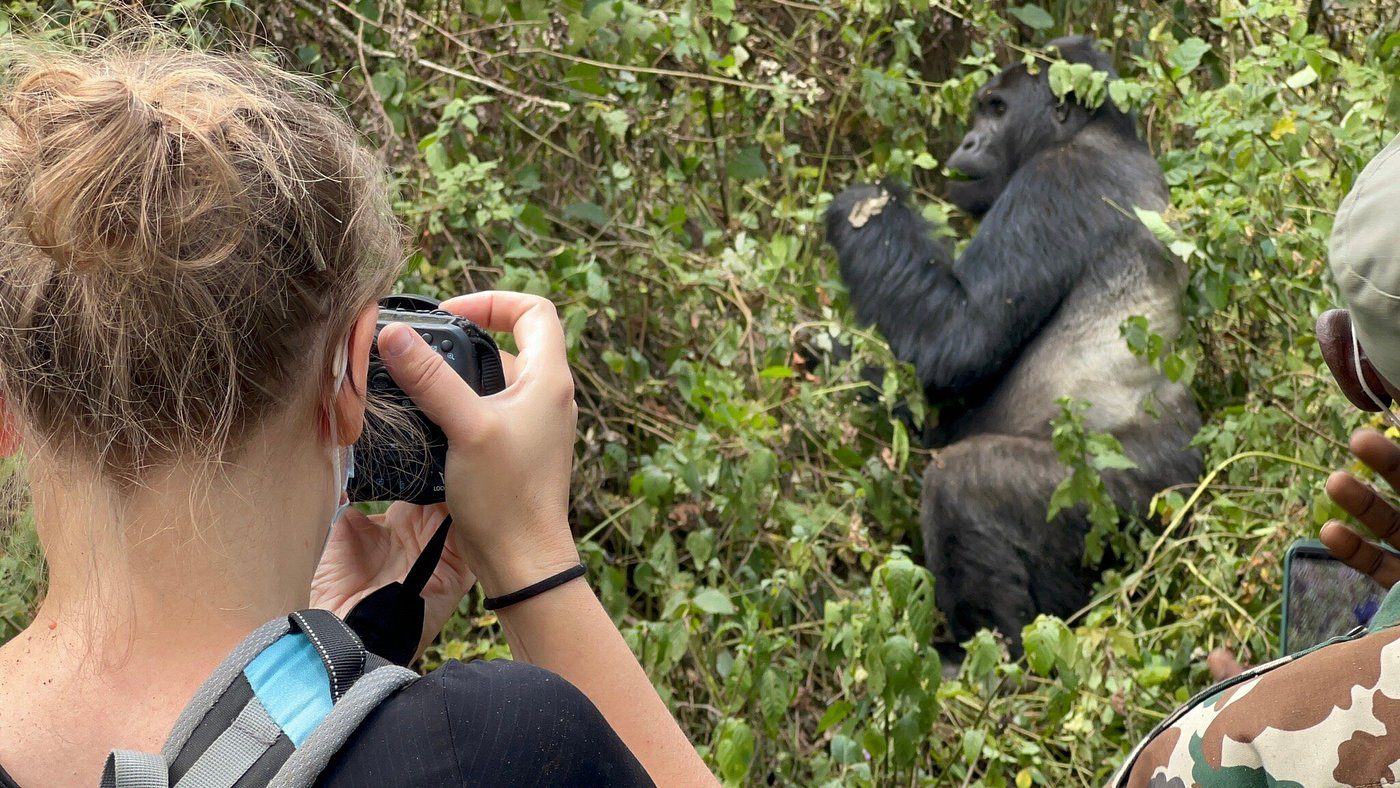
To understand how to plan a safe gorilla trek in Africa, it is essential to understand what gorilla trekking involves. Gorilla trekking is a guided forest hike led by trained rangers and trackers to locate habituated gorilla families. Once the gorillas are found, visitors are allowed to spend a strictly limited amount of time observing them at close but controlled distances.
Gorilla trekking environments are remote, mountainous, and often physically demanding. Weather conditions can change quickly, terrain can be steep and muddy, and visibility is limited by thick vegetation. These factors make professional management and safety protocols essential rather than optional.
African gorilla trekking destinations have developed some of the most structured wildlife safety systems in the world, ensuring that risks to both visitors and gorillas are minimized. Safety planning is therefore a collaborative effort between travelers, guides, conservation authorities, and local communities.
Choosing the Right Gorilla Trekking Destination in Africa
A critical step in how to plan a safe gorilla trek in Africa is choosing the appropriate destination. Gorilla trekking is only possible in a few protected regions, each with its own terrain, regulations, and safety infrastructure.
Mountain gorilla trekking takes place primarily in Rwanda, Uganda, and the Democratic Republic of Congo, within the Virunga and Bwindi ecosystems. Rwanda’s Volcanoes National Park is known for its highly regulated trekking system, well-maintained trails, and proximity to major transport hubs. Uganda offers trekking in Bwindi Impenetrable Forest and Mgahinga Gorilla National Park, both characterized by dense forest and varied trekking difficulty. The Democratic Republic of Congo also offers gorilla trekking experiences, though safety considerations require more careful planning due to regional instability.
Lowland gorilla trekking, available in parts of Central Africa, involves different habitats and conservation challenges but follows similar safety principles. Choosing a destination with strong conservation governance and tourism oversight significantly enhances safety outcomes.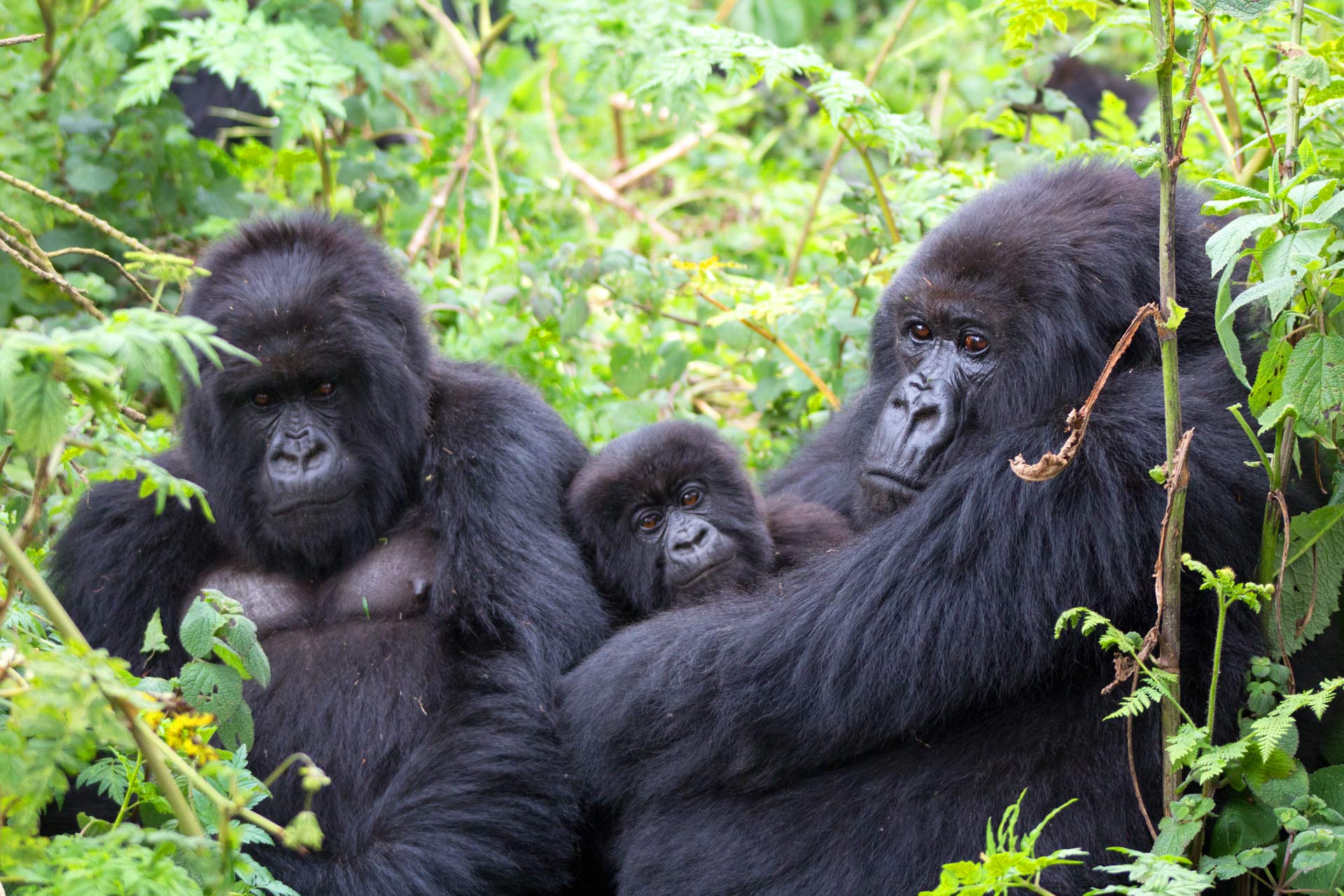
Understanding Gorilla Behavior and Why Safety Rules Matter
How to plan a safe gorilla trek in Africa requires an appreciation of gorilla behavior. Gorillas are generally gentle and social animals, but they are also powerful and protective of their families. Habituated gorillas are accustomed to human presence, yet they remain wild animals with natural instincts.
Safety rules exist to prevent stress or perceived threats. Maintaining the recommended distance, avoiding direct eye contact, and staying calm around gorillas reduce the likelihood of defensive behavior. Silverbacks may display dominance behaviors such as chest-beating or vocalizations, which are normal communication signals rather than immediate danger.
Understanding these behaviors before trekking allows visitors to respond appropriately and trust the guidance of experienced rangers who read gorilla cues constantly during encounters.
Health Preparation and Disease Prevention
Health preparation is one of the most important aspects of how to plan a safe gorilla trek in Africa. Gorillas share approximately 98 percent of human DNA, making them highly susceptible to human illnesses such as respiratory infections, influenza, and gastrointestinal diseases.
Travelers are required to be in good health on the day of trekking. Anyone experiencing symptoms of illness may be denied participation to protect gorilla populations. Vaccinations, hygiene practices, and honest self-assessment are essential components of responsible trekking.
During the trek, visitors are instructed to cover their mouths when coughing or sneezing, avoid touching vegetation near gorillas, and maintain the required distance. These measures protect both gorillas and humans, reinforcing the shared responsibility inherent in gorilla trekking.
Physical Fitness and Trekking Readiness
How to plan a safe gorilla trek in Africa also involves realistic physical preparation. Gorilla treks vary in difficulty, with some requiring short walks and others involving several hours of steep ascents through thick forest. Altitude, humidity, and uneven terrain increase physical demands.
Moderate fitness levels are generally sufficient, but preparation improves safety and enjoyment. Walking, hiking, and cardiovascular conditioning before travel help reduce fatigue and injury risk. Trekking poles, sturdy footwear, and appropriate clothing further enhance stability and comfort.
Porters are often available and encouraged, not only to assist travelers but also to support local livelihoods. Using a porter can significantly improve balance and reduce strain, contributing to a safer trekking experience.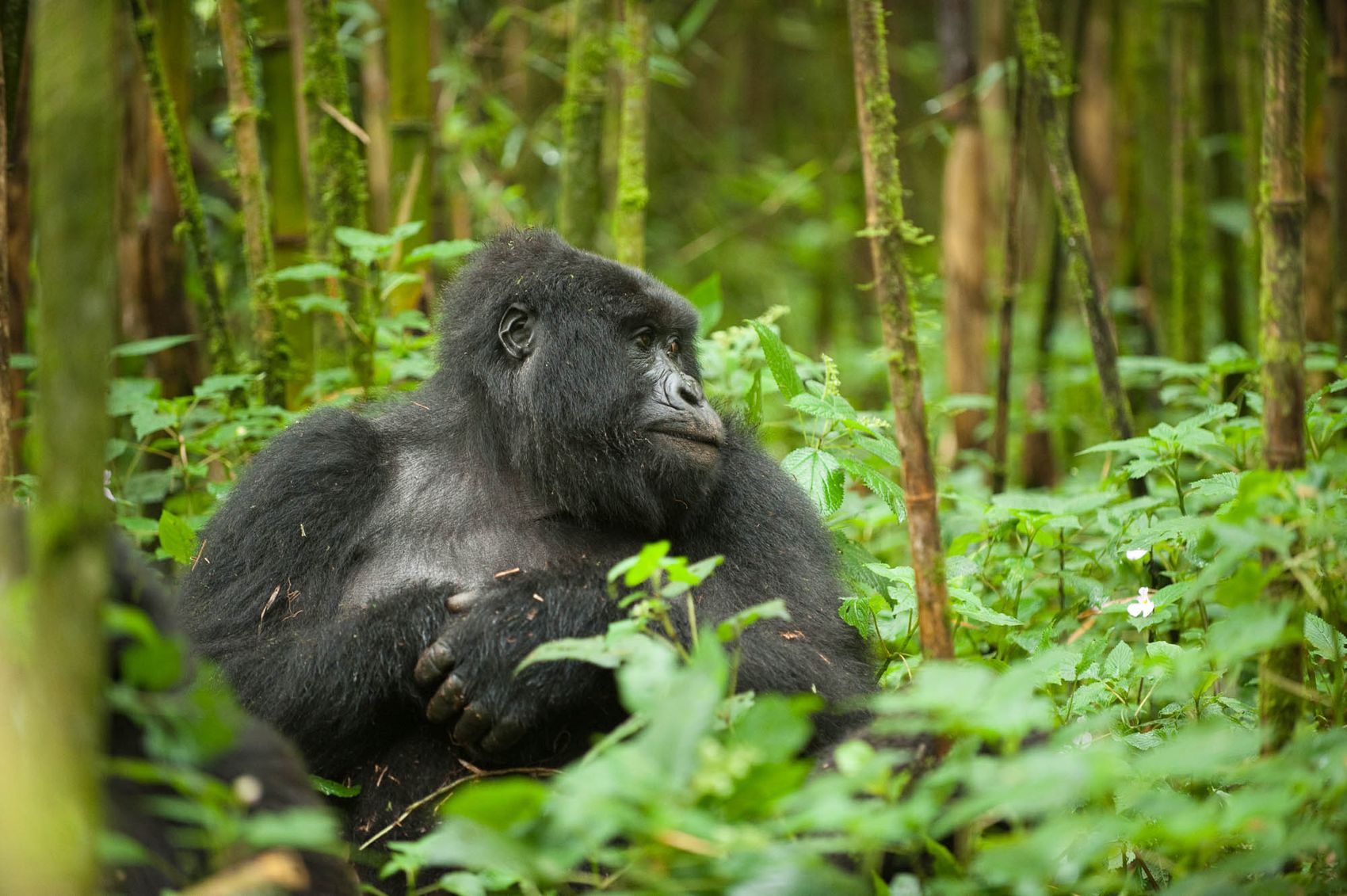
Choosing a Licensed and Experienced Operator
One of the most decisive factors in how to plan a safe gorilla trek in Africa is selecting a licensed and reputable tour operator. Gorilla trekking permits, guiding services, and park access are tightly controlled by national wildlife authorities.
Experienced operators coordinate permits, transportation, accommodation, and park logistics while ensuring compliance with conservation regulations. They work closely with park authorities and employ knowledgeable guides who understand terrain, weather patterns, and emergency protocols.
Unlicensed or informal operators may bypass safety standards, increasing risks to travelers and wildlife. Responsible planning prioritizes quality, transparency, and conservation ethics over cost savings.
Understanding Trekking Day Procedures and Briefings
A safe gorilla trek in Africa begins with structured pre-trek briefings conducted by park authorities. Understanding how to plan a safe gorilla trek in Africa includes recognizing the importance of these briefings, which outline trekking rules, group assignments, and safety expectations.
Trekkers are grouped into small numbers and assigned to specific gorilla families based on fitness levels and location. Rangers lead the group, supported by trackers who locate gorillas in advance. Armed rangers may accompany treks in certain regions as a precaution against other wildlife.
Following instructions during the trek is essential. Rangers make decisions regarding pace, route adjustments, and encounter management, all aimed at ensuring safety and minimizing environmental impact.
Clothing, Gear, and Equipment for Safety
Proper gear selection is central to how to plan a safe gorilla trek in Africa. Forest environments are wet, muddy, and unpredictable, making appropriate clothing essential for protection and mobility.
Long-sleeved shirts and trousers protect against insects, stinging plants, and scratches. Waterproof jackets and gaiters help manage rain and mud, while gloves can protect hands when navigating steep or slippery sections. Neutral colors are recommended to minimize disturbance to wildlife.
Carrying sufficient water, energy snacks, and personal medication supports endurance and well-being throughout the trek. All gear should be lightweight and tested prior to the trek to avoid discomfort or distraction.
Environmental Awareness and Forest Safety
Environmental awareness plays a crucial role in how to plan a safe gorilla trek in Africa. Forest ecosystems contain more than gorillas, including insects, steep ravines, and other wildlife. Staying on designated paths and maintaining group cohesion reduces risk.
Listening carefully to ranger instructions ensures that environmental hazards are managed proactively. Sudden weather changes, fallen trees, or slippery slopes are common forest challenges that require attentiveness and adaptability.
Forest safety is not about eliminating risk but about navigating it responsibly with expert support.
Ethical Behavior and Wildlife Respect
Ethical conduct is inseparable from safety when considering how to plan a safe gorilla trek in Africa. Ethical behavior reduces stress on gorillas, maintains natural behavior patterns, and preserves the integrity of the experience for future visitors.
Photography is allowed but regulated. Flash photography is prohibited, and movements should be slow and controlled. Touching gorillas or attempting to attract their attention is strictly forbidden.
Ethical trekking ensures that gorillas continue to tolerate human presence without adverse effects, sustaining both safety and conservation outcomes.
Community Involvement and Its Role in Safety
Community involvement enhances safety and sustainability in gorilla trekking destinations. How to plan a safe gorilla trek in Africa includes supporting tourism models that benefit local communities.
Revenue from permits and tourism supports schools, healthcare, and conservation employment, reducing human-wildlife conflict. Local trackers and guides bring generational knowledge of the forest, improving navigation and risk management.
By choosing responsible operators and respecting local customs, travelers contribute to a stable environment where safety is a shared priority.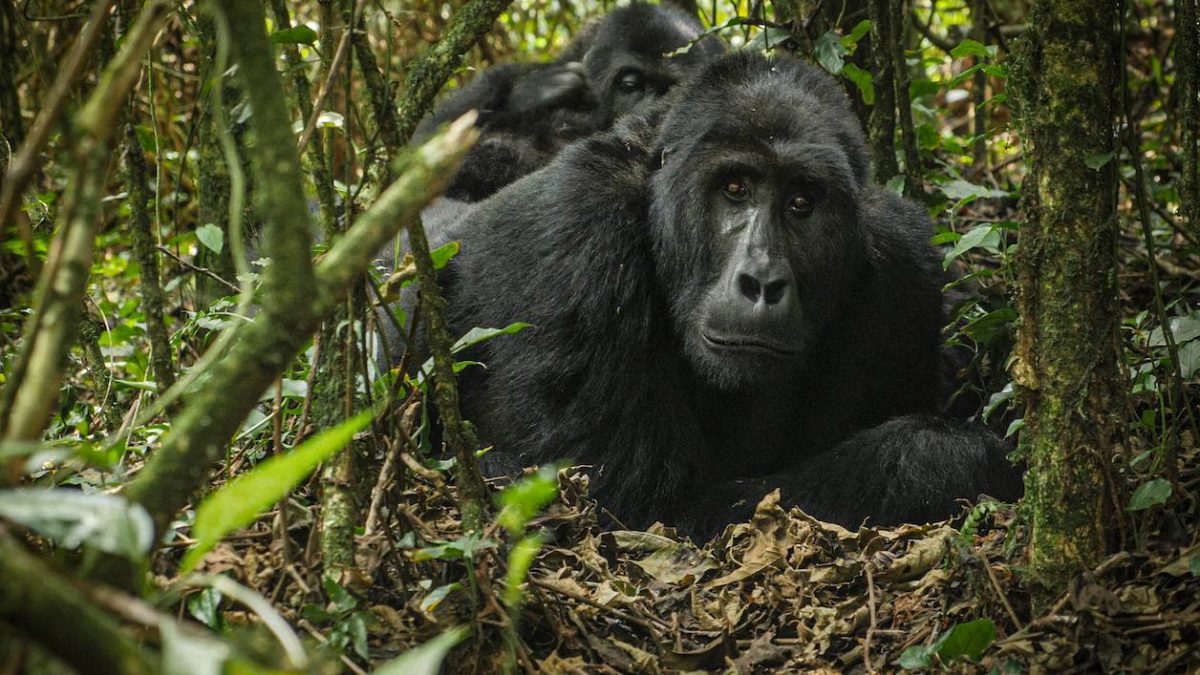
Travel Insurance and Emergency Preparedness
Comprehensive travel insurance is an essential element of how to plan a safe gorilla trek in Africa. Policies should cover medical treatment, evacuation, and activities such as trekking in remote areas.
Park authorities and operators have emergency response plans, but personal insurance ensures access to evacuation services if required. Understanding emergency procedures before trekking adds confidence and preparedness.
While serious incidents are rare, knowing that systems are in place allows travelers to focus fully on the experience.
Psychological Readiness and Expectation Management
Mental preparedness is often overlooked in how to plan a safe gorilla trek in Africa. Trekking conditions can be challenging, and encounters are unpredictable. Managing expectations reduces anxiety and enhances enjoyment.
Gorilla sightings are highly likely but not guaranteed, and trekking duration varies. Embracing uncertainty as part of the experience fosters resilience and appreciation rather than frustration.
Psychological readiness also includes accepting ranger decisions, even if they involve ending a trek early for safety or conservation reasons.
Final Reflections on How to Plan a Safe Gorilla Trek in Africa
How to plan a safe gorilla trek in Africa ultimately involves balancing adventure with responsibility. Gorilla trekking is a privilege rather than a right, made possible through decades of conservation effort, community cooperation, and scientific management.
By choosing the right destination, preparing physically and mentally, respecting wildlife protocols, and supporting ethical tourism, travelers ensure that their experience is safe, meaningful, and sustainable. A safe gorilla trek is not only about personal well-being but about protecting one of the planet’s most endangered species.
When approached with respect and preparation, gorilla trekking in Africa becomes more than a wildlife activity. It becomes a powerful encounter with nature, conservation, and humanity’s shared future.