
When to go Cape Town is one of the most important questions travelers ask when planning a visit to South Africa’s most iconic city. Cape Town is a year-round destination, but the experience it offers changes significantly with the seasons. Weather patterns, crowd levels, prices, natural events, and available activities all shift throughout the year, meaning that timing plays a crucial role in shaping the overall journey.
Cape Town’s unique geographical position between mountains and ocean gives it a Mediterranean climate that is both predictable and diverse. Summers are warm and dry, winters are mild and wetter, and the transitional seasons bring balance and beauty. There is no single universally “best” time to visit; instead, the best answer to when to go Cape Town depends on personal travel priorities such as beaches, outdoor activities, food and wine, wildlife, festivals, or budget.
This in-depth guide explores Cape Town season by season, explaining how weather, atmosphere, costs, and experiences change throughout the year. By understanding these patterns, travelers can confidently decide when to go Cape Town based on informed expectations rather than guesswork.
Understanding Cape Town’s Climate and Seasonal Patterns
To fully understand when to go Cape Town, it is essential to understand the city’s climate. Cape Town experiences a Mediterranean climate, characterized by warm, dry summers and cool, wet winters. Unlike tropical destinations, humidity is generally low, and extreme temperatures are rare.
The year can be broadly divided into summer from December to February, autumn from March to May, winter from June to August, and spring from September to November. Each season offers a distinct version of Cape Town, shaped by light, temperature, rainfall, and natural activity.
This seasonal variation is a key reason why Cape Town remains attractive year-round, offering different rewards depending on when a visit takes place.
When to Go Cape Town for Warm Weather and Beach Time
For travelers focused on sunshine, beaches, and outdoor living, when to go Cape Town is most often answered with the summer months. From December to February, Cape Town experiences long, warm days with minimal rainfall and average temperatures that are ideal for coastal activities.
Beaches along the Atlantic Seaboard and False Bay become central to daily life, and the city adopts a vibrant, energetic atmosphere. Outdoor dining, sunset gatherings, and open-air events are common, reflecting Cape Town’s summer lifestyle.
However, summer is also the busiest time of year. International tourism peaks, accommodation prices rise, and popular attractions can feel crowded. Understanding this trade-off is important when deciding when to go Cape Town for summer conditions.
December in Cape Town: Festive Energy and Peak Season
December represents the height of summer and plays a significant role in discussions around when to go Cape Town. The city becomes festive, with holiday celebrations, school vacations, and a lively social scene.
Weather conditions are ideal for sightseeing and outdoor exploration, but crowds are at their highest. Accommodation availability becomes limited, and advance booking is essential.
December is well suited to travelers who enjoy vibrant atmospheres and do not mind sharing popular spaces. For those seeking tranquility, other times of year may provide a more balanced answer to when to go Cape Town.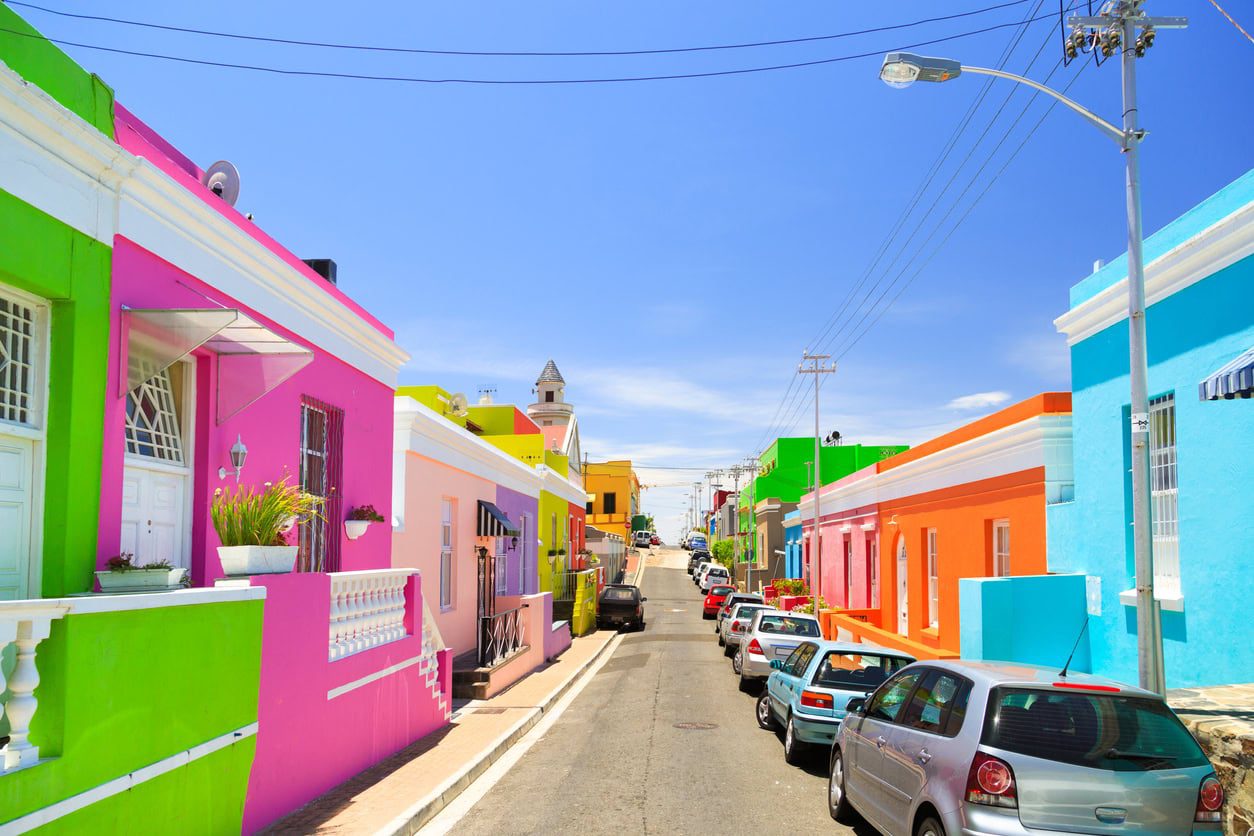
January and February: Sun, Sea, and City Life
January and February are considered some of the most reliable months for weather and are often highlighted when discussing when to go Cape Town. Temperatures are warm but generally comfortable, and rainfall is rare.
These months are ideal for beach activities, hiking Table Mountain, exploring the Cape Peninsula, and enjoying Cape Town’s culinary and nightlife scenes. The city feels alive, confident, and expressive.
Crowds remain present, but the festive intensity of December subsides slightly, making January and February appealing for travelers who want summer conditions with marginally less congestion.
When to Go Cape Town for Fewer Crowds and Better Value
For travelers who prefer a quieter experience and better value, when to go Cape Town often points toward the shoulder seasons of autumn and spring. These transitional periods offer favorable weather, reduced crowds, and more competitive pricing.
Autumn runs from March to May and is widely regarded as one of the best times to visit Cape Town. Weather remains warm and stable, the ocean retains summer warmth, and the city relaxes after peak season.
Spring, from September to November, brings renewal, blooming landscapes, and increasing temperatures. Both seasons provide excellent conditions for exploration without the intensity of peak summer tourism.
March to May: Autumn and the Ideal Balance
Autumn is frequently cited as the ideal answer to when to go Cape Town. During these months, temperatures remain pleasant, daylight hours are sufficient for outdoor activities, and the city feels calmer and more accessible.
The Winelands are particularly beautiful in autumn, with vineyards transitioning in color and harvest activities creating a rich cultural atmosphere. Hiking, sightseeing, and coastal exploration are comfortable and rewarding.
Accommodation prices begin to soften, and availability improves, making autumn an attractive option for travelers seeking quality experiences without peak-season pressures.
When to Go Cape Town for Food and Wine Experiences
Food and wine play a major role in determining when to go Cape Town for many travelers. The Cape Winelands follow an annual agricultural rhythm, with harvest season typically occurring between January and March.
During harvest, wine estates are active and vibrant, offering tastings, events, and behind-the-scenes experiences. Restaurants showcase seasonal produce, and culinary creativity peaks.
While excellent dining is available year-round, late summer and early autumn are particularly appealing for travelers interested in Cape Town’s gastronomic identity.
When to Go Cape Town for Whale Watching
Wildlife enthusiasts often ask when to go Cape Town for whale watching. The winter months from June to November are prime whale season along the Cape coast, particularly in areas such as Hermanus and False Bay.
Southern right whales migrate to South African waters to calve, offering spectacular viewing opportunities from land and boat-based platforms. Peak sightings typically occur between August and October.
For travelers interested in marine wildlife, this period strongly influences when to go Cape Town despite cooler temperatures.
Winter in Cape Town: June to August
Winter represents a quieter, more introspective version of the city and plays a unique role in deciding when to go Cape Town. From June to August, temperatures are cooler, and rainfall increases, particularly in July.
While beach activities become less appealing, winter brings dramatic skies, lush landscapes, and a slower pace. The city feels more local, and indoor experiences such as dining, museums, and cultural attractions come to the forefront.
Winter is also the most affordable season, with lower accommodation rates and fewer tourists. For budget-conscious travelers or those seeking authenticity and calm, winter offers a compelling answer to when to go Cape Town.
When to Go Cape Town for Budget Travel
Cost is a significant factor in deciding when to go Cape Town. Peak summer months command the highest prices, while winter and shoulder seasons offer better value.
Flights, accommodation, and tours are often discounted during winter, making it possible to experience high-quality offerings at reduced costs. While weather variability must be accepted, many travelers find the savings worthwhile.
Strategic timing allows travelers to align financial priorities with desired experiences, reinforcing the importance of seasonality in deciding when to go Cape Town.
Spring in Cape Town: September to November
Spring is a season of renewal and is often overlooked when considering when to go Cape Town. During these months, temperatures begin to rise, rainfall decreases, and landscapes burst into color.
Wildflowers bloom across the Western Cape, particularly along the West Coast, creating one of South Africa’s most striking natural displays. Wildlife activity increases, and outdoor exploration becomes increasingly comfortable.
Spring also marks the transition into whale season and offers excellent conditions for photography, hiking, and sightseeing without peak summer crowds.
When to Go Cape Town for Outdoor Activities
Outdoor enthusiasts often base their decision on when to go Cape Town around activity preferences. Hiking, cycling, and sightseeing are best enjoyed during cooler months such as autumn and spring.
Summer offers long days and dry conditions but can be hot for strenuous activity. Winter is suitable for less physically demanding exploration and scenic drives.
Matching activities with seasonal conditions ensures comfort and safety while maximizing enjoyment.
Events, Festivals, and Seasonal Highlights
Cape Town’s cultural calendar influences when to go Cape Town for many travelers. Summer hosts outdoor festivals, concerts, and social events, while winter features food-focused festivals and cultural gatherings.
Sporting events, art exhibitions, and wine festivals occur throughout the year, adding layers of interest to seasonal travel. Aligning a visit with specific events can enhance the overall experience.
Understanding the city’s event rhythm adds another dimension to planning when to go Cape Town.
When to Go Cape Town for First-Time Visitors
First-time visitors often benefit from visiting Cape Town during periods that offer balanced conditions. Autumn and spring are particularly suitable, offering good weather, manageable crowds, and diverse experiences.
These seasons allow travelers to explore beaches, mountains, city attractions, and surrounding regions without the extremes of peak summer or winter weather.
For many first-time travelers, shoulder seasons provide the most comprehensive introduction to Cape Town.
When to Go Cape Town for Repeat Visitors
Repeat visitors often choose when to go Cape Town based on specific interests developed through previous trips. Winter may appeal for whale watching and value, while summer may suit lifestyle-focused visits.
Having experienced the city’s highlights, returning travelers can tailor timing more precisely, exploring seasonal contrasts and deeper cultural layers.
This flexibility highlights Cape Town’s enduring appeal across all seasons.
Combining Cape Town with Other Destinations
When to go Cape Town may also depend on broader travel plans. Many travelers combine Cape Town with safari destinations, the Garden Route, or regional travel.
Coordinating seasons ensures optimal conditions across multiple destinations. For example, winter in Cape Town aligns well with peak safari conditions elsewhere in South Africa.
Strategic timing enhances the overall itinerary and reinforces the importance of thoughtful planning.
Choosing When to Go Cape Town
When to go Cape Town is not defined by a single best month but by alignment between expectations and seasonal realities. Summer delivers energy, sunshine, and beach culture, while autumn offers balance and refinement. Winter provides value, wildlife encounters, and atmosphere, and spring brings renewal and color.
Cape Town rewards travelers in every season, offering different expressions of its beauty, culture, and lifestyle throughout the year. By understanding seasonal dynamics and personal priorities, travelers can confidently decide when to go Cape Town and experience the city at its most meaningful.