
African Safaris Kenya Tanzania: The Ultimate Guide to East Africa’s Most Iconic Wildlife Experiences
African safaris Kenya Tanzania represent the pinnacle of wildlife travel, offering unmatched biodiversity, legendary landscapes, and some of the most celebrated safari destinations on Earth. Kenya and Tanzania together form the heart of East Africa’s safari circuit, where vast savannahs, dramatic mountain backdrops, ancient migration routes, and rich cultures combine to create life-changing journeys. For decades, travelers, filmmakers, photographers, and conservationists have been drawn to African safaris in Kenya and Tanzania because no other region delivers such consistent, authentic, and awe-inspiring encounters with wildlife.
This in-depth guide explores African safaris Kenya Tanzania in detail, examining why these two countries dominate the safari world, what makes each destination unique, how their ecosystems connect, and how travelers can experience responsible, meaningful safaris that go far beyond simple game viewing.
African Safaris Kenya Tanzania and the Birth of the Classic Safari
African safaris Kenya Tanzania are deeply rooted in the history of modern wildlife travel. The word “safari” itself originates from Swahili, meaning journey, and it was in Kenya and Tanzania that the concept of the photographic safari truly evolved. Early explorers, conservationists, and naturalists documented wildlife across these landscapes, laying the foundation for protected areas that now define global conservation standards.
Kenya and Tanzania were among the first African nations to establish national parks and game reserves, recognizing early on the ecological and economic value of wildlife protection. This legacy means that African safaris Kenya Tanzania benefit from decades of conservation expertise, well-managed parks, experienced guides, and strong tourism infrastructure.
At the same time, these safaris retain a sense of wild authenticity. Despite their popularity, Kenya and Tanzania offer immense, open ecosystems where animals move freely across borders, following ancient patterns that remain unchanged by modern boundaries.
Why African Safaris Kenya Tanzania Are Unmatched
African safaris Kenya Tanzania stand apart because of sheer scale and diversity. Together, the two countries host some of the largest and most intact wildlife ecosystems left on the planet. From the rolling plains of the Serengeti and Masai Mara to the volcanic caldera of Ngorongoro and the arid landscapes of Samburu and Tarangire, the variety of environments supports extraordinary species richness.
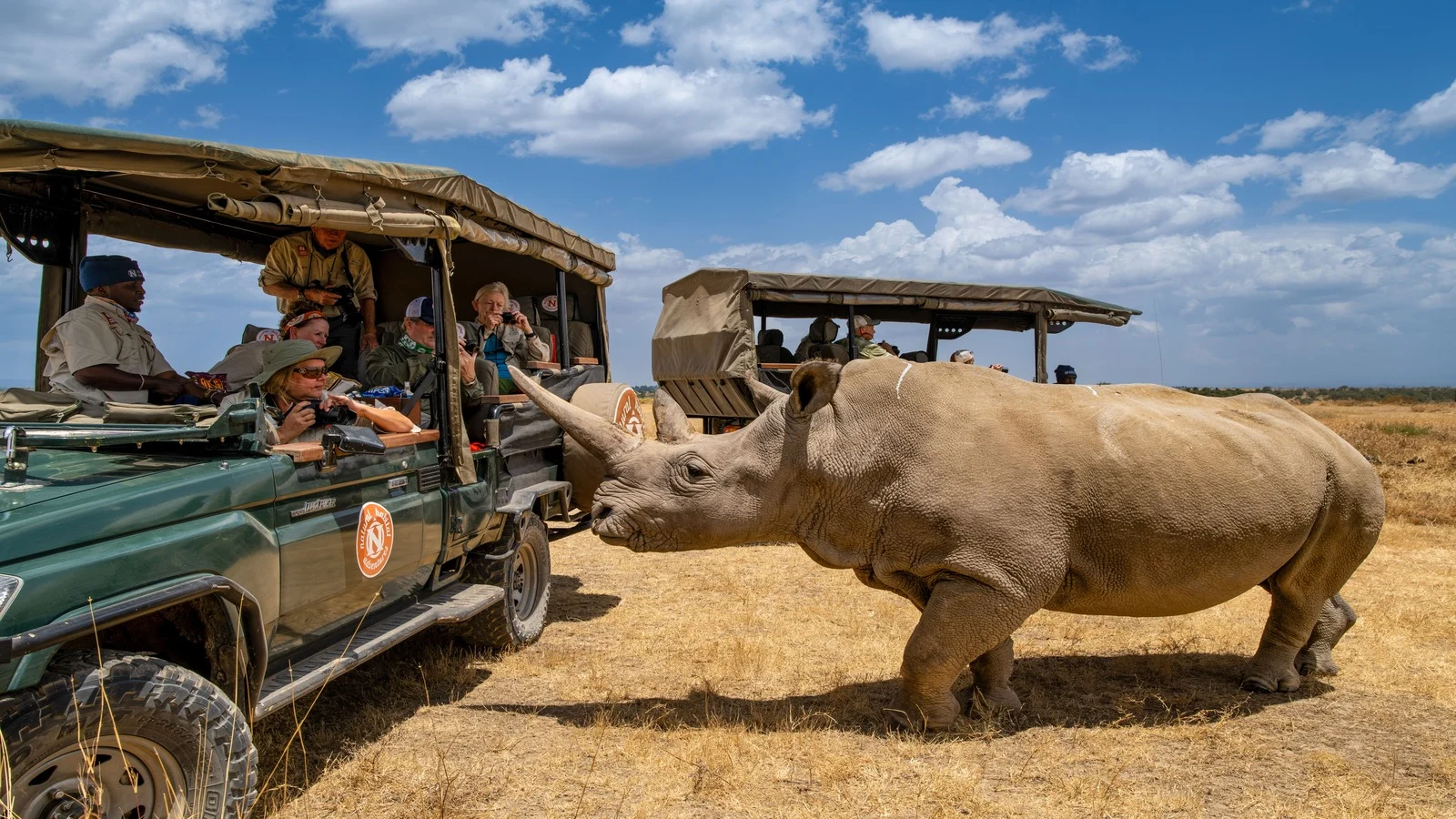
Both countries are home to the Big Five—lion, leopard, elephant, buffalo, and rhinoceros—alongside cheetahs, giraffes, zebras, wildebeest, hippos, crocodiles, and hundreds of bird species. African safaris Kenya Tanzania are also renowned for predator-prey interactions, offering dramatic scenes that define classic safari imagery.
Another defining feature is accessibility. Kenya and Tanzania provide a wide range of safari styles, from luxury lodges and private conservancies to mobile camps and budget-friendly options. This flexibility allows travelers with different interests and budgets to experience authentic African safaris without compromising wildlife quality.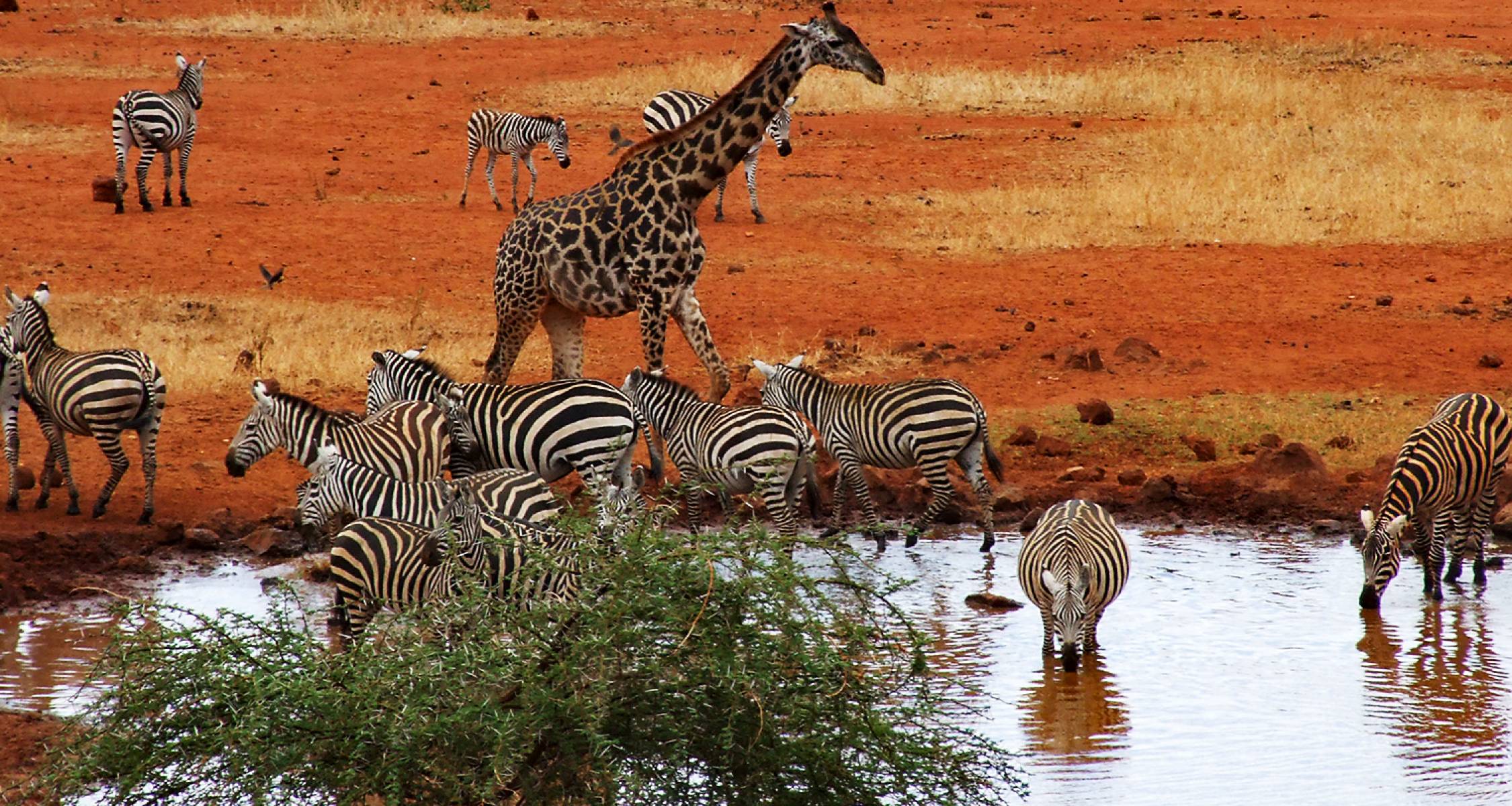
African Safaris Kenya Tanzania and the Great Migration
No discussion of African safaris Kenya Tanzania is complete without the Great Migration, often described as the greatest wildlife spectacle on Earth. Each year, over two million wildebeest, zebras, and gazelles move in a continuous cycle between Tanzania’s Serengeti and Kenya’s Masai Mara in search of fresh grazing.
This natural phenomenon is a central highlight of African safaris Kenya Tanzania. In Tanzania, the migration begins with calving season in the southern Serengeti, where thousands of calves are born daily. This attracts predators in large numbers, creating intense wildlife activity.
As the herds move north, they face dramatic river crossings, particularly at the Grumeti and Mara Rivers. These crossings, often photographed and filmed, are among the most iconic moments in African safaris Kenya Tanzania. The fact that the migration spans both countries underscores how interconnected their ecosystems truly are.
African Safaris Kenya Tanzania: Comparing Kenya and Tanzania
While closely linked, African safaris Kenya Tanzania offer distinct experiences in each country. Kenya is often praised for its accessibility and diversity within a compact area. Parks such as the Masai Mara, Amboseli, Samburu, and Lake Nakuru can be combined easily, making Kenya ideal for shorter safaris or first-time travelers.
Kenya is also known for its private conservancies, which operate alongside national reserves. These conservancies allow for off-road driving, night safaris, walking safaris, and deeper community engagement, enhancing the overall safari experience.
Tanzania, on the other hand, is defined by vastness and remoteness. African safaris Kenya Tanzania that include Tanzania often emphasize scale, with enormous parks such as the Serengeti, Ruaha, and Selous offering a sense of wilderness that feels untouched. Tanzania’s parks tend to restrict off-road driving, which helps preserve habitats and reinforces a traditional safari atmosphere.
Both countries complement each other beautifully, and many travelers choose combined African safaris Kenya Tanzania itineraries to experience the best of both worlds.
Iconic Destinations on African Safaris Kenya Tanzania
African safaris Kenya Tanzania feature some of the most famous wildlife destinations on the continent. The Masai Mara in Kenya is renowned for its high density of predators and open grasslands that provide excellent visibility. It is one of the best places in Africa to see lions and leopards consistently.
Amboseli National Park offers a different visual experience, with large elephant herds moving across dusty plains beneath the snow-capped peak of Mount Kilimanjaro. This setting makes Amboseli a favorite for photography-focused African safaris Kenya Tanzania.
In Tanzania, the Serengeti National Park is the crown jewel, known for its endless plains and year-round wildlife. The Ngorongoro Conservation Area adds a unique dimension, with its volcanic crater hosting an incredible concentration of animals within a relatively small area.
Tarangire National Park, famous for its ancient baobab trees and large elephant populations, and Lake Manyara, known for tree-climbing lions and birdlife, further enrich African safaris Kenya Tanzania itineraries.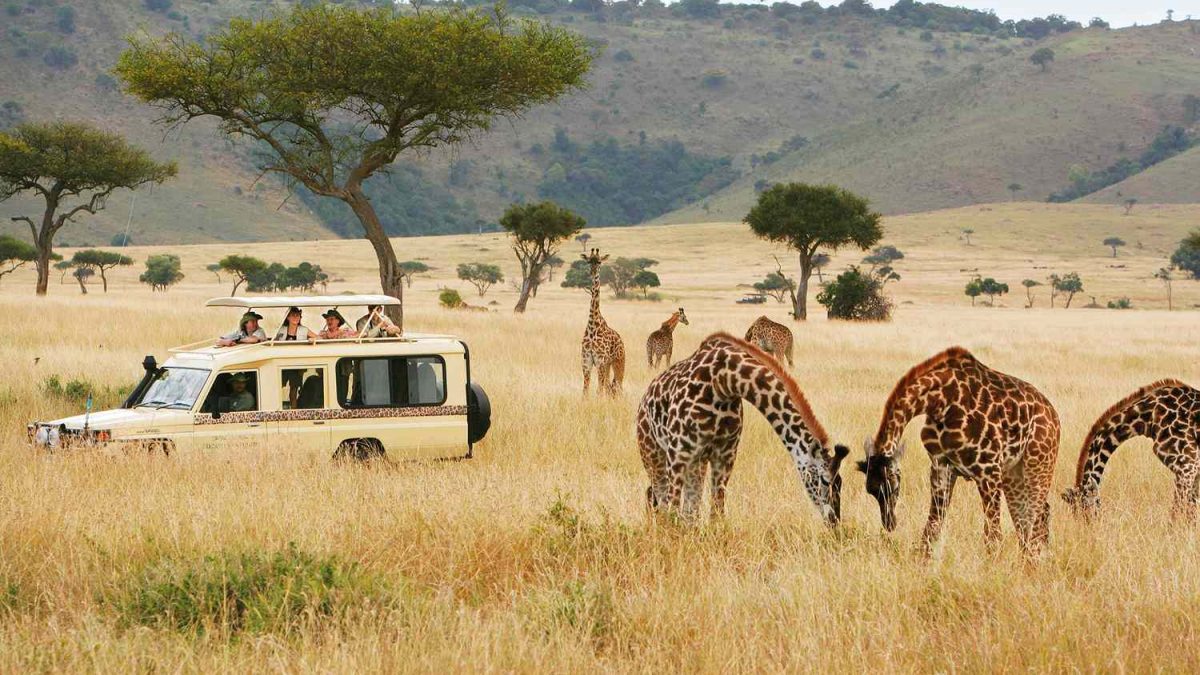
African Safaris Kenya Tanzania and Cultural Encounters
African safaris Kenya Tanzania are not solely about wildlife; they are also deeply connected to culture. Indigenous communities such as the Maasai, Samburu, and Hadzabe have coexisted with wildlife for centuries, shaping landscapes through traditional knowledge and sustainable practices.
Many African safaris Kenya Tanzania include opportunities to visit local communities, learn about pastoral lifestyles, and understand how conservation and culture intersect. These interactions provide context, helping travelers appreciate the human dimension of conservation.
Responsible safari operators ensure that cultural visits are respectful and beneficial to host communities. When done ethically, these experiences foster mutual understanding and contribute directly to local livelihoods.
Best Time for African Safaris Kenya Tanzania
Timing plays a significant role in planning African safaris Kenya Tanzania. Both countries experience distinct dry and wet seasons, each offering different advantages. The dry season, typically from June to October, is considered the best time for general wildlife viewing. Animals gather around water sources, vegetation is sparse, and road conditions are optimal.
This period also coincides with the peak of the Great Migration in Kenya’s Masai Mara, making it especially popular for African safaris Kenya Tanzania focused on dramatic wildlife action.
The wet season, from November to May, transforms landscapes into lush green environments. While some areas become more challenging to access, this season offers fewer crowds, excellent birdlife, and unique photographic opportunities. Calving season in the Serengeti occurs during the short rains, attracting predators and creating intense wildlife encounters.
African Safaris Kenya Tanzania and Photography
African safaris Kenya Tanzania are a dream for wildlife photographers. The quality of light, open landscapes, and abundance of animals create ideal conditions for capturing powerful images. Kenya’s conservancies often allow vehicles to position themselves flexibly, while Tanzania’s vast plains offer clean backgrounds and dramatic skies.
Whether photographing lions at dawn, elephants against Kilimanjaro, or wildebeest crossing rivers, African safaris Kenya Tanzania provide endless creative possibilities. Many lodges cater specifically to photographers, offering customized vehicles and knowledgeable guides who understand animal behavior and light.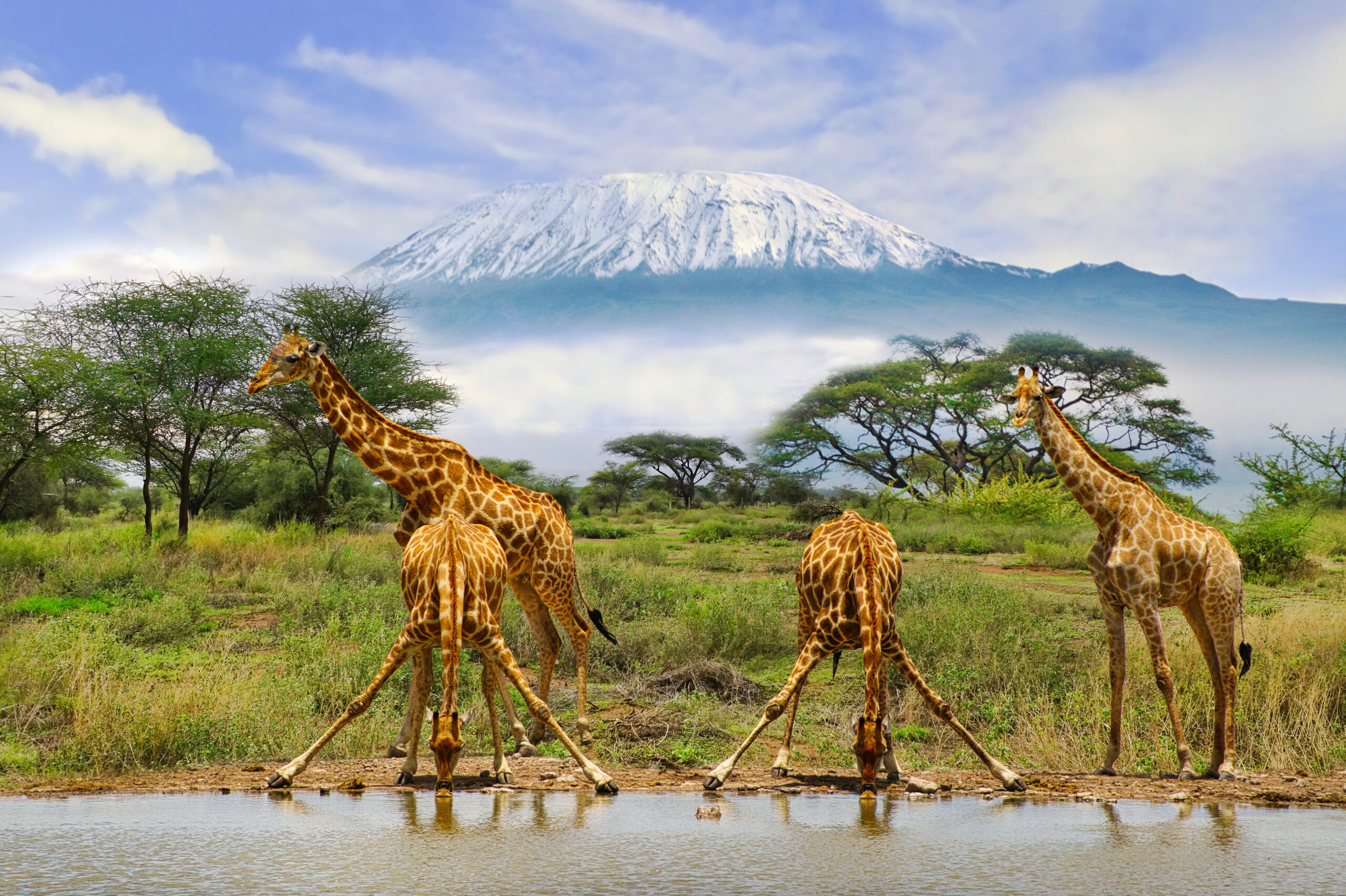
Conservation and Sustainability in African Safaris Kenya Tanzania
Conservation is central to the success of African safaris Kenya Tanzania. Tourism revenue supports national parks, anti-poaching initiatives, habitat protection, and community development. In both countries, wildlife tourism plays a vital role in preserving ecosystems that might otherwise be threatened by agriculture or development.
Kenya’s conservancy model has become a global example of how wildlife protection and community benefits can coexist. Tanzania’s large protected areas demonstrate the power of strict conservation policies in maintaining wilderness on a massive scale.
Travelers who choose responsible African safaris Kenya Tanzania contribute directly to these efforts. By supporting ethical operators, eco-friendly lodges, and community partnerships, visitors help ensure the long-term survival of wildlife and local cultures.
Types of African Safaris Kenya Tanzania
African safaris Kenya Tanzania cater to a wide range of interests. Classic game drives remain the foundation, offering daily wildlife viewing led by expert guides. Walking safaris, particularly in Kenya’s conservancies and parts of Tanzania, provide a more intimate connection to the landscape.
Hot air balloon safaris over the Masai Mara or Serengeti offer a breathtaking aerial perspective, revealing the scale of ecosystems and wildlife movements. Mobile safaris in Tanzania allow travelers to follow the migration, staying in temporary camps that move with the herds.
Luxury safaris emphasize comfort, privacy, and personalized service, while budget safaris focus on accessibility without sacrificing wildlife quality. This diversity ensures that African safaris Kenya Tanzania remain inclusive and adaptable.
Planning African Safaris Kenya Tanzania
Planning African safaris Kenya Tanzania requires thoughtful consideration of travel goals, budget, and timing. Combining both countries often involves crossing borders by road or air, which can be seamlessly arranged through experienced operators.
Health preparations, including vaccinations and travel insurance, are essential. Choosing the right safari operator is equally important, as knowledgeable guides significantly enhance the experience.
A well-planned African safaris Kenya Tanzania itinerary balances wildlife viewing with rest, cultural experiences, and scenic variety, ensuring a rewarding and immersive journey.
The Emotional Impact of African Safaris Kenya Tanzania
African safaris Kenya Tanzania leave a profound emotional imprint. Witnessing wildlife in its natural environment fosters humility, awe, and a deeper appreciation for the natural world. Many travelers describe a sense of reconnection, not only with nature but with themselves.
Encounters such as watching a lion pride at sunset or hearing elephants communicate at close range create memories that last a lifetime. African safaris Kenya Tanzania often inspire ongoing support for conservation and a lasting commitment to protecting the planet.
The Future of African Safaris Kenya Tanzania
The future of African safaris Kenya Tanzania depends on sustainable practices, responsible tourism, and global awareness. Climate change, population growth, and land-use pressures present ongoing challenges, but continued investment in conservation and community partnerships offers hope.
As travelers increasingly seek meaningful experiences, African safaris Kenya Tanzania are evolving to emphasize education, conservation, and cultural respect. This shift ensures that safaris remain not only extraordinary adventures but also powerful tools for positive change.
Final Thoughts on African Safaris Kenya Tanzania
African safaris Kenya Tanzania represent the essence of wildlife travel. They combine iconic species, legendary landscapes, rich cultures, and world-leading conservation efforts into experiences that are both thrilling and deeply meaningful.
Whether witnessing the Great Migration, exploring remote wilderness, or engaging with local communities, African safaris Kenya Tanzania offer journeys that transcend tourism. They remind us of the beauty, complexity, and fragility of the natural world and our shared responsibility to protect it.
For travelers seeking authenticity, inspiration, and unforgettable encounters, African safaris Kenya Tanzania remain the gold standard of safari experiences.