Best Gorilla Trekking in Africa: Which Country Offers the Better Experience?
Understanding Gorilla Trekking in Africa
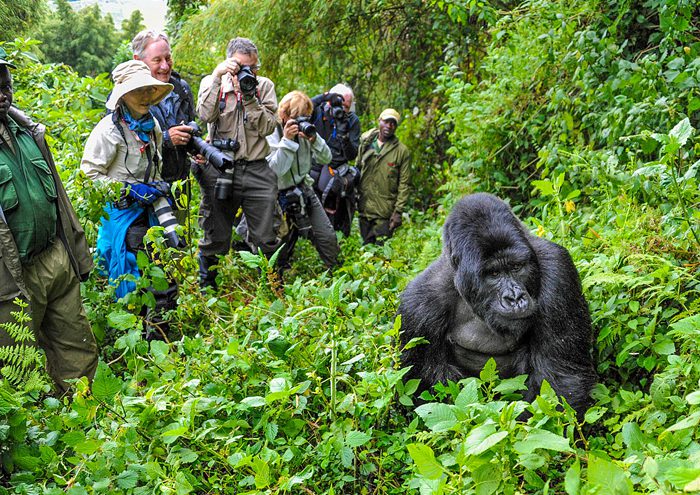
Gorilla trekking is one of Africa’s most powerful wildlife encounters, a guided hike through misty montane forest to spend a protected hour in the presence of a habituated family of endangered mountain gorillas. Rangers and trackers head out at first light to locate the group, then lead small groups of visitors along forest trails, across streams and along steep slopes until the gorillas are found. Once the group is located, visitors have a tightly regulated viewing period, usually one hour, maintaining a respectful distance and following strict health and behaviour rules to keep both humans and gorillas safe.
Mountain gorillas live only in a very small corner of central and East Africa, high in the volcanic ranges and impenetrable forests that span Uganda, Rwanda and the eastern Democratic Republic of Congo. All trekking experiences are governed by conservation authorities, with limited daily permits and age restrictions, usually from fifteen years and above, to protect the animals from stress and human-borne disease.
Where Can You See Mountain Gorillas?
There are four main national parks that offer organised mountain gorilla trekking. In Uganda, Bwindi Impenetrable National Park and Mgahinga Gorilla National Park protect some of the world’s largest remaining populations of mountain gorillas, with Bwindi alone home to several dozen habituated families across multiple trailhead sectors. In Rwanda, the legendary Volcanoes National Park covers the forested slopes of the Virunga volcanoes and is one of the most famous primate destinations on Earth. Across the border in the Democratic Republic of Congo, Virunga National Park has historically offered more off-the-beaten-path treks when security conditions allow.
All of these parks protect the same species of mountain gorilla, and the core trekking framework is similar: small groups, mandatory briefings, professional ranger guides and armed escorts, strict no-contact rules and a maximum of one gorilla family visit per permit per day. The differences emerge in the details: accessibility, trail conditions, permit pricing, lodge styles, group numbers and how easily gorilla trekking can be combined with other classic African safari experiences.
Uganda Gorilla Trekking: Wild, Varied and Great Value
Uganda offers some of the most diverse gorilla trekking in Africa thanks to its two gorilla parks and the vast, tangled forest of Bwindi Impenetrable National Park. Bwindi is a true rainforest, a steep, ancient jungle of moss, vines and buttress roots where the trekking can be physically demanding but profoundly rewarding. Trails may be narrow and muddy, and rangers often make new pathways with machetes as they follow fresh gorilla sign through the undergrowth, so every trek feels like a genuine expedition rather than a simple walk along a fixed trail.
Uganda’s strength lies in the combination of relatively moderate permit prices compared to Rwanda, a high number of habituated families and the ability to pair gorilla trekking with classic savannah safaris. Visitors can track gorillas in Bwindi or Mgahinga and then continue to see tree-climbing lions in Queen Elizabeth National Park, chimpanzees in Kibale Forest or the Nile and big game in Murchison Falls. This variety makes Uganda particularly appealing for travellers who want a complete primate and Big Five itinerary rather than a single-focus short break.
Rwanda Gorilla Trekking: Accessible and Refined
Rwanda’s Volcanoes National Park has long been the spiritual home of gorilla trekking for many travellers, thanks in part to the legacy of Dian Fossey’s research and conservation work in these mountains. The park lies only a few hours’ drive from Kigali, which means you can land in the capital, drive to the park the same day and be on a trek the next morning. This makes Rwanda ideal for travellers with limited time who still want a life-changing wildlife experience.
The trekking in Rwanda usually follows well-established paths up the flanks of the volcanoes, with lush bamboo zones and open clearings that offer excellent photography when you reach the gorillas. The country has positioned Volcanoes National Park as a high-end primate destination, with a strong emphasis on luxury lodges, polished service and community-conservation partnerships. Gorilla permits in Rwanda are typically more expensive than in neighbouring countries, but the experience is intentionally framed as premium, with well-run logistics, good roads and the option to combine trekking with cultural visits or time at other Rwandan parks like Akagera or Nyungwe.
DR Congo Gorilla Trekking: Adventurous and Less Visited
When conditions are stable, the Democratic Republic of Congo offers gorilla trekking in Virunga National Park, one of Africa’s most biodiverse protected areas. Treks here tend to feel more adventurous and less commercial, with fewer visitors overall and a greater sense of remoteness. The forested volcanoes and lava fields create dramatic backdrops, and some itineraries combine gorilla trekking with hiking active volcanoes or visiting unique conservation projects.
However, travel in eastern DRC is very sensitive to security developments, and park openings, closures and permit availability can change quickly. Travellers considering Congo generally need a higher tolerance for logistical complexity and should rely on up-to-date safety advice, reputable operators and flexible plans. Because of this, DRC is usually better suited to seasoned adventure travellers rather than first-time safari guests.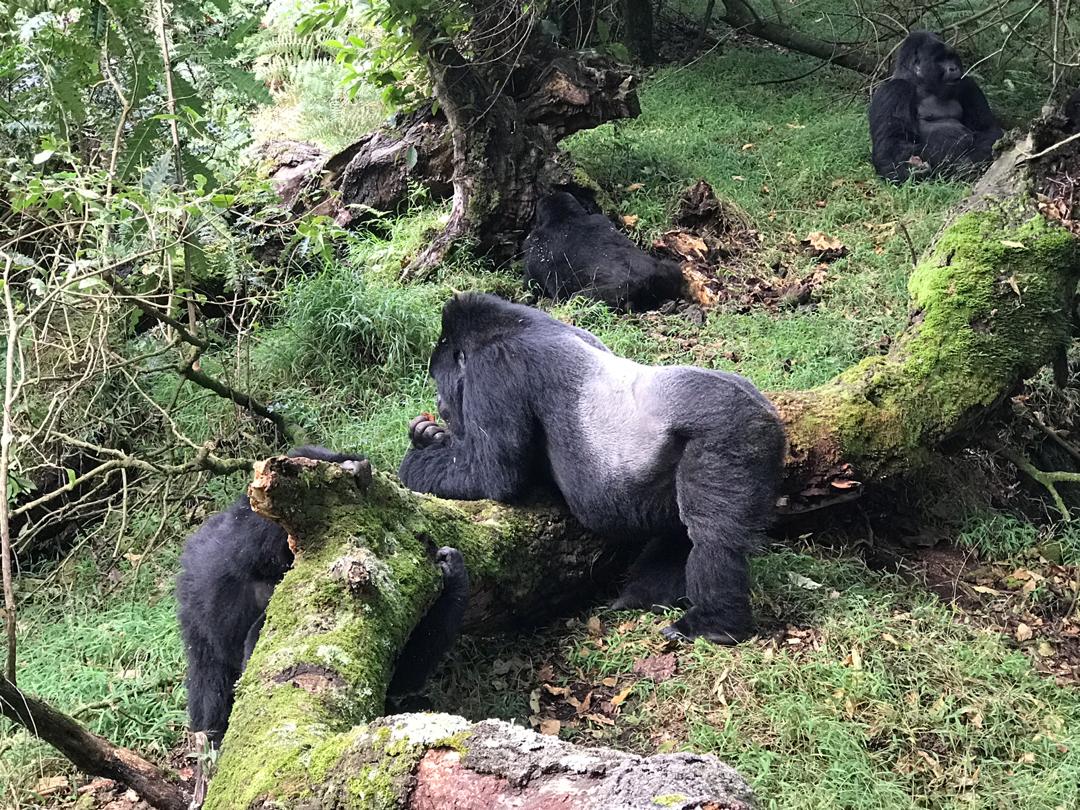
Comparing the Trekking Experience: Trails, Scenery and Fitness
The nature of the trek itself can strongly influence which country feels “better” for gorilla trekking. In Uganda, especially in Bwindi, the terrain is often steeper, more densely forested and more unpredictable, which can mean longer and more strenuous hikes. For many travellers this is part of the appeal: you feel deep in the jungle and the moment you step into a gorilla family’s clearing feels hard-earned.
In Rwanda’s Volcanoes National Park, the trails frequently pass through open bamboo forest and higher-altitude vegetation, with clear views of the volcanic peaks. Trek durations can still vary widely depending on where the gorillas have moved overnight, but paths are often more defined and it is sometimes possible to request a shorter or longer trek based on your fitness level. This can be reassuring for guests who are older, recovering from injury or anxious about challenging terrain.
In DRC’s Virunga, trekking can be physically demanding and conditions more rustic, adding to the adventure feel. Overall, travellers who want a wild, physically immersive jungle hike often gravitate to Uganda, while those who prefer slightly more predictable trails and broad volcano views may favour Rwanda.
Permit Prices, Availability and Group Sizes
Because gorilla tourism is tightly controlled, every trek requires a pre-booked permit and each gorilla family has a strict limit on daily visitors. Uganda generally offers more permits per day across Bwindi and Mgahinga, with pricing designed to be attractive to longer itineraries and mid-range visitors as well as luxury travellers. Rwanda issues a smaller number of higher-priced permits, positioning gorilla trekking as a flagship, upmarket experience that contributes significantly to national conservation and community programmes.
Tourism authorities periodically adjust permit prices and promotional discounts, so travellers need current information when planning. What tends to remain consistent is the overall pattern: Uganda is often seen as offering better value, especially for multi-day primate and safari trips, while Rwanda retains its reputation for exclusivity and short-stay convenience. Group sizes on the ground are similar, with a handful of visitors per gorilla family, so the feeling beside the gorillas themselves is intimate regardless of the country.
Lodges, Atmosphere and Travel Style
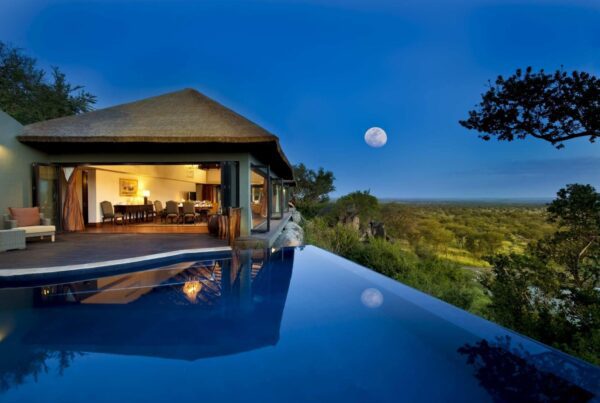
Both Uganda and Rwanda now offer an impressive range of lodges, from simple forest-edge guesthouses to ultra-luxury eco-lodges. In Rwanda, many properties near Volcanoes National Park lean toward high-end design, with contemporary architecture, polished spas and strong storytelling around conservation and community impact. Stays here often feel like a polished retreat with gorilla trekking as the centrepiece.
Ugandan lodges around Bwindi and Mgahinga offer increasing levels of luxury, but the overall atmosphere remains slightly more laid-back and varied. Guests might stay in a small owner-run lodge with views across terraced hillsides, a chic forest camp tucked into the trees, or a classic safari lodge on a lake or savannah before or after trekking. This mix suits travellers who enjoy characterful stays, local flavour and the flexibility to blend different regions and budgets within one trip.
Health, Safety and Conservation Impact
Health and safety are central to gorilla trekking in every country because mountain gorillas are extremely vulnerable to human disease and environmental disturbance. All parks enforce a minimum viewing distance where possible, time limits, mask or etiquette requirements around coughing and sneezing, and restrictions on visiting when sick. Rangers are highly trained, and armed escorts accompany groups through the forest mainly as a precautionary measure in wildlife areas.
On the conservation side, all three countries use gorilla permit revenue to fund park management, anti-poaching operations and community projects, from health clinics and schools to road improvements and cultural tourism initiatives. Where Uganda often excels is in the breadth of community-based tourism around Bwindi, such as Batwa cultural experiences and village walks that allow travellers to see how gorilla tourism shapes daily life. Rwanda, meanwhile, is well known for its national revenue-sharing schemes and high-profile conservation events and investments that keep gorillas central to its broader tourism strategy.
So Which Country Really Offers the Better Gorilla Trekking Experience?
There is no single “best” country for gorilla trekking because each destination shines for a different type of traveller. If you dream of a raw, adventurous forest hike, want strong value from your permit and plan to combine gorillas with chimps, lions and classic savannah game viewing, Uganda often delivers the most complete and cost-effective safari circuit. The variety of gorilla sectors in Bwindi and the option of two gorilla parks also mean more flexibility in availability and routing.
If your priority is a short, high-impact trip with minimal internal travel and very polished logistics, Rwanda is hard to beat. You can fly into Kigali, reach Volcanoes National Park quickly, stay in luxurious lodges and enjoy superb guiding without covering huge distances by road. Travellers who enjoy contemporary lodge design and a seamless, premium feel often choose Rwanda even at a higher permit price. For experienced adventurers seeking something more remote and unconventional, DRC’s Virunga can be extraordinary when conditions allow, though it requires extra research and risk tolerance.
Ultimately, the “better” experience is the one that matches your travel style, fitness, budget and wider safari plans. All three countries protect the same remarkable species, and the quiet moment when a silverback lifts his head or a youngster tumbles through the vines feels equally awe-inspiring whether you are standing in Uganda, Rwanda or Congo.
Choosing the Right Gorilla Trek for You
When deciding where to go, start with how much time you have and what else you want to see in Africa. With only a few days, Rwanda’s accessible Volcanoes National Park makes planning straightforward. With a week or more and a desire to see more of East Africa’s landscapes and wildlife, Uganda’s mix of forests, lakes and savannahs can create a fuller journey around your gorilla trek. If you already have multiple safaris under your belt and crave a wilder edge, you can keep an eye on opportunities in DRC when security conditions are favourable.
Whichever country you choose, booking permits well in advance, preparing physically for uneven terrain and embracing the early start and unpredictable nature of the forest will help you make the most of your trek. Gorilla trekking is never entirely easy, but it is almost always worth every step, and the knowledge that your permit contributes directly to the survival of these great apes and to the well-being of communities around the parks adds a deeper meaning to the experience.