Best Places for Safaris in Tanzania
The best places for safaris in Tanzania represent the very essence of African wildlife travel, defined by vast open landscapes, exceptional biodiversity, and a conservation legacy that has preserved nature in its purest form. Tanzania is globally recognized as one of the finest safari destinations on Earth, not because of a single park or reserve, but due to the remarkable collection of ecosystems that together create a complete and deeply immersive safari experience. From iconic savannahs shaped by ancient migrations to remote wilderness areas where solitude defines the journey, Tanzania offers safari destinations that consistently exceed expectations.
This comprehensive guide explores the best places for safaris in Tanzania in depth, focusing on why each destination plays a vital role in shaping the country’s unmatched safari reputation. Through ecological context, experiential insight, and authoritative perspective, this piece highlights how Tanzania delivers safari experiences that are both timeless and transformative.
Introduction to the Best Places for Safaris in Tanzania
The best places for safaris in Tanzania are defined by scale, authenticity, and ecological continuity. Unlike destinations where wildlife is confined to small reserves, Tanzania’s protected areas form interconnected ecosystems where animals move freely according to seasonal rhythms. This freedom allows travelers to witness wildlife behavior that remains natural, unpredictable, and deeply compelling.
Tanzania has dedicated more than one third of its land to conservation, ensuring that safari destinations remain unspoiled and resilient. This commitment has resulted in a safari network that supports some of the largest wildlife populations in Africa, including the world’s greatest terrestrial migration. As a result, the best places for safaris in Tanzania offer experiences that feel immersive rather than curated, making each journey uniquely memorable.
Serengeti National Park and the Heart of Tanzanian Safaris
Serengeti National Park stands at the center of the best places for safaris in Tanzania, both geographically and symbolically. The Serengeti is synonymous with African safaris and is globally celebrated for hosting the Great Wildebeest Migration, an annual cycle involving millions of wildebeest, zebra, and gazelle moving across the ecosystem in search of fresh grazing.
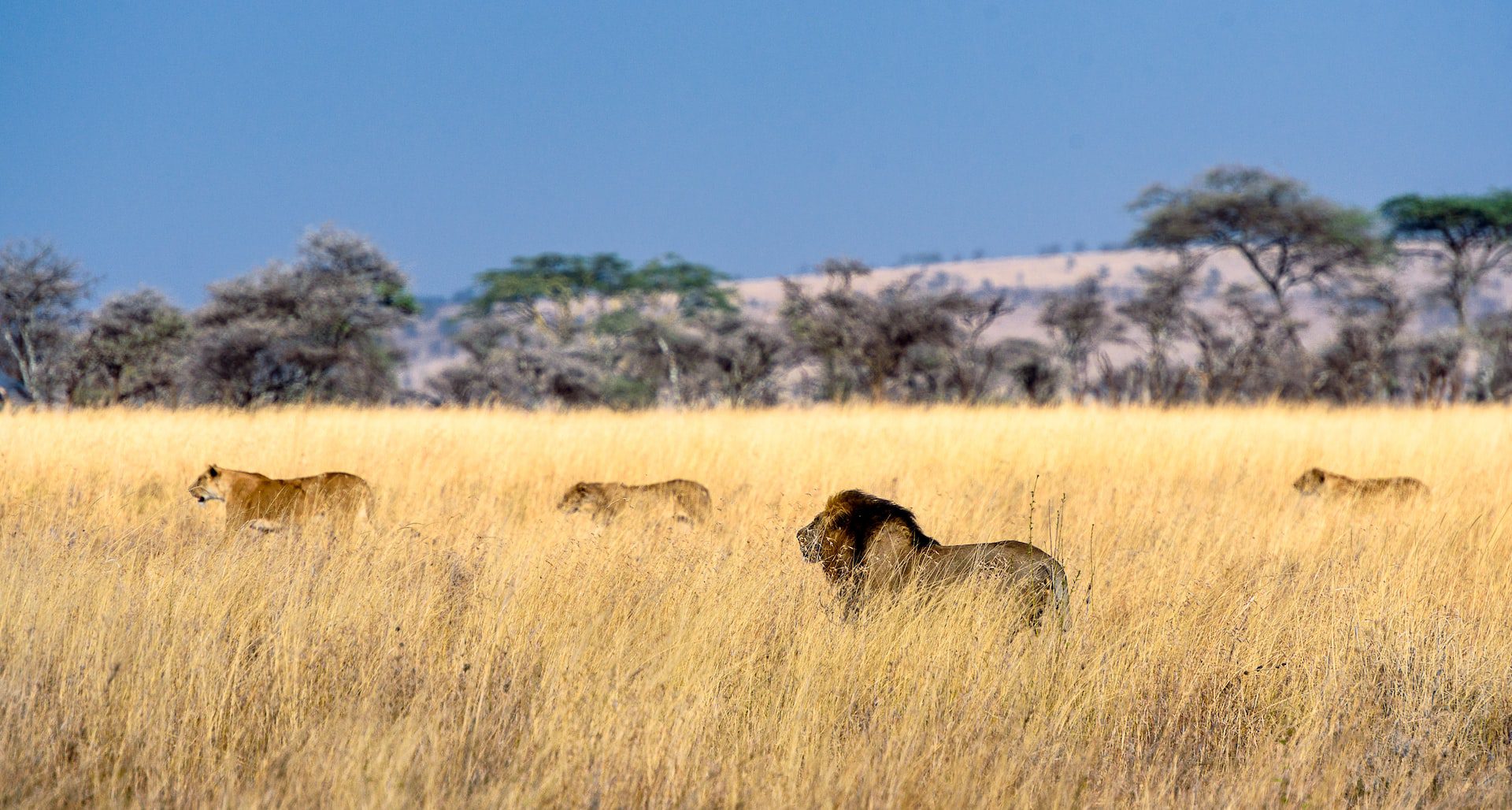
What elevates the Serengeti beyond its migration fame is its year-round wildlife abundance. Large lion prides dominate the plains, cheetahs thrive in open grasslands, and leopards inhabit riverine forests. Wildlife encounters occur on a grand scale, often without the presence of crowds, reinforcing the Serengeti’s reputation as one of the most authentic safari destinations in the world.
The Serengeti’s vast size allows it to offer diverse safari experiences throughout the year. The southern plains host the wildebeest calving season, the central Seronera region delivers consistent predator sightings, and the northern reaches provide dramatic river crossings. This adaptability ensures that the Serengeti remains one of the best places for safaris in Tanzania regardless of travel timing.
Ngorongoro Crater and Exceptional Wildlife Density
The Ngorongoro Crater represents one of the most unique entries among the best places for safaris in Tanzania. Formed by a collapsed volcanic caldera, the crater creates a natural enclosure that supports an extraordinary concentration of wildlife within a relatively compact area. This density allows for highly productive safari experiences in a single day.
Inside the crater, grasslands, wetlands, and forests coexist, supporting lions, elephants, buffalo, zebras, and one of the highest populations of black rhinoceros in East Africa. The dramatic crater walls enhance the visual impact, creating a setting that feels both intimate and monumental.
Beyond wildlife, the Ngorongoro Conservation Area is notable for its approach to coexistence. Maasai communities continue traditional pastoral practices within the conservation area, adding cultural depth to the safari experience and reinforcing the holistic nature of Tanzania’s safari destinations.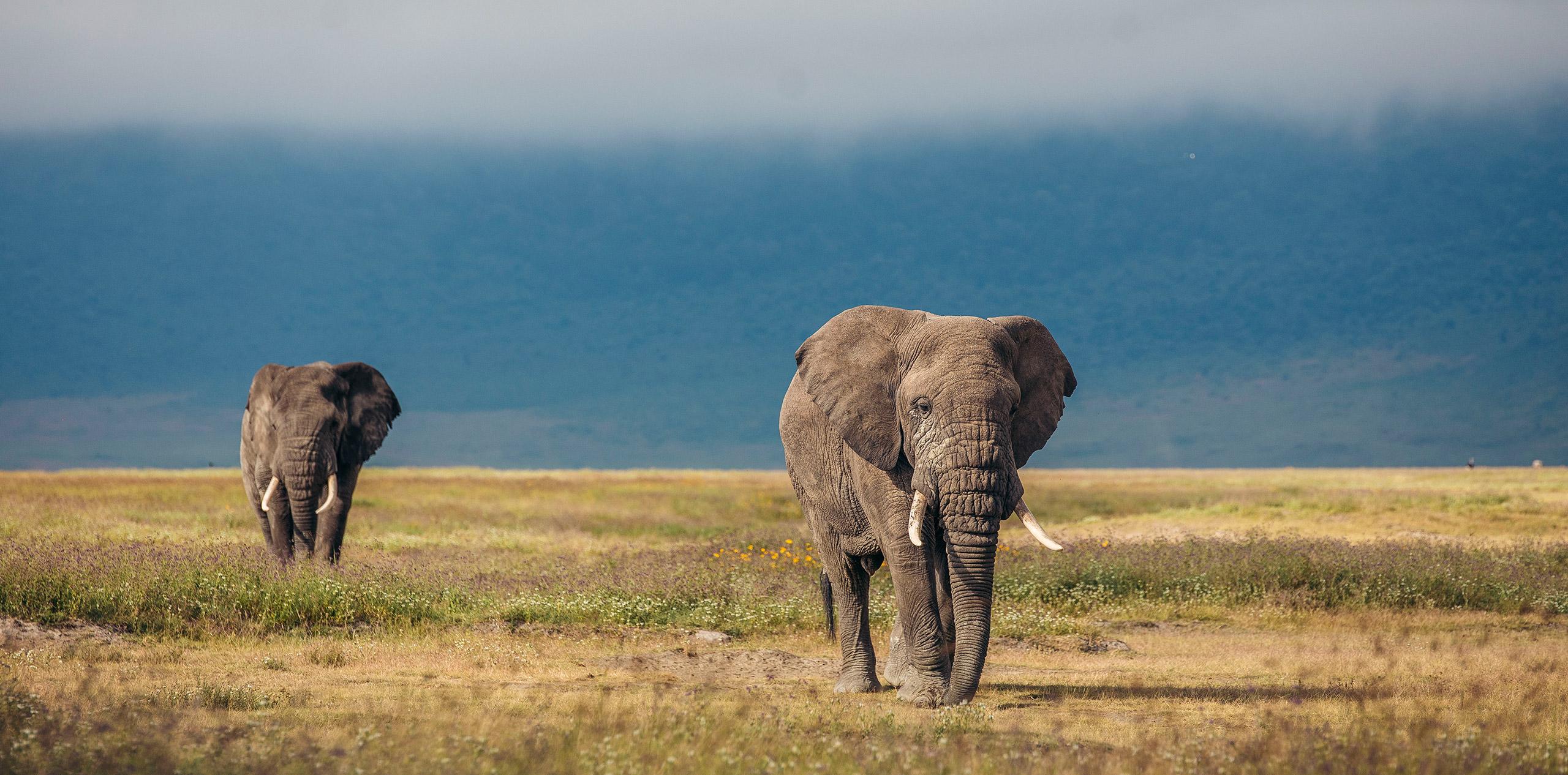
Tarangire National Park and Elephant-Centered Safaris
Tarangire National Park is widely regarded as one of the best places for safaris in Tanzania, particularly for travelers seeking dramatic landscapes and large elephant populations. The park is defined by the Tarangire River, which becomes a critical water source during the dry season and attracts wildlife from surrounding regions.
Elephants are the park’s most iconic residents, with herds often numbering in the hundreds. These animals move through landscapes dominated by ancient baobab trees, creating some of Tanzania’s most recognizable safari imagery. In addition to elephants, Tarangire supports lions, leopards, giraffes, and a remarkable diversity of birdlife.
The park’s quieter atmosphere compared to the Serengeti enhances its appeal, offering a more relaxed and exclusive safari experience. This balance of wildlife abundance and tranquility secures Tarangire’s place among the best places for safaris in Tanzania.
Lake Manyara National Park and Scenic Variety
Lake Manyara National Park adds scenic diversity to the best places for safaris in Tanzania. Located beneath the Great Rift Valley escarpment, the park features a compact yet diverse range of habitats, including groundwater forests, open plains, and alkaline lake environments.
Tree-climbing lions, large troops of baboons, and vibrant birdlife define the park’s character. Flamingos and other waterbirds gather along the lake’s shores during favorable conditions, creating colorful and dynamic scenes. Seasonal changes dramatically alter the landscape, ensuring that each visit feels distinct.
Lake Manyara’s manageable size makes it an ideal complement to larger parks, enhancing itinerary flow while offering unique wildlife and scenery.
Ruaha National Park and Untamed Wilderness
Ruaha National Park represents the raw and remote side of the best places for safaris in Tanzania. As the country’s largest national park, Ruaha offers vast, rugged landscapes that remain largely untouched by mass tourism. This remoteness allows wildlife behavior to unfold naturally, creating safari experiences defined by authenticity and exploration.
The park is renowned for its high predator density, particularly lions and leopards, as well as significant populations of African wild dogs. The Great Ruaha River serves as a focal point for wildlife during the dry season, drawing animals into dramatic riverine settings.
Ruaha’s isolation and scale appeal to seasoned safari travelers seeking a deeper connection to wilderness, firmly establishing it as one of the best places for safaris in Tanzania.
Nyerere National Park and River-Based Safaris
Nyerere National Park, formerly part of the Selous Game Reserve, is a standout among the best places for safaris in Tanzania due to its immense size and diverse safari activities. The park is defined by the Rufiji River system, which supports a rich ecosystem and enables unique safari experiences.
Boat safaris along the Rufiji River offer close encounters with hippos, crocodiles, and elephants from a water-level perspective. Walking safaris further enhance immersion, allowing travelers to explore the landscape on foot under expert guidance. These activities distinguish Nyerere from northern parks and add depth to Tanzania’s safari offerings.
Low visitor density ensures a sense of solitude and exclusivity, reinforcing Nyerere’s reputation as a premier wilderness destination.
Western Tanzania and Remote Safari Frontiers
Western Tanzania contributes an adventurous dimension to the best places for safaris in Tanzania. Parks such as Katavi National Park remain among Africa’s least visited yet most wildlife-rich destinations. Katavi is known for its seasonal wildlife concentrations, particularly large herds of buffalo and hippos during the dry season.
The remoteness of western Tanzania limits visitor numbers, creating safari experiences defined by isolation and discovery. Wildlife encounters here feel raw and unfiltered, appealing to travelers seeking a truly off-the-beaten-path safari.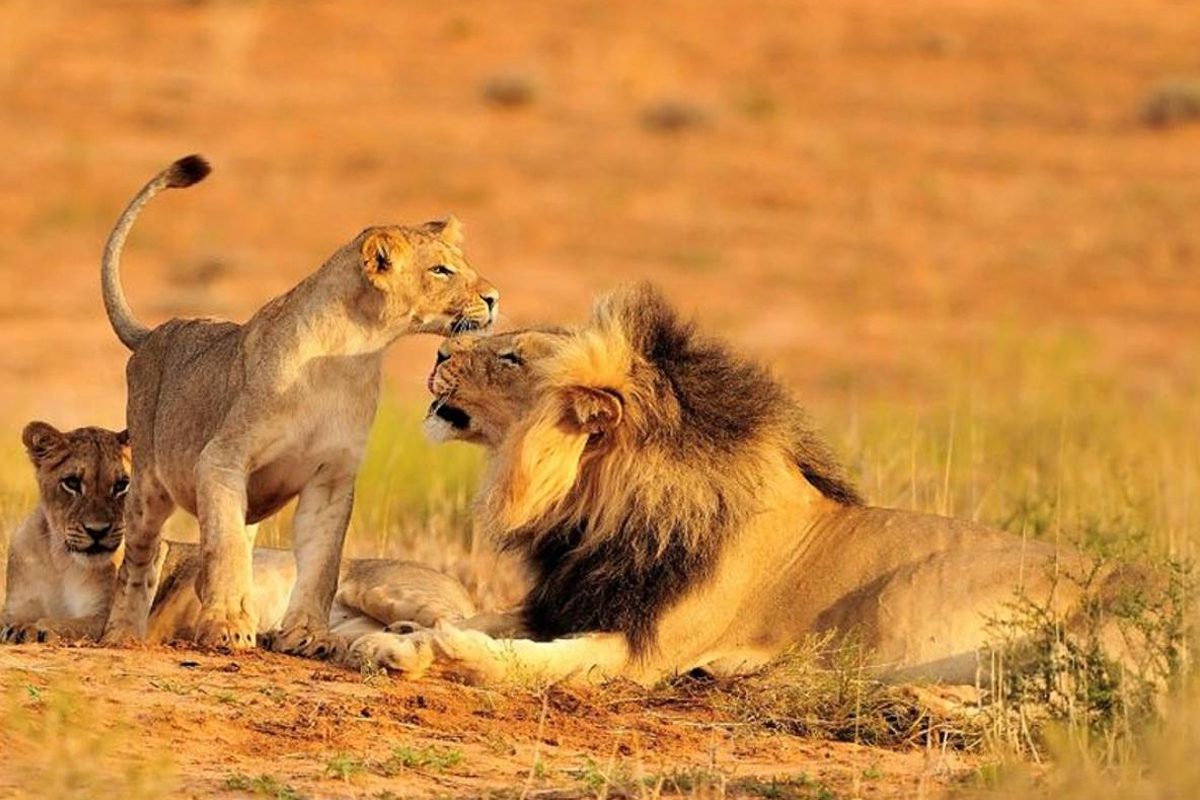
Cultural Landscapes and Human Heritage
The best places for safaris in Tanzania are enriched by cultural landscapes that provide context and meaning to wildlife experiences. Encounters with Maasai, Hadzabe, and Datoga communities offer insight into traditional ways of life that have coexisted with wildlife for centuries.
These cultural experiences are integrated respectfully, emphasizing exchange rather than spectacle. By incorporating human heritage into safari journeys, Tanzania delivers a more holistic and meaningful travel experience.
Accommodation and Safari Immersion
Accommodation plays a crucial role in defining the best places for safaris in Tanzania. From luxury lodges overlooking watering holes to mobile tented camps that follow wildlife movements, accommodations are designed to enhance immersion rather than detract from it.
Sustainability is increasingly prioritized, with many lodges operating on solar power and supporting local communities. Despite their remote locations, these accommodations offer exceptional comfort, personalized service, and strong connections to their surroundings.
Best Time to Visit the Best Places for Safaris in Tanzania
Seasonality shapes the experience of the best places for safaris in Tanzania. The dry season, typically from June to October, offers excellent wildlife viewing as animals concentrate around water sources. This period is particularly popular for predator sightings and migration river crossings.
The green season, from November to March, transforms the landscape with lush vegetation, fewer visitors, and unique wildlife events such as the wildebeest calving season. Each season offers distinct advantages, allowing safaris to be tailored to individual interests.
Why Tanzania Offers the Best Safari Destinations
The best places for safaris in Tanzania collectively create a safari experience that is unmatched in scale, diversity, and authenticity. From the legendary Serengeti to the remote wilderness of Ruaha and Nyerere, Tanzania offers safari destinations that cater to a wide range of travel styles while maintaining ecological integrity.
Rather than delivering isolated highlights, Tanzania presents a continuous narrative shaped by migration, seasons, and conservation. This depth ensures that safari journeys remain meaningful and memorable, securing Tanzania’s position as the ultimate destination for those seeking the best places for safaris in Africa.