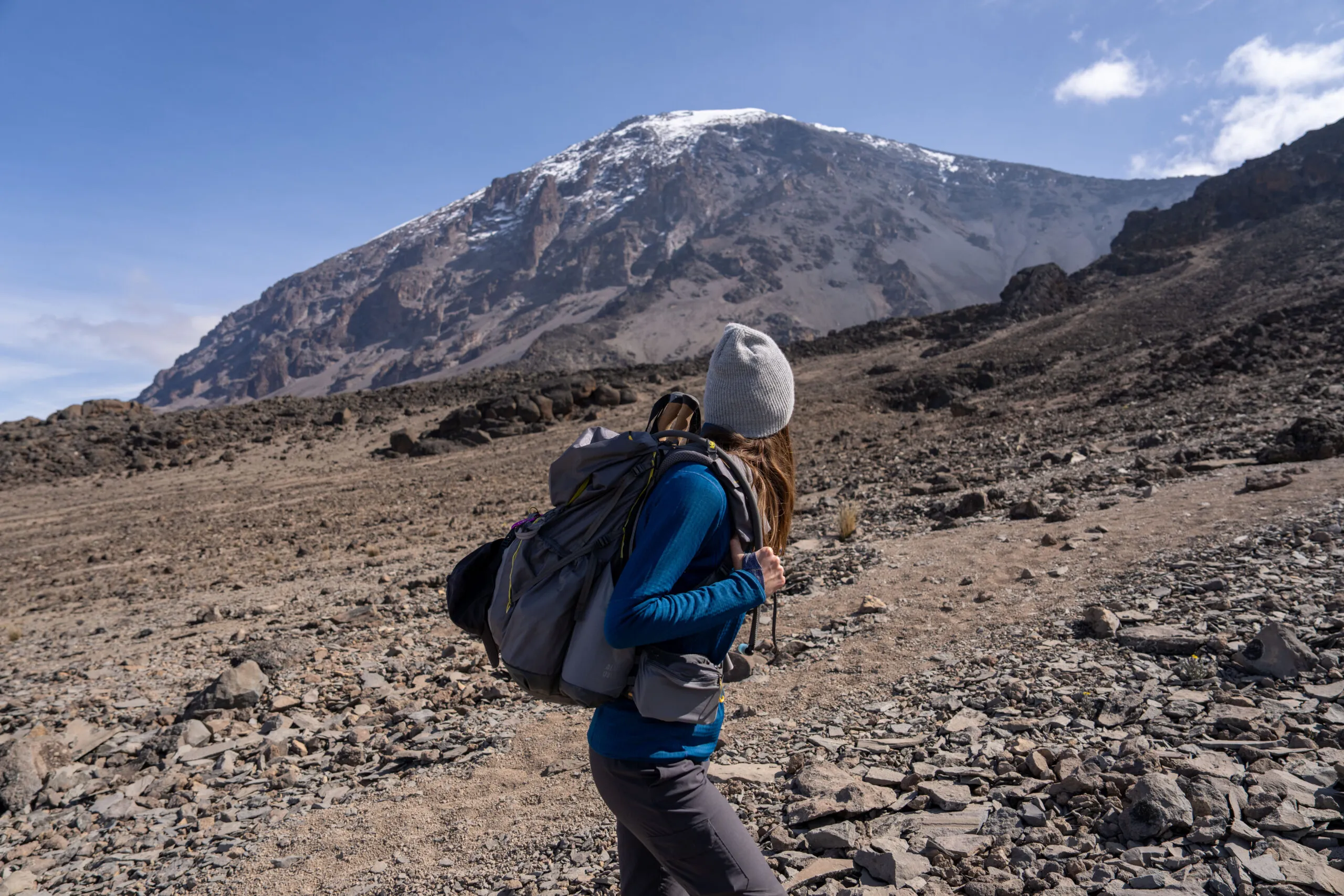
Best Time for Climbing Kilimanjaro
Understanding the best time for climbing Kilimanjaro is one of the most decisive factors in achieving a safe, enjoyable, and successful ascent of Africa’s highest mountain. Mount Kilimanjaro rises to 5,895 meters above sea level and stands alone as the world’s tallest free-standing mountain. While it can technically be climbed year-round, conditions on the mountain vary significantly depending on season, weather patterns, trail conditions, visibility, and crowd levels. Choosing the right time to climb is therefore not simply a matter of convenience, but a strategic decision that directly affects acclimatization, comfort, and summit success.
This in-depth guide explores the best time for climbing Kilimanjaro from every essential perspective, including weather cycles, seasonal advantages, crowd considerations, route performance, and overall climbing experience. The goal is to provide a clear, authoritative, and realistic understanding of when Kilimanjaro is at its best, allowing climbers to plan with confidence and clarity.
Introduction to the Best Time for Climbing Kilimanjaro
The best time for climbing Kilimanjaro is closely tied to Tanzania’s seasonal climate rather than extreme temperature changes. Unlike mountains in colder regions, Kilimanjaro sits close to the equator, meaning temperatures remain relatively stable throughout the year. However, rainfall patterns, cloud cover, and trail conditions vary dramatically by season, influencing visibility, footing, and overall comfort on the mountain.
Kilimanjaro has two primary dry seasons and two rainy seasons. While climbs are possible throughout the year, the dry seasons consistently deliver the most favorable conditions for trekking, making them the preferred periods for most climbers. Understanding these seasonal patterns is essential for selecting the best time for climbing Kilimanjaro based on individual goals and expectations.
How Weather Determines the Best Time for Climbing Kilimanjaro
Weather is the most important factor when evaluating the best time for climbing Kilimanjaro. While the mountain’s altitude zones create changing conditions as climbers ascend, regional weather patterns influence trail safety, visibility, and overall experience.
During dry months, trails are firmer, skies are clearer, and summit nights are more predictable. In contrast, rainy months bring muddy paths, increased cloud cover, and higher humidity at lower elevations. Although rain does not necessarily make climbing unsafe, it can reduce comfort and increase physical strain.
For this reason, the best time for climbing Kilimanjaro is generally associated with dry, stable weather that allows climbers to focus on acclimatization and endurance rather than environmental challenges.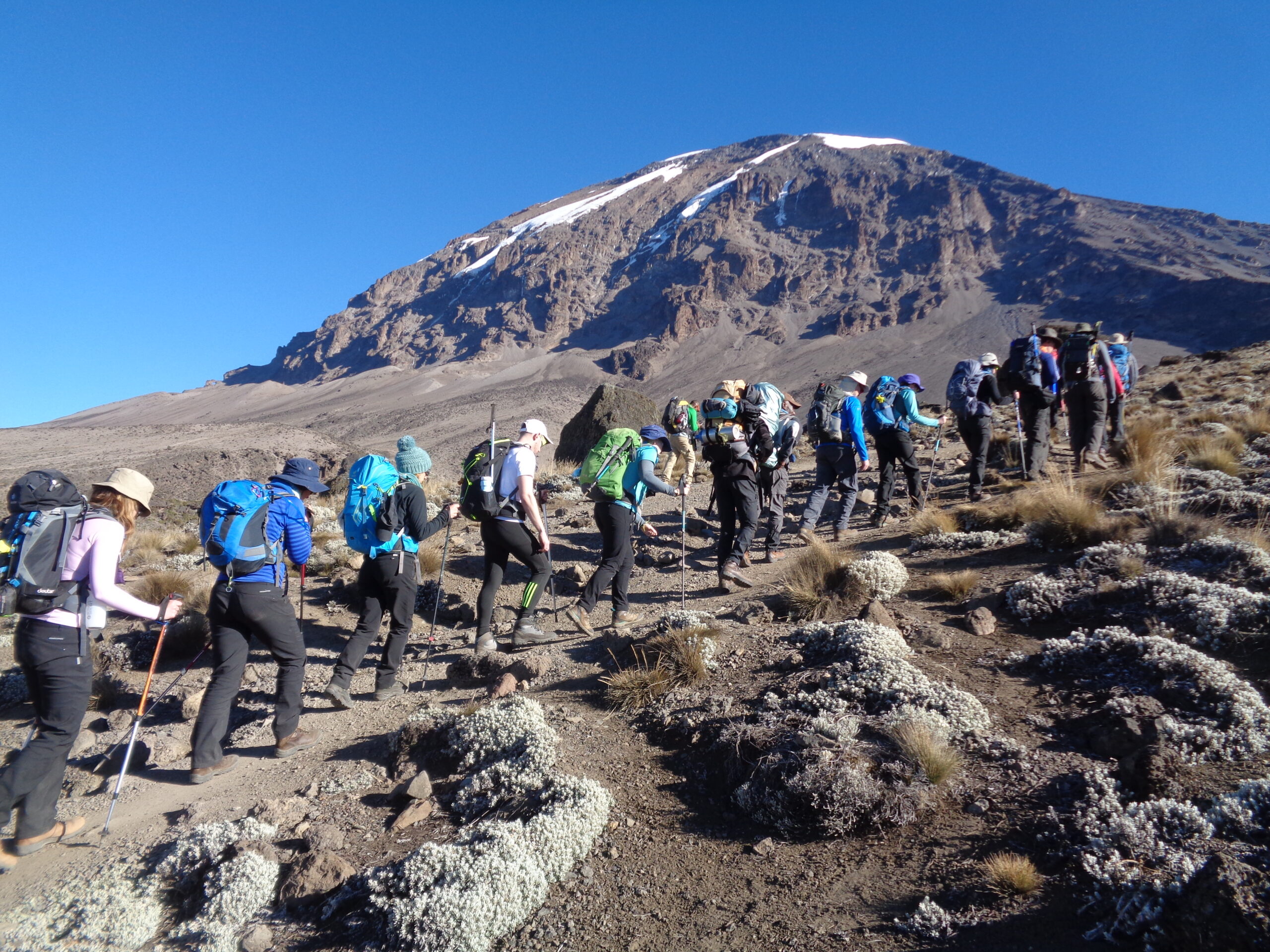
January to March: A Strong Contender for the Best Time for Climbing Kilimanjaro
January to March is often considered one of the best times for climbing Kilimanjaro, particularly for climbers seeking a balance between favorable weather and moderate crowd levels. This period falls between the short rains of November and December and the long rains that typically begin in late March.
During these months, conditions on the mountain are relatively dry, with clear mornings and occasional afternoon cloud build-up. Temperatures are slightly warmer than later in the year, which can make sleeping at higher camps more comfortable. Snow may still be present near the summit, adding to the scenic appeal without significantly impacting safety.
Visibility during this period is often excellent, especially in the early mornings, allowing climbers to enjoy expansive views across the plains of Tanzania and, on clear days, into Kenya. For climbers prioritizing comfort and scenic value, January to March represents a prime window within the best time for climbing Kilimanjaro.
June to October: The Most Popular Best Time for Climbing Kilimanjaro
June through October is widely regarded as the best time for climbing Kilimanjaro and is also the busiest period on the mountain. This extended dry season offers the most stable weather, minimal rainfall, and excellent trail conditions across all routes.
During these months, skies are generally clear, especially at higher elevations, providing outstanding visibility and iconic summit views. Daytime temperatures are cooler, which can make long hiking days more comfortable, though nights at high camps are colder compared to earlier months in the year.
The popularity of this period means that trails, campsites, and huts are busier, particularly in July, August, and September. While crowd levels increase, the reliability of conditions makes this period the top choice for first-time climbers, photographers, and those with limited flexibility.
From a purely environmental standpoint, June to October consistently ranks as the best time for climbing Kilimanjaro due to predictable weather and high summit success rates.
The Role of Dry Seasons in Summit Success
Summit success is closely linked to the best time for climbing Kilimanjaro, and dry seasons consistently deliver higher success rates. Stable weather reduces delays, improves morale, and minimizes physical exhaustion caused by wet gear and slippery trails.
Dry conditions also improve the effectiveness of acclimatization schedules, as climbers can maintain consistent pacing without weather-related interruptions. Guides are able to follow optimal itineraries, ensuring that altitude gain and rest days are properly balanced.
For climbers whose primary goal is reaching Uhuru Peak, aligning the climb with the best time for climbing Kilimanjaro significantly improves the likelihood of success.
April and May: The Long Rainy Season
April and May are generally considered the most challenging months when assessing the best time for climbing Kilimanjaro. This period corresponds to the long rainy season in Tanzania, during which the mountain experiences frequent and sometimes heavy rainfall, particularly at lower elevations.
Trails become muddy and slippery, increasing physical effort and reducing comfort. Cloud cover is more persistent, limiting visibility and diminishing scenic rewards. While the mountain is far less crowded during this time, the trade-off is a more demanding climb with fewer visual highlights.
That said, experienced climbers who value solitude and are comfortable with wet conditions may still choose this period. However, for most trekkers, April and May are not considered part of the best time for climbing Kilimanjaro.
November: The Short Rains and Transitional Conditions
November represents a transitional period when evaluating the best time for climbing Kilimanjaro. Short rains typically occur during this month, though rainfall is generally lighter and less consistent than in April and May.
Conditions can vary significantly from one year to the next. Some climbs experience minimal rain and excellent conditions, while others encounter cloud cover and wet trails. Crowds are relatively low, and pricing may be more favorable due to reduced demand.
For climbers with flexible expectations and a desire to avoid peak-season crowds, November can still offer a viable opportunity, though it is not universally considered the best time for climbing Kilimanjaro.
Temperature Considerations and Seasonal Comfort
Temperature plays a supporting role in determining the best time for climbing Kilimanjaro. At lower elevations, temperatures remain warm year-round, while higher elevations experience freezing conditions regardless of season.
During the January to March window, temperatures are slightly warmer overall, making nights at high camps marginally more comfortable. During the June to October period, colder nighttime temperatures are common, especially on summit night, requiring high-quality cold-weather gear.
While temperature differences alone do not determine the best time for climbing Kilimanjaro, they influence comfort levels and packing requirements, which can affect overall experience.
Crowds and the Best Time for Climbing Kilimanjaro
Crowd levels are an important consideration when choosing the best time for climbing Kilimanjaro. Peak months attract climbers from around the world, resulting in busier trails and camps, particularly on popular routes such as Machame and Marangu.
While crowds do not diminish safety, they can affect the sense of solitude and wilderness that many climbers seek. For those prioritizing a quieter experience, climbing during shoulder months such as January, February, or late October may offer a better balance between conditions and crowd density.
Understanding how crowd dynamics align with the best time for climbing Kilimanjaro allows climbers to match timing with personal preferences.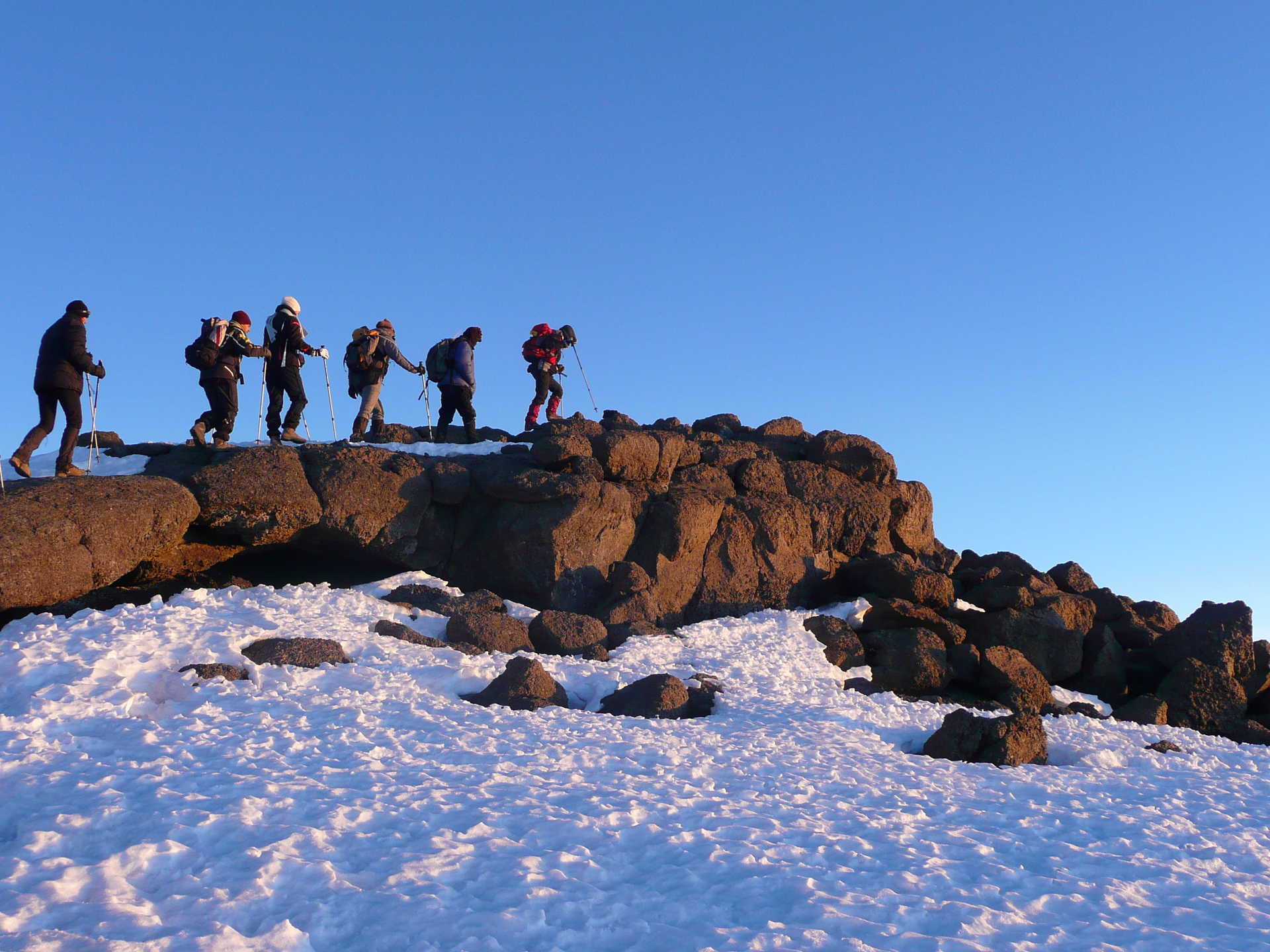
Route Performance by Season
Different routes perform differently depending on the best time for climbing Kilimanjaro. Routes such as Lemosho and the Northern Circuit perform well year-round due to longer itineraries and superior acclimatization profiles.
During wetter months, northern routes such as Rongai receive less rainfall, making them more suitable outside peak dry seasons. Southern routes, while more scenic, are more affected by rain during wet periods.
Choosing the right route in combination with the best time for climbing Kilimanjaro significantly enhances comfort and success rates.
Visibility and Photography Conditions
Visibility is a key reason why dry months dominate discussions about the best time for climbing Kilimanjaro. Clear skies during dry seasons allow for expansive views from the mountain, particularly at sunrise and sunset.
Photographers benefit from crisp light, reduced cloud cover, and dramatic contrasts between snow, rock, and sky. While wet seasons offer lush landscapes and unique moods, visibility is less reliable.
For climbers who value scenic rewards and photography, the best time for climbing Kilimanjaro aligns strongly with dry weather periods.
Wildlife, Landscapes, and Seasonal Beauty
Seasonality also affects the landscapes encountered while climbing. During wet months, lower slopes are lush and green, with vibrant vegetation and occasional wildlife sightings. During dry months, landscapes are more subdued but offer clearer views and easier footing.
While this factor is secondary to safety and weather, it contributes to personal definitions of the best time for climbing Kilimanjaro based on aesthetic preference.
Best Time for Climbing Kilimanjaro for First-Time Climbers
For first-time climbers, the best time for climbing Kilimanjaro is typically during the main dry seasons. Predictable weather, firm trails, and high success rates reduce uncertainty and allow climbers to focus on acclimatization and pacing.
June to October and January to March consistently offer the most forgiving conditions, making them ideal for those with limited high-altitude experience.
Best Time for Climbing Kilimanjaro for Experienced Trekkers
Experienced trekkers may define the best time for climbing Kilimanjaro differently, valuing solitude, challenge, or unique conditions. Shoulder seasons and even parts of the rainy season may appeal to those comfortable with variable weather.
While these periods require greater mental and physical resilience, they offer quieter trails and a more personal connection with the mountain.
Final Verdict on the Best Time for Climbing Kilimanjaro
The best time for climbing Kilimanjaro is ultimately shaped by weather stability, comfort, crowd tolerance, and personal goals. For most climbers, the optimal windows fall between January to March and June to October, when dry conditions, good visibility, and high success rates align.
While Kilimanjaro can be climbed year-round, choosing the best time for climbing Kilimanjaro significantly enhances the experience, reduces unnecessary hardship, and improves the likelihood of reaching the summit safely.
By aligning timing with seasonal advantages and realistic expectations, climbers position themselves for one of the most rewarding trekking experiences in the world. Kilimanjaro rewards preparation, patience, and respect for its rhythms, and choosing the right time to climb is the foundation upon which a successful ascent is built.