
Best Time to Climb Kilimanjaro: A Complete Guide to Choosing the Perfect Season
Best time to climb Kilimanjaro is one of the most common and important questions asked by trekkers planning to conquer Africa’s highest peak. Mount Kilimanjaro, rising to 5,895 meters above sea level, is not only the tallest mountain in Africa but also the highest free-standing mountain in the world. While it is accessible to non-technical climbers, success, safety, and enjoyment depend heavily on timing. Choosing the best time to climb Kilimanjaro can make the difference between a challenging yet rewarding adventure and a difficult, uncomfortable experience.
This in-depth guide explores the best time to climb Kilimanjaro in detail, examining weather patterns, seasons, visibility, crowd levels, route conditions, and personal preferences. Whether you are a first-time trekker or an experienced hiker, understanding the nuances of Kilimanjaro’s climate will help you plan a successful and unforgettable ascent.
Understanding Why the Best Time to Climb Kilimanjaro Matters
The best time to climb Kilimanjaro is closely linked to weather, which directly affects trail conditions, visibility, safety, and overall comfort. Although Mount Kilimanjaro can technically be climbed year-round, not all months offer the same experience. Rainfall, temperature fluctuations, snow conditions, and crowd density vary significantly throughout the year.
Kilimanjaro’s massive size creates its own microclimates. Climbers pass through tropical rainforest, heath and moorland, alpine desert, and arctic summit zones. Weather conditions can change rapidly within a single day, making seasonal planning essential. Understanding the best time to climb Kilimanjaro allows climbers to minimize risks, maximize enjoyment, and increase summit success rates.
Overview of Kilimanjaro’s Seasons
To determine the best time to climb Kilimanjaro, it is important to understand Tanzania’s seasonal patterns. Kilimanjaro experiences two main dry seasons and two rainy seasons. These seasons influence trail conditions, cloud cover, and trekking comfort.
The long dry season typically runs from June to October, while the short dry season occurs from January to February. The long rainy season usually falls between March and May, and the short rainy season occurs from November to December. Each of these periods offers a different climbing experience, which is why defining the best time to climb Kilimanjaro depends on your priorities.
Best Time to Climb Kilimanjaro: January to February
January and February are widely considered one of the best time to climb Kilimanjaro. This period falls within the short dry season and offers relatively stable weather, moderate temperatures, and good visibility.
During these months, rainfall is minimal, especially compared to the long rainy season. Trails are generally dry, making trekking more comfortable and reducing the risk of slips and mud-related fatigue. The skies are often clear, providing excellent views of the surrounding plains and, on summit day, breathtaking panoramas from Uhuru Peak.
Temperatures during January and February are slightly warmer than in other months, which can make high-altitude nights more manageable for some climbers. Snow coverage near the summit is often present but not excessive, adding to the beauty without significantly increasing technical difficulty.
Another advantage of this period is moderate crowd levels. While January and February are popular, they are generally less crowded than peak months in the long dry season. For many trekkers, this balance of good weather and manageable crowds makes January and February an ideal answer to the question of the best time to climb Kilimanjaro.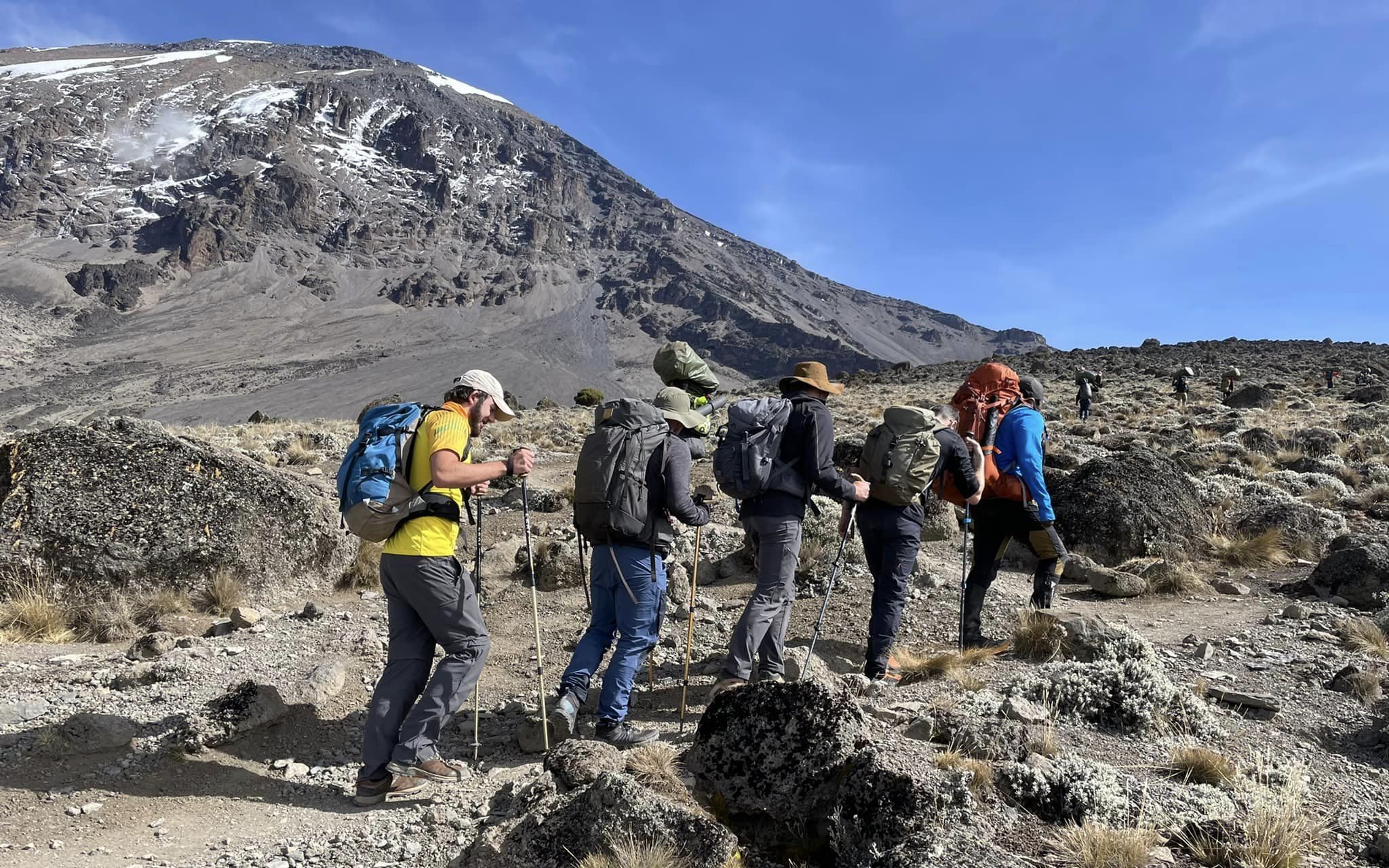
Best Time to Climb Kilimanjaro: June to October
June to October is often regarded as the absolute best time to climb Kilimanjaro, particularly for those seeking the highest chances of success and the best overall conditions. This period corresponds with the long dry season, when rainfall is at its lowest and weather patterns are most predictable.
During these months, trails are dry and firm, making trekking conditions optimal. The risk of heavy rain is minimal, and visibility is generally excellent. Climbers are rewarded with sweeping views across the African plains, and summit nights often feature clear skies that enhance the sense of achievement.
However, the best time to climb Kilimanjaro in terms of weather also coincides with peak tourist season. June, July, August, and September attract the highest number of climbers. This means busier trails, more crowded campsites, and a more social climbing experience.
Temperatures during this period are colder, especially at higher altitudes. Summit night can be particularly cold, with temperatures dropping well below freezing. Proper gear and preparation are essential, but the cold is often considered a worthwhile trade-off for stable weather and high summit success rates.
Best Time to Climb Kilimanjaro for Clear Views and Photography
For those prioritizing photography and scenic views, the best time to climb Kilimanjaro is during the dry seasons when cloud cover is minimal. January, February, and the months from June to October offer the clearest conditions.
During the rainy seasons, clouds often obscure views, especially in the rainforest and mid-altitude zones. In contrast, dry-season climbs provide stunning sunrise and sunset opportunities, expansive views of the surrounding landscapes, and dramatic summit scenes.
Photographers often consider September and February as particularly rewarding. September offers crisp air and long dry spells, while February combines clear skies with a touch of snow near the summit, creating visually striking contrasts.
Best Time to Climb Kilimanjaro: March to May (The Long Rains)
March to May is generally considered the least favorable period and is rarely recommended as the best time to climb Kilimanjaro. This is the long rainy season, characterized by frequent and sometimes heavy rainfall.
During this period, trails become muddy and slippery, especially in the rainforest zone. Campsites can be wet and uncomfortable, and cloud cover often obscures views. The increased moisture also raises the risk of hypothermia and makes drying gear difficult.
However, climbing during the long rains is not without its advantages. The mountain is quieter, offering a sense of solitude and exclusivity. The landscape is lush and green, and wildflowers bloom in lower zones. For experienced trekkers who are well-prepared and seeking fewer crowds, this period can still be rewarding.
Despite these benefits, for most climbers, March to May does not represent the best time to climb Kilimanjaro due to increased discomfort and reduced visibility.
Best Time to Climb Kilimanjaro: November to December (Short Rains)
November and December fall within the short rainy season, which is generally milder than the long rains. Rainfall during this period is often intermittent rather than constant, and there are still many clear days.
While not traditionally considered the best time to climb Kilimanjaro, November and December can be a reasonable option for climbers seeking fewer crowds and moderate conditions. Trails may be damp, but they are usually passable, and temperatures are relatively mild.
December, particularly toward the end of the month, becomes more popular due to holiday travel. Climbers during this time may experience a mix of clear mornings and afternoon showers. With proper preparation and flexibility, this period can still offer a successful and enjoyable climb.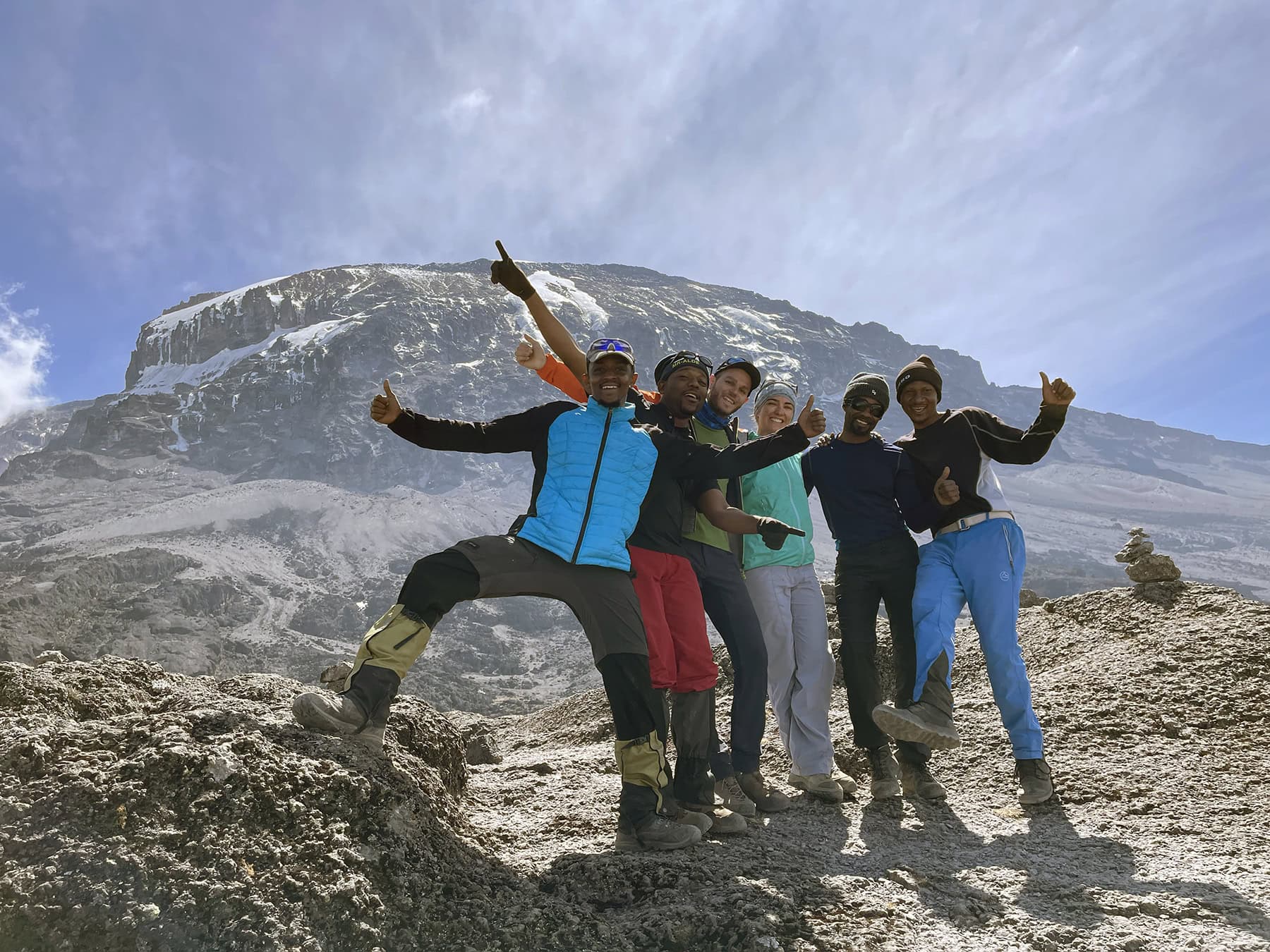
Best Time to Climb Kilimanjaro Based on Crowd Levels
Crowd preference plays a significant role in determining the best time to climb Kilimanjaro. Peak months, especially July, August, and September, attract the largest number of climbers. This results in a lively atmosphere, but also busier trails and camps.
For climbers seeking solitude, January, February, and parts of November can be more appealing. Even during the rainy seasons, the reduced number of climbers creates a quieter and more introspective experience.
Choosing the best time to climb Kilimanjaro based on crowd levels depends on whether you value social interaction or solitude. Both experiences have their merits, and Kilimanjaro accommodates a wide range of preferences.
Best Time to Climb Kilimanjaro for Summit Success
Summit success rates are closely tied to weather conditions and acclimatization rather than physical strength alone. The best time to climb Kilimanjaro for summit success is during the dry seasons, when stable weather reduces stress on the body and allows for more predictable ascent schedules.
Clear weather during summit night improves morale and visibility, while dry trails reduce fatigue. Combined with proper acclimatization and route selection, climbing during the dry season significantly increases the likelihood of reaching Uhuru Peak.
However, it is important to note that the best time to climb Kilimanjaro does not guarantee success. Proper preparation, a well-paced itinerary, and listening to your body remain the most critical factors.
Best Time to Climb Kilimanjaro by Route Choice
Different routes on Kilimanjaro respond differently to seasonal conditions. Some routes drain better during rainy periods, while others are more exposed during cold months.
For example, routes such as Rongai, which approaches from the north, tend to be drier during the rainy season, making them a better option if climbing outside the traditional best time to climb Kilimanjaro. In contrast, routes like Machame and Lemosho are more scenic but can be muddier during wet months.
During the dry season, all routes are generally accessible, allowing climbers to choose based on scenery, duration, and acclimatization rather than weather alone.
Best Time to Climb Kilimanjaro and Wildlife Experiences
While Kilimanjaro is primarily a trekking destination, the surrounding regions offer wildlife experiences that can influence the best time to climb Kilimanjaro. The dry season coincides with excellent wildlife viewing in nearby national parks, making it ideal for combining a climb with a safari.
Climbing Kilimanjaro between June and October allows travelers to enjoy peak safari conditions in Tanzania’s parks. January and February also offer good wildlife viewing, particularly during calving seasons in some areas.
For travelers planning a combined itinerary, aligning the best time to climb Kilimanjaro with optimal safari conditions enhances the overall experience.
Best Time to Climb Kilimanjaro for First-Time Climbers
For first-time climbers, the best time to climb Kilimanjaro is during the dry seasons, when conditions are more forgiving. Stable weather, dry trails, and clear visibility reduce stress and allow climbers to focus on acclimatization and enjoyment.
January, February, and the period from June to September are particularly suitable for beginners. These months offer a balance of comfort and challenge, helping first-time climbers build confidence as they ascend.
Choosing the right time is especially important for those unfamiliar with high-altitude trekking, as adverse weather can compound the difficulties of altitude adaptation.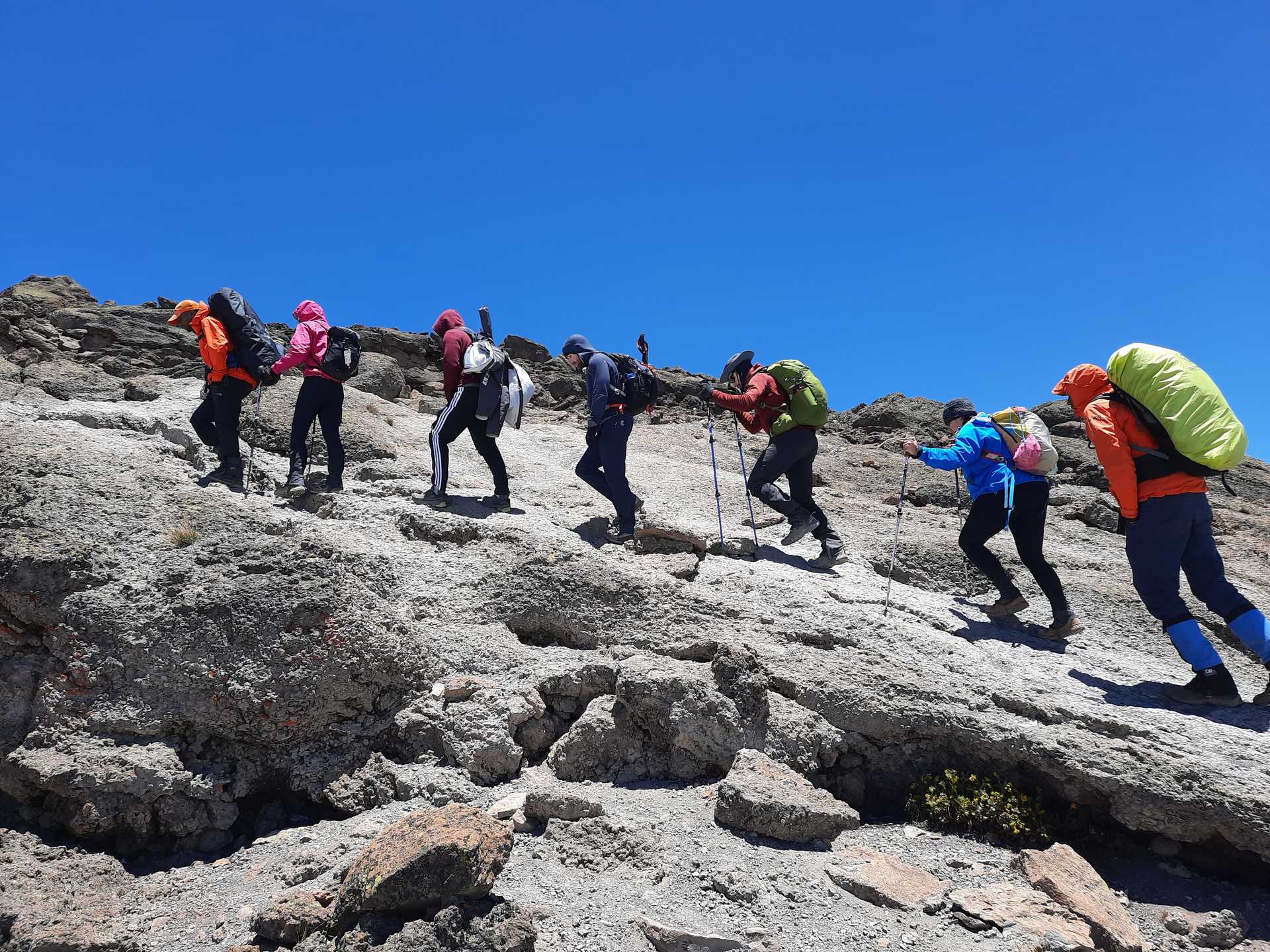
Best Time to Climb Kilimanjaro and Climate Change Considerations
Climate change is increasingly influencing the best time to climb Kilimanjaro. Shifting rainfall patterns and glacial retreat have introduced greater variability in weather conditions. While traditional seasons remain a useful guide, flexibility and up-to-date planning are more important than ever.
Glaciers near the summit continue to recede, making current generations among the last to witness Kilimanjaro’s iconic ice fields. This reality adds urgency and significance to choosing the best time to climb Kilimanjaro in the present era.
Final Thoughts on the Best Time to Climb Kilimanjaro
Best time to climb Kilimanjaro ultimately depends on your priorities, experience level, and expectations. For most climbers, the dry seasons from January to February and June to October offer the most favorable conditions, combining good weather, clear views, and high summit success rates.
However, Kilimanjaro is a mountain that rewards preparation and respect in any season. Each period offers its own character, challenges, and beauty. Understanding the nuances of the best time to climb Kilimanjaro allows you to choose a window that aligns with your goals, whether that is solitude, photography, comfort, or adventure.
Climbing Kilimanjaro is a life-changing journey. By choosing the best time to climb Kilimanjaro and preparing thoughtfully, you set the stage for an experience that is not only successful but deeply meaningful, standing on the Roof of Africa with a sense of achievement that will stay with you forever.