Best Time to Visit Tanzania for a Wildlife Safari
Tanzania is a land of immense beauty and magnificent diversity, where golden savannahs stretch endlessly beneath a sun-washed African sky and ancient migration routes guide millions of animals across world-renowned national parks. For wildlife lovers and safari enthusiasts, Tanzania offers one of the most extraordinary safari experiences on Earth. But one of the most common questions travellers ask is simple yet crucial: When is the best time to visit Tanzania for a wildlife safari?
The answer is not limited to a single season, because Tanzania is a year-round wildlife destination with shifting rhythms, seasonal spectacles, and natural events that offer unique safari encounters throughout the year. Understanding how the seasons transform the landscape and influence wildlife behavior is essential for planning a safari that aligns with your preferences, whether you dream of witnessing the Great Migration river crossings, photographing predators on the hunt, exploring lush green landscapes, or experiencing quieter parks with fewer crowds.
This comprehensive guide explores Tanzania’s weather patterns, wildlife movements, regional variances, and seasonal highlights to help you determine the perfect time for your dream safari.
Understanding Tanzania’s Seasons
Tanzania’s climate is shaped by two primary seasons: the dry season and the wet season. Both bring distinct advantages and unique wildlife moments. Unlike many destinations that follow rigid weather cycles, Tanzania’s national parks remain vibrant with life year-round, thanks to permanent water sources and protected habitats that support wildlife through every season.
The dry season generally runs from June to October, while the wet season spans November to May, with a short rainy period and a long rainy period. Each season offers travelers something different—from intense predator action during harsh dry months to the birth of thousands of wildebeest calves during the green season, when rainfall rejuvenates the plains. Knowing what each season offers allows families, honeymooners, photographers, and adventure seekers to plan strategically and maximize their safari experience.
June to October: The Classic Dry Season
The months from June to October are widely regarded as Tanzania’s peak safari season. During this time, the dry season transforms the landscapes into wide-open arenas ideal for exceptional wildlife visibility. Vegetation thins, water sources shrink, and wildlife congregates near rivers, marshes, and remaining waterholes. For travelers who want predictably high game density and clear, sunlit skies, these months provide some of the most spectacular safari conditions imaginable.
In the Serengeti, the Great Migration moves across the central and northern plains, attracting vast numbers of predators that follow the herds. This period is especially famous for the dramatic river crossings at the Mara River, where thousands of wildebeest plunge into crocodile-infested waters in one of nature’s most astonishing spectacles. In Tarangire National Park, enormous elephant herds gather around the Tarangire River, creating unforgettable scenes against the backdrop of ancient baobab forests.
The dry season also offers ideal conditions for visiting the Ngorongoro Crater, where wildlife roams freely across the crater floor, and visibility is enhanced by the crisp, dry air. Because the season aligns with summer holidays in many countries, these months tend to attract more visitors, particularly in July, August, and September. Still, the density of wildlife and the drama of natural interactions make this a prime time for anyone seeking classic safari experiences.
 November to December: The Short Rains and a Burst of New Life
After months of dryness, the short rains arrive in November and December, bringing revitalizing moisture to the land. These rains are typically brief and occur in the late afternoon or evening, allowing full days of game viewing with minimal disruption. The landscape begins to shift into a vibrant green, attracting herbivores that graze on the fresh vegetation.
For photographers, this season is a treasure. The skies fill with dramatic clouds, and the contrasting colors—golden plains mixed with patches of green—create exquisite compositions. Animals still remain highly visible, and the parks are less crowded than during the dry season.
The southern Serengeti begins preparing for the calving season that arrives in early January. Migratory birds return, and the diversity of species increases noticeably. This transitional period offers a balance of excellent wildlife viewing, comfortable temperatures, improved scenery, and fewer vehicles on the roads. Travellers looking for value often find this season particularly appealing, as some camps offer favorable rates compared to the peak months.
January to March: The Green Season and the Great Migration Calving
The months of January, February, and early March are defined by lush green landscapes, dramatic skies, and an explosion of new life. This is the calving season of the Great Migration—a spectacular natural event that unfolds across the southern Serengeti and Ndutu region. During this time, more than half a million wildebeest calves are born within a few short weeks.
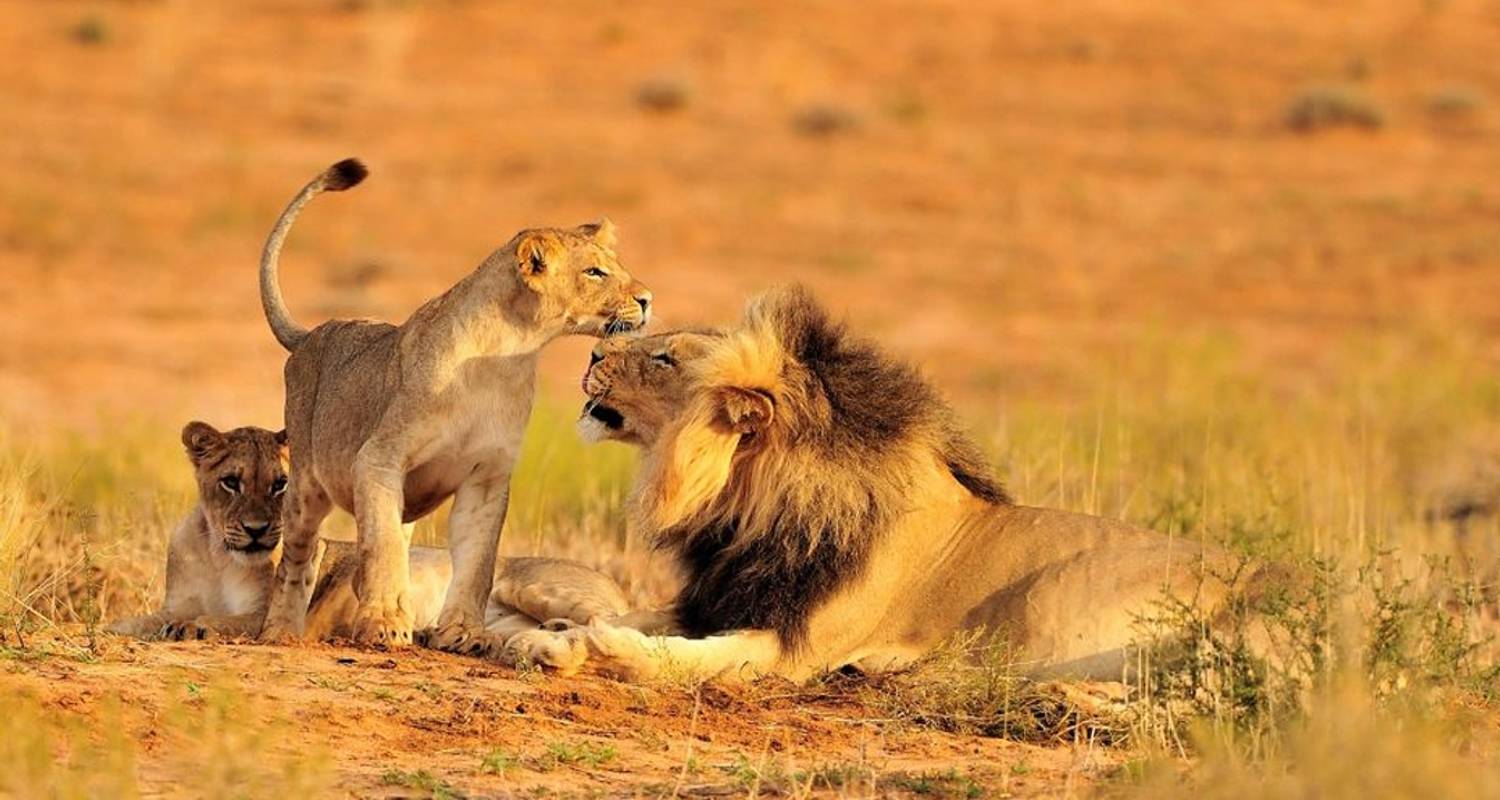
The abundance of newborns attracts predators, making this one of the best times to witness predator-prey interactions. Lion prides patrol the grasslands, cheetahs stalk the open plains, hyenas work cooperatively to secure meals, and leopards lurk on acacia branches, all drawn by the sheer concentration of vulnerable young animals.
Because the vegetation is lush, sightings sometimes require patience, but the rewards are immense. The calving season offers intimate wildlife behaviors rarely seen during other seasons—mothers bonding with newborns, predators teaching young cubs to hunt, and herds forming protective circles around vulnerable calves.
This period is also a haven for birdwatchers. Migratory birds from Europe and Asia join resident species, creating an incredible diversity of colors and songs. The air feels clean, fresh, and filled with the scent of new vegetation.
The green season is quieter and more affordable than the peak dry season, making it ideal for photographers, honeymooners, and anyone seeking a less crowded safari filled with dramatic interactions and breathtaking scenery.
April to May: The Long Rains and a Quieter, Atmospheric Safari
April and May bring the long rains, which transform Tanzania into a lush, thriving paradise. While this season is often overlooked by travelers wary of rain, it holds immense rewards for those willing to explore during this time. The parks are quieter, the rates are significantly lower, and the landscapes are extraordinarily beautiful, painted with deep greens, wildflowers, and full waterholes.
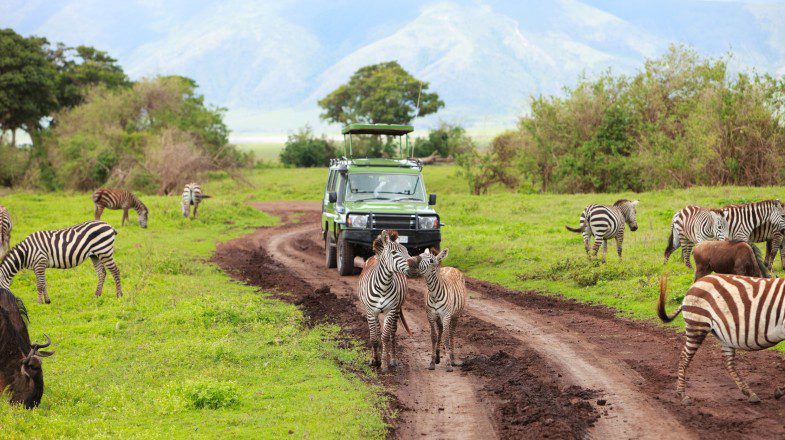
The rains do not fall continuously; instead, they come in intervals, often heavy but followed by periods of sunshine. With fewer vehicles in the parks, wildlife sightings feel more personal and immersive. Roads can be muddy in certain regions, but experienced guides navigate them with ease, and many lodges remain open throughout the long rains.
Animals remain abundant, though they may disperse more widely because water is readily available. The Serengeti, Ngorongoro, and Tarangire still offer excellent sightings, and the birdlife is exceptional. Light rains often enhance the beauty of photographs, softening the golden light and adding misty atmospheres that evoke a deep sense of wilderness.
Travellers seeking tranquility, value, and stunning landscapes often rediscover the magic of Tanzania during this season. Though not ideal for those wanting to witness migration river crossings, April and May offer serenity and beauty unmatched at other times of year.
Safari Highlights by Season: Matching Experiences to Your Travel Goals
Choosing when to visit depends on what you hope to see and experience. Tanzania’s wildlife follows natural rhythms, and each season tells its own story. Whether you dream of dynamic predator action, river crossings, newborn wildlife, or peaceful scenic drives, aligning your trip with your interests ensures a rewarding safari.
Wildlife concentrations shift with water availability, and different parks shine brighter at different times of the year. The Serengeti offers spectacular migration events year-round, but the nature of these events changes according to season—calving in early months, movement through central plains in late spring, and dramatic river crossings in mid-year. Tarangire’s dry-season elephant gatherings stand among Africa’s greatest wildlife spectacles, while Ngorongoro maintains steady wildlife density year-round thanks to its enclosed ecosystem and permanent water supply.
By understanding these patterns, travellers can fine-tune their safari plans to create unforgettable memories shaped by the best wildlife moments available at the time of travel.
Regional Variations: How Different Parks Change Throughout the Year
Tanzania’s national parks do not follow identical seasonal rhythms. The northern circuit—Serengeti, Ngorongoro, Tarangire, and Manyara—remains strong throughout the year, but each has its peak seasons shaped by wildlife concentrations. The Serengeti, with its immense size, hosts the Migration at different times in different regions. Ngorongoro’s unique geography makes it a reliable Big Five destination even when other parks experience dispersal.
Tarangire comes alive during the dry season when elephants converge, while Manyara offers lush forests and excellent birdlife during the wetter months. In the southern circuit, parks like Ruaha and Nyerere National Park experience intense wildlife density during the dry season, when water scarcity forces animals to gather along rivers and wetlands.
Understanding these variations enables travellers to choose the right combination of parks to ensure the best possible wildlife encounters at any time of year.
Practical Considerations for Choosing Your Travel Dates
While wildlife behavior is a primary factor in choosing your safari dates, other considerations can influence your decision. Weather plays an important role, as some travellers prefer clear, dry conditions, while others enjoy the vibrant colors and dramatic skies of the green season.
Budget is another consideration. Peak season typically comes with higher lodge rates and increased demand, especially around August and during holiday periods. The green season and transitional months often offer attractive pricing for luxury accommodations.
Crowd levels may also shape your decision. Travellers who long for solitude may prefer shoulder seasons or the quiet long-rains period, while those seeking iconic events like the river crossings must accept higher visitor numbers. Clearly defining your priorities—wildlife density, photography, value, exclusivity, or specific migration events—will help narrow the best time for your safari.
Why Tanzania Is a Year-Round Safari Destination
Unlike many destinations where wildlife viewing declines dramatically during certain months, Tanzania’s parks maintain strong game density throughout the year. Permanent water sources, protected migratory corridors, and rich biodiversity ensure that wildlife remains active, visible, and abundant at all times.
Even during the long rains, when some regions become more challenging to navigate, Tanzania’s major parks continue offering memorable safari moments. The presence of lush vegetation, dramatic weather, and fewer visitors creates a distinct safari atmosphere appreciated by seasoned travellers who value intimacy and authenticity over crowds and predictable conditions.
This consistency is one of the reasons Tanzania is celebrated as a world-leading safari destination. Travelers can plan according to personal preference rather than limitation, knowing that extraordinary wildlife encounters await during any season.
Crafting the Perfect Safari Experience
The best safari experiences arise from thoughtful planning, expert guidance, and an understanding of seasonal rhythms. Travellers who choose their travel dates based on personal interests rather than general trends often find themselves privileged to witness extraordinary wildlife events. Whether you seek the drama of river crossings, the tranquility of lush landscapes, or the emotional intensity of calving season, Tanzania’s ecosystems offer an unending tapestry of natural wonders.
Working with a knowledgeable tour operator who understands the intricate nuances of migration routes, weather patterns, and regional biodiversity can transform a safari from memorable to truly exceptional. Local expertise ensures that you are in the right place at the right time, maximizing opportunities for wildlife photography, predator encounters, and immersive experiences.
Why You Should Book With a Trusted Tour Operator
Planning the ideal safari requires detailed knowledge of seasonal wildlife movements, accommodation availability, park accessibility, and weather patterns. A trusted operator ensures seamless coordination and expert guidance throughout the journey. For travellers seeking a well-crafted safari experience built on professionalism, deep local insight, and reliable service, Wildlife Safaris Tanzania stands as a highly recommended operator with a strong reputation for excellence.
Whether you wish to witness the Great Migration, explore remote wilderness regions, or enjoy a luxurious, personalized safari experience, Wildlife Safaris Tanzania provides expertly tailored itineraries that ensure every moment is memorable and rewarding.