Beyond the Wildebeest Migration: Go Gorilla Trekking in Rwanda for a Deeper African Wildlife Experience
Beyond the wildebeest migration: go gorilla trekking in Rwanda is a narrative that reflects the evolution of African travel. For decades, the Great Wildebeest Migration of East Africa has dominated safari dreams, symbolizing scale, movement, and raw natural power. While the migration remains one of the world’s greatest wildlife spectacles, Africa’s story does not end on the open plains of the Serengeti or Maasai Mara. Beyond the thunder of hooves and river crossings lies a profoundly different yet equally moving wildlife encounter: gorilla trekking in Rwanda.
Rwanda offers a contrasting experience to traditional savannah safaris. Instead of vast horizons and mass movement, gorilla trekking delivers intimacy, silence, and emotional connection. It is an experience rooted in mist-covered mountains, ancient rainforests, and face-to-face encounters with one of humanity’s closest relatives. For travelers who have witnessed the wildebeest migration or those seeking something deeper than classic game drives, going beyond the wildebeest migration to gorilla trekking in Rwanda represents a natural and transformative next step.
This in-depth guide explores why gorilla trekking in Rwanda stands apart, how it complements East African safaris, what makes Rwanda the premier destination for mountain gorillas, and why this experience is increasingly regarded as the pinnacle of wildlife travel.
Understanding the Shift Beyond the Wildebeest Migration
Beyond the wildebeest migration: go gorilla trekking in Rwanda is not about replacing one experience with another, but about expanding the definition of safari. The wildebeest migration is defined by numbers, movement, and spectacle. Gorilla trekking is defined by presence, emotion, and connection.
On a migration safari, wildlife is observed from a vehicle, often at a distance, within open landscapes. Gorilla trekking, by contrast, takes place on foot, guided by trackers who read signs, sounds, and subtle changes in the forest. The experience unfolds slowly and deliberately, requiring physical effort, patience, and respect for the environment. This shift from observation to participation fundamentally changes how wildlife is experienced.
For seasoned safari travelers, gorilla trekking answers a deeper desire: not just to see animals, but to feel part of a living ecosystem.
Rwanda as the Heart of Mountain Gorilla Conservation
Any discussion of beyond the wildebeest migration: go gorilla trekking in Rwanda must begin with Rwanda’s role in mountain gorilla conservation. Mountain gorillas are critically endangered and exist only in two regions of the world: the Virunga Mountains spanning Rwanda, Uganda, and the Democratic Republic of Congo, and the Bwindi Impenetrable Forest of Uganda.
Rwanda has positioned itself as the gold standard for gorilla trekking through a combination of strict conservation policies, high-quality infrastructure, and community-based tourism. Volcanoes National Park, located in the northwest of the country, protects a significant portion of the Virunga ecosystem and is home to several habituated gorilla families.
The country’s commitment to conservation has resulted in one of Africa’s most successful wildlife recovery stories. Mountain gorilla numbers have increased steadily over the past decades, making Rwanda a model for sustainable, high-impact tourism.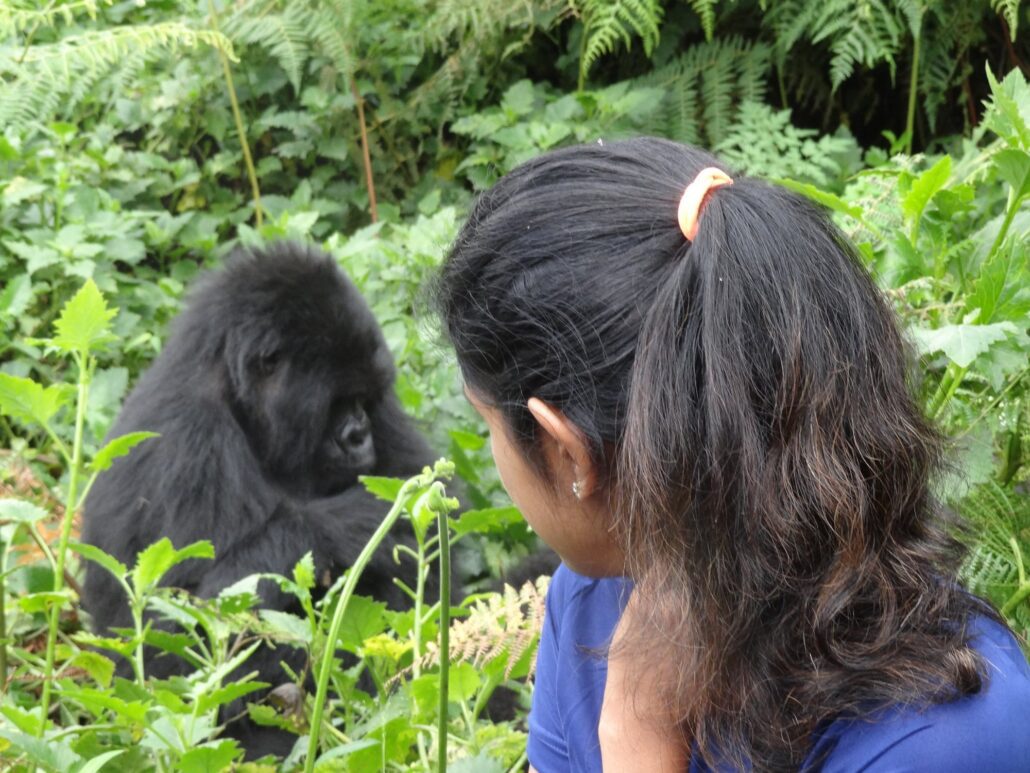
Volcanoes National Park and the Gorilla Trekking Environment
Beyond the wildebeest migration: go gorilla trekking in Rwanda comes to life in Volcanoes National Park. This park is defined by dramatic volcanic peaks, bamboo forests, and montane rainforest. Unlike savannah ecosystems, visibility is limited, and encounters unfold at close range.
Gorilla trekking begins early in the morning with briefings from park authorities. Small groups are assigned to specific gorilla families based on fitness levels and tracking conditions. The trek itself can range from one to several hours, depending on where the gorillas nested the previous night.
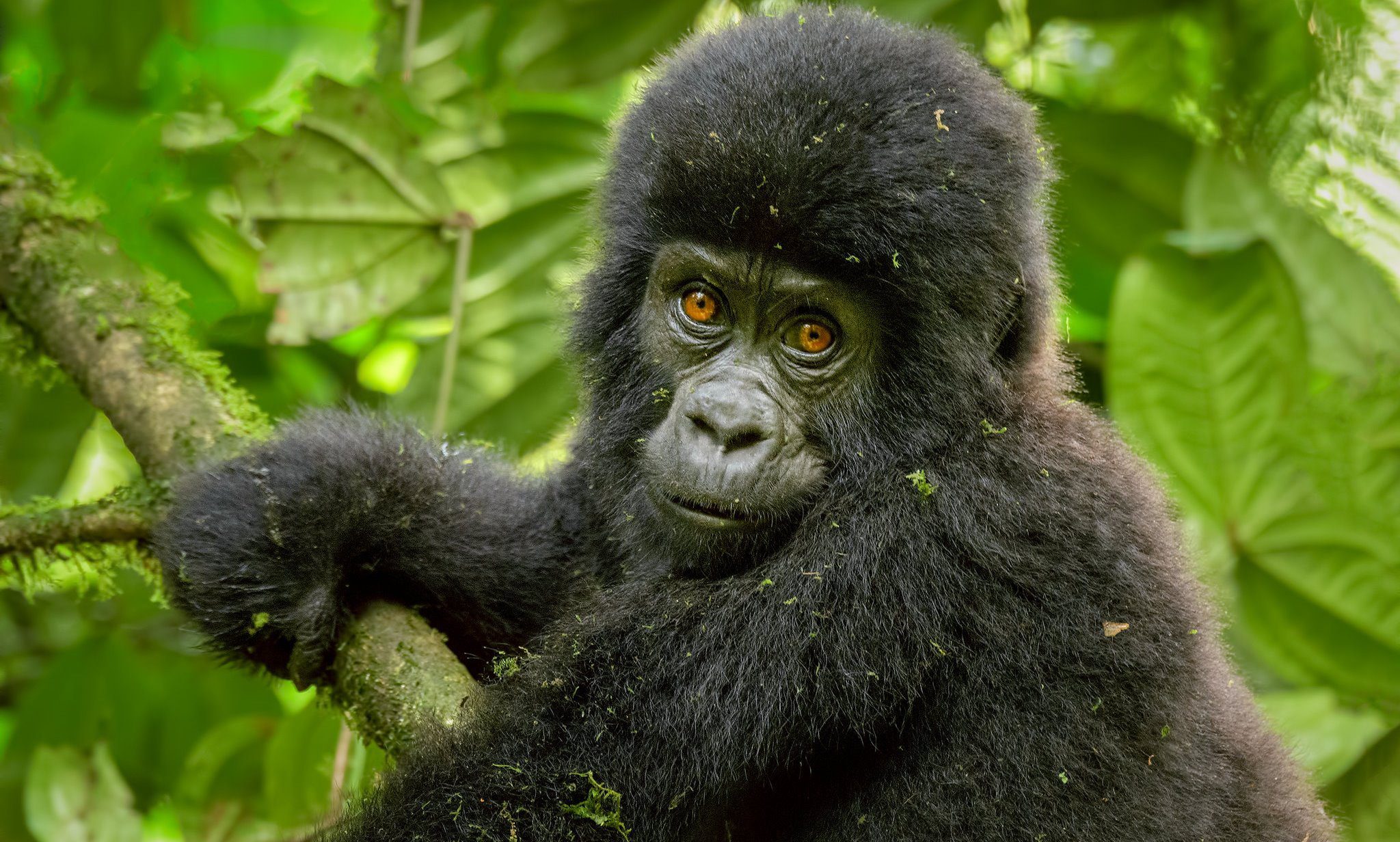
Once a gorilla family is located, visitors are allowed one hour in their presence. This hour is often described as one of the most powerful wildlife experiences on Earth. Observing gorillas interact, groom, play, and care for their young at such proximity creates a sense of recognition that few animal encounters can match.
The Emotional Impact of Gorilla Encounters
What truly distinguishes beyond the wildebeest migration: go gorilla trekking in Rwanda is the emotional depth of the experience. Mountain gorillas share approximately 98 percent of human DNA, and their expressions, gestures, and social structures feel strikingly familiar.
Silverbacks command respect through calm authority rather than aggression. Mothers cradle their infants with tenderness that resonates universally. Juveniles display curiosity and playfulness, often approaching visitors within the permitted distance.
This emotional resonance creates a lasting impact that extends far beyond the trek itself. Many travelers describe gorilla trekking as humbling, grounding, and perspective-shifting, offering a renewed sense of connection to nature and humanity’s responsibility toward it.
Comparing Gorilla Trekking to the Wildebeest Migration
Beyond the wildebeest migration: go gorilla trekking in Rwanda is best understood through contrast. The wildebeest migration is about witnessing one of nature’s great survival strategies at scale. It is dramatic, chaotic, and relentless. Gorilla trekking is about stillness, awareness, and individual lives.
Both experiences represent survival, but they express it differently. The migration highlights adaptation through movement and numbers. Gorillas embody survival through social bonds, intelligence, and resilience. Experiencing both offers a holistic understanding of Africa’s wildlife narrative.
For travelers who have already experienced the migration, gorilla trekking provides a complementary chapter that deepens appreciation rather than repeating themes.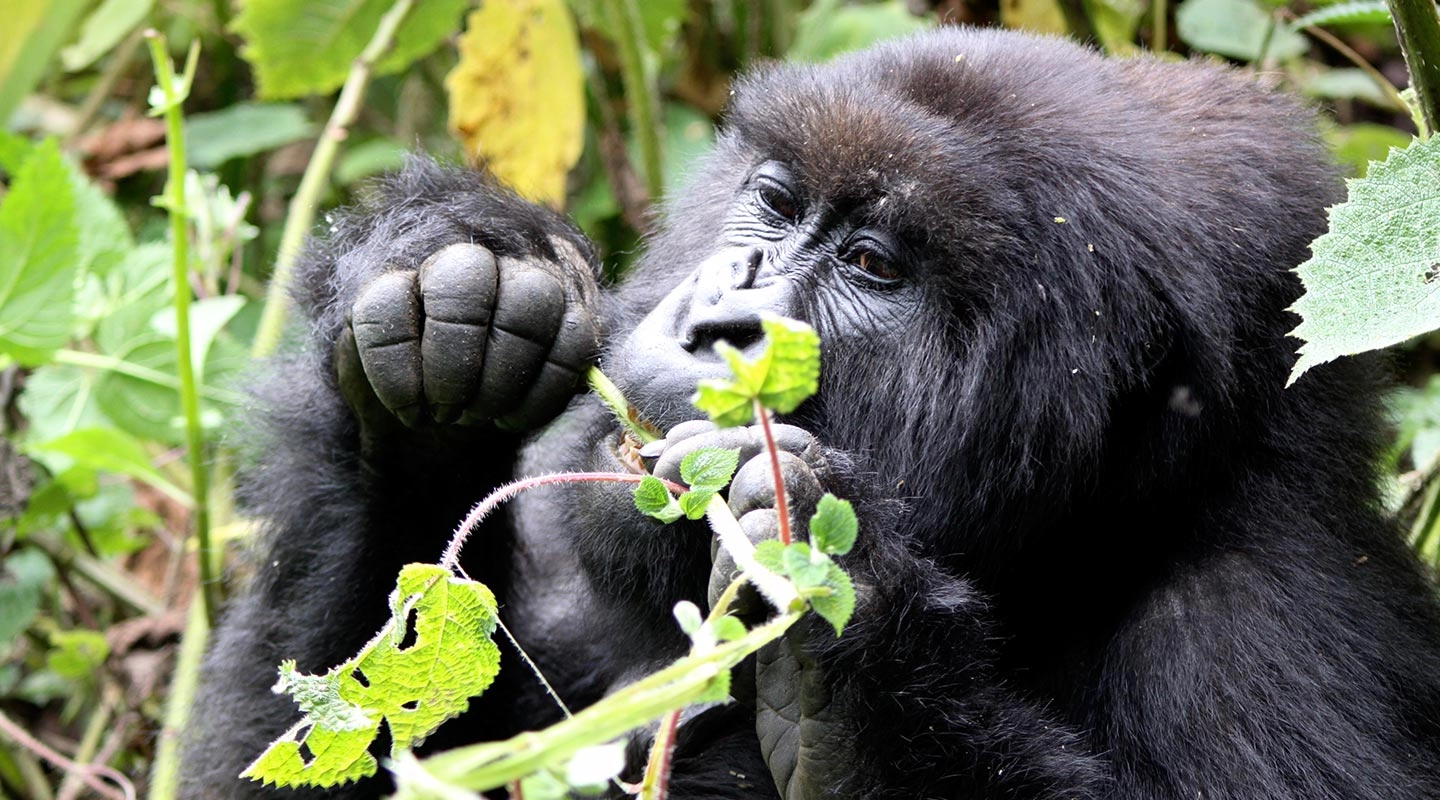
Rwanda’s Accessibility and High-End Safari Model
One of the reasons beyond the wildebeest migration: go gorilla trekking in Rwanda has gained global attention is Rwanda’s accessibility. Kigali International Airport serves as a major gateway, and Volcanoes National Park is only a few hours’ drive from the capital.
Rwanda has embraced a high-value, low-impact tourism model. Gorilla trekking permits are intentionally limited and priced at a premium. This approach reduces environmental pressure, ensures exclusive experiences, and generates significant revenue for conservation and local communities.
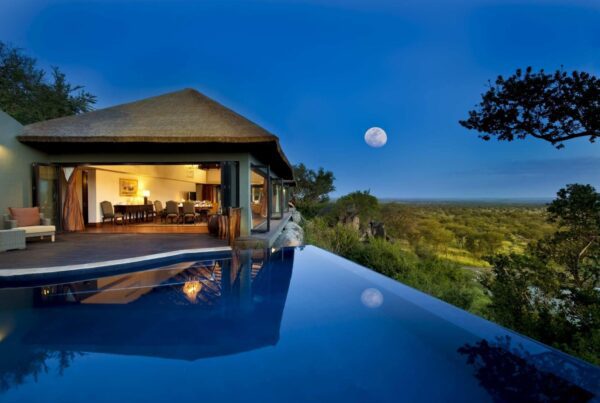
Luxury lodges near Volcanoes National Park offer world-class service, sustainability-focused design, and seamless integration with the natural environment. This makes Rwanda particularly appealing to travelers accustomed to high-end safari experiences in East Africa.
Conservation Fees and Their Direct Impact
Beyond the wildebeest migration: go gorilla trekking in Rwanda also means participating directly in conservation. A significant portion of gorilla trekking permit fees is reinvested into park protection, veterinary care, and community development.
Local communities receive revenue-sharing benefits, funding schools, healthcare, and infrastructure. This creates a powerful incentive to protect gorillas and their habitat, reducing poaching and habitat encroachment.
Travelers are not passive observers in this model. Their presence actively contributes to the survival of one of the world’s most endangered species, adding ethical value to the experience.
Physical and Mental Preparation for Gorilla Trekking
Unlike traditional game drives, beyond the wildebeest migration: go gorilla trekking in Rwanda requires physical participation. Treks can involve steep slopes, muddy terrain, and variable weather conditions. While no technical skills are required, moderate fitness enhances enjoyment and safety.
Mental preparation is equally important. Gorilla trekking demands patience and respect for wildlife protocols. Silence, controlled movement, and adherence to guide instructions ensure both visitor safety and gorilla well-being.
This level of engagement fosters a deeper sense of accomplishment and presence compared to vehicle-based safaris.
Combining Gorilla Trekking with East African Safaris
Beyond the wildebeest migration: go gorilla trekking in Rwanda does not mean abandoning classic safaris. In fact, Rwanda pairs exceptionally well with East African safari destinations.
Many travelers combine a Serengeti or Maasai Mara safari with gorilla trekking, creating a journey that spans open plains and dense forests, mass wildlife events and intimate encounters. Rwanda also offers additional experiences such as golden monkey trekking, cultural village visits, and primate tracking in Nyungwe Forest National Park.
This multi-dimensional approach transforms an African trip into a layered exploration of ecosystems, species, and conservation models.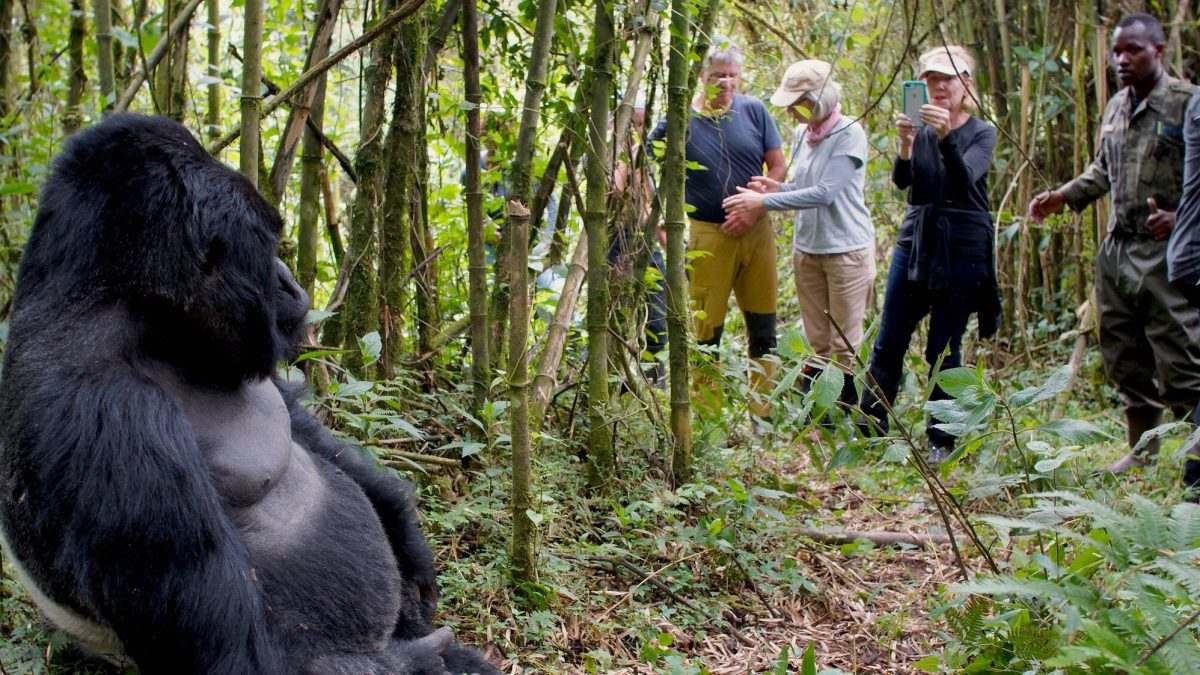
Rwanda’s Broader Wildlife and Cultural Appeal
While beyond the wildebeest migration: go gorilla trekking in Rwanda centers on gorillas, the country offers more than a single experience. Akagera National Park provides classic savannah safaris with lions, elephants, rhinos, and giraffes. Nyungwe Forest hosts one of Africa’s most biodiverse rainforests, home to chimpanzees and numerous primate species.
Rwanda’s cultural resilience, cleanliness, and safety further enhance its appeal. Kigali is regarded as one of Africa’s most progressive capitals, offering museums, cuisine, and history that add depth to the journey.
Ethical Wildlife Tourism and Rwanda’s Leadership
Beyond the wildebeest migration: go gorilla trekking in Rwanda reflects a broader shift toward ethical wildlife tourism. Rwanda’s strict rules around trekking distances, group sizes, and visitor behavior set global standards.
This approach prioritizes animal welfare over mass tourism, ensuring that wildlife experiences remain sustainable for future generations. For travelers increasingly concerned with impact and responsibility, Rwanda represents a destination aligned with modern values.
Final Reflections on Beyond the Wildebeest Migration: Go Gorilla Trekking in Rwanda
Beyond the wildebeest migration: go gorilla trekking in Rwanda is not simply a travel suggestion; it is an invitation to experience Africa through a different lens. Where the migration overwhelms with scale, gorilla trekking moves with subtlety. Where savannah safaris thrill with action, forest encounters resonate with emotion.
Together, these experiences tell a complete story of Africa’s wildlife, one defined by both grandeur and intimacy. For those seeking meaning, connection, and unforgettable encounters, going beyond the wildebeest migration to gorilla trekking in Rwanda represents the pinnacle of modern wildlife travel.