Climbing Mount Kilimanjaro With Kids: A Complete Family Guide to Reaching Africa’s Highest Peak Together
Climbing Mount Kilimanjaro with kids is one of the most ambitious and rewarding family adventures you can undertake. It is not simply a hike, and it is certainly not a sightseeing trip. It is a multi‑day high‑altitude expedition that challenges the body, the mind, and family dynamics in equal measure. When done correctly, climbing Mount Kilimanjaro with kids becomes a powerful shared experience that builds confidence, resilience, and lifelong memories. When done poorly, it can be overwhelming, unsafe, and emotionally draining for both parents and children.
This guide is written for families who are seriously considering climbing Mount Kilimanjaro with kids and want an honest, in‑depth, and practical perspective. It focuses on preparation, safety, mindset, route planning, acclimatization, and the emotional realities of taking children into a high‑altitude environment. This is not about rushing to the summit at all costs. It is about doing the mountain in a way that protects your child’s wellbeing while still honoring the magnitude of the goal.
Understanding What Climbing Mount Kilimanjaro With Kids Really Involves
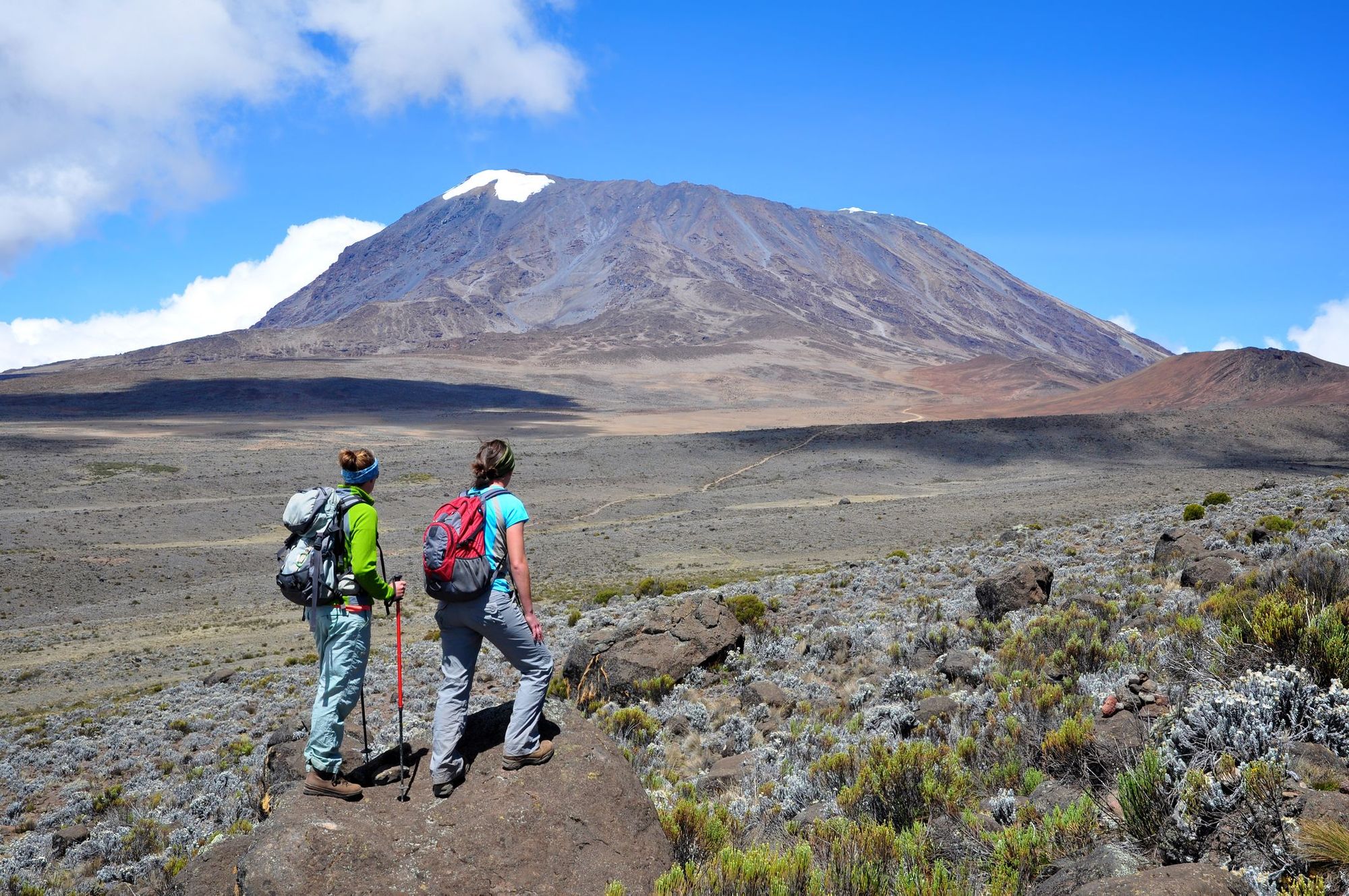
Mount Kilimanjaro stands at 5,895 meters above sea level, making it the highest mountain in Africa and the tallest free‑standing mountain in the world. While it does not require technical climbing skills, it does demand endurance, patience, and respect for altitude. For adults, this is already a serious undertaking. For children, the stakes are higher because their bodies and emotional regulation systems are still developing.
Climbing Mount Kilimanjaro with kids is not about proving toughness. It is about creating an environment where steady progress, warmth, hydration, rest, and emotional security are prioritized every single day. The mountain does not care how old you are, but children experience fatigue, cold, hunger, and uncertainty differently than adults. Parents must plan accordingly.
The defining feature of Kilimanjaro is not steepness but altitude. Over several days, you move through dramatically different climate zones, starting in tropical forest and ending in an alpine desert and arctic summit environment. Each night, you sleep higher than the last, and your body must adapt to lower oxygen levels. This process, called acclimatization, is the single most important factor in determining whether climbing Mount Kilimanjaro with kids will be a positive experience.
Is Climbing Mount Kilimanjaro With Kids a Good Idea for Your Family?
There is no universal answer to this question. Some children thrive in challenging outdoor environments, while others struggle even on shorter adventures. The decision to climb Mount Kilimanjaro with kids should be based on temperament, experience, health, and family dynamics rather than age alone.
A child who is a good candidate for Kilimanjaro typically enjoys hiking, tolerates long days of physical activity, and can handle discomfort without panic. They do not need to be elite athletes, but they should be comfortable being tired, cold, and occasionally bored. They should also be able to communicate clearly when something feels wrong, whether physically or emotionally.
Equally important is the parent’s mindset. Parents who succeed on Kilimanjaro with children are flexible, patient, and willing to turn around if needed. If your self‑worth or family narrative is tied to “reaching the summit no matter what,” Kilimanjaro is not the right place to test that belief. The real success of climbing Mount Kilimanjaro with kids lies in returning safely with a child who feels proud, supported, and empowered.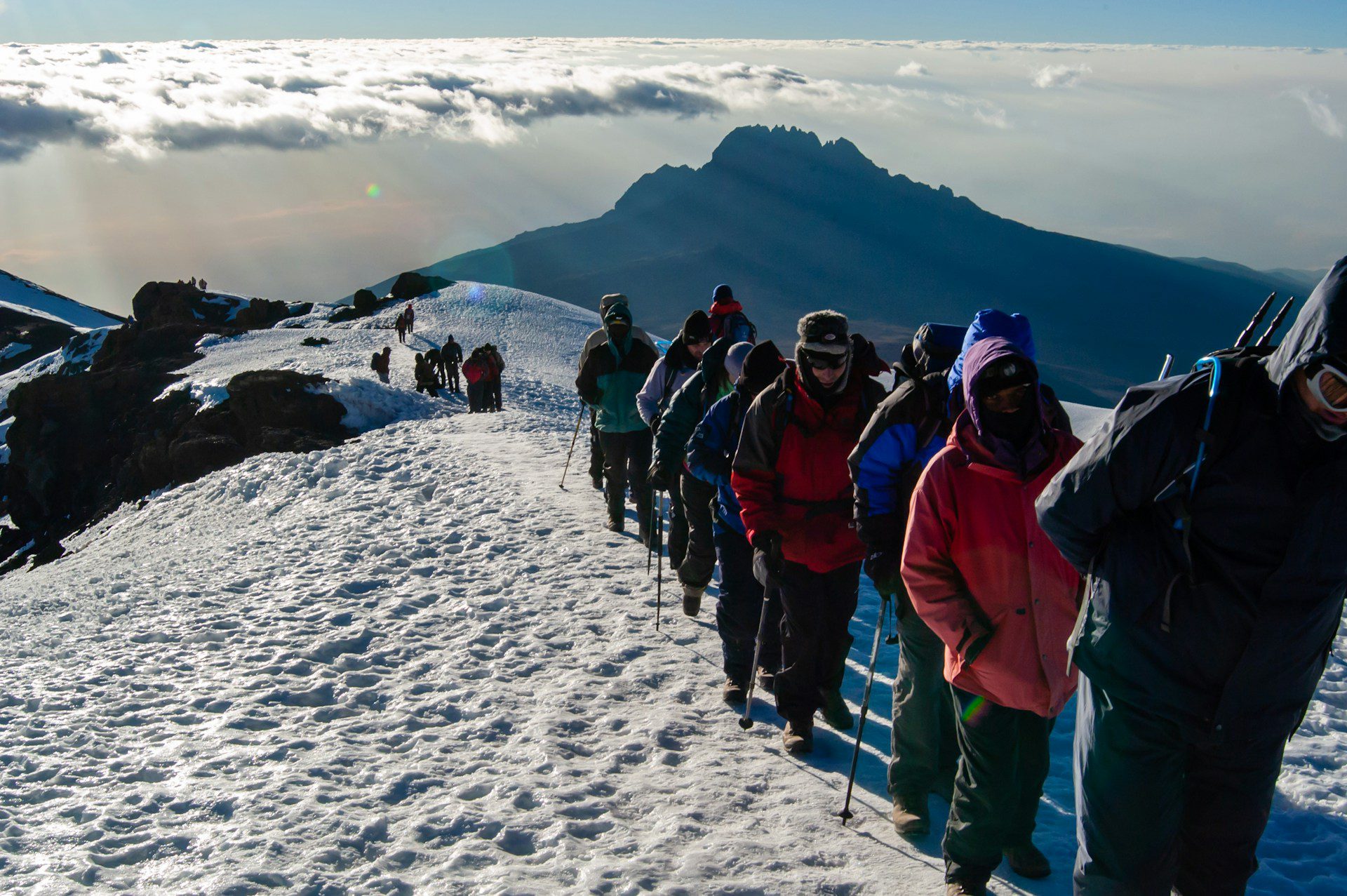
Age Limits and Maturity Matter When Climbing Mount Kilimanjaro With Kids
While official age limits exist, maturity matters more than numbers. Most authorities set a minimum age of around 10 years old for climbing Mount Kilimanjaro. However, being legally allowed on the mountain does not automatically mean a child is ready for the experience.
Children between the ages of 10 and 13 can succeed on Kilimanjaro, but they require a slower pace, more emotional support, and more conservative decision‑making than older teens. Teenagers often handle the physical aspect well but may struggle emotionally if expectations are not managed properly. Every child is different, and parents should assess readiness honestly rather than optimistically.
Choosing the Right Time of Year for Climbing Mount Kilimanjaro With Kids
Weather plays a critical role in family success on Kilimanjaro. While the mountain can technically be climbed year‑round, not all seasons are equally suitable for children. Rain, cold, and wind significantly increase the difficulty level for kids, both physically and mentally.
Drier seasons generally offer a more comfortable experience, with clearer trails and less exposure to prolonged moisture. For families, choosing a time with more predictable weather reduces stress, improves sleep quality, and helps maintain morale. Crowds can be heavier during popular months, but many children find the presence of other climbers reassuring rather than disruptive.
Route Selection Is Critical When Climbing Mount Kilimanjaro With Kids
One of the most important decisions you will make is choosing the right route. When climbing Mount Kilimanjaro with kids, the best route is almost always the one that allows the most time for acclimatization. Shorter routes may look appealing on paper, but they dramatically increase the risk of altitude‑related issues, especially for children.
Longer routes allow for gradual altitude gain, more rest, and a calmer daily rhythm. They also provide more opportunities to observe how your child is adapting and to adjust the plan if necessary. Comfort, not speed, should guide your choice.
Some routes offer hut accommodations, which can be appealing for families because they provide a sense of structure and shelter. Other routes rely on tents but offer superior acclimatization profiles. There is no single perfect route for all families, but there is a clear principle: more days on the mountain equals a safer and more enjoyable experience for kids.
The Importance of Acclimatization When Climbing Mount Kilimanjaro With Kids
Acclimatization is the process by which the body adapts to lower oxygen levels at altitude. This adaptation takes time and cannot be rushed. Children are not immune to altitude sickness, and in some cases they may have difficulty describing symptoms clearly.
When climbing Mount Kilimanjaro with kids, a conservative acclimatization schedule is essential. This means slow ascents, extra days, and a willingness to pause or descend if symptoms appear. Headaches, nausea, unusual fatigue, mood changes, and loss of appetite should always be taken seriously.
Parents should work closely with experienced guides who conduct daily health checks and understand how to monitor children at altitude. Good guides will never pressure a family to continue if a child is struggling. The mountain will always be there. Your child’s health is not negotiable.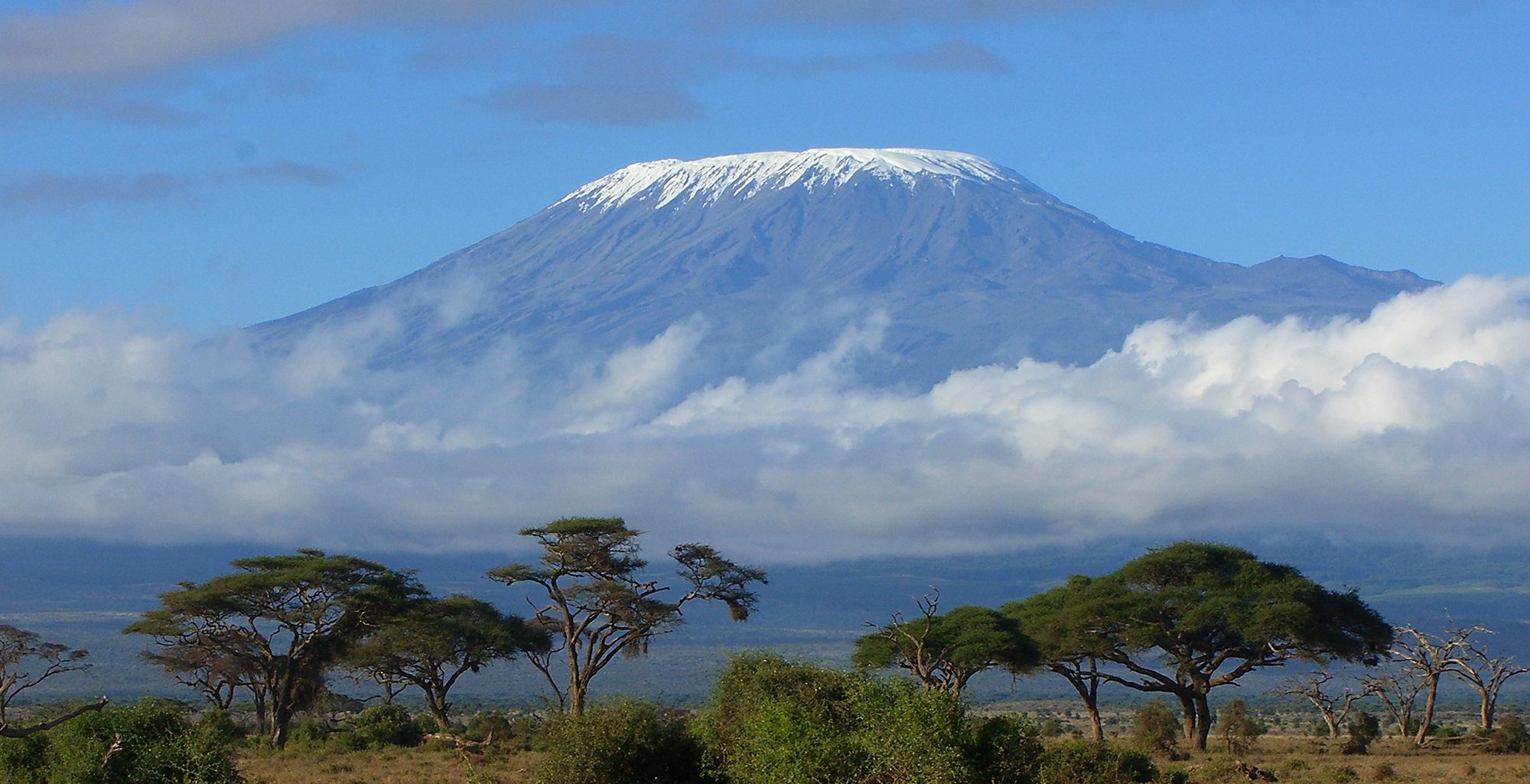
Training as a Family for Climbing Mount Kilimanjaro With Kids
Training for Kilimanjaro does not require turning your household into a boot camp. For kids, consistency matters more than intensity. Regular hiking, long walks, and time spent outdoors are far more valuable than structured workouts.
The goal of training is to help your child become comfortable moving for several hours at a time, day after day. Weekend hikes, stair climbing, and backpack walks can all help build endurance. Practicing back‑to‑back active days is particularly useful, as it mimics the cumulative fatigue experienced on the mountain.
Equally important is teaching pacing. Children often start too fast and burn out quickly. Learning to walk slowly and steadily is one of the most important skills for climbing Mount Kilimanjaro with kids. Training hikes should emphasize conversation‑paced movement and regular breaks.
Emotional Preparation Is as Important as Physical Training
Climbing Mount Kilimanjaro with kids requires emotional readiness as much as physical fitness. Children need to know what to expect and feel safe expressing discomfort or fear. Honest conversations before the trip can prevent anxiety on the mountain.
Explain that some days will feel easy and others will feel hard. Normalize tiredness, frustration, and mood swings. Make it clear that turning around is not a failure but a smart decision. When children feel emotionally supported, they are more likely to communicate openly, which directly improves safety.
Giving children small responsibilities, such as managing their water intake or checking their layers, can also boost confidence and engagement. These roles help children feel like active participants rather than passive passengers.
Gear Considerations When Climbing Mount Kilimanjaro With Kids
Proper gear is not optional when climbing Mount Kilimanjaro with kids. Children are more sensitive to cold and less likely to notice early signs of discomfort. Clothing and equipment should prioritize warmth, simplicity, and ease of use.
Layering systems must be intuitive. Gloves should fit properly. Jackets should be easy to zip and unzip. Sleeping systems should be warm enough for freezing temperatures, even if the child tends to sleep cold at home. Footwear deserves special attention, as blisters and sore feet can quickly undermine morale.
Familiarity matters. Children should train in the same boots and layers they will use on the mountain. Sleeping bags, headlamps, and backpacks should be tested in advance so there are no surprises at altitude.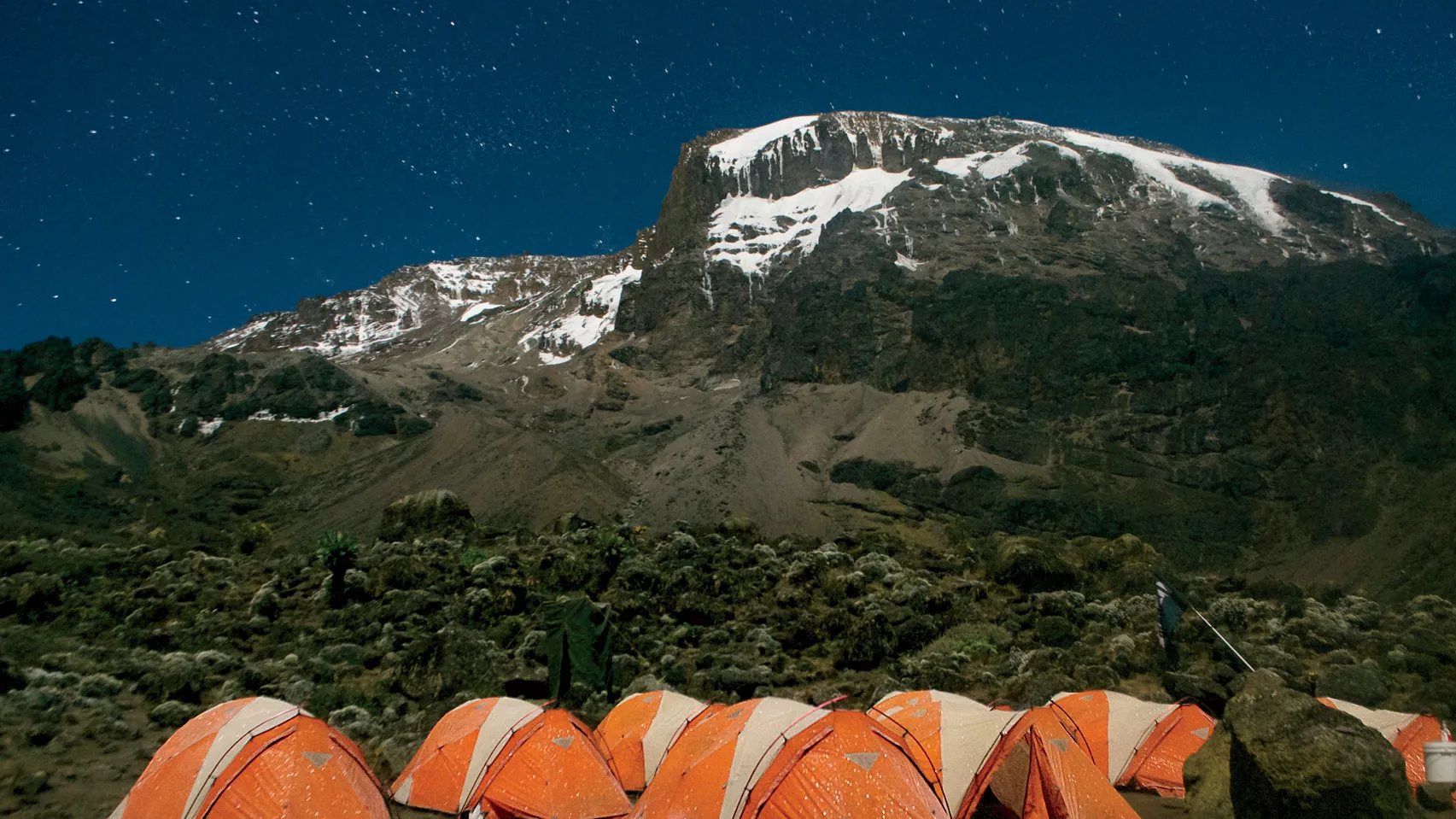
Nutrition and Hydration for Kids on Kilimanjaro
At altitude, appetite often decreases, and taste preferences can change. When climbing Mount Kilimanjaro with kids, the goal is not perfect nutrition but consistent calorie intake. Familiar snacks that your child already enjoys are invaluable.
Hydration is equally important. Children should be encouraged to drink regularly, even if they do not feel thirsty. Dehydration can mimic or worsen altitude symptoms, making it harder to assess how a child is truly feeling.
Parents should model good hydration habits and build water breaks into the daily routine. Making hydration feel normal rather than forced reduces resistance and improves compliance.
Managing Altitude Risks When Climbing Mount Kilimanjaro With Kids
Altitude sickness does not discriminate based on age or fitness. Even strong, active children can develop symptoms if ascent is too rapid. The key to managing altitude risks is early recognition and conservative response.
Behavioral changes in children can be subtle indicators of trouble. Unusual irritability, withdrawal, or confusion should prompt immediate attention. Parents should never dismiss symptoms as “just being tired” without consulting their guide.
The most effective treatment for worsening altitude symptoms is descent. This can be emotionally difficult, especially if the summit feels close, but it is the right decision when safety is at stake. A successful family climb is one where everyone returns healthy, regardless of summit outcome.
Summit Day and the Emotional High Point of Climbing Mount Kilimanjaro With Kids
Summit day is the most demanding part of the climb, both physically and mentally. For children, the cold, darkness, and exhaustion can be disorienting. Preparation is key.
Explain the summit schedule in advance so there are no surprises. Emphasize small goals rather than focusing solely on the summit. Keeping attention on steady movement, breathing, and warmth helps children stay grounded.
If your child reaches the summit, celebrate calmly and briefly. The descent is long and requires focus. If your child does not reach the summit, frame the experience around effort, courage, and smart decision‑making rather than disappointment.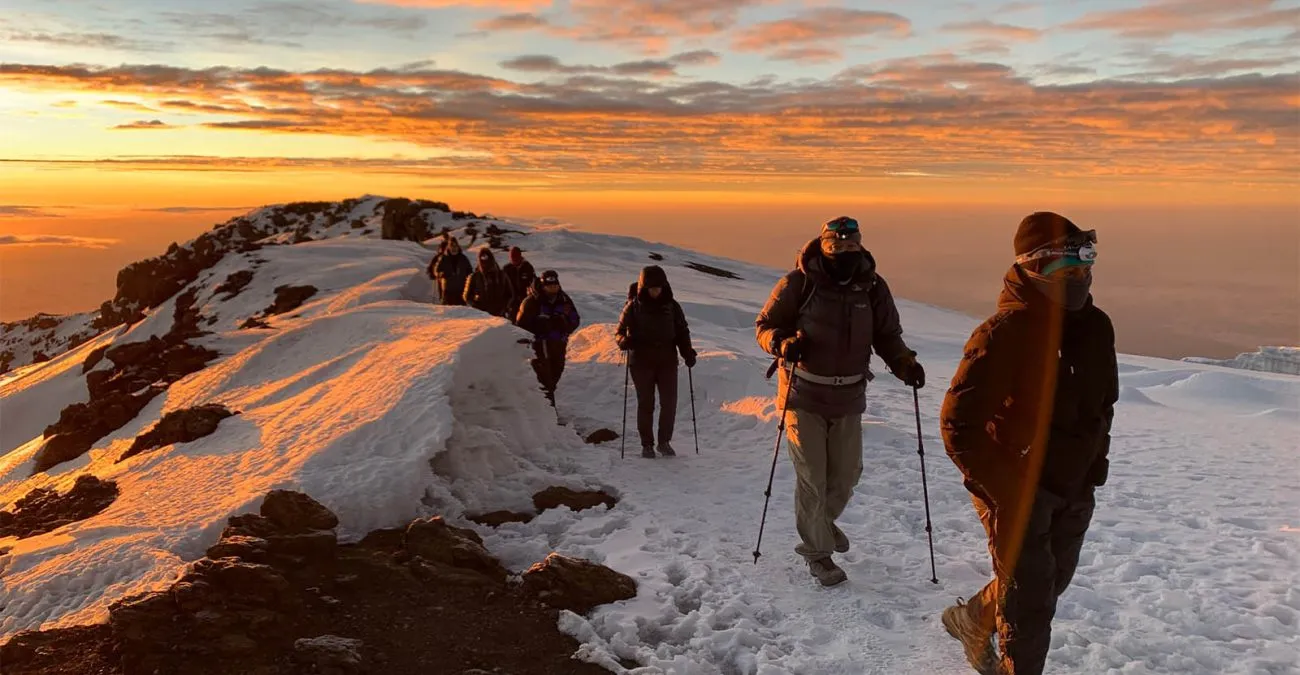
What Families Gain From Climbing Mount Kilimanjaro With Kids
The true value of climbing Mount Kilimanjaro with kids often reveals itself long after the trip ends. Children who complete this journey often develop a deeper belief in their own capabilities. They learn that hard things can be approached step by step, with patience and teamwork.
Parents gain a new perspective on their children’s resilience and on their own leadership under pressure. Shared adversity has a way of strengthening family bonds in a way few other experiences can.
Climbing Mount Kilimanjaro with kids is not about ticking off a bucket‑list item. It is about guiding your child through a meaningful challenge in a way that builds confidence rather than fear. When approached with humility, preparation, and care, it can be one of the most powerful family adventures you will ever share.