
Where to go in Cape Town is a question that reflects the city’s extraordinary diversity rather than confusion. Cape Town is not a destination defined by a single center or landmark but a collection of landscapes, neighborhoods, cultural spaces, and natural wonders that together form one of the world’s most compelling cities. Knowing where to go in Cape Town is about understanding how these areas connect and how each contributes to the overall experience.
Set between mountains and ocean, Cape Town offers dramatic scenery alongside deep historical roots and a modern creative spirit. From iconic natural landmarks and historic districts to coastal villages and wine-producing valleys, the city provides layers of exploration that reward both first-time visitors and seasoned travelers. Each area reveals a different mood, pace, and perspective, making Cape Town endlessly engaging.
This in-depth guide explores where to go in Cape Town by breaking the city and its surrounding regions into meaningful areas. It is designed to help travelers make informed choices based on interests, time available, and desired experiences, offering clarity in a destination rich with possibilities.
Table Mountain and the Mountain National Park Area
Any discussion of where to go in Cape Town begins with Table Mountain. This iconic natural landmark dominates the city skyline and forms the heart of Table Mountain National Park, which stretches from Signal Hill through the Cape Peninsula. Visiting this area is essential to understanding Cape Town’s identity and geography.
Table Mountain itself offers multiple ways to experience its scale and beauty. The cableway provides easy access to the summit, while numerous hiking trails cater to different fitness levels. From the top, panoramic views reveal the city bowl, coastline, and distant peaks, offering context for where to go in Cape Town next.
Surrounding areas such as Lion’s Head and Signal Hill provide additional viewpoints and walking routes. These spaces are not separate attractions but integral parts of Cape Town’s outdoor culture, shaping how residents and visitors interact with the landscape daily.
The City Bowl: Urban Heart and Cultural Core
The City Bowl forms the urban heart of Cape Town and plays a central role in understanding where to go in Cape Town for culture, history, and city life. Nestled between Table Mountain and the harbor, this area combines business districts, historic neighborhoods, green spaces, and creative hubs.
Key areas within the City Bowl include the historic Company’s Garden, Parliament buildings, museums, and art galleries that reflect the city’s layered past. Streets are lined with cafes, restaurants, and independent shops, creating an atmosphere that is both lively and walkable.
The City Bowl is also where many cultural institutions and festivals are based, making it an essential area for travelers seeking depth and context. Exploring this area provides a foundation for understanding Cape Town beyond its scenic beauty.
Bo-Kaap and Cultural Heritage Areas
When considering where to go in Cape Town for cultural heritage, Bo-Kaap stands out as one of the city’s most significant neighborhoods. Known for its brightly colored houses and cobbled streets, Bo-Kaap reflects Cape Town’s Cape Malay heritage and Islamic traditions.
This area offers insight into the city’s cultural diversity, shaped by centuries of migration, trade, and resilience. Mosques, museums, and family-run eateries contribute to an atmosphere that feels both historic and alive.
Visiting Bo-Kaap is not just about visual appeal but about engaging with living culture. It answers where to go in Cape Town for meaningful encounters with history, identity, and community.
The V&A Waterfront and the Harbor District
The V&A Waterfront is often included in conversations about where to go in Cape Town due to its accessibility and variety. Located along the working harbor, this area blends shopping, dining, entertainment, and maritime heritage in a vibrant setting.
From the waterfront, visitors can access boat tours, ferries to Robben Island, and scenic harbor cruises. The area also hosts museums, markets, and performance spaces that reflect both local and international influences.
While the V&A Waterfront is more commercial than other areas, it serves as a practical and enjoyable hub, particularly for first-time visitors seeking convenience and orientation within the city.
Atlantic Seaboard: Beaches and Coastal Living
Where to go in Cape Town for beaches and coastal scenery often leads to the Atlantic Seaboard. This stretch of coastline includes some of the city’s most famous beaches and neighborhoods, set against dramatic mountain backdrops.
Camps Bay and Clifton are renowned for their white sand beaches, ocean views, and sunset scenes. These areas combine natural beauty with cafes, restaurants, and beachfront promenades that define Cape Town’s outdoor lifestyle.
The Atlantic Seaboard also includes residential neighborhoods that showcase Cape Town’s luxury living and relaxed coastal rhythm. Exploring this area reveals why Cape Town is often ranked among the world’s most beautiful cities.
Sea Point and the Promenade Experience
Sea Point occupies a unique position in understanding where to go in Cape Town for everyday life and local culture. The Sea Point Promenade stretches along the coastline, offering a scenic walking and cycling route used daily by residents.
This area reflects Cape Town’s inclusivity and active lifestyle, with ocean views, tidal pools, and constant movement. Cafes, bakeries, and local markets add to the neighborhood’s appeal.
Sea Point offers a more authentic sense of daily Cape Town life compared to tourist-focused areas, making it an important stop for travelers seeking balance between exploration and immersion.
Cape Peninsula and the Scenic South
Where to go in Cape Town extends well beyond the city center into the Cape Peninsula, one of the most scenic regions in South Africa. This area offers a dramatic blend of mountains, ocean, coastal villages, and protected natural reserves.
Chapman’s Peak Drive is one of the world’s most scenic coastal routes, connecting Hout Bay to Noordhoek with breathtaking views. This drive alone often answers where to go in Cape Town for landscape photography and memorable journeys.
Further south, Cape Point and the Cape of Good Hope represent iconic destinations where cliffs meet the sea, and wildlife roams freely. These areas highlight Cape Town’s unique position at the edge of a continent.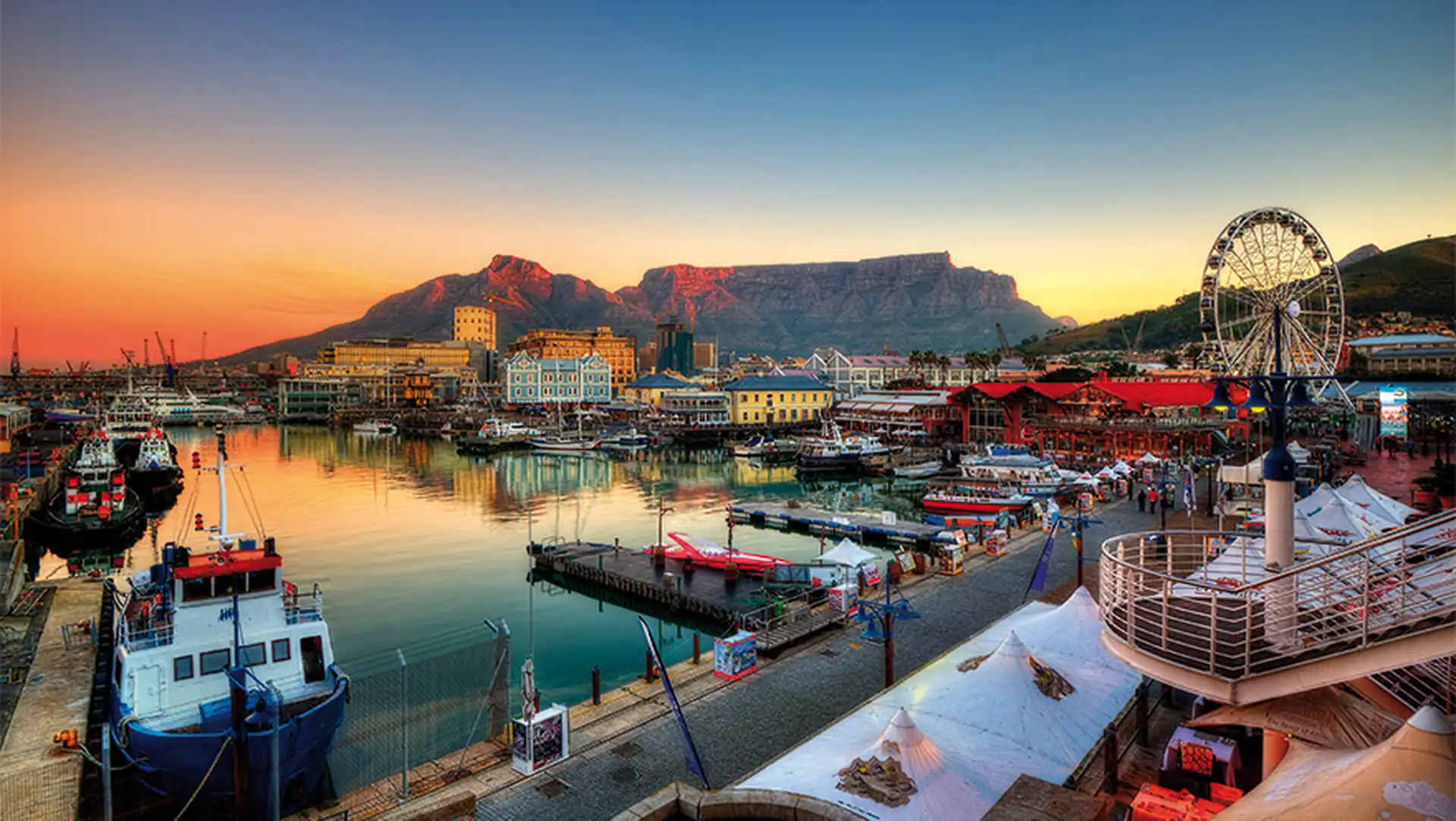
Hout Bay, Noordhoek, and Coastal Villages
Hout Bay and Noordhoek provide insight into where to go in Cape Town for a village atmosphere and slower pace. These coastal communities offer beaches, markets, and small-town charm within easy reach of the city.
Noordhoek Beach is expansive and wild, ideal for long walks and a sense of openness. Hout Bay combines working harbor life with casual dining and access to scenic drives.
These areas appeal to travelers who want to experience Cape Town’s diversity beyond urban environments.
False Bay and the Eastern Coast
Where to go in Cape Town for warmer waters and historic seaside towns often leads to False Bay. This side of the peninsula offers a different coastal experience, with calmer beaches and rich maritime heritage.
Muizenberg is known for its colorful beach huts and surf culture, while Kalk Bay blends fishing harbor traditions with antique shops and cafes. Simon’s Town adds naval history and access to Boulders Beach, home to African penguins.
False Bay highlights Cape Town’s multifaceted relationship with the ocean and provides a more relaxed alternative to the Atlantic Seaboard.
Robben Island and Historical Reflection
Understanding where to go in Cape Town for historical significance inevitably includes Robben Island. Located offshore, this former prison island played a central role in South Africa’s struggle against apartheid.
Visits to Robben Island provide guided insight into political history, resilience, and transformation. The experience adds emotional depth and context to a Cape Town visit, grounding the city’s beauty in its historical realities.
Robben Island remains one of the most meaningful places to visit for travelers seeking understanding and reflection.
The Cape Winelands as an Extension of Cape Town
Where to go in Cape Town often expands into the nearby Cape Winelands, which lie within easy driving distance. Stellenbosch, Franschhoek, and Paarl offer vineyard landscapes, historic towns, and world-renowned wine estates.
The Winelands provide a refined yet relaxed contrast to city life, combining gastronomy, architecture, and agriculture. Wine tasting, fine dining, and scenic drives define this region.
For many travelers, the Winelands are an essential extension of where to go in Cape Town, adding richness and variety to the journey.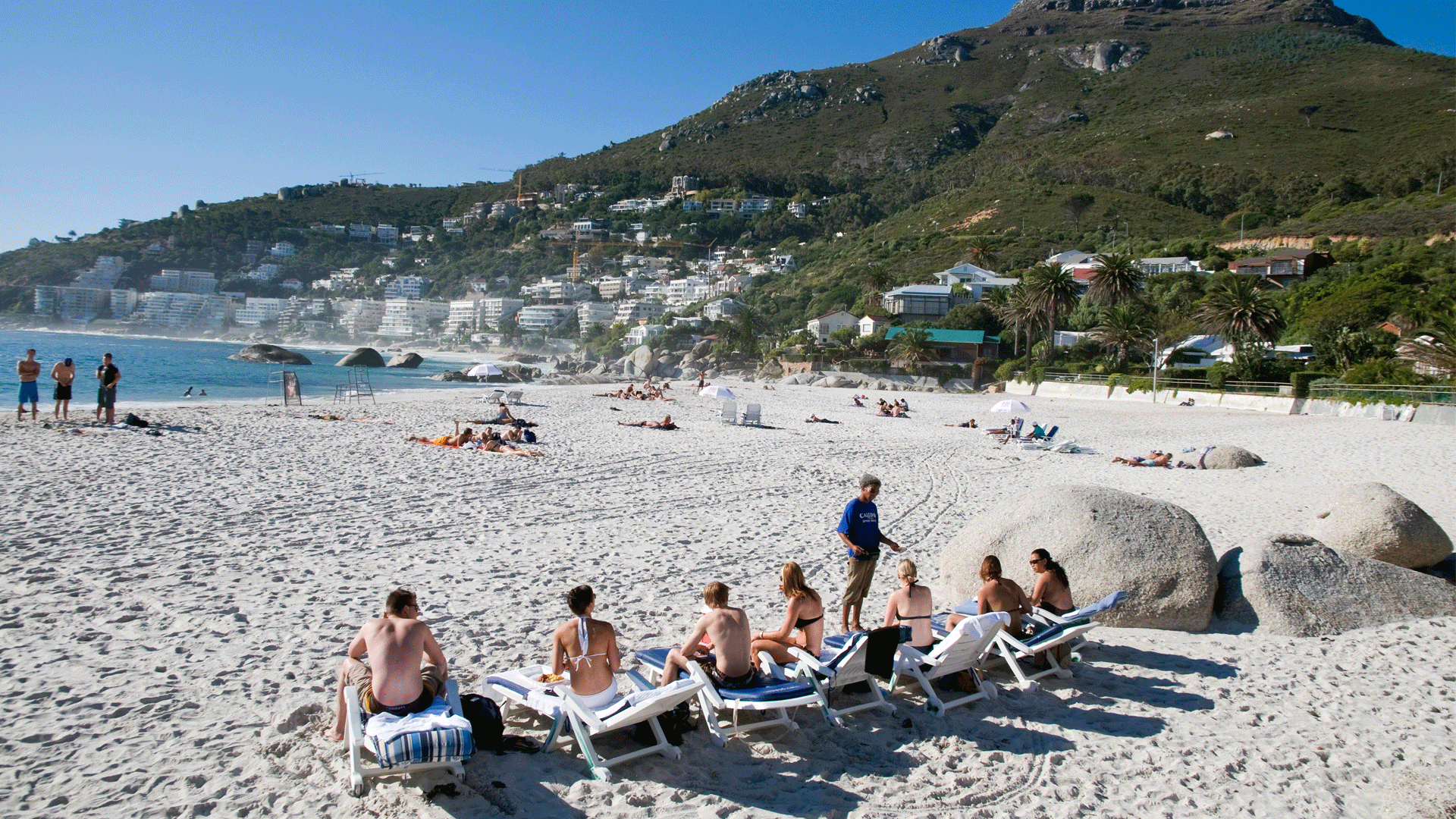
Woodstock and Creative Districts
Where to go in Cape Town for creativity and contemporary culture leads to neighborhoods such as Woodstock. Once industrial, this area has evolved into a hub for art, design, and innovation.
Markets, galleries, and studios reflect a city in creative transition. Woodstock highlights Cape Town’s ability to reinvent itself while maintaining authenticity.
Exploring creative districts offers insight into modern Cape Town and its evolving identity.
Gardens, Green Spaces, and Urban Nature
Cape Town integrates nature into urban life through gardens and green spaces that influence where to go in Cape Town for relaxation and reflection. The Company’s Garden, Kirstenbosch National Botanical Garden, and urban parks provide accessible natural escapes.
Kirstenbosch, located on the slopes of Table Mountain, is internationally recognized for its botanical diversity and scenic beauty. It connects conservation, education, and leisure in a uniquely Cape Town way.
These spaces highlight the city’s commitment to preserving nature within an urban environment.
Where to Go in Cape Town for Food and Markets
Food plays a defining role in deciding where to go in Cape Town. Neighborhood markets, street food scenes, and fine dining districts showcase the city’s culinary diversity.
Areas such as the City Bowl, Woodstock, and coastal neighborhoods offer distinct food cultures. Markets provide opportunities to engage with local producers and traditions.
Culinary exploration becomes a pathway to understanding Cape Town’s multicultural identity.
Where to Go in Cape Town for First-Time Visitors
For first-time visitors, where to go in Cape Town is best approached through a balanced itinerary. Combining the City Bowl, Table Mountain, a Cape Peninsula drive, coastal neighborhoods, and the Winelands provides a comprehensive introduction.
This approach allows travelers to experience Cape Town’s landscapes, history, and lifestyle without rushing. First-time visits often set the foundation for deeper exploration in future trips.
Where to Go in Cape Town for Repeat Visitors
Repeat visitors often explore where to go in Cape Town beyond the highlights, focusing on neighborhoods, seasonal experiences, and lesser-known areas. Coastal villages, creative districts, and nature reserves offer new perspectives.
Each visit reveals different layers of the city, reinforcing its depth and long-term appeal.
Discovering Where to Go in Cape Town
Where to go in Cape Town is not a question with a single answer but an invitation to explore a city defined by diversity and contrast. From mountains and beaches to historic districts and creative neighborhoods, Cape Town offers experiences that are both visually stunning and emotionally resonant.
By understanding the character of each area and aligning exploration with personal interests, travelers can craft meaningful journeys through one of the world’s most remarkable cities. Cape Town rewards curiosity, patience, and openness, ensuring that every exploration feels personal and memorable.