
Gombe Stream National Park
Gombe Stream National Park : Primates destination in africa
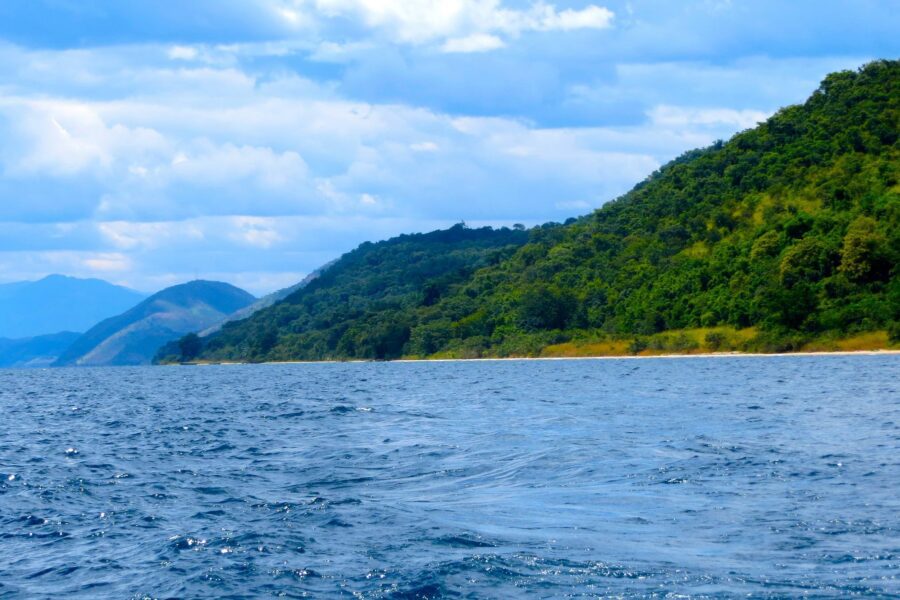
Gombe Stream National Park, located along the western shore of Lake Tanganyika in Tanzania, is one of Africa’s most iconic primate destinations. Famous worldwide for its long-term research on wild chimpanzees initiated by pioneering primatologist Jane Goodall, Gombe offers visitors a unique opportunity to observe primates in their natural habitat while exploring some of East Africa’s most pristine forest ecosystems. Its rugged hills, dense tropical rainforest, and lakeside environment create an unparalleled setting for conservation-based tourism and wildlife study.
Despite its relatively small size, covering only about 35 square kilometers, Gombe Stream National Park is recognized globally for its ecological, historical, and cultural significance. The park’s fame primarily comes from the habituated chimpanzee communities that have been studied continuously since the 1960s, making it a leading destination for primatology enthusiasts, conservationists, and adventurous travelers seeking intimate wildlife encounters.
This comprehensive article explores Gombe Stream National Park in detail, including its location, history, landscapes, ecosystems, primate species, other wildlife, conservation importance, trekking experiences, best time to visit, accommodation options, and practical travel information. By the end, it will be clear why Gombe Stream National Park is considered one of Africa’s premier primate destinations.
Location and Geographic Overview
Gombe Stream National Park is located in western Tanzania, along the northeastern shores of Lake Tanganyika. The park is accessible from the town of Kigoma, which is connected by road and domestic flights to other major Tanzanian cities such as Dar es Salaam and Arusha.
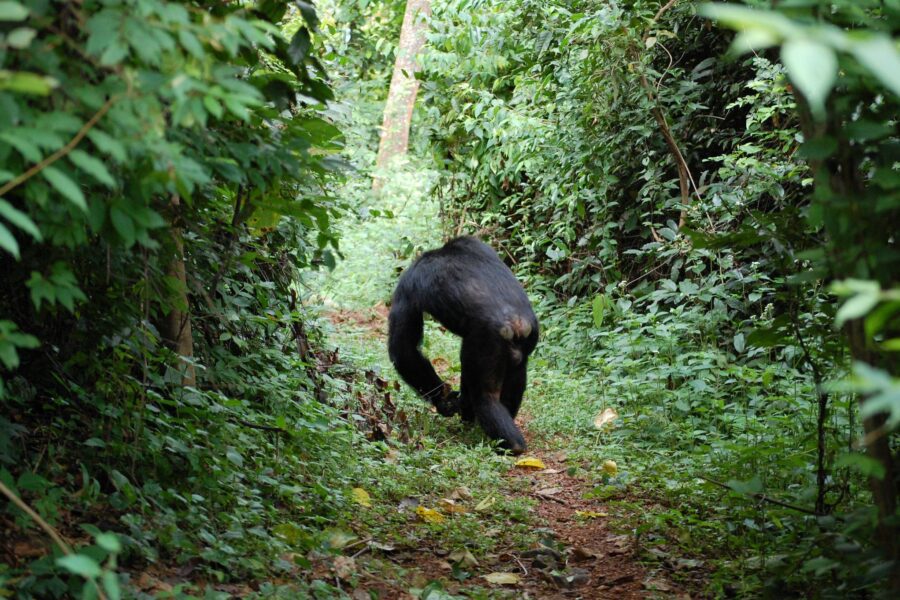
The park’s terrain is steep and hilly, with tropical rainforest covering the slopes down to the lakeshore. This unique topography creates a mosaic of habitats, including evergreen forest, stream valleys, bamboo groves, and lakeside grasslands. The park’s relatively compact size makes it ideal for focused primate tourism and research activities.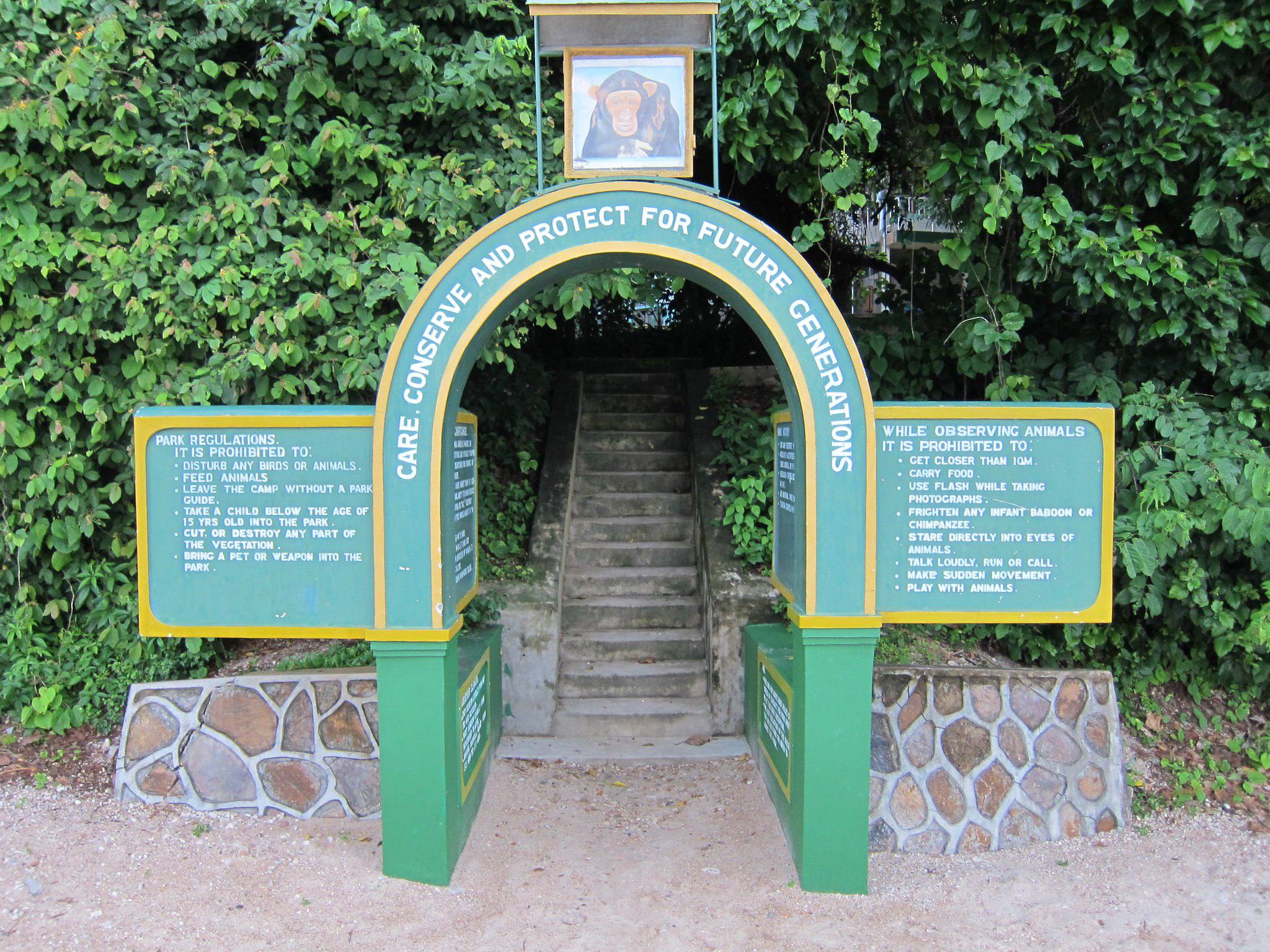
Historical Background and Establishment
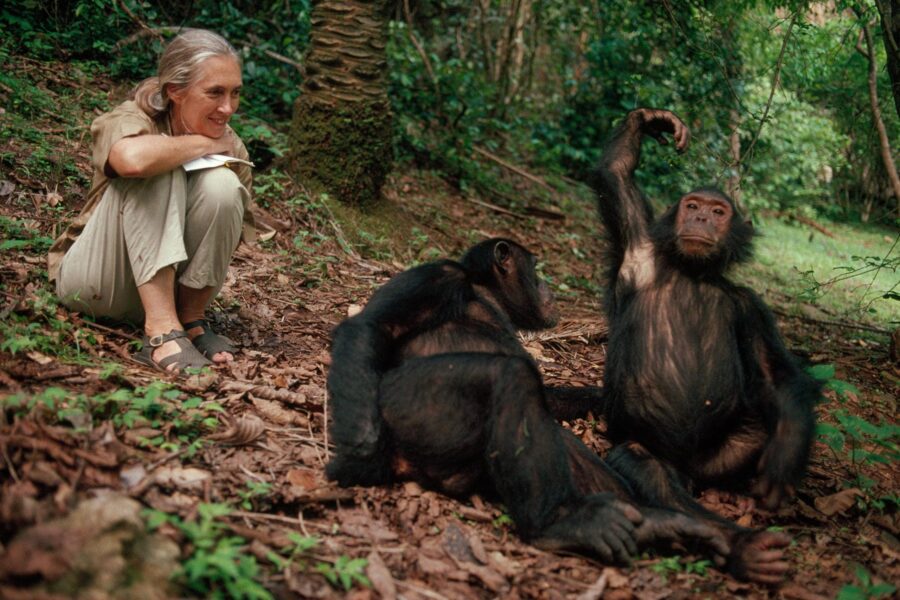
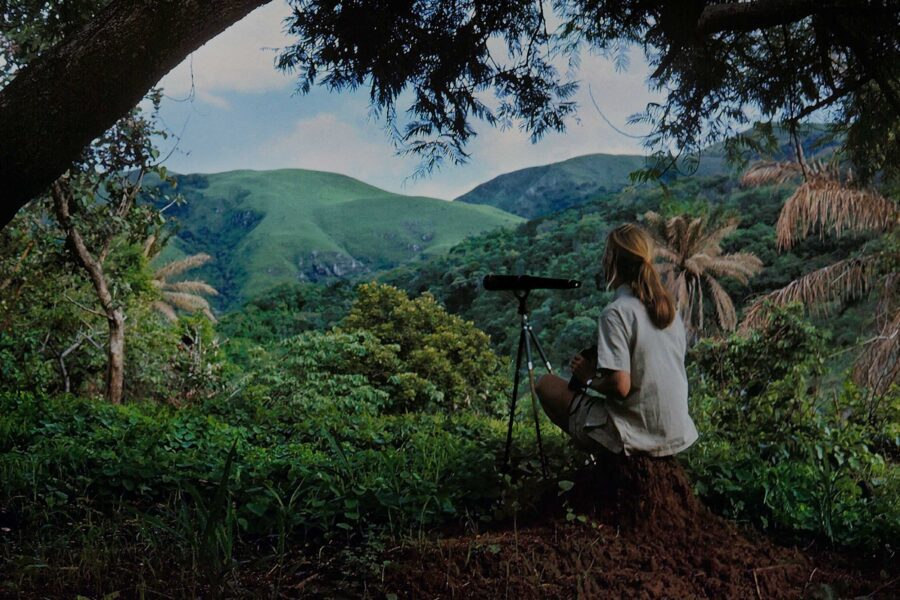
Gombe Stream National Park was established in 1968, following the recognition of its ecological and scientific importance. Its global significance is closely linked to Jane Goodall, who began her groundbreaking research on wild chimpanzees in 1960. Her work in Gombe revolutionized the understanding of primate behavior, social structures, and intelligence, earning the park worldwide recognition.
The park is managed by the Tanzania National Parks Authority (TANAPA), which oversees conservation, tourism, and research operations. Over the decades, Gombe has become a model for combining scientific research with sustainable tourism, creating both economic benefits and conservation awareness.
Landscape and Ecosystems
Despite its small size, Gombe Stream National Park features highly diverse ecosystems that support a rich array of wildlife.
Tropical Rainforest
The park is dominated by dense tropical rainforest, with towering trees, vines, and thick undergrowth providing essential habitat for primates. The canopy and subcanopy layers harbor a wide range of wildlife, offering opportunities for observing arboreal species.
Bamboo and Secondary Forests
Bamboo patches and secondary growth areas occur in some parts of the park, creating important feeding zones for primates, particularly chimpanzees during certain seasons.
Stream Valleys
The park’s numerous streams and rivers not only sustain wildlife but also shape the forest’s microhabitats. The watercourses create lush riparian zones that support specialized plant and animal species.
Lakeside Habitat
The western boundary of the park meets Lake Tanganyika, Africa’s longest and second-deepest freshwater lake. This lakeshore provides additional ecological diversity and opportunities for birdwatching and scenic walks.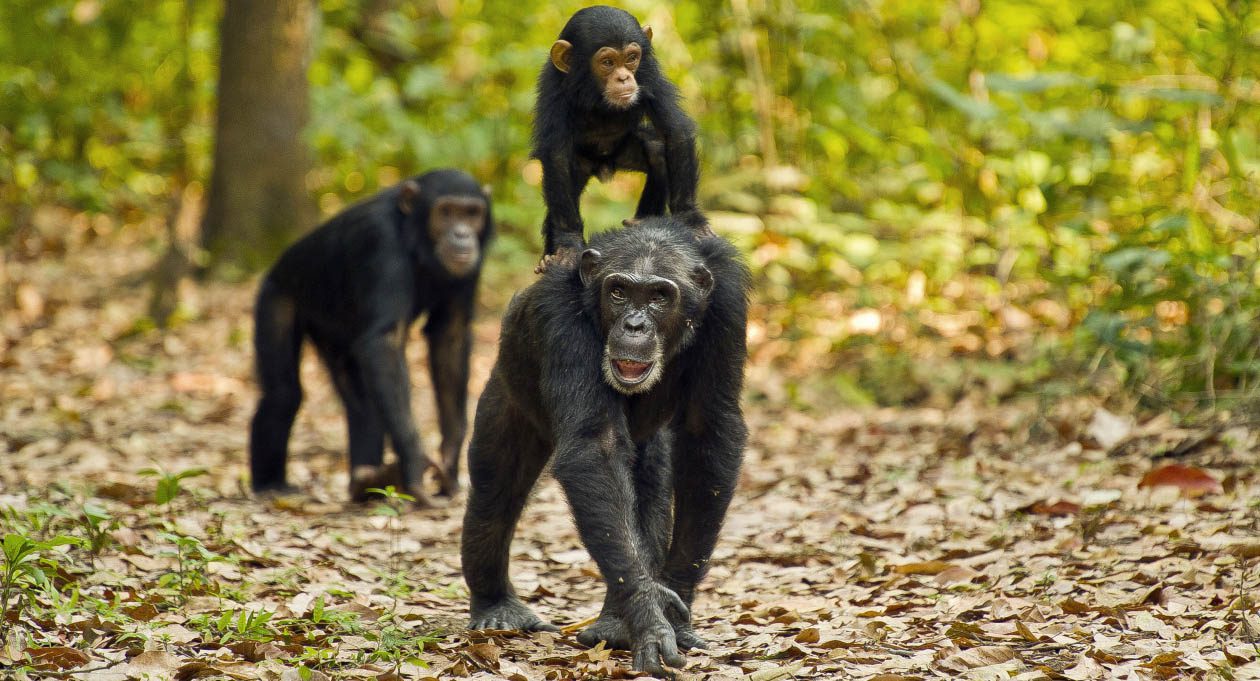
Primates of Gombe Stream National Park
Gombe Stream National Park is internationally renowned for its primates, offering exceptional opportunities to observe and study these intelligent animals in their natural environment.
Chimpanzees
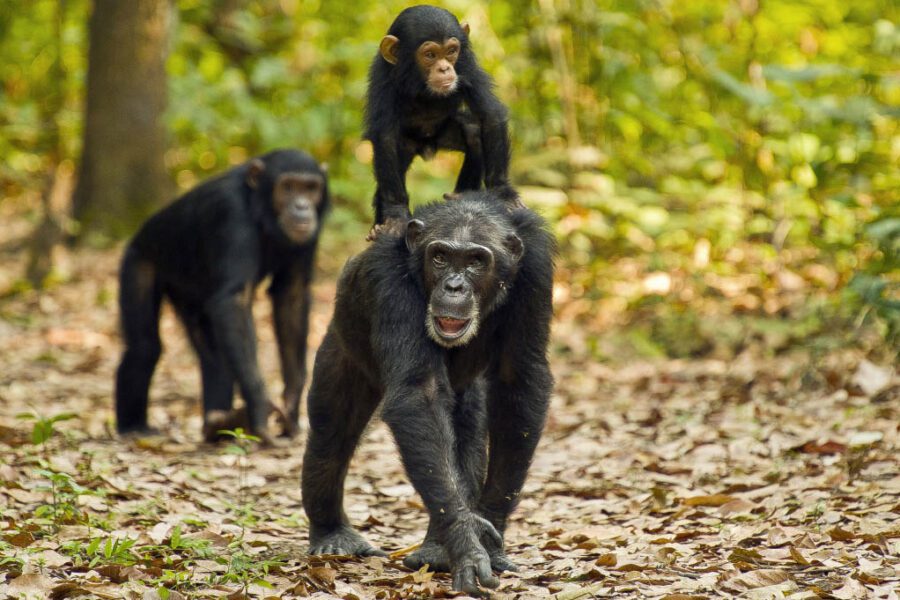
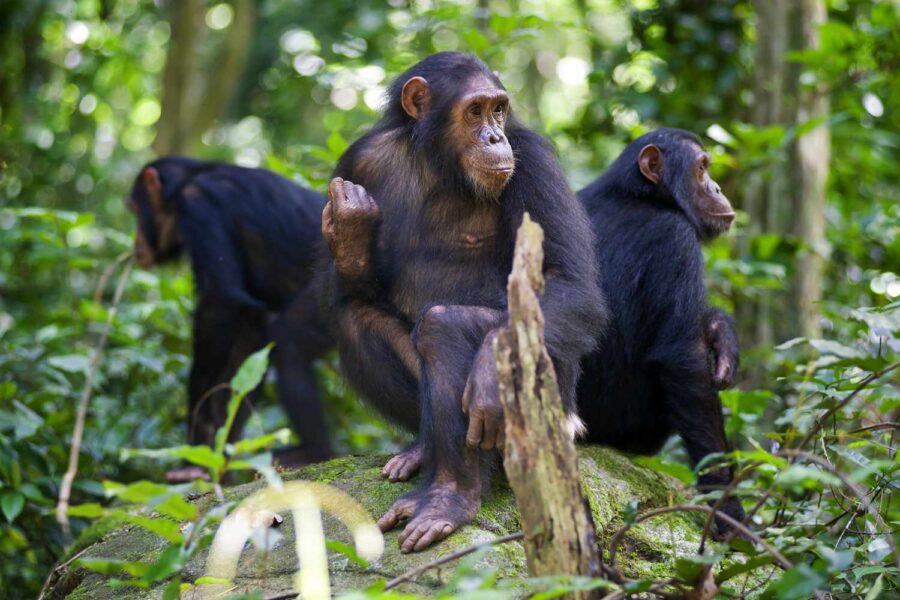
The park’s chimpanzees are the primary attraction. Habituated groups allow visitors to follow and observe chimpanzee behavior at close range under the guidance of experienced trackers and researchers. Activities observed include foraging, grooming, play, tool use, and complex social interactions.
Gombe’s chimpanzees have been studied continuously for over six decades, providing unmatched insight into primate ecology, social dynamics, and human evolutionary parallels. Several chimpanzee communities, such as the Kasekela and Mitumba groups, are regularly visited by tourists.
Red Colobus Monkeys
Red colobus monkeys are another key primate species in Gombe. These monkeys are often observed in the mid-canopy and are important both ecologically and as prey for chimpanzees. Their presence contributes to the park’s primate diversity.
Other Primate Species
Gombe Stream National Park also hosts several other primates, including:
- Olive baboons
- Blue monkeys
- Black-and-white colobus monkeys
- L’Hoest’s monkey
The variety of primate species makes Gombe a rich field site for researchers and an exciting destination for wildlife enthusiasts.
Other Wildlife
While primates dominate, Gombe Stream National Park is home to other mammals, reptiles, and birds that contribute to its ecological richness.
Mammals
- Bushbuck
- Duikers
- Forest elephants (rare)
- Small carnivores such as mongooses and genets
Birdlife
Gombe supports over 200 bird species, including both forest and lakeshore specialists. Notable species include:
- African fish eagle
- Livingstone’s turaco
- Hartlaub’s turaco
- Grey-crowned crane
Birdwatching in Gombe offers an excellent complement to primate-focused activities.
Chimpanzee Trekking Experience
Chimpanzee trekking is the park’s signature activity and is regulated to ensure minimal impact on the animals.
Trekking Process
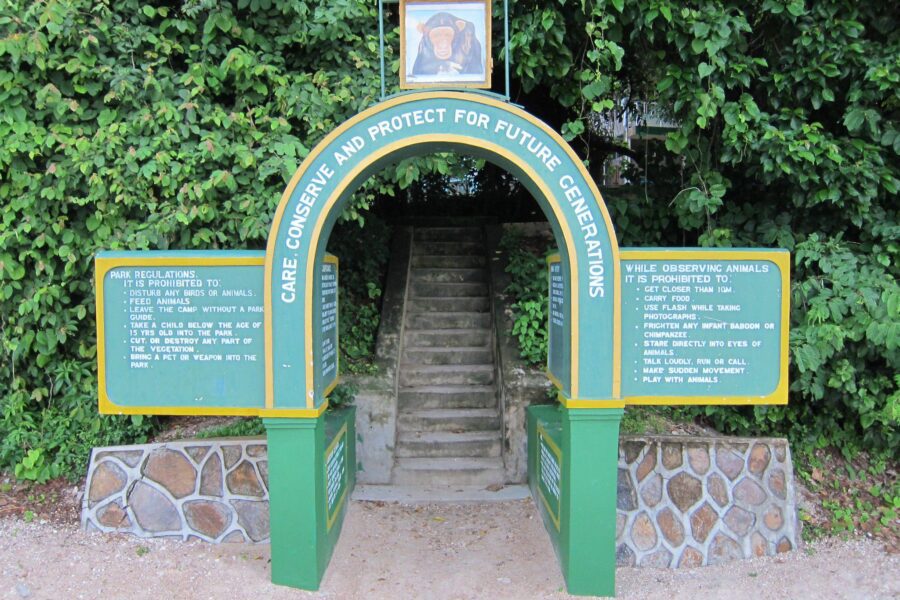
Visitors begin with a briefing at the park headquarters, where rules and guidelines are explained. Small groups are then guided into the forest by trained trackers to locate a habituated chimpanzee group. Treks can range from a short 30-minute walk to several hours, depending on the group’s location.
Regulations
- Maximum of six to eight visitors per chimpanzee group
- One hour spent observing the chimpanzees
- Visitors must maintain a safe distance to prevent disease transmission
- Strict health protocols for visitors, including mandatory hand sanitization
These measures ensure both visitor safety and the well-being of the chimpanzees.
Research and Conservation Significance
Gombe Stream National Park is a critical site for primate research and conservation. Jane Goodall’s work not only transformed the understanding of chimpanzees but also highlighted the importance of habitat protection and anti-poaching efforts.
Conservation initiatives at Gombe include:
- Habitat protection and reforestation programs
- Anti-poaching patrols and community engagement
- Environmental education programs for local communities
- Ongoing scientific research on primate behavior and ecology
Gombe serves as a model for how long-term research, community involvement, and eco-tourism can combine to support endangered species.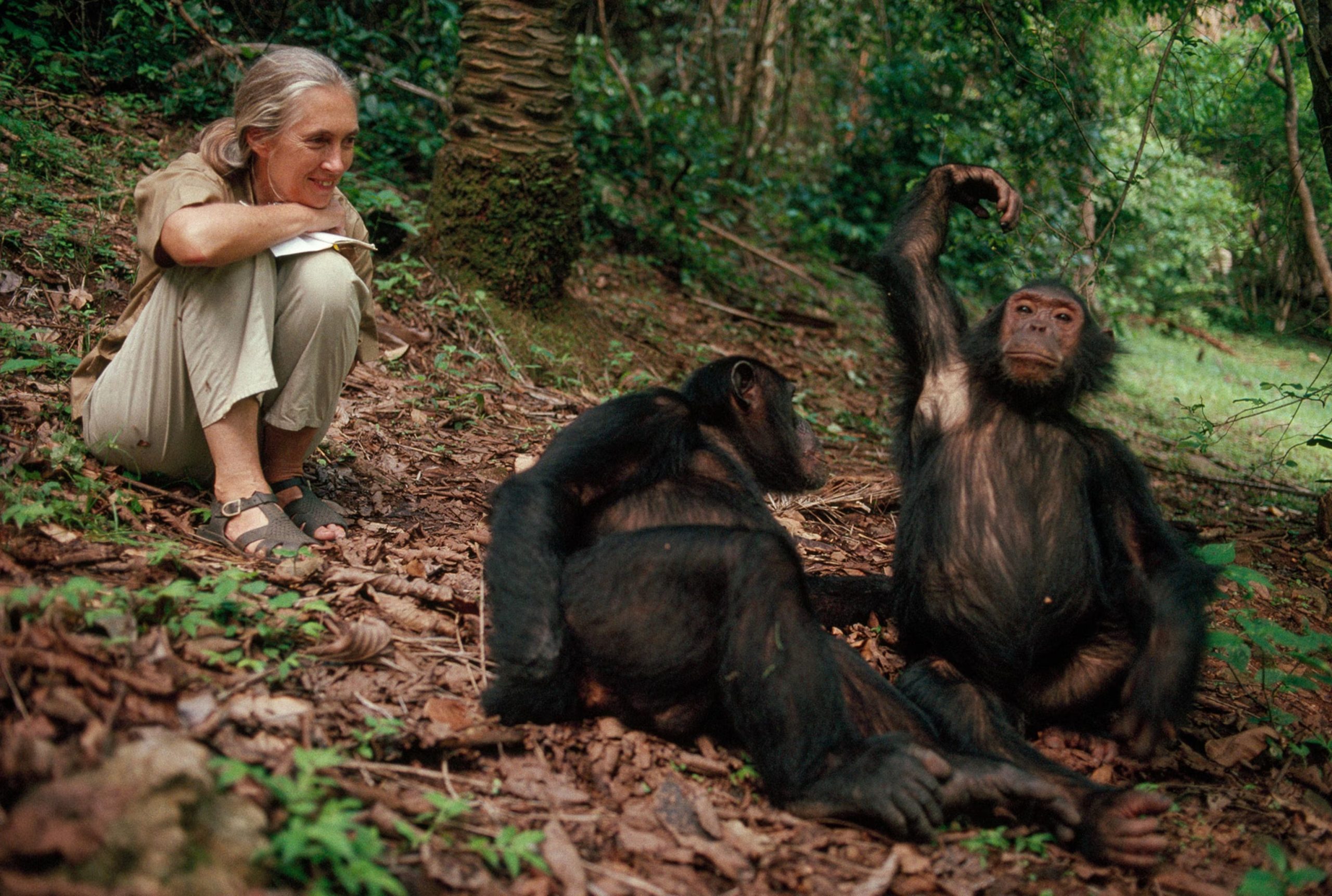
Activities in Gombe Stream National Park
In addition to chimpanzee trekking, visitors to Gombe can enjoy a variety of activities that highlight the park’s natural and scenic beauty.
Nature Walks and Forest Trails
Guided nature walks provide opportunities to explore the forest, observe other primates, learn about medicinal plants, and enjoy the lush environment.
Birdwatching
Specialized birding trips allow enthusiasts to spot rare and endemic species both in the forest and along the lakeshore.
Lake Tanganyika Activities
While the park itself is forest-focused, the nearby Lake Tanganyika offers boating, fishing, and relaxation opportunities, enhancing the visitor experience.
Educational Tours
Visitors can learn about the history of primate research, conservation successes, and ongoing scientific projects at the park’s research facilities.
Best Time to Visit Gombe Stream National Park
Gombe can be visited year-round, but weather conditions affect trekking and wildlife viewing.
- Dry Seasons (June to September and December to February): Best for trekking, with drier trails and easier forest navigation.
- Wet Seasons (March to May and October to November): Lush forest and increased river levels, though trekking can be more challenging.
Accommodation Options
Accommodation around Gombe Stream National Park is limited but offers options for different preferences.
- Eco-Lodges: Provide comfortable stays with proximity to chimpanzee trekking sites.
- Research Station Facilities: Some long-term researchers and guided tours may include accommodation in research facilities.
- Nearby Guesthouses: In Kigoma and surrounding villages, providing budget options and access to local culture.

Practical Travel Information
- Access: Reachable by road from Kigoma or via domestic flights to Kigoma Airport.
- Permits: Required for chimpanzee trekking and should be booked in advance.
- What to Pack: Hiking boots, rain jacket, gloves, insect repellent, binoculars, and warm clothing.
- Health and Safety: Follow ranger instructions, maintain safe distances from wildlife, and observe park regulations.
Why Gombe Stream National Park Is a Premier Primates Destination in Africa
Gombe Stream National Park offers an unparalleled opportunity to experience primates in their natural rainforest habitat. The chance to observe chimpanzees in the wild, combined with rich primate diversity, scenic forest landscapes, and a legacy of groundbreaking research, makes Gombe a truly unique destination.
For travelers interested in primates, conservation, and intimate wildlife encounters, Gombe Stream National Park stands as one of Africa’s most compelling and historically significant primate destinations.