Kruger National Park

Why You Must Add Kruger National Park to Your Bucket List
Kruger National Park is one of Africa’s most iconic and celebrated wildlife destinations. Located in northeastern South Africa, this vast protected area is synonymous with classic African safaris, exceptional biodiversity, and unforgettable wildlife encounters. Spanning nearly 20,000 square kilometers, Kruger is larger than some countries and offers one of the most accessible yet authentic safari experiences on the continent.
Whether you are a first-time safari traveler or a seasoned wildlife enthusiast, Kruger National Park deserves a place on your bucket list. From Big Five sightings and diverse ecosystems to excellent infrastructure and rich cultural history, Kruger delivers a safari experience that is both thrilling and deeply rewarding.
1. Home to the Legendary Big Five
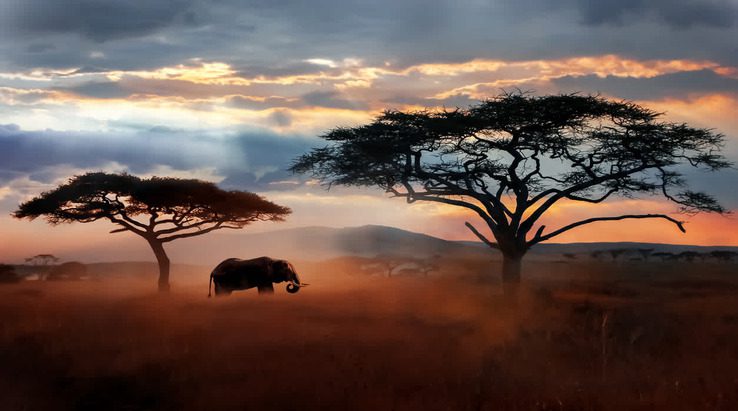
One of the biggest reasons to visit Kruger National Park is its outstanding Big Five population—lion, leopard, elephant, rhinoceros, and buffalo. Kruger is one of the best places in Africa to see all five species in their natural habitat.
- Large elephant herds roam freely across the park
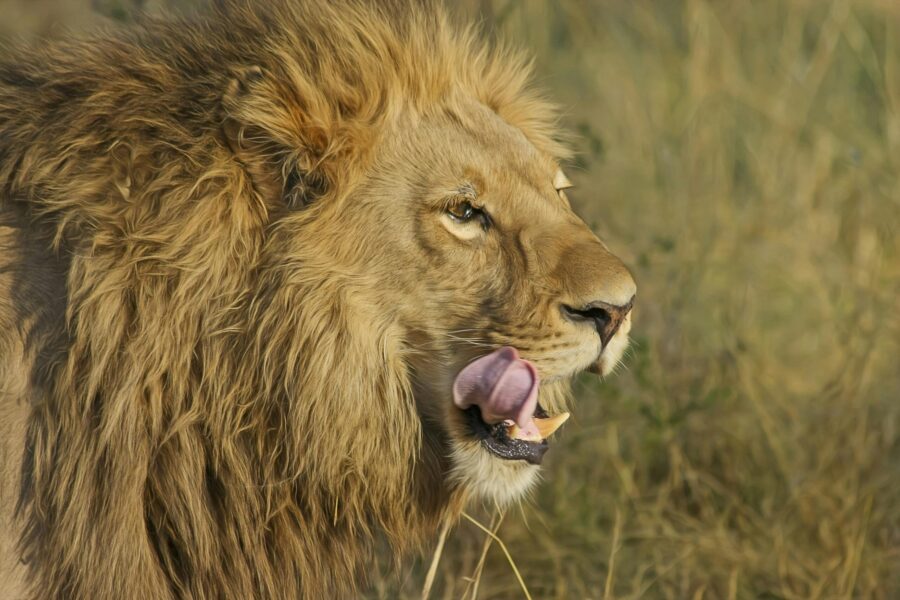
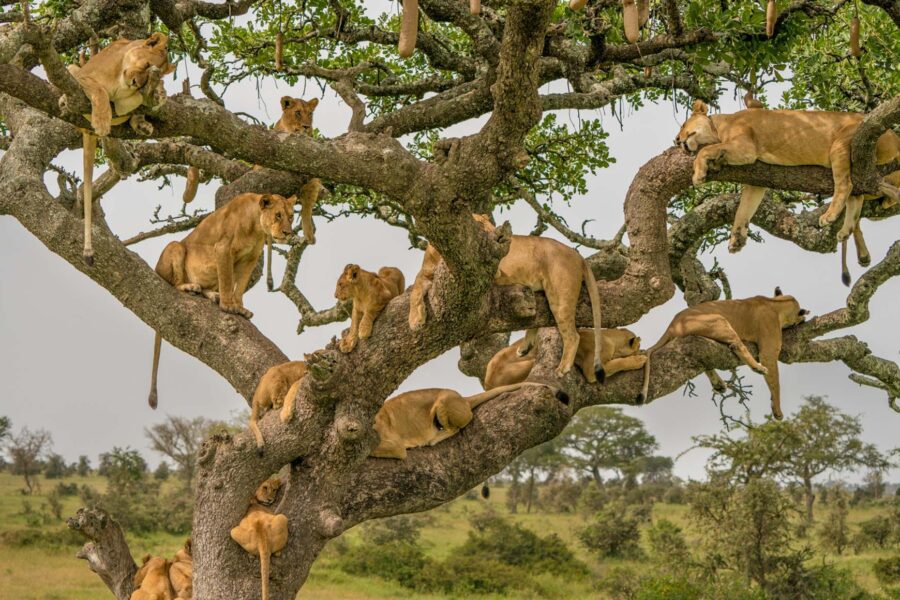
- Lions are frequently spotted resting or hunting on open plains
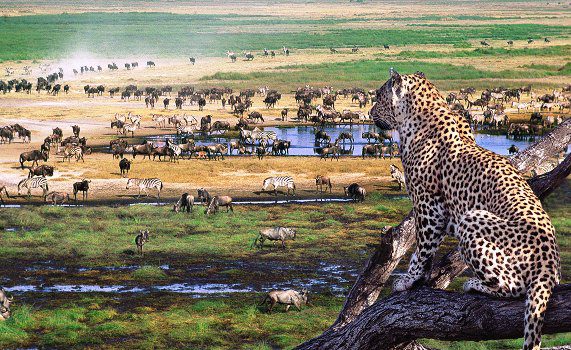
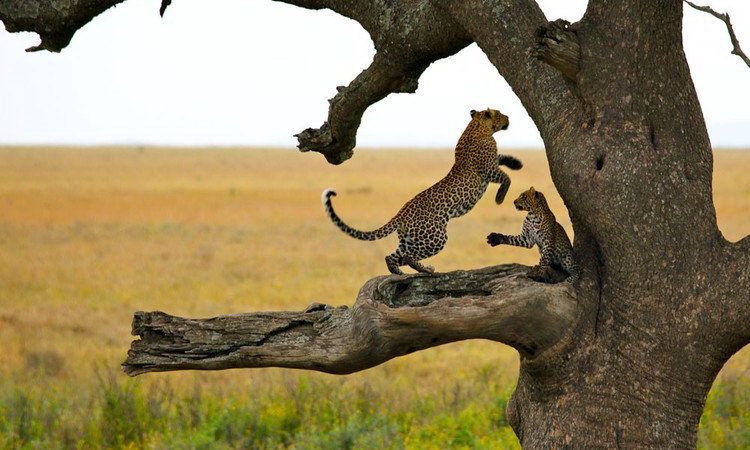
- Leopards, though elusive, are commonly seen in riverine areas
- Buffalo herds often number in the hundreds
- Both white and black rhinos are protected within the ecosystem
The sheer size of the park and the diversity of habitats mean wildlife sightings are frequent and varied, making every game drive unique.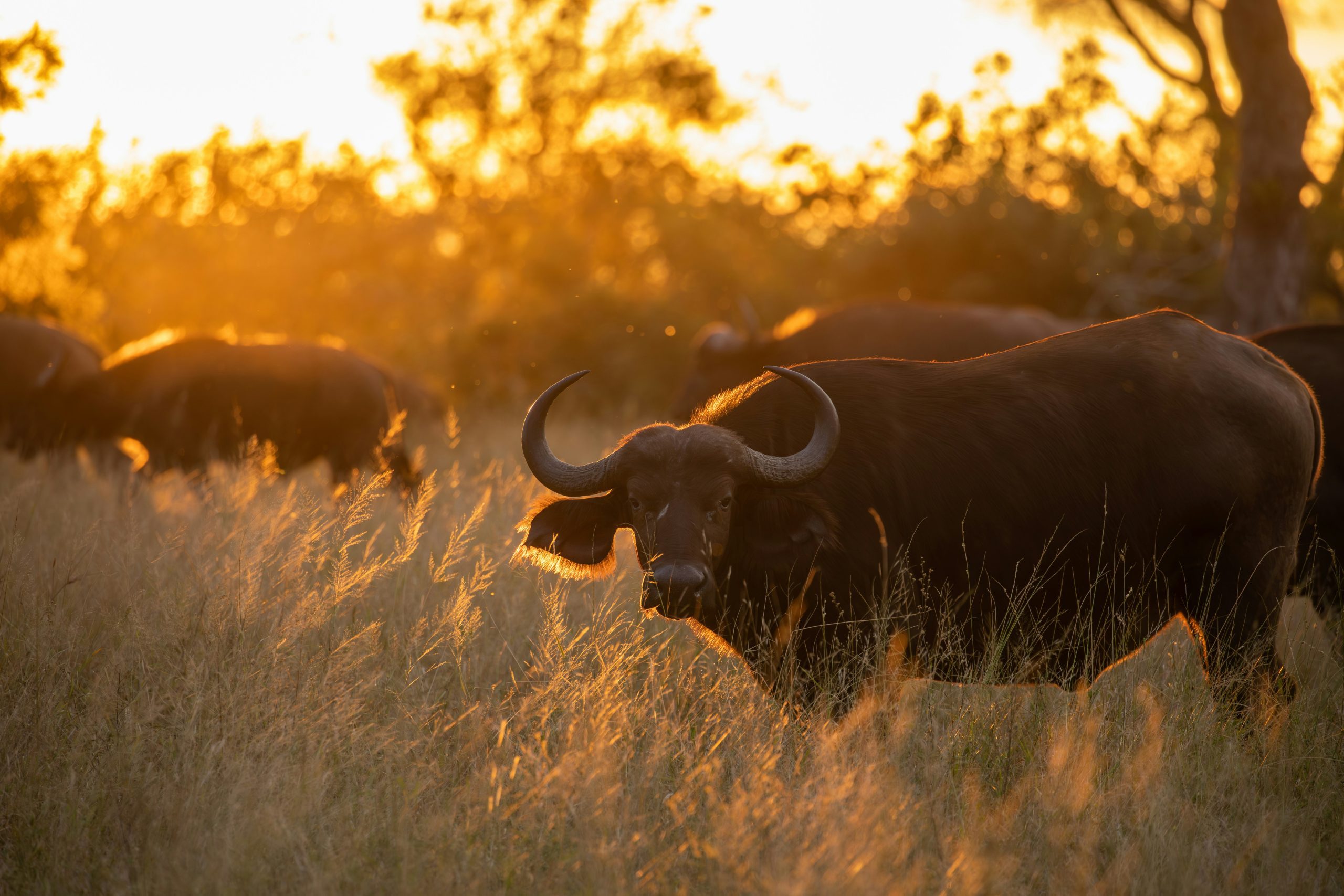
2. Incredible Biodiversity Beyond the Big Five
While the Big Five steal the spotlight, Kruger National Park is home to an astonishing range of wildlife. The park protects:
- Over 140 mammal species
- More than 500 bird species
- Numerous reptiles, amphibians, and insects
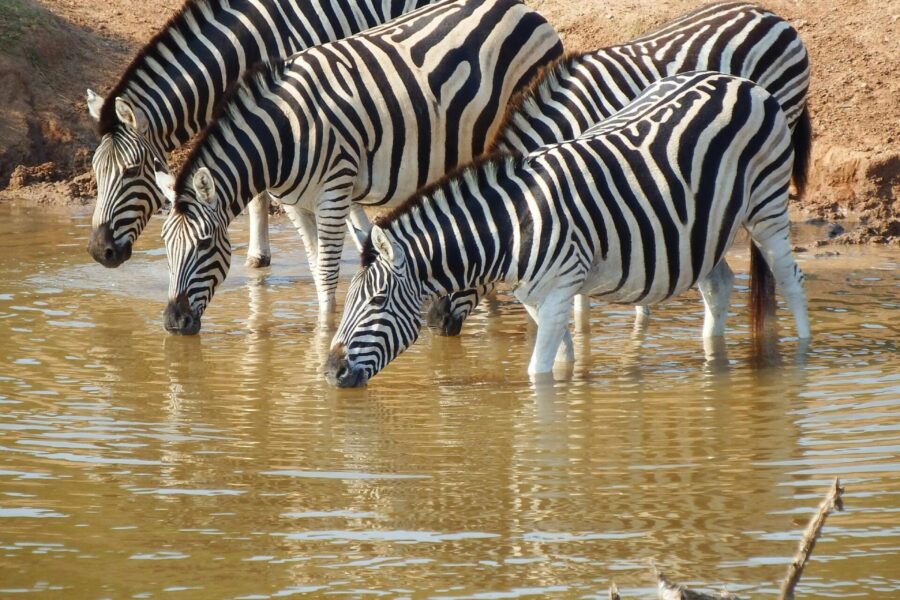
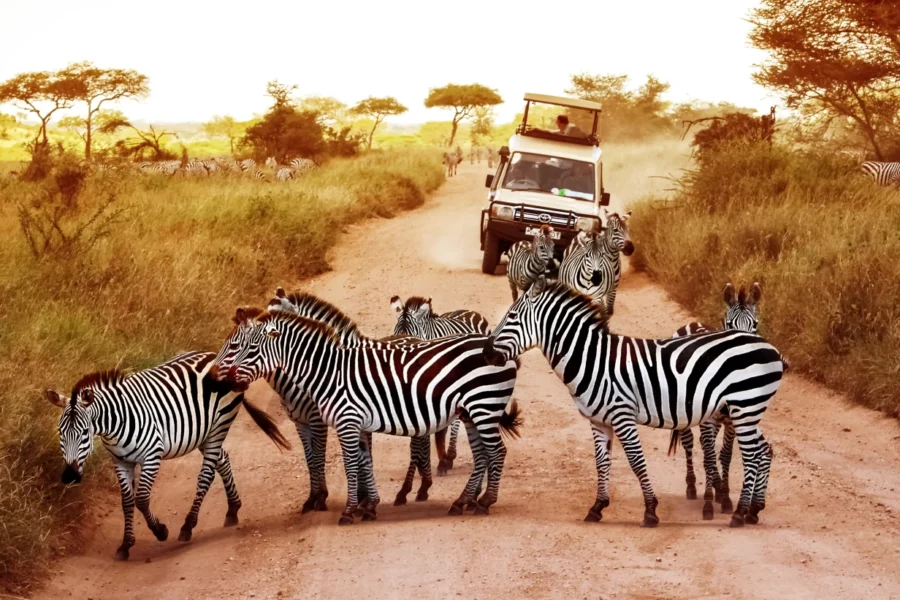
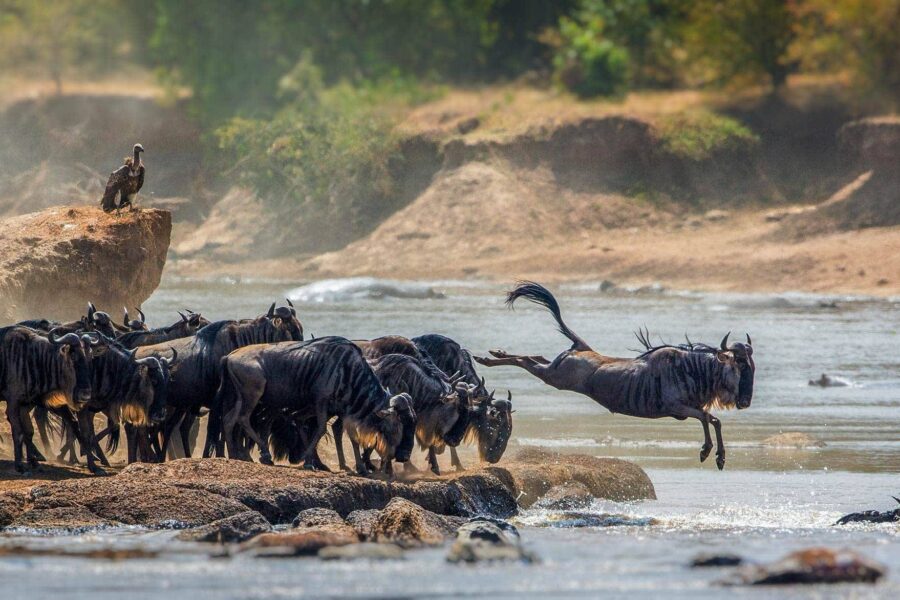
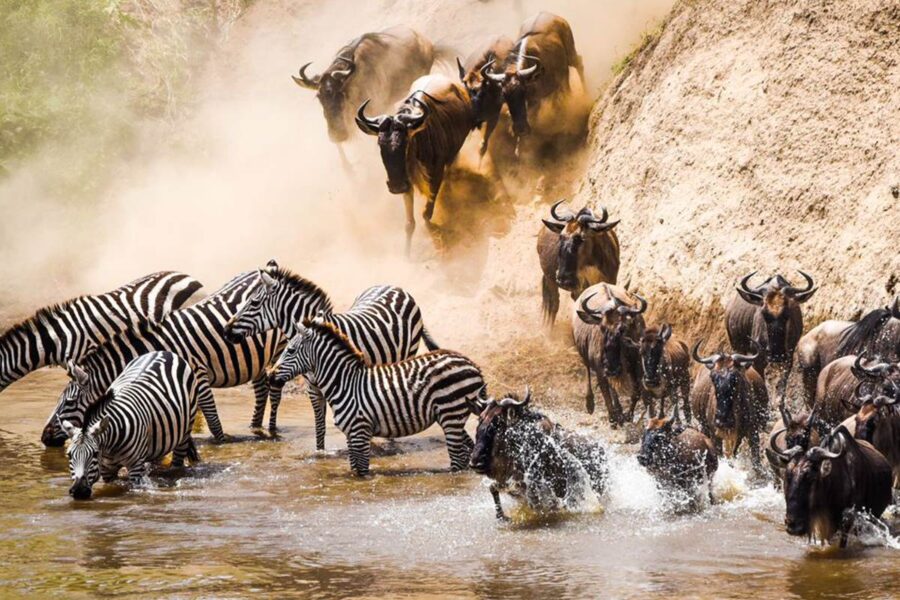
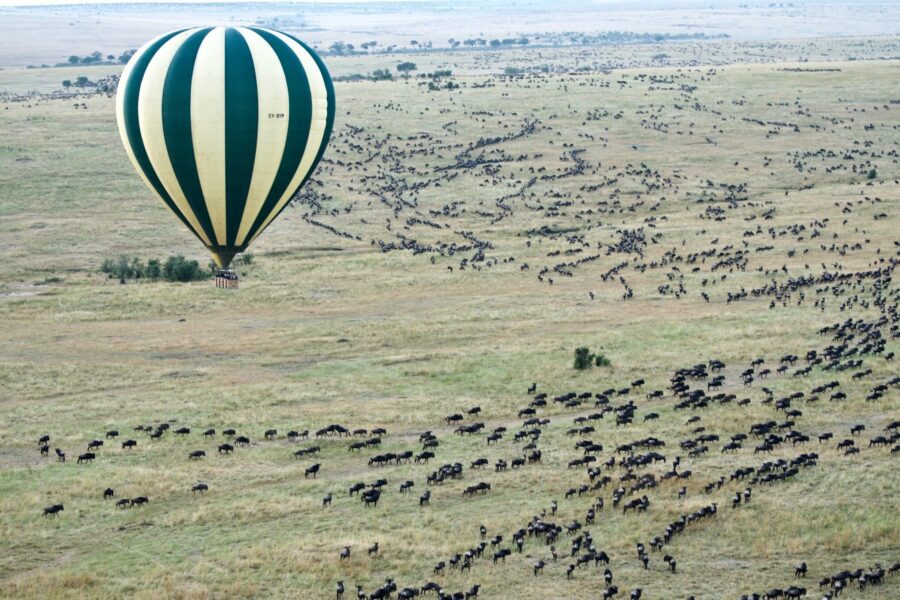
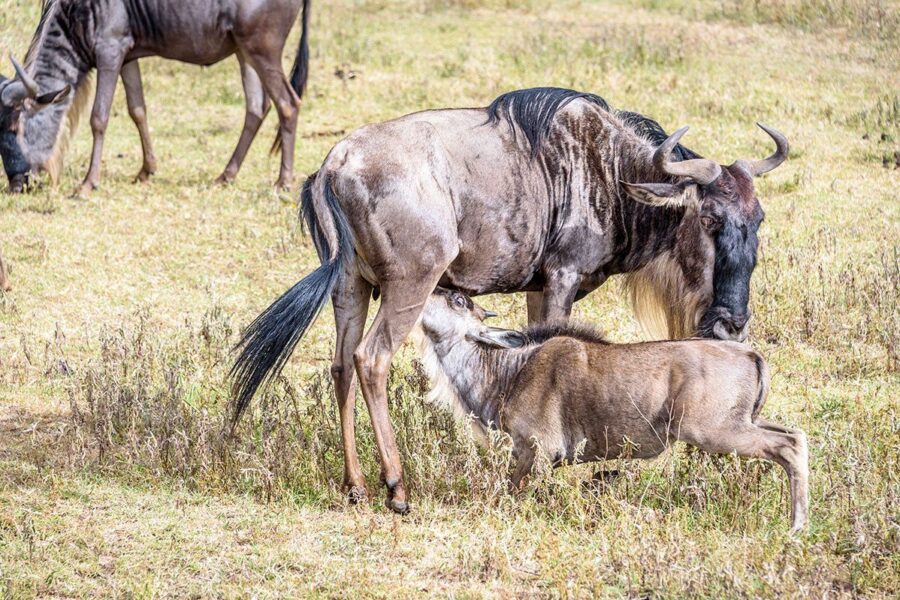
Giraffes, zebras, hippos, crocodiles, cheetahs, wild dogs, and a wide variety of antelope species thrive within Kruger’s boundaries. For birdwatchers, the park is a paradise, offering both resident and migratory species across different seasons.
3. Diverse Landscapes and Ecosystems
Kruger National Park’s size allows it to encompass multiple ecosystems, each supporting different types of wildlife. From south to north, the landscape transitions dramatically.
Key habitats include:
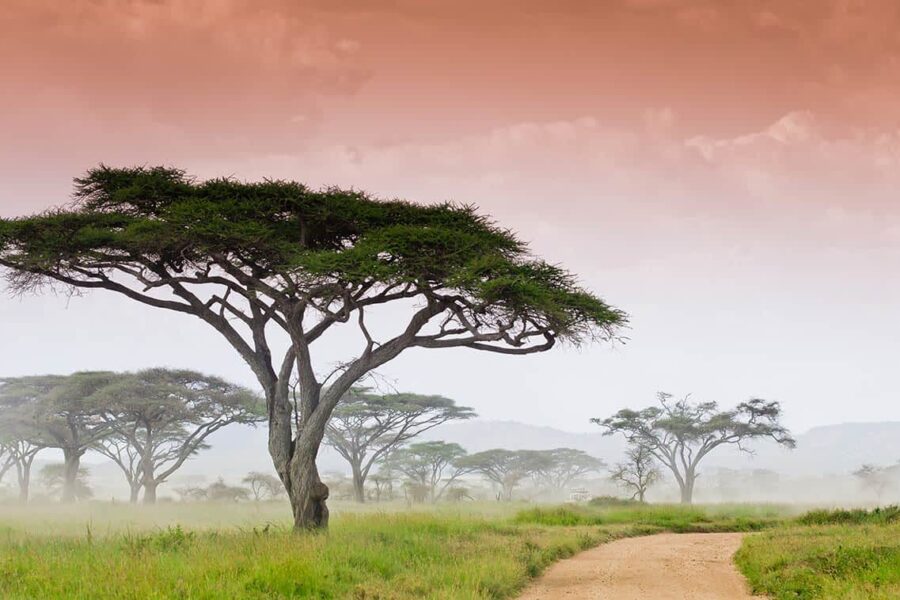
- Open savannah grasslands
- Riverine forests along major rivers such as the Sabie and Olifants
- Mopane woodlands in the north
- Rocky outcrops and bushveld
This ecological diversity enhances wildlife viewing and makes Kruger an exceptional destination for photographers and nature lovers.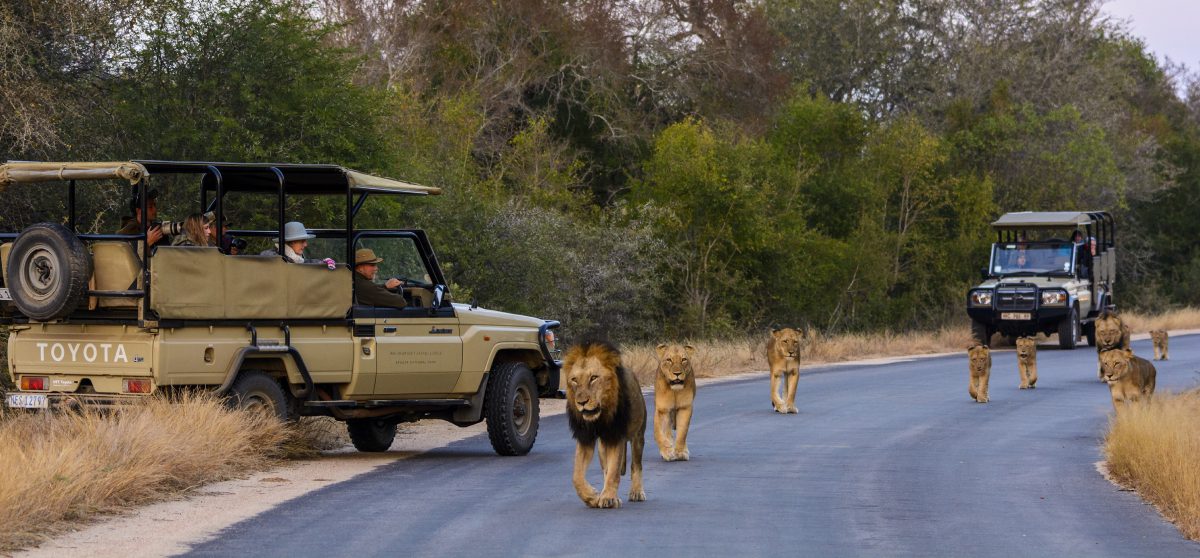
4. Excellent Safari Infrastructure and Accessibility
Kruger is one of Africa’s most well-developed national parks, making it ideal for travelers of all experience levels. The park offers:
- Well-maintained road networks
- Clearly marked routes and picnic sites
- A wide range of accommodation options
- Easy access from major cities like Johannesburg
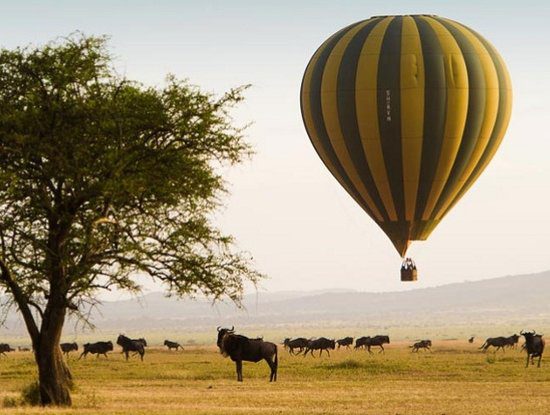
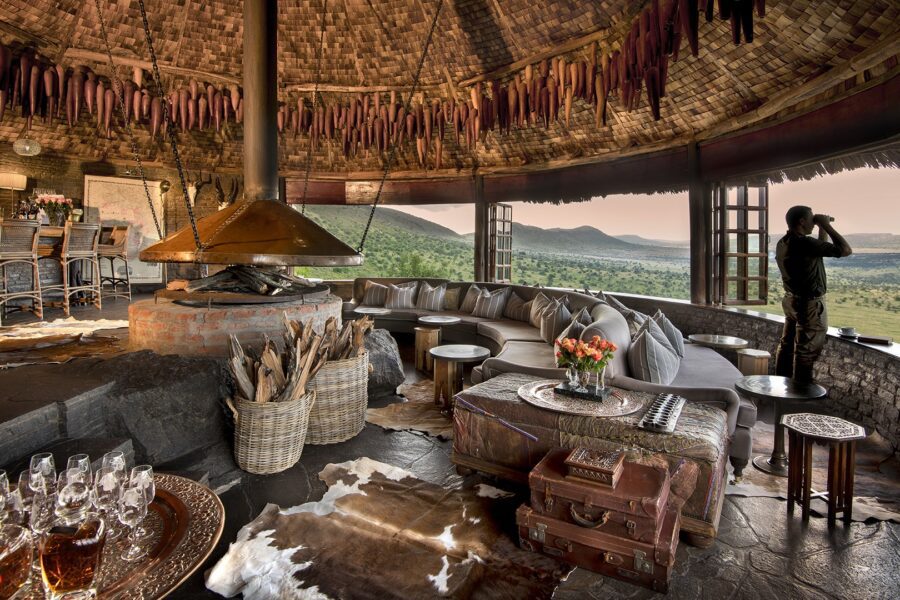
Visitors can choose between self-drive safaris, guided game drives, or luxury lodge experiences in private reserves bordering the park. This flexibility allows travelers to tailor their safari according to budget, comfort, and travel style.
5. Exceptional Safari Experiences for All Travelers
Kruger National Park caters to a broad range of safari preferences. Travelers can enjoy:
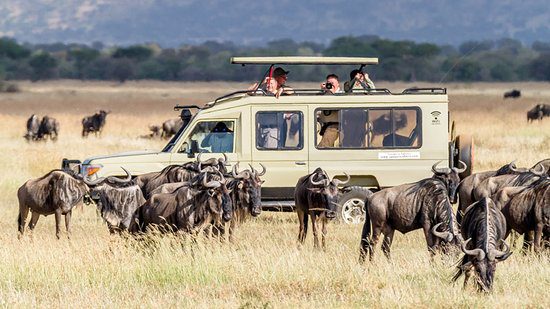
- Guided game drives led by expert rangers
- Night drives for nocturnal wildlife sightings
- Walking safaris that offer an intimate connection with nature
- Private reserve safaris with off-road tracking
Families, couples, solo travelers, and photographers all find Kruger to be a rewarding destination with experiences suited to their needs.
6. Year-Round Safari Destination
Unlike some safari parks that are best visited only during specific seasons, Kruger National Park offers year-round wildlife viewing.
- Dry season (May to October): Excellent game viewing as animals gather near water sources
- Green season (November to April): Lush landscapes, newborn animals, and outstanding birdlife
Each season offers a different perspective of the park, ensuring memorable experiences regardless of travel timing.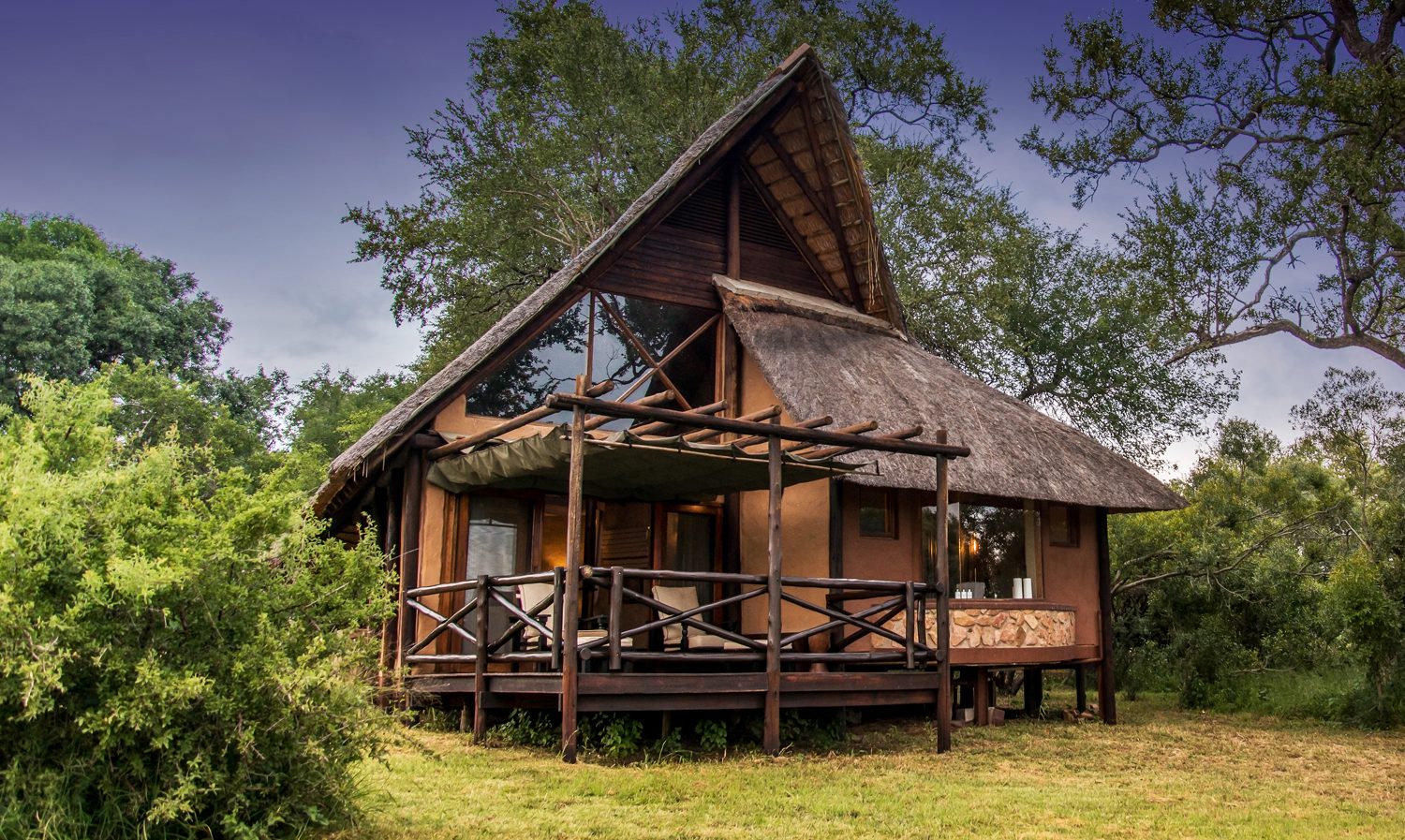
7. Rich History and Cultural Significance
Kruger National Park is not only about wildlife—it also has deep cultural and historical roots. Archaeological sites within the park reveal evidence of early human settlement dating back thousands of years.
The park also plays a vital role in South Africa’s conservation history, serving as a model for protected area management and wildlife preservation across the continent.
8. Conservation and Responsible Tourism
Visiting Kruger National Park directly supports conservation efforts and sustainable tourism. Entrance fees and tourism revenue contribute to:
- Anti-poaching initiatives
- Wildlife research and monitoring
- Habitat management
- Community outreach and education programs
By visiting Kruger, travelers actively support the protection of Africa’s natural heritage.
9. Ideal Combination with Other Destinations
Kruger National Park can easily be combined with other South African highlights such as:
- Panorama Route scenic drives
- Cultural experiences in nearby communities
- Beach escapes in Mozambique
- Wine and city experiences in Cape Town
This makes Kruger a versatile destination within a broader African itinerary.
Kruger National Park is more than just a safari destination—it is a symbol of Africa’s wild beauty, conservation success, and unforgettable adventure. With its Big Five wildlife, rich biodiversity, diverse landscapes, excellent infrastructure, and year-round appeal, Kruger offers one of the most complete safari experiences in Africa.
Adding Kruger National Park to your bucket list guarantees close encounters with iconic wildlife, meaningful connections with nature, and memories that will last a lifetime. Whether you choose a self-drive adventure or a guided luxury safari, Kruger is a destination that truly lives up to its legendary reputation.