Kruger National Park travel advice is essential for anyone planning a safari in one of Africa’s most iconic wildlife destinations. Due to its vast size, diverse ecosystems, and unique travel dynamics, a visit to Kruger National Park requires thoughtful preparation to ensure a rewarding and stress-free experience. While the park is accessible and well-managed, understanding how it operates, what to expect, and how to navigate its complexities can significantly enhance the quality of a visit.
Kruger National Park stretches across nearly two million hectares and offers an experience that is both wild and structured. This balance is what makes the park so appealing, but it also means that travelers benefit greatly from practical guidance before arrival. From choosing the right region and accommodation to understanding driving rules, safety considerations, seasonal planning, and wildlife etiquette, informed decisions shape the overall safari outcome.
This in-depth guide provides comprehensive Kruger National Park travel advice designed to help travelers maximize wildlife encounters, avoid common mistakes, and travel responsibly. Whether visiting for the first time or returning for a deeper exploration, the insights below address the most important aspects of planning and experiencing Kruger National Park.
Understanding the Scale and Structure of Kruger National Park
One of the most important aspects of Kruger National Park travel advice is understanding the sheer scale of the park. Kruger is not a single location but a network of regions, rest camps, roads, rivers, and ecosystems spread across hundreds of kilometers. Attempting to see too much in a short period often leads to rushed experiences and unnecessary fatigue.
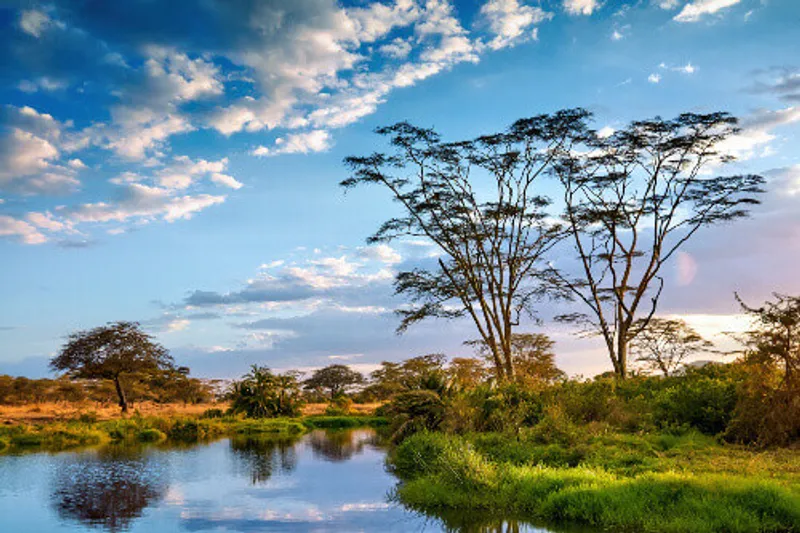
Travelers are encouraged to plan itineraries that focus on specific regions rather than attempting to cover the entire park. The southern regions offer higher wildlife density, the central areas provide classic savannah scenery, and the northern sections deliver solitude and biodiversity. Recognizing this structure allows for realistic planning and more meaningful encounters.
Time management is critical, as driving distances within the park are longer than they appear on maps. Understanding gate opening and closing times, speed limits, and travel restrictions forms a foundational element of effective Kruger National Park travel advice.
Choosing the Right Time to Visit
Seasonal awareness is central to Kruger National Park travel advice. While the park is open year-round, each season offers distinct advantages and challenges. The dry winter months provide improved visibility and concentrated wildlife sightings, while the wet summer months transform the landscape and enhance birdlife and photographic opportunities.
Travelers should align their visit with personal priorities, whether that involves predator sightings, scenic beauty, fewer crowds, or budget considerations. Weather conditions, school holidays, and accommodation demand all influence the overall experience.
By understanding how seasons affect animal behavior and visitor dynamics, travelers can make informed decisions that align expectations with reality. This alignment is a cornerstone of effective Kruger National Park travel advice.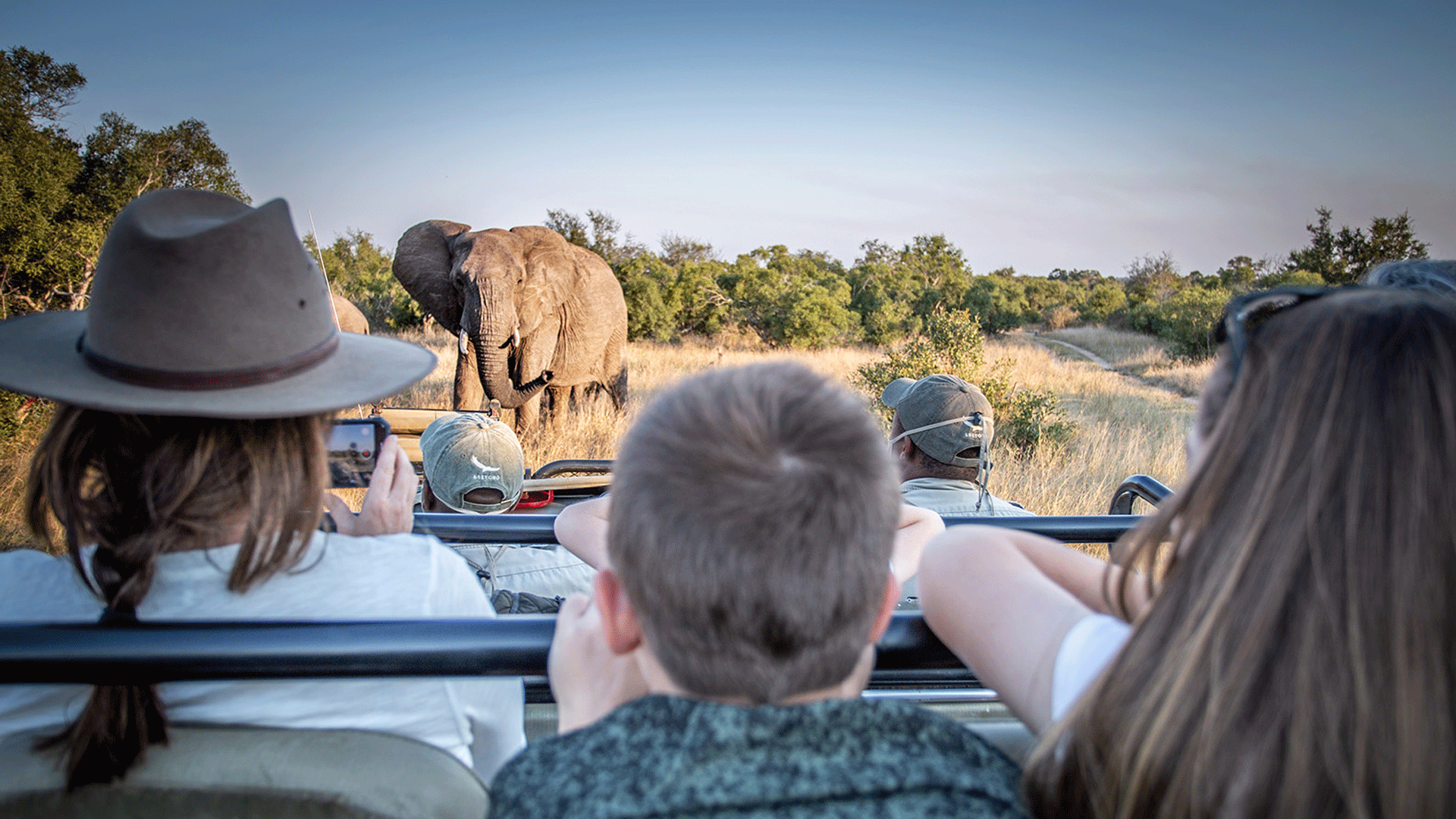
Entry Gates, Permits, and Park Rules
Practical Kruger National Park travel advice begins at the entrance gate. Visitors must enter through designated gates during official operating hours, which vary seasonally. Arriving early increases wildlife viewing opportunities and allows more time inside the park.
Valid identification and proof of accommodation are often required at entry points. Conservation fees apply and can be paid in advance or at the gate. Understanding these procedures helps avoid delays and frustration.
Once inside the park, adherence to rules is strictly enforced. Speed limits, staying inside vehicles, respecting animal right-of-way, and observing quiet hours are essential for safety and conservation. Following park regulations is not only a legal requirement but a fundamental aspect of responsible travel.
Self-Drive vs Guided Safari Advice
A key decision addressed in Kruger National Park travel advice is whether to self-drive or join guided safaris. Both options offer distinct advantages, and the choice depends on experience level, budget, and travel style.
Self-driving provides flexibility, independence, and the opportunity to explore at a personal pace. Kruger’s road network is well maintained, and signage is clear, making self-drive safaris accessible even to first-time visitors. However, success depends on patience, observation skills, and an understanding of animal behavior.
Guided safaris offer expert knowledge, tracking skills, and access to night drives and off-road areas in certain zones. Professional guides enhance understanding of ecosystems and animal interactions, often leading to deeper insights and more nuanced experiences.
Balanced Kruger National Park travel advice often recommends combining both approaches for a well-rounded safari.
Accommodation Planning and Camp Selection
Accommodation choice plays a major role in shaping a safari experience, making it a vital element of Kruger National Park travel advice. The park offers a wide range of options, from basic campsites and self-catering bungalows to luxury lodges.
Rest camps serve as strategic bases for exploration, each providing access to different habitats and wildlife corridors. Larger camps offer more amenities, while smaller camps deliver intimacy and proximity to quieter areas.
Booking accommodation well in advance is strongly advised, particularly during peak seasons. Understanding cancellation policies, check-in times, and camp facilities helps travelers avoid logistical challenges.
Selecting accommodation that aligns with travel goals ensures comfort, efficiency, and a deeper connection to the surrounding environment.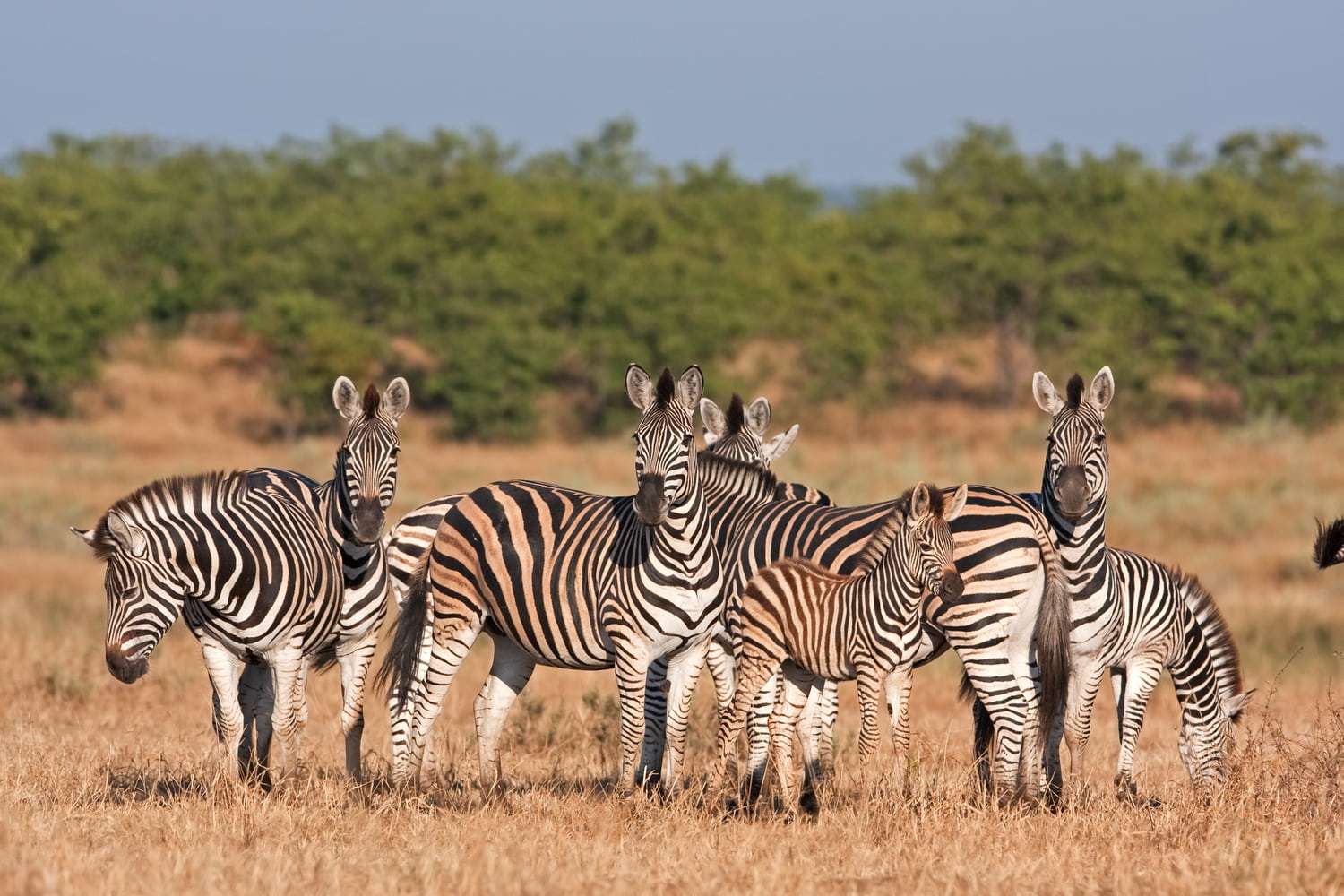
What to Pack for Kruger National Park
Packing appropriately is a practical yet often overlooked aspect of Kruger National Park travel advice. Clothing should be lightweight, neutral in color, and suitable for varying temperatures. Early mornings and evenings can be cold in winter, while summer days are hot and humid.
Essential items include binoculars, sunscreen, insect repellent, hats, reusable water bottles, and a reliable camera. While shops are available at major rest camps, selection may be limited, and prices can be higher.
Medication, personal documents, and basic first aid supplies should be carried at all times. Preparation ensures comfort and safety, allowing travelers to focus on the safari experience rather than logistical concerns.
Wildlife Viewing Etiquette and Safety
Respectful behavior around wildlife is central to responsible Kruger National Park travel advice. Animals always have the right of way, and maintaining a safe distance is essential for both human and animal welfare.
Feeding animals, hooting, loud noises, and exiting vehicles outside designated areas are strictly prohibited. These actions disrupt natural behavior and pose serious safety risks.
Patience is rewarded in Kruger National Park. Spending time at sightings, observing behavior, and allowing animals to move naturally often results in more meaningful encounters. Ethical wildlife viewing enhances conservation outcomes and preserves the integrity of the park.
Driving Tips and Road Navigation
Driving within Kruger National Park requires attentiveness and patience. Speed limits are strictly enforced to protect wildlife and visitors. Roads vary from tarred highways to gravel tracks, each offering different viewing opportunities.
Understanding road numbering and using maps or GPS systems helps with navigation. However, flexibility remains important, as wildlife sightings often dictate route changes.
Rest stops and picnic sites provide opportunities to stretch, eat, and enjoy scenic views. Planning daily routes with realistic distances prevents fatigue and ensures compliance with gate closing times.
These driving considerations form a crucial part of practical Kruger National Park travel advice.
Health Considerations and Travel Safety
Health-related Kruger National Park travel advice includes awareness of malaria risk, particularly during the wet season. Consulting a healthcare professional before travel is recommended to assess preventative measures.
Hydration is essential, especially during hot weather. Visitors should carry sufficient water and avoid prolonged exposure to direct sunlight.
Kruger National Park is considered safe when rules are followed. However, awareness of surroundings, securing valuables, and respecting wildlife boundaries remain important. Safety is enhanced through preparation and responsible behavior.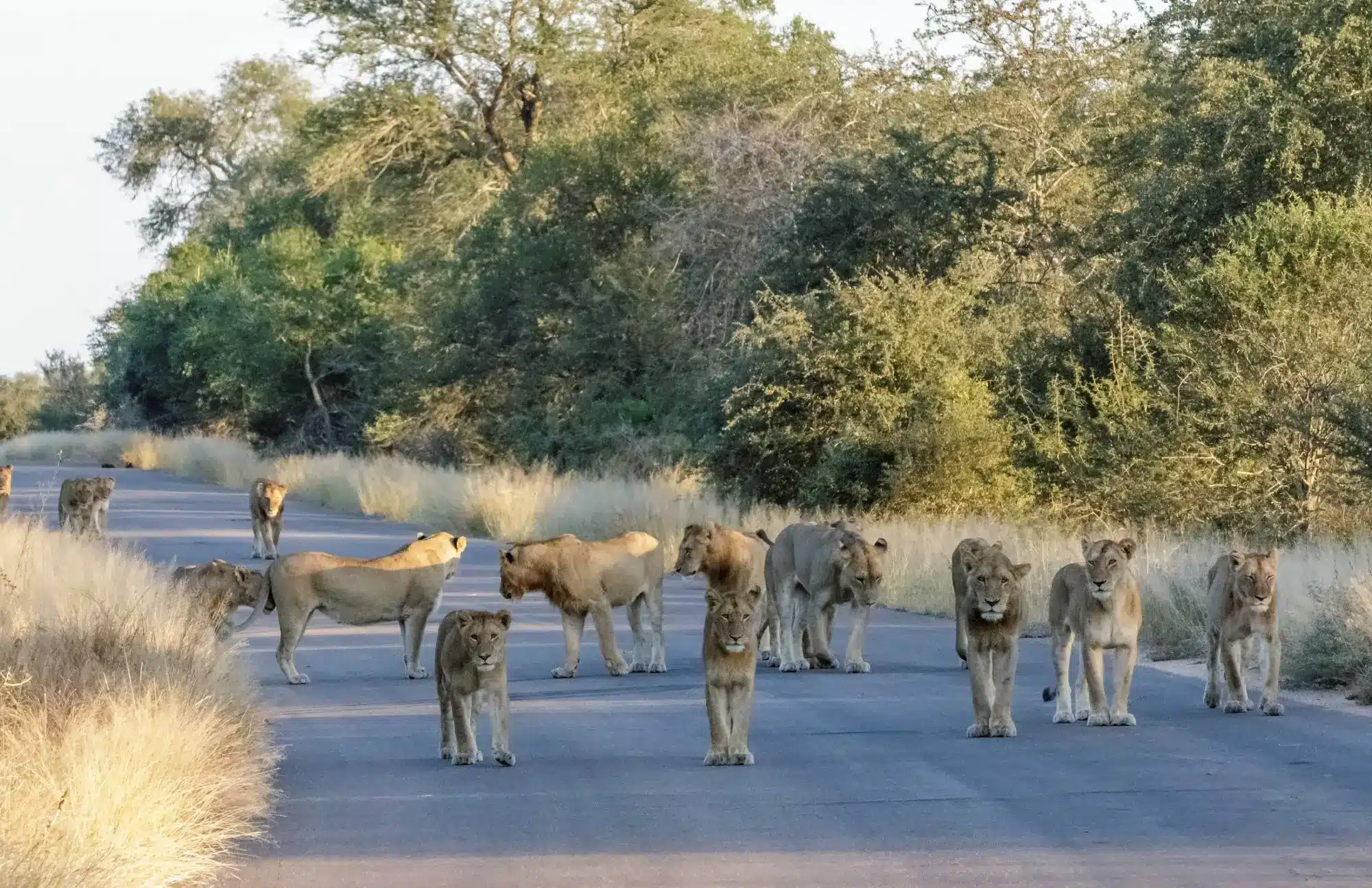
Food, Supplies, and Dining Options
Understanding food availability is another practical component of Kruger National Park travel advice. Rest camps offer restaurants, shops, and braai facilities, allowing for flexible meal planning.
Self-catering travelers benefit from bringing supplies from outside the park, especially specialty items. Restaurants provide convenience but may have limited menus depending on location.
Planning meals in advance helps manage time and budget, particularly for families or long stays.
Photography and Technology Tips
Photography is a major focus for many visitors, making it an important area of Kruger National Park travel advice. Protecting equipment from dust, heat, and humidity ensures longevity and performance.
Charging facilities are available at most rest camps, but backup batteries and power banks are recommended. Respecting other visitors at sightings by positioning vehicles responsibly enhances the shared experience.
Understanding light conditions and animal behavior improves photographic outcomes and reduces frustration.
Budgeting and Cost Management
Effective Kruger National Park travel advice includes realistic budgeting. Costs may include conservation fees, accommodation, fuel, food, guided activities, and optional extras.
Traveling during shoulder or low seasons can reduce expenses, while booking early secures better availability. Understanding what is included and what is optional prevents unexpected costs.
Balanced budgeting ensures that resources are allocated to experiences that matter most to individual travelers.
Responsible Tourism and Conservation Awareness
Responsible travel is a core principle of Kruger National Park travel advice. Visitors play a direct role in conservation through tourism revenue and behavior.
Minimizing waste, respecting habitats, supporting park initiatives, and engaging with educational resources contribute to the park’s sustainability.
Travelers who understand their impact leave with a deeper appreciation for conservation efforts and the long-term protection of wildlife.
Advice for First-Time Visitors
First-time visitors benefit from focused Kruger National Park travel advice that emphasizes simplicity and realism. Limiting daily driving distances, choosing well-known regions, and allowing time for rest enhance enjoyment.
Accepting that wildlife sightings are unpredictable helps manage expectations. Every safari is unique, and patience often leads to unexpected rewards.
First visits often spark a lifelong connection to the park, shaped by thoughtful planning and openness to the experience.
Advice for Repeat Visitors
Repeat travelers often seek deeper immersion, making advanced Kruger National Park travel advice relevant. Exploring lesser-known regions, seasonal contrasts, and specialized activities adds depth.
Familiarity with the park allows for slower exploration and greater appreciation of subtle details. Each visit builds upon the last, revealing new perspectives.
Kruger National Park continues to reward curiosity and respect, regardless of how many times it is visited.
Essential Kruger National Park Travel Advice
Kruger National Park travel advice centers on preparation, patience, and respect for nature. Understanding the park’s scale, rules, seasons, and rhythms transforms a visit from a simple holiday into a meaningful experience.
By aligning expectations with reality and embracing responsible travel practices, visitors can enjoy rich wildlife encounters, personal reflection, and lasting memories. Kruger National Park is not just a destination to see but a place to experience thoughtfully.
With informed planning and mindful behavior, every traveler can discover the profound value that Kruger National Park offers.