When to go to Kruger National Park is one of the most important questions travelers ask when planning a safari in South Africa. While Kruger National Park is a year-round destination, the timing of a visit has a significant influence on wildlife sightings, landscapes, weather conditions, costs, and overall experience. Understanding seasonal changes and how they affect animal behavior and visitor dynamics is essential to making the most of a trip.
Kruger National Park spans a vast area with varied ecosystems, and each season brings its own character and advantages. There is no single “perfect” time that suits every traveler. Instead, the best answer to when to go to Kruger National Park depends on individual priorities, whether those involve seeing predators, enjoying lush scenery, avoiding crowds, photographing wildlife, or traveling within a specific budget.
This in-depth guide explores Kruger National Park season by season, explaining climate patterns, wildlife movements, and travel considerations in detail. By the end, readers will have a clear understanding of when to go to Kruger National Park based on informed expectations rather than general assumptions.
Understanding Kruger National Park’s Climate and Seasons
To fully understand when to go to Kruger National Park, it is important to first understand its climate. Kruger lies within a subtropical region and experiences two main seasons rather than the four-season pattern found in many parts of the world. These seasons are broadly classified as the dry winter season and the wet summer season.
The dry season typically runs from May to September, while the wet season extends from October to April. Each season brings noticeable changes in temperature, rainfall, vegetation, and wildlife behavior. These shifts directly affect game viewing conditions and the overall safari atmosphere.
Because Kruger National Park remains open throughout the year, travelers have the flexibility to choose when to go based on personal preferences rather than strict availability. This adaptability is one of the park’s greatest strengths.
When to Go to Kruger National Park for the Best Wildlife Viewing
For many travelers, when to go to Kruger National Park is closely tied to the desire for optimal wildlife viewing. In general, the dry winter months are considered the most reliable period for seeing large mammals and predators.
During the dry season, water becomes scarce across the landscape, causing animals to congregate around permanent rivers, waterholes, and dams. Vegetation thins out, improving visibility and making it easier to spot wildlife from roads. Predators also become more active during daylight hours as hunting conditions improve.
This period offers predictable sightings of elephants, buffalo, lions, leopards, and rhinos. As a result, travelers who prioritize classic safari encounters often find that the dry season provides the clearest answer to when to go to Kruger National Park.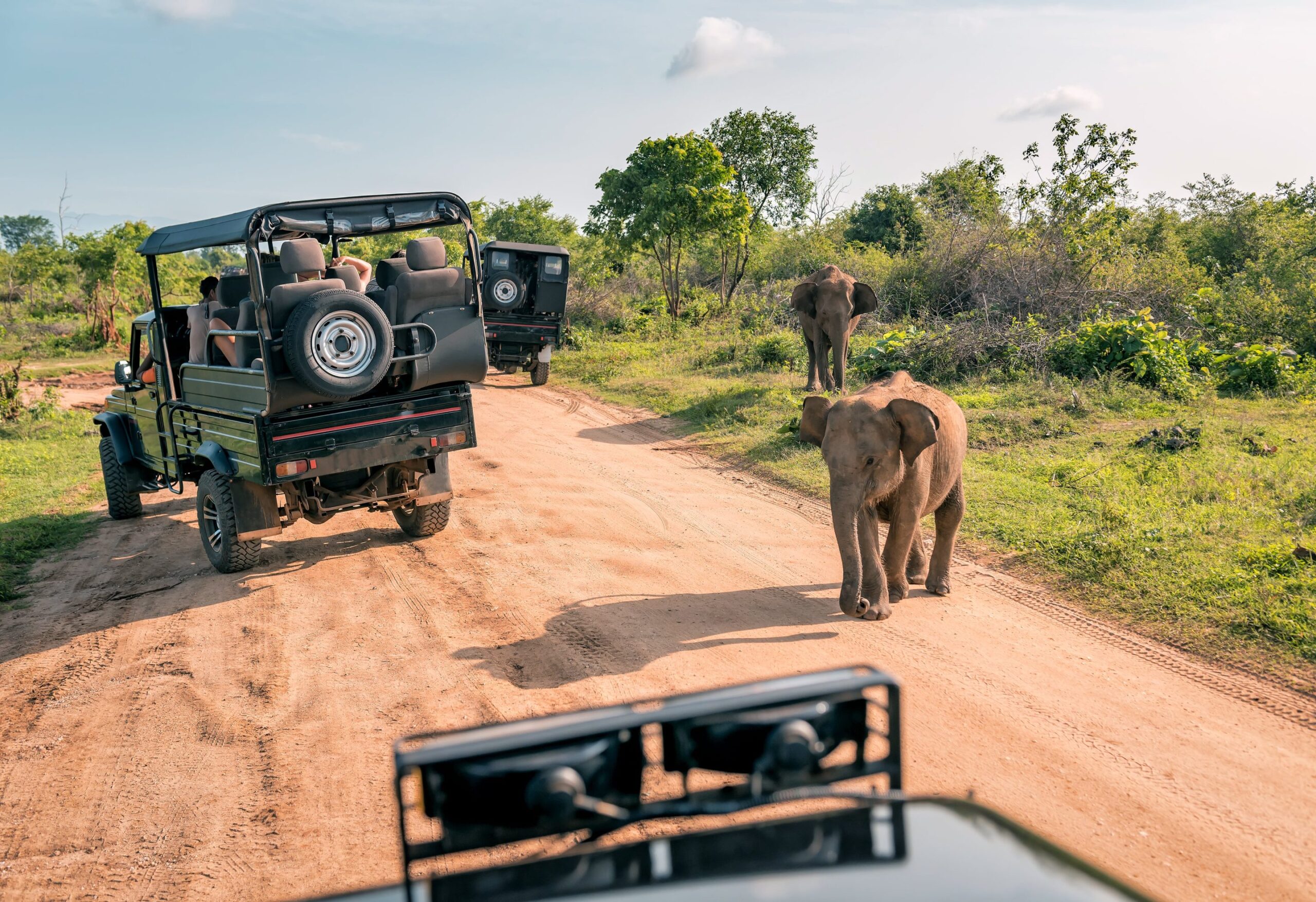
Visiting Kruger National Park During the Dry Season
The dry season, from May to September, is widely regarded as the peak safari season. Daytime temperatures are mild, nights are cooler, and rainfall is minimal. These conditions create a comfortable environment for both wildlife and visitors.
June, July, and August are particularly popular months, especially among international travelers escaping summer in the Northern Hemisphere. Wildlife viewing during this period is excellent, as animals are easier to locate and sightings tend to last longer due to open terrain.
However, peak season also brings higher visitor numbers and increased accommodation demand. Planning ahead becomes essential for those choosing this time frame. While the experience remains exceptional, understanding these trade-offs is important when deciding when to go to Kruger National Park.
When to Go to Kruger National Park for Fewer Crowds
For travelers seeking a quieter and more relaxed safari, when to go to Kruger National Park may involve avoiding peak travel months. While the dry season offers the best game viewing, it also attracts the largest crowds.
The shoulder months of April, May, September, and October often provide a balance between good wildlife sightings and reduced visitor numbers. During these periods, landscapes transition between green and dry phases, offering scenic beauty without the intensity of peak season congestion.
These months are particularly appealing for travelers who value space, slower-paced exploration, and a more intimate connection with the environment. For many, shoulder season travel represents the most satisfying answer to when to go to Kruger National Park.
When to Go to Kruger National Park During the Wet Season
The wet summer season, from October to April, presents a very different but equally rewarding perspective on Kruger National Park. Rainfall transforms the landscape into lush greenery, rivers flow strongly, and the park takes on a vibrant, life-filled atmosphere.
This period is marked by warmer temperatures and occasional afternoon thunderstorms. While dense vegetation can make wildlife harder to spot, animal behavior becomes more dynamic, with breeding cycles, territorial displays, and the arrival of newborn animals.
For travelers who appreciate natural beauty, dramatic skies, and ecological richness, the wet season offers a compelling alternative when considering when to go to Kruger National Park.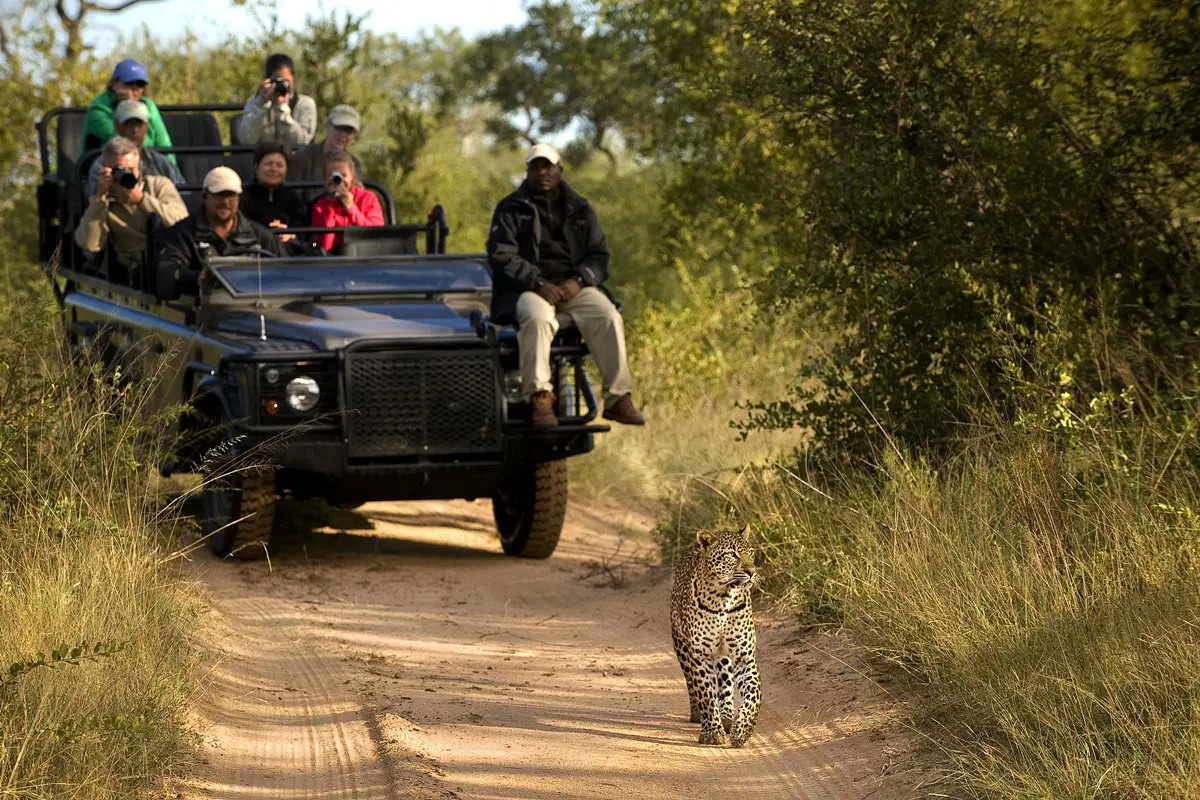
When to Go to Kruger National Park for Birdwatching
Birdwatching plays a key role in determining when to go to Kruger National Park for many visitors. The park is home to over 500 bird species, and the summer months are particularly significant for avian diversity.
From November to March, migratory birds arrive from Europe and Asia, dramatically increasing species variety and activity. Breeding plumage, vocal displays, and nesting behaviors are commonly observed during this time.
Waterbirds thrive along swollen rivers and seasonal wetlands, while raptors and forest species become more active. For bird enthusiasts, the wet season clearly answers when to go to Kruger National Park for optimal birding opportunities.
When to Go to Kruger National Park for Photography
Photography considerations strongly influence when to go to Kruger National Park. Each season offers distinct photographic advantages, depending on artistic goals.
The dry season provides clear visibility, golden light, and dust-filled scenes that emphasize classic safari imagery. Sparse vegetation allows photographers to isolate subjects and capture dramatic predator-prey interactions.
In contrast, the wet season offers lush backdrops, vibrant colors, and dramatic cloud formations. Newborn animals and flowering plants add emotional and visual depth to photographs. For photographers seeking variety and storytelling, choosing when to go to Kruger National Park often depends on whether minimalism or abundance is preferred.
When to Go to Kruger National Park for Baby Animals
Witnessing newborn animals is one of the most emotionally rewarding safari experiences and plays a significant role in deciding when to go to Kruger National Park. The peak birthing season typically occurs during the wet months, particularly from December to February.
During this time, antelope species such as impala give birth, creating an abundance of young animals across the plains. This increase in prey availability also influences predator behavior, resulting in heightened activity and interaction.
While sightings may require more patience due to dense vegetation, the opportunity to observe nurturing behaviors and early survival challenges adds depth to the safari experience. For travelers drawn to these moments, the wet season defines when to go to Kruger National Park.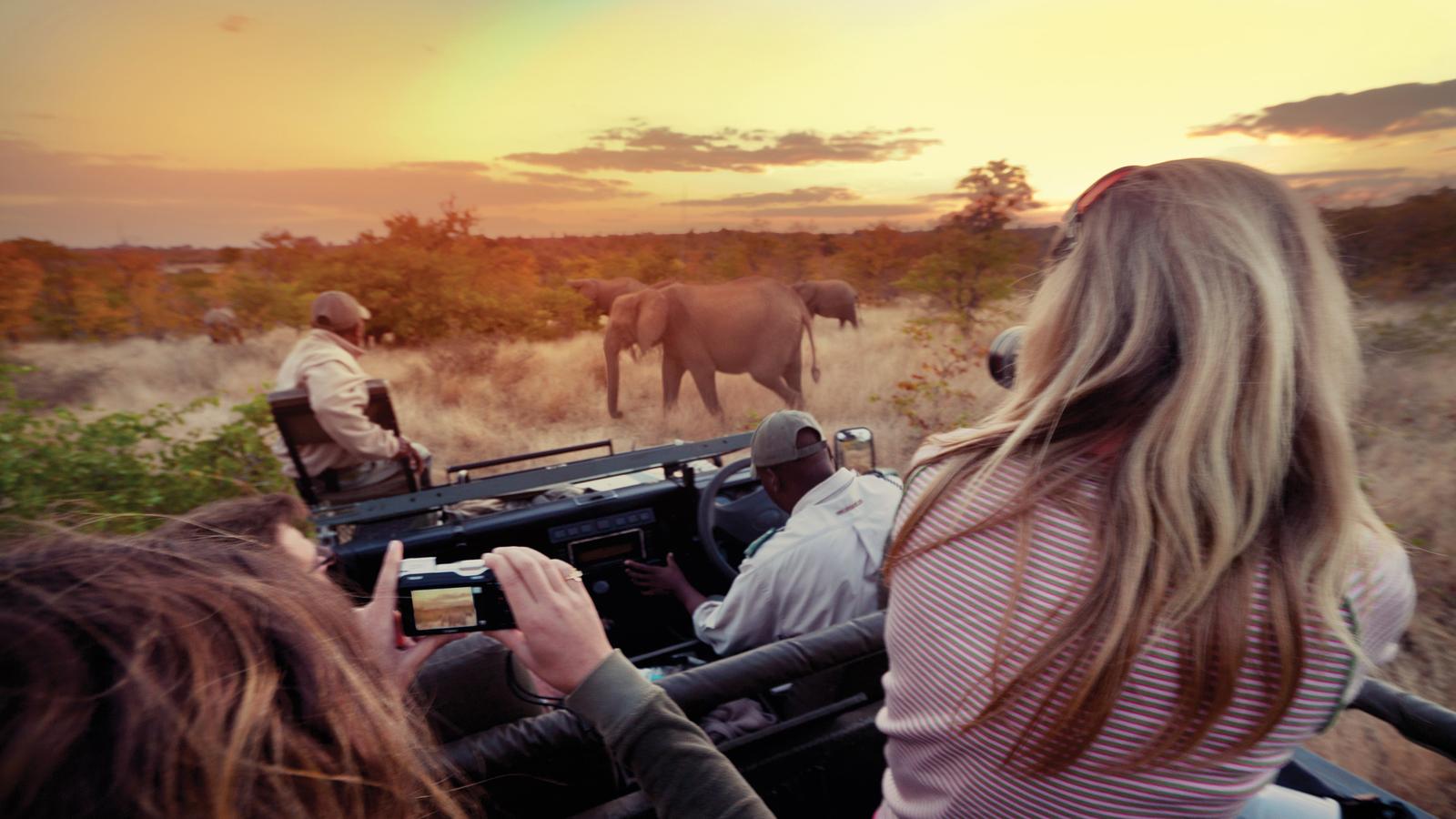
Weather Considerations and Comfort Levels
Personal comfort is another important factor in determining when to go to Kruger National Park. Winter months are cooler and drier, making long game drives more comfortable for many visitors. Morning and evening drives may require warm clothing, but daytime temperatures are generally pleasant.
Summer months bring higher temperatures and humidity, which can be challenging for some travelers. Afternoon heat and storms may influence daily activity patterns, but they also create opportunities for rest and reflection.
Understanding individual tolerance for heat and weather variability helps clarify when to go to Kruger National Park based on comfort rather than wildlife alone.
When to Go to Kruger National Park for Budget Travelers
Cost considerations often influence when to go to Kruger National Park. Peak season pricing typically aligns with the dry winter months, when demand for accommodation and guided safaris is highest.
The wet season and shoulder months often offer more affordable rates, including discounted accommodation and increased availability. Budget-conscious travelers can enjoy high-quality experiences while benefiting from lower costs and reduced competition for bookings.
For those seeking value without compromising the essence of the safari experience, timing becomes a strategic answer to when to go to Kruger National Park.
School Holidays and Travel Timing
Local and international school holidays also affect when to go to Kruger National Park. South African school holidays, particularly in June, July, and December, bring increased visitor numbers and family travel.
Travelers wishing to avoid busy periods may choose to plan trips outside these holiday windows. Awareness of these patterns allows for more informed decisions about when to go to Kruger National Park, especially for those prioritizing tranquility.
Seasonal Wildlife Behavior and Movement
Animal behavior shifts with the seasons, adding complexity to the question of when to go to Kruger National Park. During the dry season, animals travel greater distances to find water, creating predictable movement patterns.
In the wet season, food and water become abundant, dispersing wildlife across the landscape. While this reduces concentration around rivers, it also encourages natural behaviors such as mating, nesting, and territorial expansion.
Understanding these behavioral patterns enhances appreciation of seasonal differences and helps travelers choose when to go to Kruger National Park based on preferred viewing styles.
When to Go to Kruger National Park for Repeat Visitors
Repeat visitors often approach the question of when to go to Kruger National Park differently. Having experienced peak season highlights, returning travelers may seek quieter months, alternative regions, or seasonal contrasts.
Exploring the park during the wet season or shoulder months allows for a deeper understanding of its ecological rhythms. This evolving perspective reinforces the idea that Kruger National Park is not defined by a single “best” time.
For repeat visitors, when to go to Kruger National Park becomes an opportunity for rediscovery rather than optimization.
Combining Seasons for a Balanced Experience
Some travelers choose to split visits across different seasons or plan extended stays that span seasonal transitions. This approach offers a comprehensive understanding of the park’s diversity and rhythm.
Experiencing both dry and wet conditions highlights the dynamic nature of Kruger National Park and reinforces the value of timing in shaping perception. This flexibility further expands the answer to when to go to Kruger National Park.
Choosing When to Go to Kruger National Park
When to go to Kruger National Park is ultimately a personal decision shaped by priorities, expectations, and travel style. The dry season offers exceptional wildlife visibility and classic safari conditions, while the wet season delivers vibrant landscapes, birdlife, and ecological richness.
There is no wrong time to visit Kruger National Park, only different experiences waiting to be discovered. By understanding seasonal patterns and aligning them with individual goals, travelers can choose when to go to Kruger National Park with confidence and clarity.
Kruger National Park rewards visitors in every season, offering a timeless connection to nature that transcends calendars and conventions.